

 English
 Español
 عربى
عربى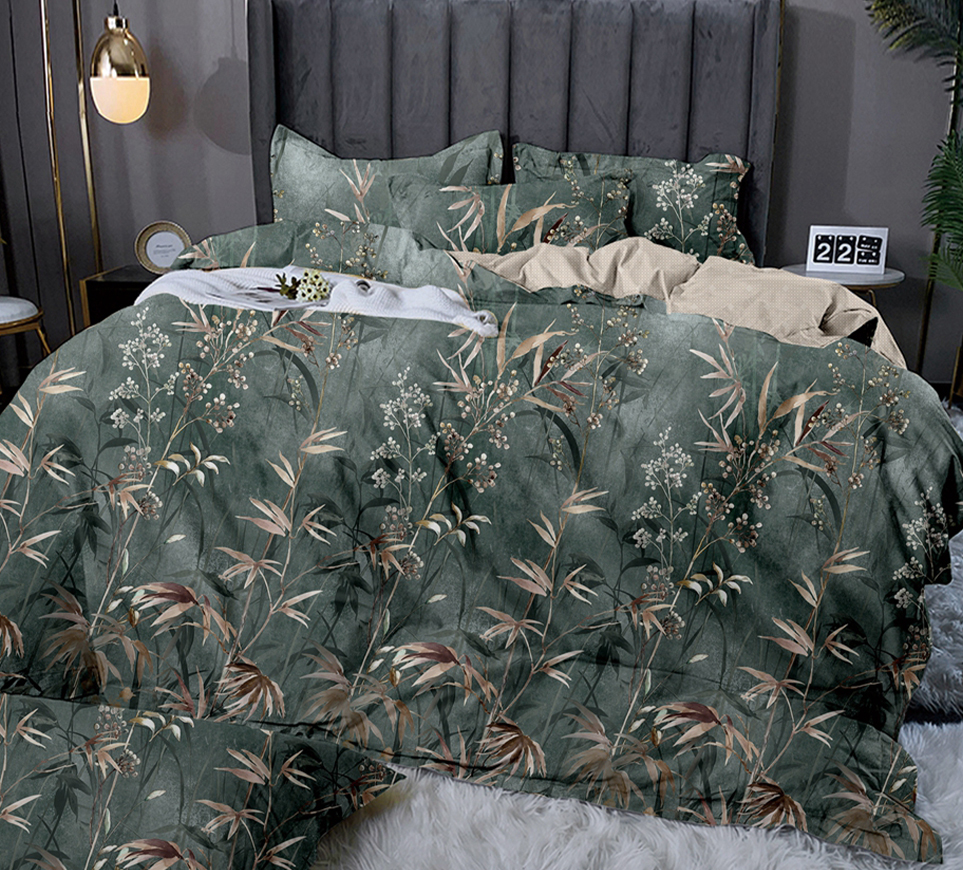
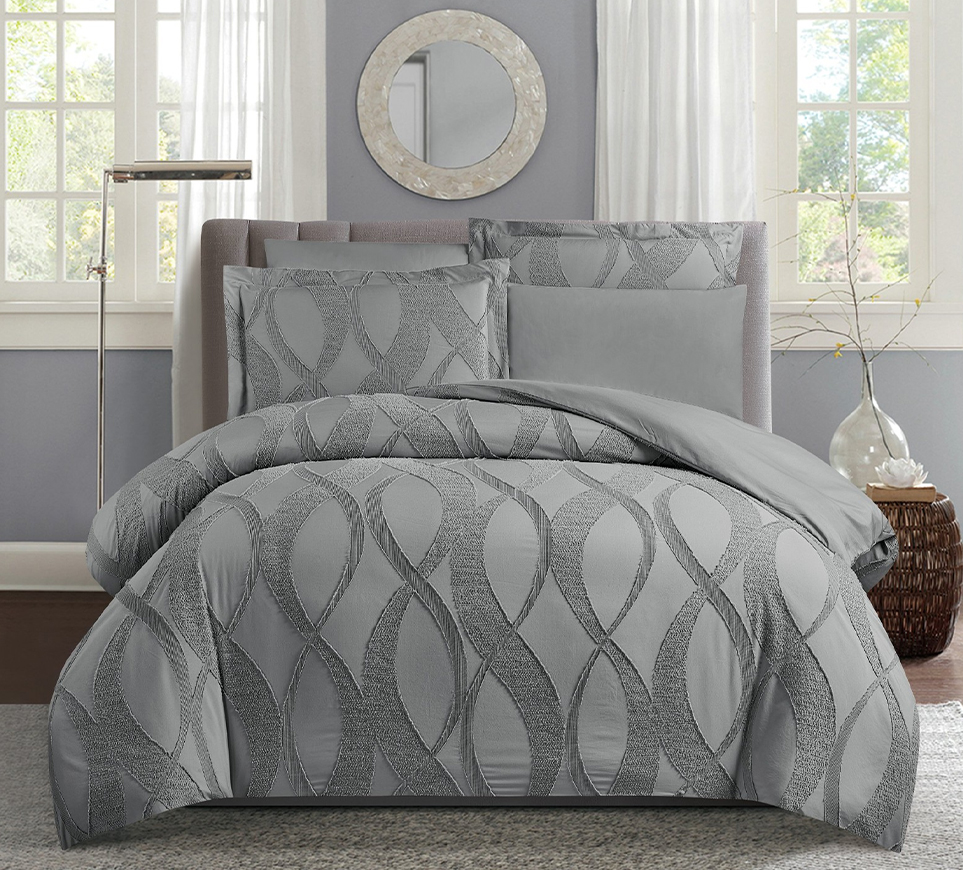
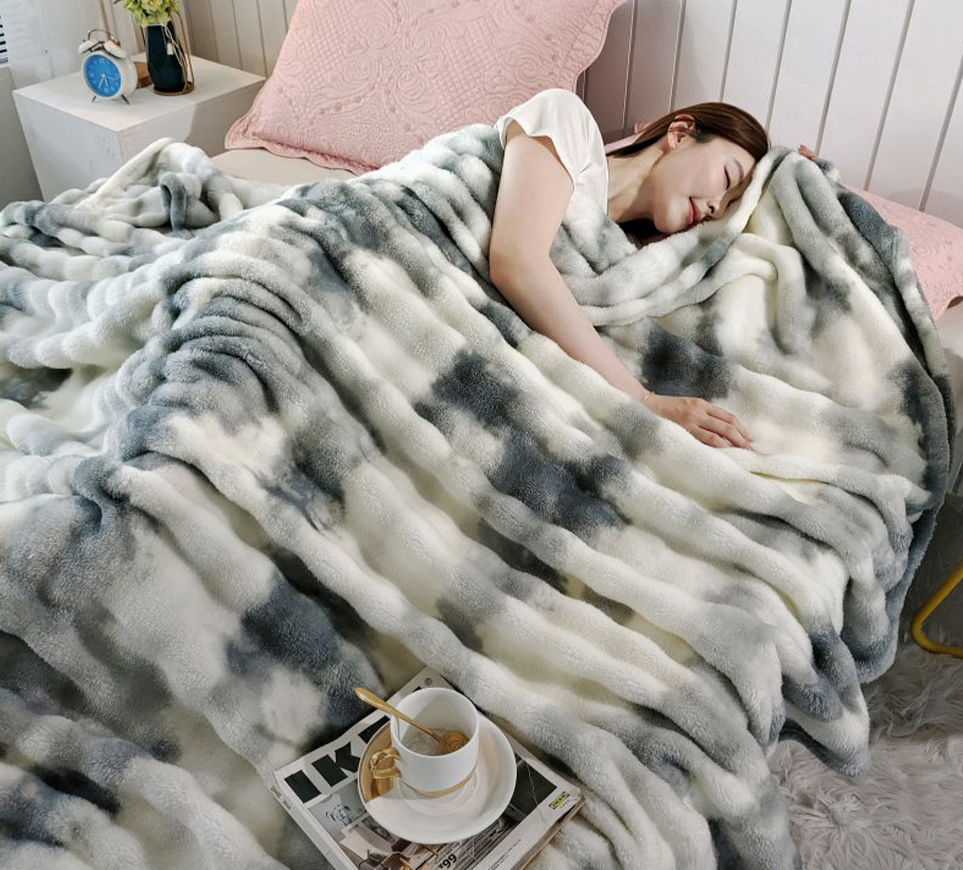
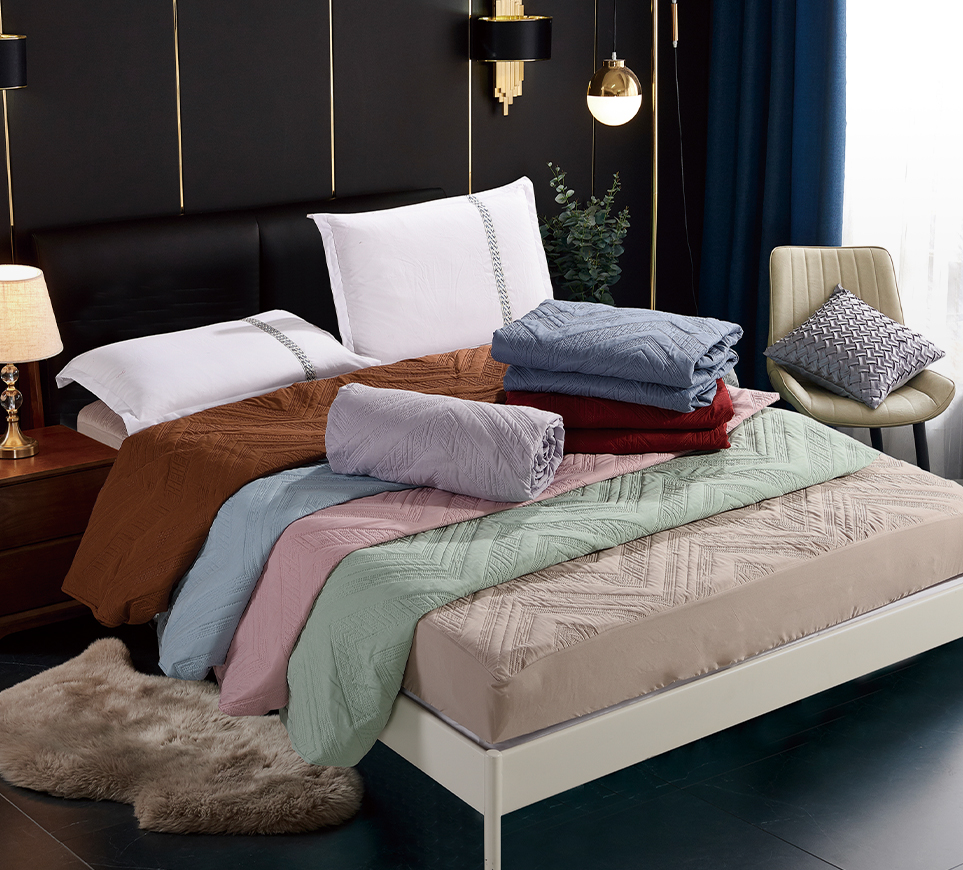

FunctionFast dry and easy to care: Not easy to shrink, no ironing and anti-wrinkle, fast drying after machine washing.Durable and fade resistant: Strong wear resistance, high color fastness, long-term...
See DetailsWhy Choose Us?
Established in 2008, with a 3,000m² professional factory, over 50 employees, and 5 departmental managers.

Coming From China, Marketing To The World.
What Makes a Soft Winter Flannel Fleece Blanket Warm
Jul 20, 2026
Content
- 1 What Makes Flannel Fleece Fabric Warm and Soft
- 2 Soft Winter Fleece Blanket vs Other Common Blanket Fabrics
- 3 Fabric Weight and Its Effect on Fleece Blanket Warmth
- 4 Seasonal Demand Patterns for Fleece Blanket Products
- 5 Isometric Construction View of a Flannel Fleece Blanket
- 6 Sourcing Fleece Blanket Products from a Home Textile Manufacturer
- 7 Frequently Asked Questions
A soft winter flannel fleece blanket provides effective thermal insulation by trapping warm air within a dense network of raised microfiber loops, making it a practical bedding choice for cold-season use. Flannel fleece blankets are constructed from tightly brushed polyester microfiber, a manufacturing process that increases surface area and air-pocket density compared to plain woven fabric, which is the primary reason fleece retains heat efficiently while remaining lightweight. This article explains how fleece blanket construction affects warmth and softness, compares flannel fleece against other common blanket fabrics, and outlines practical considerations for bedding wholesalers, hospitality buyers, and home textile distributors sourcing soft winter fleece blanket products for retail or contract supply.
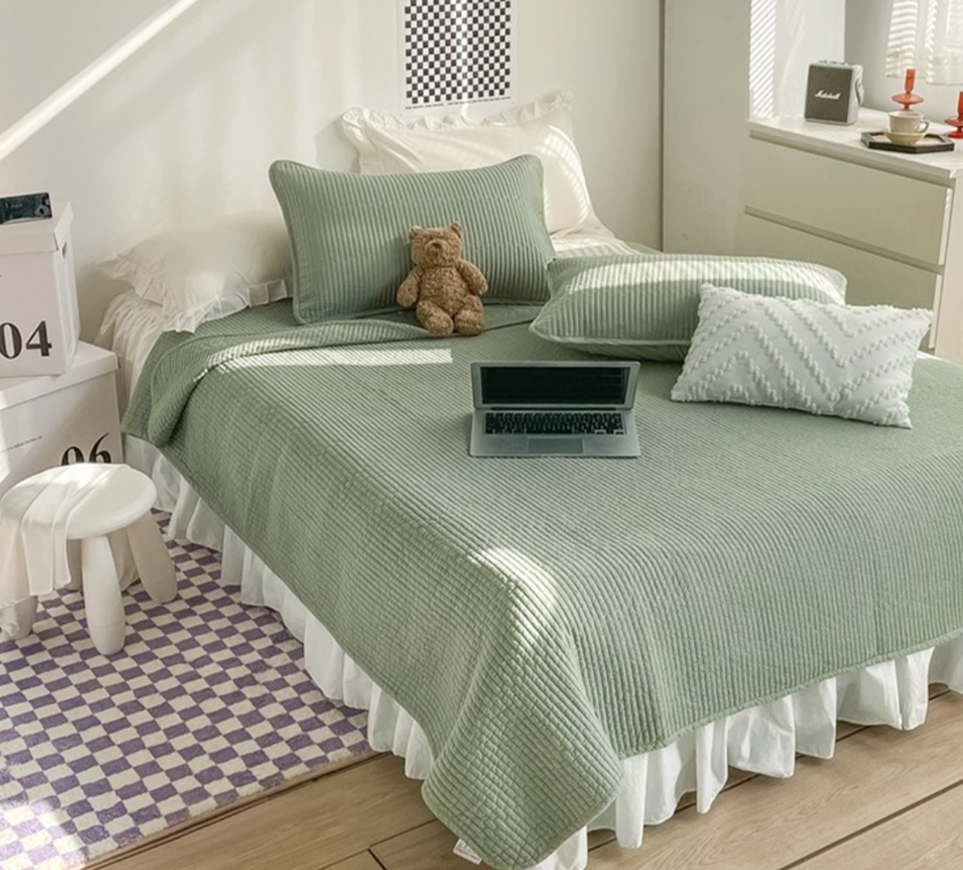
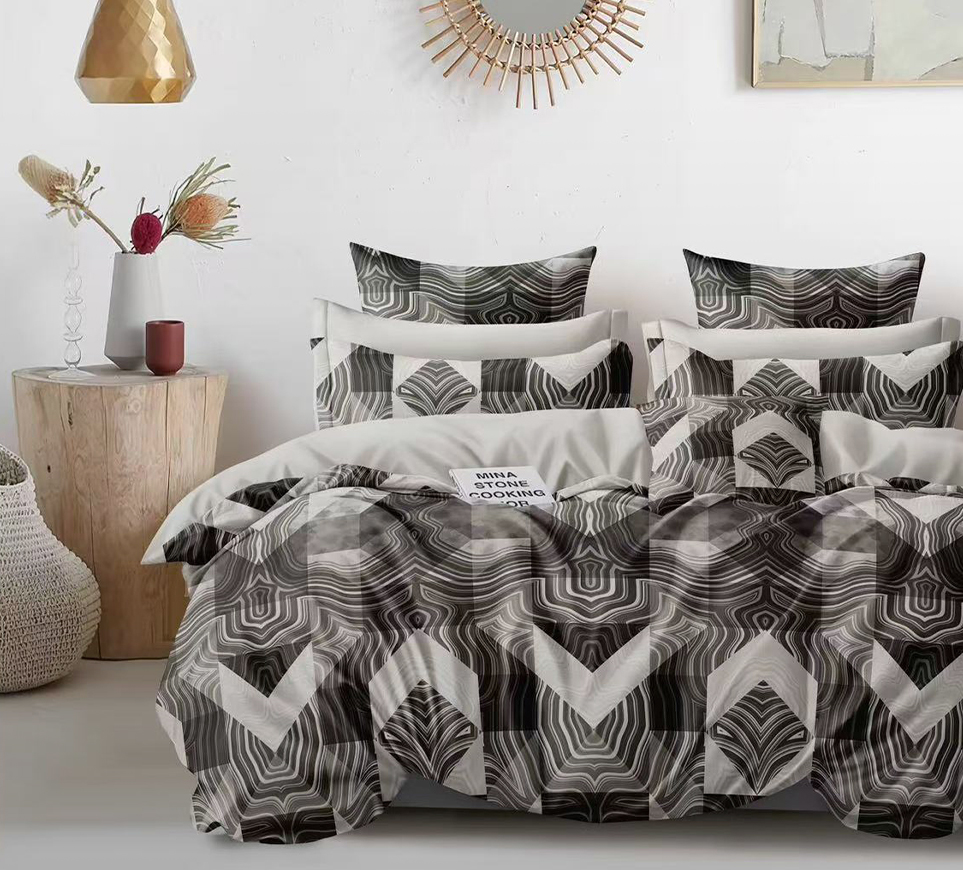
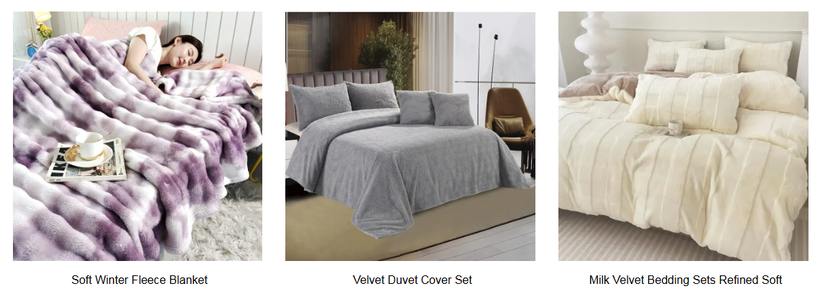
The three product images below show typical soft winter flannel fleece blanket and related velvet bedding constructions, illustrating the raised pile texture and drape characteristic of this fabric category.
What Makes Flannel Fleece Fabric Warm and Soft
Flannel fleece fabric achieves its characteristic warmth through a brushing and napping process applied to woven or knitted polyester microfiber, which raises fine fiber ends from the base fabric surface to create a soft, textured pile. This brushed structure increases the number of trapped air pockets per square inch compared to a smooth, unbrushed fabric, and trapped air is a poor conductor of heat, which is the underlying physical reason fleece blankets feel noticeably warmer than flat woven cotton bedding of similar weight. According to general textile engineering references on nonwoven and brushed fabrics, thermal insulation in pile fabrics correlates closely with pile density and loft height, meaning a well-constructed flannel fleece blanket with dense, even brushing generally outperforms a thin or unevenly brushed alternative in retained warmth.
Microfiber used in fleece blanket production is typically split or ultra-fine polyester fiber, measured in denier, with finer fibers producing a softer hand feel because more individual fiber ends contact the skin per unit area. Fabric weight, commonly measured in grams per square meter (GSM), is one of the most reliable indicators of a fleece blanket's warmth and durability, with heavier GSM fleece generally providing more substantial warmth suited to winter use, while lighter GSM fleece is better suited to transitional seasons or layered bedding setups.
- Brushing process: raises fiber ends to create a soft pile surface and trap insulating air.
- Fiber fineness: finer microfiber denier produces a softer hand feel against skin.
- Fabric weight (GSM): higher GSM generally correlates with greater warmth retention.
- Pile density: tighter, more uniform pile improves both softness and insulation consistency.
Soft Winter Fleece Blanket vs Other Common Blanket Fabrics
Choosing between a soft winter flannel fleece blanket and other common bedding fabrics such as cotton flannel, wool blend, or plain acrylic knit depends primarily on desired warmth level, care requirements, and budget considerations for wholesale bedding programs. Flannel fleece blankets generally offer a favorable balance of warmth, softness, and easy machine washability compared to wool blends, which often require more delicate laundering, while offering greater plushness than plain cotton flannel due to the raised pile surface.
| Fabric Type | Relative Warmth | Care Requirement | Typical Use |
|---|---|---|---|
| Flannel Fleece | High | Machine washable | Winter bedding, throws |
| Cotton Flannel | Moderate | Machine washable | Sheets, mild climates |
| Wool Blend | High | Delicate wash or dry clean | Cold climate throws |
| Plain Acrylic Knit | Low to Moderate | Machine washable | Lightweight throws |
The radar chart below compares four common winter blanket fabric types across five practical sourcing criteria relevant to bedding wholesalers and home textile buyers. This visualization is intended to summarize general fabric characteristics rather than provide precise laboratory measurements for any single product batch. It is useful for buyers deciding which fabric category to prioritize for a winter bedding collection targeting different price and quality tiers. Reading the chart from the center outward, a larger shaded area along any axis indicates a stronger relative characteristic for that fabric. The five axes shown are warmth retention, softness, durability, ease of care, and drape quality, all factors that influence customer satisfaction with finished blanket products.
As the chart shows, flannel fleece blankets extend further along the softness and ease of care axes than wool blend throws, which reflects the fundamental difference between engineered microfiber pile and natural wool fiber structure. Wool fiber has excellent inherent warmth retention due to its natural crimp and moisture-wicking properties, placing it competitively on the warmth axis, but wool typically requires more careful washing to avoid felting or shrinkage, which lowers its ease of care rating relative to a machine washable flannel fleece blanket. Softness is where flannel fleece blankets show a clear advantage, since the brushed microfiber surface produces a smoother, more uniform hand feel than the coarser texture common to many wool blends, particularly for buyers seeking a plush winter fleece blanket suited to everyday household use. Durability scores are comparably strong for both fabric types when properly cared for, though flannel fleece can be prone to gradual pilling over repeated washing cycles if lower-grade microfiber is used, which is why fiber quality and brushing technique matter significantly for long-term product performance. Drape quality, meaning how naturally a fabric falls and conforms to a bed or body shape, tends to favor flannel fleece slightly due to its knit or brushed-woven construction, which allows more flexible movement than a denser wool weave. For bedding wholesalers and home textile manufacturers evaluating fabric options for a winter collection, this comparison suggests that flannel fleece blankets are particularly well suited to mass-market retail programs where softness, washability, and consistent quality across large production runs are priorities. Wool blend throws may remain relevant for premium positioning where natural fiber appeal is a key selling point, but they generally require more consumer education around proper care. Buyers sourcing a soft winter flannel fleece blanket line should pay close attention to fiber denier and brushing consistency across suppliers, since these two factors most directly determine where a given product batch falls on the softness and durability axes shown here. This type of comparative evaluation is consistent with general textile sourcing guidance that recommends matching fabric technical properties to target market expectations rather than relying on fabric category name alone. Ultimately, the relative strengths shown in this chart help explain why flannel fleece has become one of the most widely stocked fabric categories for winter bedding and throw blanket product lines across many home textile catalogs.
Fabric Weight and Its Effect on Fleece Blanket Warmth
Fabric weight, expressed in grams per square meter, is one of the most practical specifications for home textile buyers to evaluate when comparing soft winter fleece blanket products across different suppliers. Lighter fleece fabrics, generally in the range commonly used for lightweight throws, provide a softer drape and are often chosen for warmer climates or as an additional layer over existing bedding. Heavier fleece fabrics, more typical of dedicated winter blanket products, provide substantially greater warmth due to increased fiber density and pile loft, making them a preferred choice for cold-season bedding programs.
The bar chart below presents a general illustration of how relative warmth perception tends to increase alongside fabric weight category for flannel fleece blanket products, based on commonly referenced textile weight classification used across the home textile industry. This chart is intended as a directional reference for sourcing discussions rather than an exact scientific thermal measurement for any specific fabric batch. It is useful for bedding buyers and product developers deciding which weight category best fits a planned winter fleece blanket collection. The horizontal bars represent relative warmth rating on a simplified scale, and longer bars indicate fabric weight categories generally associated with greater perceived warmth in finished blanket products.
This chart illustrates a consistent relationship recognized across home textile manufacturing: as fleece fabric weight increases, perceived warmth generally increases alongside it, though the relationship is not perfectly linear because pile structure and brushing quality also contribute meaningfully to insulation performance. Lightweight fleece under approximately 300 GSM is typically chosen for transitional-season throws or decorative accent blankets where softness and light drape matter more than maximum warmth, making it a popular choice for year-round retail programs. Medium-weight fleece in the 300 to 400 GSM range offers a practical balance point, commonly used for general-purpose flannel fleece blankets suited to moderate winter climates and everyday household use. Heavy fleece in the 400 to 500 GSM range is where dedicated soft winter flannel fleece blanket products typically fall, providing noticeably greater insulation for colder climates while remaining machine washable and manageable in weight for regular household laundering. Extra heavy fleece above 500 GSM delivers maximum warmth retention and is often positioned as a premium winter product, though buyers should note that very heavy fleece can take longer to dry after washing, a practical consideration worth communicating to end customers. For bedding wholesalers building a winter product catalog, offering a range across these weight categories allows the catalog to address different climate zones and customer preferences within a single product family. Manufacturers evaluating fleece blanket production runs should also confirm that fabric weight is measured consistently, since GSM can vary meaningfully between finished product and raw fabric roll due to brushing and finishing processes that add loft without necessarily adding proportional fiber mass. This weight-to-warmth relationship is a widely referenced principle in textile product development literature covering pile fabric performance, and it provides a practical, verifiable basis for positioning fleece blanket products by intended climate use rather than relying on vague marketing descriptions. Home textile factories supplying private label or wholesale bedding programs often find that clearly communicating GSM specifications to retail buyers improves product positioning accuracy and reduces customer expectation mismatches after purchase. In short, fabric weight remains one of the most objective and useful specifications available when comparing soft winter fleece blanket options across different suppliers and product lines.
Seasonal Demand Patterns for Fleece Blanket Products
Demand for flannel fleece blanket and related winter bedding products follows a predictable seasonal pattern that home textile manufacturers and wholesale buyers can use to plan production schedules and inventory levels. Retail buying activity for soft winter fleece blanket products typically begins increasing in late summer as retailers prepare autumn and winter collections, peaks during the core cold-weather shopping months, and gradually tapers as spring approaches. This seasonal cadence is a well-recognized pattern across home textile retail planning and is broadly consistent with general seasonal buying trends documented in home goods retail industry commentary.
The line chart below presents a general illustrative trend of relative retail demand for flannel fleece blanket and winter bedding products across a typical calendar year, based on commonly observed seasonal retail buying patterns in the home textile sector. This chart reflects a general directional pattern rather than precise sales data for any specific company or product line. It is useful context for bedding manufacturers and wholesalers planning production timing to align with anticipated retail buying windows. The horizontal axis represents months across a calendar year, while the vertical axis represents relative demand level on a simplified scale, with the rising and falling curve reflecting the seasonal nature of winter bedding purchases.
The curve traced by this line chart reflects a demand pattern widely recognized across home textile retail planning, where interest in soft winter flannel fleece blanket products remains relatively low through spring and summer months before climbing sharply as autumn approaches. The rise typically begins around September, coinciding with retailers restocking cold-weather bedding assortments ahead of the shopping season, and continues climbing through October and into November as consumers begin actively purchasing winter blankets and related bedding items for their own homes and for gift purposes. Demand generally peaks in the weeks surrounding late autumn and early winter, a period when temperature drops motivate direct consumer purchasing alongside holiday gift-buying activity that frequently includes cozy home textile items such as fleece throws and blankets. After this peak, demand gradually declines through December and into the new year as most consumers have already completed seasonal purchases, though a secondary smaller demand pocket sometimes appears around clearance and post-holiday sales periods. By spring, demand for heavier winter fleece blanket products typically falls to its lowest point of the year, as consumer attention shifts toward lighter bedding and warm-weather home textile categories. This seasonal rhythm has direct implications for home textile manufacturers and wholesale suppliers, since production planning that aligns fabric sourcing, brushing capacity, and finished goods inventory with this curve helps avoid both stockouts during peak season and excess inventory carried into the off-season. Manufacturers supplying private label or wholesale bedding programs often begin production planning for flannel fleece blanket collections several months ahead of the anticipated autumn demand increase, allowing adequate lead time for fabric brushing, cutting, sewing, and quality inspection processes. Retail buyers and distributors evaluating supplier reliability should also consider how well a given home textile factory can scale production capacity to meet this seasonal surge without compromising quality control standards. This general seasonal pattern is consistent with broader home goods retail category behavior commonly discussed in seasonal merchandising planning resources, reinforcing that flannel fleece blanket demand is not random but follows a predictable, plannable annual cycle. Understanding this pattern allows both manufacturers and buyers to make more informed decisions about order timing, production scheduling, and inventory allocation across the wholesale bedding supply chain.
Isometric Construction View of a Flannel Fleece Blanket
The schematic diagram below illustrates an isometric layered view of typical flannel fleece blanket construction, showing the relationship between the brushed pile surface, the base knit or woven substrate, and, where applicable, an additional reverse-side fleece layer used in double-sided blanket designs. Understanding this layered structure helps explain why flannel fleece blankets achieve their characteristic warmth and softness without excessive fabric weight, since the raised pile does the majority of insulating work while the base substrate provides structural stability and shape retention. This type of construction is common across many soft winter fleece blanket, velvet duvet cover, and milk velvet bedding products in home textile manufacturing.
This isometric view is useful for buyers and product developers who want a clearer technical understanding of what differentiates a well-constructed flannel fleece blanket from a lower-quality alternative, since the visual separation between pile surface and base substrate highlights where fiber density and brushing consistency actually contribute to performance. A thicker, more evenly distributed pile layer generally correlates with better warmth retention and a more luxurious hand feel, while a thin or unevenly brushed pile layer may look similar in product photography but perform noticeably differently once in use. Double-sided or reversible fleece constructions, where both faces of the blanket carry a brushed pile layer, are increasingly common in premium soft winter flannel fleece blanket products, offering enhanced softness regardless of which side is facing the sleeper. Understanding this layered construction also helps explain care recommendations, since the pile layer generally requires gentler washing cycles and lower drying temperatures to preserve loft and prevent matting over repeated laundering, a detail worth communicating clearly in product care instructions provided to retail customers.
Sourcing Fleece Blanket Products from a Home Textile Manufacturer
When sourcing flannel fleece blanket, velvet duvet cover, and milk velvet bedding products from a home textile factory, wholesale buyers generally evaluate several practical factors beyond fabric appearance alone. Consistency of brushing quality and fiber density across production batches matters significantly for large wholesale orders, since visible variation between batches can create customer complaints even when individual samples meet specification. Design flexibility and customization capability are also important considerations, particularly for retail buyers who want private label options across a range of colors and textures within a single soft winter fleece blanket product line.
| Criterion | Why It Matters |
|---|---|
| Fabric weight consistency | Ensures uniform warmth and hand feel across production batches |
| Brushing and finishing quality | Determines softness, pile durability, and pilling resistance |
| Customization capability | Supports private label color, size, and packaging requirements |
| Production capacity and lead time | Supports timely delivery ahead of seasonal demand peaks |
Nantong Noble International Trade Co., Ltd. is a comprehensive home textile enterprise specializing in the design, production, processing, and packaging of household textiles. With over 18 years of experience in international trade and home textile manufacturing, the company is committed to providing customers with professional home textile solutions. As a professional China home textile manufacturer and home textile factory, its product range encompasses bedding sets, bedspreads, quilts, blankets, and sofa covers, including flannel fleece blanket, velvet duvet cover set, and milk velvet bedding products of the type shown in this article. The company continually updates product styles and designs to support rapid production turnaround, and offers customized products based on customer requirements to meet diverse market demands across wholesale and private label bedding programs.
Frequently Asked Questions
| Q1: What makes a flannel fleece blanket warmer than regular cotton blankets? Flannel fleece blankets use brushed microfiber that raises fiber ends to trap more insulating air pockets, which provides greater warmth than smooth, unbrushed cotton fabric of similar weight. |
| Q2: How does fabric weight affect a soft winter fleece blanket? Higher GSM fleece fabric generally provides greater warmth retention, while lighter GSM fleece offers a softer drape suited to milder climates or layered bedding. |
| Q3: When does demand for fleece blanket products typically peak? Retail demand for flannel fleece blanket products typically rises through autumn and peaks in late autumn and early winter alongside seasonal cold weather and holiday shopping. |
| Q4: What should wholesale buyers check when sourcing fleece blankets from a home textile factory? Buyers should evaluate fabric weight consistency, brushing quality, customization capability, and production capacity to ensure reliable quality across large orders. |
Related products
-
-
FunctionFast drying and easy to take care of: Anti-shrinkage and no ironing, fast drying after machine washing, simplified daily care.Durable color protection: High wear resistance and color fastness,...
See Details -

FunctionStrong warmth: High gram weight provides good insulation performance, suitable for low-temperature environments.Durable anti-wrinkle: High-density structure wear and tear resistance, not easy ...
See Details -

FunctionSkin-friendly breathable: Natural cotton fiber is soft and comfortable, good for breath, and suitable for the use of moisture.Absorption and perspiration: Good moisture absorption, keep dry bo...
See Details -
FunctionMore delicate and skin-friendly: Higher than 12868,13372, the fabric is more delicate and soft, the touch is better and more.Breathable: High-density cotton structure further improves moisture...
See Details -
Function Extreme skin affinity: Day silk fiber is soft and smooth, touch like silk, suitable for close-fitting use of moisture. Absorption and breathability: moisture absorption and sweat performance,...
See Details -

FunctionMore delicate and skin-friendly: Compared with 50S, 60S silk fiber is thinner, softer, smoother, more comfortable for close use, and more moisture absorption.Breathable: Higher branches improv...
See Details -
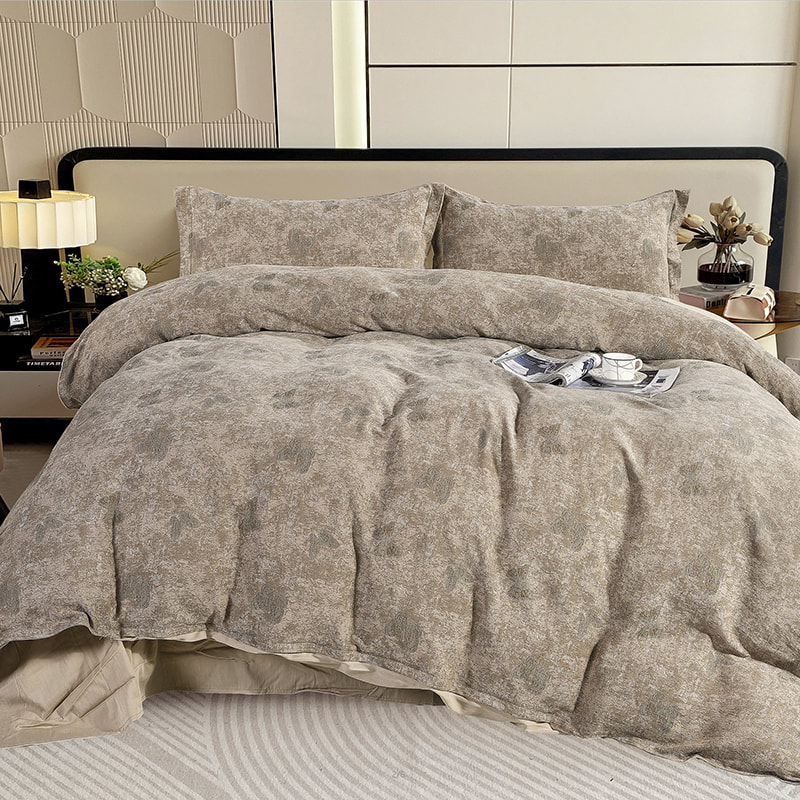
Function Luxury touch: The fiber is soft and smooth, and the jacquard process adds a three-dimensional texture. Touch like silk moisture absorption: moisture absorption performance keeps dry and comfo...
See Details -

Function Fine pattern performance: Digital printing is higher precision than round net printing, richer color, more delicate pattern, fast dry.Easy to care: The polyester fiber characteristics are unc...
See Details -
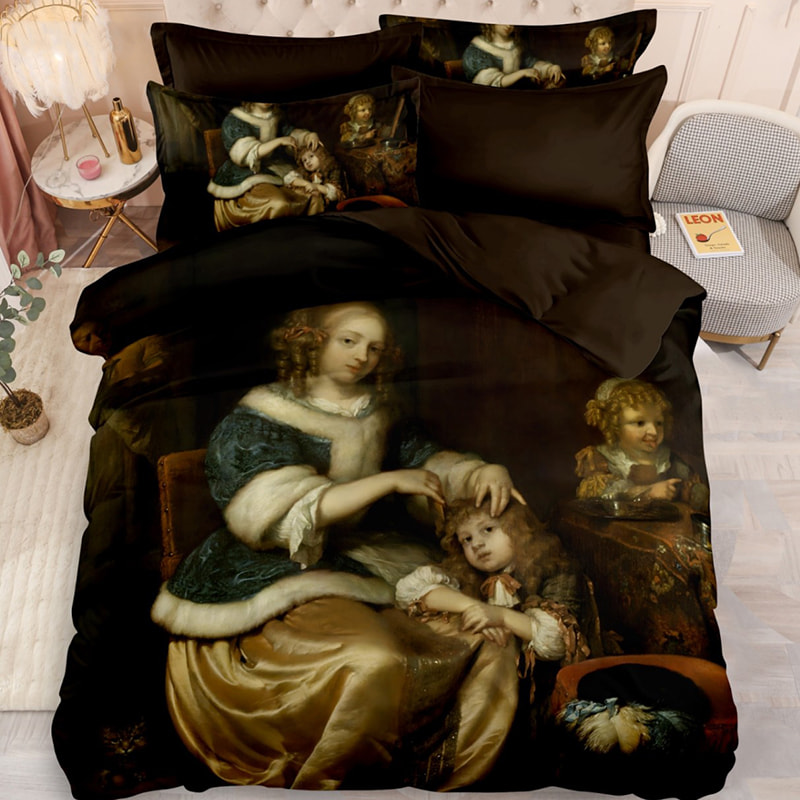
FunctionFine pattern performance: Digital printing is higher precision than round net printing, richer color, more delicate.Durable anti-wrinkle: 130g polyester fiber fabric has a vertical feeling, an...
See Details -
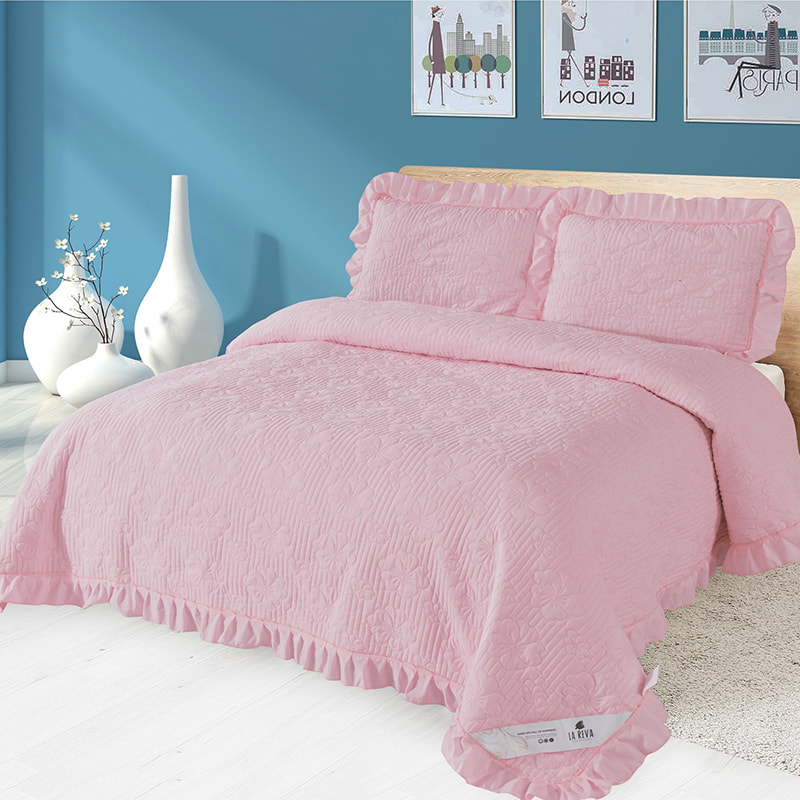
FunctionThin and light: The ultrasonic process does not create pinholes or quilting thread, and the fabric is thin and smooth.Strong decoration: Lace elements add an elegant and romantic sense, enhanc...
See Details -
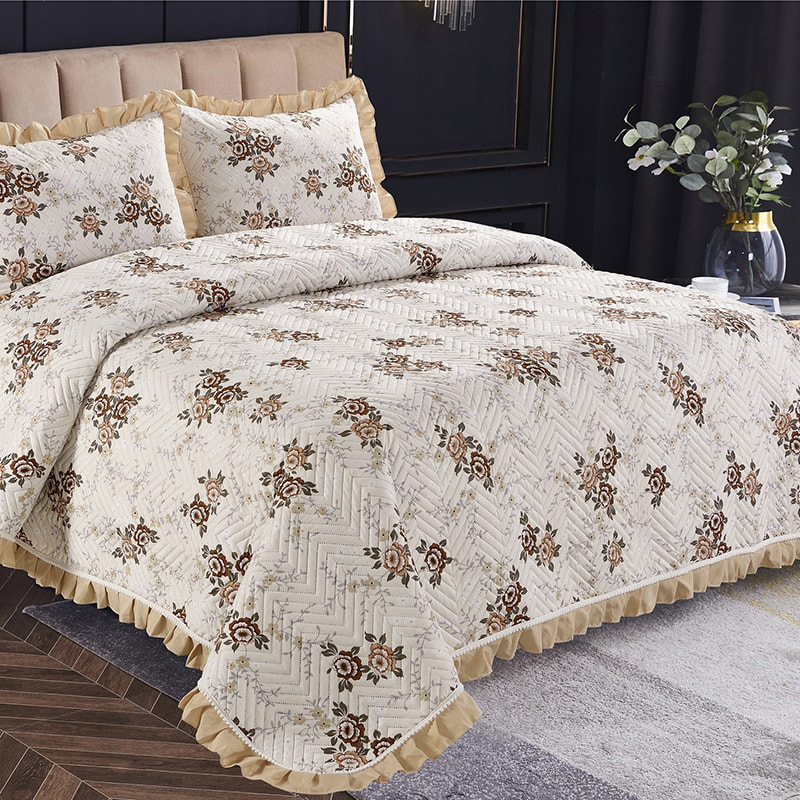
FunctionThin and light: The ultrasonic process does not create a pinhole or quilting thread, and the fabric is thin and smooth.Strong decorative: Print patterns add a sense of art and design, enhancin...
See Details
