

 English
 Español
 عربى
عربى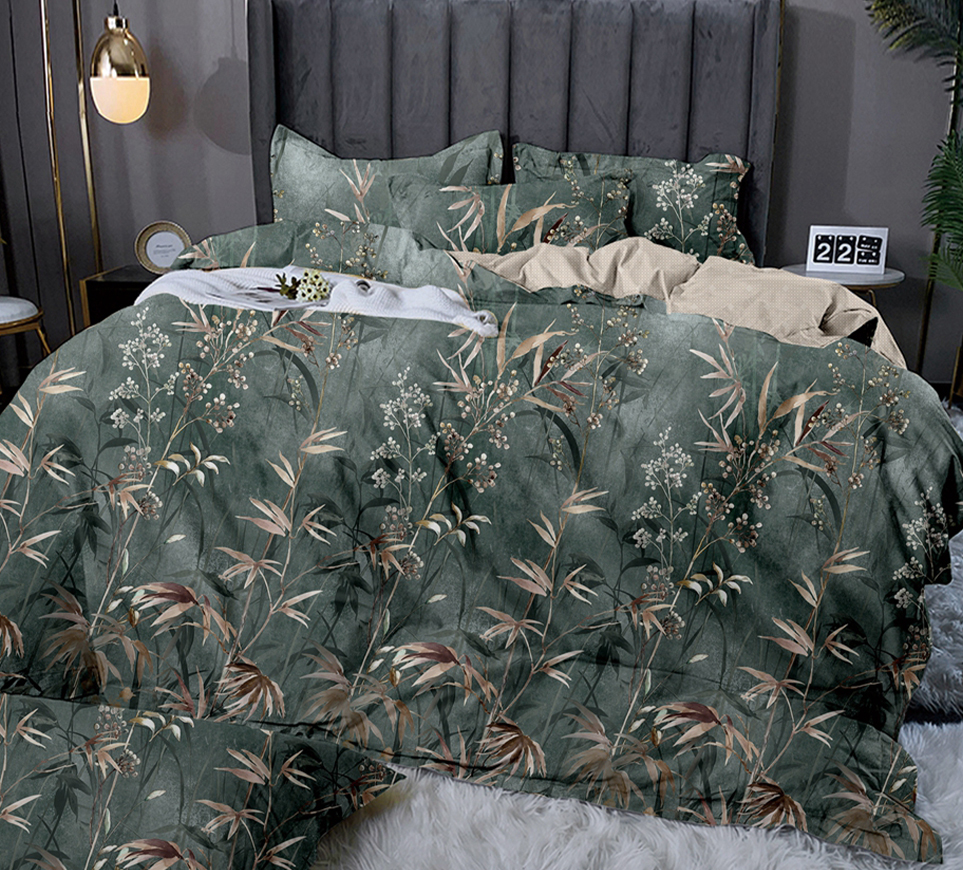
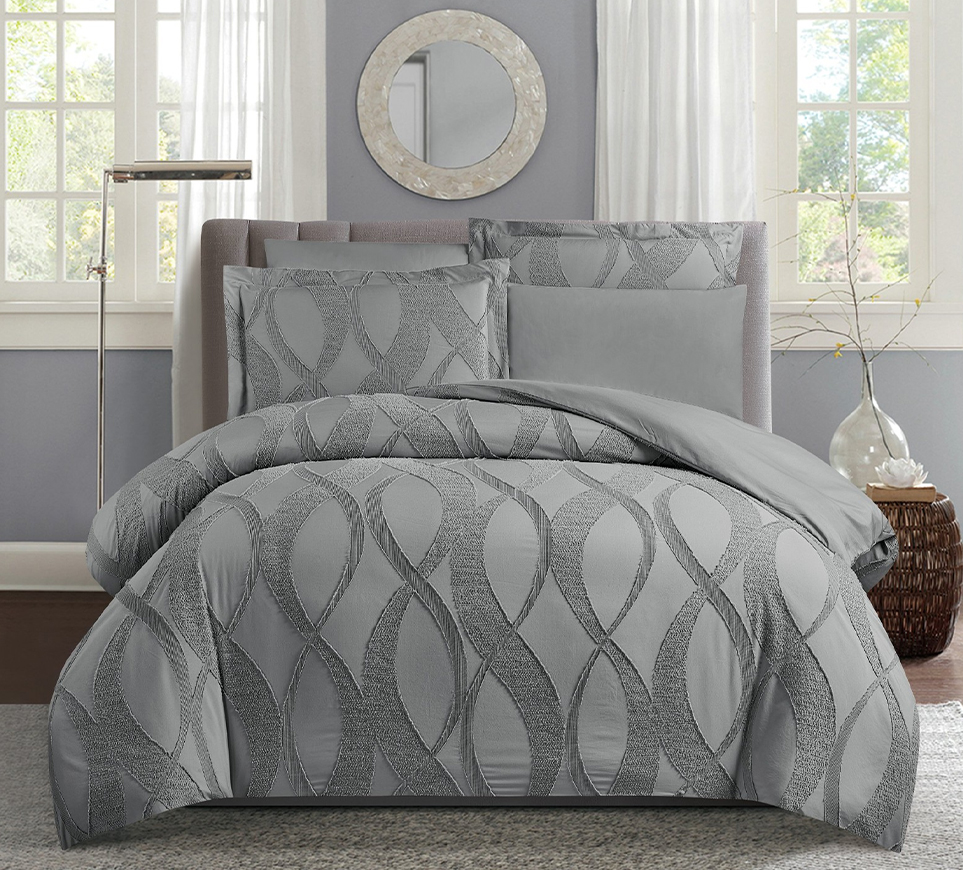
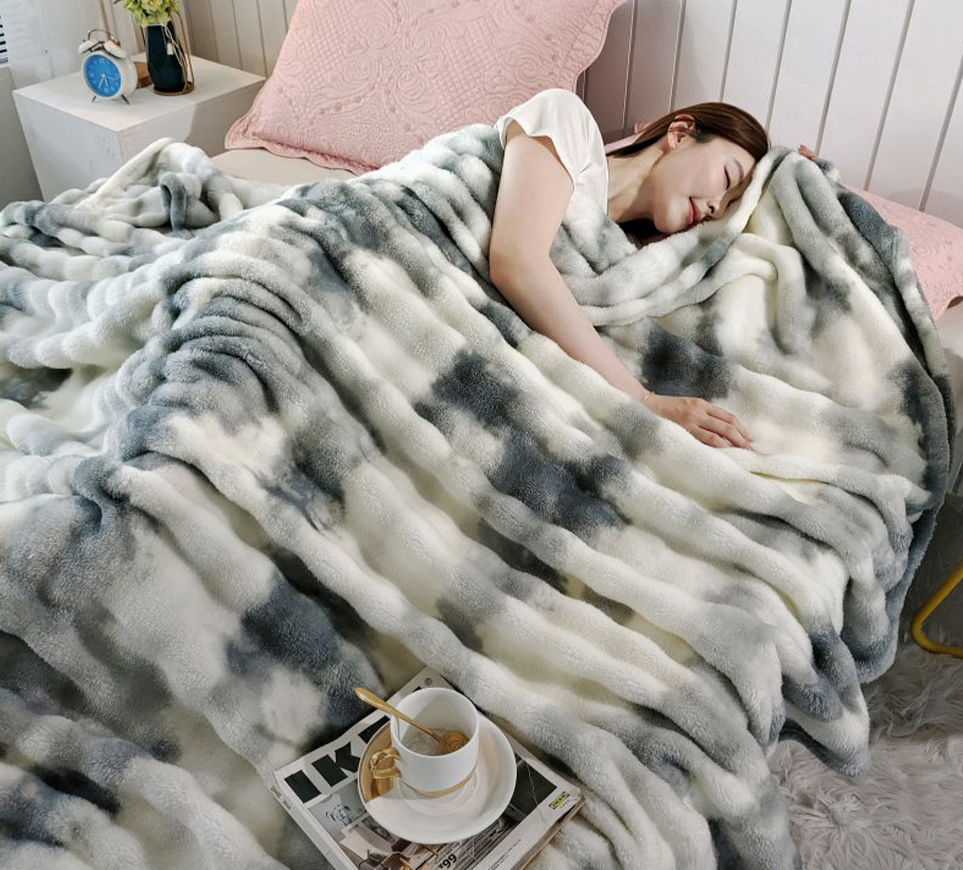
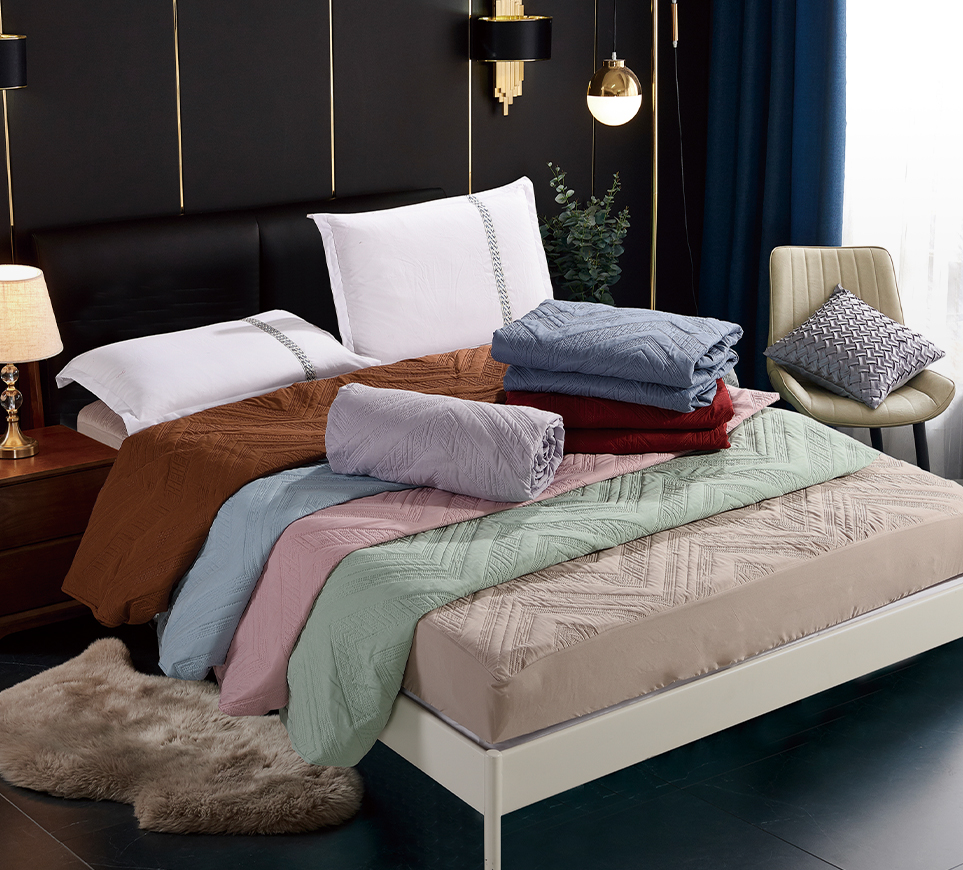
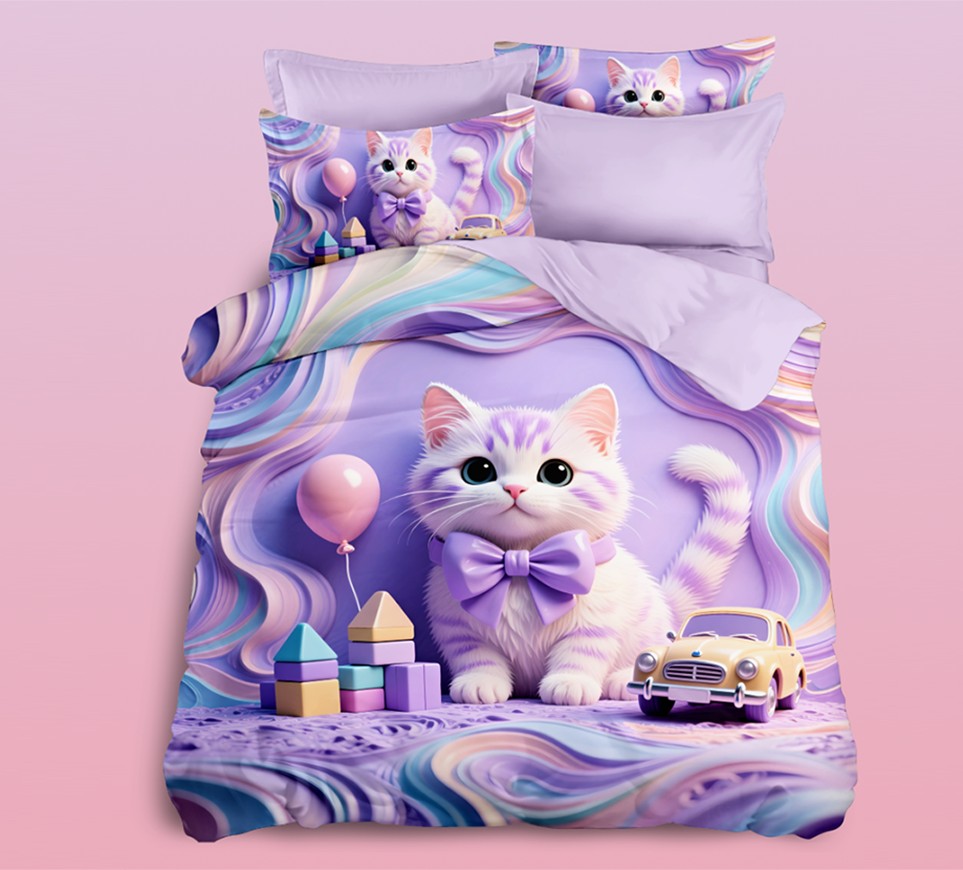
FunctionFast dry and easy to care: Not easy to shrink, no ironing and anti-wrinkle, fast drying after machine washing.Durable and fade resistant: Strong wear resistance, high color fastness, long-term...
See DetailsWhy Choose Us?
Established in 2008, with a 3,000m² professional factory, over 50 employees, and 5 departmental managers.

Coming From China, Marketing To The World.
How Waterproof Mattress Protectors Work: A Buyer's Guide
Jul 27, 2026
Content
- 1 How Waterproof Mattress Protector Technology Works
- 2 Comparing Waterproof Membrane Types Used in Mattress Protectors
- 3 Anti-Mite and Hygiene Benefits of a Mattress Protector
- 4 Fit Types and Mattress Compatibility Considerations
- 5 Isometric Construction View of a Quilted Waterproof Mattress Protector
- 6 Sourcing Waterproof Mattress Protectors from a Home Textile Manufacturer
- 7 Frequently Asked Questions
A quilted waterproof mattress protector works by combining a breathable quilted fabric top layer with a hidden waterproof membrane underneath, which blocks liquid penetration while still allowing air to pass through so the sleeping surface does not feel hot or plastic-like. This layered construction is the key technical distinction between a modern waterproof mattress protector and older fully laminated vinyl covers, which blocked moisture completely but also trapped body heat and produced an uncomfortable crinkling sound during use. This article explains how waterproof mattress protector technology functions, compares membrane types commonly used in the category, and outlines practical considerations for bedding wholesalers, hospitality buyers, and home textile distributors sourcing mattress protector products for retail or contract supply.
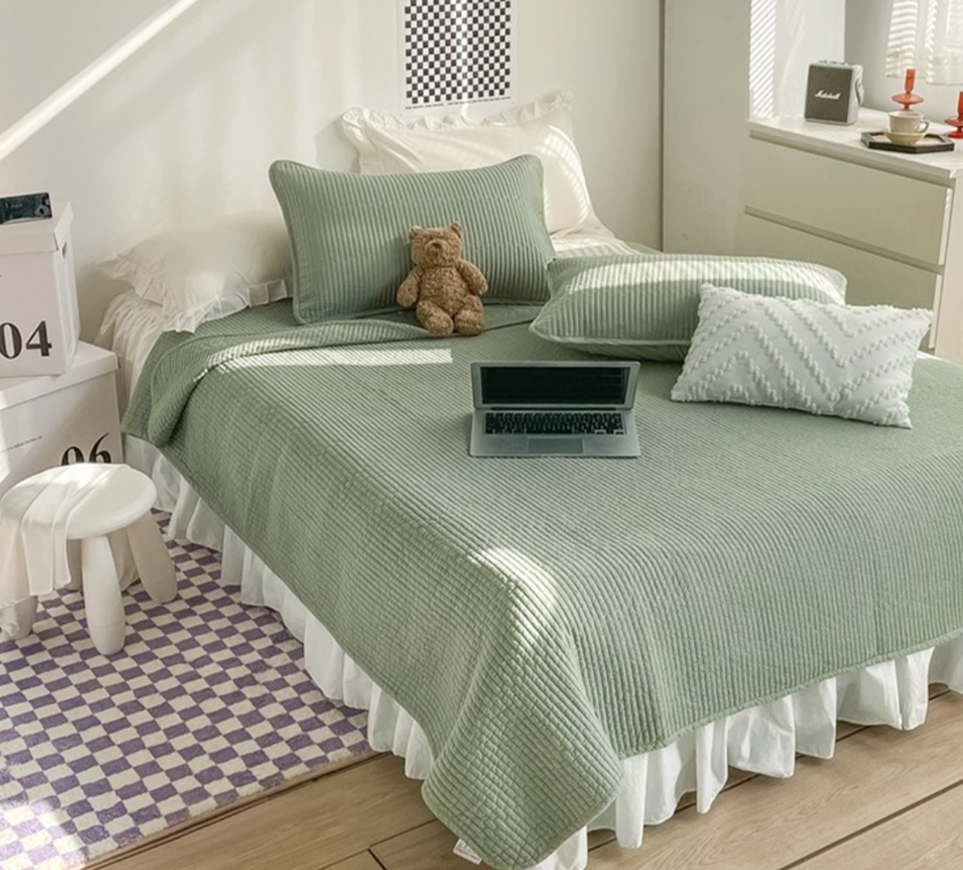
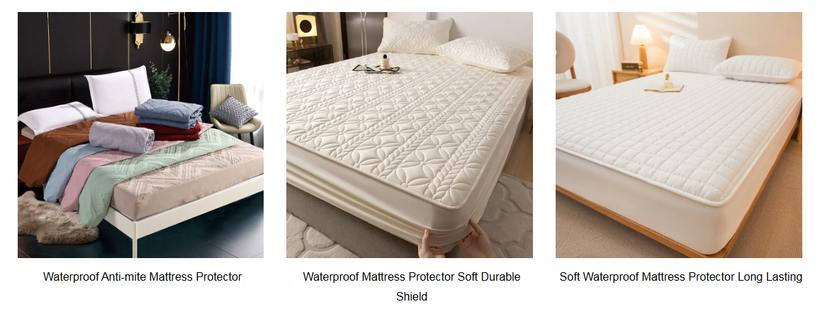
The three product images below show typical quilted waterproof mattress protector constructions, illustrating the fitted skirt design, quilted top panel pattern, and clean white finish characteristic of this bedding accessory category.
How Waterproof Mattress Protector Technology Works
A waterproof mattress protector typically consists of three functional layers bonded together during manufacturing: a soft quilted or knitted top fabric that contacts the sleeper directly, a thin waterproof membrane laminated beneath it, and often a non-slip backing or elasticized fitted skirt that secures the protector to the mattress. The waterproof membrane is most commonly made from polyurethane (TPU) film, which is engineered to be liquid-impermeable while remaining vapor-permeable, meaning water cannot pass through in liquid form but water vapor from body heat and perspiration can still escape, preserving a more comfortable sleep surface temperature compared to fully sealed vinyl alternatives.
This vapor-permeable but liquid-impermeable property is what allows a modern waterproof mattress protector to remain breathable, unlike older generation vinyl covers that trapped heat and moisture against the skin. The quilted top layer serves a dual purpose, adding a soft tactile surface while also providing a light layer of cushioning, and quilting patterns are typically stitched through a thin layer of polyester fiberfill sandwiched between the top fabric and the waterproof membrane, giving the protector a plush hand feel similar to a light mattress pad.
- Quilted top fabric: soft, breathable surface layer that contacts the sleeper directly.
- Polyester fiberfill layer: adds light cushioning beneath the quilted stitching pattern.
- TPU waterproof membrane: blocks liquid penetration while allowing vapor to pass through.
- Fitted skirt with elastic band: secures the mattress protector snugly around the mattress edges.
Comparing Waterproof Membrane Types Used in Mattress Protectors
Not all waterproof mattress protector products use the same membrane technology, and the type of membrane selected has a direct effect on breathability, noise level, and long-term durability. TPU film membranes are currently the most widely used technology in mid-range and premium mattress protectors because they offer a favorable balance of waterproofing performance, softness, and quiet operation. Vinyl-laminated protectors, while historically common, are increasingly less favored in the category because the fully sealed plastic layer produces noticeable crinkling sounds and traps heat against the sleeper.
| Membrane Type | Breathability | Noise Level | Typical Use |
|---|---|---|---|
| TPU Film | High | Quiet | Mid-range to premium protectors |
| PU Coating | Moderate | Quiet | General household protectors |
| Vinyl Laminate | Low | Noticeable crinkling | Institutional and budget use |
The radar chart below compares three common waterproof mattress protector membrane technologies across five practical performance dimensions relevant to bedding sourcing decisions. This visualization is intended to summarize general membrane characteristics rather than provide precise laboratory measurements for any specific product batch. It is useful for buyers deciding which membrane technology best fits a planned mattress protector product line targeting household, hospitality, or institutional customers. Reading the chart from the center outward, a larger shaded area along any axis indicates a stronger relative characteristic for that membrane type. The five axes shown are breathability, quietness, durability, waterproof reliability, and softness, all factors that directly influence end-user comfort and satisfaction with a waterproof mattress protector.
As the chart shows, TPU film membrane extends further along the breathability, quietness, and softness axes than vinyl laminate membrane, which reflects a fundamental engineering difference between the two materials. TPU film is manufactured as a thin, flexible polyurethane layer that permits water vapor molecules to pass through microscopically while still blocking larger liquid water droplets, whereas vinyl laminate forms a fully sealed, non-porous barrier that blocks all moisture transfer in both directions, trapping heat and perspiration against the sleeper. Quietness is another area where TPU-based waterproof mattress protector products show a clear advantage, since the flexible film moves silently under body weight and movement, while stiffer vinyl laminate tends to produce an audible crinkling sound with every shift in sleeping position. Waterproof reliability remains comparably strong for both membrane types when properly manufactured, since both technologies are designed specifically to block liquid penetration, and neither should be considered meaningfully less protective in terms of core waterproofing function. Durability differences are more nuanced: TPU film generally maintains flexibility and waterproof integrity over more washing cycles when manufactured to good quality standards, while vinyl laminate can become brittle and prone to cracking after repeated laundering, which may compromise its waterproof barrier over time. Softness is a major differentiator favoring TPU-based waterproof mattress protector products, since the thin, pliable film integrates more naturally with a quilted top fabric, producing a mattress pad-like feel rather than the stiffer, plastic-like sensation associated with vinyl laminate covers. For bedding wholesalers and home textile manufacturers evaluating membrane options for a mattress protector product line, this comparison suggests that TPU film technology is particularly well suited to mid-range and premium retail programs where sleeper comfort and quiet operation are priorities alongside waterproof performance. Vinyl laminate may still see use in select institutional or budget-focused applications where washing frequency and cost sensitivity are the primary concerns rather than sleep comfort. Buyers sourcing a waterproof mattress protector line should request specific information about membrane type and lamination method from suppliers, since these two factors most directly determine where a given product falls on the comfort and durability axes shown in this comparison. This type of membrane-level evaluation is consistent with general textile sourcing guidance that recommends specifying core material technology rather than relying on generic waterproof claims alone when comparing supplier offerings. Ultimately, the relative strengths illustrated in this chart help explain why TPU film has become the dominant membrane technology across most modern quilted mattress protector product lines sold through home textile wholesale channels.
Anti-Mite and Hygiene Benefits of a Mattress Protector
Beyond liquid protection, a waterproof mattress protector also plays an important role in mattress hygiene by creating a physical barrier against dust mites, a factor frequently discussed in household allergen management guidance. Dust mites feed on shed skin cells and thrive in warm, humid environments such as untreated mattress surfaces, and a properly fitted mattress protector limits mite access to this food source and habitat by fully enclosing the top and sides of the mattress. According to general household allergen research commonly referenced in indoor air quality guidance, mattress encasements and protectors are frequently recommended as a practical, non-pharmaceutical step for reducing household dust mite allergen exposure, particularly for individuals with dust mite sensitivities.
The bar chart below presents a general illustration of common reasons households cite for purchasing a waterproof mattress protector, based on commonly referenced consumer motivation patterns discussed across home textile and bedding retail commentary. This chart is intended as a directional reference rather than a precise market research statistic for any specific retailer or region. It is useful for bedding manufacturers and marketers understanding which practical benefits resonate most with mattress protector buyers. The horizontal bars represent relative frequency of each stated purchase motivation, and longer bars indicate reasons more commonly cited by consumers shopping for this product category.
This chart reflects a pattern widely observed across bedding retail and consumer research commentary, where spill and liquid protection typically ranks as the single most commonly cited reason households purchase a waterproof mattress protector, particularly for households with young children, pets, or individuals managing incontinence-related care needs. Dust mite and allergen barrier protection ranks as the second most common motivation, reflecting growing consumer awareness of indoor allergen sources and the practical role a fully enclosing mattress protector plays in limiting mite habitat within the mattress itself. Extending mattress lifespan is another frequently cited reason, since a waterproof mattress protector shields the mattress from moisture, skin oils, and everyday wear that can otherwise degrade mattress foam and fabric over years of use, making the protector a relatively low-effort way to preserve a larger investment in the mattress itself. Comfort and softness addition ranks lower but still meaningful, reflecting the growing category of quilted mattress protectors marketed partly as a light mattress topper alternative rather than purely a functional barrier product. These four motivations often overlap in practice, since a single household purchase decision may be driven by a combination of hygiene concern, mattress protection, and added comfort rather than any one factor alone. For home textile manufacturers and wholesale bedding buyers, understanding this motivation hierarchy is useful for product messaging and packaging design, since emphasizing the waterproof and anti-mite barrier functions together tends to address the two most common consumer priorities simultaneously. Retailers stocking a waterproof mattress protector product line may also find value in offering both a fully quilted, soft-touch version and a lower-profile option, since consumer priorities can shift depending on whether the primary purchase driver is spill protection, allergen management, or general mattress preservation. This general motivation pattern is consistent with broader household bedding accessory purchase behavior discussed across home goods retail merchandising resources, reinforcing that a mattress protector serves several practical functions simultaneously rather than a single narrow purpose. Manufacturers developing new mattress protector product lines can use this understanding to prioritize design features, such as reinforced skirt elastic for secure fit or enhanced quilting for softness, depending on which consumer motivations a particular product line is intended to address. Overall, this breakdown illustrates why the waterproof mattress protector category continues to see broad consumer relevance across multiple distinct use cases rather than being viewed narrowly as a single-purpose accessory.
Fit Types and Mattress Compatibility Considerations
Mattress protectors are generally manufactured in several fit styles, and selecting the correct fit type is essential for both waterproofing performance and user comfort. A fitted mattress protector, similar in construction to a fitted sheet, uses an elasticized skirt to wrap around the mattress edges and typically accommodates a range of mattress depths, commonly up to around 12 to 16 inches for standard fitted styles. Deep-pocket or extra-deep fitted mattress protectors are manufactured with additional skirt depth and stronger elastic to accommodate thicker mattresses, including many modern memory foam and hybrid mattress models that commonly exceed 12 inches in height.
The stacked bar chart below presents a general illustration of typical fitted mattress protector depth ranges available across common product categories, based on commonly referenced bedding sizing conventions used across the home textile industry. This chart is intended as a directional sizing reference rather than an exact specification for any single manufacturer's product line. It is useful for bedding buyers and product developers determining which depth variants to include in a mattress protector product catalog to accommodate different mattress types. The stacked segments represent the additional depth range covered by each product tier beyond the standard base depth, illustrating how deep-pocket variants extend total mattress compatibility.
This stacked bar chart illustrates how fitted mattress protector depth capacity extends progressively across standard, deep pocket, and extra deep pocket product tiers, reflecting the increasing height of mattresses commonly sold in the current bedding market. Standard fit mattress protectors, generally rated for mattresses up to approximately 12 inches, remain adequate for traditional innerspring mattresses and many entry-level foam mattresses that have not adopted the thicker multi-layer construction increasingly common in premium mattress models. Deep pocket variants extend coverage to accommodate mattresses in the 12 to 15 inch range, addressing a large share of modern memory foam and hybrid mattresses that combine multiple foam and coil layers to increase total mattress height beyond traditional norms. Extra deep pocket mattress protectors, extending coverage up to approximately 18 inches, are increasingly relevant as luxury and premium hybrid mattress models continue trending toward greater overall thickness, a pattern widely discussed across mattress industry product development commentary. Choosing an appropriately sized waterproof mattress protector matters significantly for performance, since an undersized fitted skirt can pull loose from mattress corners during normal sleeping movement, potentially exposing an unprotected mattress edge to spills or allergens. Conversely, a protector rated with excess depth capacity relative to the actual mattress height may bunch or shift slightly, which is a less serious issue but can affect the smoothness of the sleeping surface. For home textile manufacturers and wholesale bedding suppliers, offering mattress protector products across this full depth range allows retail partners to address a broader base of mattress types within a single product family, reducing the need for customers to search across multiple brands to find a compatible fit. Buyers developing private label mattress protector programs should clearly communicate depth compatibility ranges on packaging and product listings, since mattress depth compatibility is one of the most common points of customer confusion and return requests in the bedding accessory category. This depth tiering approach is broadly consistent with general bedding sizing conventions referenced across home textile product development resources, and it reflects a practical, verifiable basis for structuring a mattress protector product catalog around genuine mattress market trends rather than a single generic sizing assumption. As mattress construction continues to trend toward greater overall height in mid-range and premium segments, maintaining strong deep pocket and extra deep pocket options within a waterproof mattress protector product line is likely to remain a relevant consideration for wholesale and retail bedding assortments going forward.
Isometric Construction View of a Quilted Waterproof Mattress Protector
The schematic diagram below illustrates an isometric layered view of typical quilted waterproof mattress protector construction, showing the relationship between the top quilted fabric layer, the fiberfill cushioning layer, and the laminated waterproof membrane beneath. Understanding this layered structure helps explain why a well-constructed waterproof mattress protector can feel soft and breathable to the touch while still fully blocking liquid penetration, since each layer performs a distinct function within the overall assembly. This type of layered construction is common across many quilted, soft-touch waterproof mattress protector products in home textile manufacturing.
This isometric view is useful for buyers and product developers who want a clearer technical understanding of what differentiates a well-constructed waterproof mattress protector from a lower-quality alternative, since the visual separation between layers highlights where stitching consistency and membrane lamination quality actually contribute to overall performance. A well-quilted top layer with evenly distributed fiberfill generally produces a more consistent hand feel and reduces the likelihood of fill shifting or bunching after repeated washing, while inconsistent quilting can lead to thin, unpadded patches over time. Lamination quality between the fiberfill layer and the underlying TPU membrane is equally important, since weak bonding can allow the layers to separate during washing, potentially compromising both the waterproof barrier and the tactile softness of the finished mattress protector. This layered construction understanding also supports clearer care communication to retail customers, since manufacturers generally recommend cooler wash temperatures and avoiding high-heat drying to preserve both the fiberfill loft and the flexibility of the waterproof membrane over the product's usable lifespan.
Sourcing Waterproof Mattress Protectors from a Home Textile Manufacturer
When sourcing waterproof mattress protector, quilted bedding, and related home textile products from a home textile factory, wholesale buyers generally evaluate several practical factors beyond basic waterproofing claims. Consistency of membrane lamination and quilting quality across production batches matters significantly for large wholesale orders, since visible inconsistency between batches can lead to customer complaints even when individual samples meet specification. Depth and sizing range flexibility are also important, particularly for retail buyers who want to offer standard, deep pocket, and extra deep pocket options within a single mattress protector product line to serve a broad customer base.
| Criterion | Why It Matters |
|---|---|
| Membrane technology and lamination quality | Determines breathability, quietness, and long-term waterproof reliability |
| Quilting and fiberfill consistency | Affects softness, durability, and appearance across batches |
| Depth and sizing range | Supports compatibility with a wider range of mattress types |
| Production capacity and lead time | Supports timely delivery for wholesale and private label programs |
Nantong Noble International Trade Co., Ltd. is a comprehensive home textile enterprise specializing in the design, production, processing, and packaging of household textiles. With over 18 years of experience in international trade and home textile manufacturing, the company is committed to providing customers with professional home textile solutions. As a professional China home textile manufacturer and home textile factory, its product range encompasses bedding sets, bedspreads, quilts, blankets, and sofa covers, including quilted waterproof mattress protector products of the type shown in this article, offered with anti-mite barrier construction and soft durable shield performance. The company continually updates product styles and designs to support rapid production turnaround, and offers customized products based on customer requirements to meet diverse market demands across wholesale and private label bedding programs.
Frequently Asked Questions
| Q1: How does a waterproof mattress protector stay breathable while blocking liquid? Most modern protectors use a TPU membrane that blocks liquid water while still allowing water vapor from body heat to pass through, keeping the sleep surface more comfortable than fully sealed vinyl covers. |
| Q2: Does a mattress protector help with dust mites? A fully enclosing waterproof mattress protector creates a physical barrier that limits dust mite access to the mattress surface, which is commonly recommended as part of household allergen management. |
| Q3: How do I choose the right depth for a fitted mattress protector? Standard fit generally covers mattresses up to about 12 inches, while deep pocket and extra deep pocket variants extend coverage up to around 15 and 18 inches for thicker memory foam and hybrid mattresses. |
| Q4: What should wholesale buyers check when sourcing mattress protectors from a home textile factory? Buyers should evaluate membrane lamination quality, quilting consistency, sizing range, and production capacity to ensure reliable performance across large orders. |
Related products
-
-
FunctionFast drying and easy to take care of: Anti-shrinkage and no ironing, fast drying after machine washing, simplified daily care.Durable color protection: High wear resistance and color fastness,...
See Details -
FunctionStrong warmth: High gram weight provides good insulation performance, suitable for low-temperature environments.Durable anti-wrinkle: High-density structure wear and tear resistance, not easy ...
See Details -
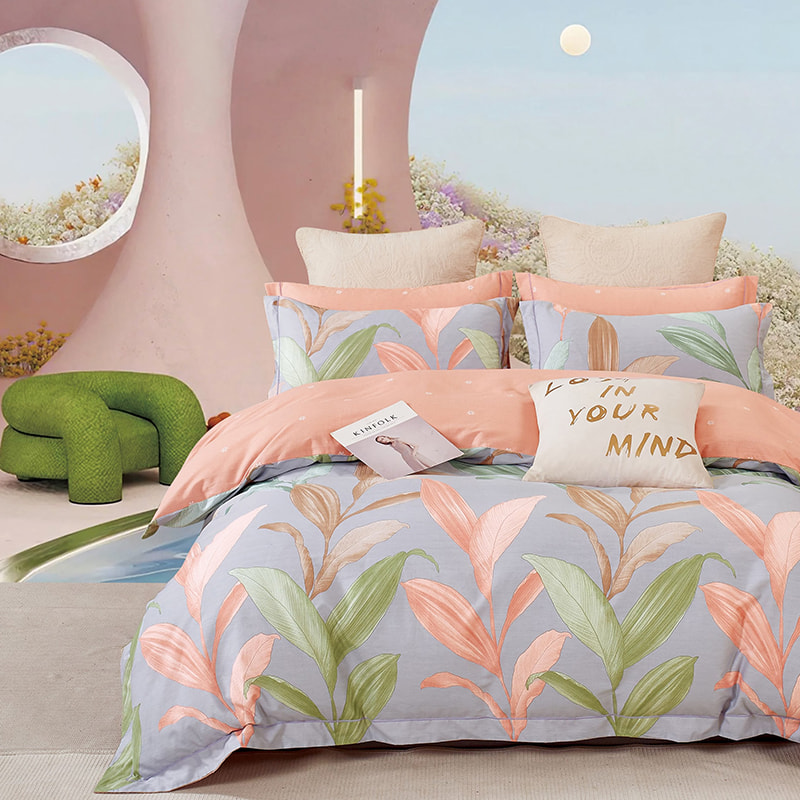
FunctionSkin-friendly breathable: Natural cotton fiber is soft and comfortable, good for breath, and suitable for the use of moisture.Absorption and perspiration: Good moisture absorption, keep dry bo...
See Details -
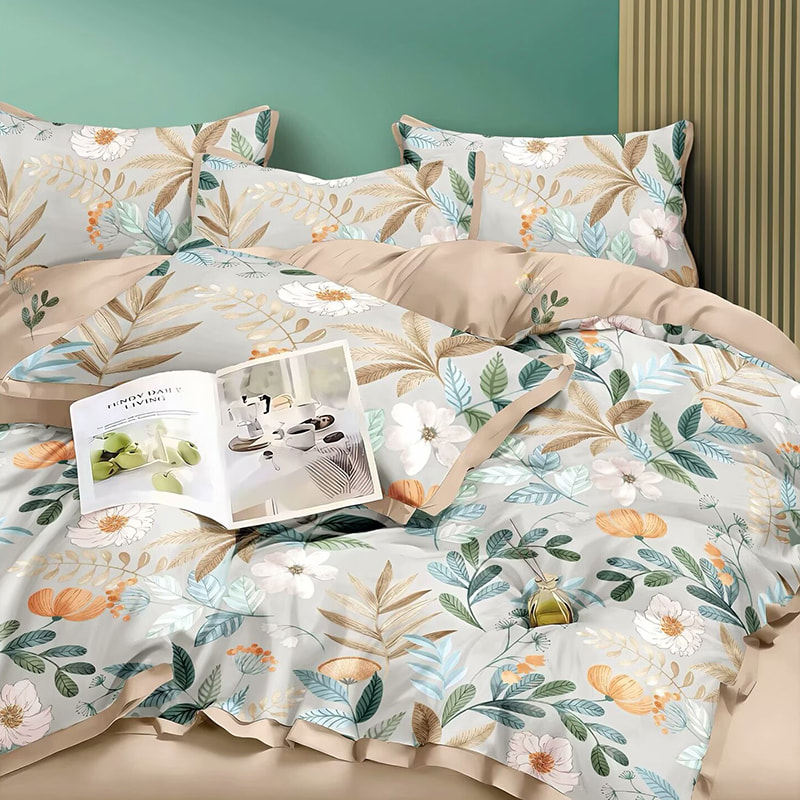
FunctionMore delicate and skin-friendly: Higher than 12868,13372, the fabric is more delicate and soft, the touch is better and more.Breathable: High-density cotton structure further improves moisture...
See Details -
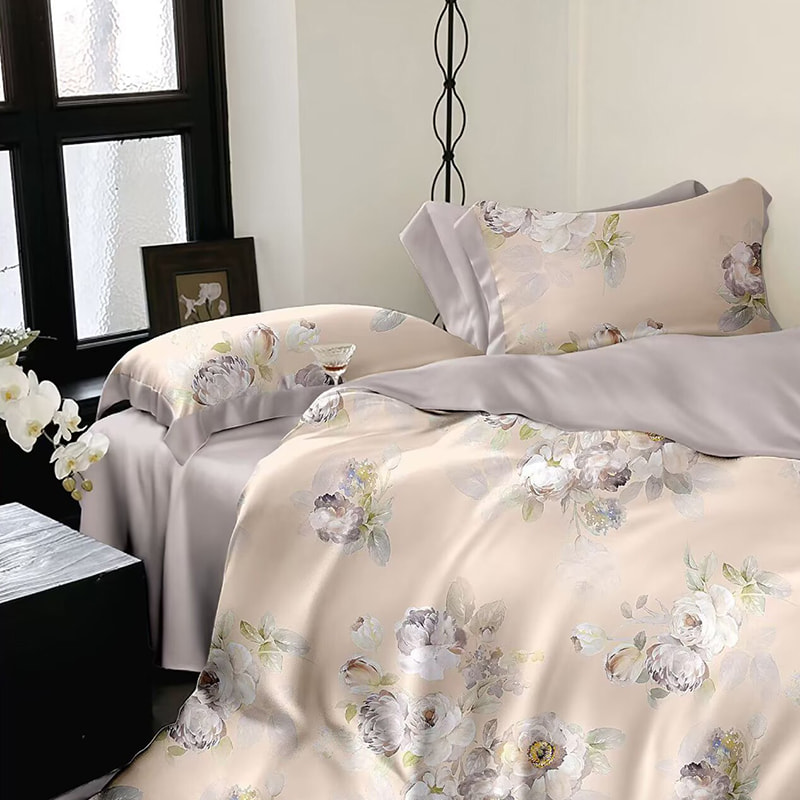
Function Extreme skin affinity: Day silk fiber is soft and smooth, touch like silk, suitable for close-fitting use of moisture. Absorption and breathability: moisture absorption and sweat performance,...
See Details -
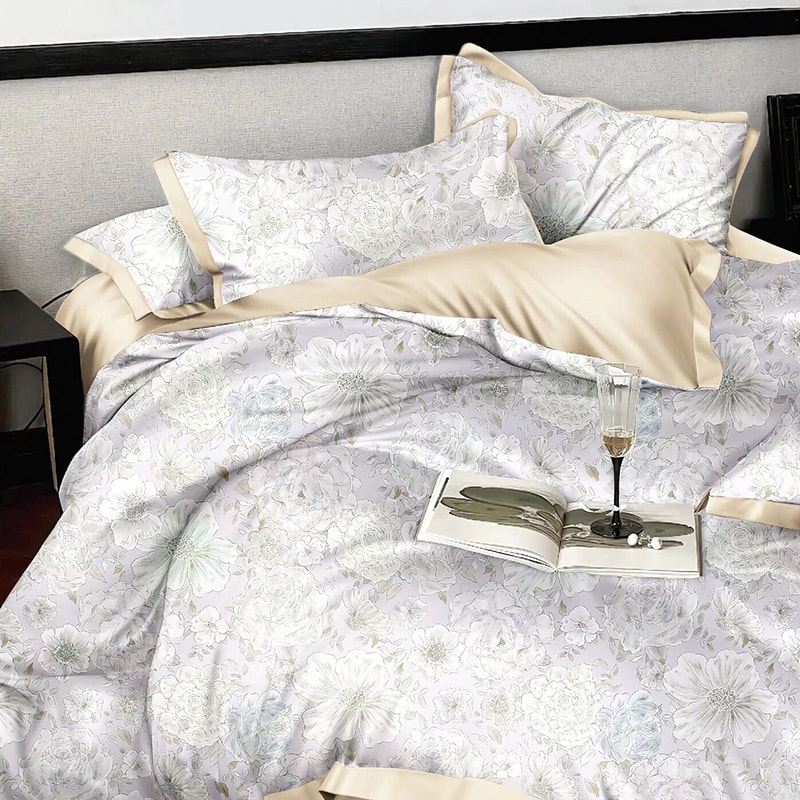
FunctionMore delicate and skin-friendly: Compared with 50S, 60S silk fiber is thinner, softer, smoother, more comfortable for close use, and more moisture absorption.Breathable: Higher branches improv...
See Details -
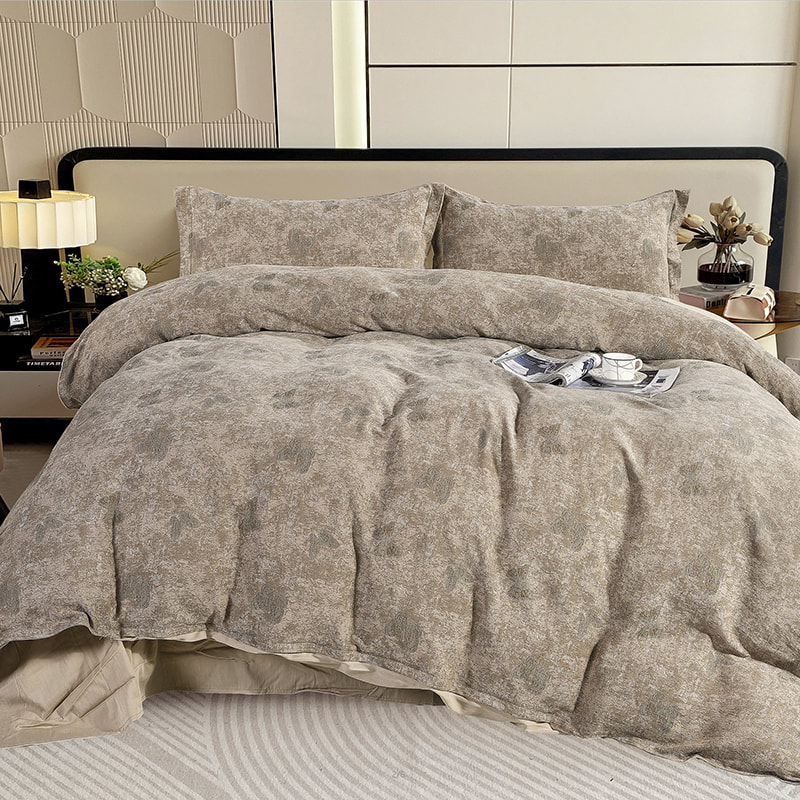
Function Luxury touch: The fiber is soft and smooth, and the jacquard process adds a three-dimensional texture. Touch like silk moisture absorption: moisture absorption performance keeps dry and comfo...
See Details -
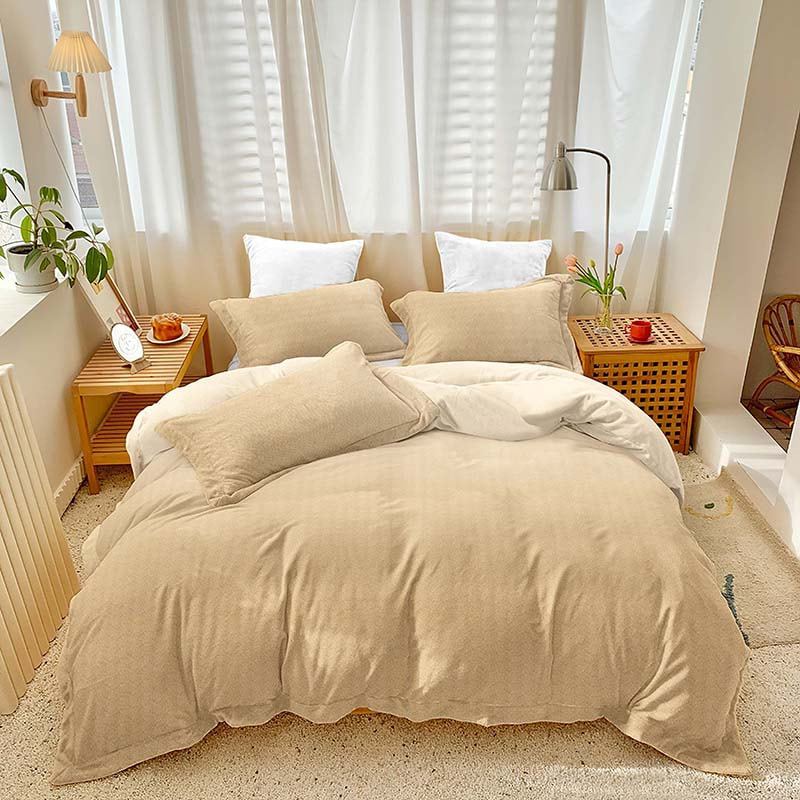
Function Fine pattern performance: Digital printing is higher precision than round net printing, richer color, more delicate pattern, fast dry.Easy to care: The polyester fiber characteristics are unc...
See Details -
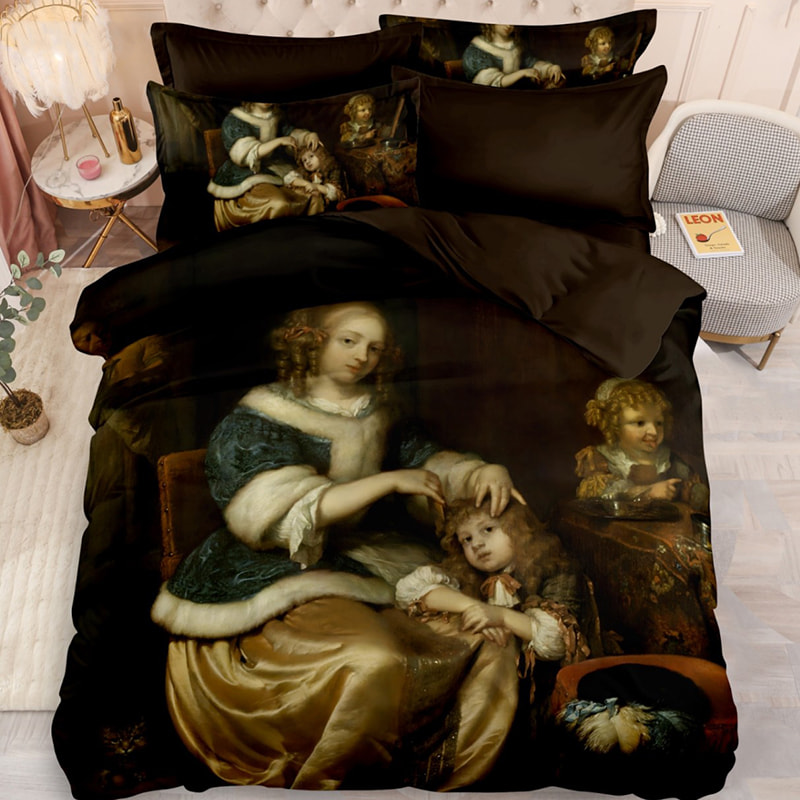
FunctionFine pattern performance: Digital printing is higher precision than round net printing, richer color, more delicate.Durable anti-wrinkle: 130g polyester fiber fabric has a vertical feeling, an...
See Details -
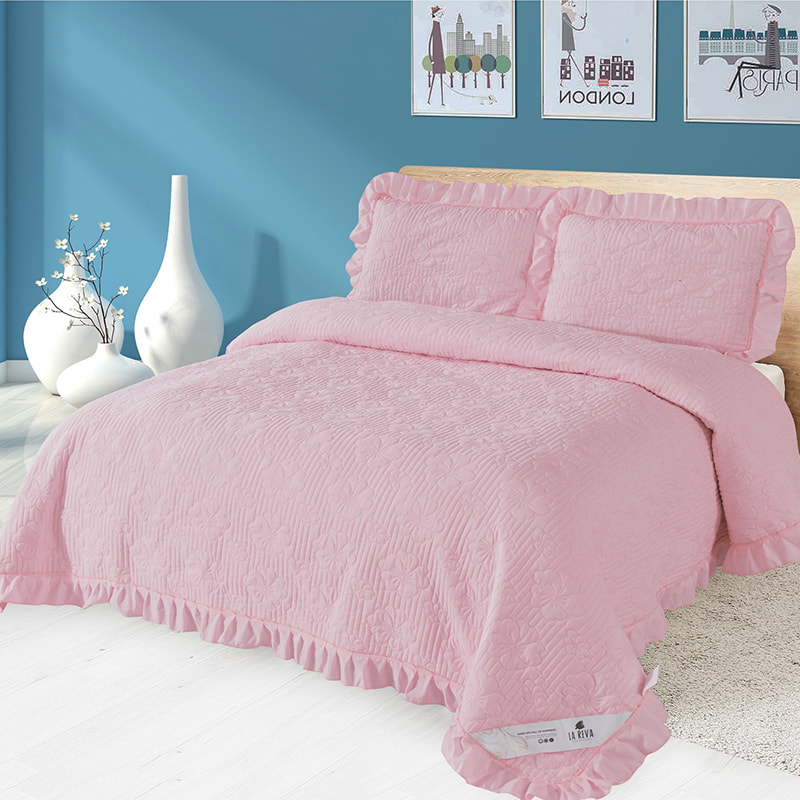
FunctionThin and light: The ultrasonic process does not create pinholes or quilting thread, and the fabric is thin and smooth.Strong decoration: Lace elements add an elegant and romantic sense, enhanc...
See Details -
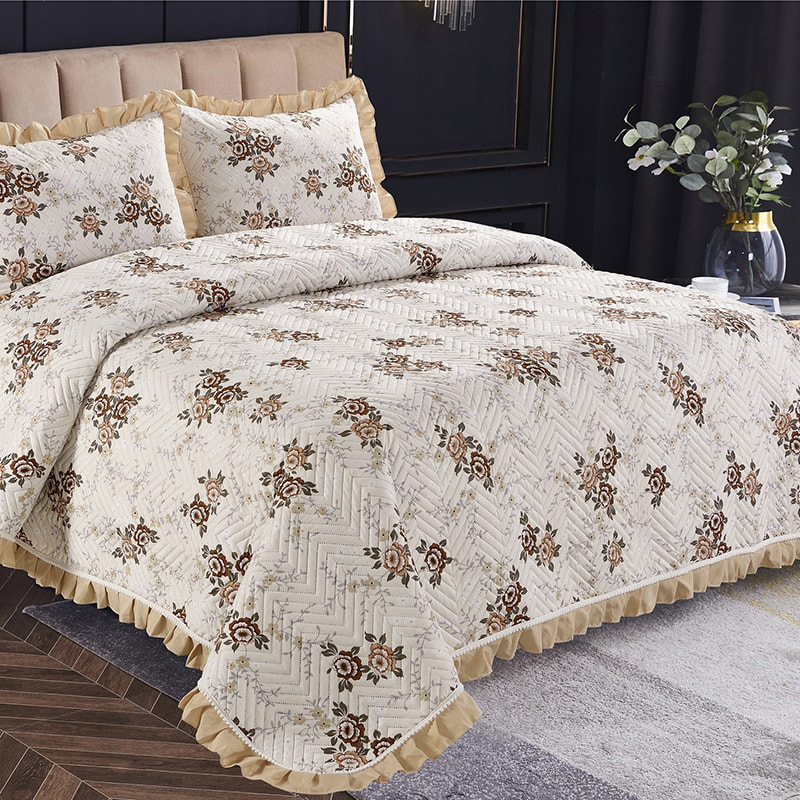
FunctionThin and light: The ultrasonic process does not create a pinhole or quilting thread, and the fabric is thin and smooth.Strong decorative: Print patterns add a sense of art and design, enhancin...
See Details
