

 English
 Español
 عربى
عربى
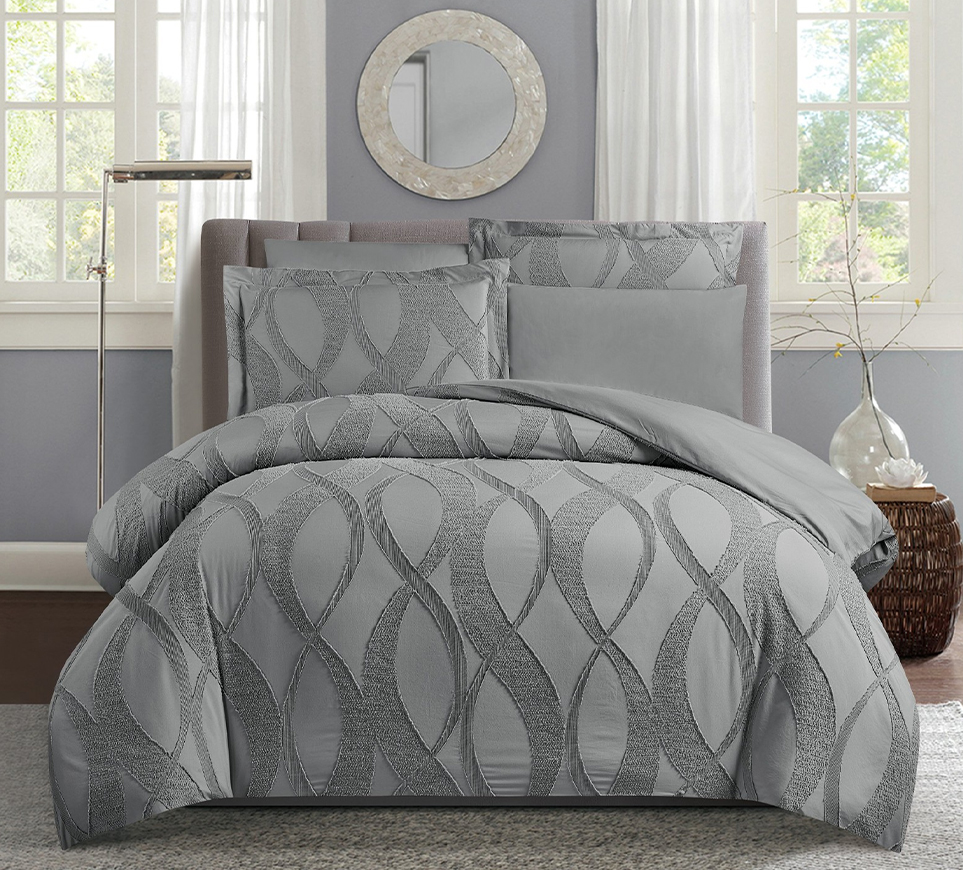
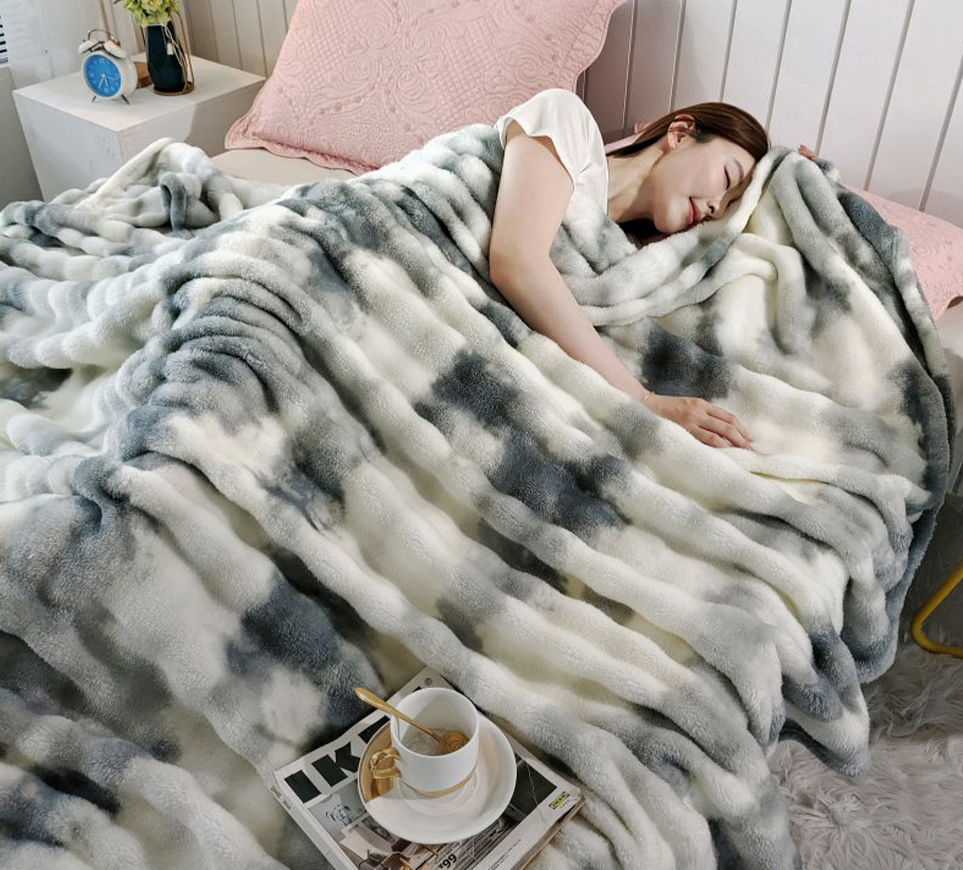
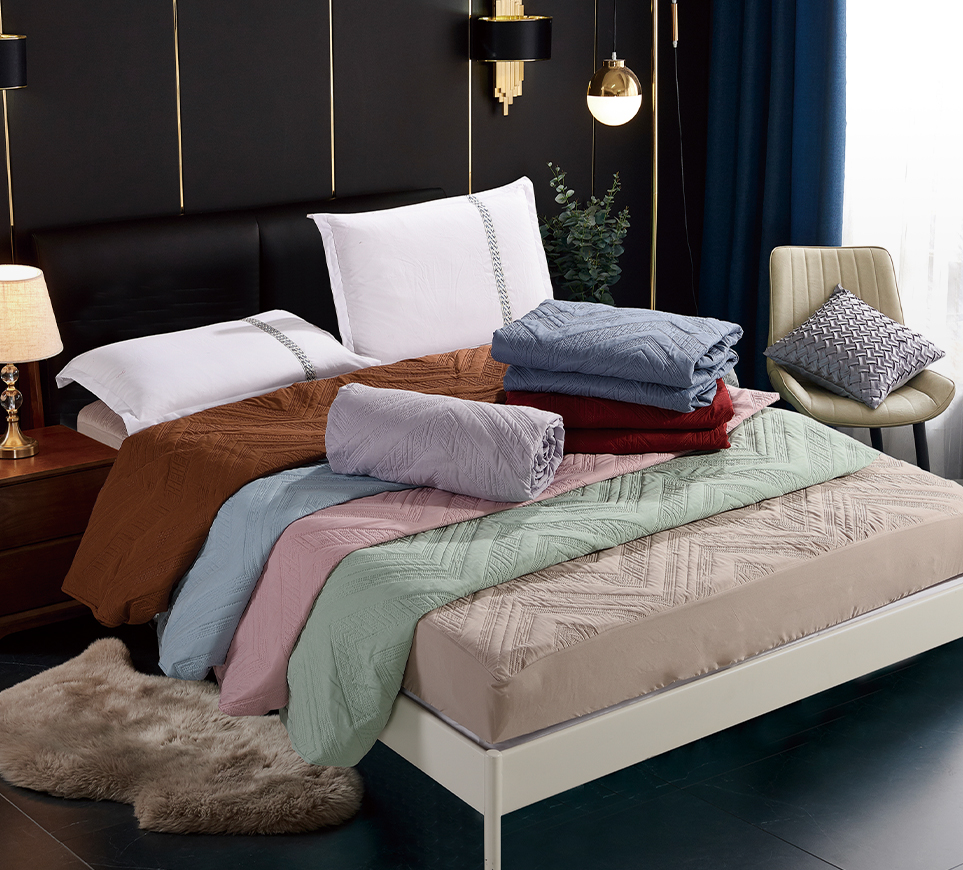
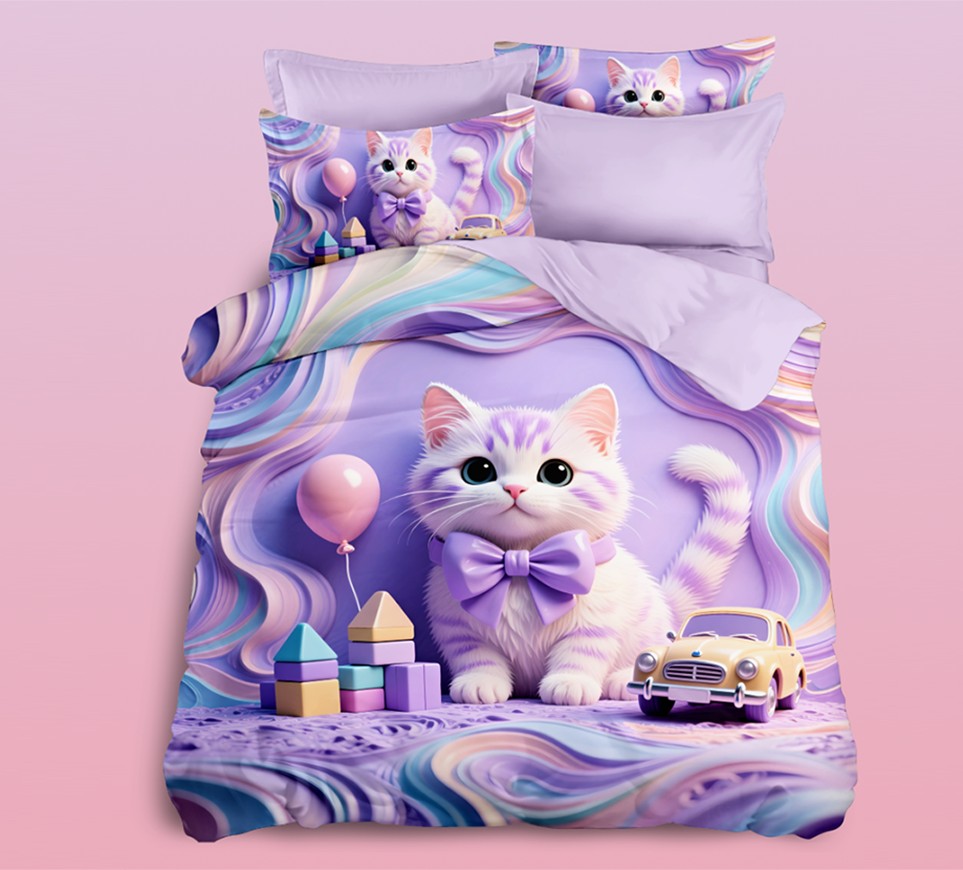
FunctionFast dry and easy to care: Not easy to shrink, no ironing and anti-wrinkle, fast drying after machine washing.Durable and fade resistant: Strong wear resistance, high color fastness, long-term...
See DetailsWhy Choose Us?
Established in 2008, with a 3,000m² professional factory, over 50 employees, and 5 departmental managers.
Coming From China, Marketing To The World.
What Is a 2 Persoons Dekbedovertrek? Types, Sizes, and Selection Guide
Aug 04, 2026
Content
- 1 What a 2 Persoons Dekbedovertrek Is and Why Size Matching Matters
- 2 Common Types and Weave Constructions of Duvet Cover Sets
- 3 Fabric Structure and Construction: How Duvet Covers Are Made
- 4 Seasonal Demand and Application Scenarios for 2 Persoons Dekbedovertrek Buyers
- 5 Selection Criteria for Choosing the Right Duvet Cover Set
- 6 Detailed Comparison of Duvet Cover Fabrics and Sizes
- 7 Care and Maintenance Guidance for Long-Lasting Duvet Covers
- 8 Manufacturing Standards, OEM/ODM Support, and Sourcing from Nantong Noble
- 9 Frequently Asked Questions About 2 Persoons Dekbedovertrek
- 9.1 Q1: What size is a standard 2 persoons dekbedovertrek?
- 9.2 Q2: What is the difference between a 2 persoons dekbedovertrek and lits-jumeaux bedding?
- 9.3 Q3: Is percale or sateen better for a warmer sleeper?
- 9.4 Q4: Are duvet covers generally machine washable?
- 9.5 Q5: Does Nantong Noble support OEM and ODM duvet cover manufacturing?
The direct answer is this: a 2 persoons dekbedovertrek is a double-size duvet cover set, sized for two people sharing one duvet insert on a standard double or queen bed, and for most households and hospitality buyers a 100% cotton percale or sateen weave in a 200 x 200 cm or 200 x 220 cm size is the practical default choice. A well-made 2 persoons dekbedovertrek keeps the duvet insert secured with internal corner ties, closes cleanly with a zipper or button placket, and holds its color and softness through repeated machine washing. The sections below cover common types and weave constructions, how duvet covers are structurally put together, seasonal application patterns, detailed fabric and size comparisons, care guidance, and answers to frequently asked questions.
What a 2 Persoons Dekbedovertrek Is and Why Size Matching Matters
In Dutch and Belgian home textile markets, bedding is conventionally sized by how many sleepers share one bed and one duvet insert. A 1 persoons (single) dekbedovertrek is generally sized around 140 x 200 or 140 x 220 cm for one person, while a 2 persoons dekbedovertrek is generally sized around 200 x 200 or 200 x 220 cm to cover two people sharing a single duvet insert on a double or queen bed. A separate convention, lits-jumeaux, uses two single-width duvet covers side by side on a wider bed rather than one shared double-width cover, which is a distinct format from a true 2 persoons dekbedovertrek.
Because these size names describe a sleeping arrangement rather than an exact mattress dimension, matching the dekbedovertrek size to both the mattress width and the duvet insert size is important. A 2 persoons dekbedovertrek intended for a 200 x 200 cm duvet insert will generally fit loosely or bunch if paired with a smaller insert, and will fit too tightly if paired with a larger one, so confirming insert dimensions before ordering is a practical first step for any buyer. Retailers and wholesale buyers building a duvet cover assortment often want a general sense of how demand splits across common bed size categories before committing to production quantities, since a 2 persoons dekbedovertrek typically serves the widest range of household bed configurations in many European markets.
Lits-jumeaux and king or extra-large formats serve narrower use cases, such as wider beds or larger hospitality suites, and generally represent a smaller portion of a balanced product range. Understanding this general size mix can help a buyer plan inventory ratios across a bedding collection rather than guessing at proportions. The chart below presents an illustrative breakdown of how duvet cover size demand commonly splits across four common categories, intended as a general planning reference rather than a precise market count.
2 Persoons (Double) 45% 1 Persoons (Single) 25% Lits-Jumeaux 20% King / Extra-Large 10%
As the chart illustrates, the 2 persoons dekbedovertrek segment typically represents the largest share of a balanced duvet cover range, consistent with its role as the default size for most double and queen beds in household use. The 1 persoons segment follows as the next largest category, reflecting steady demand from single bedrooms, guest rooms, and student housing, where a smaller duvet cover set is the practical choice. Lits-jumeaux covers occupy a meaningful but smaller share, since they serve a specific bed format that is common in some regional markets but not universal across Europe. King and extra-large formats represent the smallest illustrative share, generally reserved for larger hospitality suites or households with oversized bedding, where demand is real but narrower than the mainstream double and single categories. This general pattern is useful for a wholesale buyer or retailer building a duvet cover assortment, because it suggests that a 2 persoons dekbedovertrek line deserves proportionally more style and color variety than smaller or larger size categories. It also explains why many home textile manufacturers keep double-size cutting patterns and packaging lines running at higher volume than other sizes. For a hospitality buyer standardizing a bedding program across multiple room types, this distribution can help set realistic purchase ratios between double, single, and larger formats rather than ordering each size in equal volume. At the same time, actual demand generally depends on the specific market, customer base, and bed configurations a buyer is serving, so this illustrative split should be treated as a starting point rather than a fixed rule. A hotel chain with mostly double rooms, for example, would reasonably lean more heavily toward the 2 persoons dekbedovertrek category than this general distribution suggests. Aligning purchase quantities with a facility's or market's actual bed size mix, informed by a general reference like this, tends to produce a more efficient bedding inventory than assuming every size category needs equal stock.
A 2 persoons dekbedovertrek generally represents the largest share of demand within a balanced duvet cover assortment, making it a practical focus for both retail and hospitality buyers.
Common Types and Weave Constructions of Duvet Cover Sets
A 2 persoons dekbedovertrek is generally produced in one of a small number of common weave constructions, each with a distinct feel and seasonal fit. Percale is a tight plain weave that produces a crisp, matte, cool-to-the-touch fabric, which is why it is frequently chosen for warmer sleepers and year-round use. Sateen uses a satin-style weave with more thread floats on the surface, giving it a smoother hand-feel and a slight sheen, generally with a warmer drape than percale. Flannel is a brushed cotton fabric with a napped surface that traps warmth, making it a common seasonal choice for cooler months, while linen-blend duvet covers combine linen fiber with cotton or another fiber for a textured, breathable, more relaxed appearance.
Closure style is another practical way to categorize duvet cover types. A zipper closure is secure and allows fast opening and closing, which is why it is common in hospitality settings that require frequent laundering and quick bed turnover. A button placket closure is a traditional design that adds a visible design detail along one edge, generally taking slightly longer to fasten than a zipper. Most duvet covers, regardless of closure type, also include internal corner ties or loops that anchor the duvet insert in place, and an adjustable tie length or loop placement is a small but functional detail that helps keep the insert from shifting or bunching during use and washing.
Cotton PercaleA tight, plain weave that feels crisp and cool against the skin, generally favored for warmer climates, humid seasons, and buyers who prefer a matte, hotel-style finish on a 2 persoons dekbedovertrek. |
Cotton SateenA smoother, slightly glossy weave with a warmer drape, generally favored for a softer hand-feel and a more lustrous appearance in bedroom or hospitality settings. |
Common Closure Types
Zipper Closure
Fast, secure, common in hospitality Button Placket
Traditional look, added design detail Ties Only
Lightweight, simple retail sets Zipper + Ties
Combined security and insert stability
Fabric composition is one of the clearest ways to compare duvet cover weave types, since the ratio of natural fiber to any blended content affects breathability, drape, and care requirements. Percale and sateen weaves are most commonly produced from a very high proportion of natural cotton fiber, which supports their reputation for breathability and durability through repeated machine washing. Flannel is also generally cotton-dominant, though brushing and finishing processes can involve a modest blended content in some product lines to improve texture consistency. Linen-blend duvet covers, by definition, combine linen fiber with cotton or another fiber to balance linen's texture and breathability with cotton's softness and easier care, which generally results in a more mixed fiber composition than the other three weave types. The chart below shows an illustrative natural-versus-blended fiber composition range across these four common weave types, intended to support general fabric comparisons rather than represent a specific test result.
Natural Fiber Share Blended Fiber Share
The chart shows that percale and sateen weaves generally sit at the high end of natural fiber content, which is consistent with their common description as durable, breathable, everyday cotton fabrics suited to year-round use. Flannel follows closely, reflecting its typical cotton-dominant composition even though brushing and napping finishes can involve a small blended content in some manufacturing processes. Linen-blend duvet covers show a meaningfully higher blended fiber share in this illustrative comparison, which lines up with how linen-blend fabrics are generally formulated to balance linen's characteristic texture with the softness and easier care of cotton or another fiber. A higher natural fiber content is often associated with stronger breathability and a cooler hand-feel, which is one reason percale in particular is frequently recommended for warmer climates or for sleepers who tend to run hot at night. A higher blended content, as seen in linen-blend fabrics, can bring benefits such as added texture and a relaxed drape, though it may also shift care requirements, such as a greater tendency to wrinkle or a preference for gentler washing. For a wholesale buyer building a multi-fabric duvet cover range, this kind of composition comparison is a practical way to explain product differences to retail customers without relying on technical fiber terminology alone. It also supports product labeling and marketing copy that accurately reflects what a customer can expect from each weave type in terms of feel and maintenance. Because fiber composition directly affects machine washing behavior, shrinkage tendency, and long-term durability, manufacturers generally document actual composition for each production batch rather than assuming it stays fixed across fabric lots. Buyers sourcing a 2 persoons dekbedovertrek line across multiple fabric types should request composition details for each specific product rather than relying solely on general weave-type expectations, since finishing processes can shift the exact ratio within a given weave category. This general comparison remains a useful starting point for aligning fabric choice with the durability, breathability, and care profile that a specific market segment expects.
Percale and sateen weaves generally carry the highest natural fiber content among common duvet cover fabrics, while linen-blend fabrics intentionally combine fibers for a different texture and drape.
Fabric Structure and Construction: How Duvet Covers Are Made
The structure of a 2 persoons dekbedovertrek begins with the weave itself. A plain weave, used for percale, interlaces the weft thread over and under each warp thread in a simple, tight pattern, which produces a stable, low-sheen fabric with good durability. A satin-style weave, used for sateen, floats the weft thread over several warp threads before interlacing, which creates more surface reflection and a smoother hand-feel but can make the fabric marginally more prone to snagging than a plain weave. Thread count, meaning the number of threads woven per square inch, is often cited as a quality indicator, though thread and yarn quality, finishing technology, and weave type generally matter as much as the raw thread count number itself when judging a duvet cover's overall feel and durability.
Seam construction also affects how well a duvet cover holds up over repeated use and machine washing. Flat-felled or French seams enclose raw fabric edges inside a folded, double-stitched seam, which reduces fraying compared with a simple overlocked edge. Reinforced stitching at closure points and corner tie attachments helps the cover withstand the stress of a duvet insert being pushed and pulled into place. Corner ties or loops are generally sewn into each internal corner of the cover, and adjustable tie length is a practical design choice that allows the same dekbedovertrek to accommodate duvet inserts of slightly varying thickness or loft without the ties pulling too tight or leaving too much slack.
- Plain weave (percale) or satin-style weave (sateen) determines surface texture and sheen
- Thread count and yarn quality together influence hand-feel and durability
- Flat-felled or French seams reduce fraying at fabric edges over repeated washing
- Reinforced stitching at closures and corner ties supports repeated insertion of the duvet
- Adjustable internal ties or loops keep the duvet insert anchored and evenly distributed inside the cover
Weave type, seam construction, and adjustable corner ties together determine how well a duvet cover holds its shape and function through repeated machine washing.
Seasonal Demand and Application Scenarios for 2 Persoons Dekbedovertrek Buyers
A 2 persoons dekbedovertrek is used across several distinct buying contexts, each with somewhat different priorities. Retail home goods stores and e-commerce sellers generally look for a broad range of colors, patterns, and price-accessible fabric options that appeal to individual household shoppers redecorating a bedroom. Hospitality and short-term rental buyers, by contrast, generally prioritize a smaller number of durable, easy-care, consistently sized options, often in a limited color palette, that hold up to frequent commercial laundering. Interior design and home staging professionals typically look for a curated set of neutral or on-trend colors that photograph well and coordinate easily across multiple properties or rooms.
Seasonal timing is another factor that shapes how buyers plan a 2 persoons dekbedovertrek assortment. Interest in bedding often shifts alongside broader seasonal home-refresh patterns, gifting occasions, and back-to-school or moving-related purchasing, which tend to cluster demand more heavily in certain parts of the year than others. Understanding this general seasonal pattern can help a retail or wholesale buyer plan production and inventory timing rather than ordering evenly across all twelve months. The chart below presents an illustrative quarterly demand index for 2 persoons dekbedovertrek buying interest, based on general seasonal retail patterns rather than a specific market's confirmed sales data.
The area chart shows a general seasonal pattern in which buying interest for a 2 persoons dekbedovertrek dips slightly through the middle of the year before rising toward the final quarter. The relatively steady but moderate index in the first quarter often reflects post-holiday home refresh purchases, as households update bedding after the winter gifting season. A modest dip in the second quarter is consistent with lighter, less bedding-focused shopping during the warmer months, when consumers are generally more focused on other home or outdoor categories. The rise into the third quarter frequently aligns with back-to-school and moving-season purchasing, when new households and student housing commonly need a full duvet cover set. The strongest illustrative demand appears in the fourth quarter, which is consistent with year-end gifting occasions, holiday home preparation, and cooler weather prompting households to refresh bedding in warmer flannel or heavier weave options. This general pattern is useful for a wholesale buyer or manufacturer planning production schedules, since building inventory ahead of the third and fourth quarter peaks can help avoid tight lead times during the busiest ordering windows. It is also relevant for retail merchandising, since promotional and seasonal color launches often perform best when timed slightly ahead of these demand increases rather than during the slower middle-year period. Hospitality buyers, whose replacement cycles are driven more by wear and laundering frequency than by seasonal trends, generally see a flatter demand curve across the year, so this seasonal pattern applies most directly to retail and e-commerce buyers rather than commercial laundry-driven hospitality replacement programs. Regional and cultural gifting calendars can shift the exact timing of these peaks, so a buyer serving a specific market should treat this illustrative index as a general planning reference and adjust it based on their own historical sales patterns where available. Combining this seasonal awareness with the size and fabric demand patterns discussed earlier in this guide supports a more coordinated approach to planning a 2 persoons dekbedovertrek product range across the year.
Buying interest for a 2 persoons dekbedovertrek generally rises toward the third and fourth quarters, which is a useful general reference for planning retail inventory and production timing.
Selection Criteria for Choosing the Right Duvet Cover Set
Choosing the right 2 persoons dekbedovertrek generally comes down to a short list of practical factors rather than any single feature. Getting the size right relative to both the mattress and the duvet insert is the starting point, since even a well-made cover will feel wrong on the bed if the dimensions do not match the insert being used. From there, fabric weave, closure style, and care requirements typically determine whether a specific product fits a household's climate, laundering habits, and style preferences.
Practical Selection Checklist
- Confirm the duvet insert size matches the intended 200 x 200 cm or 200 x 220 cm dekbedovertrek dimension
- Choose percale for a cooler, crisper feel or sateen for a smoother, slightly warmer drape
- Select flannel for colder-season warmth or a linen-blend for a more textured, breathable look
- Match closure type to use case, favoring zipper closures for frequent commercial laundering
- Check that internal ties are present and adjustable to keep the duvet insert secure over time
- Confirm the fabric is machine washable at a temperature suited to the intended laundering routine
- For multifunction bedding sets, verify that matching pillowcases and accessories are available in the same fabric and size
Buyers sourcing at wholesale volume also benefit from confirming a manufacturer's production consistency across dye lots and fabric batches, since color and hand-feel variation between production runs can create mismatched inventory in a multi-color duvet cover line. Working with a professional, reliable home textile manufacturer that documents fabric composition, weave type, and finishing technology for each product helps reduce this kind of inconsistency across large or repeat orders.
Size accuracy, fabric weave, and closure type are the three factors that most directly determine whether a 2 persoons dekbedovertrek fits a buyer's specific use case.
Detailed Comparison of Duvet Cover Fabrics and Sizes
The table below summarizes how common duvet cover sizes and fabric types compare, which is a useful quick reference when narrowing options with a home textile manufacturer or comparing a wholesale product catalog.
| Size Category | Typical Dimensions | Typical Use |
|---|---|---|
| 1 Persoons | 140 x 200 / 140 x 220 cm | Single beds, guest rooms, student housing |
| 2 Persoons | 200 x 200 / 200 x 220 cm | Double and queen beds, most common household size |
| Lits-Jumeaux | 2 x 140 x 200 cm (pair) | Wider beds using two independent covers |
| King / Extra-Large | 240 x 220 cm and larger | Larger households, select hospitality suites |
Beyond size, buyers frequently want a simple way to compare fabric types across the practical attributes that matter most for everyday use: breathability, softness, durability, and ease of care. Each weave construction, whether percale, sateen, flannel, or linen-blend, tends to perform differently across these attributes, and no single fabric scores highest on every measure. Because these differences can be hard to compare from a written description alone, a grid-style comparison makes the trade-offs easier to see at a glance. The heatmap below rates each fabric type on a relative scale from one to five across four practical attributes, using illustrative ratings based on general characteristics commonly associated with each weave rather than a specific certified test. Darker cells represent a stronger relative rating on that attribute.
The heatmap highlights that no single fabric leads on every attribute, which is why fabric choice generally comes down to prioritizing the attributes that matter most for a specific buyer or climate. Percale rates strongly on breathability and reasonably well on durability and ease of care, which is consistent with why it is frequently recommended as a versatile, year-round default for a 2 persoons dekbedovertrek. Sateen rates highest on softness among the four fabrics shown, reflecting its smoother satin-style weave, though it rates more moderately on breathability, which fits its reputation as a slightly warmer, more lustrous option than percale. Flannel rates lowest on breathability in this comparison, consistent with its brushed, napped construction designed to trap warmth, while still rating well on softness and durability for cold-weather use. Linen-blend fabric rates highest on breathability alongside percale, reflecting linen's natural airflow properties, but rates lower on ease of care, consistent with linen's tendency to wrinkle and its often more particular washing and ironing needs. Durability ratings cluster in a moderate-to-strong range across all four fabrics, suggesting that, with reasonable care, none of these common weave types should be expected to wear out significantly faster than the others under normal household use. Ease of care ratings vary more widely, with percale and flannel rating favorably for buyers who prioritize simple machine washable, low-maintenance bedding, while linen-blend requires more attention to washing temperature and ironing to maintain its appearance. For a retail buyer building a multi-fabric assortment, this kind of comparison supports clearer product descriptions that set accurate customer expectations for feel, warmth, and care requirements. For a hospitality buyer prioritizing durability and ease of care above all else, percale or a durable sateen blend will generally outperform linen-blend fabric on the attributes that matter most for high-frequency commercial laundering. This illustrative comparison should be read alongside a specific product's documented fabric composition and finishing technology rather than treated as a universal ranking, since manufacturing quality can shift these general tendencies within any given weave category.
No single duvet cover fabric leads on every attribute, so matching weave type to the priorities of breathability, softness, durability, or ease of care is a more useful approach than seeking one universally superior option.
Care and Maintenance Guidance for Long-Lasting Duvet Covers
A 2 persoons dekbedovertrek is a large item relative to most household laundry loads, so a few practical habits help keep both the fabric and the washing machine performing well over time. Most cotton percale and sateen duvet covers are machine washable at a moderate temperature, and following the specific care label for each product is generally more reliable than assuming every cotton fabric can be washed the same way. Because a double-size cover takes up considerable drum space, washing it on its own or with only a small additional load helps the machine agitate the fabric properly and rinse out detergent more completely.
- Wash similar colors together to reduce dye transfer, especially with darker or printed duvet covers
- Close zippers and secure button plackets before washing to protect the fabric and the washing machine
- Avoid overloading the washing machine, since a large duvet cover needs room to move freely for a thorough clean
- Tumble dry on a low or moderate setting, or line dry when possible, to help preserve fabric structure over repeated cycles
- Check and gently reset internal corner ties after washing so the duvet insert stays evenly distributed inside the cover
- Store folded duvet covers in a dry, ventilated space to prevent musty odors or fabric creasing over long storage periods
Following consistent care practices generally extends the useful life of a duvet cover more than any single fabric choice on its own, since even a durable, high quality weave will wear faster under harsh washing or drying conditions than a more moderate fabric cared for properly.
Consistent, label-appropriate washing and drying habits do more to extend a duvet cover's lifespan than fabric choice alone.
Manufacturing Standards, OEM/ODM Support, and Sourcing from Nantong Noble
When sourcing a 2 persoons dekbedovertrek program at wholesale volume, buyers generally look beyond a single product listing to the manufacturer's production capability, fabric consistency, and ability to support customization. A professional home textile manufacturer with stable weaving, cutting, and stitching processes is generally better positioned to maintain consistent sizing, seam quality, and colorfastness across large orders, which matters for retailers and hospitality buyers placing repeat wholesale orders across multiple color and size variations.
Nantong Noble International Trade Co., Ltd. is a comprehensive home textile enterprise specializing in the design, production, processing, and packaging of household textiles, based in China. With over 18 years of experience in international trade and home textile manufacturing, the company has focused on providing professional home textile solutions to customers across different markets. As a China home textile manufacturer and home textile factory, its product range covers bedding sets, bedspreads, quilts, blankets, and sofa covers, giving buyers a single, coordinated source for a 2 persoons dekbedovertrek alongside related bedding accessories.
The company continually updates product styles and designs to support rapid production turnaround, and it offers customized products based on customer demands to meet diverse market needs, including OEM manufacturer and ODM manufacturer arrangements for buyers who need private-label packaging, specific fabric compositions, or a particular size and closure configuration. Whether working with a China factory or China supplier as an OEM factory, ODM factory, OEM supplier, or ODM supplier, buyers evaluating a wholesale supplier, exporter, or general China wholesale partner for a duvet cover program should weigh production consistency, weaving and finishing technology, and responsiveness to custom specifications alongside standard product listings when narrowing a shortlist among available China brands and China producer options.
Production consistency, fabric documentation, and OEM/ODM flexibility are practical indicators of a reliable home textile manufacturer for a 2 persoons dekbedovertrek program, beyond what a single product listing can show.
Frequently Asked Questions About 2 Persoons Dekbedovertrek
The answers below address common questions about 2 persoons dekbedovertrek sizing, fabric choice, and care.
Q1: What size is a standard 2 persoons dekbedovertrek?A standard 2 persoons dekbedovertrek is generally 200 x 200 cm or 200 x 220 cm, sized to fit a shared double or queen duvet insert rather than two separate single inserts. |
Q2: What is the difference between a 2 persoons dekbedovertrek and lits-jumeaux bedding?A 2 persoons dekbedovertrek is a single double-width cover shared over one duvet insert, while lits-jumeaux bedding uses two separate single-width duvet covers placed side by side on a wider bed. |
Q3: Is percale or sateen better for a warmer sleeper?Percale is generally cooler and crisper due to its tight plain weave, making it a common choice for warmer sleepers, while sateen has a smoother, slightly warmer drape from its satin-style weave. |
Q4: Are duvet covers generally machine washable?Most cotton percale, sateen, and flannel duvet covers are machine washable at a moderate temperature, though checking the specific care label for each fabric type is recommended before the first wash. |
Q5: Does Nantong Noble support OEM and ODM duvet cover manufacturing?Yes, as a China-based home textile manufacturer and factory, Nantong Noble supports OEM manufacturer and ODM manufacturer arrangements for duvet covers, bedding sets, bedspreads, quilts, blankets, and sofa covers, working with wholesalers, distributors, and retail buyers on standard and customized configurations. |
Related products
-
-
FunctionFast drying and easy to take care of: Anti-shrinkage and no ironing, fast drying after machine washing, simplified daily care.Durable color protection: High wear resistance and color fastness,...
See Details -
FunctionStrong warmth: High gram weight provides good insulation performance, suitable for low-temperature environments.Durable anti-wrinkle: High-density structure wear and tear resistance, not easy ...
See Details -
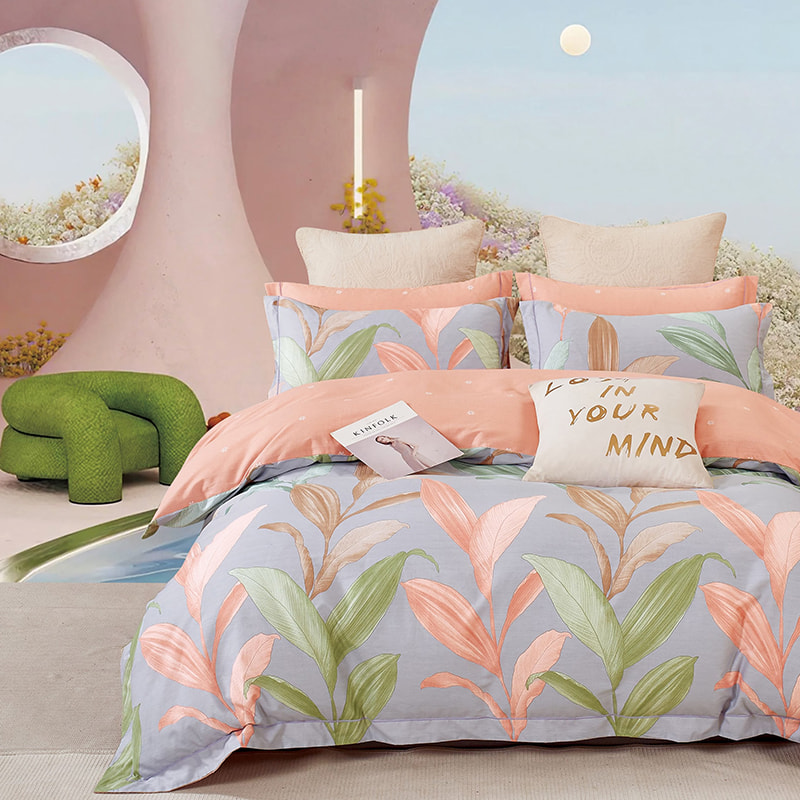
FunctionSkin-friendly breathable: Natural cotton fiber is soft and comfortable, good for breath, and suitable for the use of moisture.Absorption and perspiration: Good moisture absorption, keep dry bo...
See Details -
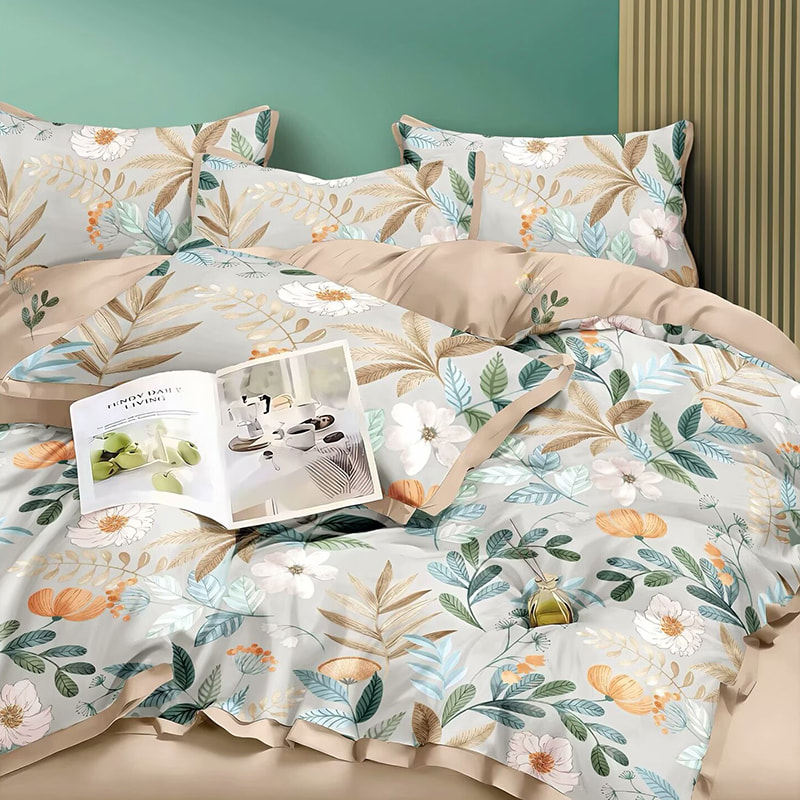
FunctionMore delicate and skin-friendly: Higher than 12868,13372, the fabric is more delicate and soft, the touch is better and more.Breathable: High-density cotton structure further improves moisture...
See Details -
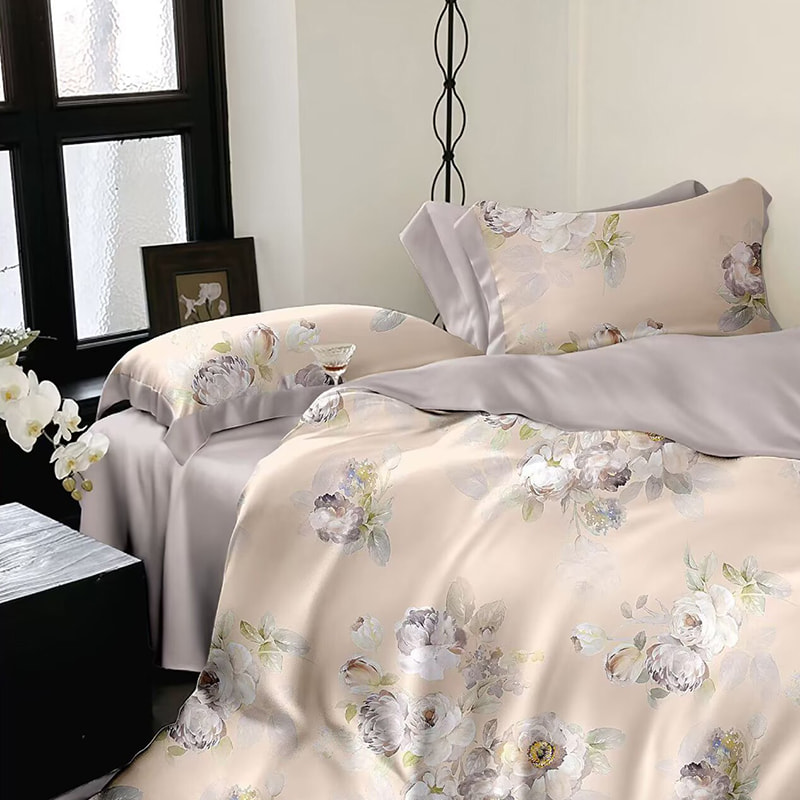
Function Extreme skin affinity: Day silk fiber is soft and smooth, touch like silk, suitable for close-fitting use of moisture. Absorption and breathability: moisture absorption and sweat performance,...
See Details -
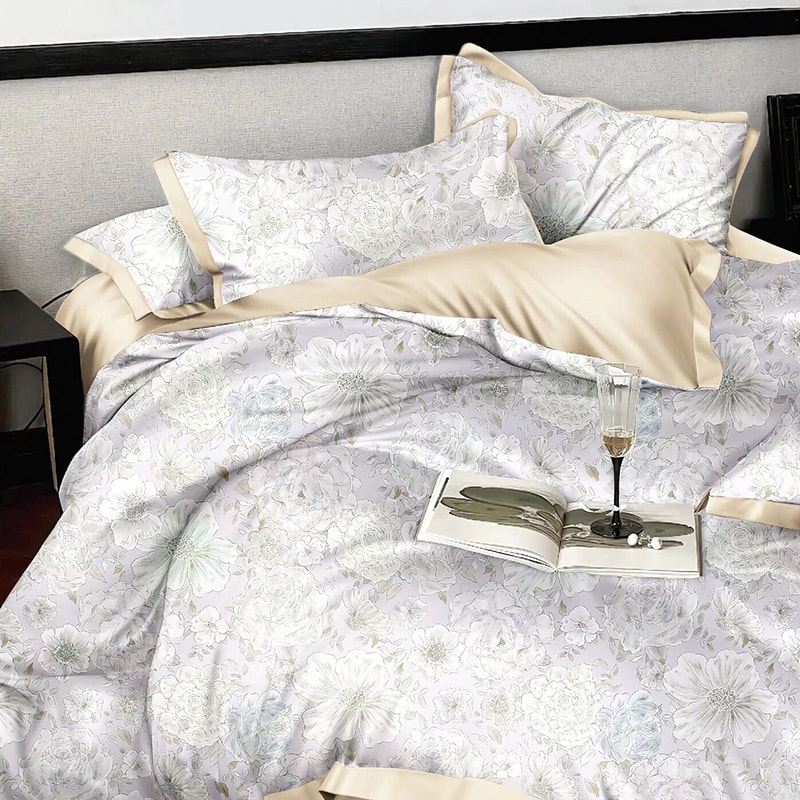
FunctionMore delicate and skin-friendly: Compared with 50S, 60S silk fiber is thinner, softer, smoother, more comfortable for close use, and more moisture absorption.Breathable: Higher branches improv...
See Details -
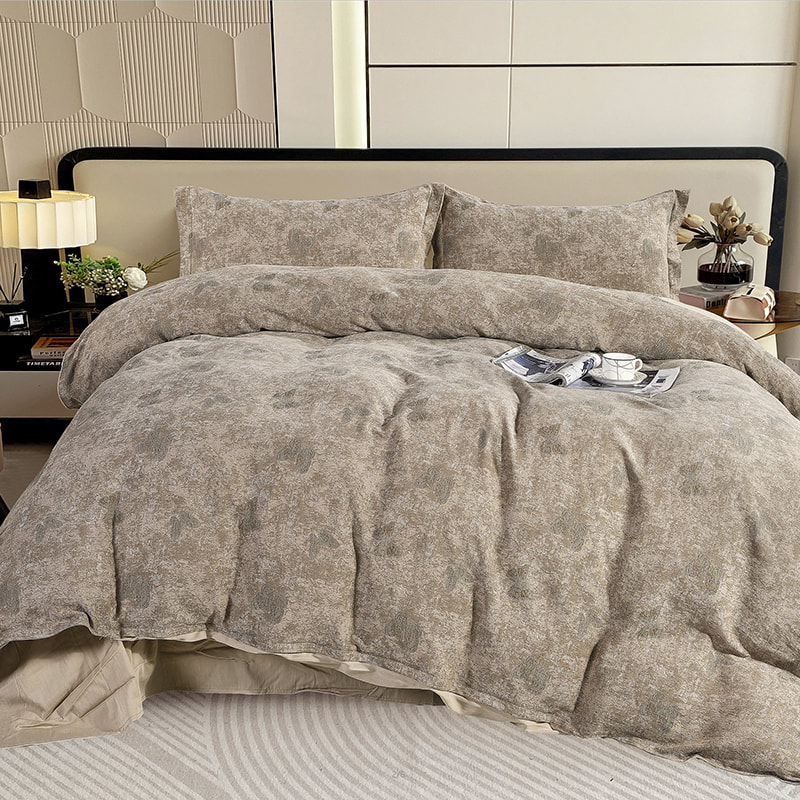
Function Luxury touch: The fiber is soft and smooth, and the jacquard process adds a three-dimensional texture. Touch like silk moisture absorption: moisture absorption performance keeps dry and comfo...
See Details -
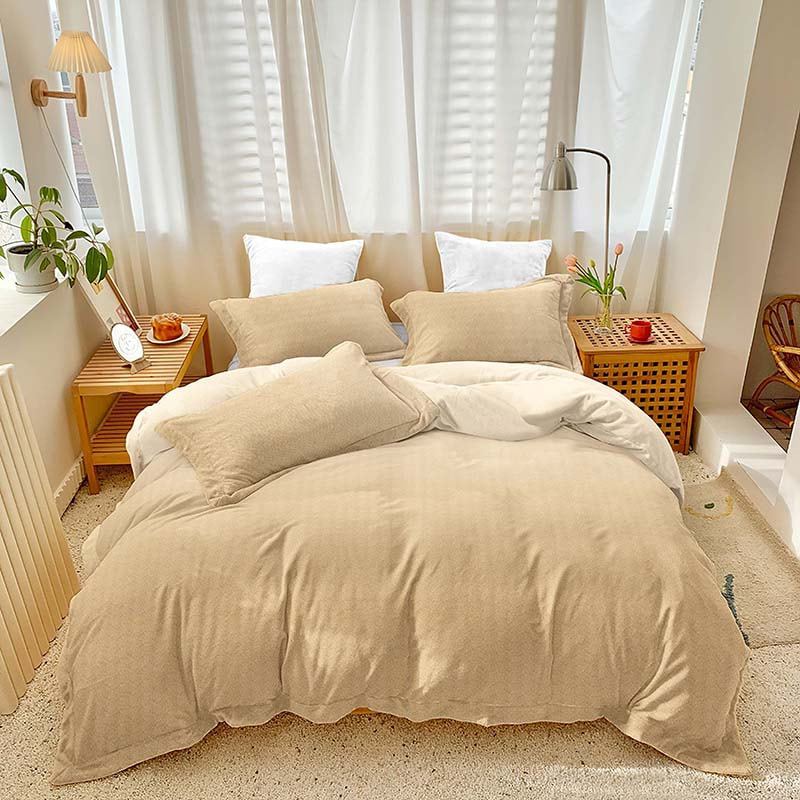
Function Fine pattern performance: Digital printing is higher precision than round net printing, richer color, more delicate pattern, fast dry.Easy to care: The polyester fiber characteristics are unc...
See Details -
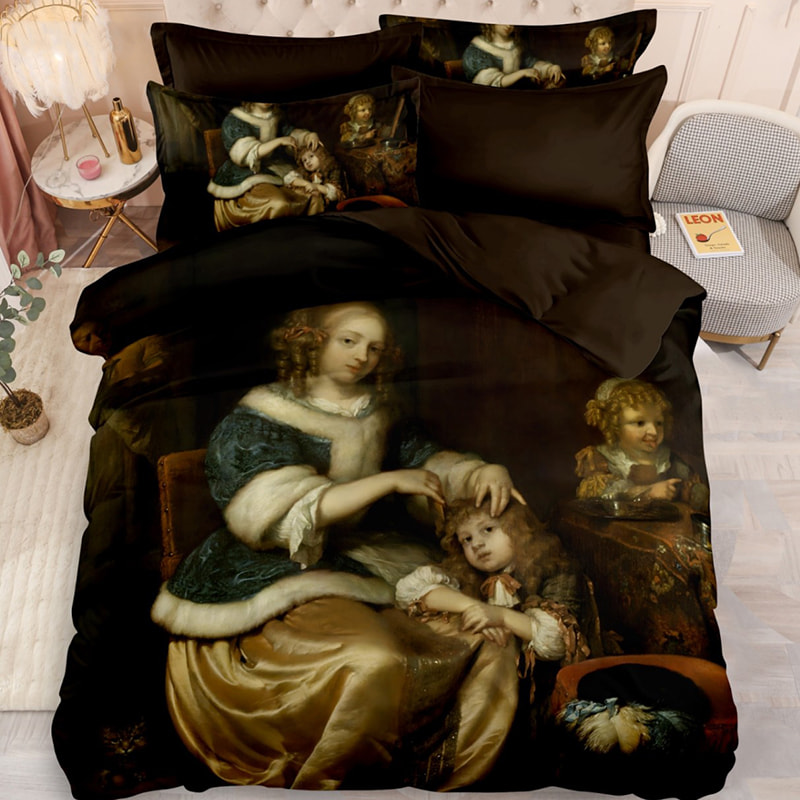
FunctionFine pattern performance: Digital printing is higher precision than round net printing, richer color, more delicate.Durable anti-wrinkle: 130g polyester fiber fabric has a vertical feeling, an...
See Details -
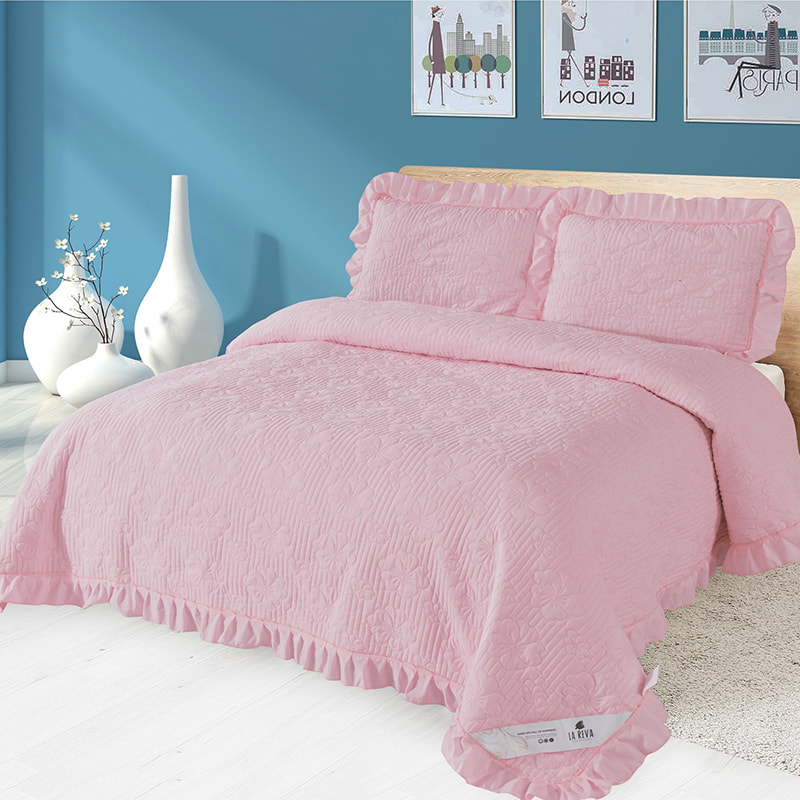
FunctionThin and light: The ultrasonic process does not create pinholes or quilting thread, and the fabric is thin and smooth.Strong decoration: Lace elements add an elegant and romantic sense, enhanc...
See Details -
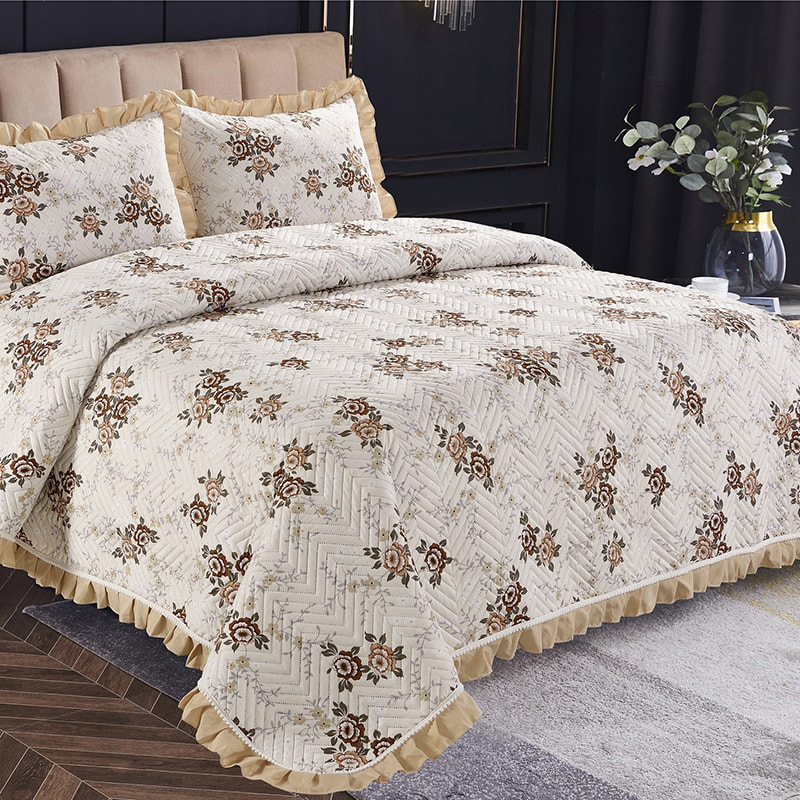
FunctionThin and light: The ultrasonic process does not create a pinhole or quilting thread, and the fabric is thin and smooth.Strong decorative: Print patterns add a sense of art and design, enhancin...
See Details
