

 English
 Español
 عربى
عربى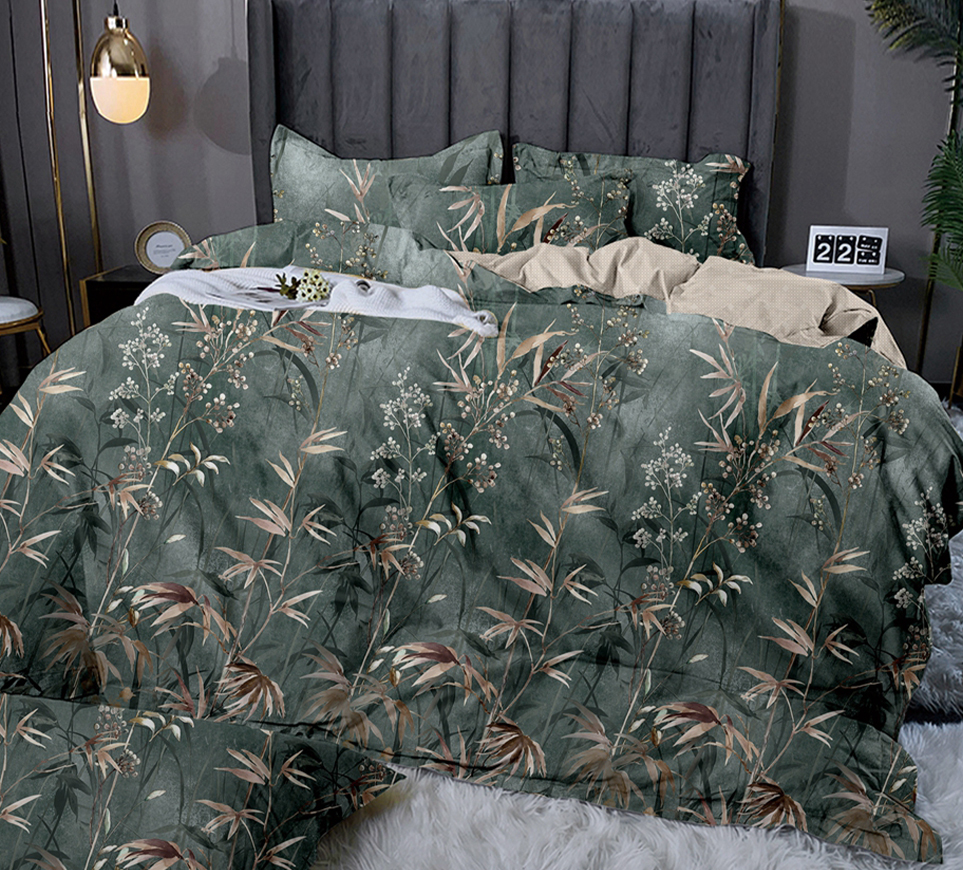
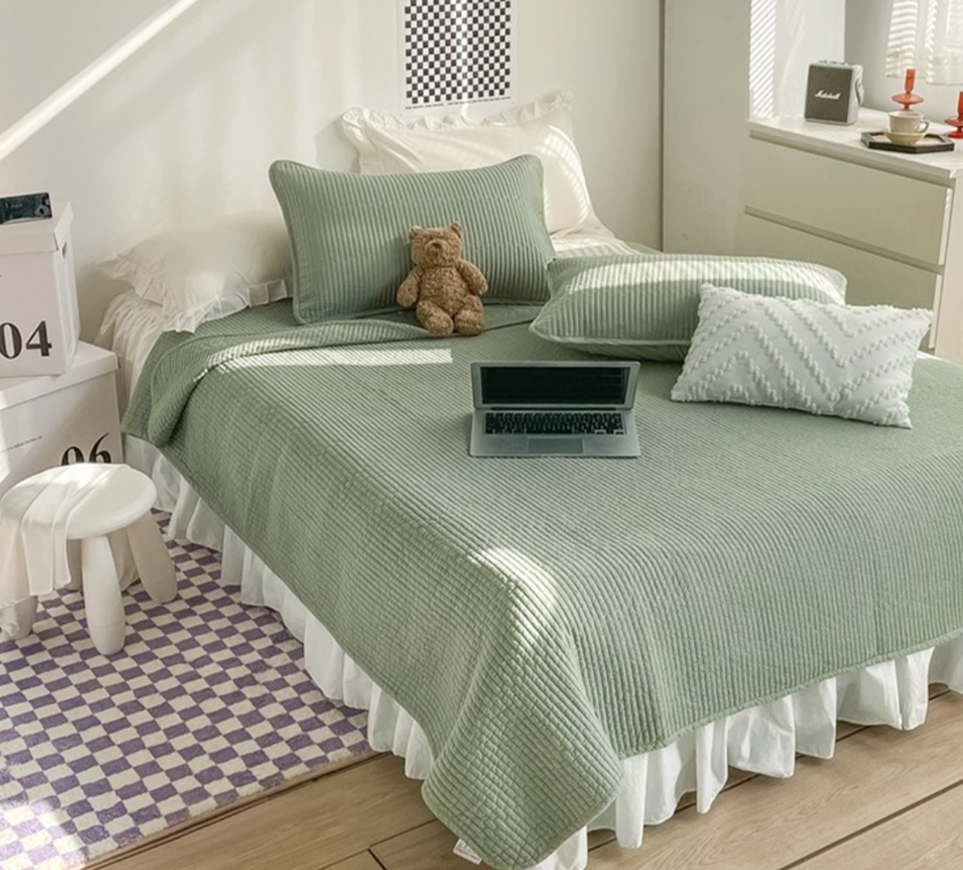
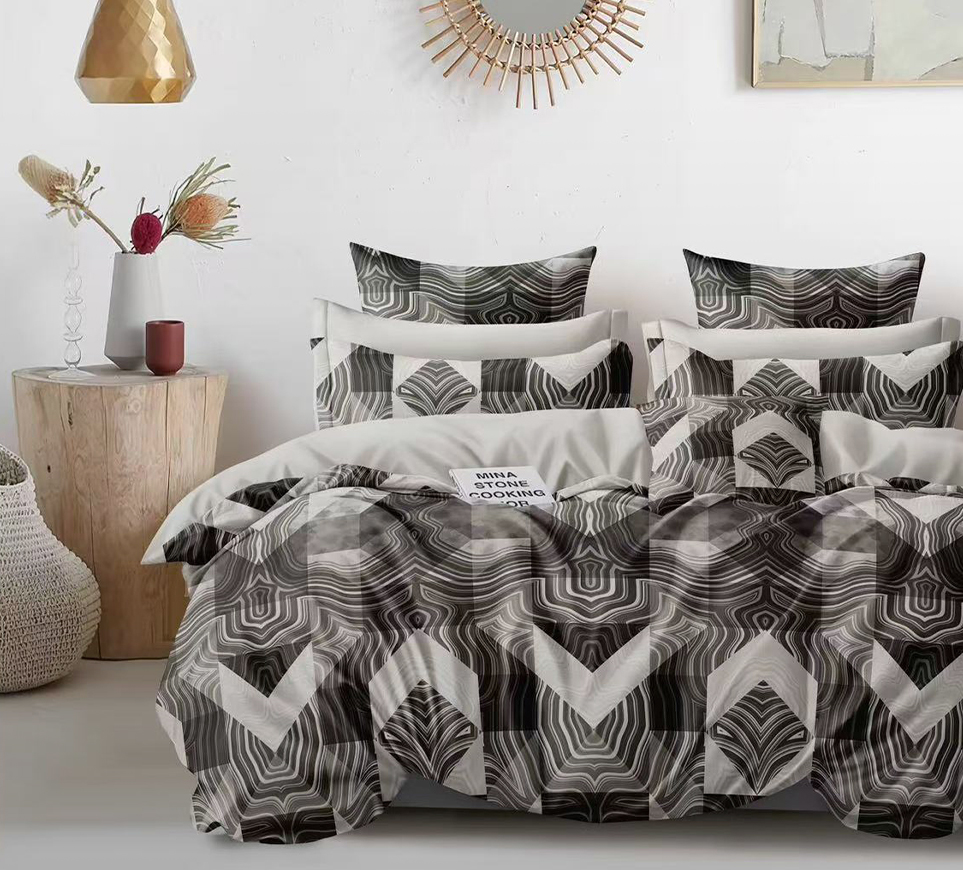
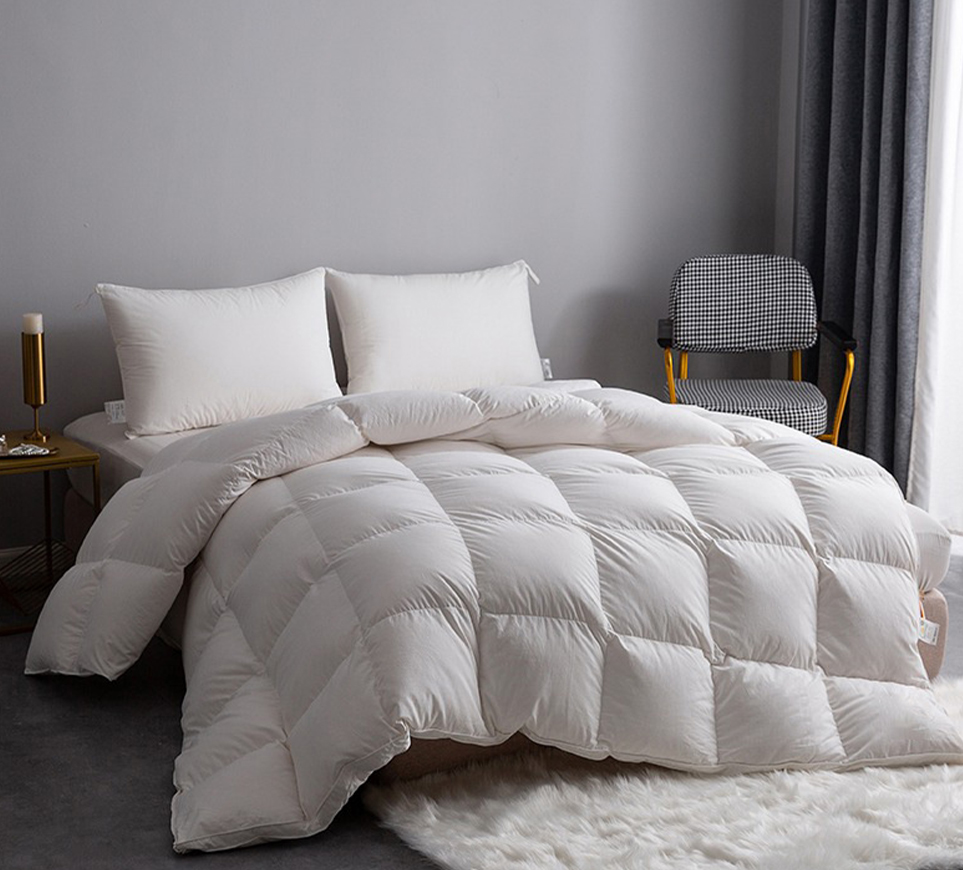
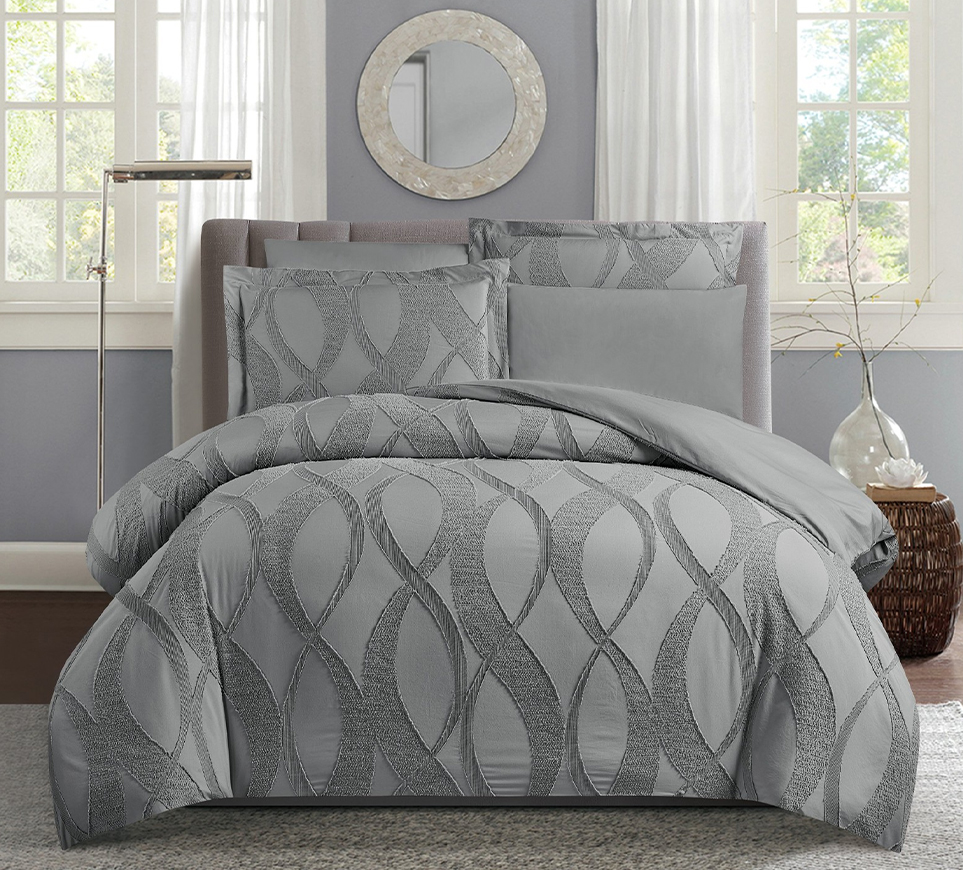
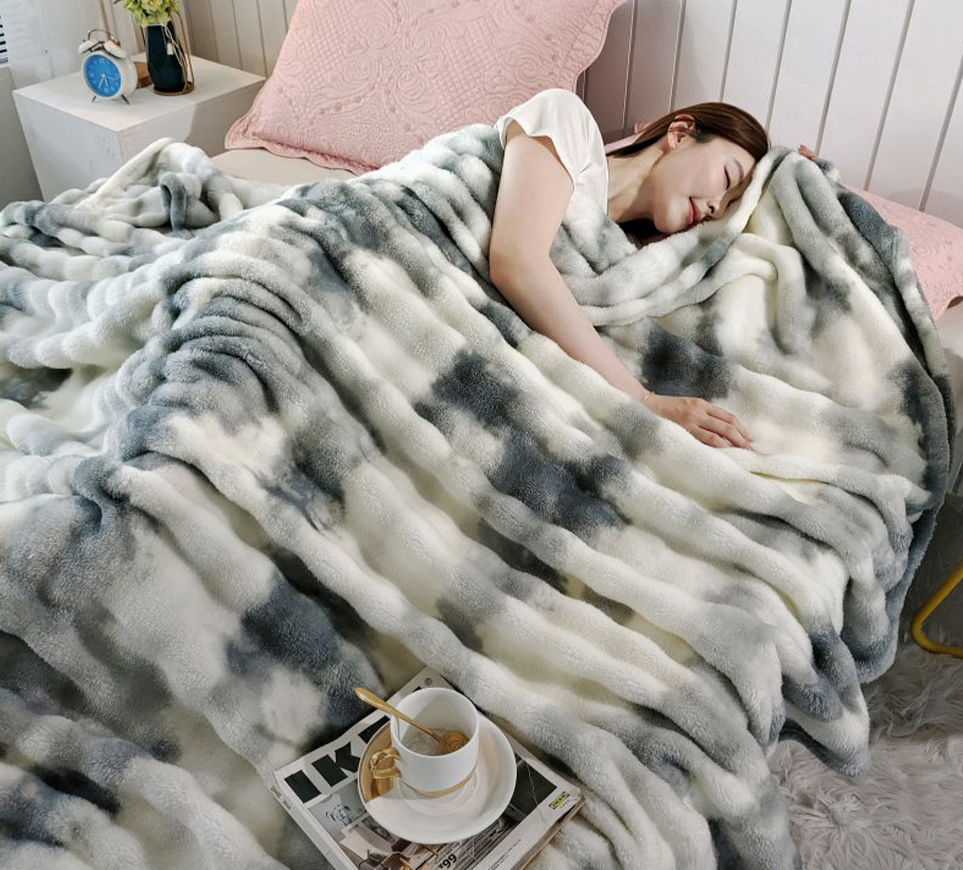
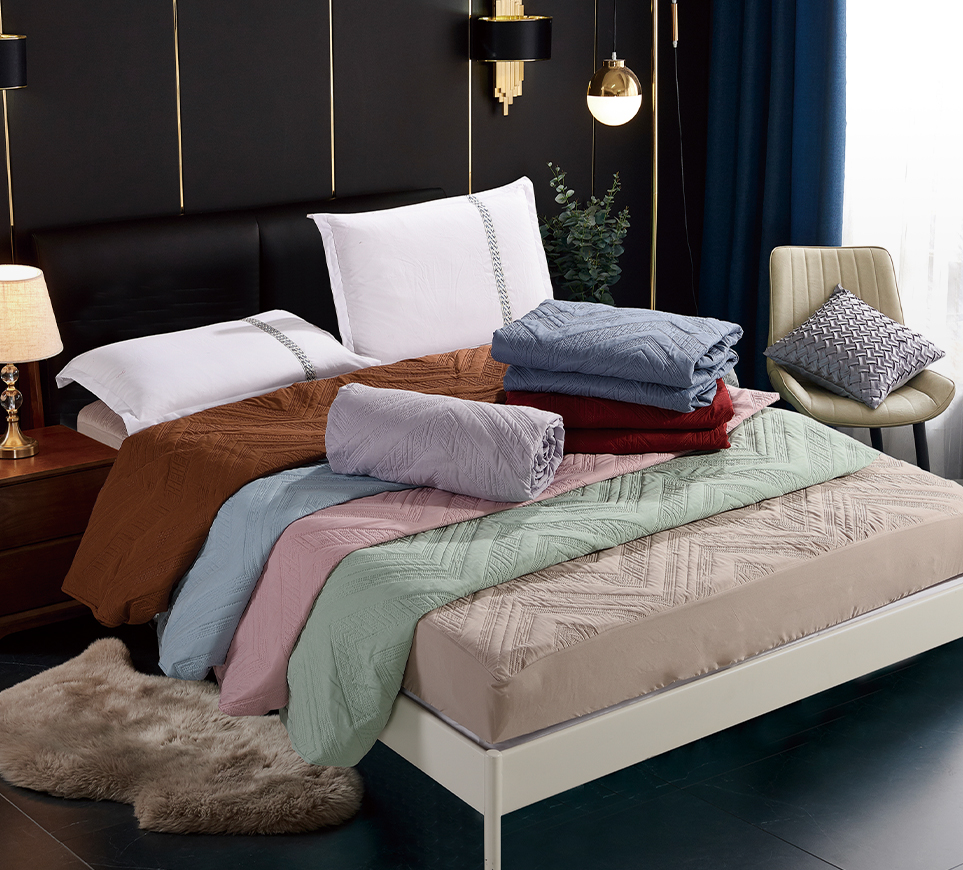

FunctionFast dry and easy to care: Not easy to shrink, no ironing and anti-wrinkle, fast drying after machine washing.Durable and fade resistant: Strong wear resistance, high color fastness, long-term...
See DetailsWhy Choose Us?
Established in 2008, with a 3,000m² professional factory, over 50 employees, and 5 departmental managers.

Coming From China, Marketing To The World.
Bed Sheet Set Types and Fabrics: A Buyer's Comparison Guide
Aug 12, 2026
Content
- 1 What Defines a High-Quality Bed Sheet Set
- 2 Common Types of Bed Sheet Sets and Their Characteristics
- 3 Construction and Weave Structure
- 4 Sizing and Fit Standards
- 5 Application Scenarios and Selection Guide
- 6 Detailed Material Comparison
- 7 Environmental and Sustainability Considerations
- 8 Maintenance and Care Guidelines
- 9 Working with a Reliable Bed Sheet Set Manufacturer
- 10 Frequently Asked Questions
- 10.1 Q1: What thread count is best for a bed sheet set?
- 10.2 Q2: Which fiber lasts longest in commercial laundering?
- 10.3 Q3: Can a bed sheet set be customized for private label?
- 10.4 Q4: What should buyers check before selecting a supplier?
- 10.5 Q5: How deep should a fitted sheet pocket be?
- 10.6 Q6: Is bamboo viscose a good eco-friendly alternative to cotton?
What Defines a High-Quality Bed Sheet Set
A high-quality Bed Sheet Set is defined by three measurable factors: fiber type, weave density, and finishing process. Together these determine breathability, durability, and how the fabric feels against skin after repeated washing. Buyers sourcing from a China manufacturer or China factory should evaluate these three elements before comparing price or minimum order quantity, since fabric performance is the variable that most affects end-customer satisfaction and return rates.
Beyond fiber and weave, a complete bed sheet set program also depends on consistent sizing, colorfastness after repeated laundering, seam construction at the hem and corners, and packaging that protects the fabric during long-distance export shipping. Many buyers focus heavily on fabric weight while overlooking hem stitching quality, yet loose or uneven stitching is one of the most common causes of early product returns in both hospitality and retail channels. A thorough sourcing evaluation should therefore cover the full construction, not only the raw fabric.
This article walks through the common types of bed sheet sets, how they are constructed, where each type performs best, how sizing standards vary by market, what sustainability considerations are relevant to fiber choice, and how to evaluate a China supplier before placing an order. It closes with a practical FAQ for hotel groups, wholesalers, and retail brands that are comparing options from a China wholesale partner.
Key takeaway: weave density and fiber content, not thread count alone, are the two strongest predictors of how a bed sheet set will perform over its usable life.
Common Types of Bed Sheet Sets and Their Characteristics
Most bed sheet sets sold globally fall into four fiber categories: cotton, cotton-polyester blends, microfiber, and bamboo-derived viscose. Each fiber changes how the finished sheet breathes, drapes, and holds up to industrial laundering, which is why a professional China producer typically keeps several fiber lines in production at once. Cotton remains the most widely requested option for hospitality and home use because of its natural moisture absorption. Microfiber has grown in popularity for budget hospitality and dormitory use because of its wrinkle resistance and lower processing cost. Bamboo viscose is increasingly requested by brands marketing themselves as eco friendly, since the raw material regenerates faster than cotton.
Within the cotton category, buyers will also encounter distinctions such as combed cotton, carded cotton, and long-staple cotton. Combed cotton removes short fibers before spinning, producing a smoother yarn and a cleaner surface finish. Long-staple varieties generally spin into finer, stronger yarn, which allows a tighter weave without added bulk. Carded cotton retains more short fibers and is typically positioned as a value-tier option. Understanding these sub-categories matters when comparing quotes from different suppliers, since two fabrics both labeled "cotton" can differ meaningfully in hand feel and pilling resistance.
Cotton-polyester blends are engineered specifically to reduce the two weaknesses most associated with pure cotton: wrinkling and shrinkage. A typical blend combines a majority cotton content for comfort with a polyester component for dimensional stability. This makes blends a practical middle option for institutional buyers who need linens that come out of an industrial dryer with fewer wrinkles, reducing pressing and labor costs at scale. Microfiber, by contrast, is generally a 100 percent synthetic construction using fine polyester filaments, which allows for tight weaves at lower cost and consistent color saturation for printed patterns.
Relative Breathability by Fabric Type
The chart above places four common fabric families on a relative breathability scale. Cotton scores highest because its fiber structure allows air and moisture vapor to pass through the weave more freely than synthetic fibers. Bamboo viscose sits in the upper-middle range, which explains why it is often marketed alongside cotton for warm-climate hospitality use. Cotton-polyester blends trade some breathability for lower shrinkage and easier commercial laundering, making them a common middle-ground choice for budget hotels. Microfiber ranks lowest on this scale because its tightly packed synthetic filaments restrict airflow, though it compensates with strong wrinkle resistance and fast drying. Buyers targeting warm-climate markets or premium hospitality contracts generally lean toward cotton or bamboo viscose. Buyers prioritizing low maintenance and fast turnaround in high-volume laundry environments often prefer blends or microfiber. Neither category is universally better; the right choice depends on climate, laundering frequency, and end-user expectations. This is also why many catalogs from a professional China exporter list several fiber options side by side rather than promoting a single fabric as suitable for every use case. A reliable supplier should be able to supply samples across all four categories so buyers can test breathability under their own conditions before committing to a production run.
Construction and Weave Structure
The weave pattern used in a bed sheet set determines its texture, weight, and durability more than the thread count number printed on the packaging. The three weaves most commonly produced by a professional China factory are percale, sateen, and twill.
- Percale weave: a simple one-over-one-under construction that produces a crisp, matte finish and strong durability, favored for hotel-grade linens.
- Sateen weave: a four-over-one-under construction that produces a smoother, slightly glossy surface with a softer hand feel, popular in retail bedding lines.
- Twill weave: a diagonal rib construction that adds body and resists wrinkling, often used in heavier winter bedding sets.
After weaving, the fabric passes through several finishing steps that materially affect final quality. Mercerization treats cotton fibers with a chemical process that increases luster, strength, and dye uptake, which is why mercerized cotton sheets often show deeper, more even color. Sanforization pre-shrinks the fabric mechanically before cutting, reducing the amount of shrinkage a buyer sees after the first several washes. Brushing or peaching passes the fabric over fine abrasive rollers to raise a soft nap, a step commonly used on flannel-style winter sheets. A supplier's willingness to document which finishing steps were applied to a given fabric batch is a practical indicator of manufacturing transparency.
| Weave Type | Surface Finish | Typical Use | Wrinkle Resistance |
|---|---|---|---|
| Percale | Crisp, matte | Hotels, warm climates | Moderate |
| Sateen | Smooth, subtle sheen | Retail bedding sets | Moderate |
| Twill | Textured, diagonal rib | Winter, heavier bedding | High |
Key takeaway: weave structure and finishing process, not thread count alone, determine whether a sheet feels crisp, smooth, or heavy — and both should be confirmed with any supplier before ordering.
Sizing and Fit Standards
Bed sheet set sizing varies by region, and mismatched sizing is one of the most frequent sources of buyer complaints in cross-border sourcing. Fitted sheets in particular need enough pocket depth to accommodate thicker mattresses, which have become more common as memory foam and hybrid mattresses have grown in popularity. A supplier working across multiple export markets should be able to confirm both the flat dimension and the pocket depth for each size, rather than quoting size names alone.
| Size Category | Common Market | Typical Pocket Depth |
|---|---|---|
| Standard/Shallow | Budget hospitality | Lower range |
| Deep Pocket | Home retail | Mid range |
| Extra Deep Pocket | Premium hospitality, thick mattresses | Upper range |
Elastic quality around the fitted sheet corners also deserves attention during sample review. Low-grade elastic loses tension after repeated commercial washing, causing the fitted sheet to slip off the mattress corner during use. A durable construction typically uses either an all-around elastic band or reinforced corner elastic with double-stitched seams, both of which hold tension longer than a single corner-only elastic strip. Buyers evaluating a new China manufacturer should request wash-tested samples specifically to check elastic retention rather than relying on a single unwashed sample.
Application Scenarios and Selection Guide
Bed sheet sets are purchased for four broad channels: hospitality, healthcare facilities, home retail, and dormitory or institutional housing. Each channel has different priorities. Hospitality buyers weigh laundering durability most heavily because sheets are washed after nearly every stay. Healthcare buyers prioritize consistent sizing and resistance to repeated industrial sterilization cycles. Home retail buyers prioritize hand feel and design variety. Institutional buyers prioritize cost-efficiency and fast replacement supply.
Within hospitality specifically, boutique and luxury properties often request higher-luster sateen weaves in solid white or light neutral tones, since these colors are easiest to bleach and match across a large linen inventory. Budget and mid-scale hotel groups more frequently choose percale or blended fabrics in the interest of faster drying cycles and lower per-unit replacement cost. Healthcare buyers, meanwhile, often require fabrics compatible with high-temperature sterilization and sometimes request fluid-resistant finishes, which shifts fiber selection toward blends engineered for repeated high-heat processing.
Sourcing Priority Trend Across Buyer Segments
This line chart illustrates how sourcing priorities shift depending on the buyer segment. Hospitality and healthcare buyers place durability near the top of their requirement list, since both channels launder linens at industrial frequency and cannot tolerate early fabric breakdown. Home retail and institutional buyers place more weight on design variation, pattern availability, and cost-efficiency, since laundering frequency is lower and end users select sheets partly on appearance. The two lines cross around the healthcare-to-retail transition, showing that durability and design priorities are inversely related as the buying channel shifts from commercial to consumer use. This pattern is useful for sourcing teams because it clarifies which supplier capability to test first: a hospitality buyer should request wash-cycle durability samples, while a retail buyer should request color and pattern catalogs. A China supplier that serves multiple channels typically maintains separate production lines calibrated to each segment's priority. Understanding this trend also helps buyers set realistic minimum order quantities, since durability-focused fabrics often require heavier base cloth and different dyeing schedules than design-focused fabrics. Matching the sourcing brief to the correct channel priority reduces sample rejection rates and shortens the path from inquiry to purchase order. Buyers who serve more than one channel at once, such as a distributor supplying both hotels and retail stores, often benefit from working with a single China wholesale partner capable of running both product tiers rather than splitting orders across multiple factories.
Detailed Material Comparison
Choosing a fiber for a Bed Sheet Set program involves balancing five attributes: durability, softness, breathability, eco-friendliness, and cost-effectiveness. No single fiber leads in every category, which is why many wholesale programs stock more than one fiber line side by side.
Multi-Attribute Fiber Comparison
The radar chart compares cotton and microfiber across five purchasing attributes on a relative scale. Cotton extends further on durability, softness, and breathability, reflecting its natural fiber structure and long track record in commercial laundering environments. Microfiber extends further on cost-efficiency, reflecting lower raw material and processing costs, and it holds a moderate position on eco-friendliness depending on whether recycled polyester inputs are used. Neither shape fully encloses the other, which visually confirms that fiber selection is a trade-off exercise rather than a search for one universally superior material. Buyers building a multi-tier product line often stock cotton for premium positioning and microfiber for value positioning within the same catalog. This comparison approach also applies when evaluating bamboo viscose or cotton-polyester blends, both of which would plot in the space between the two shapes shown here. A well-organized OEM manufacturer or ODM manufacturer should be able to walk a buyer through this kind of trade-off analysis using physical swatches rather than marketing claims alone, since hand-feel and drape are difficult to judge from photographs. Buyers should also ask how consistent these attributes remain across production batches, since fiber sourcing variability can shift performance even within the same labeled fabric type.
| Fiber | Strength | Trade-off |
|---|---|---|
| Cotton | Breathability, softness | Wrinkles more easily |
| Microfiber | Cost-efficiency, wrinkle resistance | Lower breathability |
| Bamboo Viscose | Softness, eco-positioning | Higher processing cost |
| Cotton-Poly Blend | Balanced durability and cost | Moderate on all attributes |
Environmental and Sustainability Considerations
Sustainability has become a routine part of sourcing conversations for a Bed Sheet Set program, particularly for retail brands positioning themselves around responsible manufacturing. Fiber origin, dyeing process, and water usage during production are the three areas buyers most commonly ask about. Cotton grown under recognized sustainable farming practices reduces pesticide and water dependency compared with conventional cultivation, though buyers should request documentation rather than accepting a general sustainability claim at face value.
Bamboo viscose is frequently marketed as an eco friendly option because bamboo grows quickly and requires less irrigation than cotton in many growing regions. However, the viscose conversion process itself is chemically intensive, so the overall environmental profile depends heavily on how responsibly the processing facility manages water treatment and chemical recovery. Buyers evaluating eco-positioned fabrics should ask a potential China producer about their dyehouse wastewater treatment practices rather than relying on raw material origin alone as a sustainability indicator.
Packaging is another area where sustainability improvements are increasingly requested, including recyclable poly bags, reduced plastic content, and consolidated carton packing that lowers shipping volume. A China wholesale partner that offers flexible packaging options gives retail buyers room to align product packaging with their own brand sustainability commitments without redesigning the fabric itself.
Maintenance and Care Guidelines
Correct laundering extends the usable life of a bed sheet set regardless of fiber type. Washing at moderate temperatures, avoiding chlorine bleach on colored fabrics, and tumble drying on low heat all reduce fiber breakdown. Overloading commercial washers is one of the most common causes of premature pilling, since fabric-to-fabric friction increases when sheets cannot move freely in the drum.
For stain treatment, addressing spots promptly with cold water before the item enters a hot dryer prevents many common stains from setting permanently, since heat can bond certain stains to the fiber structure. Rotating a bed sheet set inventory, rather than using the same sets continuously, also spreads wear more evenly across the full stock and extends the average replacement cycle for a hospitality or institutional buyer. Proper storage in a dry, ventilated space away from direct sunlight further protects both color and fiber integrity between uses.
| Fiber | Wash Temperature | Drying |
|---|---|---|
| Cotton | Warm to hot | Tumble dry, low-medium heat |
| Microfiber | Cool to warm | Tumble dry, low heat |
| Bamboo Viscose | Cool | Air dry or low heat |
Key takeaway: matching wash temperature and drying method to fiber type is the single most cost-effective way to extend the service life of a bed sheet set program.
Working with a Reliable Bed Sheet Set Manufacturer
Sourcing decisions for a Bed Sheet Set program go beyond fabric selection. Buyers also need a partner capable of consistent production, flexible customization, dependable quality control, and reliable export logistics. Nantong Noble International Trade Co., Ltd. is a comprehensive home textile enterprise specializing in the design, production, processing, and packaging of household textiles, with over 18 years of experience in international trade and home textile manufacturing. As a professional China home textile manufacturer and home textile factory, its product range covers bedding sets, bedspreads, quilts, blankets, and sofa covers, with styles and designs updated on an ongoing basis to support rapid production. The company also provides customized products based on individual customer requirements, supporting both OEM manufacturer and ODM manufacturer arrangements for buyers who need private-label or design-adapted production.
Quality control at a professional facility typically runs through several checkpoints: incoming fabric inspection for weight and colorfastness, mid-production checks during cutting and sewing, and a final inspection covering measurements, stitching, and packaging before goods are released for shipment. Buyers working with a new China factory for the first time should ask specifically which of these checkpoints are standard practice and whether third-party inspection can be arranged before shipment, since this reduces the risk of receiving an inconsistent production batch.
OEM Production
Manufacturing to a buyer's own specification and branding.
ODM Design
Collaborative design development for buyers building a new product line.
Wholesale Supply
Bulk supply for distributors, hospitality groups, and retail chains.
Custom Packaging
Tailored packaging formats to match brand and retail display needs.
Typical Production Workflow Stages
This stacked bar illustrates the general order and relative time weight of production stages for a bed sheet set order, from fabric sourcing through final packing. Weaving and dyeing, along with cutting and sewing, typically occupy the largest share of total production time, since these stages involve the most labor and machine hours. Inspection and packing occupy a smaller relative share but are equally important to final product consistency, since errors caught late in the process are more costly to correct. Understanding this general sequence helps buyers set realistic production timelines when planning inventory for a seasonal launch or a hospitality property opening date. It also clarifies where in the process customization requests, such as private-label labeling or special packaging, need to be confirmed early, since changes introduced after cutting and sewing has begun are harder and slower to accommodate. A transparent OEM factory or ODM factory will typically share an estimated timeline broken down by these stages once an order specification is confirmed, which allows buyers to plan shipping and inventory arrival more accurately.
When evaluating any China producer or China wholesale partner for a bed sheet set program, buyers should confirm sample lead time, fabric traceability, and packaging customization capability before committing to a full production order. A supplier that offers OEM/ODM flexibility across multiple fiber lines gives buyers room to phase in new materials without switching partners, which reduces sourcing risk over the life of a product line.
Frequently Asked Questions
Q1: What thread count is best for a bed sheet set?Thread count alone does not determine quality. Weave structure and fiber type generally have a greater effect on softness and durability than the thread count number. |
Q2: Which fiber lasts longest in commercial laundering?Cotton and cotton-polyester blends generally hold up well to repeated industrial washing when laundered at appropriate temperatures and not overloaded in the machine. |
Q3: Can a bed sheet set be customized for private label?Yes. A professional OEM factory or ODM factory can typically customize fabric, size, packaging, and labeling to match a buyer's brand requirements. |
Q4: What should buyers check before selecting a supplier?Buyers should review sample quality, weave and fiber options, customization flexibility, and export experience before finalizing an order with any China supplier or China exporter. |
Q5: How deep should a fitted sheet pocket be?Pocket depth should match the mattress thickness in use, with deeper pockets needed for memory foam or hybrid mattresses. Confirming exact pocket depth with a China wholesale partner avoids fit issues after delivery. |
Q6: Is bamboo viscose a good eco-friendly alternative to cotton?Bamboo viscose can be a reasonable eco friendly option, though its overall environmental profile depends on how the fiber is processed. Buyers should ask a potential manufacturer about wastewater treatment practices rather than relying on raw material origin alone. |
Related products
-
-
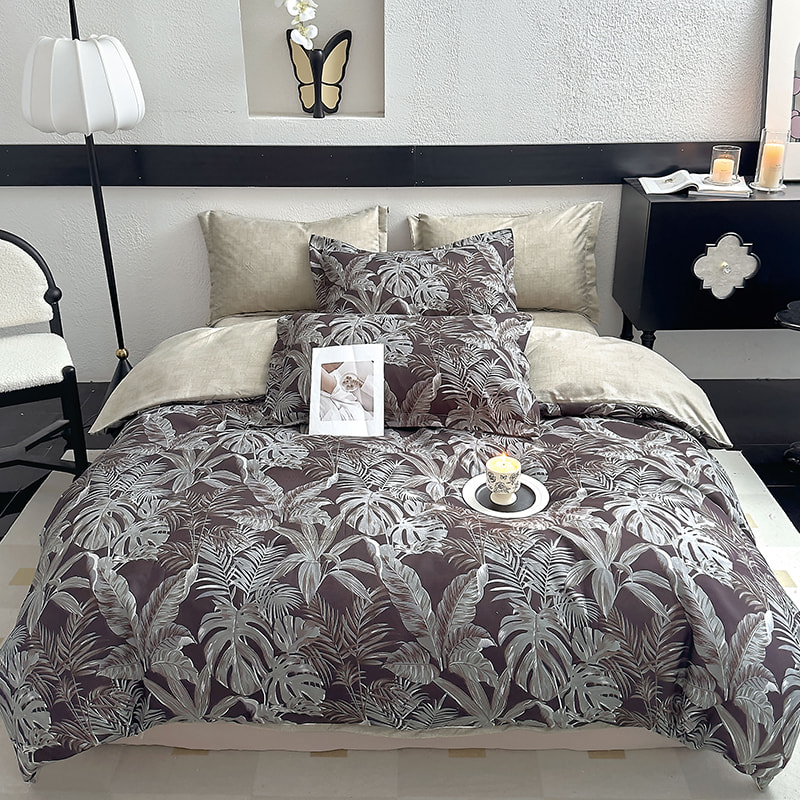
FunctionFast drying and easy to take care of: Anti-shrinkage and no ironing, fast drying after machine washing, simplified daily care.Durable color protection: High wear resistance and color fastness,...
See Details -
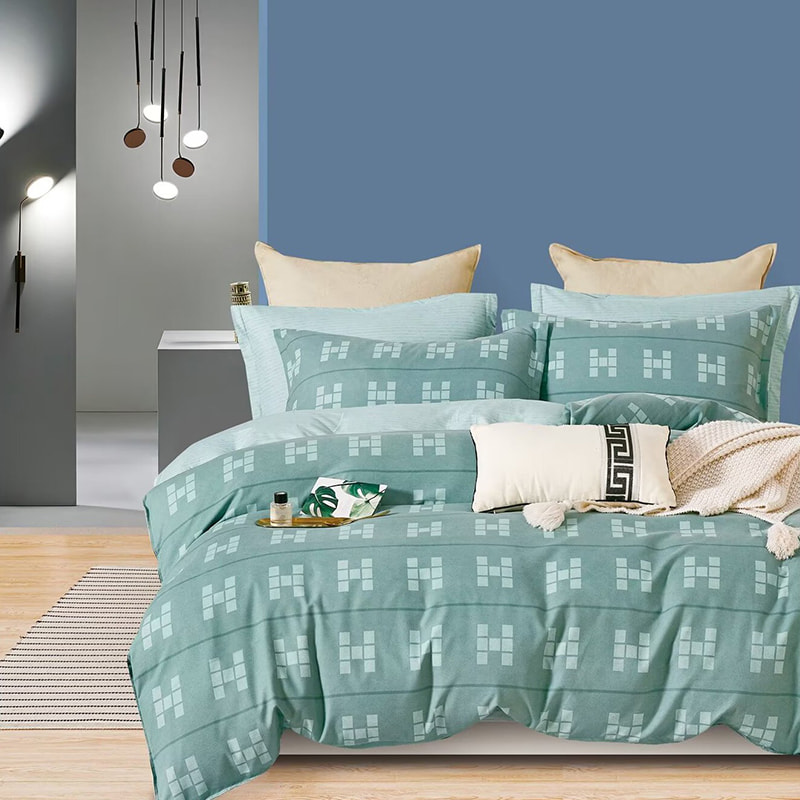
FunctionStrong warmth: High gram weight provides good insulation performance, suitable for low-temperature environments.Durable anti-wrinkle: High-density structure wear and tear resistance, not easy ...
See Details -

FunctionSkin-friendly breathable: Natural cotton fiber is soft and comfortable, good for breath, and suitable for the use of moisture.Absorption and perspiration: Good moisture absorption, keep dry bo...
See Details -
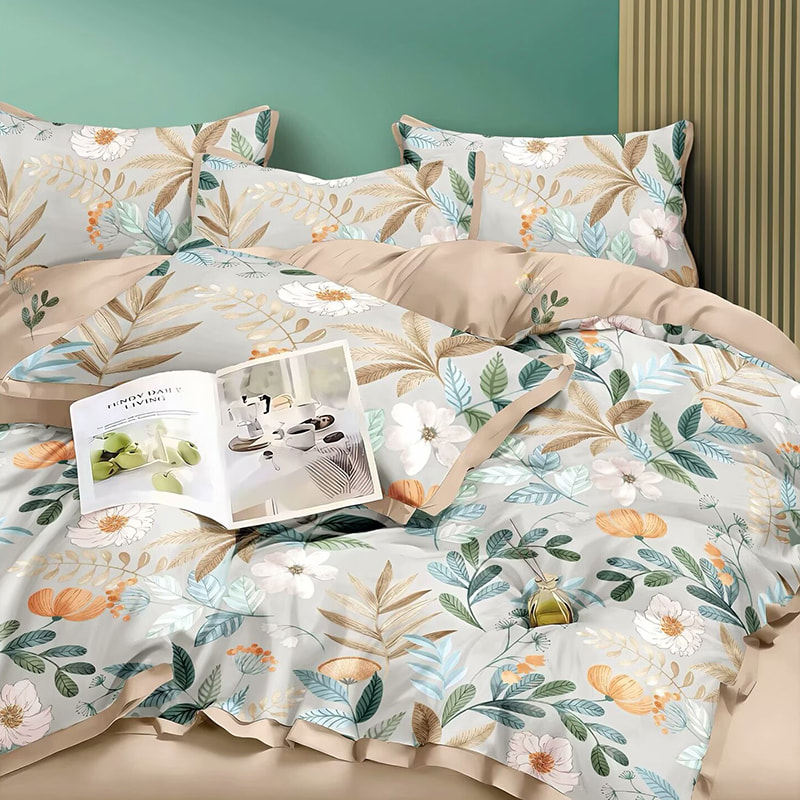
FunctionMore delicate and skin-friendly: Higher than 12868,13372, the fabric is more delicate and soft, the touch is better and more.Breathable: High-density cotton structure further improves moisture...
See Details -
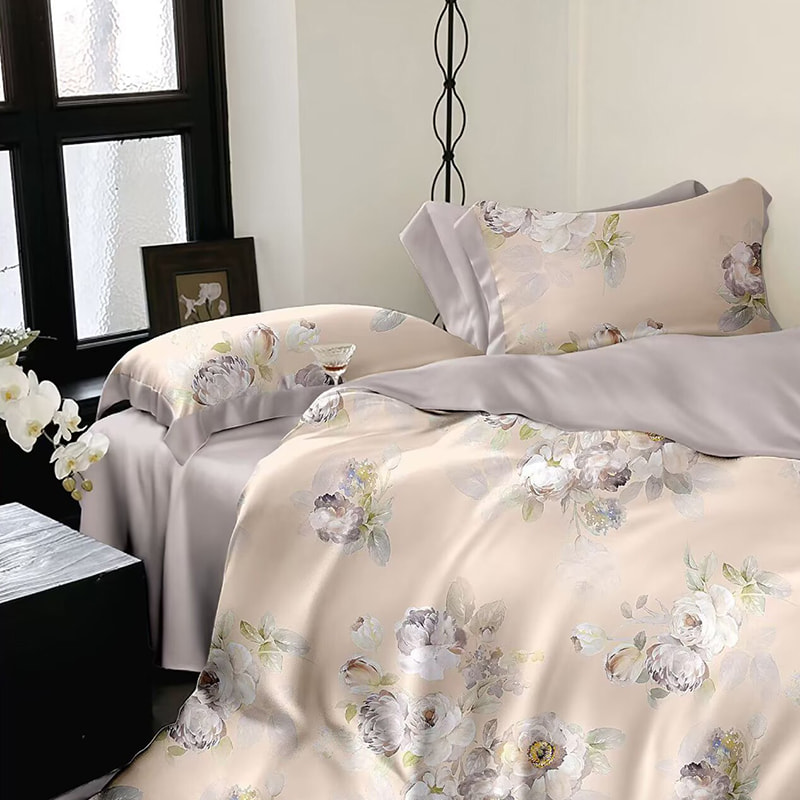
Function Extreme skin affinity: Day silk fiber is soft and smooth, touch like silk, suitable for close-fitting use of moisture. Absorption and breathability: moisture absorption and sweat performance,...
See Details -
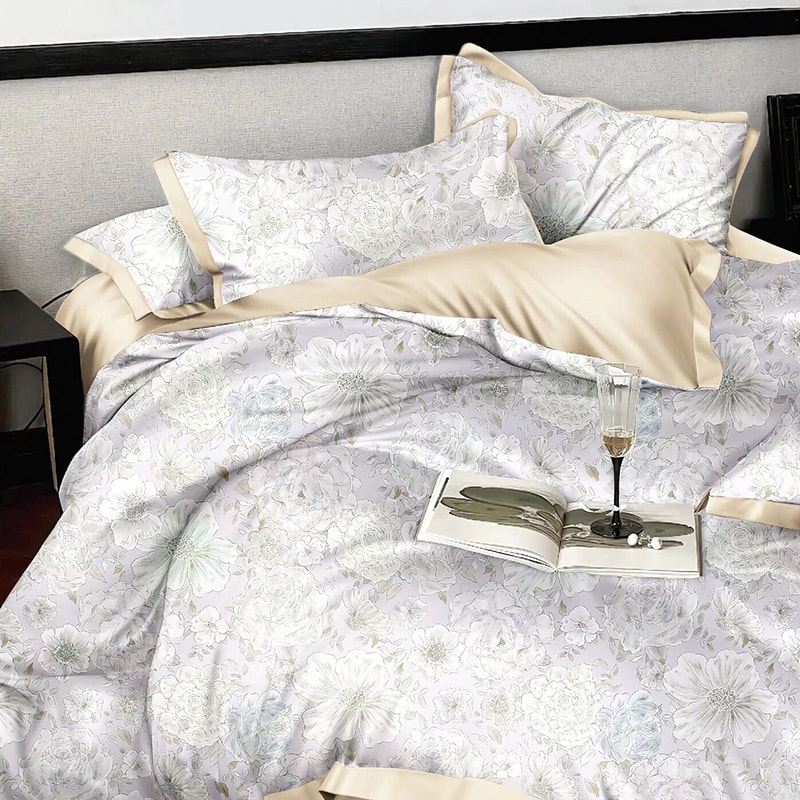
FunctionMore delicate and skin-friendly: Compared with 50S, 60S silk fiber is thinner, softer, smoother, more comfortable for close use, and more moisture absorption.Breathable: Higher branches improv...
See Details -
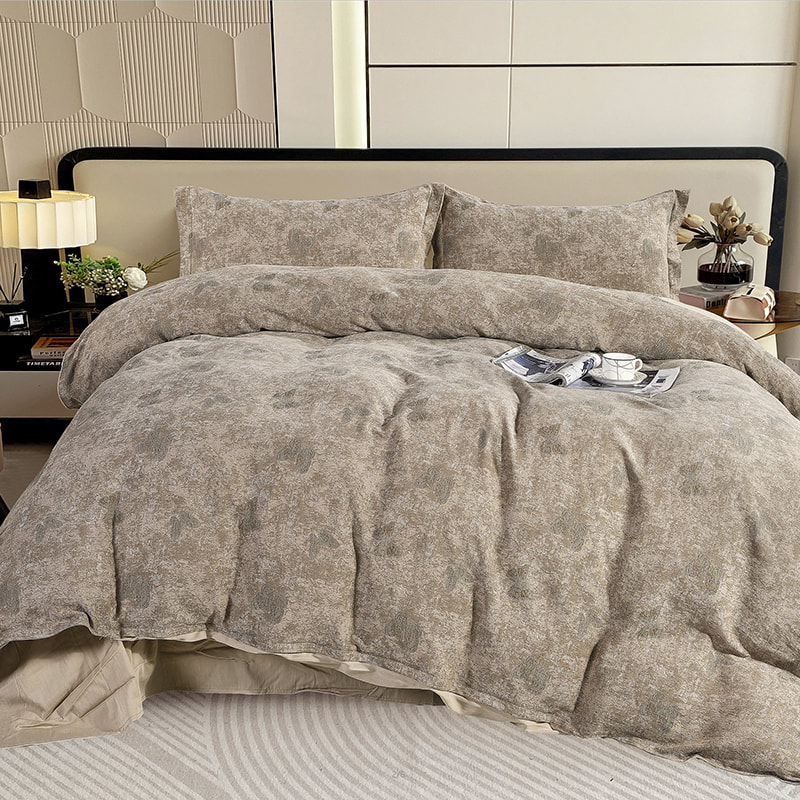
Function Luxury touch: The fiber is soft and smooth, and the jacquard process adds a three-dimensional texture. Touch like silk moisture absorption: moisture absorption performance keeps dry and comfo...
See Details -

Function Fine pattern performance: Digital printing is higher precision than round net printing, richer color, more delicate pattern, fast dry.Easy to care: The polyester fiber characteristics are unc...
See Details -
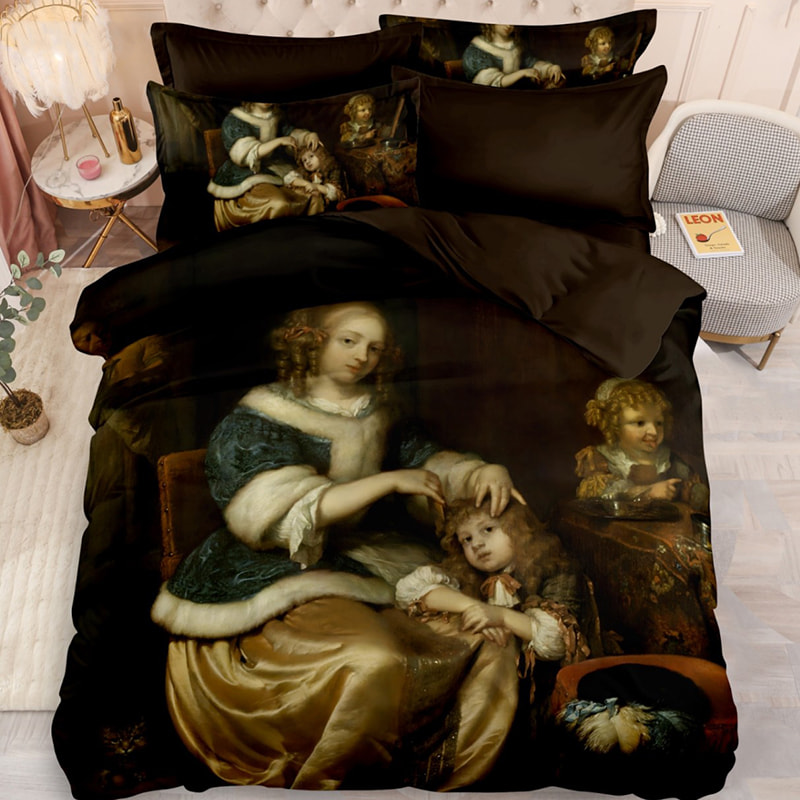
FunctionFine pattern performance: Digital printing is higher precision than round net printing, richer color, more delicate.Durable anti-wrinkle: 130g polyester fiber fabric has a vertical feeling, an...
See Details -
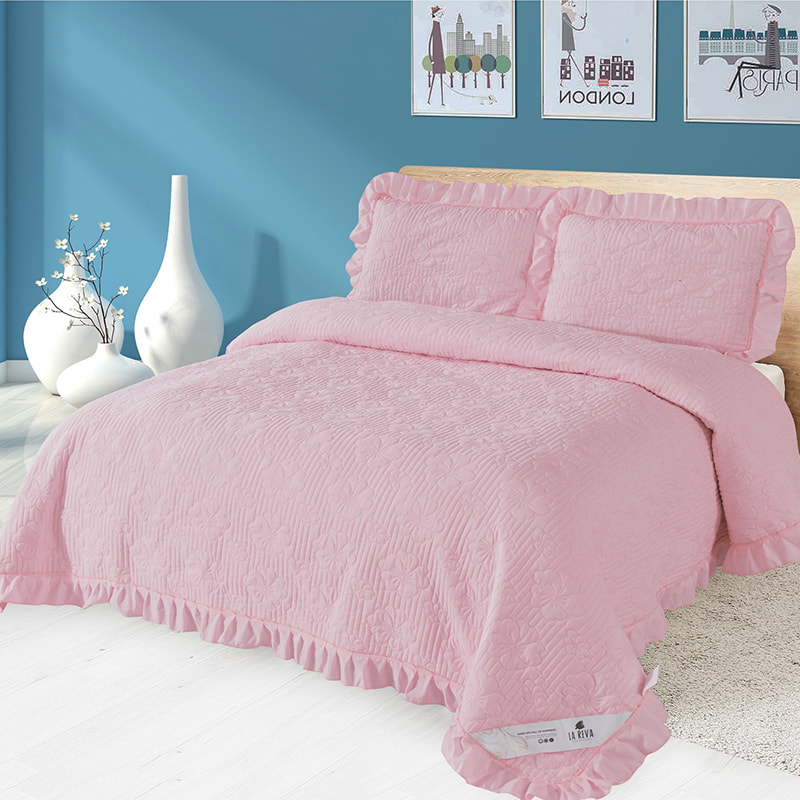
FunctionThin and light: The ultrasonic process does not create pinholes or quilting thread, and the fabric is thin and smooth.Strong decoration: Lace elements add an elegant and romantic sense, enhanc...
See Details -
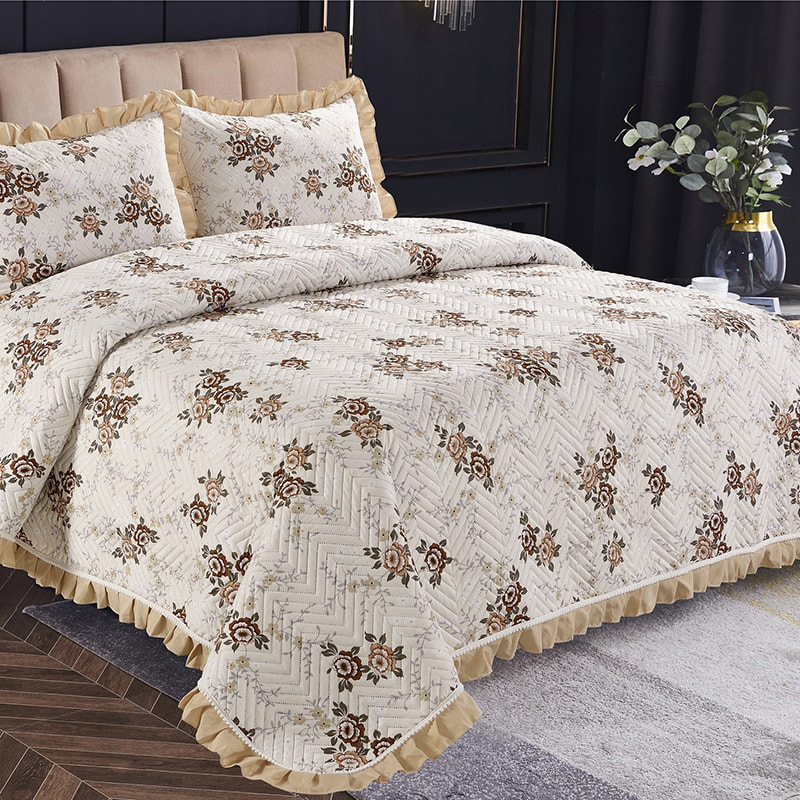
FunctionThin and light: The ultrasonic process does not create a pinhole or quilting thread, and the fabric is thin and smooth.Strong decorative: Print patterns add a sense of art and design, enhancin...
See Details
