

 English
 Español
 عربى
عربى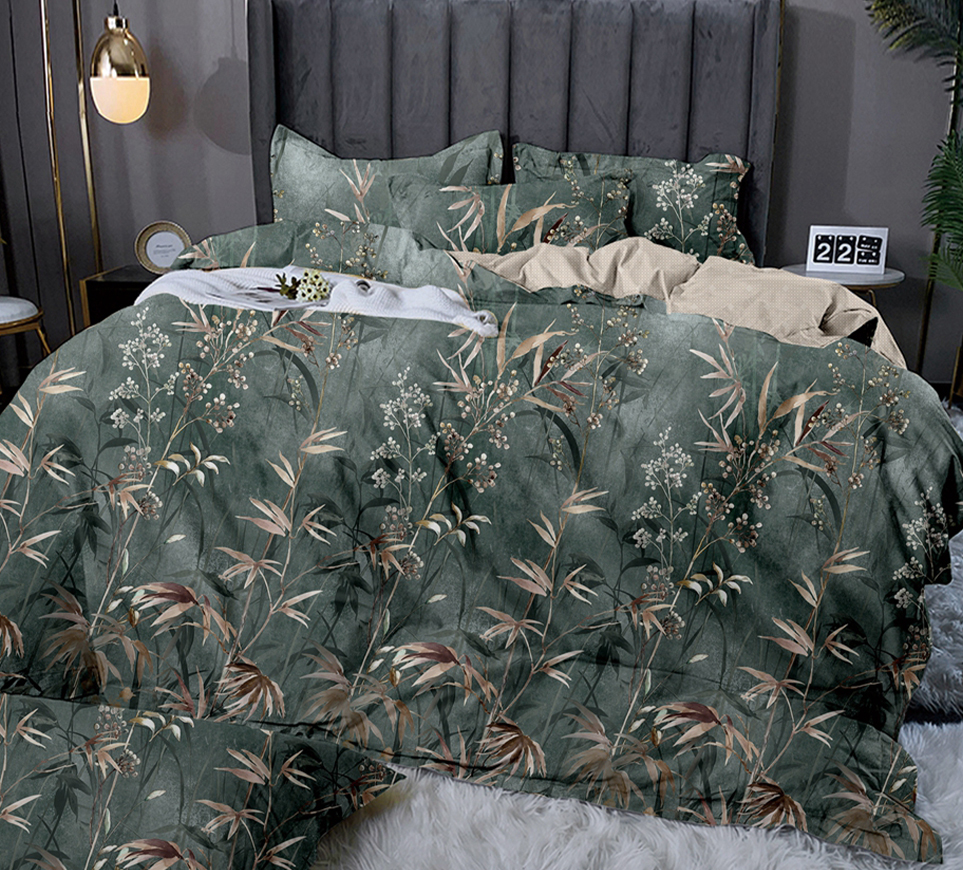
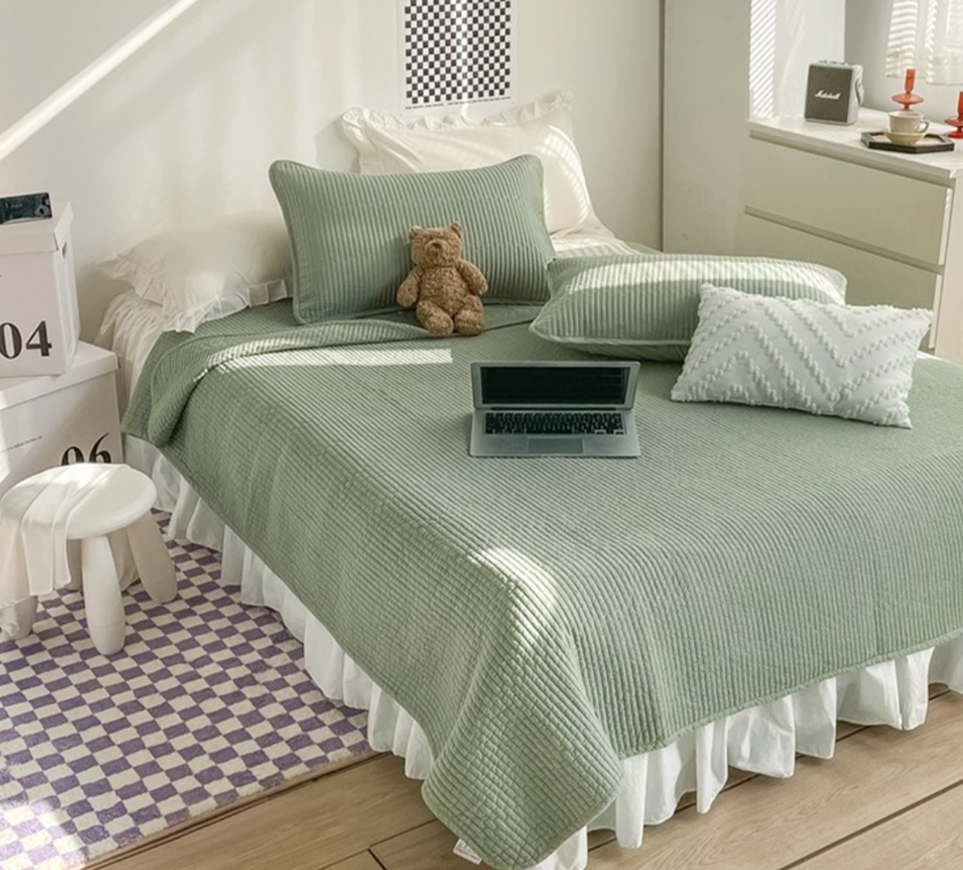
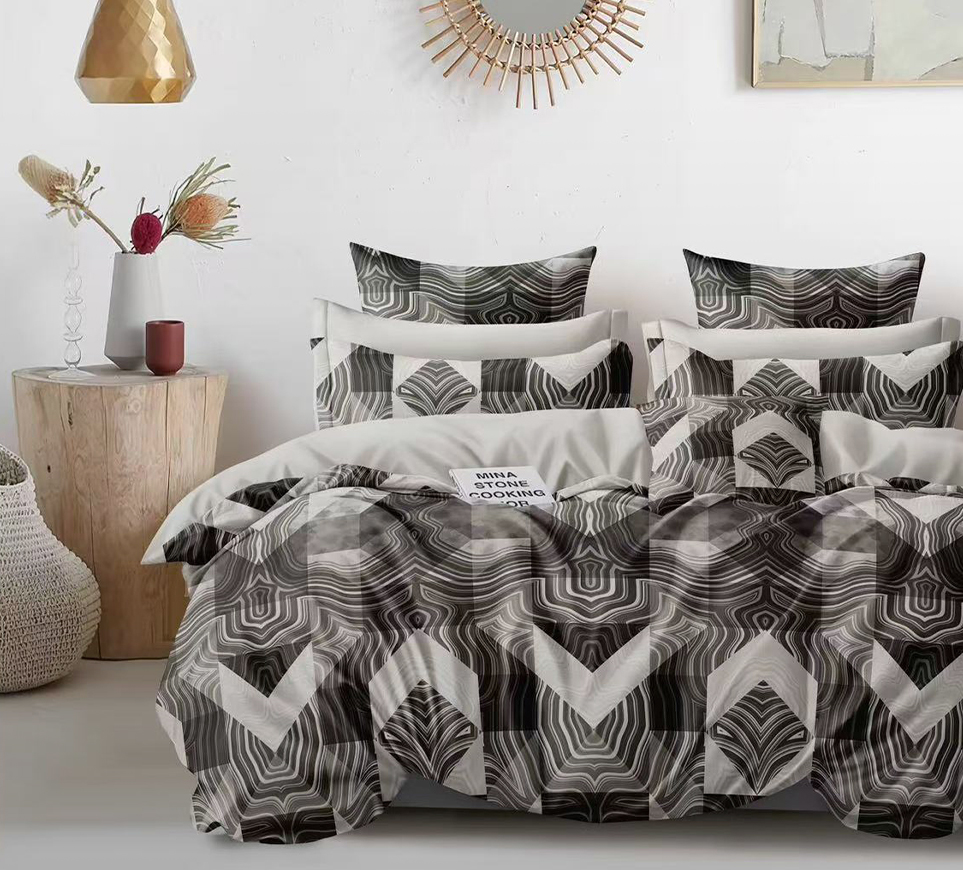
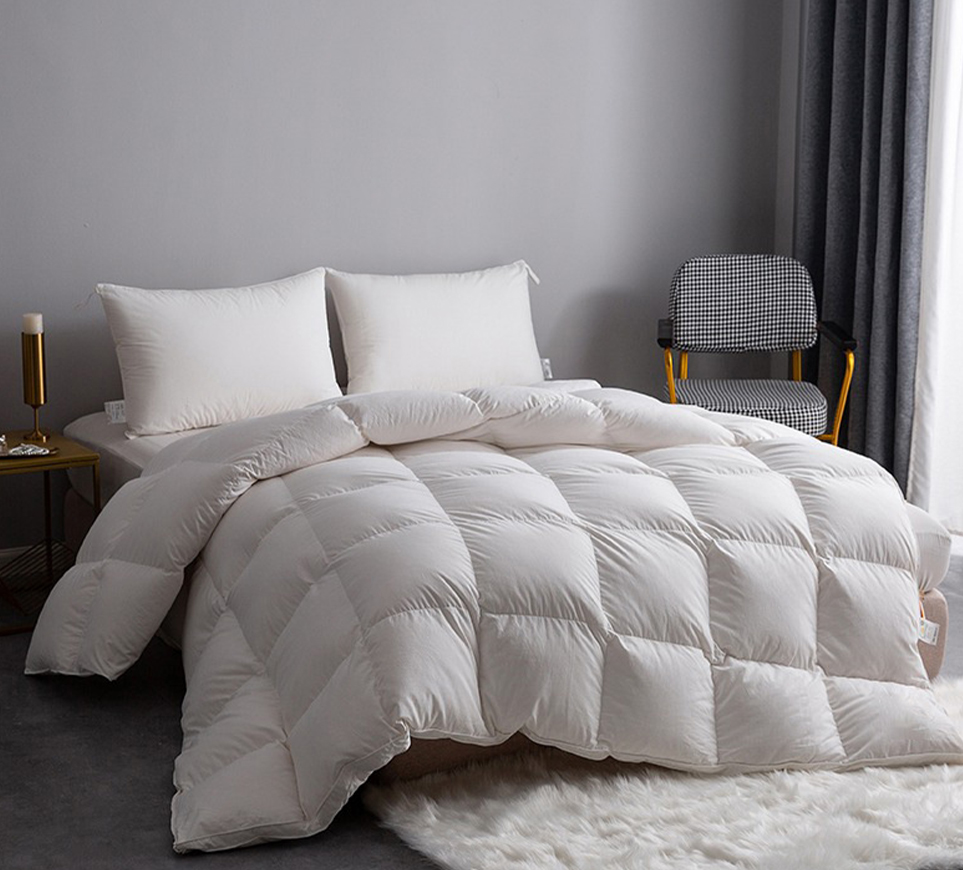
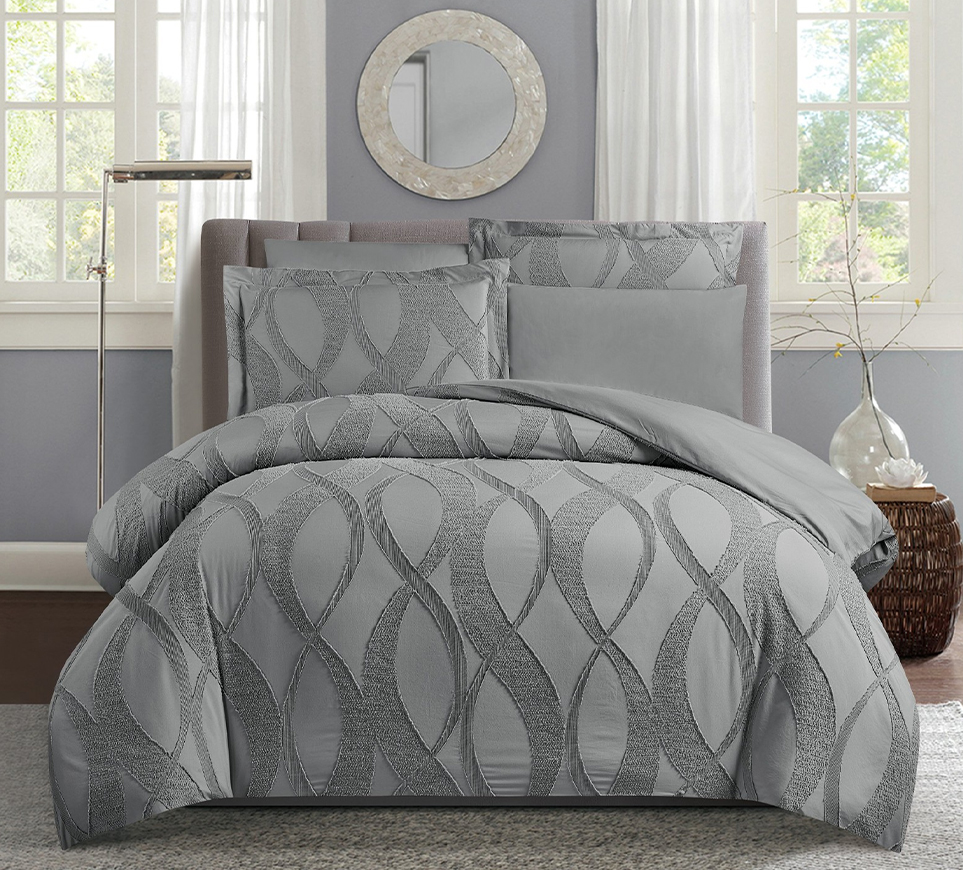
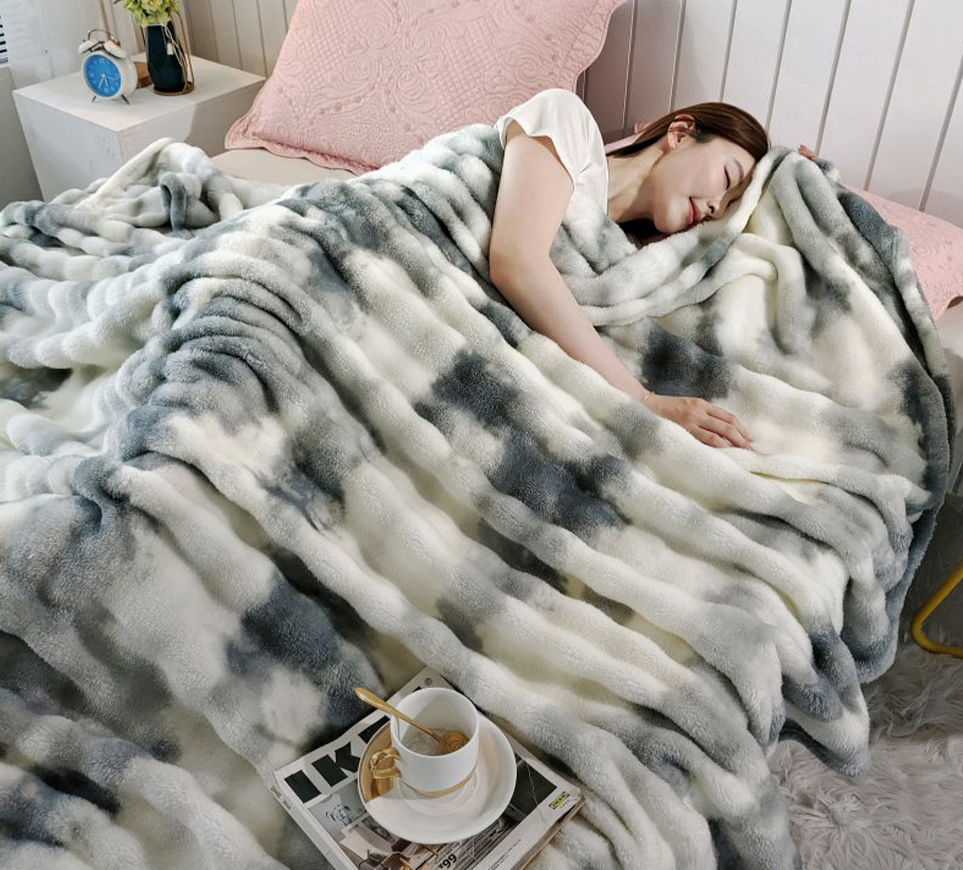
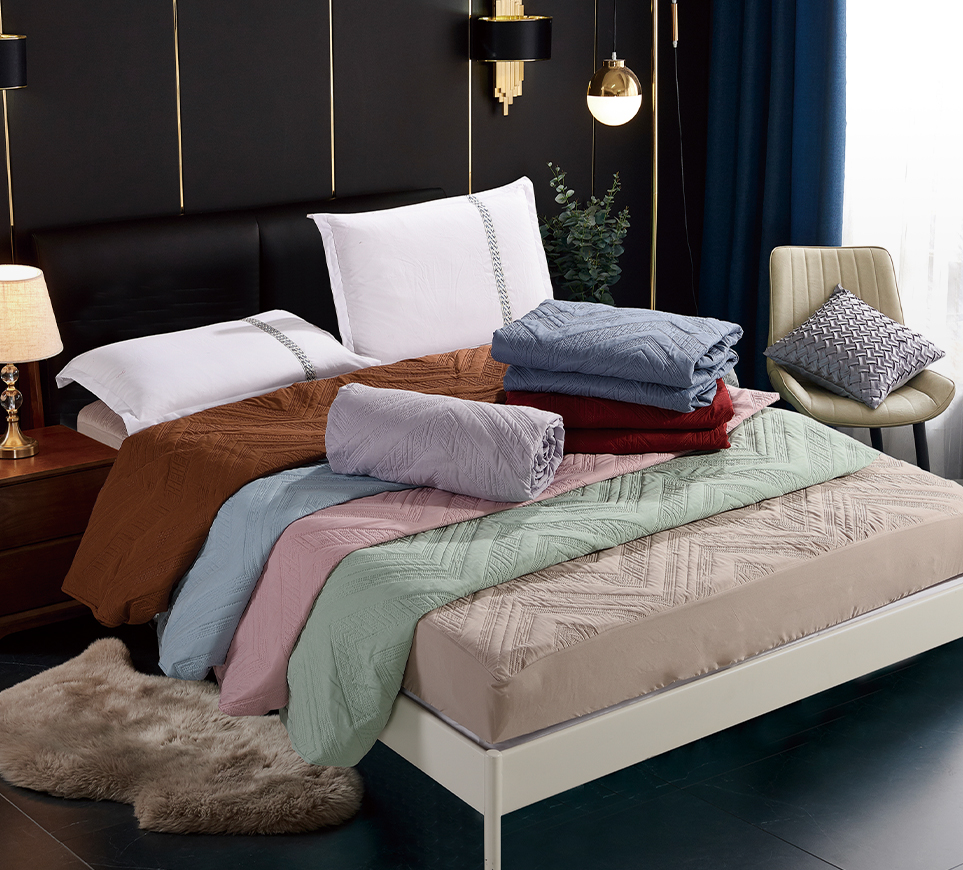
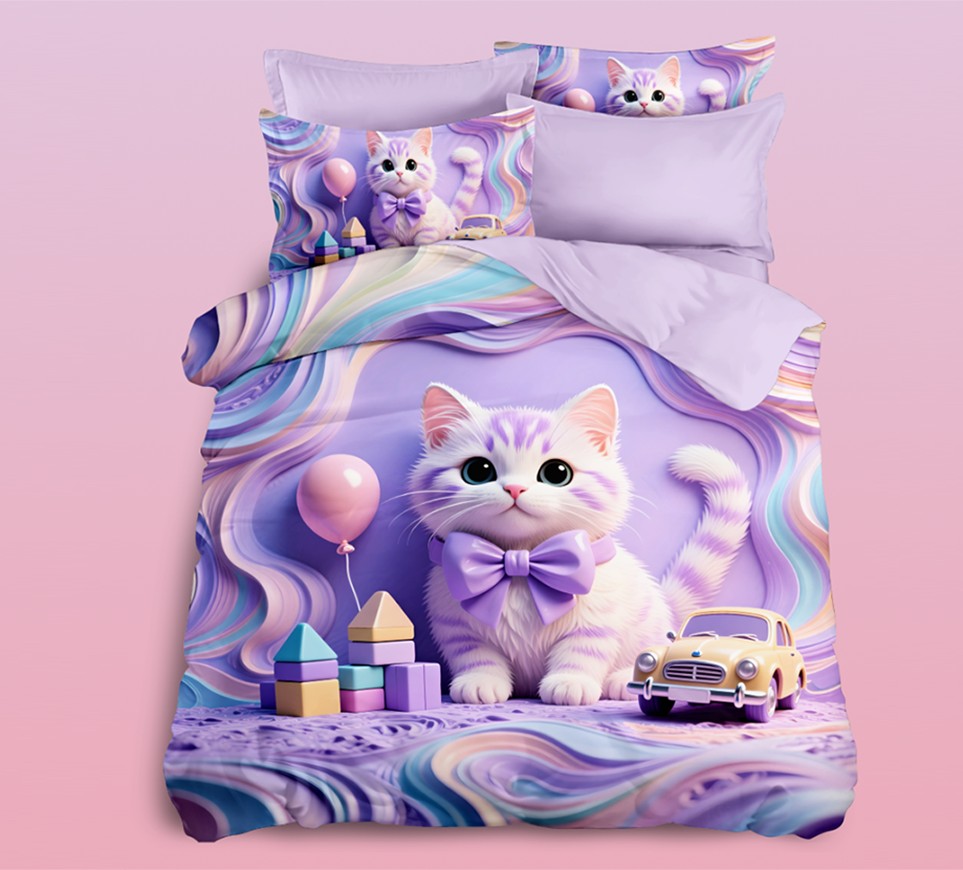
FunctionFast dry and easy to care: Not easy to shrink, no ironing and anti-wrinkle, fast drying after machine washing.Durable and fade resistant: Strong wear resistance, high color fastness, long-term...
See DetailsWhy Choose Us?
Established in 2008, with a 3,000m² professional factory, over 50 employees, and 5 departmental managers.

Coming From China, Marketing To The World.
Breathable Printed Bedcover Set: How to Choose the Right Fabric and Print
Aug 18, 2026
Content
- 1 What Makes a Bedcover Set Both Breathable and Well-Printed
- 2 Common Types and Printing Techniques
- 3 Fabric Structure and How Breathability Is Achieved
- 4 Application Scenarios and Selection Guide
- 5 Detailed Comparison: Colorfastness and Wear Performance
- 6 Breathability and Durability Scorecard
- 7 Maintenance and Care Guidance
- 8 Working with a Reliable Bedcover Set Manufacturer
- 9 Frequently Asked Questions
What Makes a Bedcover Set Both Breathable and Well-Printed
A well-made Bedcover Set depends on two independent factors working together: an open, air-permeable fabric structure, and a printing process that keeps the surface color-stable without sealing the weave shut. A Breathable Printed Bedcover Set that gets this balance wrong usually fails in one of two predictable ways — either the print technique clogs the fiber structure and reduces airflow, or the fabric itself is loose enough to breathe but the pigment fades and cracks after a handful of wash cycles. Buyers sourcing from a China manufacturer or China factory should treat fabric construction and print method as two separate specifications to confirm, not one combined quality claim.
This article explains the common bedcover set types and printing techniques, how construction affects breathability, where each configuration performs best, how to compare printing methods in practical terms, and how to evaluate a China supplier before committing to a production order. It closes with a practical FAQ for retail buyers, distributors, and hospitality groups comparing options from a China wholesale partner.
Key takeaway: breathability is primarily a function of weave openness and fiber content, while print durability is primarily a function of pigment application method — the two should be evaluated separately, not assumed from a single fabric sample.
Common Types and Printing Techniques
Most printed bedcover sets sold to hospitality, retail, and institutional buyers use one of four printing methods: reactive printing, pigment printing, digital printing, and rotary screen printing. Each method interacts differently with the base fabric, which affects both how vivid the pattern appears and how open the weave remains after finishing. A professional China producer typically offers more than one printing method because no single technique is optimal across every fabric weight and pattern complexity.
Reactive printing bonds dye molecules directly to the cotton fiber through a chemical reaction, which generally produces strong colorfastness and a soft hand feel because the dye penetrates the fiber rather than sitting on the surface. Pigment printing instead binds color to the fabric surface using a resin binder, which works on a wider range of fiber blends but can stiffen the hand feel if the binder layer is applied too heavily, in turn reducing breathability. Digital printing sprays dye directly onto the fabric using inkjet technology, which allows for highly detailed, multi-color patterns with lower minimum order quantities, making it a common choice for buyers who want frequent design rotation. Rotary screen printing pushes dye through engraved cylindrical screens and remains a cost-efficient option for large production runs of simpler repeating patterns.
The donut chart above represents a general, illustrative breakdown of how these four print methods are typically distributed across bedcover set production. Reactive printing occupies the largest segment, reflecting its common use on cotton-majority fabrics where colorfastness and breathability both matter. Pigment printing takes the next largest share, largely because it works across a broader range of fiber blends and remains cost-efficient for large orders. Digital printing occupies a smaller but meaningful segment, concentrated among buyers who prioritize design flexibility and shorter print runs over unit cost. Rotary screen printing holds the smallest segment in this illustration, generally reserved for simpler patterns produced at very high volume. This distribution is not fixed and shifts depending on target market, fabric weight, and pattern complexity, but it illustrates why a capable OEM manufacturer or ODM manufacturer typically maintains more than one printing line rather than standardizing on a single method. Buyers requesting a highly detailed multi-color pattern in a small trial batch are usually better matched to digital printing, while buyers ordering a simple repeating pattern at large volume are usually better matched to rotary screen or pigment printing. Matching pattern complexity and order volume to the right print method reduces both cost inefficiency and the risk of a stiff, less breathable final fabric.
Fabric Structure and How Breathability Is Achieved
Breathability in a printed bedcover set comes primarily from three structural choices: fiber content, yarn thickness, and weave openness. Natural fibers such as cotton and cotton-linen blends allow moisture vapor to pass through the fiber itself, while finer yarns woven at a slightly more open density leave small air channels between threads that support airflow. A heavier, tightly packed weave can still be breathable if the yarn itself is fine, whereas a loosely woven fabric made from thick, coarse yarn may trap heat despite looking open.
Printing interacts with this structure in a way that buyers often overlook. A heavy pigment binder layer applied across the entire fabric surface can partially seal the small air channels created by the weave, reducing measured breathability even when the base fabric was originally well-ventilated. This is why reactive and digital printing, both of which apply less surface-level binder than traditional pigment printing, tend to preserve more of the base fabric's original breathability. A responsible China exporter should be able to explain how a given print method was expected to affect airflow on a specific fabric construction, rather than presenting breathability as a generic marketing claim independent of the printing process used.
| Print Method | Typical Binder Layer | Breathability Impact |
|---|---|---|
| Reactive | Minimal, fiber-bonded | Low impact |
| Digital | Light surface layer | Low to moderate impact |
| Pigment | Moderate to heavy | Moderate impact |
| Rotary Screen | Moderate | Moderate impact |
Key takeaway: reactive and digital printing generally preserve base-fabric breathability better than heavy pigment application, which matters most for a Breathable Printed Bedcover Set positioned for warm-climate or year-round use.
Application Scenarios and Selection Guide
Printed bedcover sets serve several distinct buying channels, each with a different priority order. Home retail buyers generally prioritize pattern variety and seasonal design rotation, since visual appeal drives purchase decisions at point of sale. Hospitality buyers prioritize colorfastness and consistent repeat production, since a property may need to reorder the same pattern in matching color for years. Institutional and dormitory buyers prioritize durability and cost-efficiency over pattern complexity. Export-focused wholesalers often need a supplier capable of running multiple print methods so they can serve more than one channel from a single sourcing relationship.
Design-Led BuyersRetail brands and seasonal collections generally favor digital printing for its ability to produce detailed, multi-color patterns at lower minimum order quantities, supporting frequent design refreshes. |
Volume-Led BuyersHospitality groups and institutional buyers generally favor reactive or rotary screen printing for consistent large-volume reorders in matched, stable coloration. |
Fabric weight selection also depends on climate and season targeting. A lighter-weight, more open weave supports warm-climate or year-round breathability positioning, while a slightly heavier weave with the same open structure can be marketed toward transitional-season use without sacrificing airflow. Buyers building a multi-season bedcover set line often request the same printed pattern applied across two fabric weights, allowing one design to serve both warm and cooler markets. A flexible China supplier should be able to confirm whether a requested pattern can be reproduced consistently across different base fabric weights without significant color variation.
Detailed Comparison: Colorfastness and Wear Performance
Colorfastness is one of the most important practical measures for a printed bedcover set, since fading or dulling after repeated washing directly affects perceived product quality. The chart below illustrates a general, qualitative pattern of how color vibrancy typically changes across repeated wash cycles for the two most common print methods used on breathable bedcover fabrics.
Illustrative Color Retention Across Wash Cycles
This area chart illustrates a generally expected pattern rather than exact measured data: color vibrancy for both print methods gradually declines with repeated washing, but the decline follows a different curve for each method. Reactive-printed fabric tends to hold vibrancy more steadily across the early and mid wash-cycle range because the dye is chemically bonded within the fiber rather than resting on the surface. Pigment-printed fabric tends to show a steeper early decline as the surface binder layer gradually wears from mechanical agitation during washing. Both curves converge somewhat at higher wash counts, since long-term fiber wear eventually affects any print method. This pattern is one reason hospitality buyers, who wash linens far more frequently than home users, often lean toward reactive printing for long-service-life programs. Retail buyers replacing bedcover sets on a shorter seasonal cycle may find pigment printing acceptable, since the product is less likely to reach the higher wash-cycle range before being replaced with a new seasonal pattern. Wash temperature, detergent choice, and drying method also influence the actual rate of decline, meaning this chart should be read as a general directional comparison rather than a fixed guarantee for any specific fabric batch. Buyers evaluating a new China producer should request wash-tested swatches specifically to observe how a candidate fabric's actual colorfastness compares with this general pattern before finalizing a large order.
Breathability and Durability Scorecard
Buyers frequently ask for a simple way to compare two performance attributes side by side without wading through detailed lab terminology. The gauge visuals below summarize breathability and colorfastness on a relative scale for a typical reactive-printed, open-weave bedcover fabric, which is a common configuration used to position a product specifically as a Breathable Printed Bedcover Set.
These two progress-ring indicators present relative scores on a 0 to 100 scale for illustrative comparison purposes rather than as certified laboratory measurements. The breathability score sits higher because the underlying weave was constructed specifically for airflow and the reactive print method preserves most of the base fabric's open structure. The colorfastness score sits slightly lower, reflecting the general reality that even well-bonded reactive dye experiences some gradual vibrancy loss over extended use, particularly under high-temperature washing. Reading both scores together is more useful than reading either alone, since a fabric can score high on breathability while scoring only moderately on colorfastness, or the reverse, depending on how the print and weave were engineered together. Buyers requesting samples from a China factory should ask whether these two attributes were tested on the same fabric batch, since testing them separately on different samples can produce a misleadingly optimistic combined picture. A transparent OEM factory or ODM factory will generally be willing to share both breathability and wash-fastness testing results together rather than presenting only the stronger of the two figures.
Maintenance and Care Guidance
Correct care extends the useful life of a printed bedcover set and directly protects the investment made in pattern and color quality. Washing in cool to warm water rather than hot water reduces the mechanical and thermal stress placed on both the fiber and the print layer, which is particularly relevant for pigment-printed fabrics where the binder layer is more sensitive to heat. Turning a printed bedcover inside out before washing reduces surface friction against other items in the load, which helps preserve pattern sharpness over repeated cycles.
- Wash in cool to warm water using a gentle cycle to reduce mechanical wear on the printed surface.
- Avoid chlorine bleach, which can dull printed patterns and weaken fiber structure over time.
- Dry on low to medium heat and avoid overloading the dryer, since excess friction accelerates print wear.
- Store folded in a dry, ventilated space away from direct sunlight to protect color vibrancy between uses.
Key takeaway: gentle, cooler washing and careful drying preserve both breathability and print sharpness far more effectively than any single fabric or print specification alone.
Working with a Reliable Bedcover Set Manufacturer
Sourcing a Bedcover Set program involves more than choosing a fabric and a pattern. Buyers also need a partner with the printing technology, quality control process, and export experience to reproduce a design consistently across repeat orders. Nantong Noble International Trade Co., Ltd. is a comprehensive home textile enterprise specializing in the design, production, processing, and packaging of household textiles, with over 18 years of experience in international trade and home textile manufacturing. As a professional China home textile manufacturer and home textile factory, its product range covers bedding sets, bedspreads, quilts, blankets, and sofa covers, with styles and designs updated on an ongoing basis to support rapid, multifunction production across multiple fabric and print combinations. The company also provides customized products based on individual customer requirements, supporting both OEM manufacturer and ODM manufacturer arrangements for buyers developing a private-label bedcover set line.
Printing Technology
Multiple printing machine lines support reactive, pigment, and digital techniques for different pattern and volume needs.
OEM/ODM Development
Design collaboration and private-label production for retail and hospitality brands.
Wholesale Supply
Bulk supply arrangements for distributors, wholesalers, and multi-property hospitality groups.
When comparing any China wholesale partner for a bedcover set program, buyers should confirm which printing technology will be used for their specific pattern, request a wash-tested sample rather than an unwashed swatch, and clarify repeat-order color matching procedures. A China exporter capable of running reactive, digital, and pigment printing under one roof gives buyers flexibility to match print method to order volume and pattern complexity without switching suppliers between seasonal collections. This kind of full-service capability is a practical, verifiable indicator of a dependable China producer, distinct from general marketing claims about quality.
Frequently Asked Questions
Q1: What makes a bedcover set breathable?Breathability mainly comes from fiber content, yarn fineness, and weave openness. The printing method also matters, since a heavy binder layer can partially reduce airflow through the fabric. |
Q2: Which printing method holds color best over time?Reactive printing generally shows steadier color retention across repeated washing compared with pigment printing, since the dye bonds within the fiber rather than resting on the surface. |
Q3: Can a bedcover set be custom printed for a private label?Yes. A professional OEM supplier or ODM supplier can typically develop custom patterns, colorways, and packaging for a buyer's own brand. |
Q4: What should buyers request before ordering in volume?Buyers should request a wash-tested sample, confirm which print method will be used, and clarify repeat-order color matching with the manufacturer or wholesaler before finalizing a large order. |
Related products
-
-
FunctionFast drying and easy to take care of: Anti-shrinkage and no ironing, fast drying after machine washing, simplified daily care.Durable color protection: High wear resistance and color fastness,...
See Details -
FunctionStrong warmth: High gram weight provides good insulation performance, suitable for low-temperature environments.Durable anti-wrinkle: High-density structure wear and tear resistance, not easy ...
See Details -
FunctionSkin-friendly breathable: Natural cotton fiber is soft and comfortable, good for breath, and suitable for the use of moisture.Absorption and perspiration: Good moisture absorption, keep dry bo...
See Details -
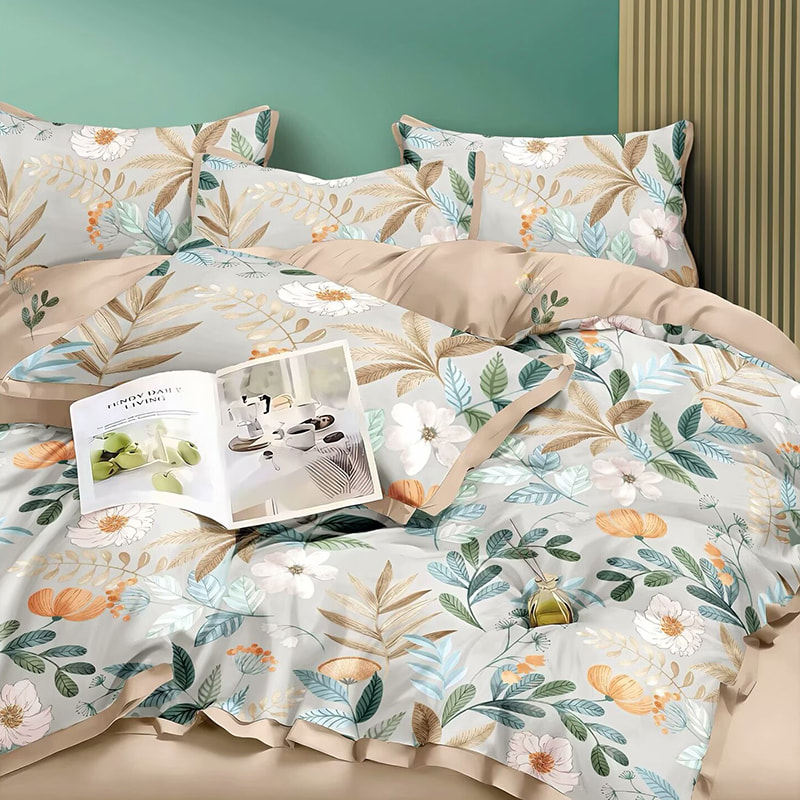
FunctionMore delicate and skin-friendly: Higher than 12868,13372, the fabric is more delicate and soft, the touch is better and more.Breathable: High-density cotton structure further improves moisture...
See Details -
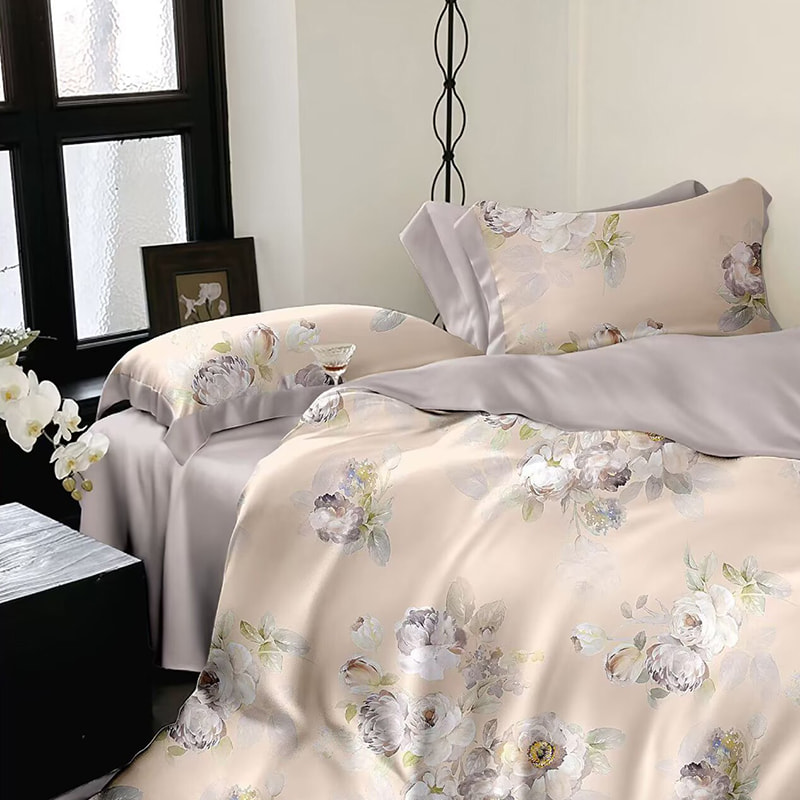
Function Extreme skin affinity: Day silk fiber is soft and smooth, touch like silk, suitable for close-fitting use of moisture. Absorption and breathability: moisture absorption and sweat performance,...
See Details -
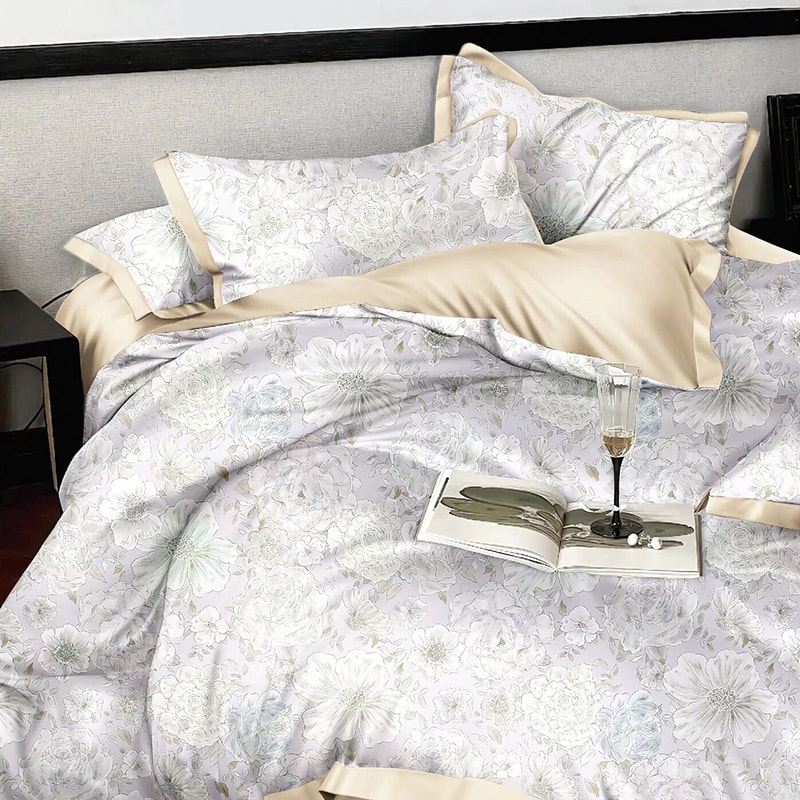
FunctionMore delicate and skin-friendly: Compared with 50S, 60S silk fiber is thinner, softer, smoother, more comfortable for close use, and more moisture absorption.Breathable: Higher branches improv...
See Details -
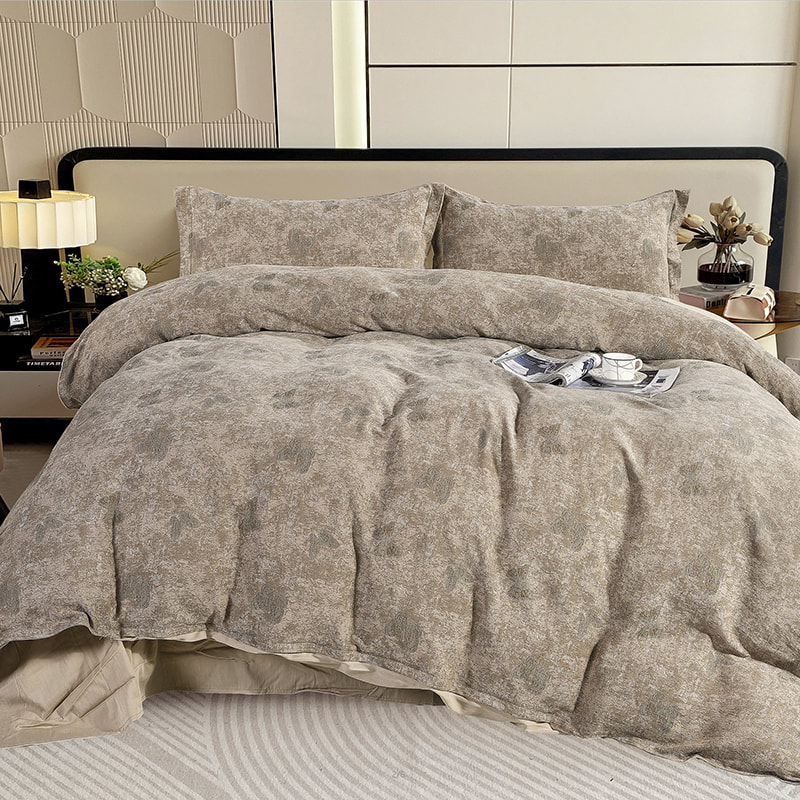
Function Luxury touch: The fiber is soft and smooth, and the jacquard process adds a three-dimensional texture. Touch like silk moisture absorption: moisture absorption performance keeps dry and comfo...
See Details -
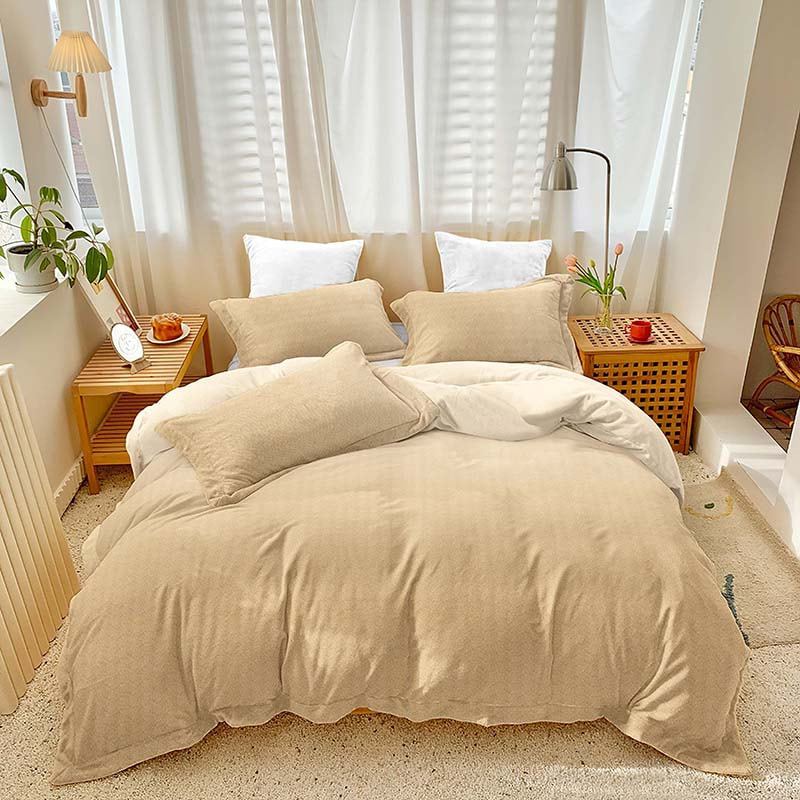
Function Fine pattern performance: Digital printing is higher precision than round net printing, richer color, more delicate pattern, fast dry.Easy to care: The polyester fiber characteristics are unc...
See Details -
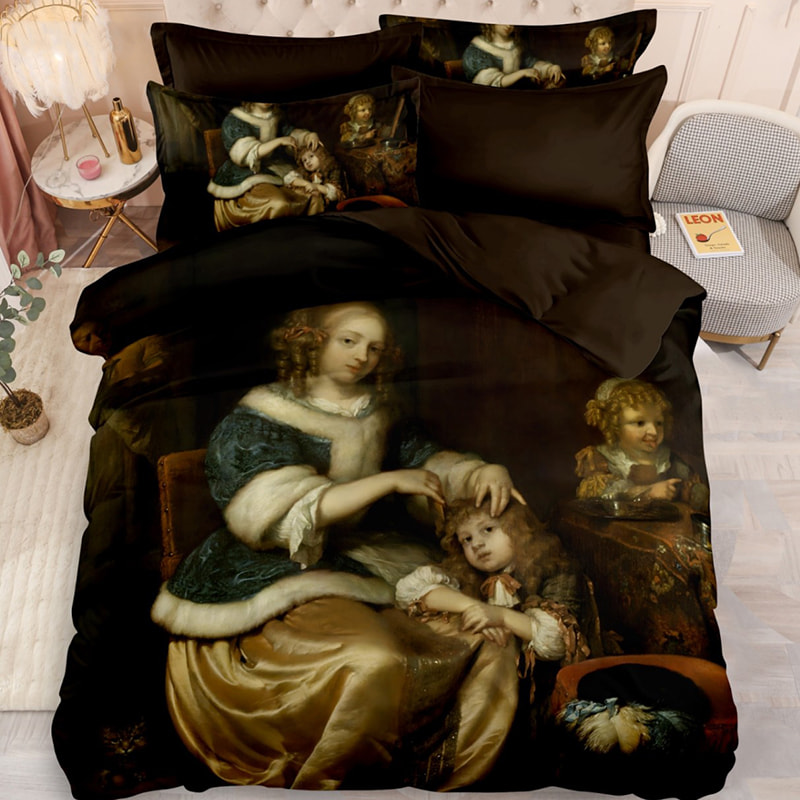
FunctionFine pattern performance: Digital printing is higher precision than round net printing, richer color, more delicate.Durable anti-wrinkle: 130g polyester fiber fabric has a vertical feeling, an...
See Details -
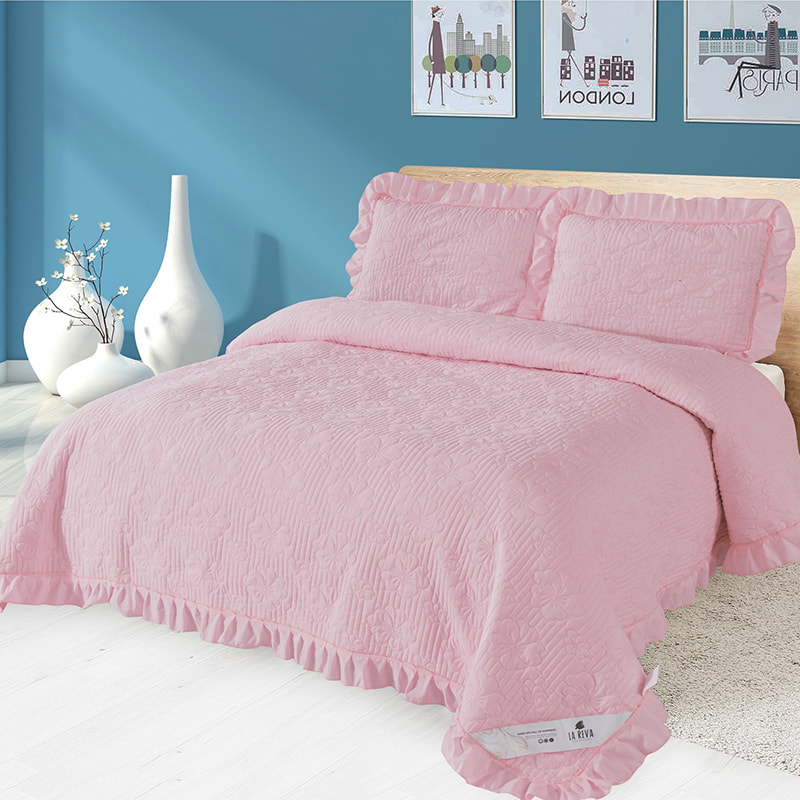
FunctionThin and light: The ultrasonic process does not create pinholes or quilting thread, and the fabric is thin and smooth.Strong decoration: Lace elements add an elegant and romantic sense, enhanc...
See Details -
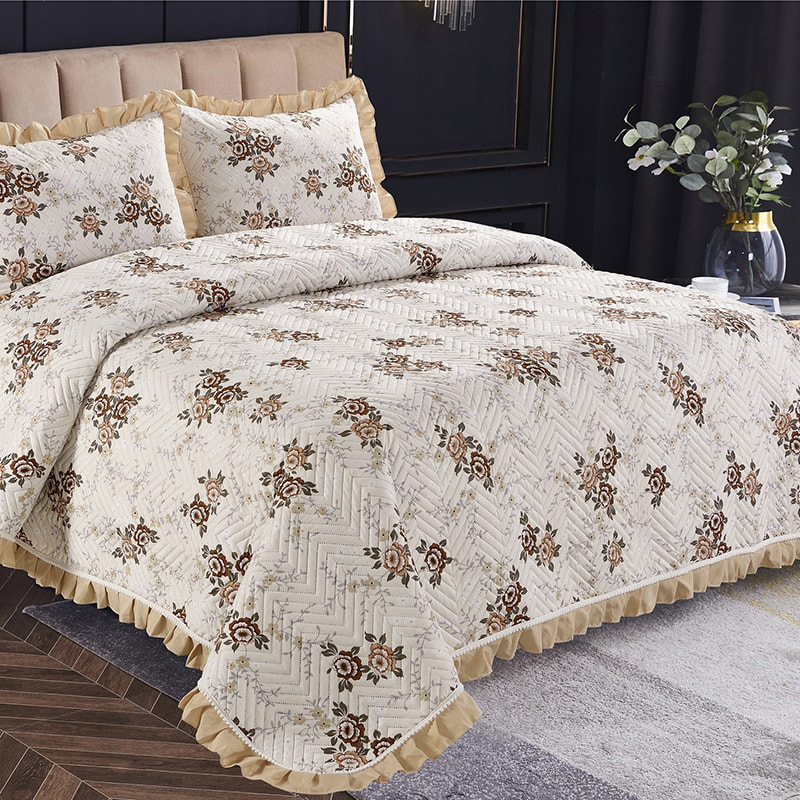
FunctionThin and light: The ultrasonic process does not create a pinhole or quilting thread, and the fabric is thin and smooth.Strong decorative: Print patterns add a sense of art and design, enhancin...
See Details
