

 English
 Español
 عربى
عربى
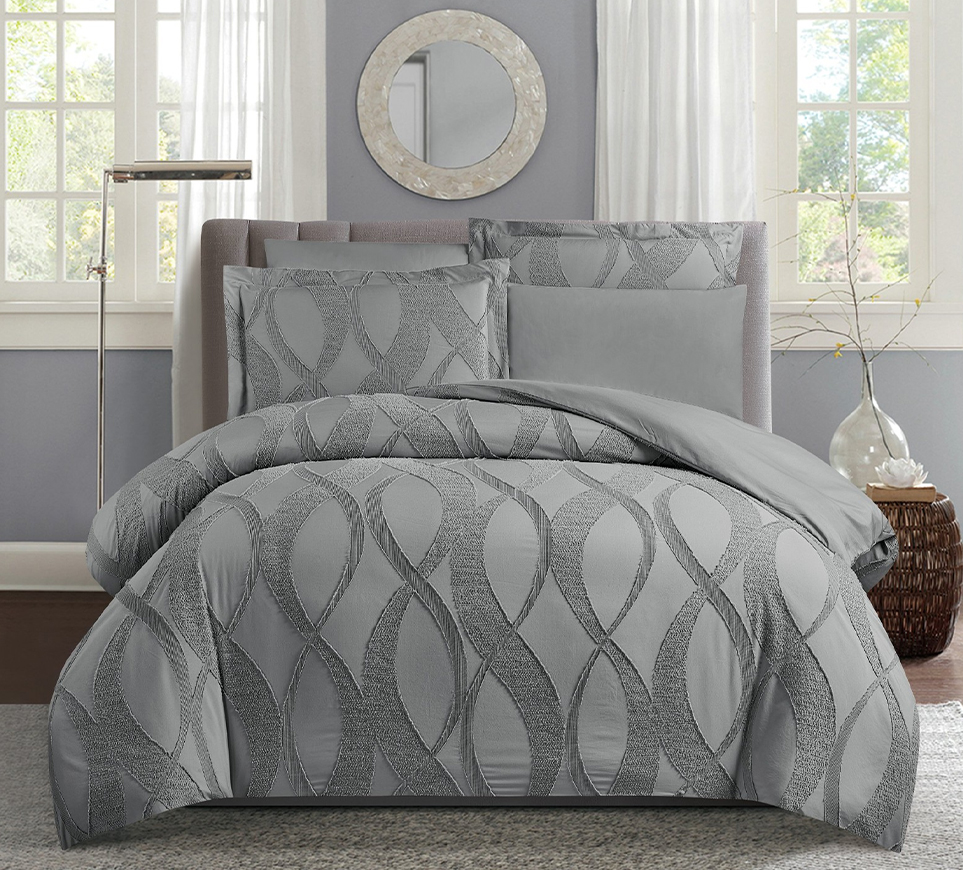
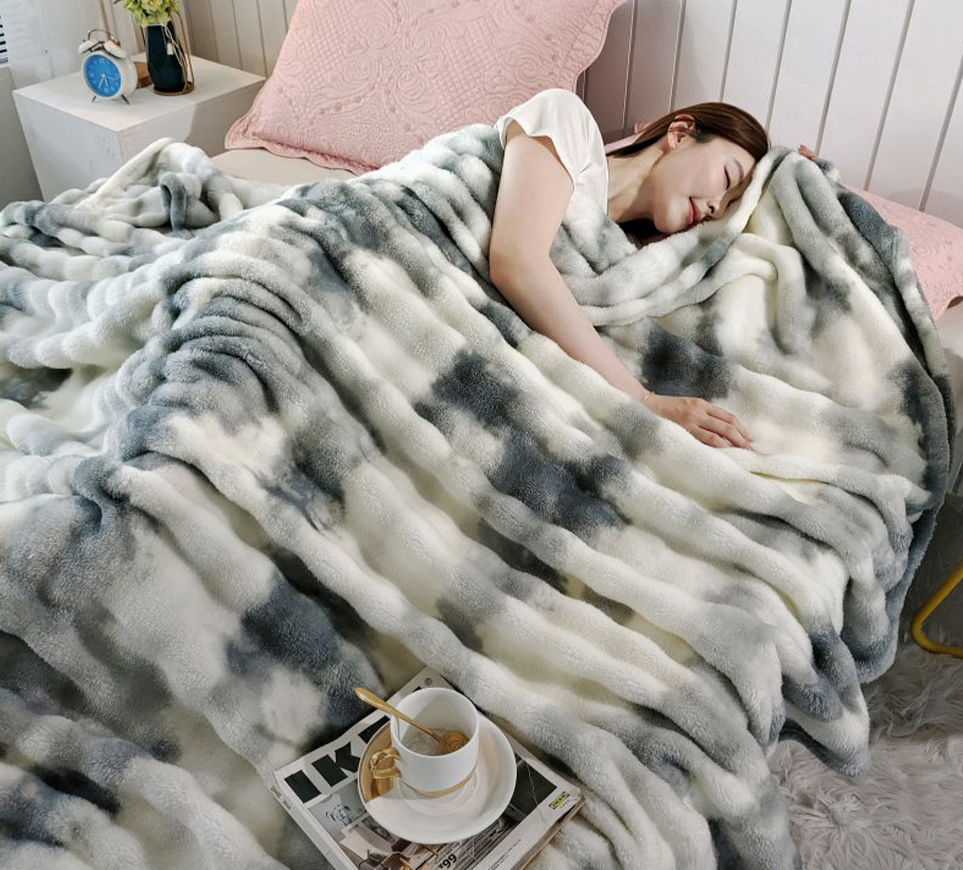
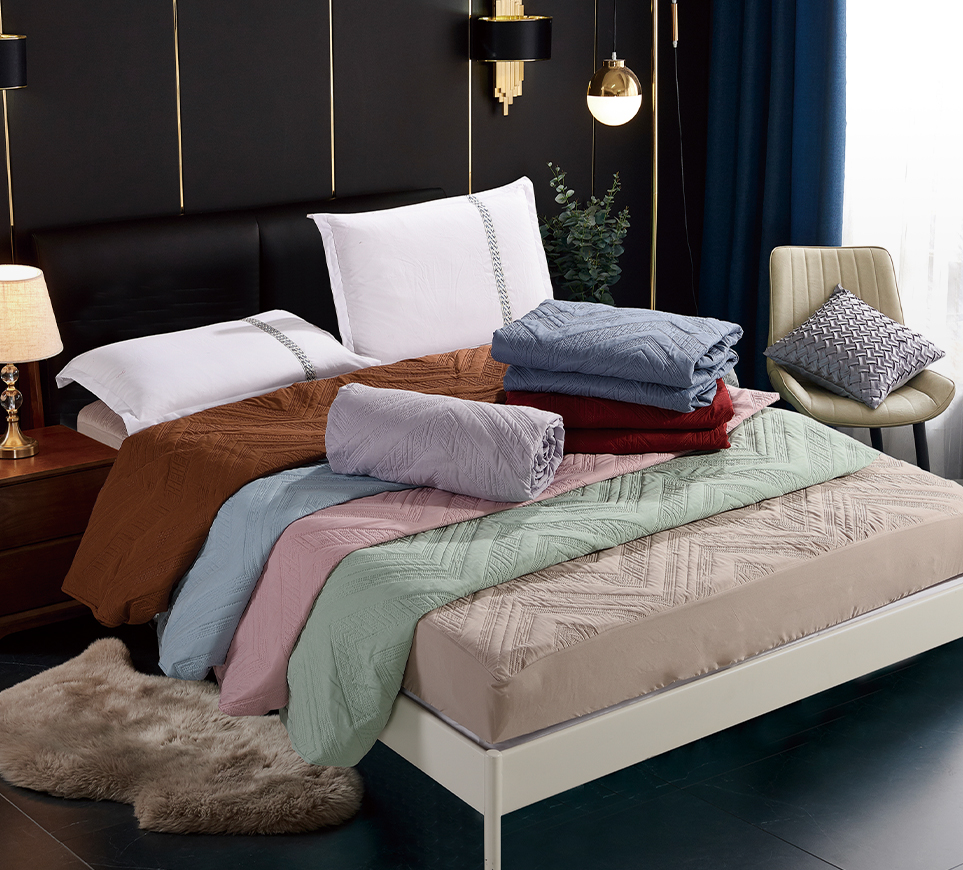
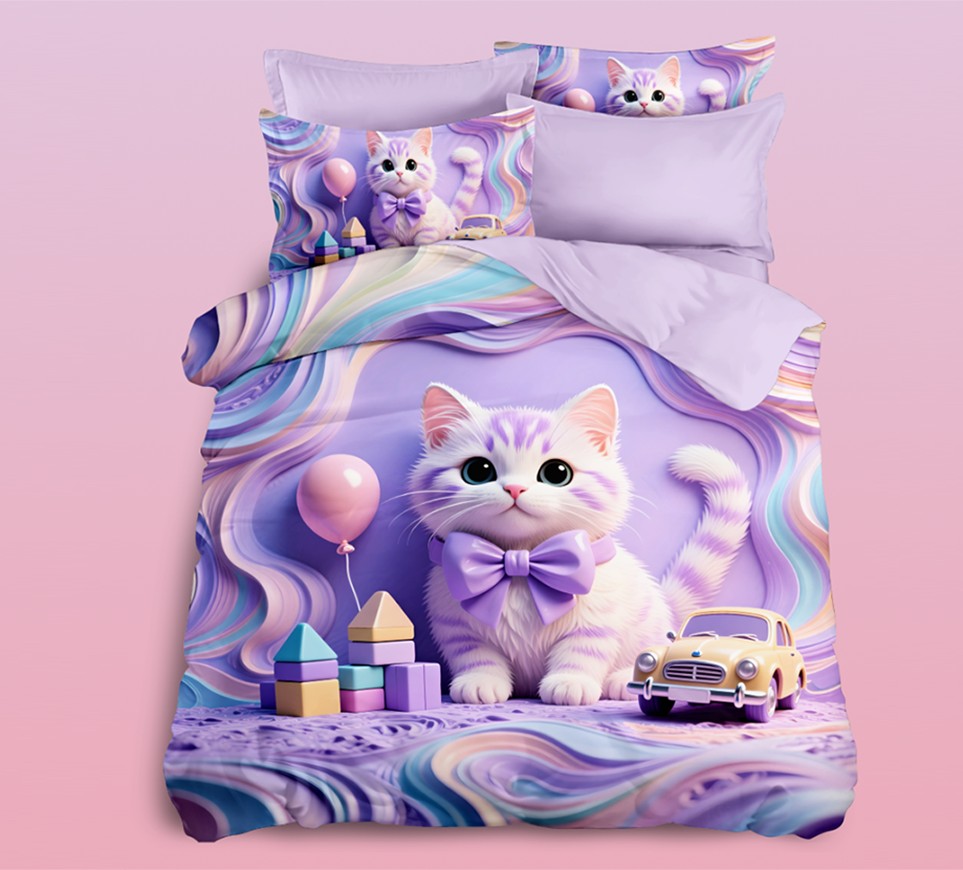
FunctionFast dry and easy to care: Not easy to shrink, no ironing and anti-wrinkle, fast drying after machine washing.Durable and fade resistant: Strong wear resistance, high color fastness, long-term...
See DetailsWhy Choose Us?
Established in 2008, with a 3,000m² professional factory, over 50 employees, and 5 departmental managers.

Coming From China, Marketing To The World.
Quilt Fill Types and Stitching Patterns: A Buyer's Guide
Aug 25, 2026
Content
- 1 What Determines Quilt Warmth and Comfort
- 2 Common Quilt Types and Fill Materials
- 3 Construction: Fill Weight and Stitching Patterns
- 4 Application Scenarios and Selection Guide
- 5 Detailed Comparison: Stitching Pattern and Fill Retention
- 6 Maintenance and Care Guidance
- 7 Working with a Reliable Quilt Manufacturer
- 8 Frequently Asked Questions
What Determines Quilt Warmth and Comfort
A Quilt performs well when three variables are matched correctly: fill material, fill weight, and stitching pattern. Fill material determines the baseline warmth-to-weight ratio, fill weight determines how much insulation is actually packed into the quilt, and stitching pattern determines whether that fill stays evenly distributed after repeated use and washing. Buyers sourcing from a China manufacturer or China factory should request all three specifications together, since a quilt described only by fill type without weight or stitching detail cannot be reliably compared against another supplier's product.
This article covers the common quilt fill types and their characteristics, how construction and stitching affect warmth retention, which quilt configuration suits which season and buyer segment, a detailed comparison of fill materials, practical maintenance guidance, and how to evaluate a China supplier before placing a bulk order. It closes with a concise FAQ for retail buyers, distributors, and hospitality groups comparing options from a China wholesale partner.
Key takeaway: fill material sets the warmth ceiling of a quilt, but stitching pattern determines whether that warmth stays evenly distributed over years of use.
Common Quilt Types and Fill Materials
Quilts sold across home retail and hospitality channels generally use one of four fill categories: down, cotton, silk, and synthetic microfiber. Each fill behaves differently in terms of warmth-to-weight ratio, loft recovery after compression, and how it responds to washing. A professional China producer typically maintains several fill lines because no single material suits every climate, budget tier, or care requirement.
Down fill, made from the soft under-plumage of ducks or geese, offers a high warmth-to-weight ratio and compresses easily for storage while recovering loft quickly once unpacked. Cotton fill is denser and heavier for an equivalent warmth level, but it is widely available, breathable, and generally easier to care for in regions without access to specialized dry cleaning. Silk fill is prized for its smooth drape and natural temperature-regulating properties, often positioned as a premium option in retail catalogs. Synthetic microfiber fill is engineered to mimic the loft and softness of down at a more consistent, allergen-conscious specification, and it typically tolerates machine washing better than natural fills.
| Fill Type | Warmth-to-Weight | Care Complexity |
|---|---|---|
| Down | High | Higher |
| Cotton | Moderate | Lower |
| Silk | Moderate to High | Higher |
| Synthetic Microfiber | Moderate to High | Lower |
Key takeaway: synthetic microfiber and cotton fills generally offer the most consistent, low-maintenance performance, while down and silk trade some care simplicity for a lighter feel or premium drape.
Construction: Fill Weight and Stitching Patterns
Fill weight, commonly measured in grams per square meter, directly affects how much insulation a quilt provides. A lighter fill weight suits warm-climate or summer use, while a heavier fill weight suits cold-climate winter use. Between these two ends of the range, mid-weight quilts are often marketed for spring and autumn or as an all-season option in moderate climates.
Stitching pattern is equally important because it controls how fill migrates within the quilt over time. Box stitching creates individual sealed compartments that keep fill evenly distributed but can create slightly cooler seam lines where less fill sits. Channel stitching runs fill along parallel columns, allowing slightly more fill movement within each channel while simplifying production. Diamond stitching distributes stitch points more evenly across the surface, which tends to minimize cold spots and is often used in higher-specification quilts. Tack stitching, which secures fill at scattered points rather than continuous seams, is the simplest and most economical method but allows the most fill drift over repeated use.
Fill Suitability Across Fill Type and Season
The heatmap above uses color intensity, from light to dark blue, to represent relative seasonal suitability for each fill type at a typical fill weight used in that category. Darker cells indicate stronger suitability. Down and synthetic microfiber both show their darkest cells in the winter column, reflecting their strong warmth-to-weight performance at heavier fill weights. Cotton shows its darkest cell in the spring column, consistent with its moderate insulation profile at commonly produced fill weights. Summer columns are lighter across all four fill types, since lightweight summer quilts generally use reduced fill regardless of material, narrowing the practical difference between fill types at that weight range. Silk shows relatively balanced shading across spring, autumn, and winter, reflecting its reputation for temperature-regulating comfort across a wider range of conditions. This kind of matrix view is useful for buyers building a multi-season product line, since it highlights where a single fill type can reasonably cover two adjacent seasons versus where a distinct summer-weight and winter-weight version is genuinely needed. A flexible China exporter should be able to quote the same fill type at multiple fill weights so buyers can build a coherent seasonal range without switching materials entirely. Reading this chart alongside actual fill weight specifications, rather than fill type alone, gives a more accurate picture of expected warmth performance for any specific product.
Application Scenarios and Selection Guide
Quilt buyers generally fall into four segments with different priorities. Home retail buyers prioritize seasonal variety and hand feel, often stocking a lightweight summer quilt and a heavier winter quilt as separate seasonal products. Hospitality buyers prioritize durability and consistent loft recovery after repeated commercial laundering, since guest-facing linens are washed at high frequency. Institutional buyers, including dormitories and care facilities, prioritize cost-efficiency and ease of machine washing over premium hand feel. Export-focused wholesalers typically need a supplier able to produce across multiple fill types and weights from a single relationship to serve varied downstream customers.
Fill Weight Versus Warmth Positioning
This scatter plot places five representative quilt configurations along two axes: fill weight on the horizontal axis and a relative warmth index on the vertical axis. The general upward trend confirms an intuitive relationship — as fill weight increases, warmth index tends to increase as well, though the relationship is not perfectly linear across fill types. Winter down sits highest on the warmth axis at a comparatively moderate fill weight position, illustrating down's favorable warmth-to-weight ratio discussed earlier. Autumn cotton requires a comparatively higher fill weight to reach a similar warmth position, reflecting cotton's denser, heavier structure. All-season silk sits in the middle of both axes, consistent with its positioning as a moderate, temperature-regulating option rather than a seasonal extreme. Summer synthetic sits at the lower end of both axes by design, since summer-weight quilts intentionally minimize fill weight and resulting warmth. This scatter view is useful for buyers comparing quotes across different fill types, since two quilts with the same fill weight number are not automatically equivalent in warmth if their fill materials differ. A responsible China supplier should be able to provide fill weight alongside expected relative warmth positioning rather than fill weight alone, since fill weight without fill type context can be misleading when comparing across materials.
Detailed Comparison: Stitching Pattern and Fill Retention
Stitching pattern directly affects how well a quilt retains even fill distribution after repeated washing and use. The column chart below compares four common stitching methods on a relative fill retention scale, reflecting how well each method is generally expected to keep fill from shifting or bunching over time.
This vertical column chart ranks four stitching methods on a relative fill retention scale from zero to one hundred. Diamond stitching scores highest because its evenly distributed stitch points across the entire surface leave the least room for fill to migrate in any direction. Box stitching scores strongly as well, since sealed individual compartments limit fill movement, though slightly larger compartment sizes compared with diamond stitching allow marginally more internal shifting. Channel stitching scores in the middle range, since fill can still move somewhat freely along the length of each open channel even though lateral movement between channels is restricted. Tack stitching scores lowest because scattered point stitching leaves the largest open areas where fill can bunch or drift after repeated handling and washing. This ranking does not mean tack stitching is unsuitable for every product; it remains a practical, economical method for lighter-weight or shorter-lifespan quilts where fill migration has less noticeable impact. For quilts positioned as durable, long-service-life products, particularly for hospitality or premium retail use, diamond or box stitching is generally the more defensible construction choice. Buyers should ask a candidate China producer which stitching method will be used for a specific fill weight and product tier, since matching stitching pattern to intended product lifespan is one of the more overlooked steps in quilt sourcing decisions.
Maintenance and Care Guidance
Proper care extends the usable life of a quilt regardless of fill type. Synthetic microfiber and many cotton-filled quilts generally tolerate gentle machine washing, while down and silk-filled quilts more often require professional cleaning or careful hand washing to avoid clumping or fiber damage. Regardless of fill type, thorough drying is essential, since residual moisture trapped inside the fill layer can lead to odor or mildew over time.
- Check the specific care label for fill type before washing, since down, silk, cotton, and synthetic fills tolerate different washing methods.
- Use a low to moderate spin cycle to reduce mechanical stress on stitching seams.
- Dry thoroughly on low heat, tumbling periodically to help redistribute fill evenly as it dries.
- Store in a breathable fabric bag rather than sealed plastic to prevent moisture buildup during off-season storage.
Key takeaway: matching the washing method to fill type and drying the quilt thoroughly are the two most effective steps for preserving loft and preventing long-term fill damage.
Working with a Reliable Quilt Manufacturer
Sourcing a Quilt program involves coordinating fill type, fill weight, stitching pattern, and consistent production quality across repeat orders. Nantong Noble International Trade Co., Ltd. is a comprehensive home textile enterprise specializing in the design, production, processing, and packaging of household textiles, with over 18 years of experience in international trade and home textile manufacturing. As a professional China home textile manufacturer and home textile factory, its product range covers bedding sets, bedspreads, quilts, blankets, and sofa covers, with styles and designs updated on an ongoing basis to support rapid, multifunction production across seasonal collections. The company also provides customized products based on individual customer requirements, supporting both OEM manufacturer and ODM manufacturer arrangements for buyers developing a private-label quilt line.
Multi-Fill Production
Machine-based production lines support down, cotton, silk, and synthetic fill options across multiple fill weights.
OEM/ODM Development
Design and specification collaboration for retail and hospitality private-label programs.
Wholesale Supply
Bulk supply arrangements for distributors, wholesalers, and multi-property hospitality groups.
When comparing any China wholesale partner for a quilt program, buyers should confirm fill type and weight together, ask which stitching pattern will be used for the intended product tier, and request a washed sample to observe loft recovery firsthand rather than relying on an unwashed showroom sample. A China exporter capable of producing across multiple fill types and stitching methods under one roof gives buyers the flexibility to build a coherent seasonal range without splitting orders across several factories. This kind of full-service capability, verified through sample review rather than marketing claims alone, is a practical indicator of a dependable China producer for a long-term quilt sourcing relationship.
Frequently Asked Questions
Q1: What fill type is warmest for a given weight?Down generally offers the strongest warmth-to-weight ratio among common quilt fills, while cotton typically requires a heavier fill weight to reach a comparable warmth level. |
Q2: Which stitching pattern keeps fill from shifting?Diamond and box stitching generally keep fill more evenly distributed over time compared with channel or tack stitching, which allow more fill movement. |
Q3: Can a quilt be customized for private label?Yes. A professional OEM factory or ODM factory can typically customize fill type, fill weight, stitching pattern, and packaging to match a buyer's brand requirements. |
Q4: What should buyers request before a bulk quilt order?Buyers should request a washed sample, confirm fill weight alongside fill type, and clarify stitching pattern with the manufacturer or wholesaler before finalizing a large order. |
Related products
-
-
FunctionFast drying and easy to take care of: Anti-shrinkage and no ironing, fast drying after machine washing, simplified daily care.Durable color protection: High wear resistance and color fastness,...
See Details -
FunctionStrong warmth: High gram weight provides good insulation performance, suitable for low-temperature environments.Durable anti-wrinkle: High-density structure wear and tear resistance, not easy ...
See Details -

FunctionSkin-friendly breathable: Natural cotton fiber is soft and comfortable, good for breath, and suitable for the use of moisture.Absorption and perspiration: Good moisture absorption, keep dry bo...
See Details -
FunctionMore delicate and skin-friendly: Higher than 12868,13372, the fabric is more delicate and soft, the touch is better and more.Breathable: High-density cotton structure further improves moisture...
See Details -
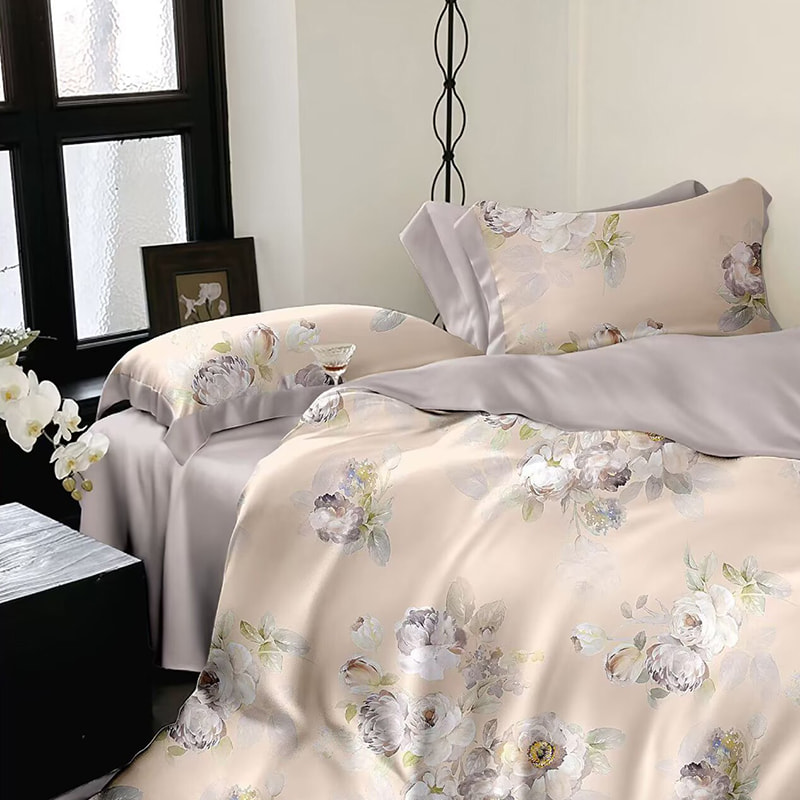
Function Extreme skin affinity: Day silk fiber is soft and smooth, touch like silk, suitable for close-fitting use of moisture. Absorption and breathability: moisture absorption and sweat performance,...
See Details -
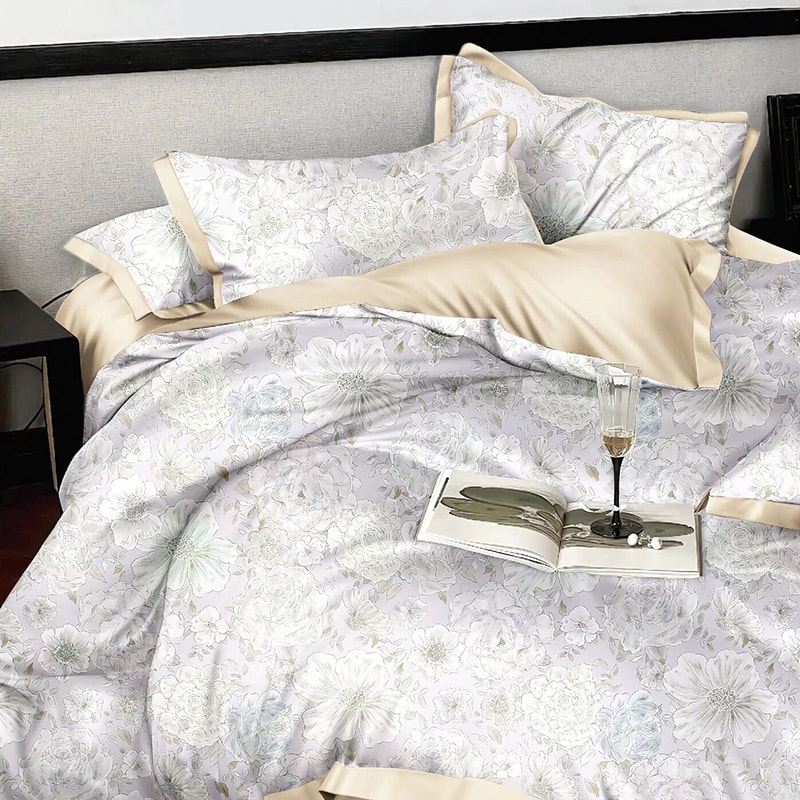
FunctionMore delicate and skin-friendly: Compared with 50S, 60S silk fiber is thinner, softer, smoother, more comfortable for close use, and more moisture absorption.Breathable: Higher branches improv...
See Details -
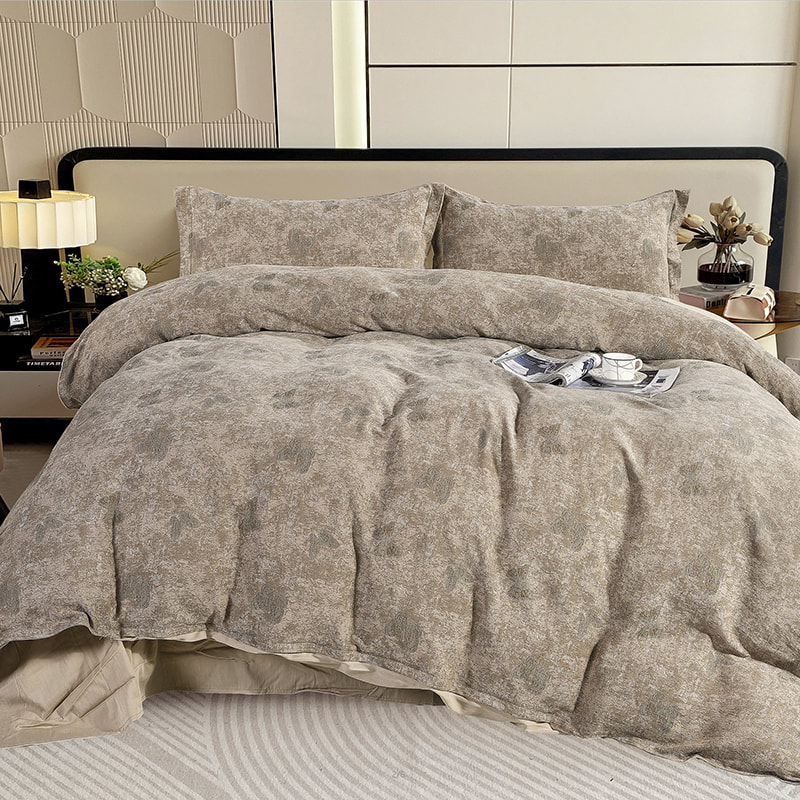
Function Luxury touch: The fiber is soft and smooth, and the jacquard process adds a three-dimensional texture. Touch like silk moisture absorption: moisture absorption performance keeps dry and comfo...
See Details -
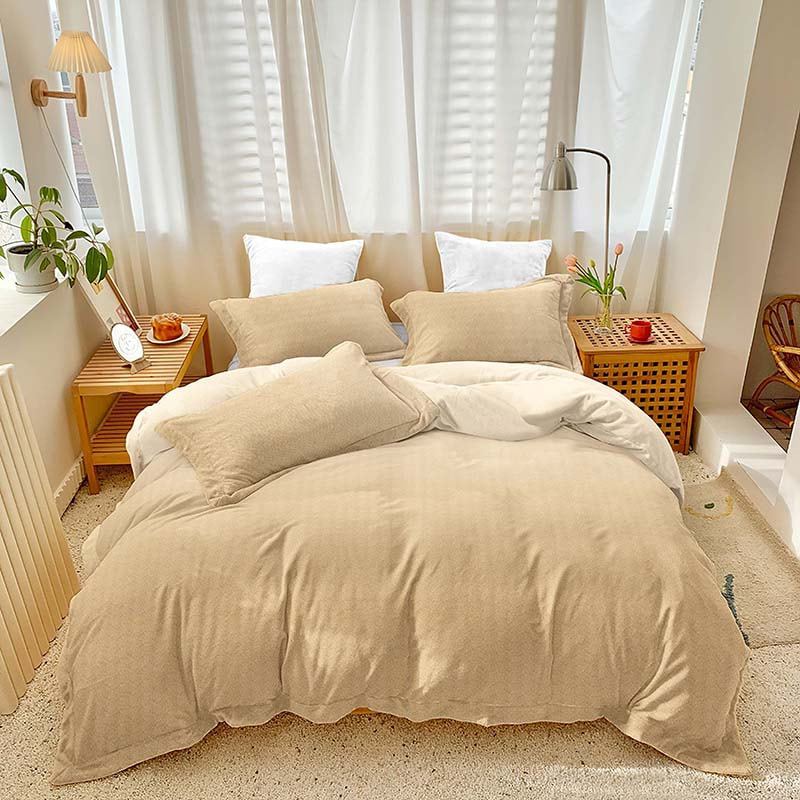
Function Fine pattern performance: Digital printing is higher precision than round net printing, richer color, more delicate pattern, fast dry.Easy to care: The polyester fiber characteristics are unc...
See Details -
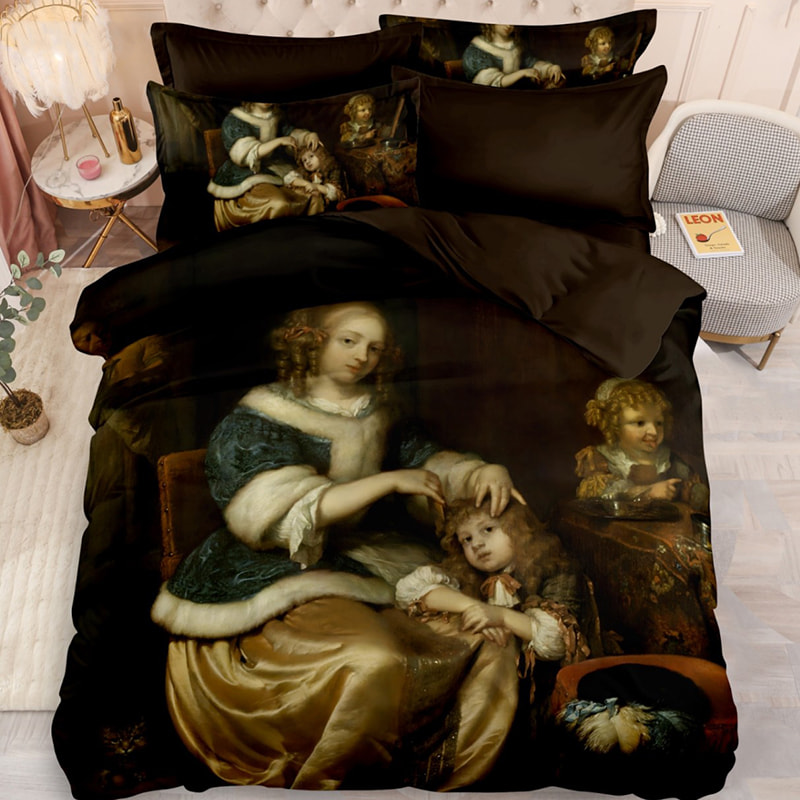
FunctionFine pattern performance: Digital printing is higher precision than round net printing, richer color, more delicate.Durable anti-wrinkle: 130g polyester fiber fabric has a vertical feeling, an...
See Details -
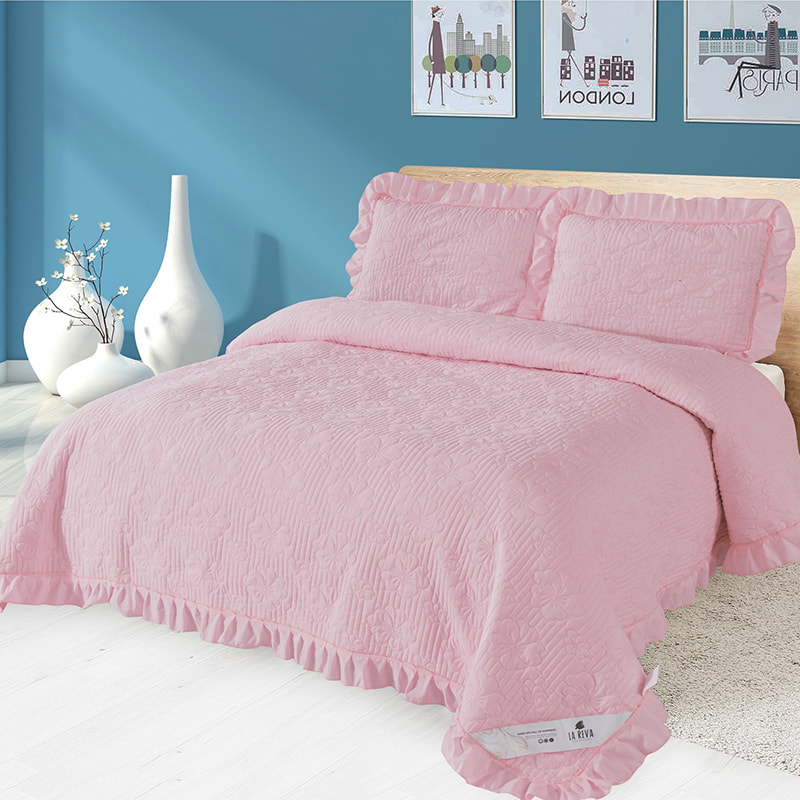
FunctionThin and light: The ultrasonic process does not create pinholes or quilting thread, and the fabric is thin and smooth.Strong decoration: Lace elements add an elegant and romantic sense, enhanc...
See Details -
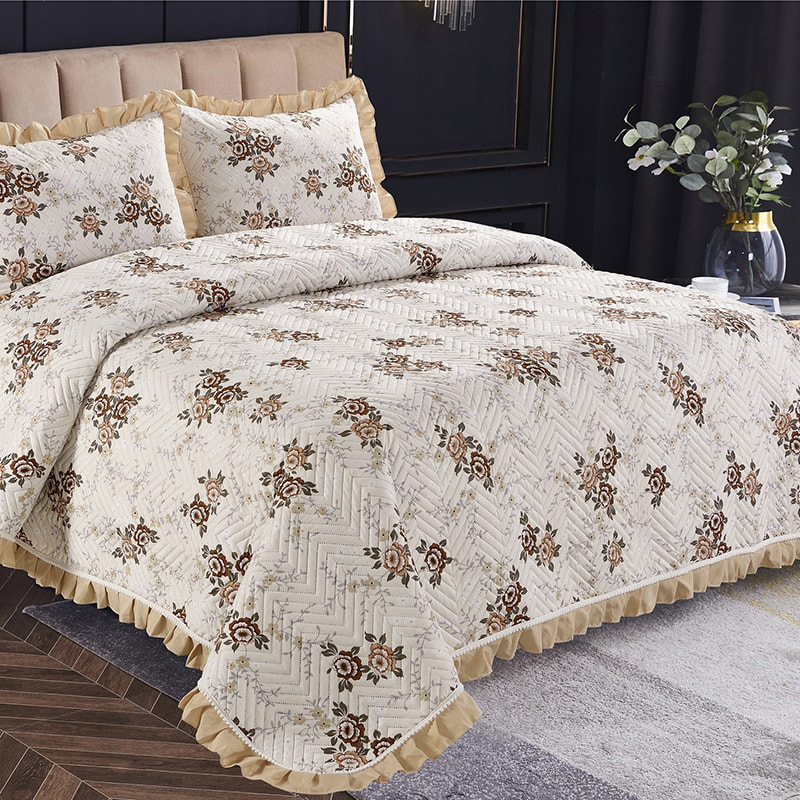
FunctionThin and light: The ultrasonic process does not create a pinhole or quilting thread, and the fabric is thin and smooth.Strong decorative: Print patterns add a sense of art and design, enhancin...
See Details
