

 English
 Español
 عربى
عربى

FunctionFast dry and easy to care: Not easy to shrink, no ironing and anti-wrinkle, fast drying after machine washing.Durable and fade resistant: Strong wear resistance, high color fastness, long-term...
See DetailsWhy Choose Us?
Established in 2008, with a 3,000m² professional factory, over 50 employees, and 5 departmental managers.

Coming From China, Marketing To The World.
Bedroom Ideas: Fabric, Layering and Style Guidance from a Textile Manufacturer
Sep 01, 2026
Content
- 1 Start With the Bed: Why Fabric Choice Matters Most
- 2 Bedroom Ideas for Every Season: A Layering Formula That Works
- 3 Where to Focus First: The Impact of Each Layer
- 4 Five Style Directions Built From Bedding
- 5 Small Bedroom Ideas That Depend on Textiles
- 6 Protect the Layer You Never See
- 7 A Simple Care Schedule That Preserves the Look
- 8 Frequently Asked Questions
- 9 Related Guides and Collections
A queen-size mattress covers roughly 33 square feet of surface, and once bedding, frame and walking space are counted, the bed zone takes close to a third of an average 12 by 12 bedroom. That one fact explains why the most dependable bedroom ideas start with the bed rather than with paint swatches or furniture catalogs. The conclusion is worth stating plainly: fabric choice and layering decide most of the visual impact and nearly all of the everyday comfort, at a fraction of renovation cost. As a home textile manufacturer and supplier with more than 18 years of export experience, Nantong Noble International Trade has built its range around this principle, producing sheet sets, bedcovers, quilts and comforters, hotel linen, tufted quilts, fleece blankets and waterproof mattress protectors for households, wholesalers and hospitality buyers. The sections below turn that production floor experience into practical bedroom ideas, with specific fabrics, weights and combinations instead of vague inspiration.
Key takeaway: plan the bed first, because textiles control how a bedroom looks and how it feels more than any other single element.
Start With the Bed: Why Fabric Choice Matters Most
The sheet set is the only decor element your skin touches for eight hours a night, and it covers the largest single surface in the room, so its fabric sets the reference point for everything else you add. Choosing correctly here prevents the most common complaints: night sweats, pilling after a few washes, and sheets that look tired within one season. The three fabrics that dominate bedding production behave very differently, and the table below summarizes where each one earns its place.
| Property | Pure cotton | Polyester | Tencel (lyocell) |
|---|---|---|---|
| Hand feel | Crisp at first, softens with every wash | Smooth, slippery and very consistent | Silky and naturally cool to the touch |
| Breathability | High, suits most climates | Moderate, improved by lighter weights such as 90gsm | Very high, wicks moisture away from skin |
| Strength and care | Dependable constructions such as 12868 and 13372 handle frequent laundering | Resists deformation and pilling, especially at 160gsm with 250cm width | Strong fiber that prefers a gentle cycle and low heat |
| Typical position | The everyday workhorse for family bedrooms | The value pick for rentals, kids rooms and bulk programs | The upgrade for master bedrooms and guest rooms |
Weight is the second specification to check, measured in grams per square meter and written as gsm. A 90gsm polyester set is the lightest option and suits hot rooms and summer use, 130gsm is the all-round weight that balances drape, opacity and durability, and 160gsm with a 250cm width is the heavy-duty choice that stays smooth through frequent washing. Pure cotton ranges are usually described by yarn density codes, where 12868 means 128 warp and 68 weft threads per inch and 13372 is a denser, smoother step up. Tencel sets are graded by yarn count instead, and 60s yarn is finer and silkier than 50s, which is why the 60s tier feels the most luxurious against the skin.
For a master bedroom or guest room where a cooler, silkier hand feel justifies the step up, the Tencel sheet set in our soft breathable luxury finish is the clearest example of this tier.
 Tencel Bed Sheet Set Soft Breathable LuxuryMade from eucalyptus-derived Tencel, this set offers a cool, silky sleep surface with breathability, moisture-wicking, and hypoallergenic comfort. It is the highest-impact upgrade here, since the sheets are the layer skin touches all night and the surface guests notice first.View Product →
Key takeaway: if you change only one item, change the sheet set, because it is the layer your skin touches all night and the surface the eye reads first.
Bedroom Ideas for Every Season: A Layering Formula That Works
Once the sheet set is settled, the remaining bedroom ideas fall into place through layering. A working formula reads: fitted sheet as the base, flat sheet for adjustability, quilt or comforter for the main insulation, bedcover for the finished surface, and a folded blanket at the foot for texture and flexibility. Keep the sheet layer constant all year and swap only the top two layers as temperatures change, and the same bedroom serves all four seasons without ever looking unfinished.
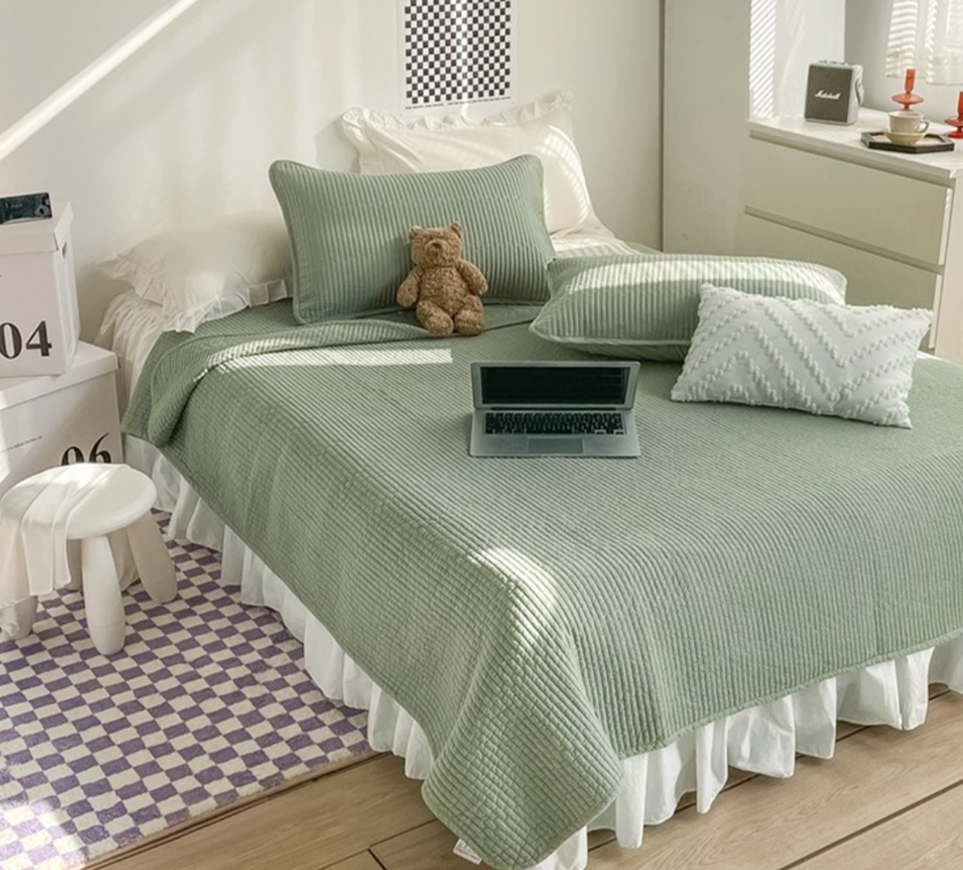
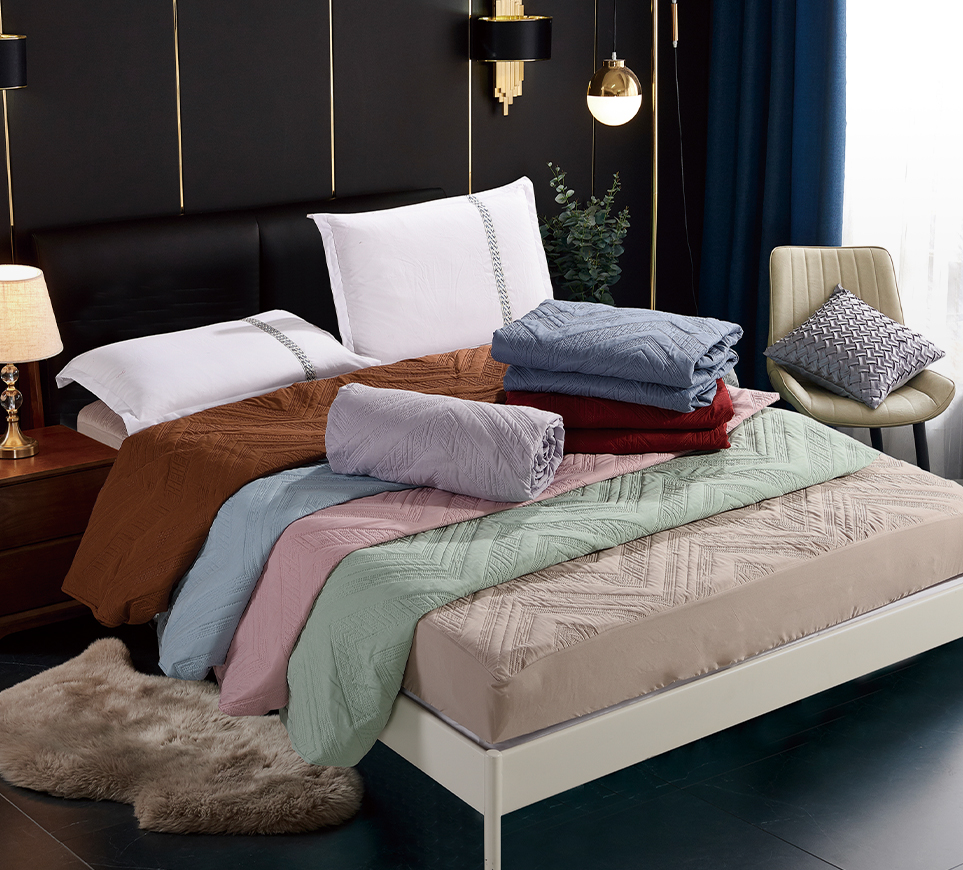
Within this formula the bedcover does the decorative work, and a quilted printed bed cover set is the most dependable way to add pattern and a tailored, stitched surface in a single step.
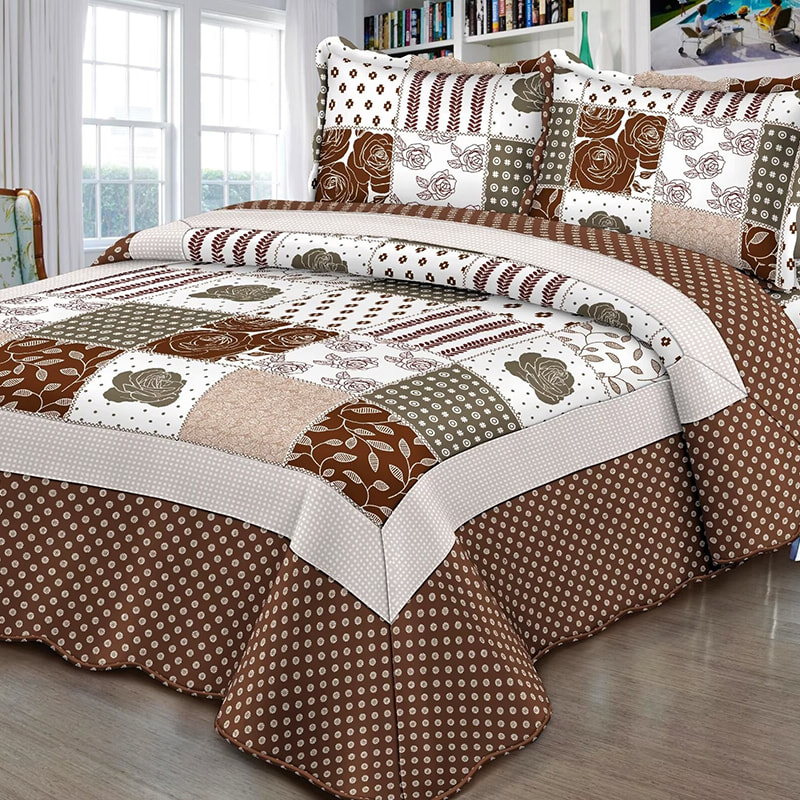 Quilted Printed Bed Cover SetA quilted printed bed cover adds pattern, texture, and moderate warmth in one step, with anti-wrinkle, wash-friendly durability suited to spring and autumn. In this layered bedding formula it does the decorative work, turning a simple base bed into a finished, personalized room.View Product →
The two plans below show how one base turns into two different rooms across the year.
Cool-Season Plan
|
Warm-Season Plan
|
Key takeaway: layering makes a bedroom seasonal; keep the sheets constant and trade a winter comforter for a waffle or seersucker summer quilt when the weather turns.
Where to Focus First: The Impact of Each Layer
Before spending on decor, it helps to know which layers actually move the needle. The chart below weights each part of the bed by how strongly it shapes both the visible result and the physical comfort of the finished bedroom. The weighting draws on how much surface each layer covers, how often skin contacts it, and how much it sets the color story of the room. It is a planning guide rather than a laboratory measurement, but it matches what bedding manufacturers and hotel buyers see repeatedly across projects. Use it to sequence purchases instead of buying everything at once.
Relative impact of each bedding layer on the finished look and feel of the bed
Sheet set and pillowcases: 30%
Comforter or duvet layer: 25%
Bedcover or quilted layer: 18%
Pillows and cushion arrangement: 15%
Mattress protector and base layers: 12%
Illustrative planning weights based on visible surface area and skin contact on a standard double or queen bed.
The sheet set leads the chart because it combines the most skin contact with a large visible surface, which is why we recommend upgrading it before anything else in the room. The comforter or duvet layer ranks second, since it forms the biggest block of color in the bedroom and carries the main pattern or texture statement. The bedcover earns third place by finishing the bed, adding a stitched or embossed surface that makes an ordinary setup look deliberately designed. Pillows and cushion arrangement carry less fabric area but punch above their weight visually, because they create the symmetry the eye reads first when entering the room. The mattress protector sits at the bottom of the visual ranking yet protects every dollar spent on everything above it.
Read together, the bars argue for a specific purchase order: sheets first, then the comforter color story, then the bedcover, then accessories. They also explain why decor-only makeovers often disappoint, because repainting walls and adding lamps leaves the largest surface in the room, the bed, completely unchanged. For wholesale and hospitality buyers, the same logic guides product mix, where sheet sets and comforters anchor a bedding program and bedcovers lift its average selling price. Hotels follow this order intuitively, specifying durable polycotton or dense cotton sheets alongside a signature quilted cover that survives industrial laundry cycles. In small bedrooms the weighting shifts slightly toward the bedcover, because a low-profile quilted layer delivers style without the visual bulk of a lofty comforter. In hot climates the sheet layer matters even more than the chart suggests, since breathability there is a comfort requirement rather than only an aesthetic one. Whatever the room, rebalancing the layers twice a year turns the chart into a maintenance rhythm as much as a shopping list. That rhythm is the real difference between a bedroom that was styled once and a bedroom that always looks considered.
Key takeaway: buy in the order of impact, with sheets first, the comforter second, the bedcover third, and let pillows finish the picture.
Five Style Directions Built From Bedding
Style direction is mostly a bedding decision, because the bed anchors the entire room visually. The five directions below are all achievable with combinations from a standard bedding range, and each suits a different room size, climate and budget. Pick the direction closest to your space, then shop for the layers it needs instead of buying decorative pieces first.
Hotel Minimal
Crisp white or near-white sheets, precise folding and a solid quilted bedcover create the clean symmetry guests associate with good hotels. This direction suits small bedrooms because light layers and a low-profile cover reduce visual clutter.
Warm Neutral Retreat
Layer creams, oat and sand tones, then add texture with a tufted quilt set and a milk velvet throw in winter. The look stays calm because the palette is narrow while the surfaces vary.
Classic Floral
A 130gsm digital printed sheet set carries fine flower detail that ordinary printing cannot match, anchored by plain covers so the pattern stays the hero. This suits traditional bedrooms and guest rooms that need a friendly, lived-in feel.
Calm Japandi
Pair a minimalist Tencel or polyester sheet set in muted tones with an ultrasonic embossed bedcover for quiet texture without pattern. Keep pillows to two per side and let the bedcover surface do the decorating.
Moody Contemporary
Deep charcoal or navy bedding with one contrasting row of pillows creates drama, especially in larger rooms with good light. Balance the darkness with a lighter sheet set so the bed does not read heavy.
Key takeaway: commit to one style direction and build every layer around it, because mixed directions are what leave a bedroom feeling unresolved.
Small Bedroom Ideas That Depend on Textiles
Small bedrooms leave little room for error, and textiles fix proportion problems without moving walls. The tactics below are ordered from the most to the least impactful, and all of them work in rented spaces where painting or structural changes are impossible.
- Keep large surfaces light. Light sheet sets and pale bedcovers push walls outward visually, while depth comes from texture rather than dark color.
- Insist on a well-fitted sheet. Deep pockets and strong elastic all around keep the bed flat and tidy, and a rumpled bed reads as clutter in a tight room.
- Hold a three-color limit. One base color for sheets, one secondary for the comforter, one accent for the bedcover or throw, and the room stays coherent.
- Choose a quilted bedcover over a bulky comforter in very tight rooms. The lower profile keeps the bed from dominating the floor plan.
- Use small-scale or vertical patterns. Narrow stripes and fine digital prints stretch the room upward, while large motifs can crowd it.
- Fold, do not pile. A single fleece blanket folded at the foot adds warmth and pattern without the bulk of extra furniture or stacked pillows.
Key takeaway: in a small bedroom, flat surfaces and a narrow palette create a sense of space, and textiles deliver both faster than any furniture change.
Protect the Layer You Never See
Under every styled bed sits the least glamorous and most valuable layer, the mattress itself. A waterproof, anti-mite mattress protector is standard practice in hotel procurement for a simple reason: it blocks sweat, spills and dust mites before they reach the mattress core, extending the life of an asset that costs many times more than the protector. Families can apply the same logic to children's beds, guest rooms and rental properties, where accidents and turnover are part of normal use. Allergy-prone sleepers benefit most of all, because dust mite exposure is one of the most common bedroom triggers, and the same protective thinking extends to the hypoallergenic, baby-safe summer quilt in our range for households with infants.
For bedrooms where spills, humidity or allergies are real factors, the waterproof anti-mite mattress protector is the first layer we would specify.
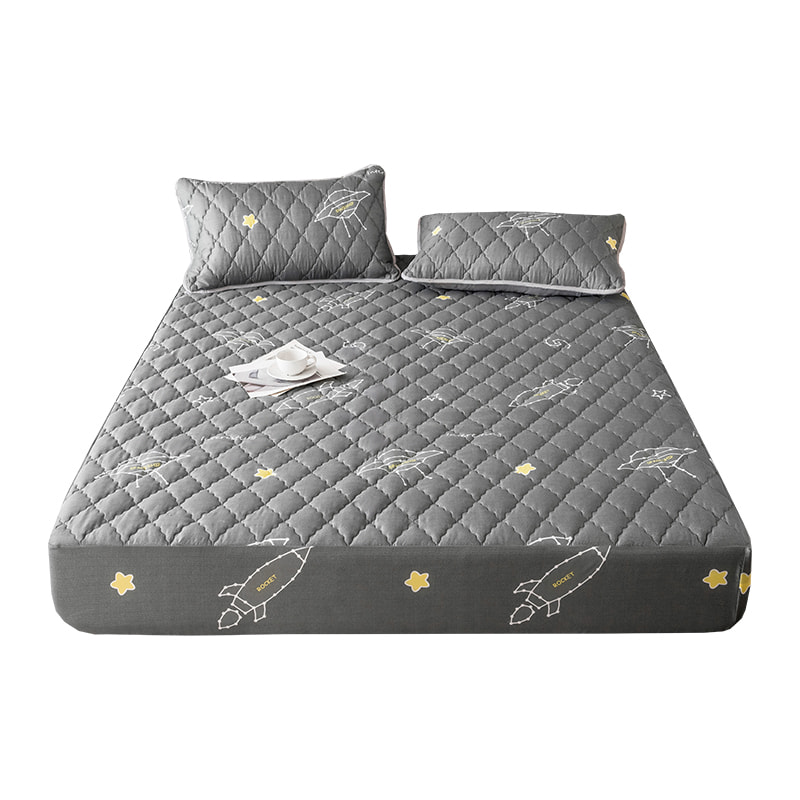 Waterproof Anti-mite Mattress ProtectorThis breathable protector uses a waterproof layer and high-density fabric to block spills, dust, and mites while staying comfortable for nightly use. Positioned as the first layer of the setup, it is inexpensive insurance for the mattress, the bedroom's most expensive item.View Product →
Key takeaway: a mattress protector is inexpensive insurance for the most expensive item in the bedroom, and it works invisibly under every style.
A Simple Care Schedule That Preserves the Look
Even the best bedding looks tired without a realistic care routine, and most complaints about pilling, yellowing or lost loft trace back to washing habits rather than fabric quality. The schedule below reflects how each construction behaves in normal home laundry, and it mirrors the guidance our production team gives hotel and wholesale clients who wash at commercial volume.
| Bedding item | Wash frequency | Recommended method | Why it matters |
|---|---|---|---|
| Sheet set | Every 1 to 2 weeks | Gentle cycle, 30 to 40 degree water, low heat drying | Body oils dull fibers and stiffen the weave |
| Comforter or duvet cover | Weekly, with the sheets | Same gentle cycle as the sheets | Keeps the fill inside clean for far longer |
| Comforter or quilt | Every 2 to 3 months | Air it first, then use a large-capacity machine | Removing dust restores loft and freshness |
| Quilted or ultrasonic bedcover | Monthly | Low tumble or line drying | Protects stitching and surface embossing |
| Waterproof mattress protector | Every 1 to 2 months | Warm wash without chlorine bleach | Maintains the waterproof membrane |
| Fleece or milk velvet blanket | As needed in winter | Cool water, never high heat | High heat causes pilling and shedding |
Key takeaway: washing sheets every one to two weeks and covering the fill layers preserves both the appearance and the lifespan of the entire bed.
Frequently Asked Questions
These are the questions our sales team answers most often from households and trade buyers planning bedroom upgrades.
Key takeaway: match the specification to the sleeper and the room, and most sources of bedroom dissatisfaction disappear before any decor spending.
Related Guides and Collections
Two resources on our site extend the ideas in this article, one on keeping a bedroom warm through the coldest months and one covering the sheet collections that anchor every plan above.
- How home textiles provide extra warmth in the winter, which applies the layering logic in this article to cold-climate conditions.
- Bed sheet set and fitted sheet set collections, where cotton, polyester, Tencel and digital printed options are organized by fabric, weight and width.
Nantong Noble also works directly with wholesalers, brand owners and hospitality procurement teams on custom materials, sizes, colors and packaging, backed by a 3000 square meter factory with an annual capacity of 3 million sets.
Key takeaway: whether you are styling one bedroom or supplying a thousand, start with the bed and let the layers above it decide the result.
Related products
-
-
FunctionFast drying and easy to take care of: Anti-shrinkage and no ironing, fast drying after machine washing, simplified daily care.Durable color protection: High wear resistance and color fastness,...
See Details -
FunctionStrong warmth: High gram weight provides good insulation performance, suitable for low-temperature environments.Durable anti-wrinkle: High-density structure wear and tear resistance, not easy ...
See Details -
FunctionSkin-friendly breathable: Natural cotton fiber is soft and comfortable, good for breath, and suitable for the use of moisture.Absorption and perspiration: Good moisture absorption, keep dry bo...
See Details -
FunctionMore delicate and skin-friendly: Higher than 12868,13372, the fabric is more delicate and soft, the touch is better and more.Breathable: High-density cotton structure further improves moisture...
See Details -
Function Extreme skin affinity: Day silk fiber is soft and smooth, touch like silk, suitable for close-fitting use of moisture. Absorption and breathability: moisture absorption and sweat performance,...
See Details -
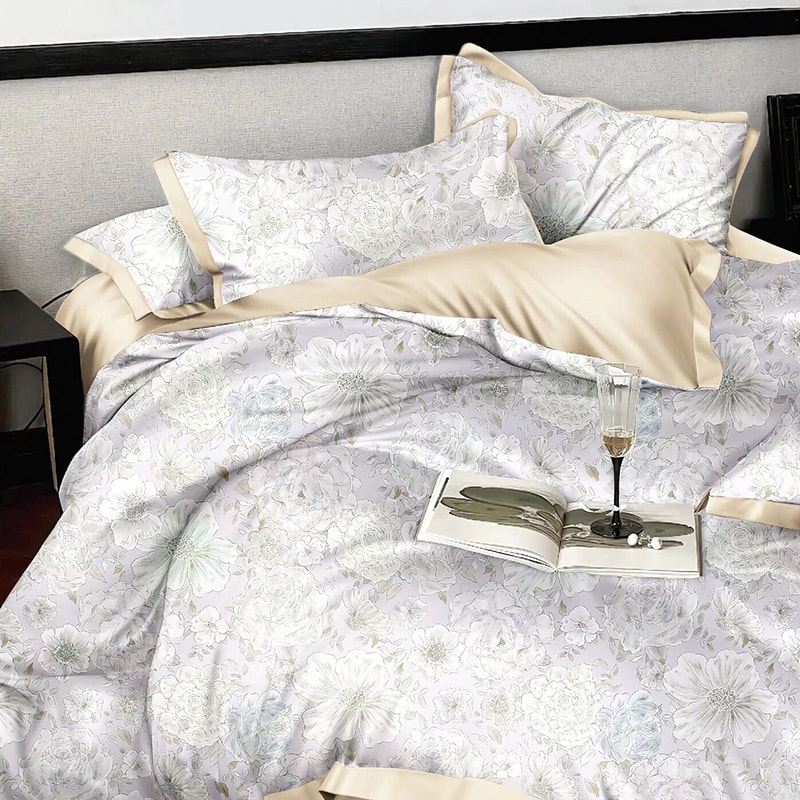
FunctionMore delicate and skin-friendly: Compared with 50S, 60S silk fiber is thinner, softer, smoother, more comfortable for close use, and more moisture absorption.Breathable: Higher branches improv...
See Details -
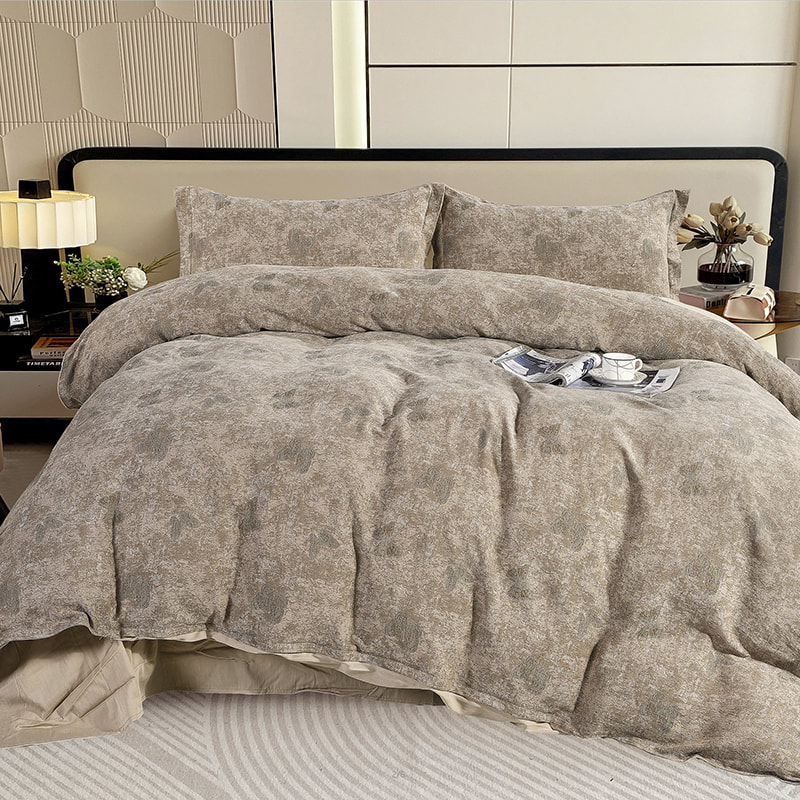
Function Luxury touch: The fiber is soft and smooth, and the jacquard process adds a three-dimensional texture. Touch like silk moisture absorption: moisture absorption performance keeps dry and comfo...
See Details -
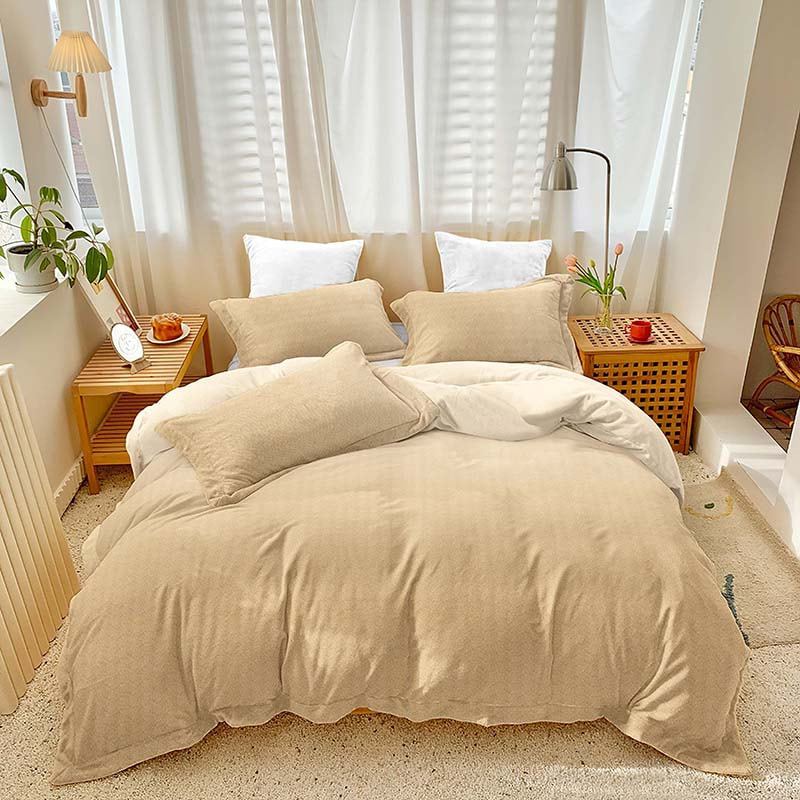
Function Fine pattern performance: Digital printing is higher precision than round net printing, richer color, more delicate pattern, fast dry.Easy to care: The polyester fiber characteristics are unc...
See Details -
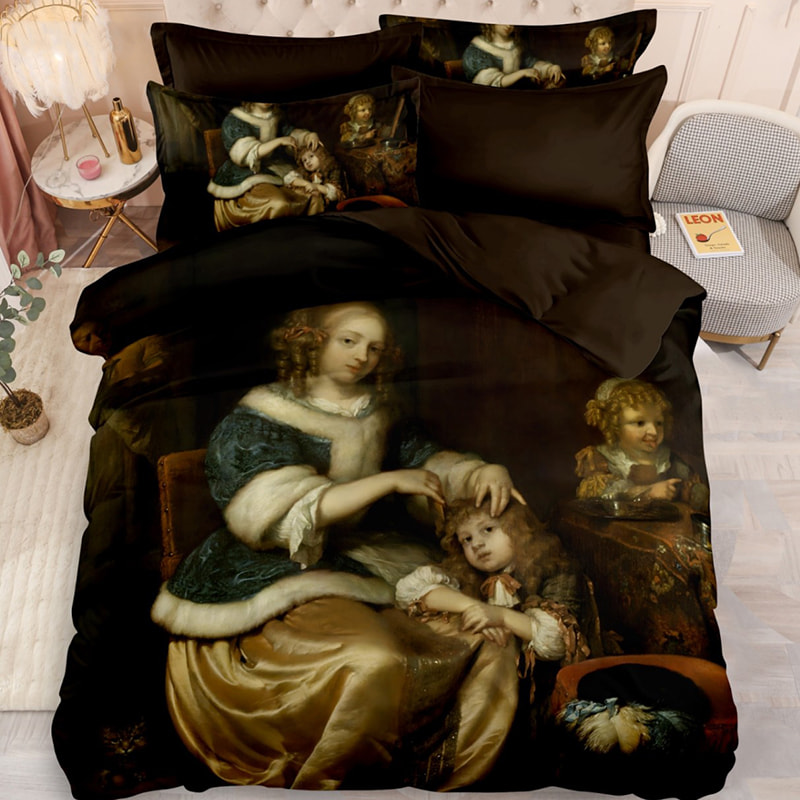
FunctionFine pattern performance: Digital printing is higher precision than round net printing, richer color, more delicate.Durable anti-wrinkle: 130g polyester fiber fabric has a vertical feeling, an...
See Details -
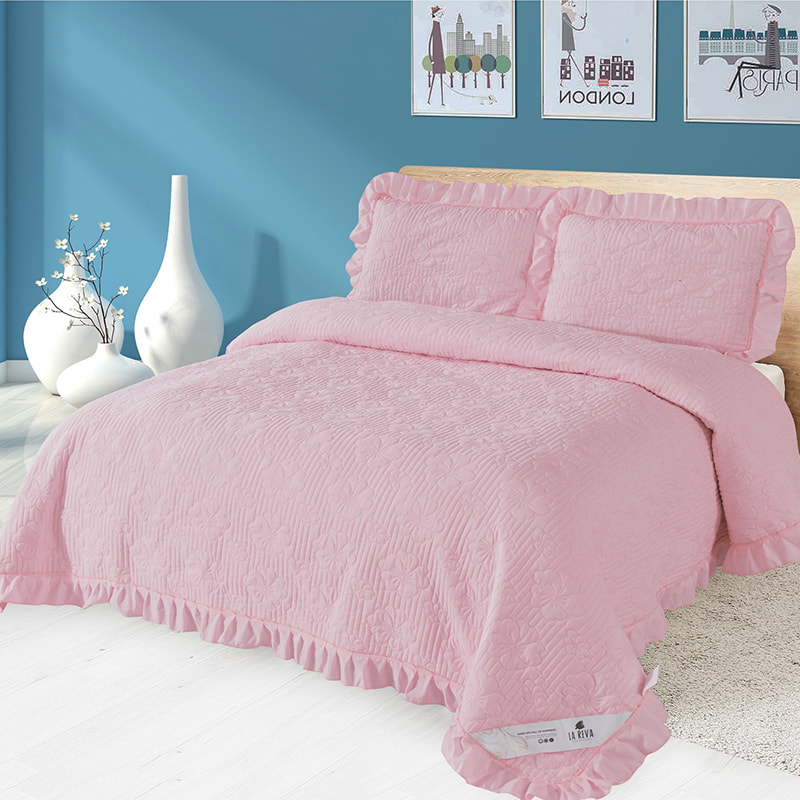
FunctionThin and light: The ultrasonic process does not create pinholes or quilting thread, and the fabric is thin and smooth.Strong decoration: Lace elements add an elegant and romantic sense, enhanc...
See Details -
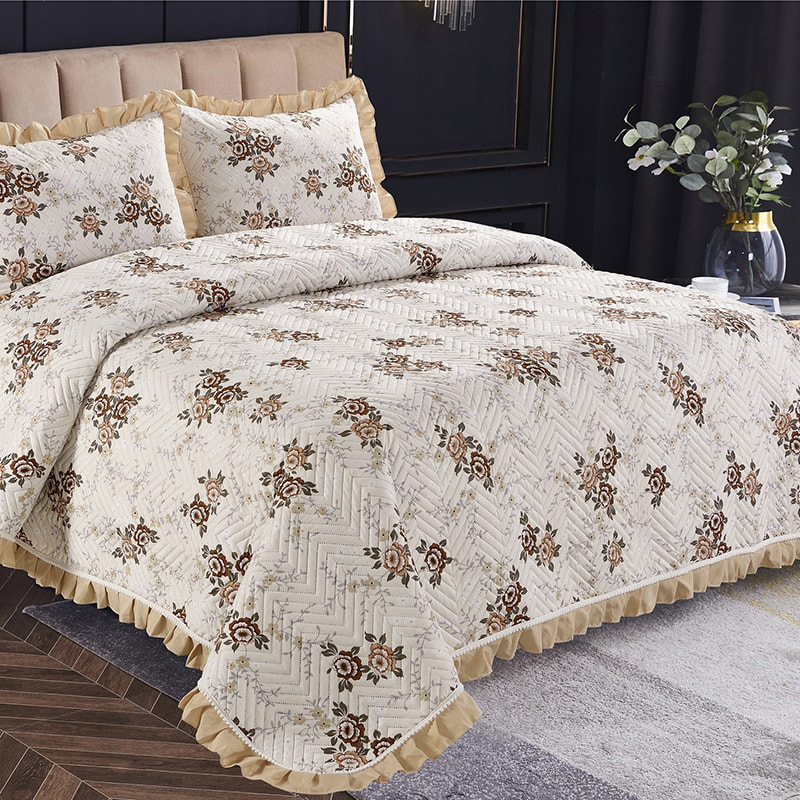
FunctionThin and light: The ultrasonic process does not create a pinhole or quilting thread, and the fabric is thin and smooth.Strong decorative: Print patterns add a sense of art and design, enhancin...
See Details
