

 English
 Español
 عربى
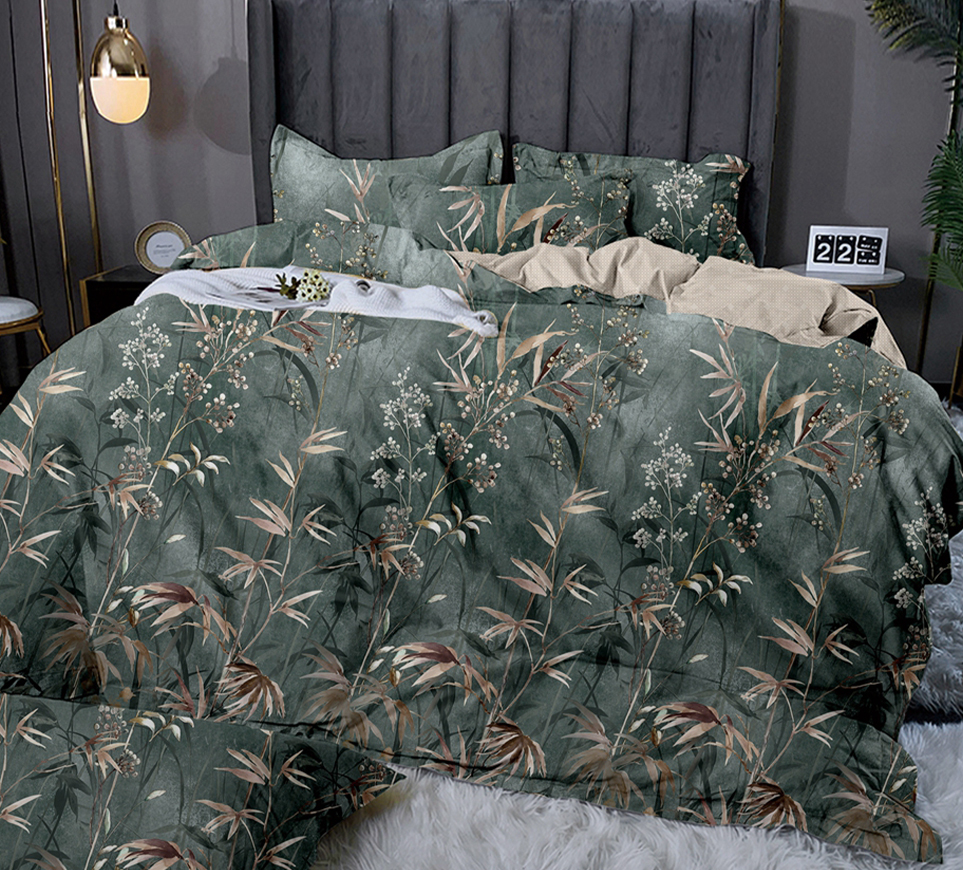
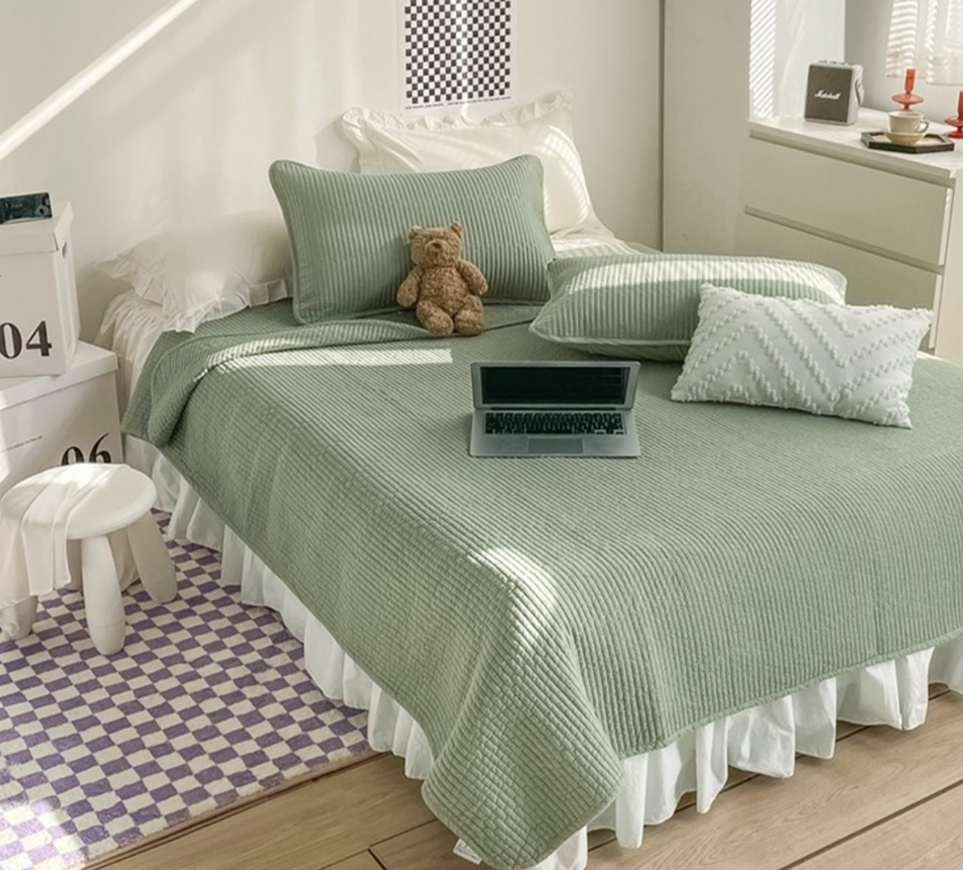

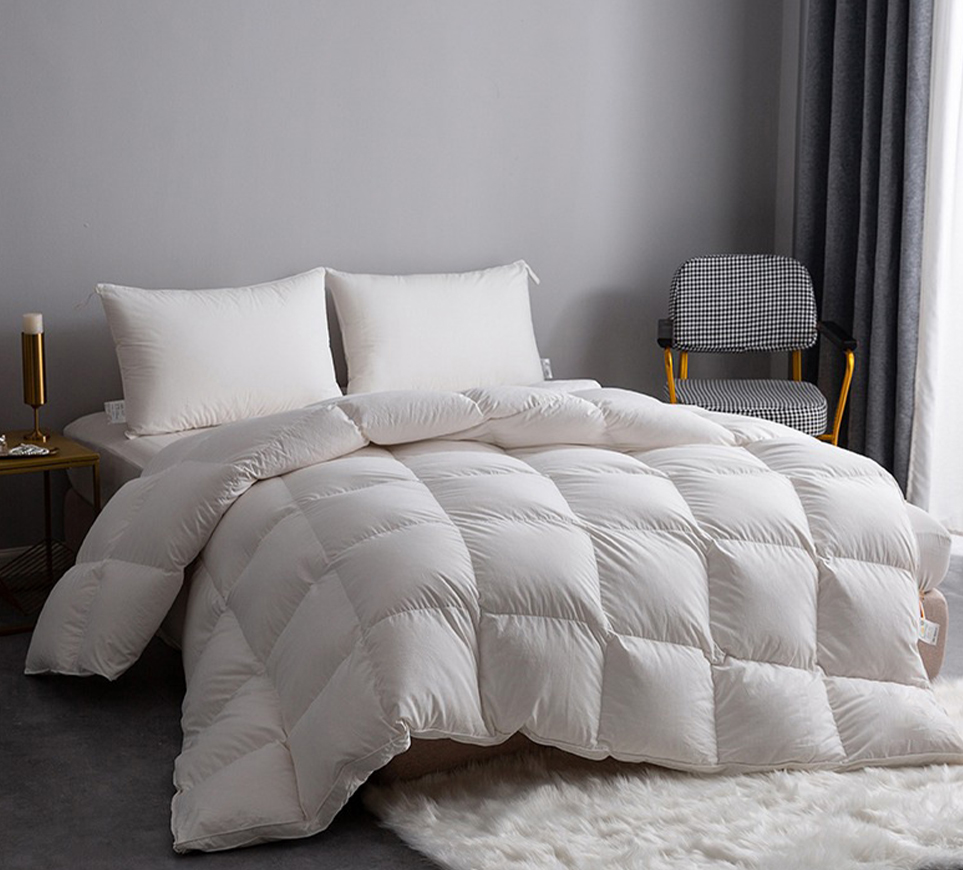
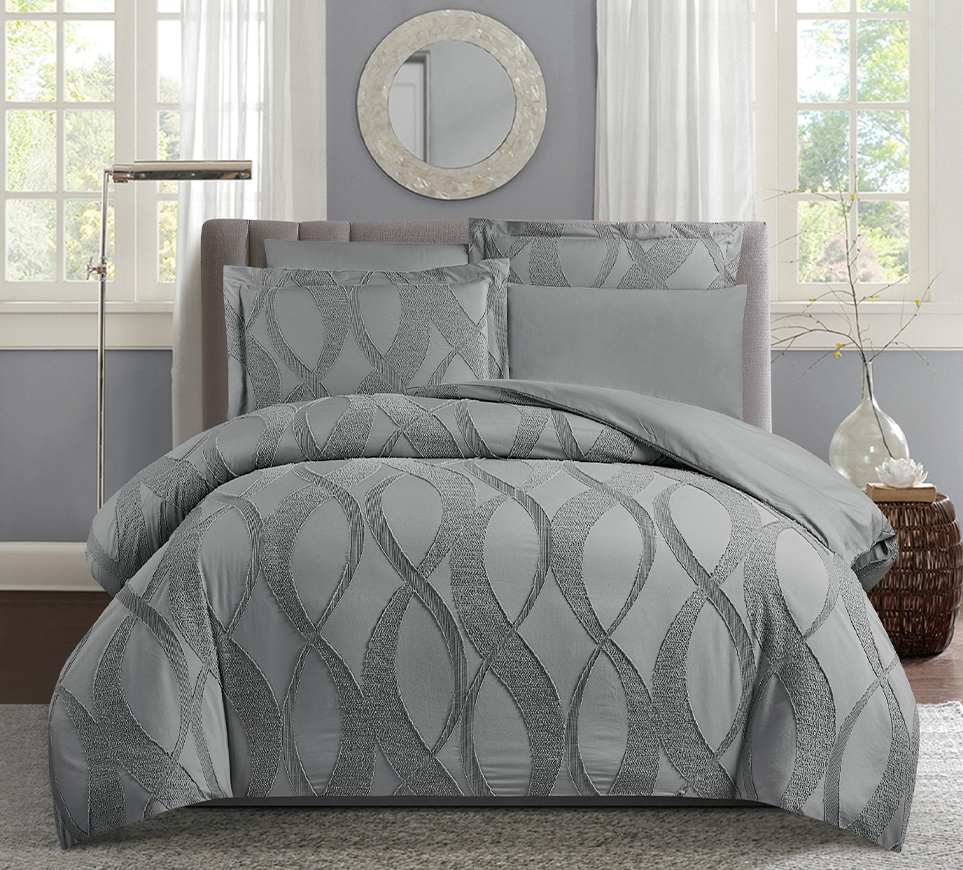
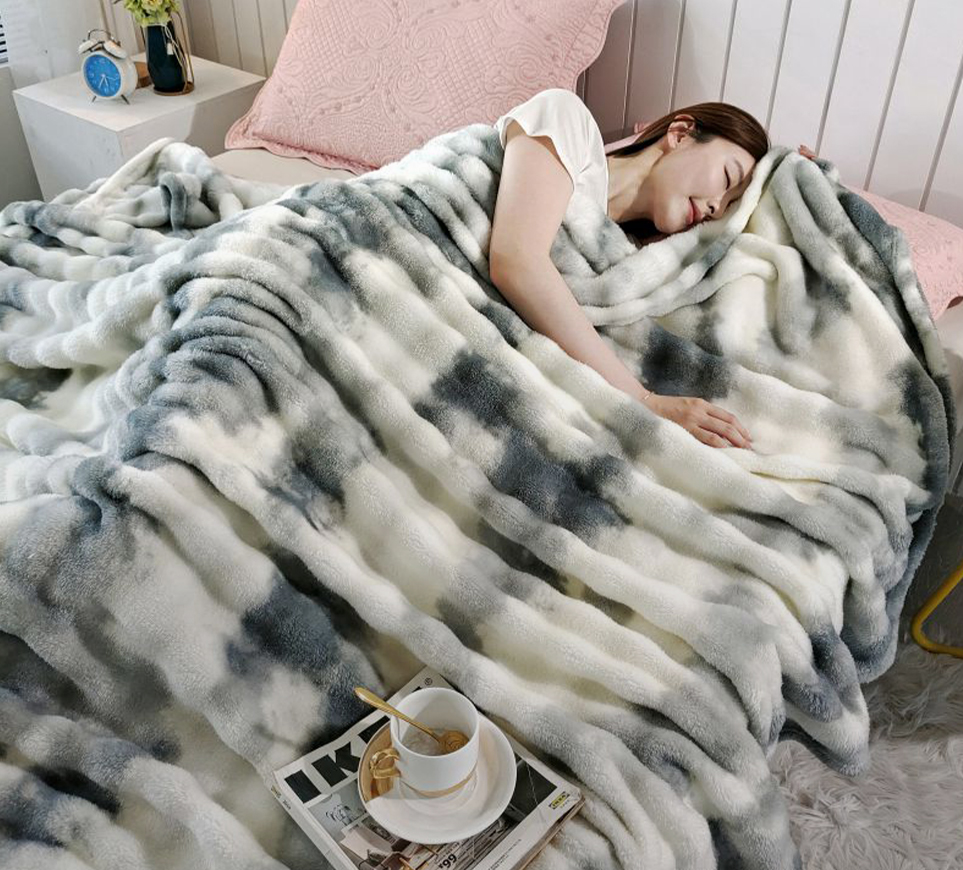
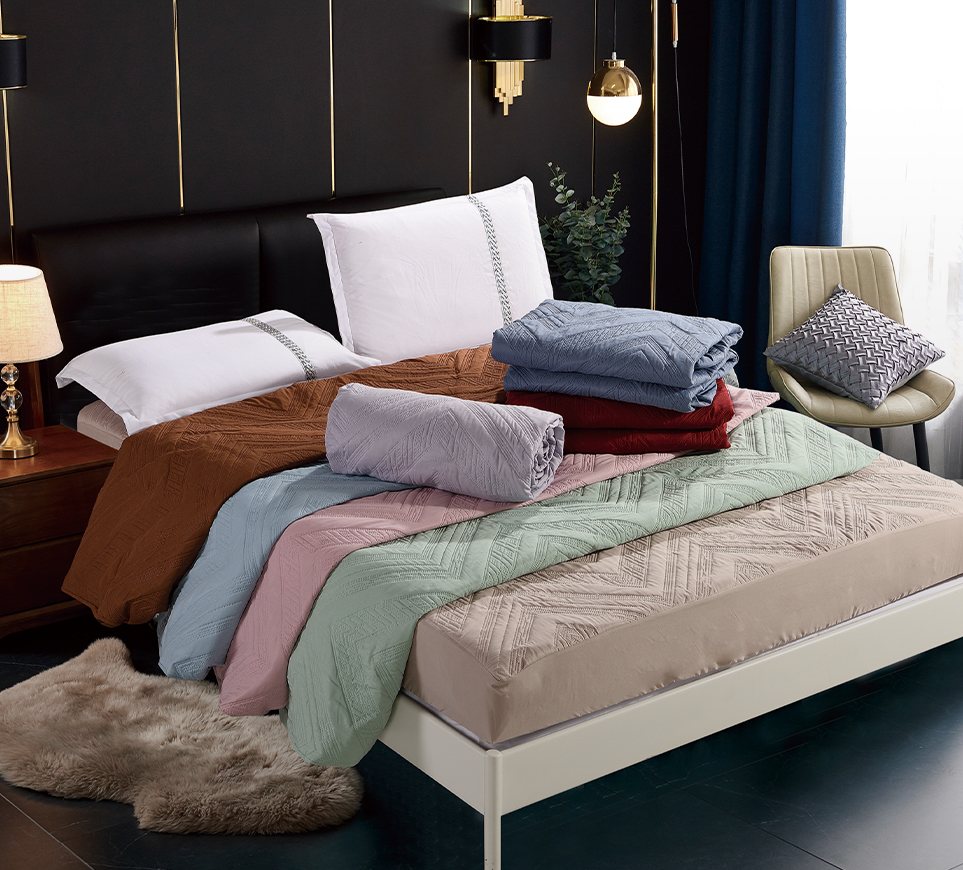

FunctionFast dry and easy to care: Not easy to shrink, no ironing and anti-wrinkle, fast drying after machine washing.Durable and fade resistant: Strong wear resistance, high color fastness, long-term...
See DetailsWhy Choose Us?
Established in 2008, with a 3,000m² professional factory, over 50 employees, and 5 departmental managers.

Coming From China, Marketing To The World.
Wall Light and Bedding Comfort: A Practical Guide for Hotel and Home Buyers
Nov 17, 2026
Content
- 1 Why a Wall Light Decides How Your Bedding Actually Looks
- 2 Matching Wall Light Colour Temperature to Bedding Tone
- 3 Fabric, Sheen and How the Wall Light Hits the Bed
- 4 Wall Light Placement: The Numbers That Matter for Bedding
- 5 What Hotel and Wholesale Buyers Should Specify First
- 6 A Sourcing Checklist for Bedding Under Any Wall Light
- 7 FAQ: Wall Light and Bedding Questions Buyers Ask Most
- 7.1 Does a wall light really change the colour of bedding?
- 7.2 What colour temperature should a bedroom wall light be?
- 7.3 What colour rendering index should I specify near the bed?
- 7.4 Can I use a 4000 K wall light with cream bedding?
- 7.5 How high above the bed should a wall light be mounted?
- 7.6 Which bedding fabric hides wrinkles best under a wall light?
- 7.7 Can bedding be custom-made to suit a specific lighting scheme?
A 120-room hotel refurbishment usually runs in the wrong order. The wall light goes in first, because the electrician is on site and the wall is already open. The bedding arrives six weeks later, and the first finished room looks wrong: the "optic white" sheets read grey, the quilted bedcover looks flat, and housekeeping gets blamed for a colour problem that actually started with a 3000 K bulb and a beam angle nobody measured.
The short answer is this: a wall light and a set of bedding are one decision, not two. Fix the colour temperature and the beam direction first, then choose the linen. If the linen is already approved, ask your supplier what light the fabric was designed to sit under, because that single detail decides whether the bed reads crisp, creamy, or tired.
Nantong Noble International Trade Co., Ltd. has been designing, producing and packing home textiles since 2008, working from a 3,000 square metre plant with more than 50 staff and an annual capacity of roughly three million sets. Over that time we have shipped bed sheet sets, bedcovers, quilts, blankets and dedicated hotel linen to buyers in many markets, and the same question keeps coming back from purchasing teams: why does the same white sheet look better in one property than another? The wall light is almost always part of the answer.
Why a Wall Light Decides How Your Bedding Actually Looks
Two numbers do most of the work. The first is colour temperature, measured in kelvin. A 2700 K lamp is warm and slightly amber. A 4000 K lamp is neutral, close to a bright overcast sky. Put the same white sheet under both and you are looking at two different products, even though nothing about the fabric has changed.
The second number is colour rendering, or CRI. A cheap LED with a CRI around 70 will make white cotton look faintly grey-green and will flatten every warm tone in a printed design. A CRI of 90 or above lets the natural warmth of cotton and the depth of a digital print come through. Buyers rarely ask for this figure, and it is one of the most common reasons a sample that looked beautiful in a showroom looks dull in a real room.
Angle matters just as much as colour. A wall light mounted beside or above a headboard throws light across the bed at a shallow, grazing angle. That kind of light exaggerates texture. It shows every weave line, every fold, and every wrinkle that a flat ceiling light would simply hide. On a matte plain weave it reads as softness. On a high-sheen sateen it reads as a bright horizontal stripe where the fabric catches the beam.
This is why bedding that performs well in a photo studio can disappoint in a guest room. Studio softboxes light fabric from several directions at once. A single wall light does the opposite: it makes one strong, directional statement. Quilting stitches cast small shadows that either look handcrafted or look messy, depending on the density of the stitch and the height of the fixture. Printed designs shift too, because a warm lamp pushes blues toward grey and turns clear reds into brown.
A wall light does not simply brighten a bed; it decides which qualities of the bedding the guest is able to see at all.
Matching Wall Light Colour Temperature to Bedding Tone
Most bedroom wall lights on the market sit between 2700 K and 4000 K, and each band flatters a different family of bedding tones. The chart below places the common options on one scale so that a purchasing team can compare them at a glance instead of guessing from a catalogue photo.
The bar length shows where each colour temperature falls across the range; the note on the right shows which bedding surfaces tend to look best under it.
Where common bedding tones sit on the wall light colour temperature scale
2700 K
warm white
warm white
Ivory, cream, brushed cotton, milk velvet
3000 K
soft warm
soft warm
Standard hotel white, polycotton, 40s cotton
3500 K
neutral warm
neutral warm
13372 pure cotton, sateen, printed florals
4000 K
neutral
neutral
Crisp white polyester, sharp digital prints
5000 K
cool daylight
cool daylight
Better for corridors than for headboards
A 3000 K wall light gives a 13372 pure cotton sheet a faintly creamy cast that most guests describe as cosy, which suits boutique properties and residential bedrooms. Move the same sheet to 4000 K and it reads clean and slightly clinical, which is often exactly what a business hotel wants. Neither is wrong; the mistake is mixing the two on the same floor.
Watch for the jump between rooms. If the bathroom is fitted at 4000 K and the bedroom at 2700 K, guests feel the change without being able to name it, and the bedroom can seem dim by comparison. Consistency across a floor costs nothing at the specification stage and saves a lot of awkward conversation later.
Buyers who are also tracking where the wider market is heading will notice that neutral tones are spreading from commercial projects into residential ranges, which is one of several shifts covered in our notes on trends shaping the home textile market. The practical takeaway is simple: choose the colour temperature your guests will actually live with, and order the bedding to match it.
Pick one colour temperature for the whole guest floor, then buy bedding that was approved under that exact light.
Fabric, Sheen and How the Wall Light Hits the Bed
Sheen is the quality buyers underestimate most. Polyester has a light, natural gloss that behaves well under diffuse light but produces a visible highlight band when a wall light grazes it from the side. If the fixture sits close to the mattress and low on the wall, that band can run the full width of the bed, and it will show up in every guest photo.
Matte weaves forgive far more. A 12868 plain weave pure cotton has a soft, low-reflectance surface that scatters a directional beam instead of bouncing it, so wrinkles soften and the overall impression stays calm. A denser 13372 cotton is smoother and holds a crisp fold better, which makes it a natural choice for properties that want a tailored, hotel-like look under a neutral 3500 K to 4000 K light.
Tencel is the exception worth planning around. A 50s or 60s sateen Tencel set has a genuine liquid sheen that looks luxurious under a warm 2700 K to 3000 K lamp, but under a cooler light the same sheen can look glassy. The fabric has not changed; the wall light has simply picked out a property that was always there.
Printed designs need their own check. Digital prints are usually colour-matched under a standard viewing light, so a warm bedroom lamp will pull blues toward grey and deepen reds. Before approving a bold floral, view the strike-off under the actual fixture rather than on a monitor.
| Bedding surface | Weave and finish | Under a 3000 K wall light | Under a 4000 K wall light | What to confirm |
|---|---|---|---|---|
| Polyester 90 gsm | Light plain weave, slight sheen | Whites warm slightly; prints soften | Bright and crisp; sheen line visible | Light fastness and print colour under both lamps |
| Polyester 160 gsm, 250 cm | Denser plain weave | Good body, less show-through | Clean, mildly reflective | Weight tolerance and pilling after repeated washing |
| Pure cotton 12868 | Plain weave, matte | Soft, warm white, forgiving | Clean white with visible natural texture | Shrinkage tolerance and dye lot consistency |
| Pure cotton 13372 | Denser plain weave | Bright but not harsh | Crisp, tailored, hotel-like | Thread density consistency across batches |
| Tencel 50s / 60s | Sateen, high sheen | Luxurious glow, creases softened | Can look glassy; creases stand out | Crease recovery and care label wording |
| Hotel polycotton | Plain weave, 40s | Classic warm hotel white | Neutral and hard-wearing in appearance | Blend ratio and expected wash cycles |
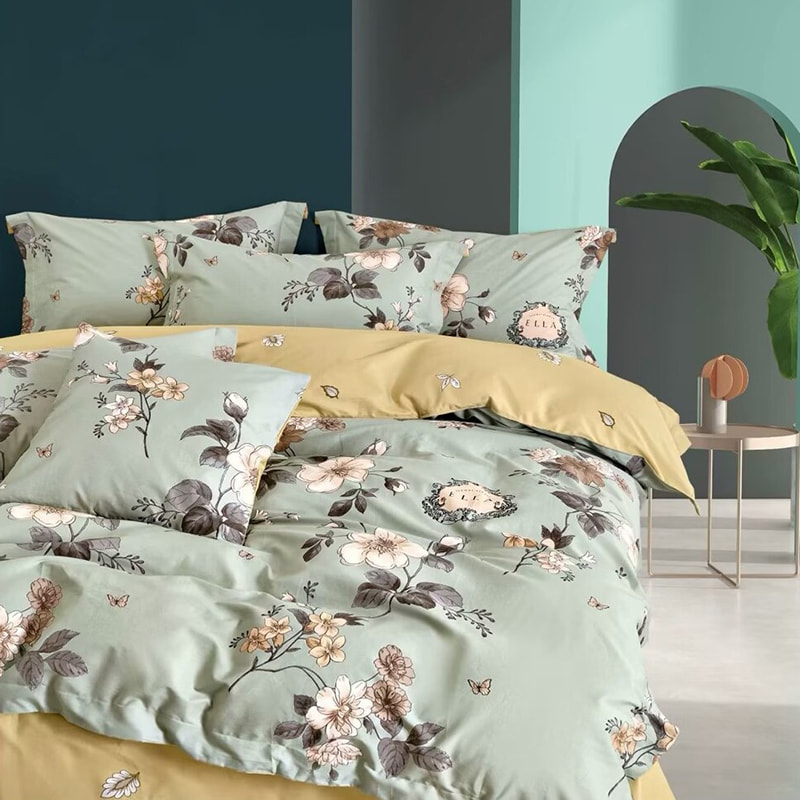 13372 Soft High-Density Pure Cotton Bed Sheet SetSoft, breathable high-density cotton bedding with fine print and embroidery suitability, useful for buyers comparing everyday comfort and colour-fastness before approving printed designs.View Product →
Bedcovers and quilts follow the same logic. A quilted bedcover with a shallow stitch reads as texture under a low wall light, while a deep stitch throws shadows that can look uneven across a room. Ultrasonic and quilted constructions behave differently again, because a bonded surface reflects light more evenly than a stitched one. If the fixture is already fixed and cannot move, choose the flatter surface — this is where a supplier who can offer both quilted and ultrasonic constructions in the same colour story becomes genuinely useful.
Where the fixture cannot be repositioned, a matte, denser weave will always look more expensive than a high-sheen one under the same lamp.
Wall Light Placement: The Numbers That Matter for Bedding
Most bedding complaints that get blamed on fabric are really placement problems. These are the measurements worth writing into the lighting drawing before the walls are closed up.
- For a reading wall light, mount the fixture 600 to 750 mm above the top of the mattress, measured on the mattress the property will actually use.
- For a purely ambient wall light, a height of 1.2 to 1.5 m from the finished floor usually gives a softer wash across the bed.
- Keep the fixture at least 150 mm outboard of the headboard edge, and measure from the bed frame if the headboard is wider than the mattress.
- Allow 400 to 600 mm either side of the pillow centre so two sleepers each get their own pool of light.
- Aim the beam down and slightly toward the mattress rather than across the sleeper's face or straight at the wall above the pillows.
- Specify dimming down to around 10 percent; a fixed full-output wall light beside a bed is almost always too bright.
- Keep the colour temperature identical in the bedroom, the corridor and the bathroom so the bedding reads the same everywhere.
- Put a switch within reach of the pillow, not only beside the door, or guests will leave the lamp on all night.
Once those numbers are settled, the fabric decision becomes easier. A grazing beam close to the mattress rewards a tighter, flatter weave. A higher, softer wash gives more freedom and makes brushed and peached finishes viable. Either way, the fixture and the bedding should be approved in the same room, at the same time, by the same person.
Approve the wall light position before you approve the bedding swatch, not after the first room is finished.
What Hotel and Wholesale Buyers Should Specify First
The order of operations matters more than the size of the budget. Lighting specification comes first because it is the hardest thing to change once the walls are decorated. Bedding specification comes second, because a textile order can be adjusted, re-sampled or re-coloured far more cheaply than a lighting circuit.
Build one sample room before committing the full programme. Install the final fixture, dress the bed with the intended linen, and photograph the room at night with the wall light on. A photograph taken under the real lamp is the single most useful document in the whole approval pack, because it settles arguments between the design team, the operator and the purchasing team faster than any swatch book.
Then write the details into the purchase order. State the colour temperature and colour rendering index of the light under which the bedding was approved. State the fabric weight in gsm and the width in centimetres, since a 235 cm and a 250 cm polyester sheet set can look identical in a photograph but drape very differently on a king bed. State the shrinkage tolerance and the light fastness requirement, and agree on carton marking and shipping marks up front so the receiving team is not guessing at the loading bay.
For larger programmes, capacity and scheduling become the constraint. With a 3,000 square metre facility, more than 50 staff and an annual output of roughly three million sets, a bedding manufacturer can normally absorb a phased rollout across several hundred rooms without stretching lead times. Smaller trials are equally workable: most suppliers will produce a limited sample set in a specific fabric, size and colour so that a buyer can test the linen against the real wall light before scaling up.
 Solid Pure Cotton Hotel Bed Sheet SetSkin-friendly, breathable pure cotton hotel sheets with high-density durability and colour fastness, suited to high-frequency cleaning and custom material, size and colour requests.View Product →
 Solid Hotel Linen Quilted Comforter SetModerately filled solid-colour comforter set with breathable fabric, easy-care performance and bulk-buy cost efficiency for phased hotel room rollouts.View Product →
Custom work is where a direct manufacturer relationship pays off. When a property wants a specific off-white to sit under a 3000 K lamp, or a slightly heavier cotton so the sheet still looks substantial after fifty industrial washes, that conversation belongs with the mill and the sewing line, not with a trading intermediary. Material, size and colour can be adjusted to the client's reference, and a photo of the target product is usually enough to start a quotation.
Wholesalers and importers have a slightly different checklist. They need a bedding supplier who can hold a colour story across several product families — sheet sets, bedcovers, quilts and blankets — so that a retail floor reads as one collection under one light. That consistency across categories is often harder to find than a low unit price.
Put the light specification on the bedding purchase order; it is the cheapest quality control step in the entire project.
A Sourcing Checklist for Bedding Under Any Wall Light
Use this sequence on the next project, whether it is a single residential bedroom or a multi-hundred-room rollout.
- Record the wall light colour temperature and colour rendering index before any bedding swatch is approved.
- Ask for a physical swatch, not a screen image, and view it under the actual fixture at night.
- Tilt the swatch to about 30 degrees from the beam and check for a sheen band; if one appears, consider a matte weave.
- Confirm gsm and fabric width in writing, and check that the tolerance is stated numerically rather than as "approximately".
- Request light fastness data, particularly for saturated digital prints that will sit close to a warm lamp.
- Agree shrinkage tolerance and washing instructions, then test one set through the property's real laundry process.
- Dress one sample room, photograph it under the final lighting, and get written sign-off from everyone who will complain later.
- File the approved swatch together with the lighting specification so that a repeat order two years later still matches.
The last point is the one that gets forgotten. A reorder placed against a swatch with no light reference attached is only half a specification, and that is how a second batch ends up looking "different" when the fabric is in fact identical.
Archive the approved swatch and the lamp specification together, and every future reorder starts from a known baseline.
FAQ: Wall Light and Bedding Questions Buyers Ask Most
Does a wall light really change the colour of bedding?
Yes, noticeably. Bedding has no fixed appearance of its own; it only reflects the light that reaches it. A warm 2700 K lamp adds amber to white cotton, while a 4000 K lamp keeps it neutral. The fabric is identical in both cases, but a guest would describe the two rooms differently.
What colour temperature should a bedroom wall light be?
For cream, ivory and brushed bedding, 2700 K to 3000 K usually flatters the fabric most. For crisp white cotton or polyester in a business hotel, 3500 K to 4000 K keeps the bed looking clean and tailored. The important rule is to keep the same colour temperature across the whole guest floor.
What colour rendering index should I specify near the bed?
Aim for 90 or above if budget allows, and treat 80 as a floor. Below that, white cotton starts to look grey-green and printed designs lose depth. Colour rendering is rarely printed on a lamp box, so ask the lighting supplier directly.
Can I use a 4000 K wall light with cream bedding?
You can, but expect the cream to read closer to a cool beige and the room to feel less warm. If the bedding is already approved in cream, a 3000 K lamp will usually preserve the tone the designer intended.
How high above the bed should a wall light be mounted?
For reading, 600 to 750 mm above the mattress top works for most bed heights. For ambient wall washing, 1.2 to 1.5 m from the finished floor is a sensible starting point. Always measure against the mattress the property actually uses, not a standard尺寸 from a drawing.
Which bedding fabric hides wrinkles best under a wall light?
Matte, denser plain weaves generally perform best, and brushed or peached finishes scatter a grazing beam rather than reflecting it. High-sheen sateen looks luxurious under warm light but will show every crease when the beam hits it from the side.
Can bedding be custom-made to suit a specific lighting scheme?
Yes. As a home textile manufacturer working directly with buyers, we regularly adjust material, size and colour to a client's reference, including off-white tones chosen to sit under a particular lamp. Sharing a photo or a physical sample is usually the fastest way to start.
Light first, linen second — the sequence solves most colour, texture and reorder problems before they reach the guest room.
A wall light is a small line item in a construction budget and a large influence on how a bed is perceived. The same sheet set can look premium or tired depending on two numbers and one angle, and none of those three things belongs to the fabric supplier alone. Bring lighting and bedding into the same conversation, approve them in the same room, and the result holds up for years rather than for one photograph.
If you are specifying bedding for a hotel, a retail programme or a distributor order, the most useful next step is a physical swatch viewed under your own lamp — not a catalogue image.
Explore our bedding and hotel linen collections
Related products
-
-
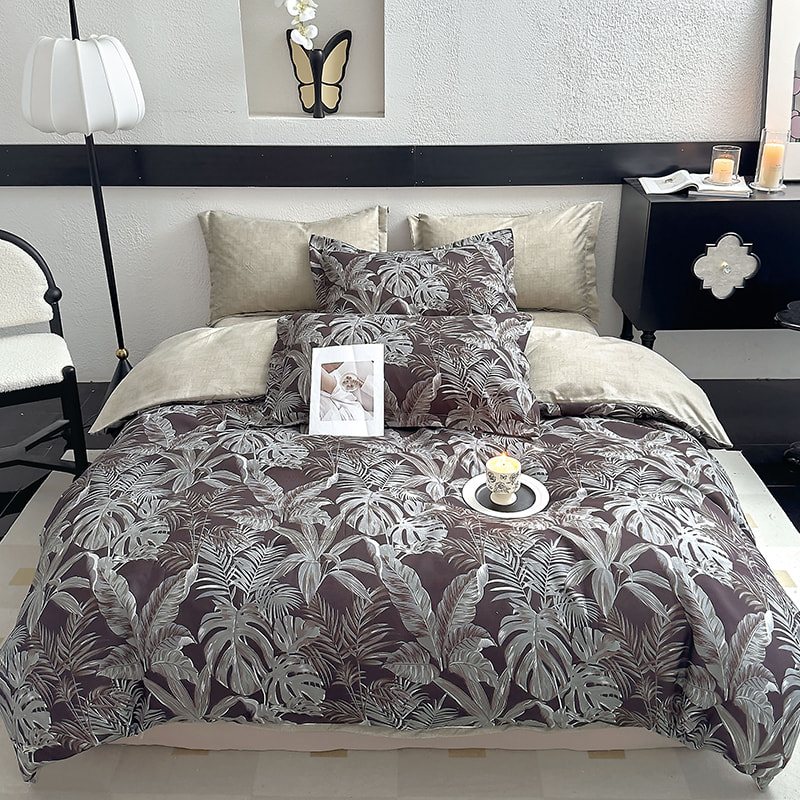
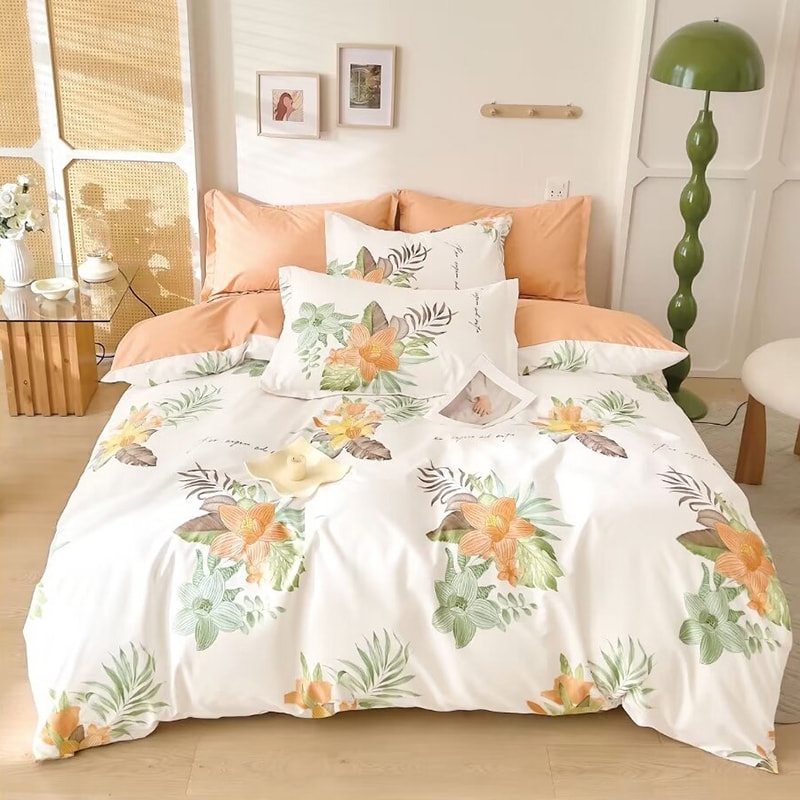
FunctionFast drying and easy to take care of: Anti-shrinkage and no ironing, fast drying after machine washing, simplified daily care.Durable color protection: High wear resistance and color fastness,...
See Details -
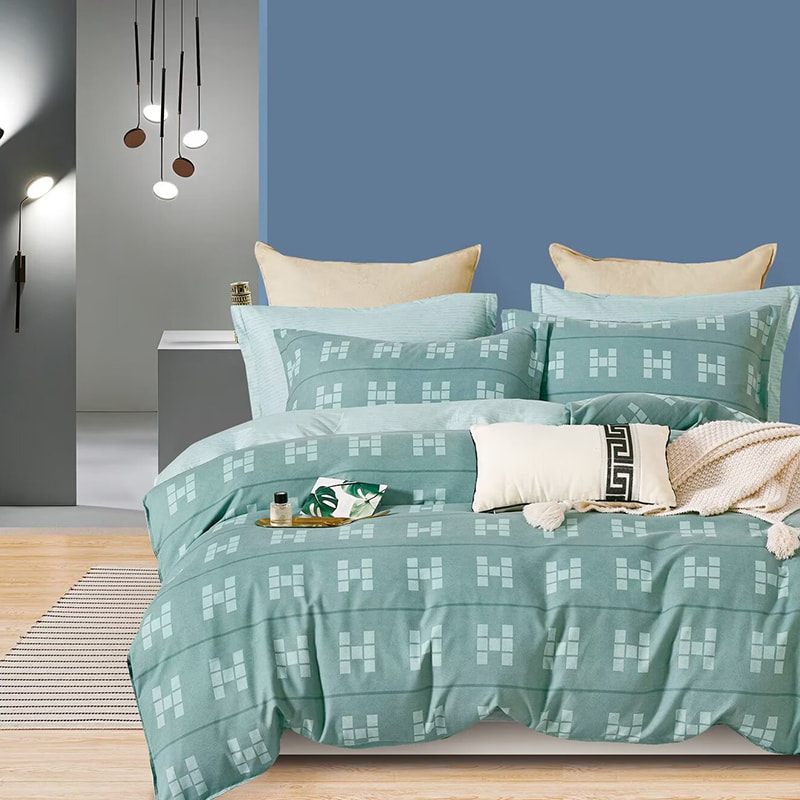
FunctionStrong warmth: High gram weight provides good insulation performance, suitable for low-temperature environments.Durable anti-wrinkle: High-density structure wear and tear resistance, not easy ...
See Details -

FunctionSkin-friendly breathable: Natural cotton fiber is soft and comfortable, good for breath, and suitable for the use of moisture.Absorption and perspiration: Good moisture absorption, keep dry bo...
See Details -
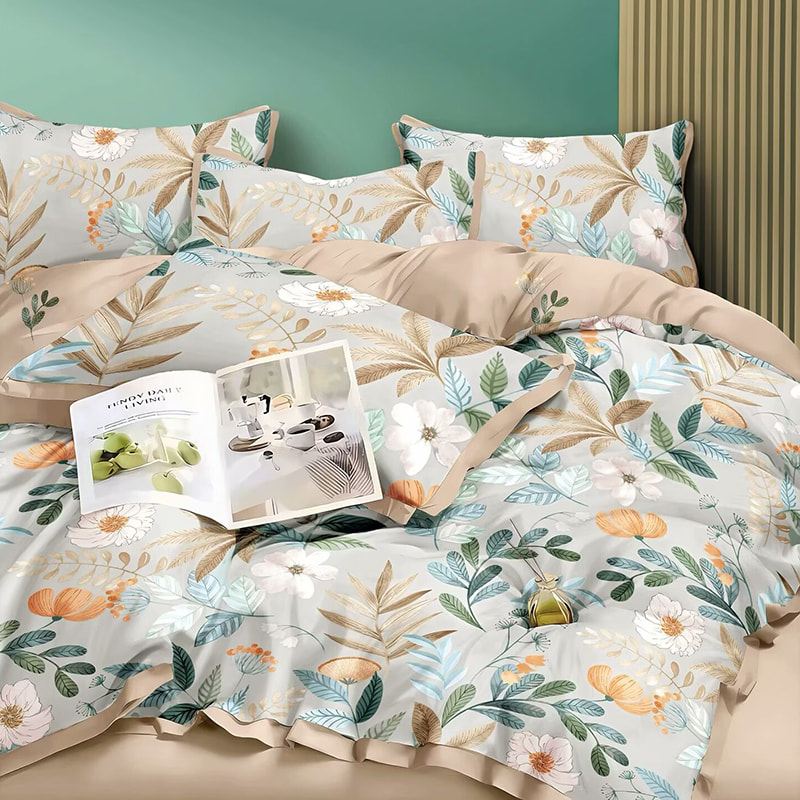
FunctionMore delicate and skin-friendly: Higher than 12868,13372, the fabric is more delicate and soft, the touch is better and more.Breathable: High-density cotton structure further improves moisture...
See Details -
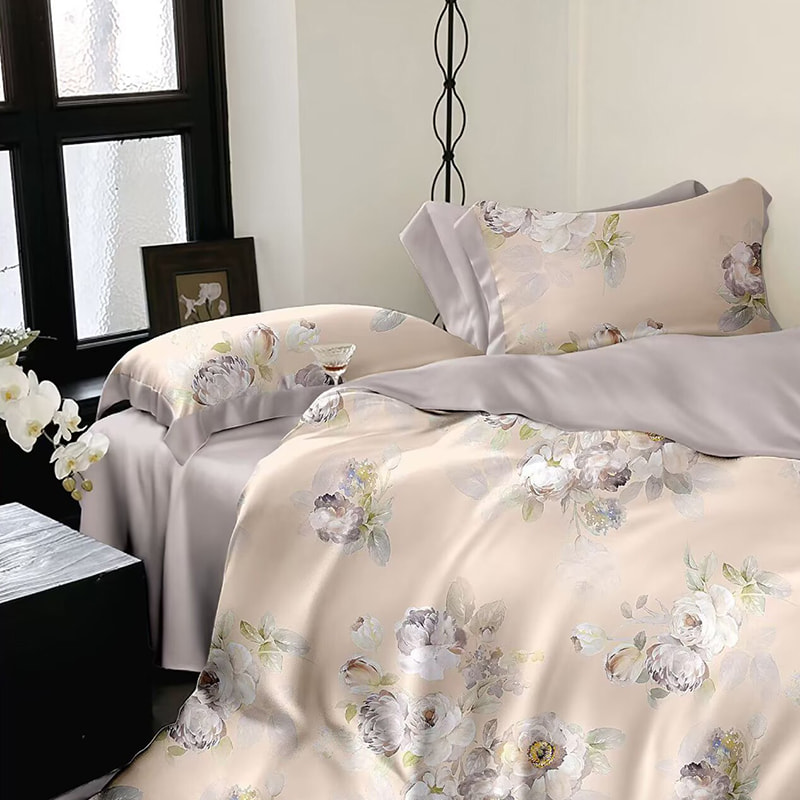
Function Extreme skin affinity: Day silk fiber is soft and smooth, touch like silk, suitable for close-fitting use of moisture. Absorption and breathability: moisture absorption and sweat performance,...
See Details -
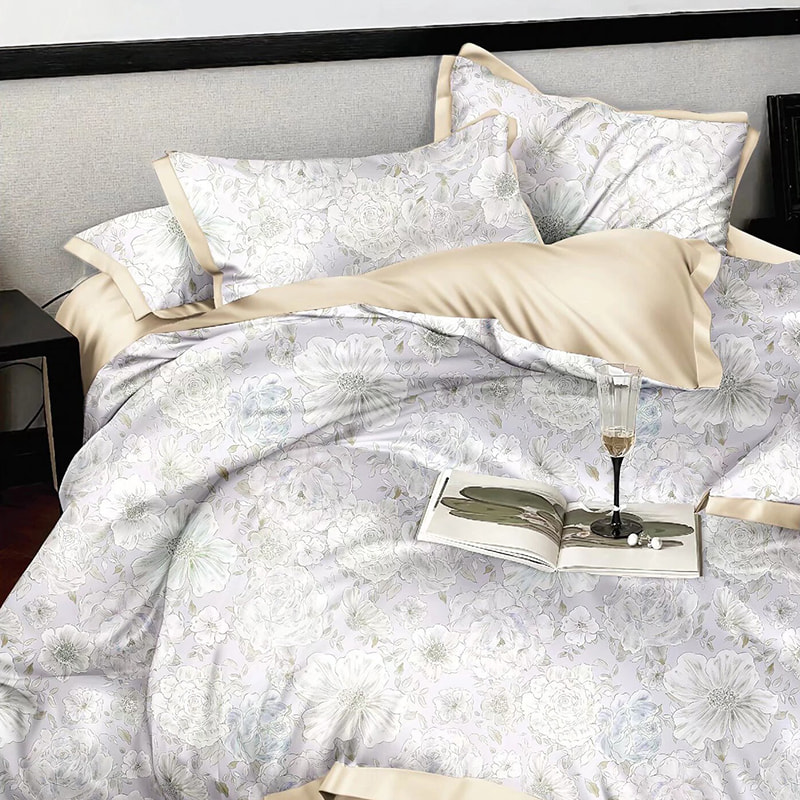
FunctionMore delicate and skin-friendly: Compared with 50S, 60S silk fiber is thinner, softer, smoother, more comfortable for close use, and more moisture absorption.Breathable: Higher branches improv...
See Details -
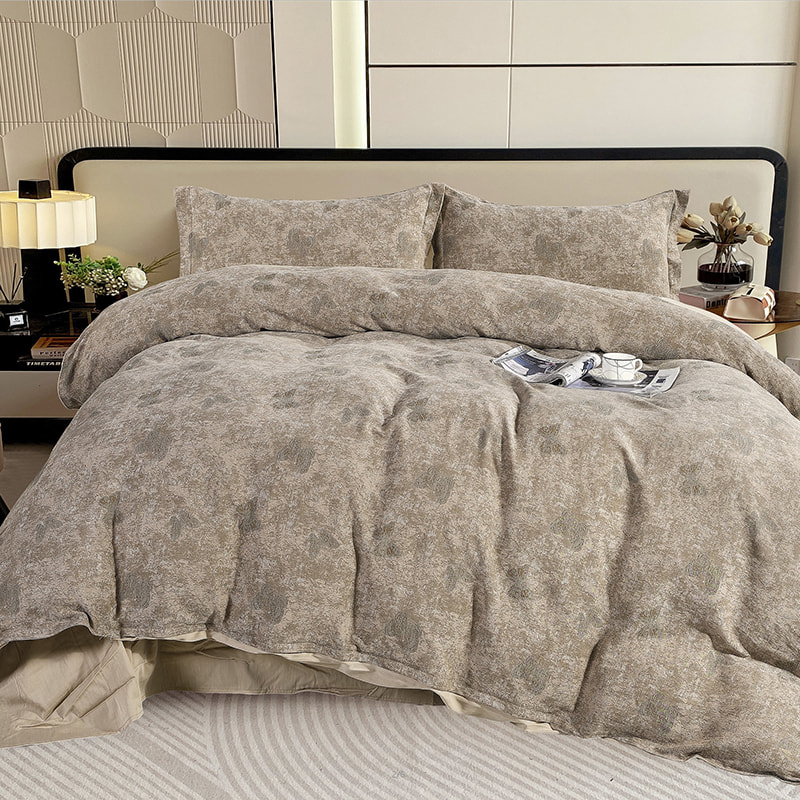
Function Luxury touch: The fiber is soft and smooth, and the jacquard process adds a three-dimensional texture. Touch like silk moisture absorption: moisture absorption performance keeps dry and comfo...
See Details -
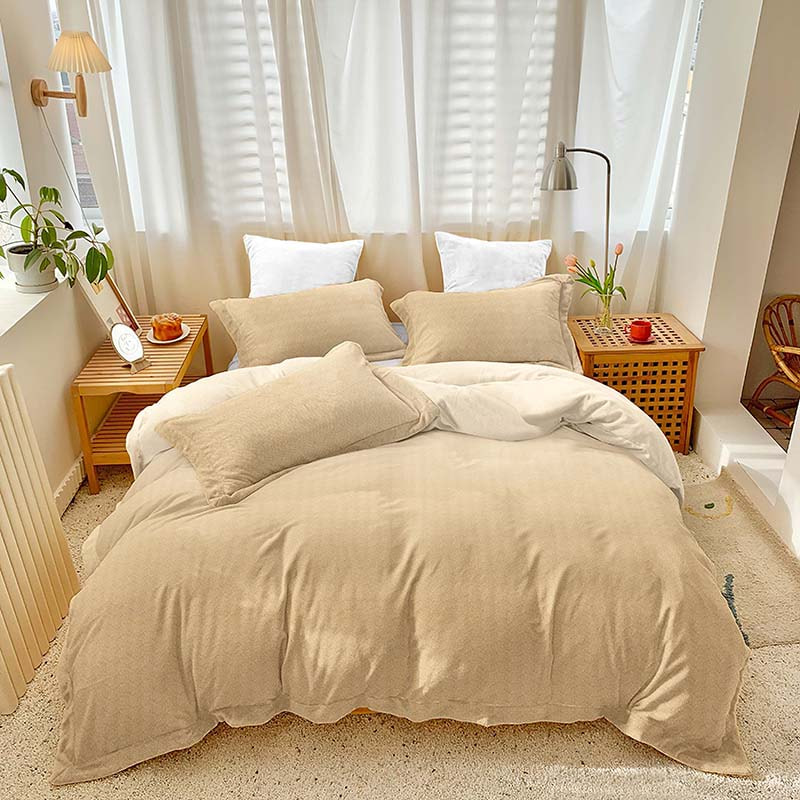
Function Fine pattern performance: Digital printing is higher precision than round net printing, richer color, more delicate pattern, fast dry.Easy to care: The polyester fiber characteristics are unc...
See Details -
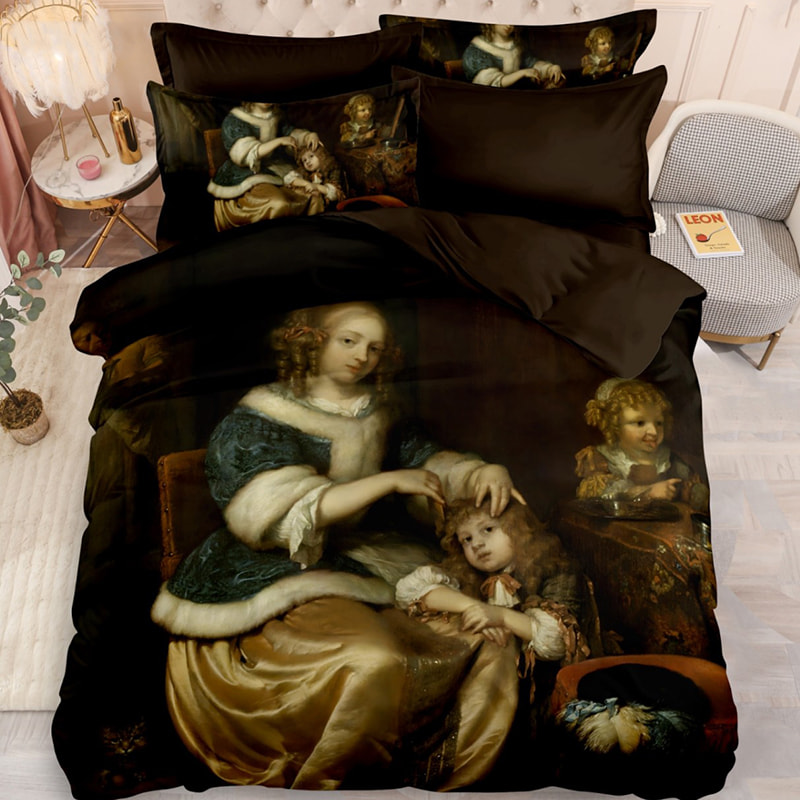
FunctionFine pattern performance: Digital printing is higher precision than round net printing, richer color, more delicate.Durable anti-wrinkle: 130g polyester fiber fabric has a vertical feeling, an...
See Details -
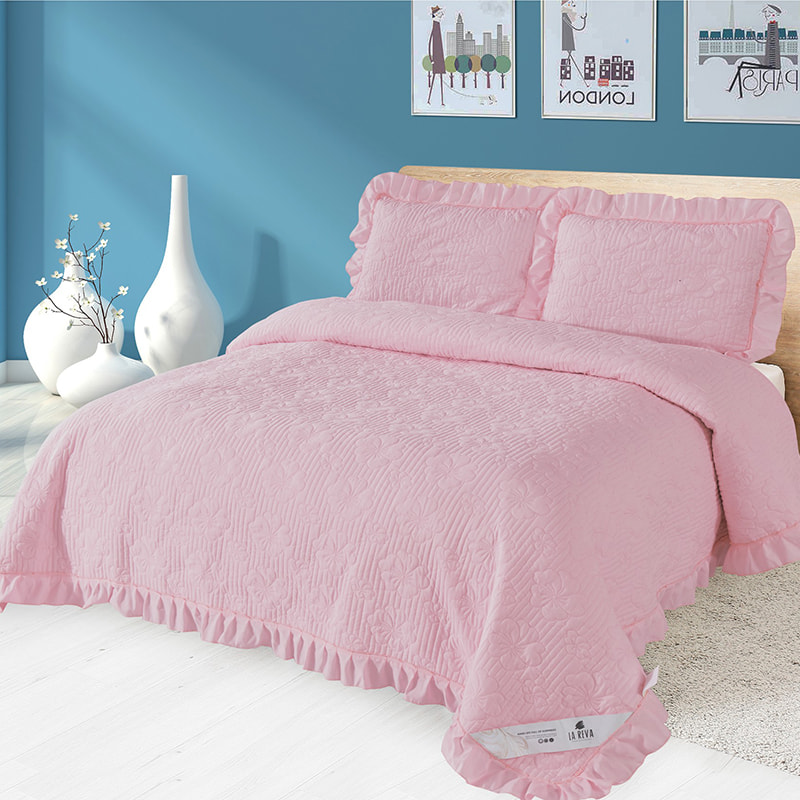
FunctionThin and light: The ultrasonic process does not create pinholes or quilting thread, and the fabric is thin and smooth.Strong decoration: Lace elements add an elegant and romantic sense, enhanc...
See Details -
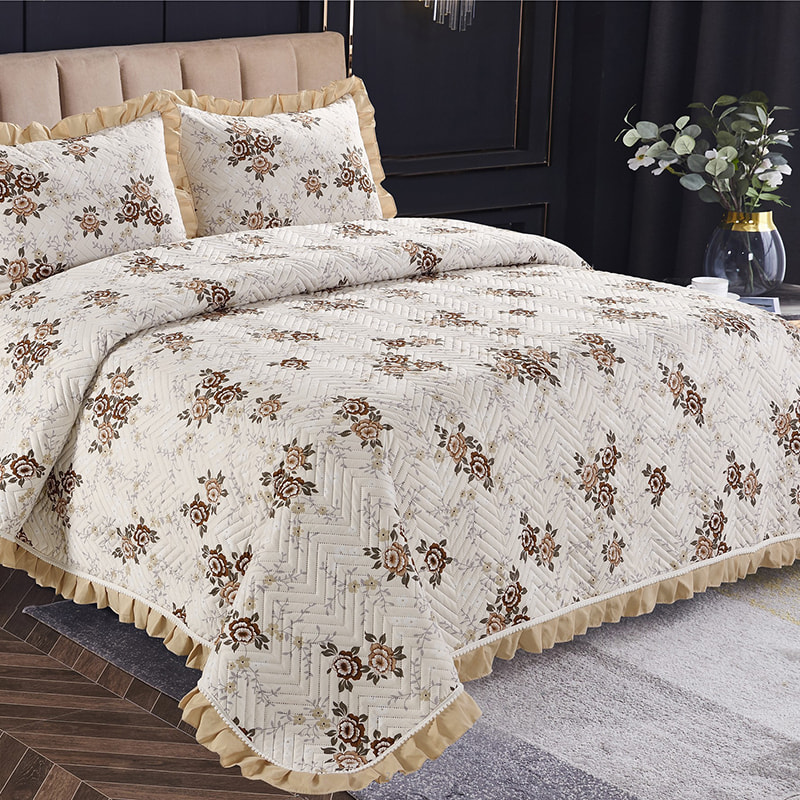
FunctionThin and light: The ultrasonic process does not create a pinhole or quilting thread, and the fabric is thin and smooth.Strong decorative: Print patterns add a sense of art and design, enhancin...
See Details
