

 English
 Español
 عربى
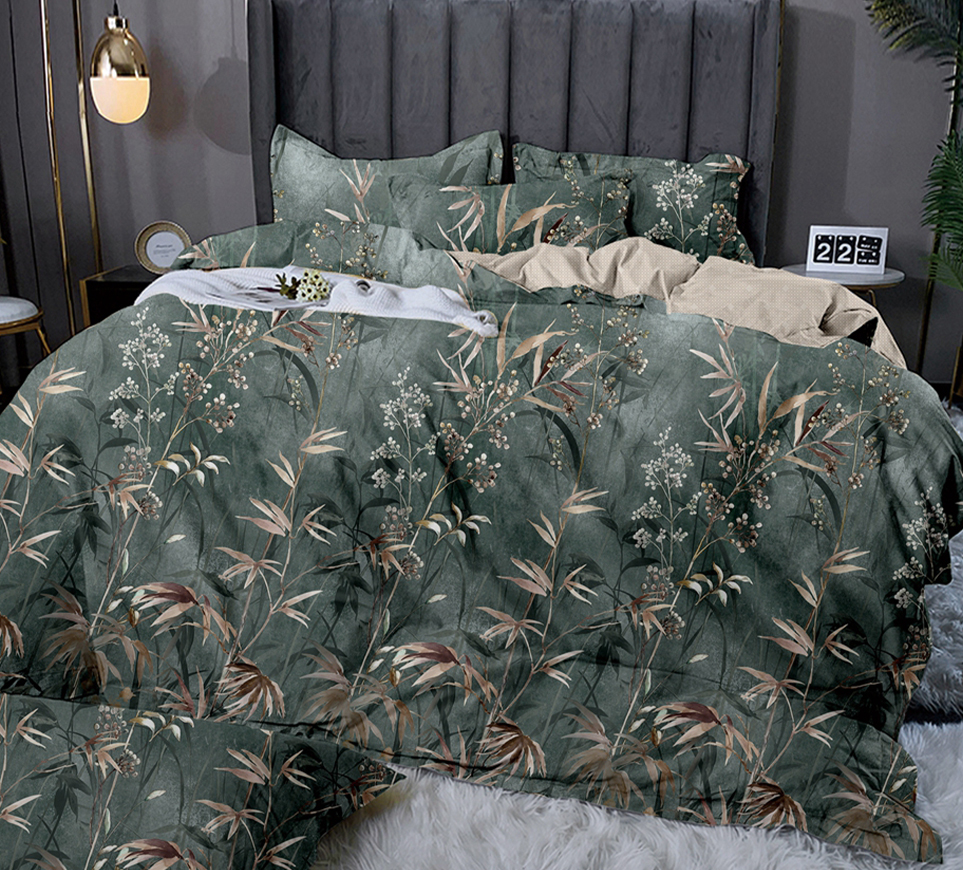
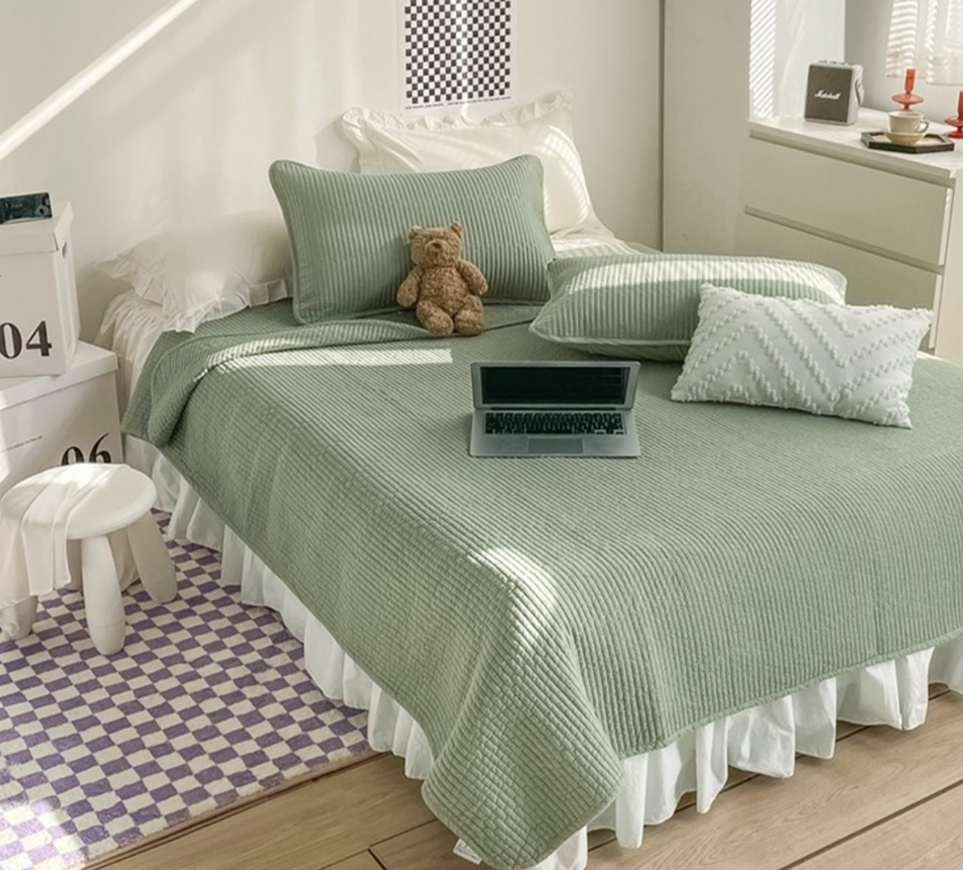
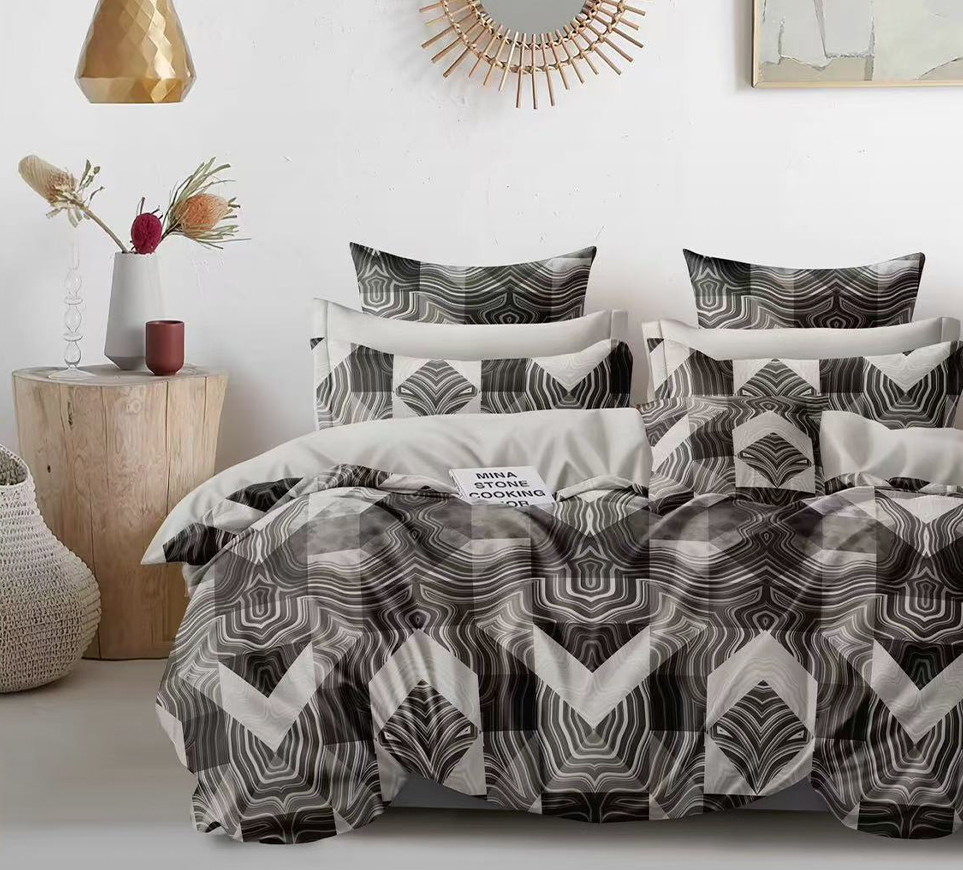
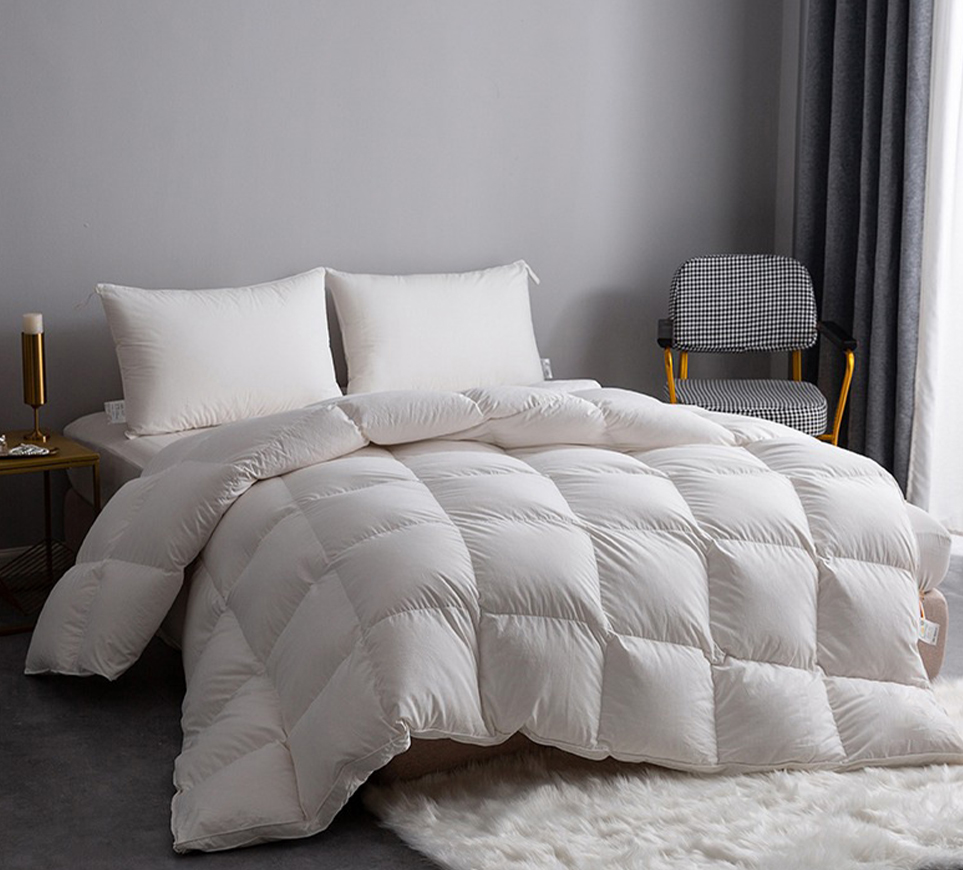
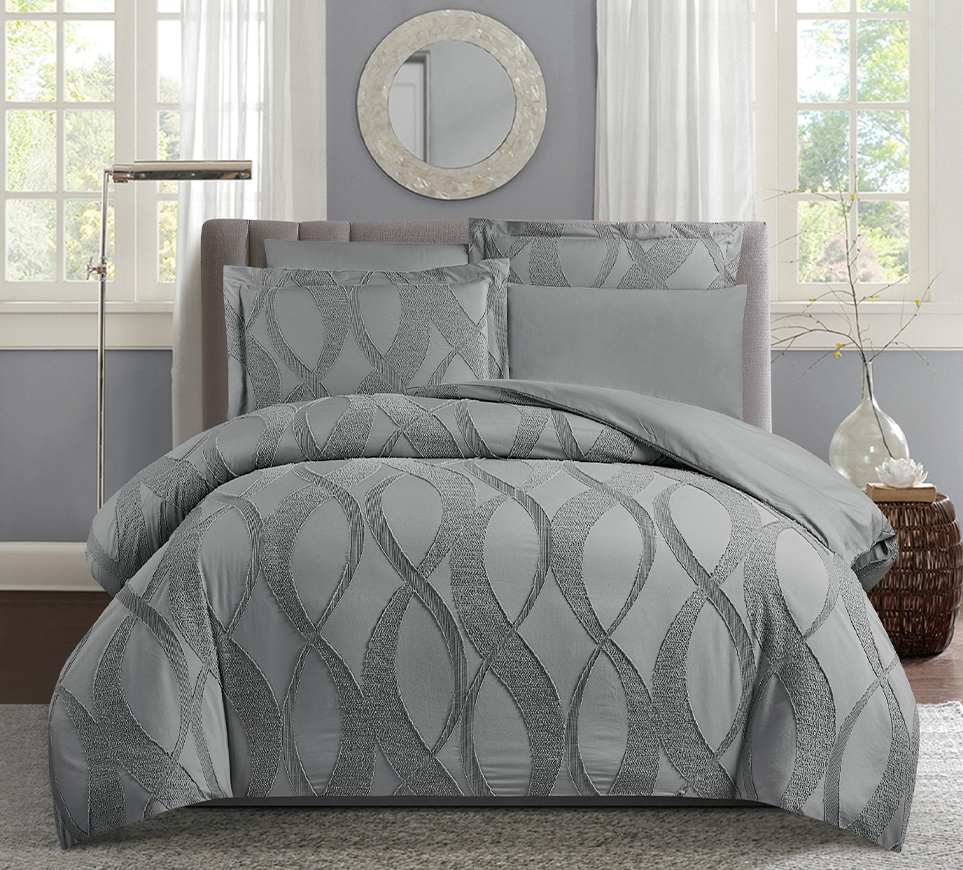
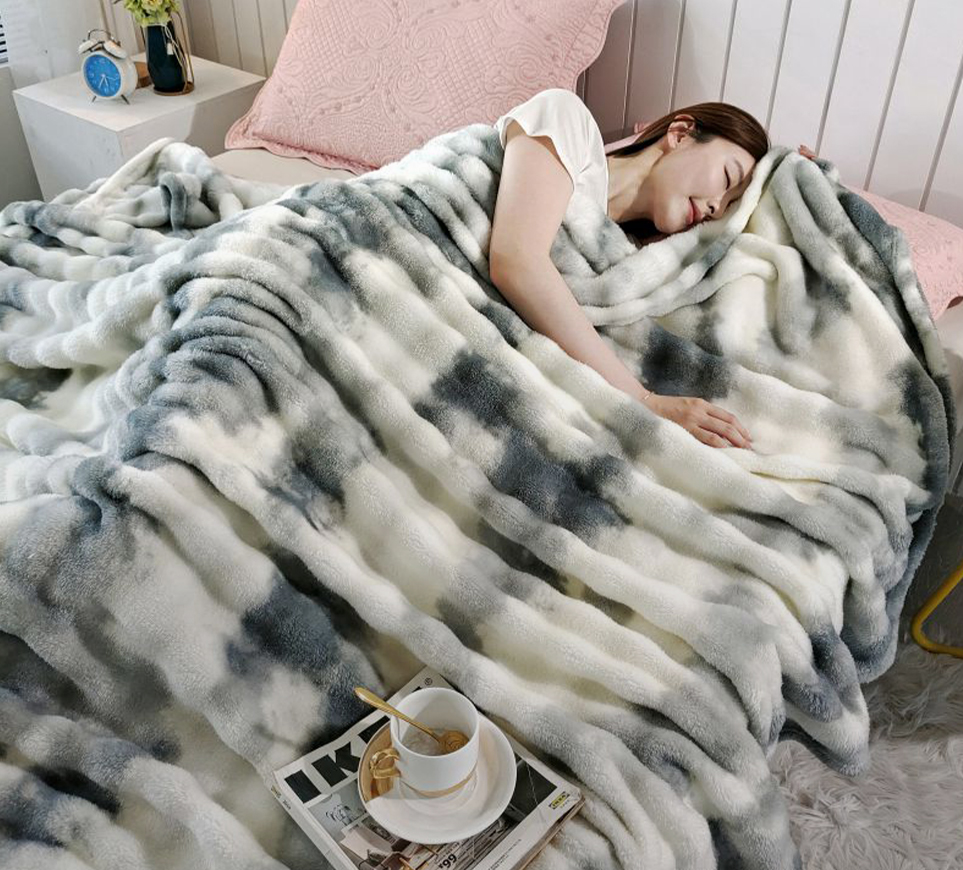
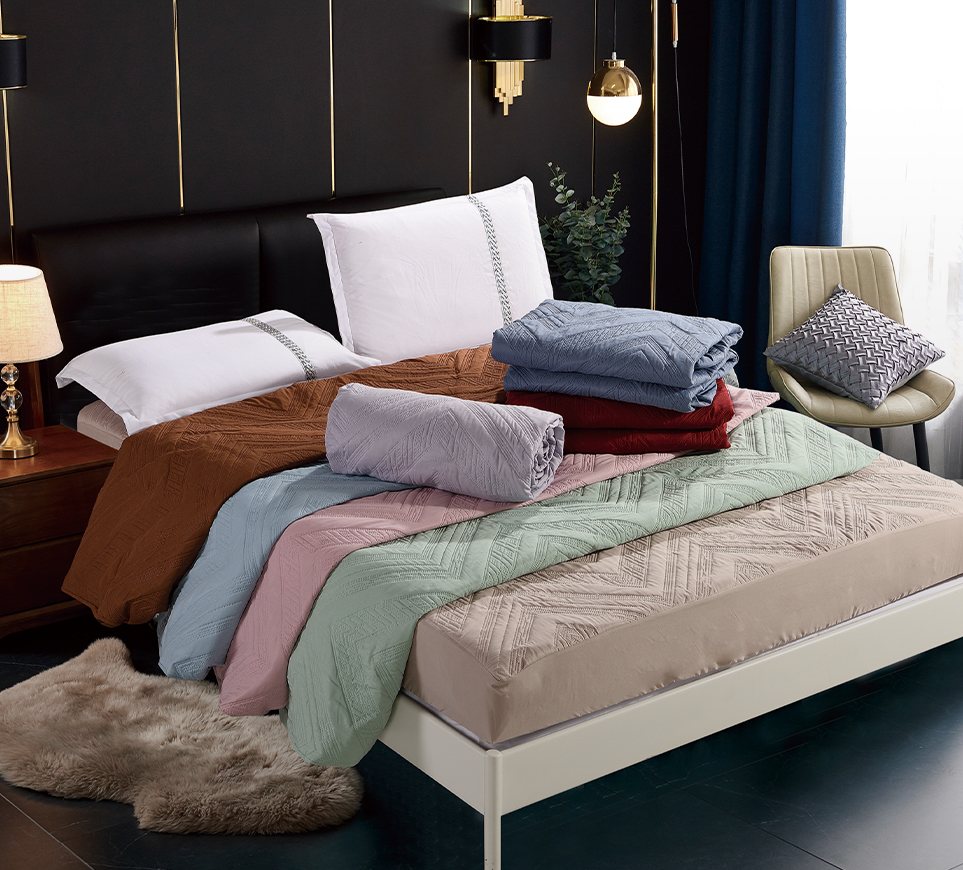

FunctionFast dry and easy to care: Not easy to shrink, no ironing and anti-wrinkle, fast drying after machine washing.Durable and fade resistant: Strong wear resistance, high color fastness, long-term...
See DetailsWhy Choose Us?
Established in 2008, with a 3,000m² professional factory, over 50 employees, and 5 departmental managers.

Coming From China, Marketing To The World.
A Practical Guide to table cloth: Uses, Selection, and Key Considerations
Nov 09, 2026
Content
- 1 The Short Answer: Six Specifications That Decide the Order
- 2 Fabric Selection: Where Most Table Cloth Problems Begin
- 3 Fabric Weight and GSM: Reading the Numbers Correctly
- 4 Sizing and Drop: The Measurement Question That Gets Missed
- 5 Hem, Seam and Corner Construction
- 6 Colour, Dyeing and Batch Consistency
- 7 Four Buyer Scenarios and the Specification Each One Needs
- 8 Procurement Risks and How to Reduce Them
- 9 A Pre-Shipment QC Checklist for Table Cloth
- 10 What Drives the Price of a Table Cloth
- 11 Building a Coordinated Textile Programme Around the Table
- 12 How Nantong Noble Supports Table Cloth Buyers
- 13 Frequently Asked Questions About Table Cloth
- 13.1 What weight of table cloth is best for a hotel restaurant?
- 13.2 Should a table cloth be pre-shrunk before cutting?
- 13.3 What size tolerance is realistic on a table cloth order?
- 13.4 How do I check colour fastness before placing a bulk order?
- 13.5 What is a typical minimum order for a custom table cloth colour?
- 13.6 Can table cloth be customised in size and colour?
- 13.7 Is a heavier table cloth always more durable?
A 130 gsm polyester table cloth and another 130 gsm polyester table cloth can be two very different products. One lies flat on a 183 cm round banquet table after forty industrial washes. The other pulls at the corners, shows a pale line where the hem was folded, and measures three centimetres short by the sixth month. Nothing in the material name on the quotation explains that gap. The difference sits in the yarn type behind the weight, the heat setting before cutting, the hem allowance left for shrinkage, and whether anybody measured the cloth after washing instead of before packing.
That is the practical starting point for this guide. A table cloth order works when the specification is written in numbers a factory can produce and a buyer can verify: composition, weight in grams per square metre, finished size and drop, hem construction, colour fastness, and a short test protocol before shipment. Those six items cover the majority of complaints that arrive after delivery, and they cost almost nothing to fix at the quotation stage.
The sections below follow the order a buyer usually faces them, from fabric choice through sizing, finishing, colour, segment use, procurement risk, quality control and price. Where a decision touches the wider hospitality textile programme, bed linen, bedcovers and mattress protection come into the picture as well, because commercial buyers rarely purchase a table cloth on its own and usually expect one colour direction across the room.
The Short Answer: Six Specifications That Decide the Order
Before the detail, here is the conclusion. A table cloth specification that survives real service contains six numbers or ratings, and any quotation missing one of them is a quotation you will have to renegotiate later.
- Composition and yarn type: spun polyester, filament polyester, polycotton blend ratio, or cotton, stated explicitly rather than as "polyester fabric".
- Weight with a tolerance: for example 160 gsm plus or minus 5 percent, measured on a die-cut sample rather than estimated from a swatch.
- Finished size after washing: the cloth dimension that must still hold after three washes, not only the flat measurement in the inspection room.
- Drop and shape: the exact table height, table diameter or length, and the drop the buyer expects at the floor, at lap level, or at a fixed band.
- Colour fastness ratings: washing, rubbing and light, expressed on the grey scale, plus a lab dip approved under D65 lighting.
- Hem and seam construction: hem depth, stitch density, corner treatment, thread type and whether the inside seam is overlocked.
Get these six right and the remaining variables, such as packing configuration, carton marks and delivery schedule, become administrative. Skip them and every later conversation becomes a dispute about whose sample was correct.
A table cloth is only as good as the numbers attached to it; an order written without weight tolerance, post-wash size and fastness ratings has no defensible standard when the first claim arrives.
Fabric Selection: Where Most Table Cloth Problems Begin
Buyers often start with colour and price, then choose fabric last. The more reliable sequence runs the other way, because fabric decides how the cloth behaves in the wash, how it drapes over an edge, how quickly a red wine spill becomes permanent, and how much labour the laundry spends on pressing. The table below compares the materials that appear most often in commercial enquiries.
| Fabric | Typical weight (gsm) | Drape and hand | Shrinkage after 3 washes at 60 C | Typical use |
|---|---|---|---|---|
| Spun polyester | 130 to 180 | Crisp, matte, holds a fold | 1 to 2 percent | Banquet, canteen, daily restaurant service |
| Polycotton 65/35 | 140 to 180 | Softer, better drape than polyester | 2 to 3 percent | Hotel food and beverage, conference rooms |
| 100 percent cotton, plain | 130 to 180 | Soft, absorbent, creases easily | 3 to 5 percent | Fine dining, retail table linen |
| Cotton sateen, 60s yarn | 160 to 200 | Smooth sheen, heavier drape | 3 to 4 percent | Weddings, premium banqueting |
| Jacquard or damask | 200 to 260 | Structured, pattern holds shape | 2 to 3 percent | Ballroom, gala and themed events |
| Vinyl-backed polyester | 280 to 360 | Stiff, wipes clean, limited drape | Under 1 percent | Outdoor buffets, children events, casual venues |
Why spun polyester is not the same as filament polyester
Spun polyester is built from staple fibres twisted into yarn, which gives the surface a matte, cotton-like appearance and traps a little air in the structure. Filament polyester uses continuous strands, so it looks brighter, feels slicker and shows creases differently. For a dining room, spun yarn usually reads as more expensive and hides light wear better. For a buffet where the cloth is wiped rather than laundered, filament can be the cheaper answer. Both may appear on a quotation as "polyester table cloth", which is exactly why the yarn type belongs in the specification.
Polycotton is the workhorse of banqueting
A 65/35 polycotton at 150 to 170 gsm balances three costs that matter to a hotel laundry: it tolerates repeated industrial washing, it needs less pressing than pure cotton, and it drapes far better than plain polyester. The cotton share softens the hand and absorbs minor spills, while the polyester share keeps dimensional change inside a predictable band. Most banqueting managers who have tried both tend to settle on polycotton for daily service and keep pure cotton or sateen for the premium rooms.
The same fabric logic runs through the bedding side of a hospitality programme. A hotel that specifies polycotton for its dining rooms usually applies the same reasoning to its bedrooms, which is why buyers often build one textile standard across several categories instead of negotiating each item separately.
 Hotel Poly-Cotton Bed Sheet SetA customizable poly-cotton bedding option for hotels seeking one consistent textile standard across dining rooms and guest bedrooms.View Product →
When cotton earns its higher price
Cotton earns its place in rooms where the cloth is part of the guest impression: tasting menus, wedding receptions, private dining. It absorbs condensation instead of letting it run, and it takes dye with a depth that polyester struggles to match. The trade-off is real: expect three to five percent shrinkage in the first few washes unless the fabric has been pre-shrunk, more ironing time, and a shorter life under aggressive bleaching. If a buyer wants cotton, the honest question is not whether it costs more but whether the laundry has the capacity to press it properly. A poorly pressed cotton cloth looks worse than a well-finished polyester one.
Heavier is not automatically better
Weight adds drape and helps a cloth fall cleanly over a table edge, but past a point it also adds laundry cost, drying time and handling effort. A 220 gsm jacquard is right for a gala and wrong for a canteen serving three hundred covers a day. The better measure is whether the cloth stays in place when a guest leans on the table, and that depends on weight, surface friction and cut accuracy together.
Choose the yarn type and the weight together, then check the number against the laundry the cloth will actually go through, not against the showroom.
Fabric Weight and GSM: Reading the Numbers Correctly
Grams per square metre is the simplest quality signal a buyer can verify without a laboratory. It also disappears quickly in conversation, because the difference between a 130 gsm and a 160 gsm cloth is invisible in a photograph and obvious after twenty washes. The chart below shows the weight bands that commonly appear in commercial table cloth enquiries.
Typical fabric weight bands for table cloth (gsm)
Vinyl-backed polyester
320 gsm
Jacquard and damask
220 gsm
Cotton sateen 60s
180 gsm
Polycotton 65/35
160 gsm
Spun polyester
130 gsm
Two practical points follow from the chart. First, the bands overlap between categories, so a 180 gsm polyester and a 180 gsm cotton can behave completely differently despite sharing a number. Second, the band tells you what a fabric can reasonably do, not what a specific roll will do, since a mill can produce 160 gsm plus or minus several percentage points without breaking any promise.
That is why the specification should carry a tolerance, typically plus or minus 5 percent, together with a test method. The usual approach is a die-cut circle of one hundred square centimetres, weighed on a calibrated scale, with samples taken from the beginning, middle and end of the roll. A single swatch from the cutting table proves very little. Where a buyer is auditing a new supplier, three samples per colour per roll is a reasonable minimum and takes less than an hour.
Weight discipline is one of the clearest signs of a serious textile manufacturer. A mill that tracks weight by roll and records it on the inspection sheet is usually also tracking width, shrinkage and shade, because the same production culture produces all four. Buyers moving from bedding to table linen will recognise the pattern: 90, 130 and 160 gsm polyester sheet sets are separated for exactly the same reasons, and the difference in hand, opacity and durability follows the same rules.
Always quote weight with a tolerance and a test method, because an untoleranced gsm figure is a description rather than a specification.
Sizing and Drop: The Measurement Question That Gets Missed
Most table cloth size complaints come from a five centimetre difference in table height or a misunderstanding about what "floor length" means. Banquet tables vary between venues, folding tables sit lower than fixed ones, and a cloth cut for a 76 cm table will pool on a 71 cm one. The safe method is to measure the actual table, agree the drop, then calculate the finished size with the formula below.
Cloth length equals table length plus two times the drop. Cloth width equals table width plus two times the drop. For a round table, cloth diameter equals table diameter plus two times the drop.
A floor-length finish uses a drop equal to the table height. A lap-length or banquet finish uses a drop of roughly 30 to 38 cm. A short cafe finish may use only 15 to 20 cm. Decide which of those three the room needs before looking at any stock size list.
| Table | Common cloth sizes | Drop achieved | Notes |
|---|---|---|---|
| Round 152 cm (60 in), 75 cm high | 213 cm (84 in), 274 cm (108 in) | 30 cm, 61 cm | 274 cm sits close to floor level |
| Round 183 cm (72 in), 76 cm high | 274 cm (108 in), 305 cm (120 in), 335 cm (132 in) | 45 cm, 61 cm, 76 cm | 335 cm gives a true floor length |
| Rectangular 76 x 183 cm (30 x 72 in), 75 cm high | 152 x 259 cm (60 x 102 in), 229 x 335 cm (90 x 132 in) | 38 cm, 75 cm | Check short-end drop separately from long-side drop |
| Square 90 x 90 cm (36 x 36 in), 75 cm high | 137 x 137 cm (54 x 54 in), 180 x 180 cm (71 x 71 in) | 23 cm, 45 cm | Cafe, breakout and meeting rooms |
Three practical habits reduce sizing risk. First, ask the venue to confirm table height in writing, because a hotel that changes its banqueting stock will invalidate an old specification. Second, order the finished size after wash contraction, not the cut size, so the cloth still reaches the floor on the twentieth use. Third, keep a tolerance of plus or minus 1 cm on the finished measurement, which is realistic for cut-and-sew production, and inspect against that tolerance rather than against a perfect number.
For rectangular tables, an extra detail matters: a cloth that drops correctly on the long sides may fall short on the ends, which is where guests sit closest. Buyers who order one size for every table shape usually end up with a mixed result on the end drops.
Agree the drop first and the cloth size second; ordering from a stock size list without measuring the table is the most common cause of returns in table linen.
Hem, Seam and Corner Construction
Construction is where a cheap table cloth announces itself. A 2 cm double-fold hem with a mitered corner sits flat and survives washing. A single-fold hem with a straight stitched corner puckers, twists and eventually opens. Because the hem is the first part of a cloth to fail and the most visible part when a table is set, it deserves its own line in the purchase order.
What to specify in the hem
- Hem depth: 2 cm for most commercial cloths, 2.5 cm for heavy jacquard, 1.5 cm for lightweight cafe linen.
- Fold type: double-fold turned hem, with the raw edge enclosed, so no fibre shedding appears after washing.
- Stitch density: 12 to 14 stitches per 3 cm, with polyester core thread matched to the fabric colour.
- Corner treatment: mitered corner for square and rectangular cloths, evenly distributed fullness for round cloths.
- Inside finish: overlocked seam allowance on cotton and polycotton to control fraying at the wash.
Seams, bar tacks and thread
Where a cloth is joined from narrower fabric, the seam should be flat-felled or overlocked and pressed open, never a raw overlap. Bar tacks at stress points help on long rectangular cloths lifted repeatedly by staff. Thread choice matters more than most buyers expect: a cotton thread on a polyester fabric shrinks at a different rate and produces a wavy hem after the first industrial wash, so polyester core thread is the safer standard for mixed-service laundry.
It is reasonable to ask a supplier for a washed sample, not only a pressed one. A hem that looks perfect on the inspection table and ripples after three washes has failed the only test that reflects the guest's experience.
Judge a table cloth by its hem after washing, because that is where the construction either holds the shape or gives up.
Colour, Dyeing and Batch Consistency
Colour is the specification buyers inspect most and define least. "Ivory" covers a range wide enough to make two deliveries look mismatched in the same ballroom. A workable colour specification includes a physical reference, a lighting condition and a tolerance.
- Reference: an approved lab dip or a retained production sample, signed and dated by both sides.
- Lighting: assessment under D65, with a secondary check under warm restaurant lighting, since metamerism can make two matching cloths disagree in a dining room.
- Tolerance: a colour difference of about 1.0 or lower on the standard colour difference scale is a common commercial target for repeat orders, though the acceptable figure should be agreed in writing.
- Fastness: washing, rubbing and light ratings on the grey scale, usually 4 or better for hotel use, with a note on whether chlorine bleach is permitted.
Dyeing method changes both price and consistency. Stock-dyed fabric is cheaper and faster but limited to the shades the mill already runs. Piece dyeing allows a custom shade at the cost of a higher minimum order and a longer lead time. Yarn-dyed jacquard gives the most stable colour over time but is the most expensive route. A repeat buyer should also ask how the mill handles batch continuity: whether a shade band is recorded per roll and whether the next order can be dyed against the retained standard rather than against the previous shipment.
Approve colour as a signed physical standard with a stated tolerance, because a colour name on an email is not a specification anyone can inspect against.
Four Buyer Scenarios and the Specification Each One Needs
The same table cloth cannot serve a hotel ballroom, a busy restaurant, an event rental company and a wholesale distributor equally well. Each has a different cost per use, a different laundry, and a different tolerance for imperfection.
Hotel food and beverage departments
Specification that usually works: 160 to 170 gsm polycotton, mitered corners, 2 cm hem, washing fastness 4 or better, floor length on banqueting rounds and lap length on breakfast tables. Hotels typically run two colourways, one neutral for daily service and one accent for events, and they value consistency across reorders more than the lowest unit price. A hotel that mixes suppliers often ends up with two shades of ivory in the same room.
Restaurants in daily service
Specification that usually works: 150 to 180 gsm spun polyester or polycotton, stain-release finish if available, sizes matched to fixed table dimensions, and a colour that tolerates repeated stain treatment. Restaurants should calculate cost per use rather than cost per piece, since a cloth that survives 150 washes at a slightly higher price is often cheaper over a year than one that survives 80.
Event rental and catering companies
Specification that usually works: a compact size matrix across the most requested table shapes, heavier weights for gala work, and a packing plan that lets staff pull a set quickly. Rentals accept a higher unit price in exchange for durability and colour consistency, because a mismatched cloth in a wedding photograph is a reputational cost rather than a laundry cost.
Wholesalers and distributors
Specification that usually works: clear retail packaging, stable colourways across seasons, barcode and carton marks, and a supplier who can hold a shade standard between orders. A wholesaler needs a manufacturer who can repeat a specification rather than a one-off run, which is why documentation matters as much as the fabric itself.
Write the specification around the laundry and the service cycle, not around the catalogue photograph, because that is what determines cost per use.
Procurement Risks and How to Reduce Them
Table cloth sourcing has a small number of recurring failure modes. Most of them can be removed with one paragraph in the purchase order.
- Weight shortfall: a nominal 160 gsm cloth arrives at 148 gsm. Reduce by stating the weight with a tolerance and a sampling method.
- Shrinkage surprise: the cloth is correct in the packing room and short after three washes. Reduce by specifying post-wash dimensions and requesting a washed sample.
- Colour drift between batches: the second order is visibly warmer. Reduce with a retained signed standard and a shade band record.
- Size tolerance creep: a 305 cm cloth arrives at 300 cm. Reduce with a stated tolerance, usually plus or minus 1 cm, and a measurement method that includes the hem.
- Hem failure: seams open after industrial washing. Reduce with stitch density, thread type and inside overlocking requirements.
- Minimum order mismatch: custom dyeing forces a quantity far above real demand. Reduce by planning two colourways across one order or by choosing stock shades for the first season.
- Packing and carton errors: the count is short or the marks are wrong. Reduce with a signed packing list and a carton photograph before shipment.
There is also a structural risk that buyers underestimate: switching suppliers between the sample and the bulk order. If the sample comes from one mill and the bulk from another, none of the approved values transfer cleanly. Keep the sample and production on the same line, and ask for the bulk inspection data in the same format as the sample report.
Every recurring table cloth claim traces back to a value that was never written down, so the cheapest quality improvement is a stricter purchase order.
A Pre-Shipment QC Checklist for Table Cloth
Inspection does not need a laboratory. A trained inspector with a steel rule, a scale, a cutting die and a light box can check a table cloth order in a few hours and prevent most disputes.
- Verify composition against the order and confirm the yarn type, spun or filament.
- Cut and weigh at least three samples per colour to confirm gsm within tolerance.
- Measure finished length and width with the cloth laid flat and relaxed, and record the hem depth.
- Wash a sample three times at the agreed temperature, then re-measure to confirm post-wash dimensions.
- Check colour against the approved standard under D65, and note any visible difference between rolls.
- Inspect hems for straightness, puckering, skipped stitches and mitered corners that sit flat.
- Pull test the hem and the side seams by hand, and confirm bar tacks where specified.
- Check for oil marks, needle lines, colour patches and holes on a light table.
- Pass the finished goods through needle detection where the buyer requires it, and keep the record.
- Count pieces per carton, confirm polybag and insert, and photograph the packed carton with marks.
Two details are worth adding for hospitality buyers. First, check that the cloth is folded to the same dimensions across the order, since inconsistent folding slows a banquet team down at setup. Second, confirm that the care label matches the actual fibre content, because laundry staff follow the label rather than the invoice.
Inspect the cloth after a wash, not only before packing, and record the numbers; a written inspection sheet settles arguments that photographs never do.
What Drives the Price of a Table Cloth
Price differences between quotations for apparently identical cloths usually come from five variables, and only one of them is fabric cost.
- Weight and yarn quality: moving from 130 gsm to 170 gsm raises material cost directly; spun yarn costs more than filament at the same weight.
- Dyeing route: stock shades are cheapest, piece dyeing adds cost and minimum quantity, yarn-dyed jacquard adds more.
- Construction: mitered corners, deeper hems, overlocked seams and bar tacks all add sewing minutes.
- Finishing and testing: pre-shrinking, stain-release treatment and third-party test reports carry a real cost but reduce claims.
- Order structure: quantity per colour, packing format and carton configuration all move the unit price.
A useful habit is to ask for a price matrix rather than a single price: one line per weight, per dyeing route, per packing option. That makes the trade-offs visible and stops buyers from comparing a 150 gsm stock-shade quote with a 180 gsm custom-dyed one. It also helps when a purchasing team needs to defend a decision internally, because the matrix shows what was excluded, not only what was chosen.
Compare quotations line by line against one specification, because most price gaps are specification gaps in disguise.
Building a Coordinated Textile Programme Around the Table
Most commercial buyers do not stop at table linen. A hotel refurbishment typically covers dining rooms and bedrooms in the same purchase cycle, and matching the colour direction across both reduces the number of approvals and the risk of visible mismatch between rooms. That is why it helps to source table cloth alongside bed linen from the same production base rather than through separate traders.
In a hotel programme, three categories usually travel with the table cloth order. Bed sheet sets in polycotton or cotton establish the room standard. Quilted bedcovers add a textured layer that can echo the dining room palette. Waterproof mattress protectors protect the mattress investment and are frequently specified in the same contract as bed linen, because procurement teams prefer one shipment and one inspection standard.
 Quilted Bedcover Sets for Hospitality BeddingBrowse embroidered, printed, cotton and microfiber quilted bedcovers that add a textured, insulating layer to hotel bedding programmes.View Product →
For banquet and event venues, the same thinking applies to protection and warmth. A waterproof mattress protector is useful in guest rooms and staff rest areas, while fleece blankets serve outdoor functions and terrace seating where a table cloth alone will not keep guests comfortable after dark. Grouping these items under one supplier reduces the paperwork and, more importantly, keeps the shade and quality language consistent across the whole order.
 Waterproof Mattress Protectors for Hotels and B&BsProtect mattresses from liquids and dust mites with fitted-sheet styles available for single, double and queen beds in hospitality settings.View Product →
The practical benefit is not only administrative. A single manufacturer who already runs the fabric, dyeing and sewing for bedding can often match a table cloth shade to an existing bed linen shade, which is exactly the kind of request that appears late in a hotel project and is difficult to solve across two unrelated supply chains.
Buy table cloth as part of a wider textile standard rather than as an isolated item, and colour, inspection and delivery all become simpler.
How Nantong Noble Supports Table Cloth Buyers
Nantong Noble International Trade Co., Ltd. has been working in home textiles since 2008, with more than 18 years of international trade and textile manufacturing experience behind its current operation. The company runs a 3,000 square metre production facility with over 50 staff and five department managers, and reports an annual capacity of three million sets. For buyers, that structure matters in three specific ways.
Design and customisation
The company maintains an experienced design team and states that it updates styles and designs continuously. In practice, that means a buyer can bring a table cloth reference, a colour target and a size matrix, and receive a developed sample rather than a choice between two stock options. Material, size and colour can be customised to the requirement, and buyers are welcome to share product images for a quotation.
Production and packing
Design, production, processing and packing sit inside one operation, which shortens the distance between an approved sample and a shipped carton. Because packing is handled in-house, retail-ready formats, polybag and insert combinations and carton marks can be agreed as part of the order rather than as an afterthought with a third party.
Supply for hotels, distributors and wholesalers
The product range covers bed sheet and fitted sheet sets in polyester, cotton and tencel, bedcover sets, quilted and ultrasonic constructions, quilts for summer and winter, hotel linen, fleece blankets, tufted quilts and waterproof mattress protectors. A buyer sourcing table cloth for a hospitality project can therefore build a single order across the room, with one colour conversation and one inspection standard. For distributors and wholesalers, that breadth reduces the number of suppliers to audit while keeping the specification language consistent across categories.
A supplier who controls design, sewing and packing in one facility can hold a table cloth specification steady across repeat orders, which is the part buyers value most after the first shipment.
Frequently Asked Questions About Table Cloth
What weight of table cloth is best for a hotel restaurant?
For daily hotel food and beverage service, 150 to 170 gsm polycotton is the usual choice. It drapes better than lightweight polyester, survives industrial washing and needs less pressing than pure cotton. For premium rooms, 160 to 200 gsm cotton sateen gives a richer hand at a higher laundry cost.
Should a table cloth be pre-shrunk before cutting?
Ideally yes, or the finished size should be calculated to allow for contraction. Cotton can move three to five percent in the first washes, polycotton two to three percent, and polyester one to two percent. Specify the post-wash dimension and ask for a washed sample so both sides agree on the number that matters.
What size tolerance is realistic on a table cloth order?
Plus or minus 1 cm on finished length and width is a practical commercial tolerance for cut-and-sew production, measured with the cloth flat and relaxed. Tighter figures are possible but usually add cost without adding value in service.
How do I check colour fastness before placing a bulk order?
Ask for washing, rubbing and light fastness ratings on the grey scale, typically 4 or better for hospitality use, and request a test report from a recognised laboratory. Then wash one approved sample at the temperature your laundry actually uses and compare it with the retained standard.
What is a typical minimum order for a custom table cloth colour?
Piece dyeing usually requires a larger minimum than stock shades, and the exact figure depends on fabric weight, width and colour depth. Buyers with smaller requirements often do better by selecting a stock shade for the first season and planning a custom shade once volumes are established.
Can table cloth be customised in size and colour?
Yes. A manufacturer working with its own sewing and packing lines can produce a size matrix across round, square and rectangular tables and match a colour to an approved standard. Provide the table dimensions, the required drop and a physical colour reference, and confirm all three on the sample before bulk production.
Is a heavier table cloth always more durable?
Not automatically. Weight adds drape and resistance to tearing, but durability also depends on yarn quality, dyeing route, hem construction and how the cloth is laundered. A well-made 160 gsm polycotton routinely outlasts a poorly finished 200 gsm cloth in the same laundry.
Most table cloth questions come back to one answer: agree the physical standard, test it after washing, and keep that standard for every reorder.
A table cloth order is decided long before the first carton is opened. It is decided when somebody writes 160 gsm with a tolerance instead of "good quality polyester", when the drop is measured on the actual table, when the hem depth and stitch density are printed on the purchase order, and when a washed sample is approved rather than a pressed one. Those four habits cost a few hours and prevent most of the claims that turn a simple textile purchase into a season-long argument.
Buyers who treat table linen as part of a wider hospitality textile standard, sourced from one manufacturing base with documented specifications, tend to spend far less time on reorders and far more on the parts of the project that guests actually notice.
Continue with the relevant product and industry pages
Hotel linen collection for hospitality projects Trends shaping the home textile marketRelated products
-
-
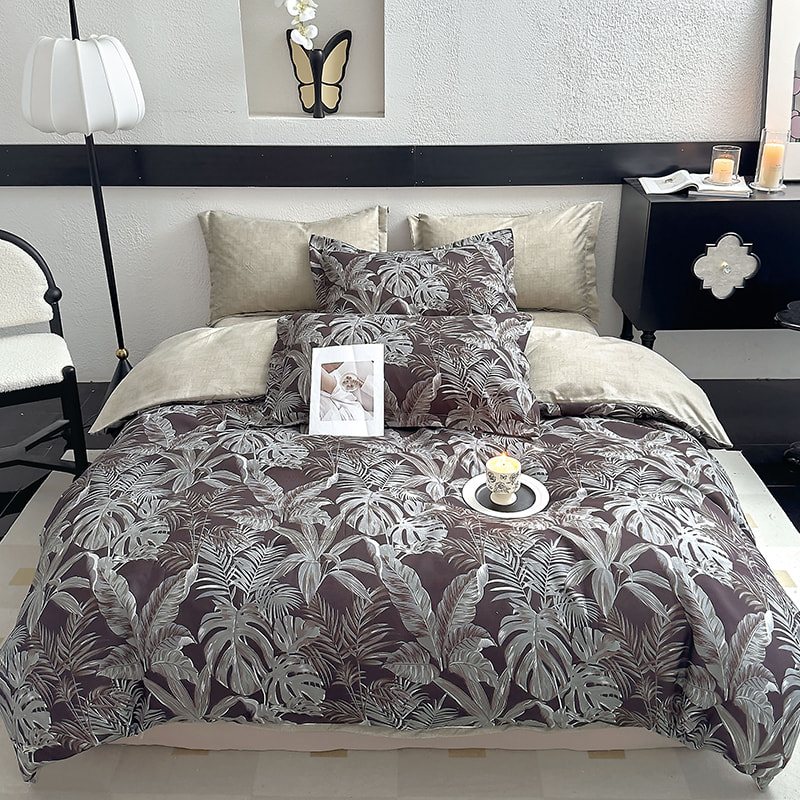
FunctionFast drying and easy to take care of: Anti-shrinkage and no ironing, fast drying after machine washing, simplified daily care.Durable color protection: High wear resistance and color fastness,...
See Details -
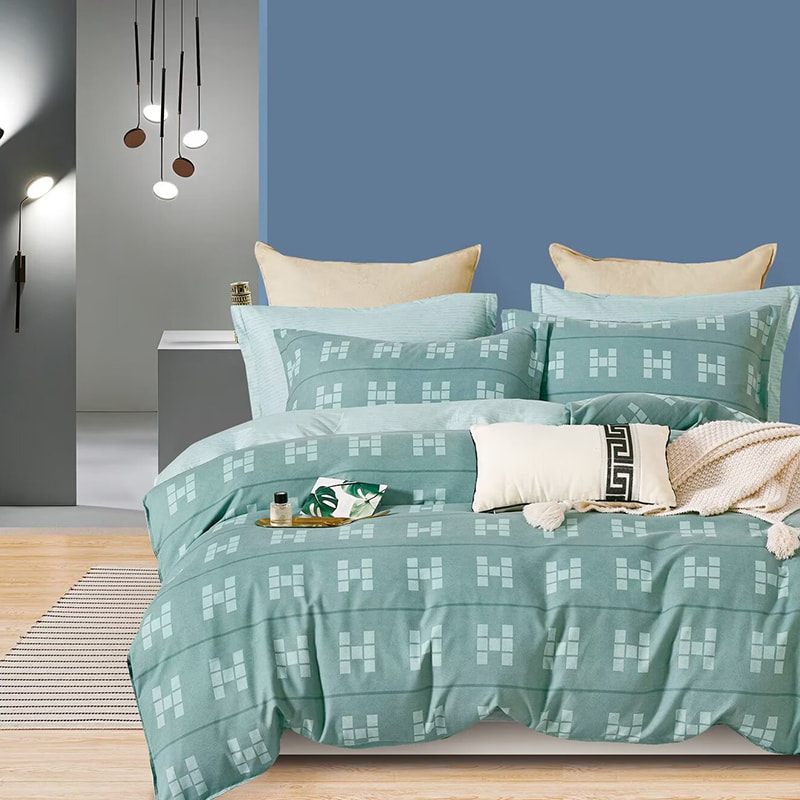
FunctionStrong warmth: High gram weight provides good insulation performance, suitable for low-temperature environments.Durable anti-wrinkle: High-density structure wear and tear resistance, not easy ...
See Details -
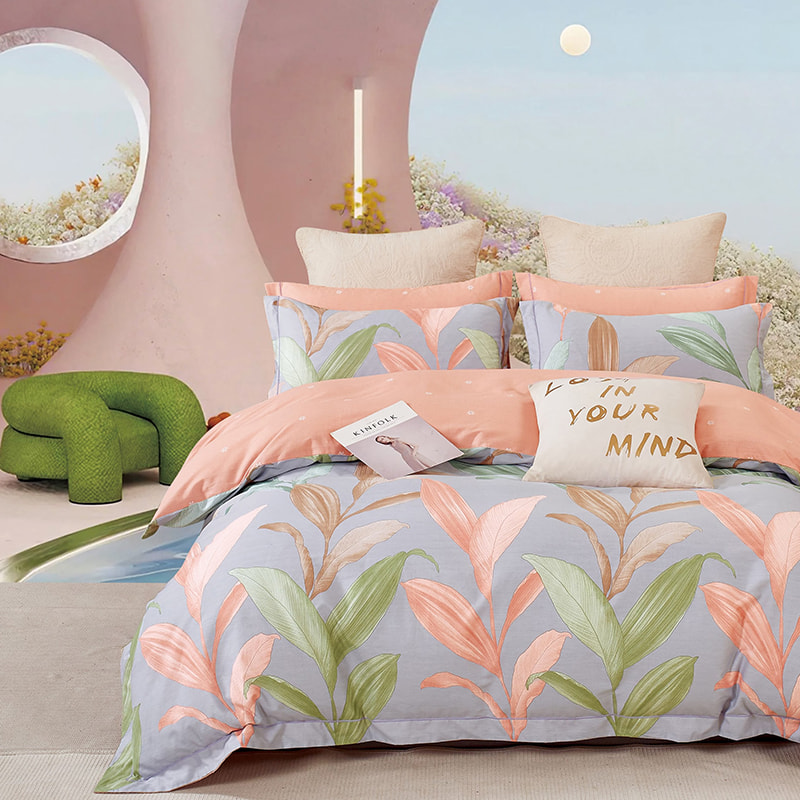
FunctionSkin-friendly breathable: Natural cotton fiber is soft and comfortable, good for breath, and suitable for the use of moisture.Absorption and perspiration: Good moisture absorption, keep dry bo...
See Details -
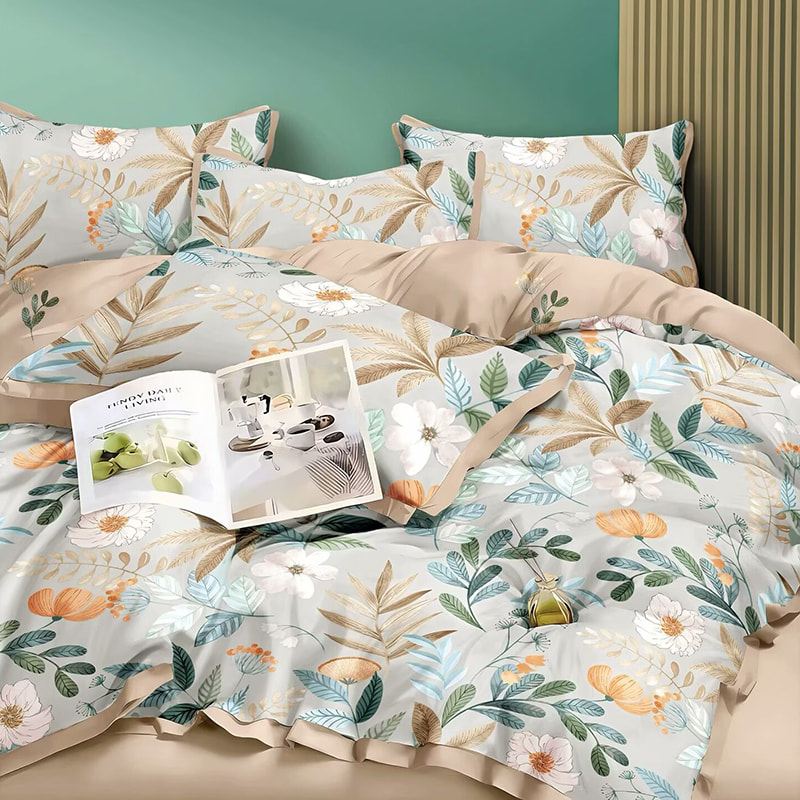
FunctionMore delicate and skin-friendly: Higher than 12868,13372, the fabric is more delicate and soft, the touch is better and more.Breathable: High-density cotton structure further improves moisture...
See Details -
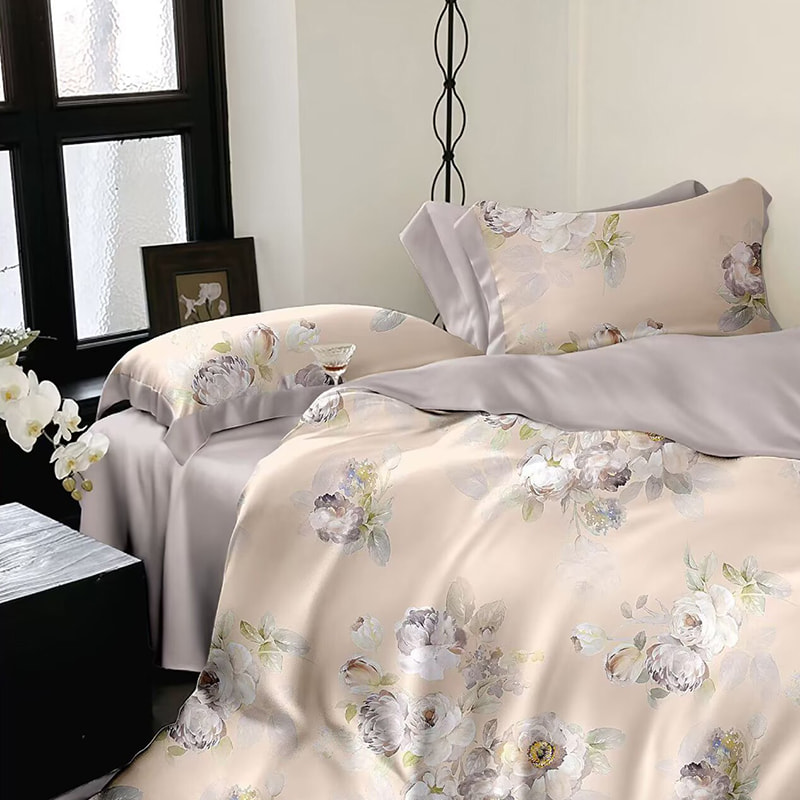
Function Extreme skin affinity: Day silk fiber is soft and smooth, touch like silk, suitable for close-fitting use of moisture. Absorption and breathability: moisture absorption and sweat performance,...
See Details -
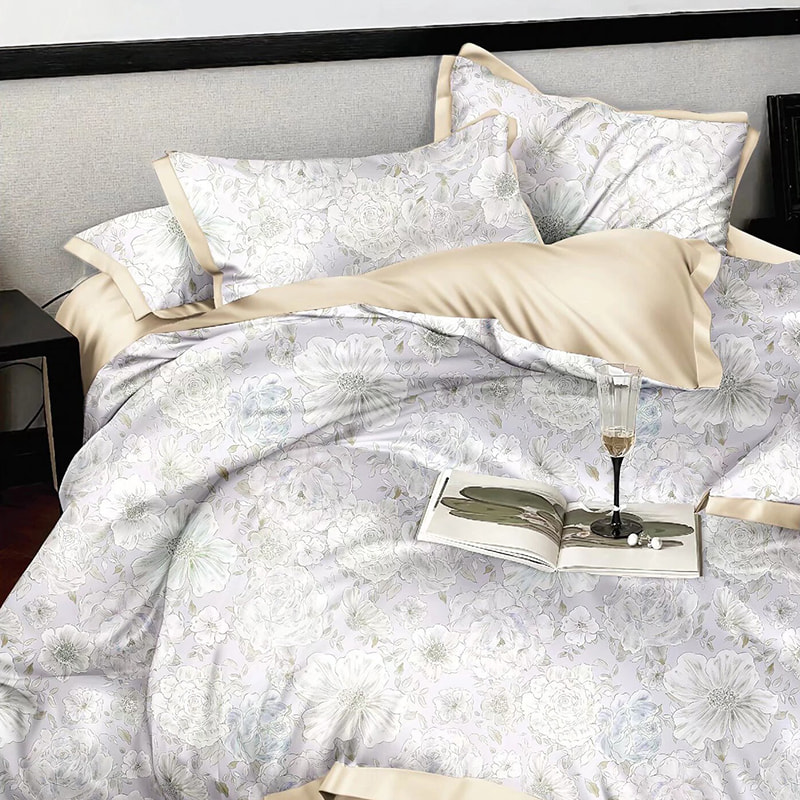
FunctionMore delicate and skin-friendly: Compared with 50S, 60S silk fiber is thinner, softer, smoother, more comfortable for close use, and more moisture absorption.Breathable: Higher branches improv...
See Details -
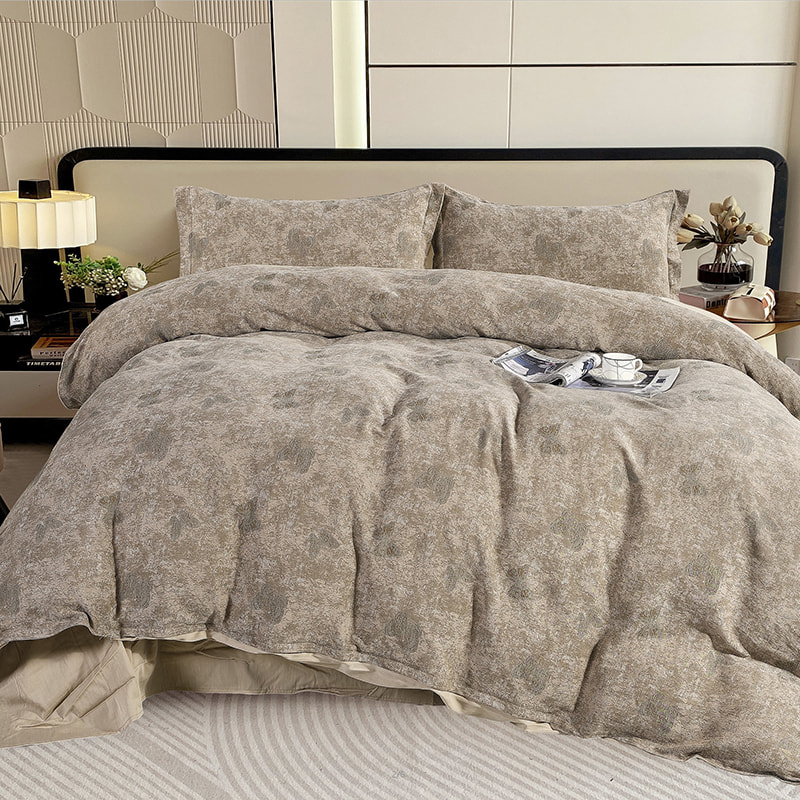
Function Luxury touch: The fiber is soft and smooth, and the jacquard process adds a three-dimensional texture. Touch like silk moisture absorption: moisture absorption performance keeps dry and comfo...
See Details -
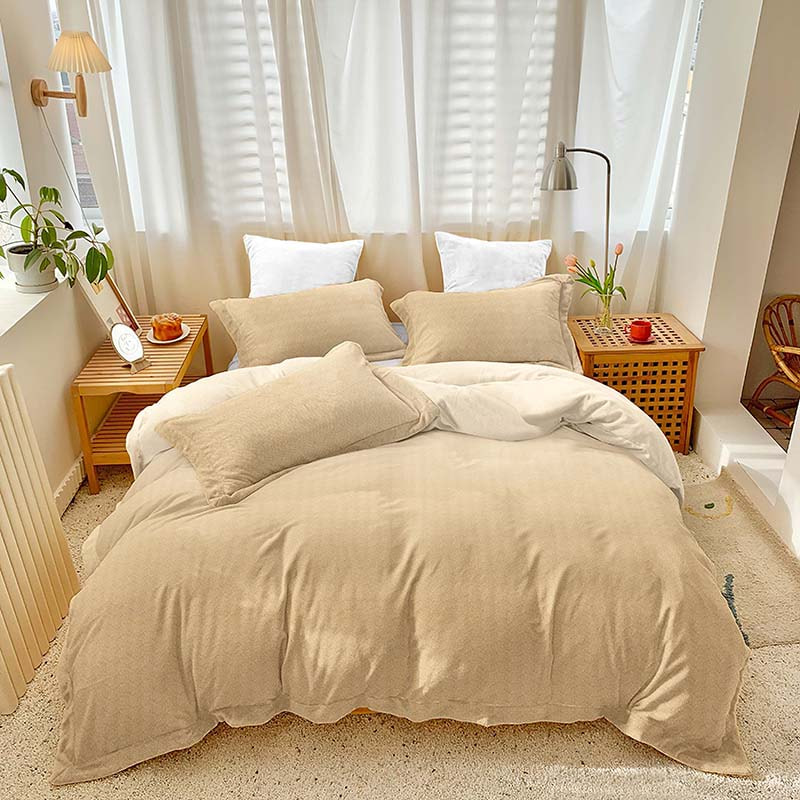
Function Fine pattern performance: Digital printing is higher precision than round net printing, richer color, more delicate pattern, fast dry.Easy to care: The polyester fiber characteristics are unc...
See Details -
FunctionFine pattern performance: Digital printing is higher precision than round net printing, richer color, more delicate.Durable anti-wrinkle: 130g polyester fiber fabric has a vertical feeling, an...
See Details -
FunctionThin and light: The ultrasonic process does not create pinholes or quilting thread, and the fabric is thin and smooth.Strong decoration: Lace elements add an elegant and romantic sense, enhanc...
See Details -
FunctionThin and light: The ultrasonic process does not create a pinhole or quilting thread, and the fabric is thin and smooth.Strong decorative: Print patterns add a sense of art and design, enhancin...
See Details
