

 English
 Español
 عربى
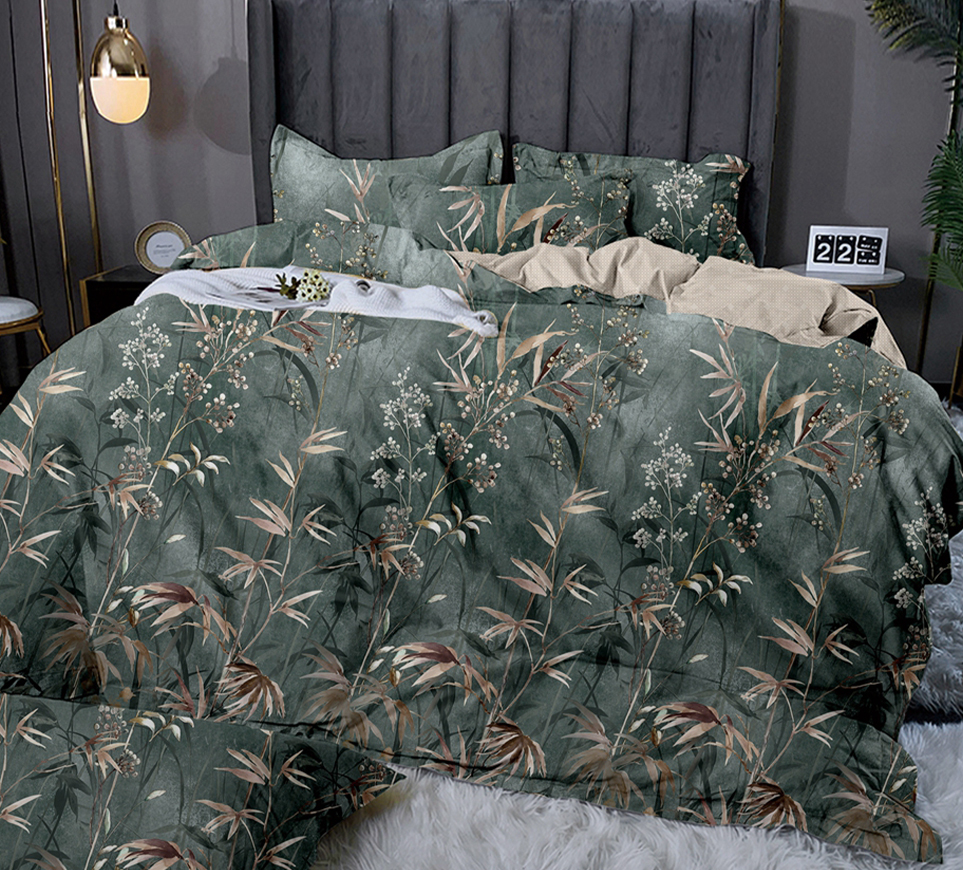
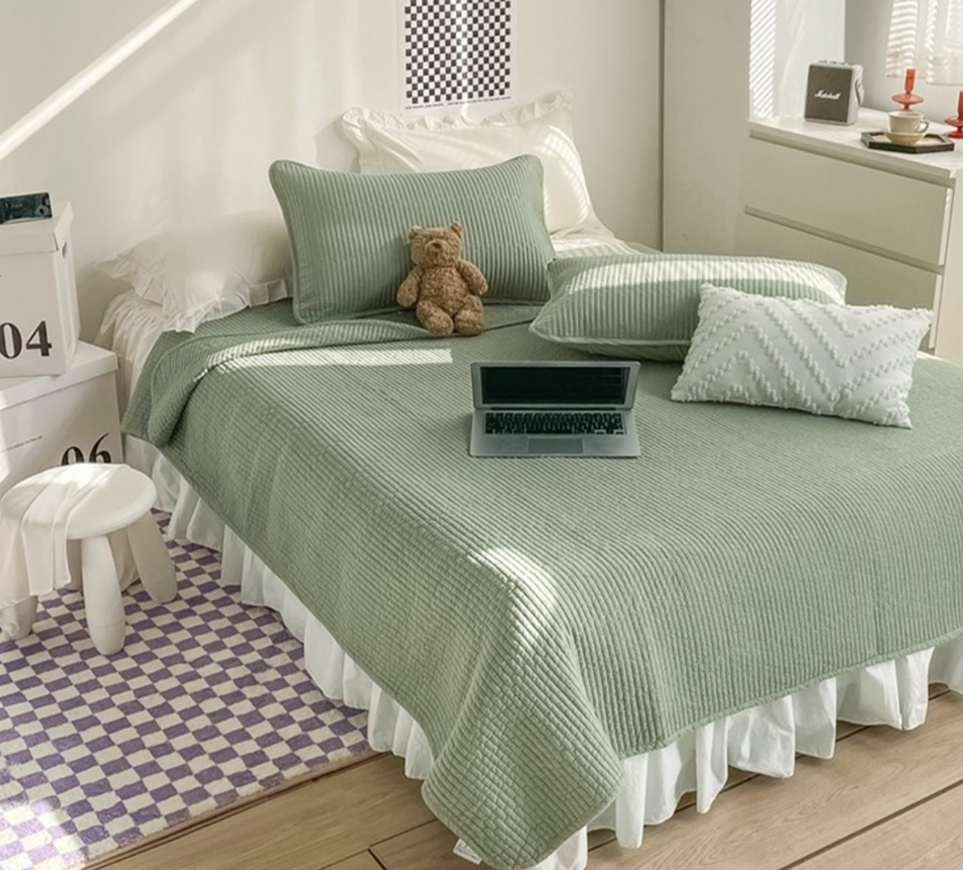

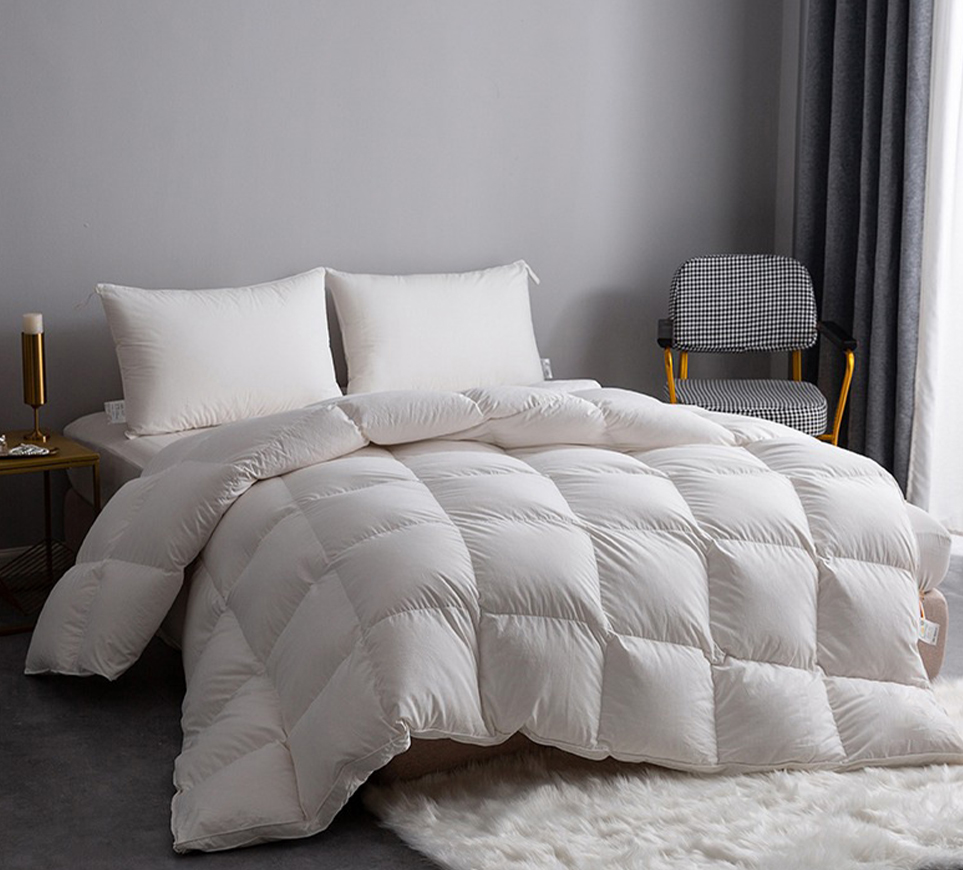
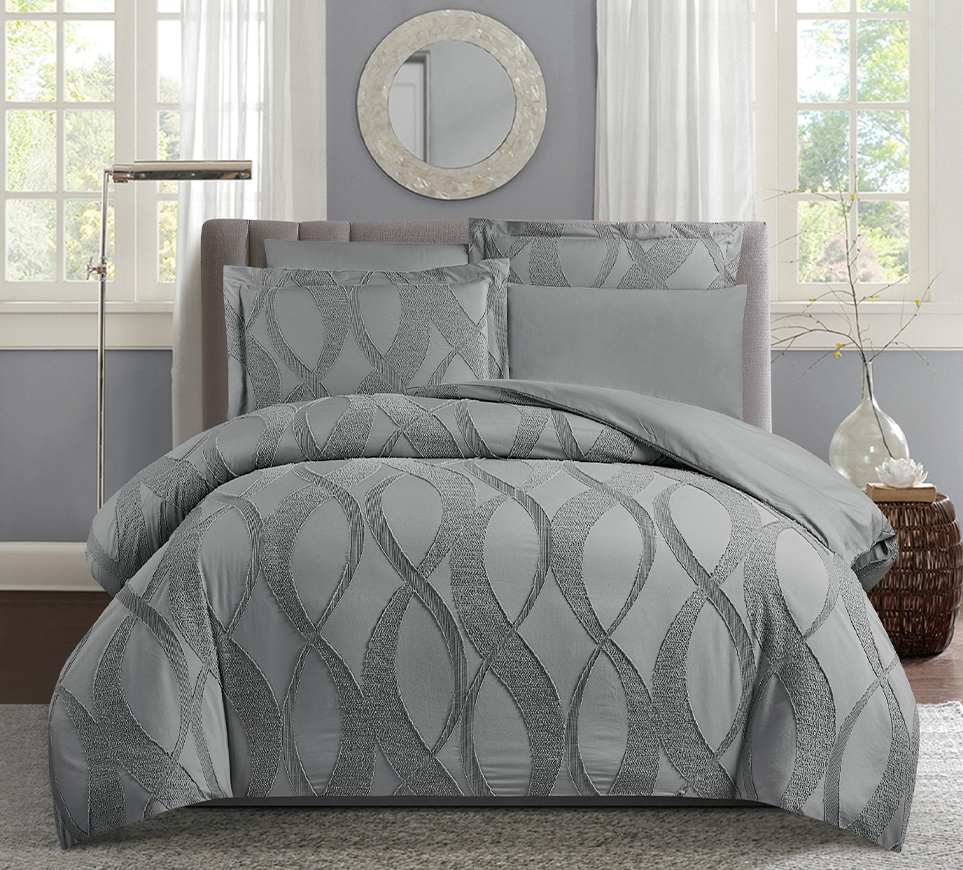
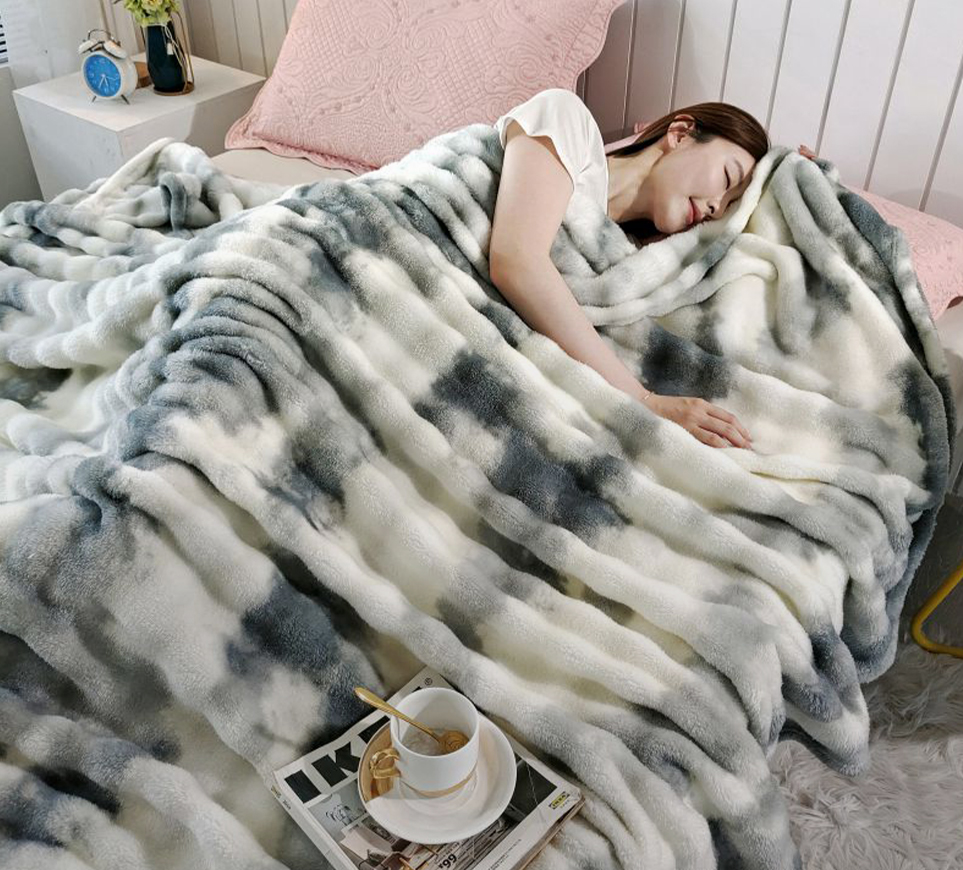
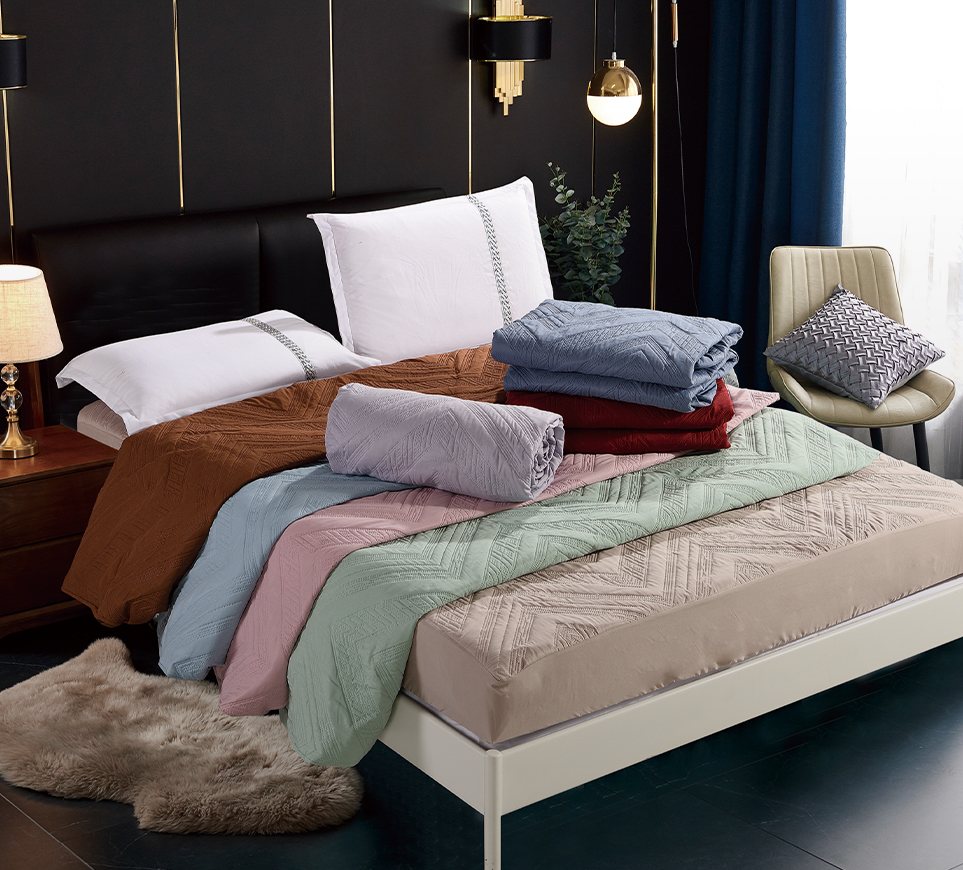

FunctionFast dry and easy to care: Not easy to shrink, no ironing and anti-wrinkle, fast drying after machine washing.Durable and fade resistant: Strong wear resistance, high color fastness, long-term...
See DetailsWhy Choose Us?
Established in 2008, with a 3,000m² professional factory, over 50 employees, and 5 departmental managers.

Coming From China, Marketing To The World.
How to Choose a Mattress: A Practical Guide for Buyers and Hotel Suppliers
Nov 03, 2026
Content
- 1 How to Choose a Mattress: Decide the Job Before the Brand
- 2 Support, Pressure Relief, and the Ninety-Second Test
- 3 Mattress Type and Material: What Each Choice Costs You Later
- 4 Size, Height, and Bedding Compatibility
- 5 The Protector Is Part of the Mattress Decision
- 6 Sheets, Toppers, and Comfort Layers That Change Feel
- 7 Buying for Hotels, Guesthouses, and Rental Apartments
- 8 Quality Checks and Red Flags in Mattress and Bedding Sourcing
- 9 Budgeting, Trial Periods, and Total Cost
- 10 A Practical Buying Checklist
- 11 Frequently Asked Questions About How to Choose a Mattress
- 11.1 How to choose a mattress for side sleepers?
- 11.2 Is a firmer mattress always better for back support?
- 11.3 How often should a mattress protector be washed?
- 11.4 Can a mattress topper fix an uncomfortable mattress?
- 11.5 What should hotel buyers check before ordering mattresses and linen together?
- 11.6 How do I compare a mattress supplier or bedding wholesaler?
- 11.7 Does mattress height affect sheet size?
- 12 Final Takeaway
- 13 Related Reading
When a mattress begins to sag, most buyers notice the problem through the bedding first: the fitted sheet pulls loose, the protector wrinkles, and the pillow sits at a different height. How to choose a mattress is therefore not only a question about springs or foam. It is a systems decision that links sleep position, body weight, bed size, base type, cleaning routine, and the bedding that touches the body every night. The short answer is to choose the mattress by support and fit first, then match the protector, sheets, topper, and pillows to the mattress height and material. Buyers sourcing for hotels, guesthouses, or rental apartments should add laundry cycles, turnover, storage, and replacement budget to the same list.
Nantong Noble International Trade Co., Ltd. is a home textile manufacturer and supplier based in China, working with bed sheet sets, bedcover sets, quilts, blankets, hotel linen, and waterproof mattress protectors. We do not make mattresses. Our part of the decision is the bedding layer: the protector that guards the mattress, the sheets that fit its depth, and the quilt or blanket that controls temperature. Since 2008, our team has supported buyers who need consistent specifications, custom sizes, and export-ready packing. That experience is useful here because many mattress returns and bedding complaints come from a mismatch that could have been checked before the order was placed.
A mattress is easier to live with when the protector and sheets are chosen for its height, material, and cleaning routine, not added as an afterthought.
How to Choose a Mattress: Decide the Job Before the Brand
Start with the job the mattress must do. A primary bed for two adults has different demands from a guest room that is used twelve nights a year, a serviced apartment with weekly linen changes, or a hotel room where every mattress should feel close to identical. For a home buyer, the main questions are sleep position, body weight, partner movement, room size, and whether the current base is slatted, solid, or adjustable. For a commercial buyer, the questions widen to contract grade, standard height, stain risk, laundry routine, and how easily the mattress can be turned or replaced.
Sleep position is the first practical filter. Side sleepers usually need more pressure relief at the shoulder and hip, so a surface that feels too firm can cause numbness or tossing. Back sleepers often prefer a balance of lumbar support and a little give at the shoulder blades. Stomach sleepers generally need a flatter, firmer surface so the lower back does not drop. Combination sleepers should test the transitions, not just the first minute on their back. Body weight also changes the reading of the same mattress: a 55 kg sleeper and a 95 kg sleeper can lie on the same medium model and describe it differently.
- Write down the main sleeper, usual position, and any pressure points before comparing models.
- Check the base type. Slatted bases need enough support and spacing; solid bases can change heat and moisture behavior.
- Measure the room and door width. A king mattress may fit the room but not the stairwell or elevator.
- Set a realistic replacement horizon. A low-price mattress that needs replacing early is not a saving.
- For hotels, define one standard feel and height across rooms before ordering linen and protectors.
A useful habit is to separate must-haves from preferences. Must-haves include correct dimensions, support for the main sleep position, a workable trial or return policy, and a care plan. Preferences include quilted versus smooth top, extra edge support, cooling covers, or a specific color. When buyers mix the two, they often pay for a feature that does not solve the real problem. The same rule applies to bedding procurement: a decorative sheet pattern cannot compensate for a pocket depth that is too shallow.
Define the mattress job in one sentence before comparing prices, because support, size, and care requirements should eliminate unsuitable options first.
Support, Pressure Relief, and the Ninety-Second Test
Mattress showrooms encourage a quick press with the hand, but a hand test says little about how a body will settle over ten minutes. Lie on the mattress in your normal sleep position. For side sleeping, check whether the shoulder and hip feel pressed or lifted. For back sleeping, slide a hand under the lower back; a large gap suggests the surface may be too firm, while a deep sink suggests it may be too soft. For stomach sleeping, check whether the hips sink lower than the shoulders. These are not laboratory measurements, but they reveal the basic support pattern.
Edge support matters more than many buyers expect. Sit within a few inches of the edge and notice whether the surface collapses heavily. Weak edges reduce usable sleeping space in a queen or king bed and make getting up harder for older users. Motion transfer is the next check. If two people share the bed, one person should roll over while the other watches for movement at the hip and shoulder. A mattress that transmits every turn can disturb sleep even when the surface feels comfortable at first.
Ask about the trial period and the return conditions in writing. A thirty-night trial is not the same as a ninety-night trial, and some policies require a minimum break-in period or a protector to keep the warranty valid. For hotel buyers, a trial in one room is useful, but it should be paired with a linen test: make the bed with the intended sheet pocket depth, protector, and quilt, then check how the bed looks after housekeeping. A mattress that is comfortable but too deep for the standard sheets creates daily labor and appearance problems.
Test the mattress with the bedding system it will actually use, because fit and edge support affect daily comfort as much as the top surface does.
Mattress Type and Material: What Each Choice Costs You Later
Mattress type is often presented as a personality choice, but it is better treated as a maintenance and use-case choice. Innerspring and hybrid models can offer airflow and a familiar bounce. Memory foam can reduce motion transfer but may sleep warmer and soften over time. Latex can feel resilient and durable, but weight and price are higher. A mattress with a pillow top can feel plush at first, yet the extra layer may reduce sheet fit and create a softer edge. The right choice depends on who uses the bed, how long it should last, and how much maintenance the owner will accept.
| Construction | Likely feel | Useful strength | Watch-out | Bedding check |
|---|---|---|---|---|
| Innerspring | Bouncy, supportive, often firmer at the edge | Airflow and easy movement across the surface | Motion transfer can be higher if the spring system is basic | Confirm pocket depth and whether the quilted top adds height |
| Memory foam | Contouring, quiet, low bounce | Good motion isolation for couples | Can retain heat and soften in warm rooms | Choose breathable protectors and sheets that do not trap moisture |
| Hybrid | Spring base with foam or latex comfort layers | Balances support, airflow, and pressure relief | Weight can be high, and edge support varies by design | Measure total height before ordering fitted sheets |
| Latex | Resilient, buoyant, quick response | Durable feel and less body sink | Heavy and often more expensive | Use stretch-tolerant sheets and a fitted protector |
| Pillow top | Plush surface with a soft transition | Pressure relief for side sleepers | Extra height can make standard sheets too tight | Order deep or extra-deep pockets and check protector skirt depth |
Ask for the specifications behind the marketing words. Foam density, layer thickness, coil system, edge reinforcement, cover fabric, and warranty terms are more useful than a label such as “luxury” or “orthopedic.” For a bedding supplier, the same discipline applies. A sheet set described as “soft” is not enough for a hotel buyer; the buyer needs fiber content, yarn count or weight, width, shrinkage tolerance, and care instructions. A mattress may last years, but the bedding is washed far more often, so the weaker specification often shows up there first.
Choose the construction by long-term maintenance and bedding fit, not by the showroom feel alone.
Size, Height, and Bedding Compatibility
Size is not only length and width. Mattress height changes the fitted sheet, protector, and bed skirt you need. Common mattress heights sit around 8 to 16 inches, and a topper or thick protector can add another 1 to 3 inches. A fitted sheet with a 14-inch pocket may fit a 12-inch mattress cleanly but pull off a 15-inch mattress with a topper. For buyers, the safe approach is to measure the finished bed height after the protector and topper are installed, then choose the sheet pocket depth with a small allowance. Too little allowance causes corner pop-off; too much leaves loose fabric that wrinkles in use.
Standard mattress dimensions help, but they do not solve every fit issue. A queen is usually 60 by 80 inches, a king 76 by 80 inches, and a California king 72 by 84 inches, yet actual finished dimensions can vary by manufacturer and model. Hotel buyers should fix a size tolerance in the purchase order and check that every room uses the same protector and sheet specification. A small height difference between two mattress batches can create visible housekeeping problems when sheets are mixed across floors.
Width matters in bedding production as well. Our polyester bed sheet sets are offered in 90, 130, and 160 gsm weights and in 235 cm or 250 cm widths, which gives buyers a way to match the sheet to the bed width and market expectation. The 160 gsm, 250 cm option is often considered by buyers who want a heavier hand feel and a lower risk of deformation and pilling in repeated use. For pure cotton and tencel ranges, the conversation shifts to breathability, drape, and shrinkage control. In every case, the mattress height and width should be confirmed before the fabric is cut.
Measure the finished bed height with the protector and topper in place, then order sheets and protectors to that number.
The Protector Is Part of the Mattress Decision
A mattress protector is often sold as an accessory, but it affects warranty compliance, hygiene, and the usable life of the mattress. A waterproof protector can reduce stain risk from spills, sweat, and accidents. An anti-mite protector can support a cleaner sleeping environment for allergy-sensitive users. The trade-off is breathability and hand feel. A protector with a waterproof film that does not breathe can trap heat, especially on memory foam. A protector with a noisy or stiff backing can make a comfortable mattress feel less comfortable. Look for a fit that follows the mattress corners without pulling, a skirt depth that matches the mattress, and care instructions that match the laundry equipment.
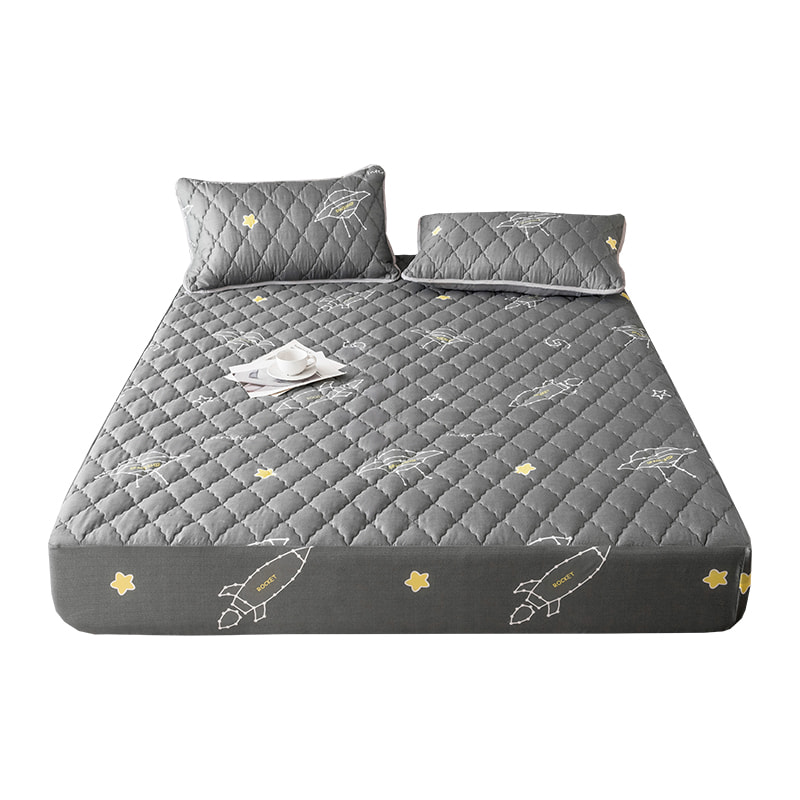 Waterproof Anti-Mite Mattress Protector for Homes and HotelsA breathable waterproof protector with anti-mite protection, designed for frequent washing in homes and hotels and customizable in materials, sizes, and colors.View Product →
For homes, the protector should be easy to remove and wash, and it should not change the feel of the mattress more than necessary. For hotels and rental apartments, the protector becomes a commercial item: it must survive frequent washing, hold its size, and be replaceable in standard batches. Buyers should check whether the protector is machine washable, whether it can be tumble dried, and whether the waterproof layer remains intact after repeated cycles. A protector that saves one mattress from a stain can pay for itself, but only if housekeeping can use it without extra labor or complaints.
Fit is the most common failure point. A protector that is too shallow will ride up at the corners. A protector that is too deep will bunch under the sheet. If the mattress has a pillow top or an added topper, measure again. The protector should sit smoothly under the sheet, with no loose folds that create pressure points. For buyers comparing a waterproof anti-mite protector with a regular protector, the key question is not which one sounds more protective. It is which one matches the cleaning routine, the mattress height, and the user's sensitivity to heat and noise.
Treat the protector as a fitted component with its own size, care, and breathability requirements.
Sheets, Toppers, and Comfort Layers That Change Feel
Bedding cannot repair a mattress with broken support, but it can change friction, temperature, and fit. A tight percale sheet feels cool and crisp, while a brushed microfiber sheet feels warmer and softer. A tencel sheet can drape smoothly and feel cool to the touch, but it needs a careful wash routine. A polyester sheet set can be durable and easy to care for, but weight and construction matter. A low-gsm fabric may feel thin, while a heavier fabric may feel more substantial but take longer to dry. Buyers should match the sheet to the user and the laundry, not only to the room color.
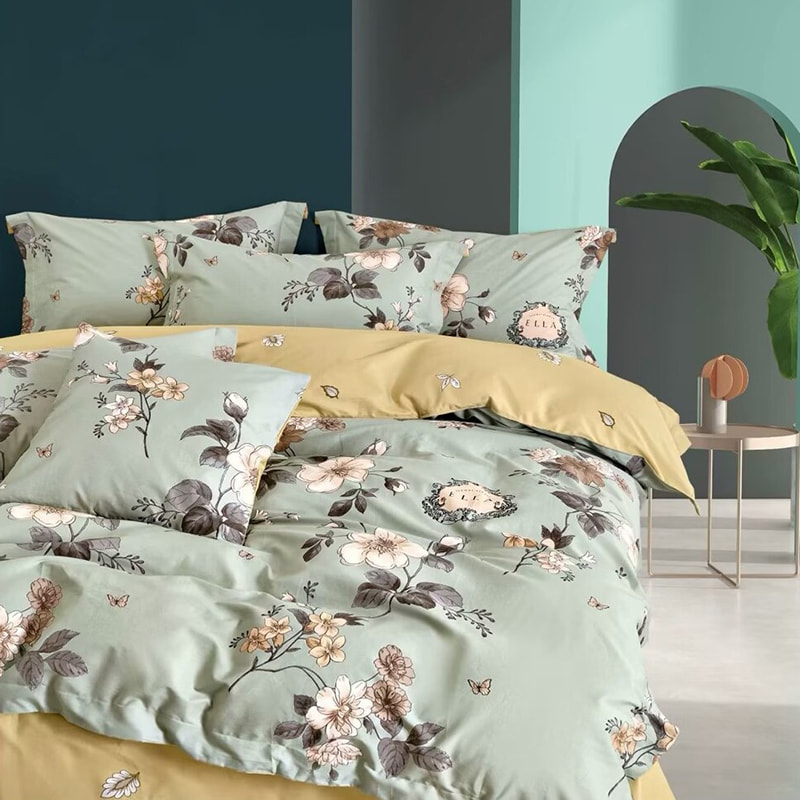 Soft High-Density Pure Cotton Bed Sheet SetA smooth, breathable pure cotton sheet set with high-density construction, suited to sensitive skin and buyers seeking a softer upgrade for regular bedding use.View Product →
A topper is another variable. A 2-inch soft topper can reduce pressure for a side sleeper, but it can also make a firm mattress feel unstable and require deeper sheets. A mattress protector with a padded surface adds a small amount of cushion but should not be treated as a replacement for support. If a buyer adds a topper, the bedding order should be updated at the same time. This is where a mattress decision becomes a textile decision: the same mattress may need a 14-inch pocket sheet in one room and an 18-inch pocket sheet in another because the protector and topper differ.
For a bedding manufacturer, the practical answer is to keep specifications visible. Fabric content, weight, width, pocket depth, shrinkage, and care temperature should be written on the quotation, not left to a sample photo. A buyer who knows the mattress height and wash routine can choose a sheet that fits the first time. A buyer who chooses only by color may end up with a set that looks right on the shelf and fails in the guest room. The goal is not to make the bedding the center of the purchase. It is to remove bedding as a source of returns and complaints.
Update the sheet and protector specification whenever a topper or thick mattress pad changes the finished bed height.
Buying for Hotels, Guesthouses, and Rental Apartments
Commercial buyers should start with the room standard, not the mattress catalogue. A hotel needs a consistent bed height across rooms so that sheets, protectors, and bed runners fit without adjustment. Housekeeping needs a wash routine that works with the linen on hand. Maintenance needs a replacement plan for stained or collapsed mattresses. Procurement needs a supplier who can repeat the same specification across orders. These requirements sit alongside the guest's comfort, but they are not secondary. A mattress that feels good on day one but cannot be paired with standard linen will create costs every week.
Hotel linen often separates into polycotton and pure cotton lines. Polycotton can offer strength and easier care, while pure cotton can offer a softer hand feel and better breathability. The right choice depends on the star positioning, laundry capacity, and guest expectation. For a guesthouse or serviced apartment, a durable sheet with a consistent pocket depth may matter more than a high thread count. For a hotel, the visible finish matters: embroidery, stripes, or solid color should be matched across the floor, and the color should hold after repeated washing. A manufacturer or supplier who understands these differences can help the buyer avoid mixing home-use and contract-use specifications.
 Solid Pure Cotton Hotel Bed Sheet SetA durable pure cotton hotel sheet set with solid-color finish and high-density fabric, made for frequent washing, high-temperature cleaning, and coordinated contract linen orders.View Product →
When comparing a wholesaler or supplier, ask for a sample that matches the production specification, not a showroom sample with a different fabric. Check the packing method, the size labeling, and the minimum order quantity. If the property has more than one room type, group the order by bed size and mattress height. That makes it easier to replace one room without reordering the whole floor. It also makes the linen inventory easier to count. A simple matrix of room type, mattress height, protector type, sheet size, and quilt size is more useful than a long verbal description.
For commercial buyers, standardize the finished bed height and linen specification before placing the first mattress or textile order.
Quality Checks and Red Flags in Mattress and Bedding Sourcing
Mattress quality is difficult to judge from a photo, and bedding quality is difficult to judge from a single touch. The buyer needs written specifications and a sample that can be compared with the bulk order. For a mattress, ask about foam density, layer order, coil system, edge support, cover fabric, and warranty exclusions. For bedding, ask about fiber content, weight or yarn specification, width, pocket depth, shrinkage tolerance, colorfastness, stitching, and care instructions. A supplier who cannot provide these details is asking the buyer to accept risk without a way to measure it.
Red flags include vague descriptions such as “premium quality” without a number, photos that do not match the sample, and a price that is far below the stated material. A mattress protector that claims waterproof protection but gives no backing or care information is another warning sign. For hotel linen, a missing shrinkage tolerance is a practical problem because the sheets may fit before the first wash and fail afterward. A missing colorfastness standard is a risk when white sheets are washed with colored items or when a hotel uses strong laundry chemicals.
- Request a pre-production sample and keep it as the reference for bulk production.
- Confirm dimensions, tolerances, and finished bed height in writing.
- Check wash care, shrinkage, and colorfastness before approving a hotel order.
- Ask how the product is packed and labeled by size, color, and room type.
- Review the replacement policy for stains, defects, and batch variation.
A good supplier makes the specification easy to audit. That does not mean every buyer needs a laboratory. It means the buyer should know what will be measured, what is acceptable, and what happens if the bulk order differs from the sample. The same standard applies to a mattress and to the bedding on top of it. When the mattress height, protector, sheet, and quilt are specified as one system, the buyer has fewer surprises and the user has a bed that works as intended.
Ask for measurable specifications and a production-matched sample; a claim without a number is not a purchasing standard.
Budgeting, Trial Periods, and Total Cost
Mattress price is only one line in the total cost. A protector, two sheet sets, a topper, delivery, old mattress removal, and a longer warranty can change the real cost of ownership. A low-price mattress that needs an early replacement may cost more than a mid-price mattress with a suitable protector and washable sheets. A hotel buyer should also count laundry labor, storage, and the cost of replacing stained linen. The aim is not to buy the cheapest set. It is to buy a combination that survives the expected use without constant replacement.
The chart below is a practical weighting example for a household purchase. It is not a rule for every buyer, but it shows how a decision can be organized before visiting a store or comparing quotes. The weights should change for a hotel, a guest room, or a buyer with a specific pressure-relief need.
A practical weighting example for a mattress purchase decision
The largest weight sits with support and comfort because those are the reasons a mattress is replaced early. Price and total cost come next because a low purchase price can hide the cost of protectors, sheets, delivery, and replacement. Durability and warranty matter, but a warranty does not cover every stain or normal softening claim. Size and bedding fit deserve a separate weight because a mattress that is too deep for the standard sheets creates daily friction. Care and maintenance and trial terms are smaller weights in this example, but they can become decisive for allergy-sensitive users, hotels, or buyers who cannot test in person.
For a home buyer, the trial period should be long enough to allow a few normal nights, not just one afternoon. For a commercial buyer, the trial should include the actual protector, sheet, and quilt, because the finished bed is what guests see and housekeeping handles. A mattress that feels good in a showroom but cannot be paired with the property's linen standard is not a successful purchase. A bedding supplier can help by confirming pocket depth, wash shrinkage, and packing before the mattress order is finalized.
Compare the mattress, protector, sheets, and care costs as one purchase, because the cheapest line item is rarely the cheapest system.
A Practical Buying Checklist
A checklist keeps the decision from drifting into showroom impressions. Use it before comparing models, and use it again before approving a hotel or wholesale order. The order below follows the sequence that usually prevents expensive mistakes.
- Confirm the main sleeper, sleep position, body weight range, and partner movement.
- Measure the room, door, stairwell, and base type before choosing a size.
- Test the mattress in the normal sleep position for at least ten minutes.
- Check edge support, motion transfer, and the return policy in writing.
- Measure the finished bed height with the protector and topper in place.
- Choose sheet pocket depth, protector skirt depth, and quilt size to match that height.
- Ask for foam, coil, fabric, weight, width, and care specifications.
- Request a production-matched sample for bedding and hotel linen orders.
- Plan the wash routine and replacement cycle before the first use.
- Keep one specification sheet for every room type or product size.
The checklist is deliberately plain. It does not require a technical background, and it works for a single household bed or a multi-room property. The key is to write the answers down. A buyer who writes “queen, 14-inch mattress, 3-inch topper, deep pocket sheets, washable protector” has a specification that a supplier can quote. A buyer who writes “soft queen bedding” has a conversation that may end in a return.
Write the finished bed height and care routine into the checklist, then use them as the basis for every bedding quote.
Frequently Asked Questions About How to Choose a Mattress
How to choose a mattress for side sleepers?
Side sleepers usually do better with a surface that relieves pressure at the shoulder and hip without letting the lower back sink too far. Test the mattress on your side for several minutes, not just on your back. Bring your own pillow if possible, because pillow height changes the alignment of the neck and shoulder. A soft topper can help a firm mattress, but it can also change the sheet pocket depth you need.
Is a firmer mattress always better for back support?
No. A very firm surface can leave a gap under the lower back for some sleepers, while a very soft surface can let the hips sink. The useful test is whether the spine feels evenly supported and whether the shoulders and hips bear pressure comfortably. Body weight and sleep position change the result, so a mattress described as firm should still be tested in person or under a clear trial policy.
How often should a mattress protector be washed?
For a home bed, a wash every one to two months is a common routine, with more frequent washing for allergy-sensitive users, pets, or spills. For a hotel, the protector should follow the housekeeping schedule and the manufacturer's care instructions. Always check the wash temperature and drying method, because a waterproof backing can be damaged by heat. Keep a spare protector for each room type so that a wash day does not take the bed out of service.
Can a mattress topper fix an uncomfortable mattress?
A topper can reduce pressure or add softness, but it cannot repair a broken support structure or a deep sag. It also adds height, which may require deeper sheets and a different protector. If the mattress is old, stained, or structurally failed, a topper is a short-term measure. If the mattress is sound but too firm, a topper can be a practical adjustment, provided the bedding is updated at the same time.
What should hotel buyers check before ordering mattresses and linen together?
Fix the finished bed height, the protector type, the sheet pocket depth, and the wash routine first. Then order a sample of the sheet and protector with the mattress specification. Check shrinkage, colorfastness, and corner fit after washing. A hotel that changes mattress height without updating the linen order will see loose sheets, exposed protectors, and extra housekeeping time. A manufacturer or supplier should be able to confirm these details in writing.
How do I compare a mattress supplier or bedding wholesaler?
Ask for measurable specifications, a production-matched sample, and a clear packing and replacement policy. Compare the same specification across suppliers rather than comparing a premium sample with a budget bulk order. For bedding, check fiber content, weight, width, pocket depth, and care instructions. For mattresses, check foam or coil details, warranty exclusions, and the trial terms. A lower price is only useful if the product meets the same specification.
Does mattress height affect sheet size?
Yes. A fitted sheet needs enough pocket depth to cover the mattress plus any protector or topper. A 12-inch mattress may work with a standard pocket, while a 15-inch mattress with a topper may need a deep or extra-deep pocket. Measure the finished height at the corner, not the center, and check the protector skirt as well. When in doubt, choose the deeper pocket with a secure elastic edge rather than a tight sheet that pulls off.
Most mattress and bedding problems are fit problems, so answer the size, height, and care questions before comparing brand claims.
Final Takeaway
How to choose a mattress comes down to matching the bed to the person, the room, and the maintenance routine. Support and pressure relief come first. Size and height come next. Then come the protector, sheets, topper, and quilt that determine how the bed feels and how long it stays clean. For a household, that means measuring the finished bed and buying bedding that fits. For a hotel or wholesale buyer, it means fixing a standard height, a wash routine, and a repeatable specification across every room. A mattress is the base, but the bedding system is what the user touches every night.
Choose the mattress for support and fit, then choose the protector and sheets for height, care, and repeatable supply.
Related Reading
Two practical resources may help buyers connect the mattress decision with the bedding order. The first looks at how a waterproof protector may affect mattress collapse under real use. The second gives an overview of the home textile range and the specifications available for buyer review.
Review the protector and bedding specification alongside the mattress specification so the finished bed works as one system.
Related products
-
-
FunctionFast drying and easy to take care of: Anti-shrinkage and no ironing, fast drying after machine washing, simplified daily care.Durable color protection: High wear resistance and color fastness,...
See Details -
FunctionStrong warmth: High gram weight provides good insulation performance, suitable for low-temperature environments.Durable anti-wrinkle: High-density structure wear and tear resistance, not easy ...
See Details -

FunctionSkin-friendly breathable: Natural cotton fiber is soft and comfortable, good for breath, and suitable for the use of moisture.Absorption and perspiration: Good moisture absorption, keep dry bo...
See Details -
FunctionMore delicate and skin-friendly: Higher than 12868,13372, the fabric is more delicate and soft, the touch is better and more.Breathable: High-density cotton structure further improves moisture...
See Details -
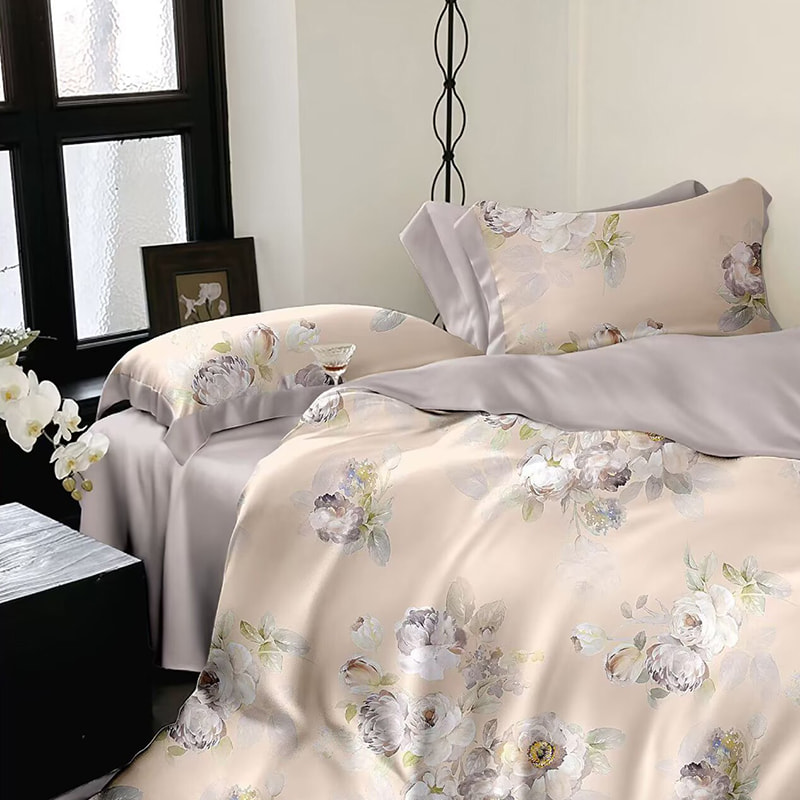
Function Extreme skin affinity: Day silk fiber is soft and smooth, touch like silk, suitable for close-fitting use of moisture. Absorption and breathability: moisture absorption and sweat performance,...
See Details -
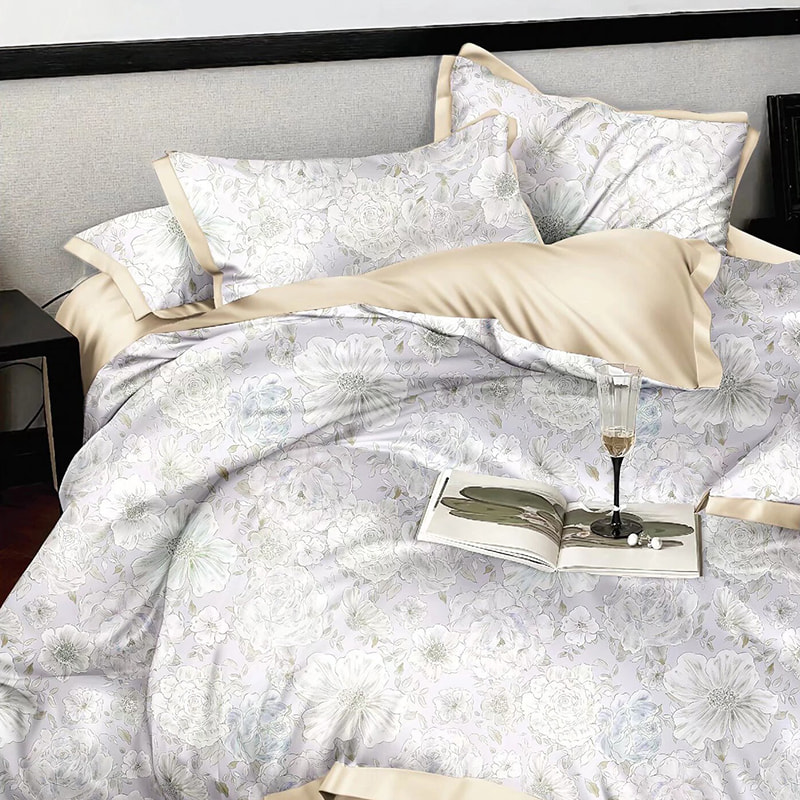
FunctionMore delicate and skin-friendly: Compared with 50S, 60S silk fiber is thinner, softer, smoother, more comfortable for close use, and more moisture absorption.Breathable: Higher branches improv...
See Details -
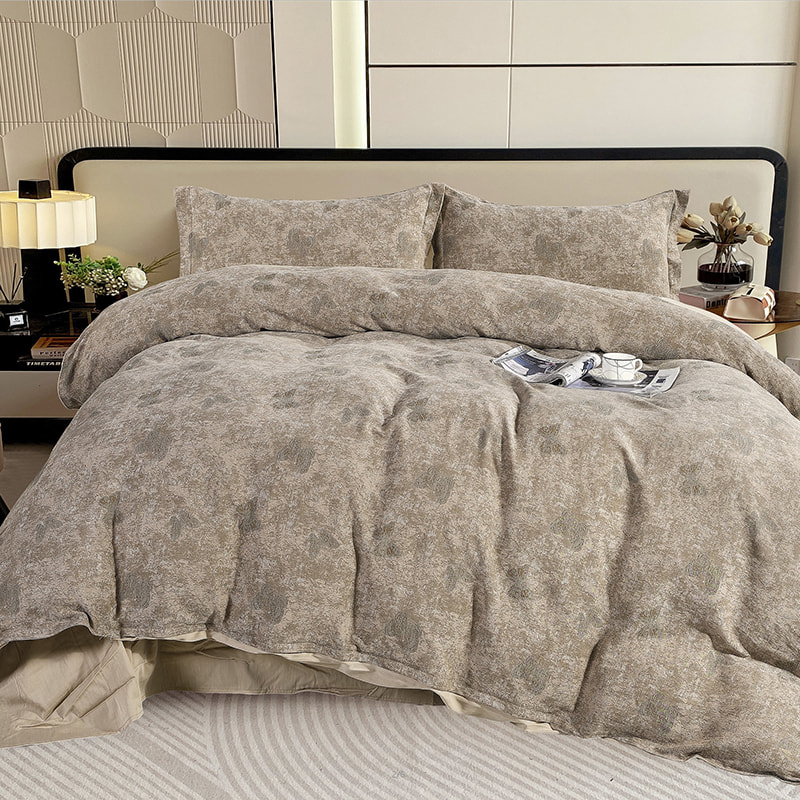
Function Luxury touch: The fiber is soft and smooth, and the jacquard process adds a three-dimensional texture. Touch like silk moisture absorption: moisture absorption performance keeps dry and comfo...
See Details -

Function Fine pattern performance: Digital printing is higher precision than round net printing, richer color, more delicate pattern, fast dry.Easy to care: The polyester fiber characteristics are unc...
See Details -
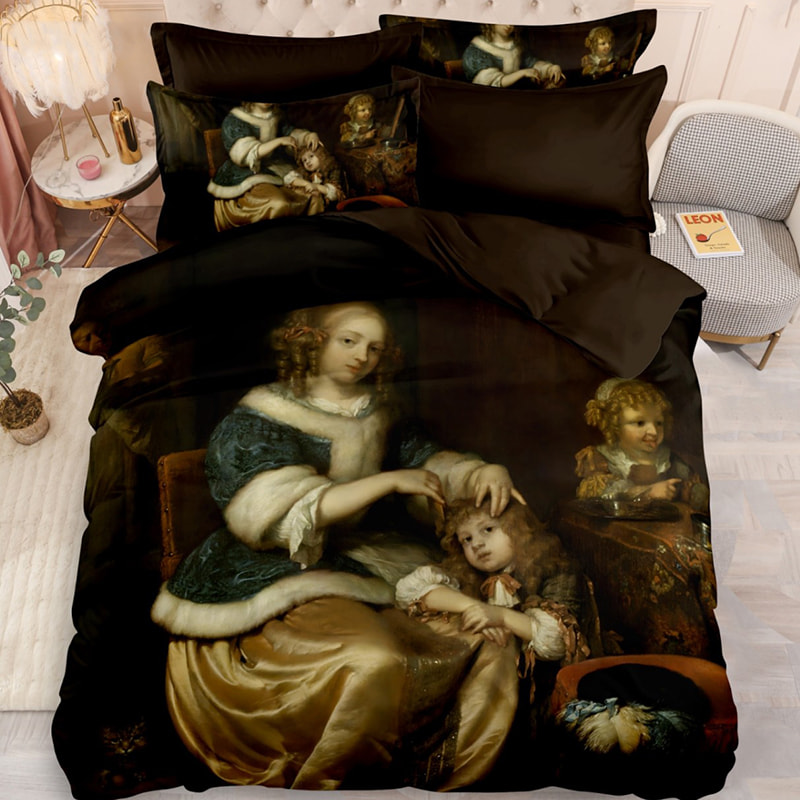
FunctionFine pattern performance: Digital printing is higher precision than round net printing, richer color, more delicate.Durable anti-wrinkle: 130g polyester fiber fabric has a vertical feeling, an...
See Details -
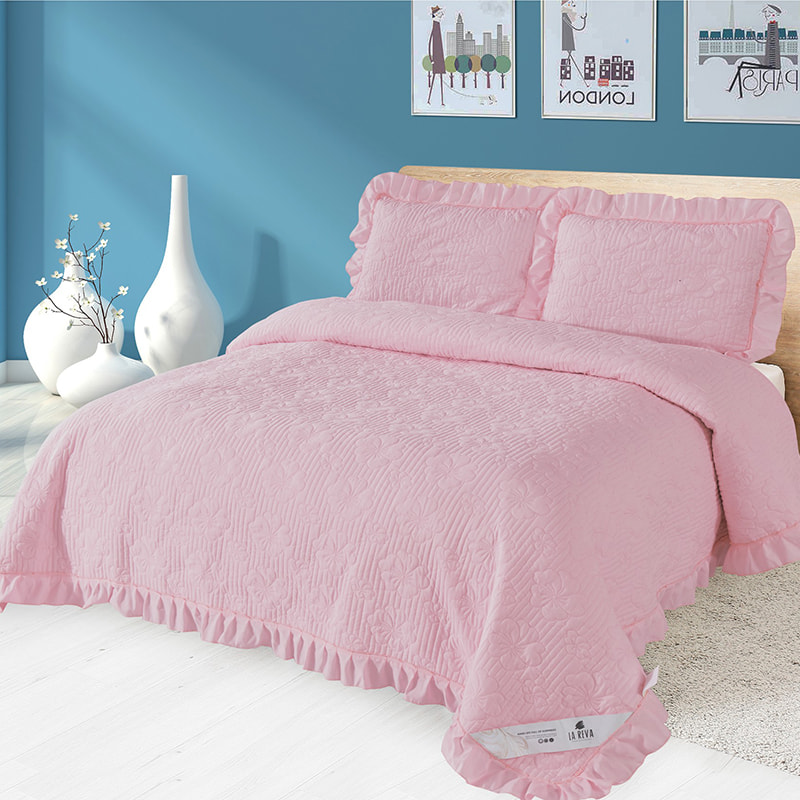
FunctionThin and light: The ultrasonic process does not create pinholes or quilting thread, and the fabric is thin and smooth.Strong decoration: Lace elements add an elegant and romantic sense, enhanc...
See Details -
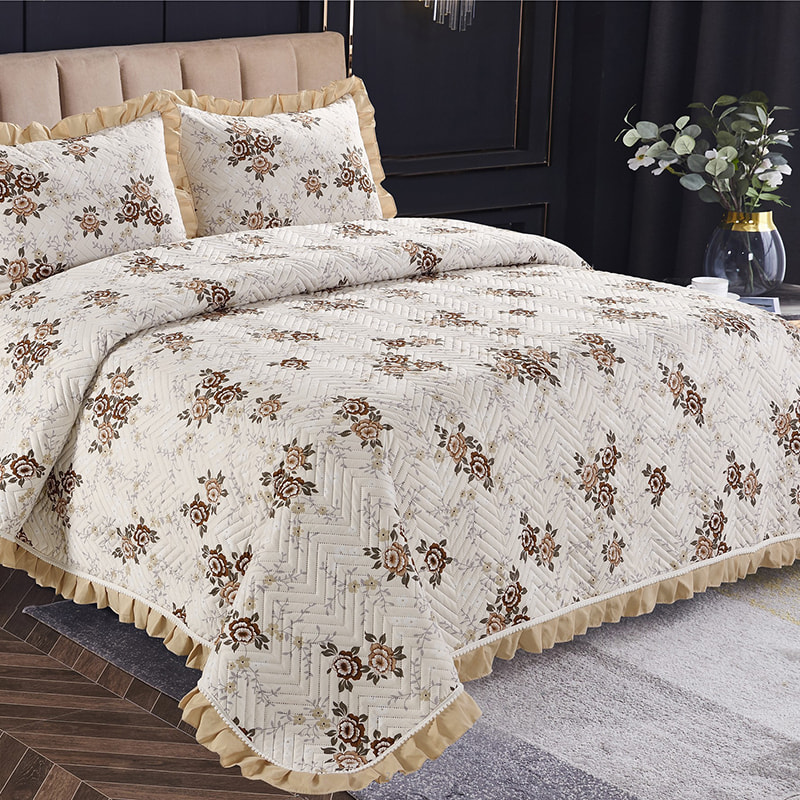
FunctionThin and light: The ultrasonic process does not create a pinhole or quilting thread, and the fabric is thin and smooth.Strong decorative: Print patterns add a sense of art and design, enhancin...
See Details
