

 English
 Español
 عربى
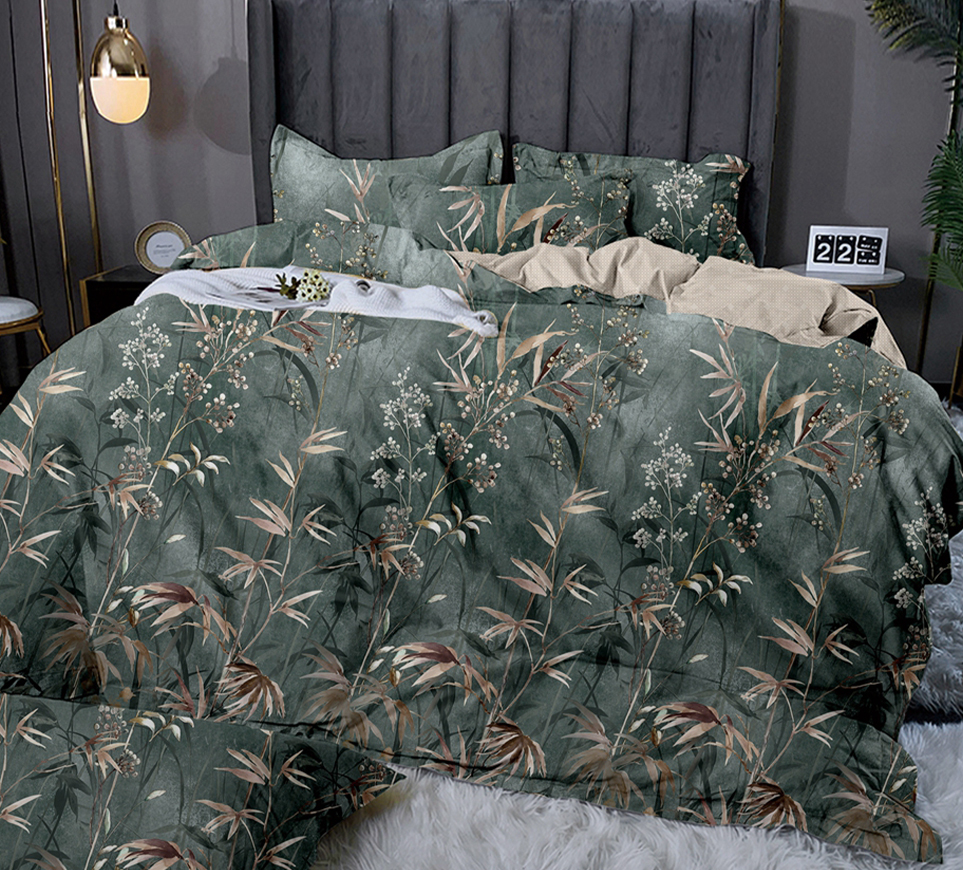
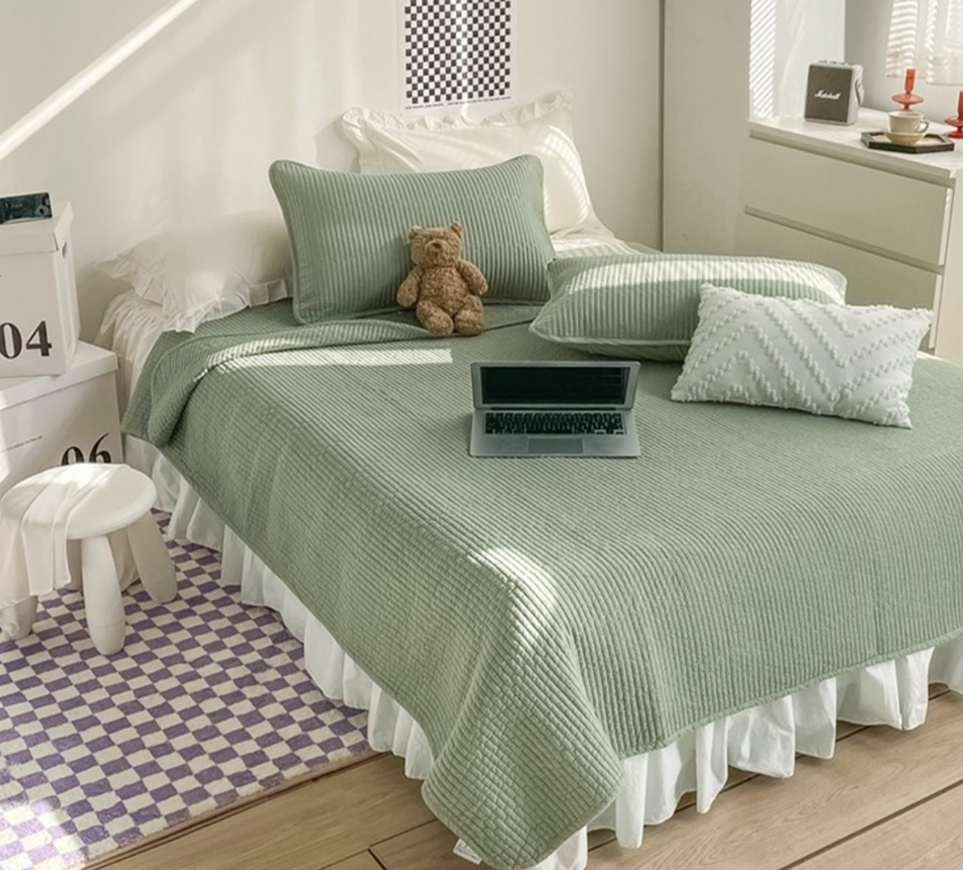
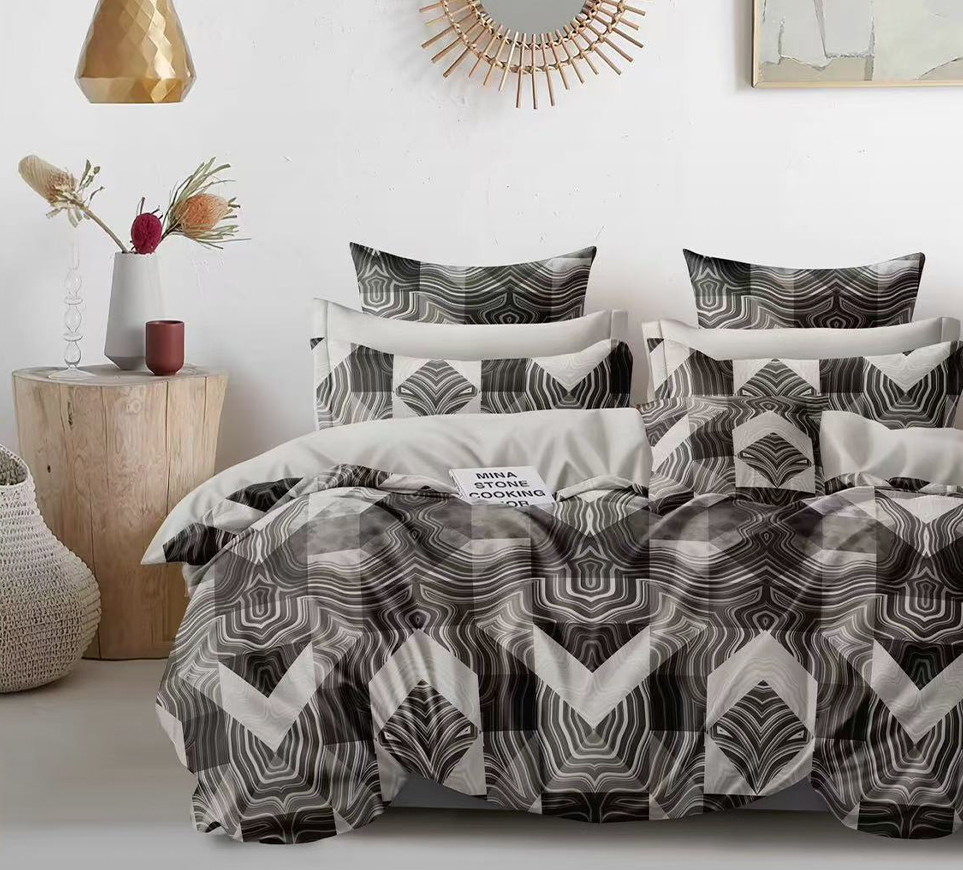
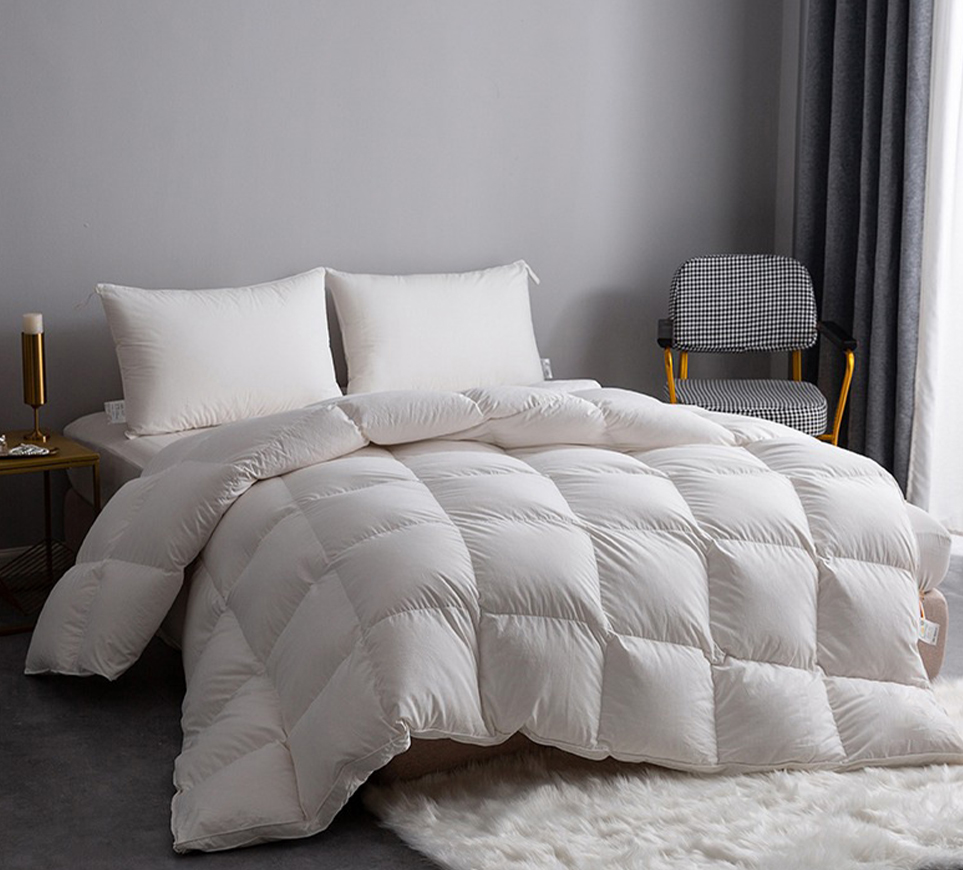

FunctionFast dry and easy to care: Not easy to shrink, no ironing and anti-wrinkle, fast drying after machine washing.Durable and fade resistant: Strong wear resistance, high color fastness, long-term...
See DetailsWhy Choose Us?
Established in 2008, with a 3,000m² professional factory, over 50 employees, and 5 departmental managers.

Coming From China, Marketing To The World.
Fleece Blanket Manufacturer and Supplier | Custom and Wholesale Guide
Oct 26, 2026
Content
- 1 Fleece Blanket Buying Guide: The Short Answer for Importers and Retail Buyers
- 2 Nantong Noble International Trade Co., Ltd. as a China Fleece Blanket Manufacturer and Supplier
- 3 How a Fleece Blanket Is Made, From Yarn to Packed Carton
- 4 Fleece Blanket Weight and Thickness: Reading GSM Correctly
- 5 Flannel, Microfiber and Sherpa Fleece Blanket Fabrics Compared
- 6 Seasonal Planning for a Fleece Blanket Collection
- 7 Fleece Blanket Sizes for Bed, Sofa, Baby and Hospitality Use
- 8 Custom Fleece Blanket Options From a Home Textile Manufacturer
- 9 Wholesale Fleece Blanket Sourcing: What Buyers Should Check Before Ordering
- 10 Testing and Compliance for Fleece Blanket Exports
- 11 Packaging, Loading and Shipping a Fleece Blanket Order
- 12 Fleece Blanket Care Guidance That Helps Reduce Returns
- 13 Working With a Fleece Blanket Supplier From Inquiry to Delivery
- 14 Related Home Textile Resources From Nantong Noble
- 15 Fleece Blanket FAQ
- 15.1 Q1. What gsm is suitable for a general purpose Fleece Blanket?
- 15.2 Q2. Can a fleece blanket manufacturer produce custom prints and sizes?
- 15.3 Q3. How can pilling be reduced in a Fleece Blanket?
- 15.4 Q4. What should be agreed before starting a wholesale fleece blanket order?
- 15.5 Q5. Is a Fleece Blanket suitable for hotels and rental properties?
- 15.6 Q6. How should a Fleece Blanket be washed?
- 15.7 Q7. Can blankets be coordinated with bedding sets and sofa covers?
- 15.8 Q8. What information is needed to request a sample?
Fleece Blanket Buying Guide: The Short Answer for Importers and Retail Buyers
A buyer opens the first carton of a bulk order and finds that the Fleece Blanket sheds fibers on a dark sofa, feels thinner than the approved sample, and carries a care label that does not match the washing test report. None of these problems is rare, and all of them can be traced back to decisions made before cutting began. The short answer to what makes a good Fleece Blanket order is simple: agree on fabric weight in gsm, fiber type, finished size, edge finishing and test items in writing before sampling starts, then check that the production lot matches the approved sample on those same points.
Most commercial fleece blankets are knitted from polyester and brushed on one or both sides to raise a soft, insulating pile. Typical specifications for a throw or bed blanket fall between roughly 150 and 400 gsm, with lighter fabric used for travel and warm climates and heavier fabric used for winter bedding. A fleece blanket manufacturer who can explain why a particular gsm suits a particular market is usually easier to work with than one who only quotes a single standard fabric.
This guide is written for importers, wholesalers, retail chains, hotel purchasers and online sellers who source a Fleece Blanket from China. It covers fabric choices, weight, sizing, customization, testing, packaging and the questions that tend to come up during a first order. Where figures are shown in charts, they represent typical planning ranges used in the industry and are not laboratory results for any single product. Always confirm specifications against the latest version of the relevant standard and your own destination market requirements.
Key takeaway: a written specification covering gsm, fiber, size, edge finish and test items prevents most Fleece Blanket disputes before production begins.
Nantong Noble International Trade Co., Ltd. as a China Fleece Blanket Manufacturer and Supplier
Nantong Noble International Trade Co., Ltd. is a comprehensive home textile enterprise specializing in the design, production, processing, and packaging of household textiles. With over 18 years of experience in international trade and home textile manufacturing, we are committed to providing our customers with professional home textile solutions. As a professional China home textile manufacturers and home textile factory, our product range encompasses bedding sets, bedspreads, quilts, blankets, and sofa covers.
Our company is constantly updating product styles and designs to ensure rapid production. Additionally, we provide customized products based on customer demands to meet the diverse needs of the market. For buyers who need a Fleece Blanket, this means one supplier can coordinate blankets together with matching bedding or sofa covers, which simplifies sampling, labeling and shipping when a program covers several product lines.
What this means for a Fleece Blanket program
- Design support for prints, solid colors, textures and coordinated collections.
- In house production, processing and packaging, which shortens the communication chain between buyer and workshop.
- Custom fleece blanket options based on customer drawings, color references and carton requirements.
- Experience with export documentation, labeling and packing requirements for several markets.
Key takeaway: more than 18 years in home textile trade allows Nantong Noble to support a Fleece Blanket order from design through packing.
How a Fleece Blanket Is Made, From Yarn to Packed Carton
Understanding the production route helps a purchaser ask better questions. A Fleece Blanket begins as polyester yarn, usually filament yarn, which is knitted into a base fabric on circular or warp knitting machines. The knitted fabric is then dyed or printed, brushed to lift the surface fibers, and sheared or finished so the pile is even. Only after the fabric is approved does cutting and sewing start.
Knitting and brushing
Knit density sets the base strength of the fabric, while brushing sets how soft and how thick it feels. A tightly knitted base with moderate brushing tends to resist pilling better than a loosely knitted base brushed heavily to look plush on the shelf. When comparing samples, hold the fabric to the light and look at how evenly the pile covers the knit structure. Gaps or streaks usually point to inconsistent brushing.
Dyeing, printing and color matching
Solid colors are normally dyed in batches, and slight shade differences between batches are a known industry reality. A supplier who keeps lab dip records and retains a reference swatch for each color can compare later production lots against the first approval. For printed fleece, the printing method affects hand feel. Heat transfer printing usually keeps the pile soft, while heavy coverage printing can leave a firmer surface, so the artwork should be reviewed with this in mind.
Cutting, edge finishing and sewing
Fleece does not fray the way woven cotton does, so some budget blankets are simply cut and left raw. For retail and hospitality use, a finished edge looks more professional and holds up better in repeated washing. Common choices include overlock stitching, blanket stitch, binding with a contrast fabric, or a sewn hem. Each choice changes the look and the production time, so it should be fixed at the sample stage.
Key takeaway: knit density, brushing level and edge finish together decide how a Fleece Blanket looks in the store and how it ages at home.
Fleece Blanket Weight and Thickness: Reading GSM Correctly
Grams per square meter, written as gsm, is the most common way to describe how heavy a Fleece Blanket fabric is. Mass per unit area is measured under methods such as ASTM D3776, and a supplier should state the gsm of the finished fabric after brushing, not of the raw knit before finishing. The chart below shows typical gsm midpoints used for different blanket categories.
These figures are planning references drawn from common industry practice. Actual specifications vary by market, climate and customer preference, and a tolerance range of a few percent is usual when a gsm target is agreed.
The chart shows that weight rises with the intended season and with the use of a second fabric layer such as a sherpa backing. A lightweight Fleece Blanket near 150 gsm packs small, which suits travel sets and promotional gifts. Blankets in the 220 to 260 gsm band are the most flexible choice for general retail because they feel substantial without becoming hot indoors.
For a wholesale fleece blanket program, it is sensible to offer two or three weights rather than one, so that the same collection serves both mild and cold regions. Nantong Noble can sample several gsm options in the same color so the buyer can feel the difference before committing to a bulk order. Thickness, measured under standard pressure with methods such as ISO 5084, adds a second data point, because two fabrics with the same gsm can feel different if the pile height differs.
Key takeaway: state gsm of the finished fabric with a tolerance range, and offer two or three weights to cover different climates.
Flannel, Microfiber and Sherpa Fleece Blanket Fabrics Compared
Buyers often use the words fleece, flannel and microfiber as if they were the same thing. They overlap, but they behave differently on a bed and in a washing machine. The table below describes the three constructions most often requested from a fleece blanket supplier.
| Construction | Typical gsm | Hand feel | Common use |
|---|---|---|---|
| Flannel fleece | 180 to 280 | Smooth and light | Sofa throws, printed designs |
| Microfiber fleece | 200 to 320 | Fine and dense | Bed layers, hotel rooms |
| Sherpa backed fleece | 280 to 420 | Plush and warm | Winter bedding, gift sets |
To make the comparison easier to read, the radar chart below scores each construction on five attributes from 1 to 10. The scores are an illustrative planning aid based on general market feedback rather than measured test data.
The radar shape makes the trade offs visible at a glance. Sherpa backed fabric scores highest for softness and warmth but lower for light weight, which is why it fits gift sets and winter programs rather than travel items. Flannel fleece takes a more balanced shape, and its smooth surface works well for detailed prints on a sofa Fleece Blanket.
Microfiber fleece sits between the two, with a fine pile that suits bed layering and guest rooms. Pilling resistance can be checked in a laboratory with the Martindale method described in ISO 12945-2, and it is worth requesting this result for any fabric that will be washed often. A home textile manufacturer that can produce all three constructions in one facility gives the buyer room to build a good, better and premium range without changing suppliers.
Key takeaway: match the fabric construction to the selling season, because sherpa backed, microfiber and flannel fleece each suit a different buyer need.
Seasonal Planning for a Fleece Blanket Collection
Fleece blankets are a seasonal category in most cool and temperate markets, so the timing of production matters as much as the specification. Orders placed too late miss the peak, while orders placed too early tie up warehouse space. The line chart below shows an illustrative demand index for a northern hemisphere market across twelve months.
The index is a planning example, with the highest month set to 100. Your own sales history, regional climate and channel mix should replace these numbers when you build a real forecast.
The curve climbs through autumn, peaks around November and December, and then declines slowly through the first quarter. This means a retailer who wants stock on shelves by late September should usually confirm the bulk order several months earlier, leaving time for sampling, production, shipping and customs clearance.
Counter seasonal planning is also possible. Lightweight fleece blankets for travel, picnics, camping and air conditioned offices keep some demand alive during the warm months, and southern hemisphere customers have their own peak in the opposite half of the year. A fleece blanket supplier that keeps core colors and fabrics ready for repeat orders can help a buyer restock mid season without restarting the whole development process.
A simple ordering rhythm for importers
- Finalize colors, sizes and gsm targets in the first quarter of the year.
- Approve pre production samples and test reports in the second quarter.
- Place the main bulk order before mid summer so shipping can be completed with a buffer.
- Reserve a smaller replenishment quantity for the weeks before the peak.
Key takeaway: plan Fleece Blanket production months ahead of the autumn peak and keep a small reserve for replenishment.
Fleece Blanket Sizes for Bed, Sofa, Baby and Hospitality Use
Size standards differ between countries, and a blanket sold as a queen in one market may be a few centimeters different elsewhere. Rather than relying on labels alone, buyers should list the finished dimensions in centimeters or inches and give a tolerance. The chart below shows typical finished sizes used for common categories.
Each pair of columns shows width and length in centimeters. They are common reference sizes, and a custom fleece blanket can be cut to a different size when a customer has a specific shelf, packaging or bedding layout in mind.
The progression from baby to king size shows why packaging needs to be planned by category. A baby blanket folds into a small polybag, while a king size bed blanket needs a larger bag, carton or a vacuum compressed pack to keep shipping volume manageable. Choosing the right packing method for each size can change how many pieces fit in a container.
Throw sizes are the workhorse of sofa Fleece Blanket programs, and they pair naturally with sofa covers and cushion covers from the same home textile factory. For hotels and serviced apartments, twin and queen sizes are common, and a consistent finished size across every room type simplifies laundry and replacement. Nantong Noble can match blanket sizes to a customer's existing bedding sets, which helps retail displays and hotel linen programs look coordinated.
Use scenarios that shape the specification
- Sofa and living room: medium weight, attractive print or texture, throw size.
- Bed layering: twin to king size, microfiber or sherpa backed fabric, finished edge.
- Baby and kids: small size, soft pile, careful review of trims and labels for the destination market.
- Hospitality: repeat wash durability, stable colors, uniform size across the property.
- Promotional and gift: lighter weight, custom label or embroidery, compact packaging.
Key takeaway: define finished size in centimeters with a tolerance and plan packaging separately for each Fleece Blanket size.
Custom Fleece Blanket Options From a Home Textile Manufacturer
A custom fleece blanket gives a brand a product that is unique to its channel, and customization is where an experienced home textile factory adds the most value. Nantong Noble provides customized products based on customer demands, and the same flexibility applies to blankets. The practical question is which customizations are worth requesting, and at what stage.
Print, pattern and color
Printed designs allow seasonal collections, licensed style programs and region specific patterns. Provide artwork in vector format where possible and supply a physical color reference or a recognized color code. Dark and saturated colors need extra attention to colorfastness, which is commonly assessed with the ISO 105 series of test methods for rubbing, washing and perspiration.
Embroidery, labels and trims
Embroidered logos suit hospitality, corporate gifts and premium retail ranges. Woven labels and printed care labels carry brand identity and legal information, and the care instructions should be consistent with the testing performed. ISO 3758 describes the care labeling code system that many buyers use as a reference, though regional requirements may differ, so confirm what your market requires.
OEM fleece blanket packaging
Retail packaging can include printed hang tags, clear PVC bags with zipper closures, paper bands, gift boxes or woven carry bags. An OEM fleece blanket program usually specifies carton marks, barcode placement and inner pack quantities as well. Sending these requirements with the first inquiry avoids rework later.
| Option | Information needed | Sampling note |
|---|---|---|
| Custom print | Artwork file, color references, repeat size | Strike off or printed swatch first |
| Custom color dye | Color code or physical swatch | Lab dip approval |
| Embroidery | Logo file, position and size | Embroidered sample on actual fabric |
| Private label | Label artwork, care text, fiber content | Label proof and placement check |
| Custom packaging | Pack type, barcode, carton marks | Packed sample photo before bulk |
Key takeaway: send artwork, color references and packaging requirements together so custom Fleece Blanket sampling starts with complete information.
Wholesale Fleece Blanket Sourcing: What Buyers Should Check Before Ordering
Wholesale fleece blanket sourcing is mostly about reducing surprises. The difference between a smooth order and a difficult one often lies in how clearly the checkpoints were defined. The donut chart below shows an illustrative way to distribute inspection attention across the main stages of a bulk Fleece Blanket order.
The shares are a planning example and should be adjusted to the product and the risks that matter most for your channel. A printed, embroidered blanket, for example, may need more attention at the decoration stage than a plain solid color item.
Fabric inspection takes the largest share in this example because defects in the base fabric, such as streaks, holes or uneven brushing, cannot be repaired once the blanket is sewn. Checking rolls before cutting is far more effective than finding the same defect in finished pieces. A fleece blanket factory that records roll numbers and links them to production lots makes later investigation easier if a question arises.
Sewing and edge finishing follow closely, since loose threads, uneven hems and weak seams are the problems retail customers notice first. The final random inspection is smaller in share but important as a last confirmation, ideally performed before cartons are sealed. Buyers who plan their own third party inspection can coordinate timing with the supplier so goods are ready when the inspector arrives.
Questions to ask a fleece blanket supplier
- Can the finished gsm and size be confirmed with tolerances on the approved sample?
- Which test reports are available for pilling, colorfastness and dimensional change?
- How are color differences between production batches controlled and recorded?
- What is the packing method for each size, and how many pieces fit in a standard container?
- Can the supplier retain a sealed reference sample for later comparison?
Key takeaway: inspect fabric before cutting and keep a sealed reference sample so every wholesale Fleece Blanket lot can be compared against the same standard.
Testing and Compliance for Fleece Blanket Exports
Testing requirements depend on the destination market, the product category and the retail channel. A Fleece Blanket sold in a department store, a children's product line and a hotel program may each be reviewed against different expectations. The best approach is to ask the importer or retailer for a written list of required tests, then share it with the supplier at the start of the project.
Several widely used references appear in home textile specifications. The table below lists common test topics and the type of standard often used. It is a general orientation and does not replace the requirements of your own market.
| Test topic | Example reference | Why it matters |
|---|---|---|
| Mass per unit area | ASTM D3776 | Confirms the gsm that was agreed |
| Pilling resistance | ISO 12945-2 | Indicates surface wear after use |
| Colorfastness | ISO 105 series | Checks color transfer and fading |
| Dimensional change | ISO 6330 with ISO 5077 | Shows shrinkage after washing |
| Harmful substances | OEKO-TEX STANDARD 100 | Supports safety documentation for skin contact textiles |
| Care labeling | ISO 3758 | Aligns symbols with tested care |
Certification such as OEKO-TEX STANDARD 100 applies to specific articles and materials, so a certificate should be checked for scope, validity period and the exact fabric it covers. If a customer requires certified fabric, ask the home textile manufacturer to confirm that the fabric used in the bulk order comes from the certified source.
Test results are most useful when they are tied to an approved sample and a production lot. A report that covers a different fabric than the one in your order offers little reassurance. Nantong Noble works with buyers to align test plans with the destination market, and sample submissions to an accredited laboratory can be arranged when a customer needs an independent report.
Key takeaway: request a written test list from your market and make sure every report matches the exact Fleece Blanket fabric in your order.
Packaging, Loading and Shipping a Fleece Blanket Order
Fleece is bulky, and shipping volume often matters more than weight. A container can fill up by space long before it reaches its weight limit, so packing design has a direct effect on how efficiently a Fleece Blanket order travels. Compression packing, where air is removed from a sealed bag, can reduce the volume of heavy blankets noticeably, though the pile needs time to recover once opened.
Choosing a pack type
- Polybag with header card: suited to shelf display and online fulfillment.
- Zipper PVC bag: reusable bag that customers keep for storage.
- Gift box or carry bag: suited to promotional programs and seasonal gifting.
- Vacuum compressed pack: reduces carton volume for heavier and larger blankets.
Carton and labeling details
Cartons should be strong enough for stacking, with clear marks for item number, color, size and quantity. Moisture is a risk during long sea transport, so sealed inner bags and desiccant, where appropriate, help protect the product. Barcode labels should be placed where they can be scanned without opening the pack, and the barcode data should be checked against the buyer's system before printing begins.
Home textile factories that handle packing in house can adjust the pack after the buyer reviews photos, which saves a round of correction. For mixed container orders that combine blankets with bedding sets or sofa covers, a single packing list organized by carton number makes receiving easier at the warehouse.
Key takeaway: packing design affects container utilization as much as fabric weight does, so decide pack type early in the Fleece Blanket project.
Fleece Blanket Care Guidance That Helps Reduce Returns
A product that is cared for correctly keeps its appearance longer, and fewer customers will contact the seller with complaints. Care labels should reflect what the fabric can reasonably tolerate. Most polyester fleece can be machine washed in cool or warm water on a gentle cycle, and it generally dries at low heat. Very high heat can flatten the pile and may shrink some constructions.
Practical tips to include in product pages or inserts
- Wash before first use with similar colors, especially for dark or saturated shades.
- Avoid fabric softener, which can coat the fibers and reduce the soft, fluffy feel over time.
- Do not wash with items that have hooks or rough surfaces, as these can snag the pile.
- Dry on a low setting and remove promptly, then shake the blanket to lift the pile.
- Store in a breathable bag in a dry place when not in use.
Static electricity is a common comment about fleece, particularly in dry winter air. Using a dryer sheet is not always recommended for fleece because of the coating issue, so a short air fluff or a humidifier in the room is a gentler approach. A supplier can also discuss anti static finishing options during development if the market has frequent comments about this point.
Key takeaway: clear care instructions that match test results help a Fleece Blanket keep its softness and reduce customer questions.
Working With a Fleece Blanket Supplier From Inquiry to Delivery
A clear process saves time on both sides. A typical project with a fleece blanket manufacturer moves from inquiry to specification, sampling, approval, bulk production, inspection and shipment. Each step benefits from short written confirmations, because details agreed only in conversation are easy to forget during a busy production season.
What to include in the first inquiry
- Product type, such as throw, bed blanket, baby blanket or hotel blanket.
- Target gsm range, finished size and fabric construction.
- Color list or print artwork, with references.
- Estimated order quantity per item and desired delivery window.
- Destination market and any required test reports or labels.
Sampling and approval
Start with a fabric swatch or a made up sample in the agreed construction, then review hand feel, color and size. If changes are needed, list them clearly and request a second sample. When the sample is approved, both parties should keep a sealed reference piece. Production lots are then compared against that reference, which turns subjective opinions into a concrete check.
Communication during production
Ask for photos at key stages, such as fabric arrival, mid production and packing. Nantong Noble updates product styles and designs often and organizes production for rapid turnaround, so early notice of volume and color needs helps the workshop schedule the right lines. Buyers who share their sales forecast, even loosely, enable better planning for repeat orders.
Key takeaway: a complete inquiry, a sealed reference sample and photo updates keep a Fleece Blanket project on schedule.
Related Home Textile Resources From Nantong Noble
Buyers who source a Fleece Blanket often need coordinating items. The links below lead to related product categories and contact pages on the company website.
- Blankets collection for fleece, sherpa and other blanket styles.
- Bedding sets that can be coordinated with blanket colors.
- Sofa covers for living room programs.
- Contact the team to discuss custom fleece blanket requirements.
Fleece Blanket FAQ
Q1. What gsm is suitable for a general purpose Fleece Blanket?
Many retail programs use a range of about 220 to 300 gsm for everyday throws and bed layers. Lighter fabric near 150 gsm suits travel use, and heavier sherpa backed fabric above 300 gsm suits cold climate bedding.
Q2. Can a fleece blanket manufacturer produce custom prints and sizes?
Yes, custom fleece blanket development is commonly available, including prints, colors, embroidery, labels and finished size. Nantong Noble provides customized products based on customer demands and can review artwork and size requirements during sampling.
Q3. How can pilling be reduced in a Fleece Blanket?
Fabric construction and finishing matter most. A dense knit base, controlled brushing and a pilling test such as ISO 12945-2 help buyers compare options, and proper washing at low temperature supports the surface over time.
Q4. What should be agreed before starting a wholesale fleece blanket order?
Agree on finished gsm, fiber content, size with tolerance, edge finish, colors, test reports, labels and packing method in writing. Keeping a sealed approved sample helps compare the bulk lot later.
Q5. Is a Fleece Blanket suitable for hotels and rental properties?
It can be, provided the fabric is selected for repeated laundering. Microfiber or medium weight flannel fleece with a finished edge and tested colorfastness is a common starting point for hospitality programs.
Q6. How should a Fleece Blanket be washed?
Follow the care label. In general, gentle machine washing in cool or warm water, avoiding fabric softener and drying on low heat helps maintain the soft pile.
Q7. Can blankets be coordinated with bedding sets and sofa covers?
Yes. Because Nantong Noble produces bedding sets, bedspreads, quilts, blankets and sofa covers, colors and patterns can be matched across products for a coordinated collection.
Q8. What information is needed to request a sample?
Share the product type, target gsm, size, color or artwork, packaging needs and destination market. With these details, the team can recommend a fabric construction and prepare a suitable sample.
Related products
-
-
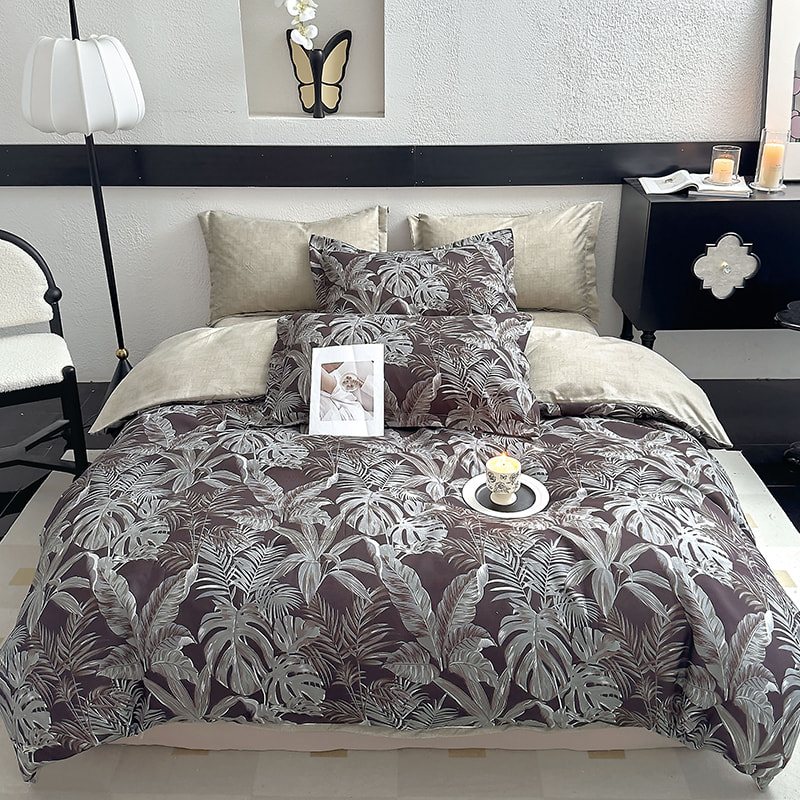
FunctionFast drying and easy to take care of: Anti-shrinkage and no ironing, fast drying after machine washing, simplified daily care.Durable color protection: High wear resistance and color fastness,...
See Details -

FunctionStrong warmth: High gram weight provides good insulation performance, suitable for low-temperature environments.Durable anti-wrinkle: High-density structure wear and tear resistance, not easy ...
See Details -

FunctionSkin-friendly breathable: Natural cotton fiber is soft and comfortable, good for breath, and suitable for the use of moisture.Absorption and perspiration: Good moisture absorption, keep dry bo...
See Details -
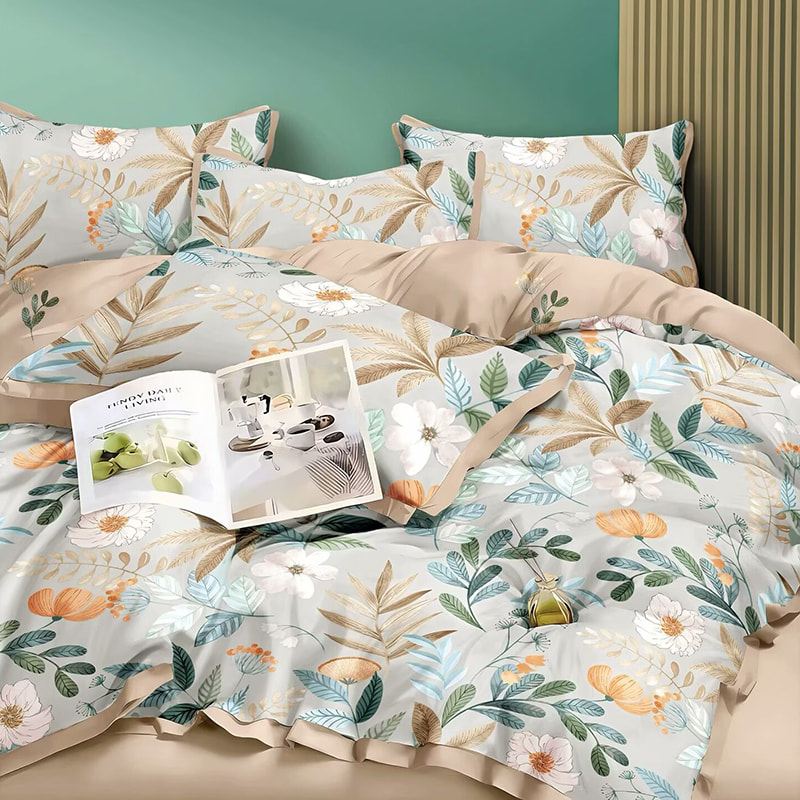
FunctionMore delicate and skin-friendly: Higher than 12868,13372, the fabric is more delicate and soft, the touch is better and more.Breathable: High-density cotton structure further improves moisture...
See Details -
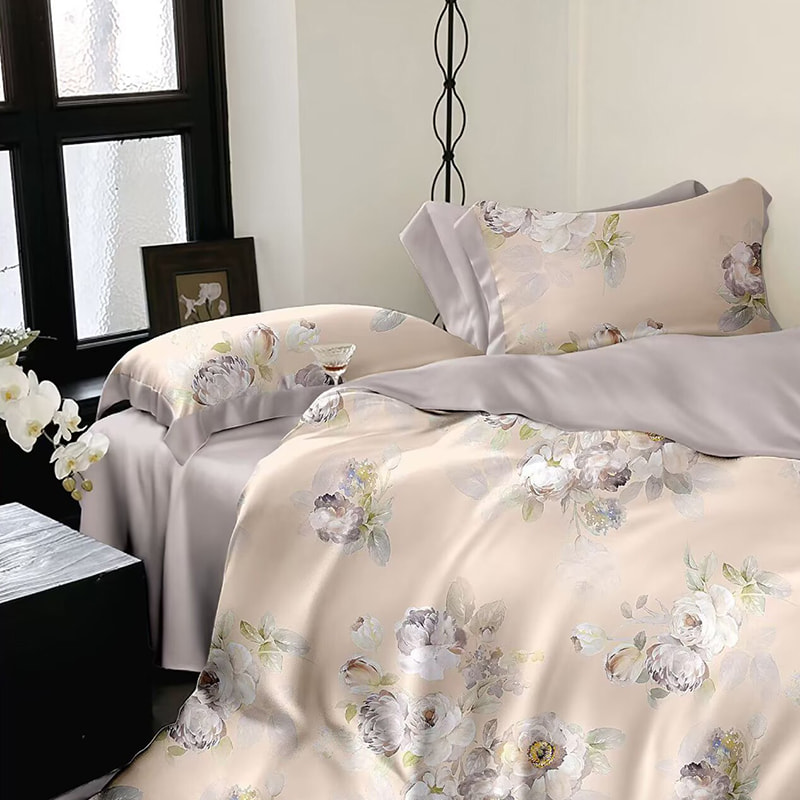
Function Extreme skin affinity: Day silk fiber is soft and smooth, touch like silk, suitable for close-fitting use of moisture. Absorption and breathability: moisture absorption and sweat performance,...
See Details -

FunctionMore delicate and skin-friendly: Compared with 50S, 60S silk fiber is thinner, softer, smoother, more comfortable for close use, and more moisture absorption.Breathable: Higher branches improv...
See Details -
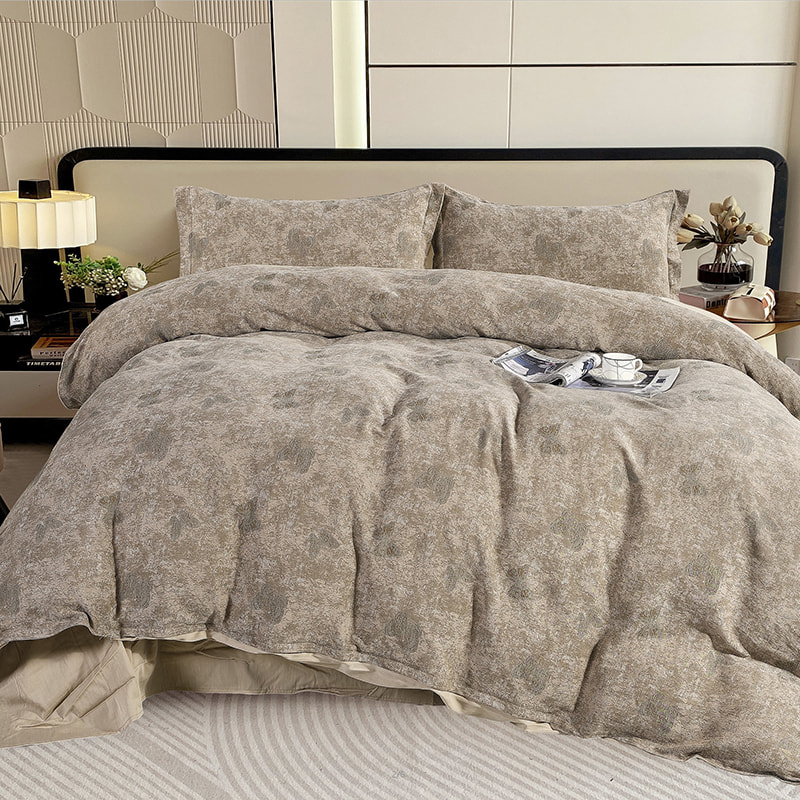
Function Luxury touch: The fiber is soft and smooth, and the jacquard process adds a three-dimensional texture. Touch like silk moisture absorption: moisture absorption performance keeps dry and comfo...
See Details -

Function Fine pattern performance: Digital printing is higher precision than round net printing, richer color, more delicate pattern, fast dry.Easy to care: The polyester fiber characteristics are unc...
See Details -
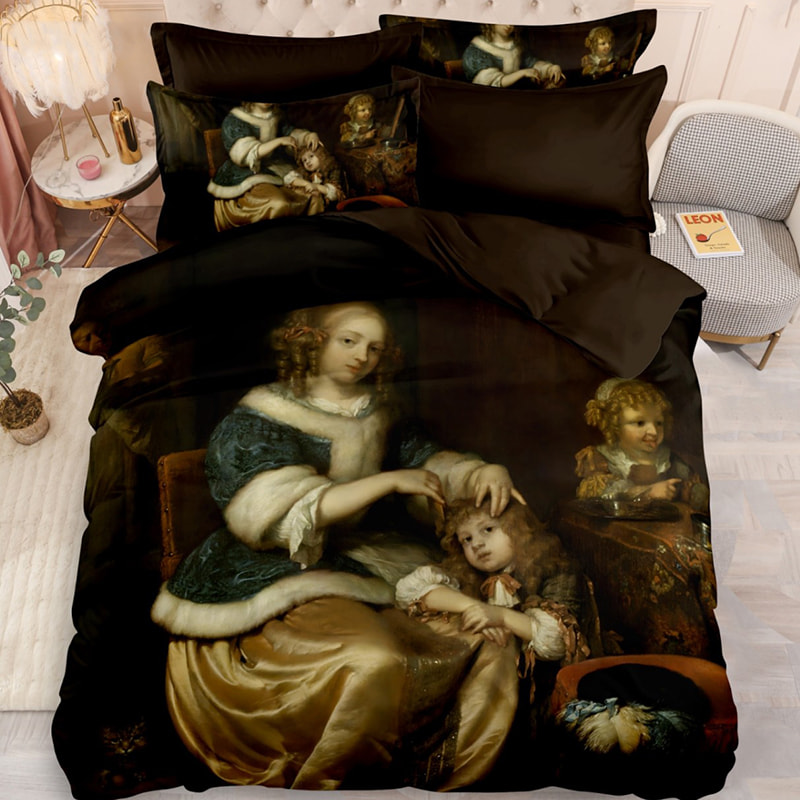
FunctionFine pattern performance: Digital printing is higher precision than round net printing, richer color, more delicate.Durable anti-wrinkle: 130g polyester fiber fabric has a vertical feeling, an...
See Details -
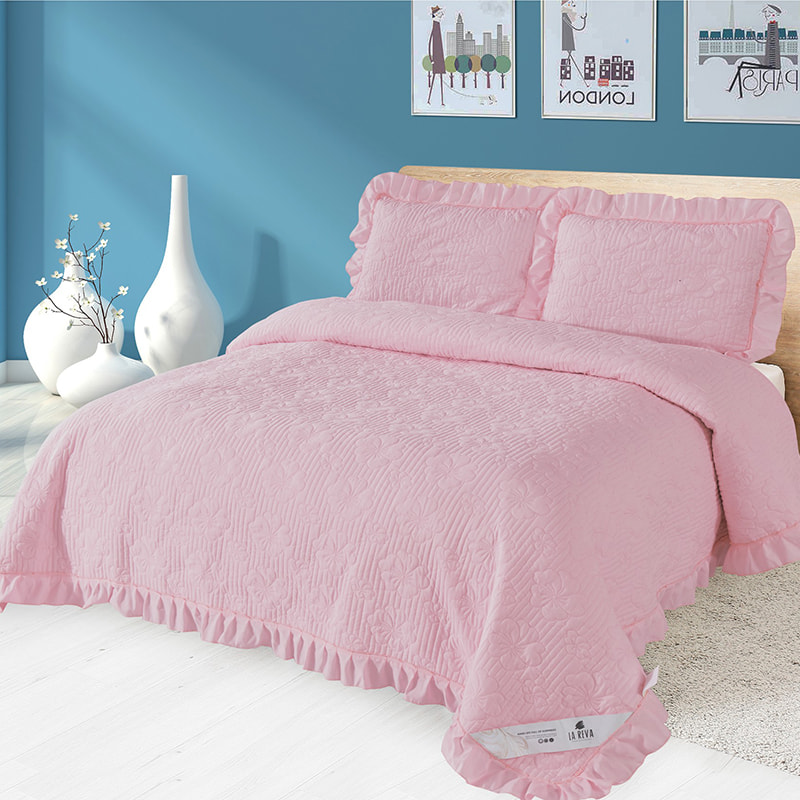
FunctionThin and light: The ultrasonic process does not create pinholes or quilting thread, and the fabric is thin and smooth.Strong decoration: Lace elements add an elegant and romantic sense, enhanc...
See Details -
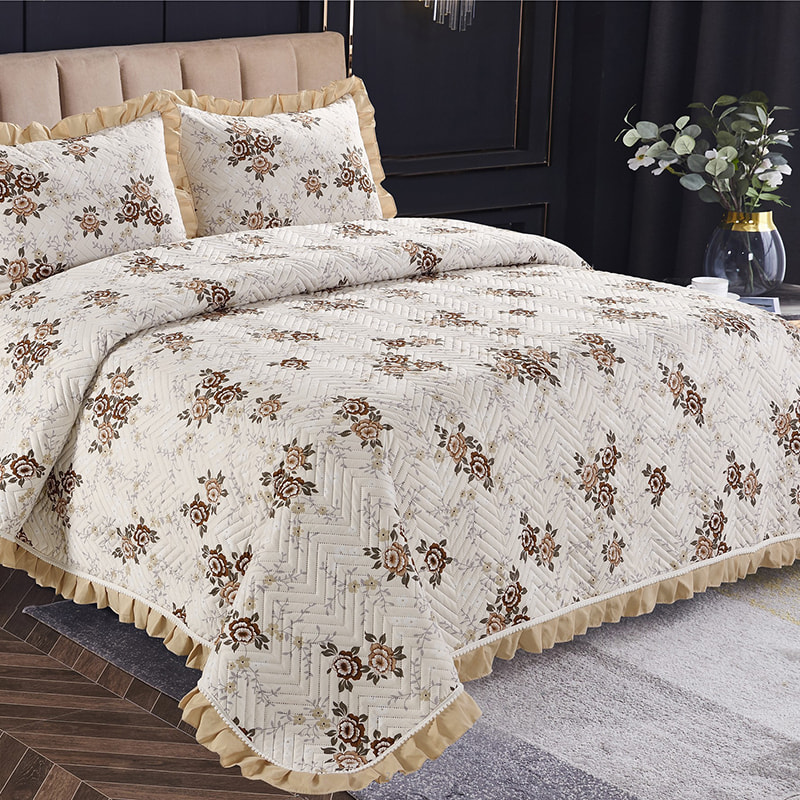
FunctionThin and light: The ultrasonic process does not create a pinhole or quilting thread, and the fabric is thin and smooth.Strong decorative: Print patterns add a sense of art and design, enhancin...
See Details
