

 English
 Español
 عربى
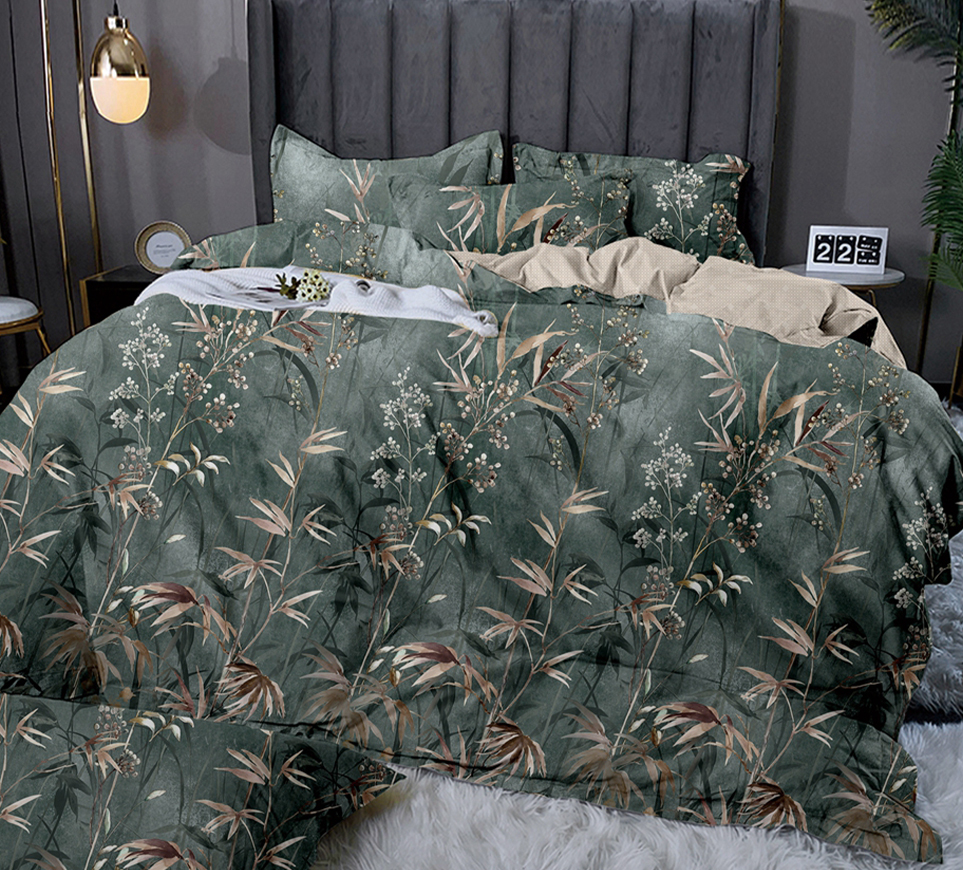
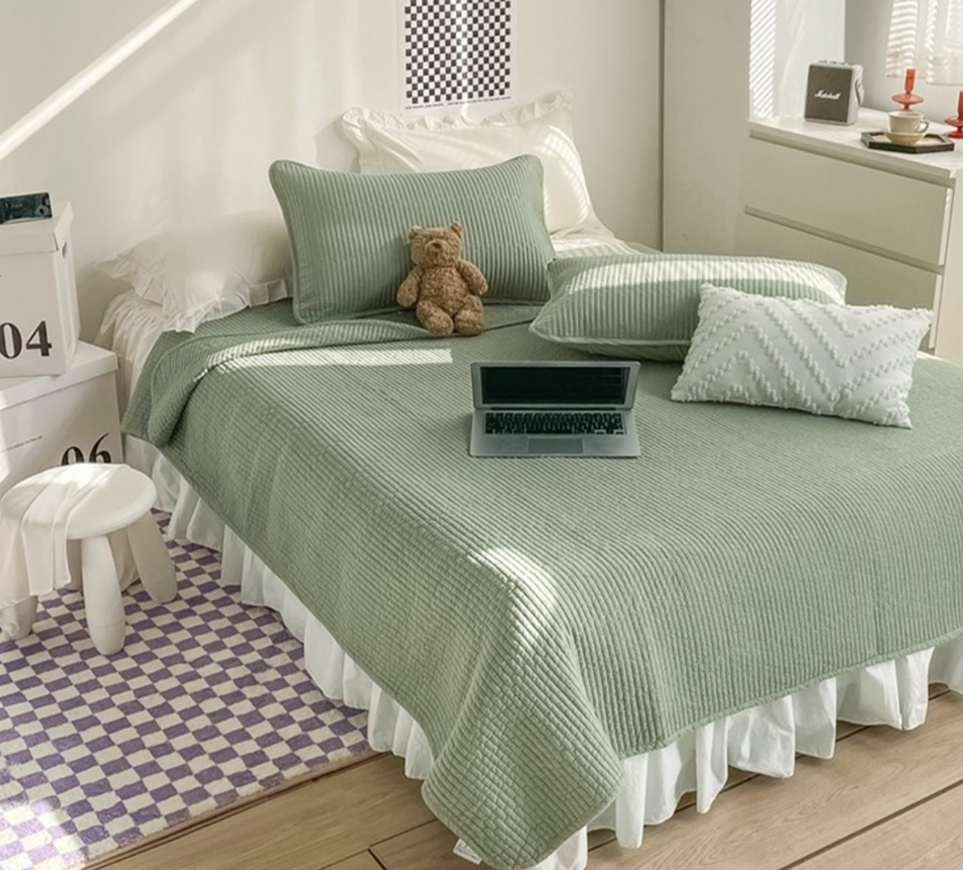
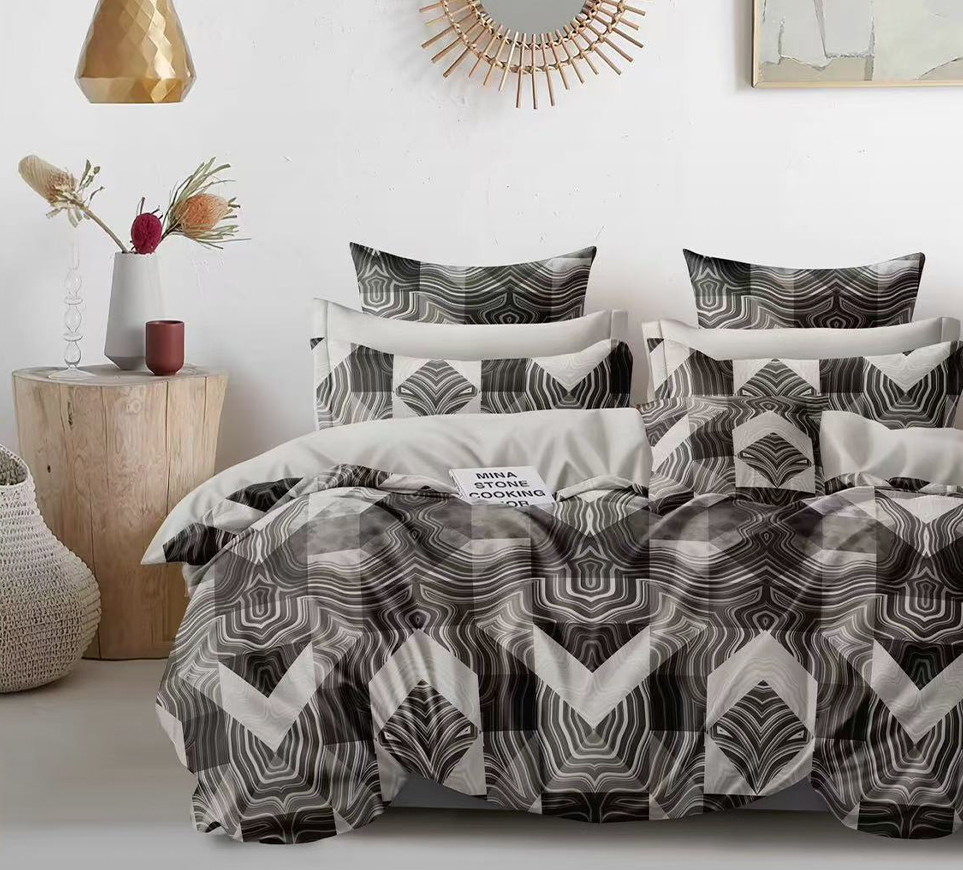
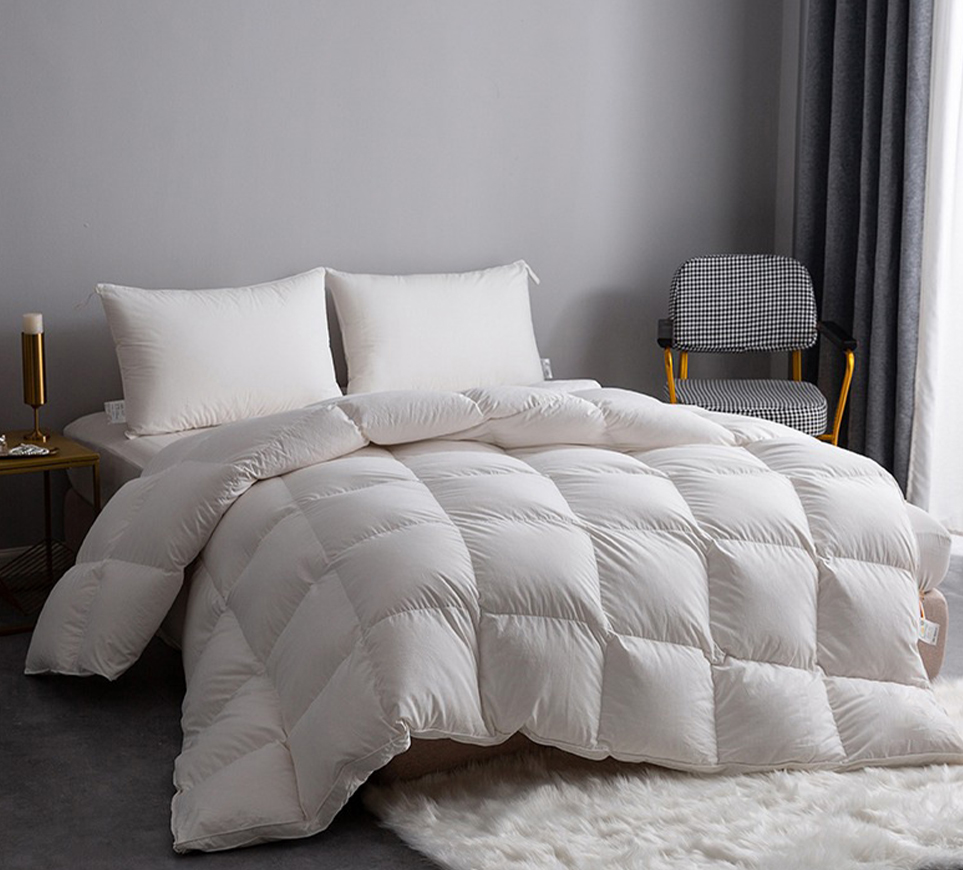
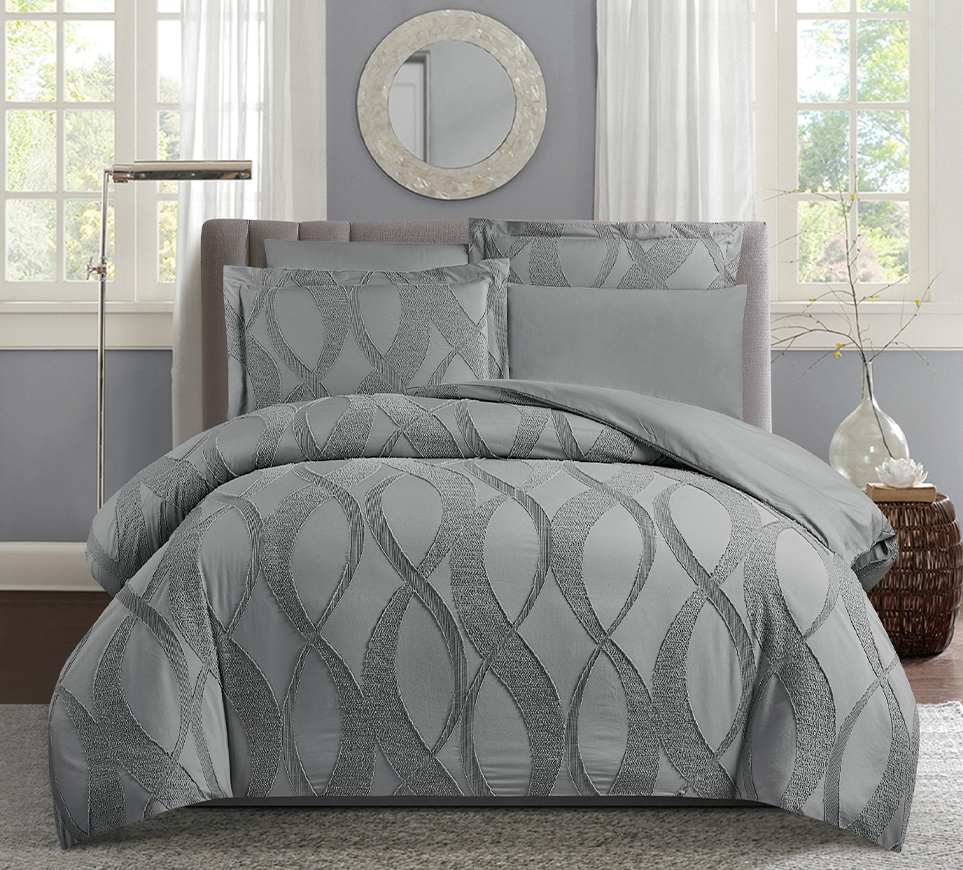
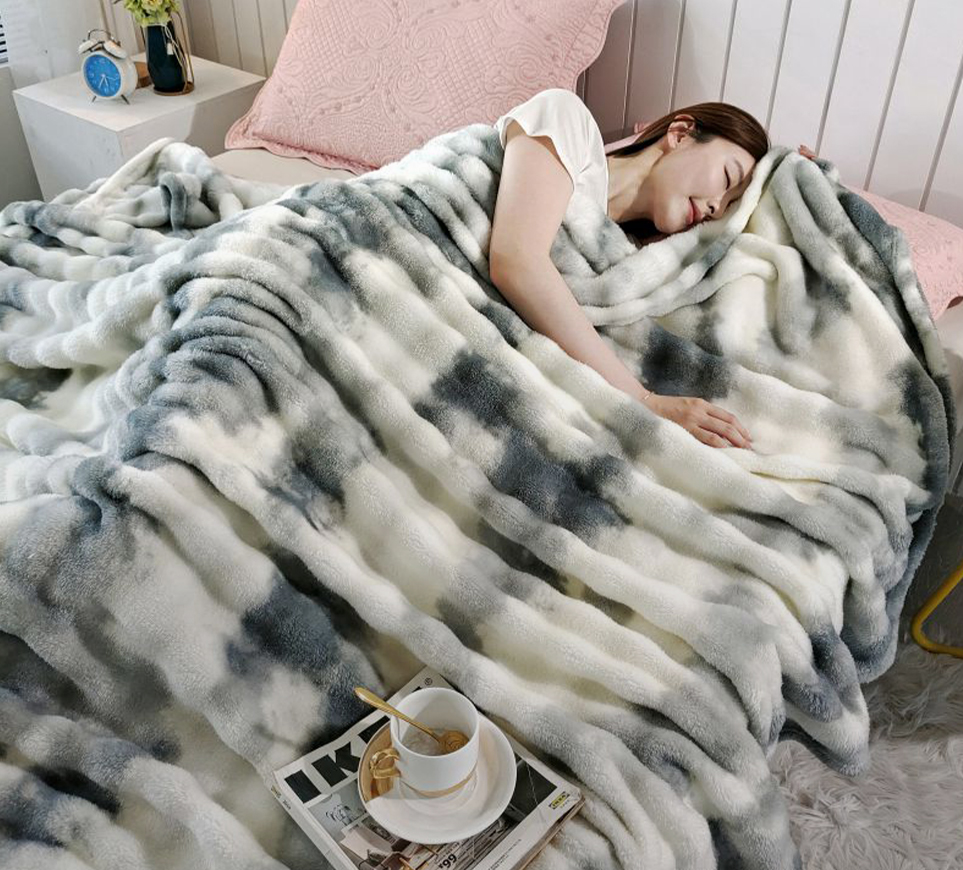
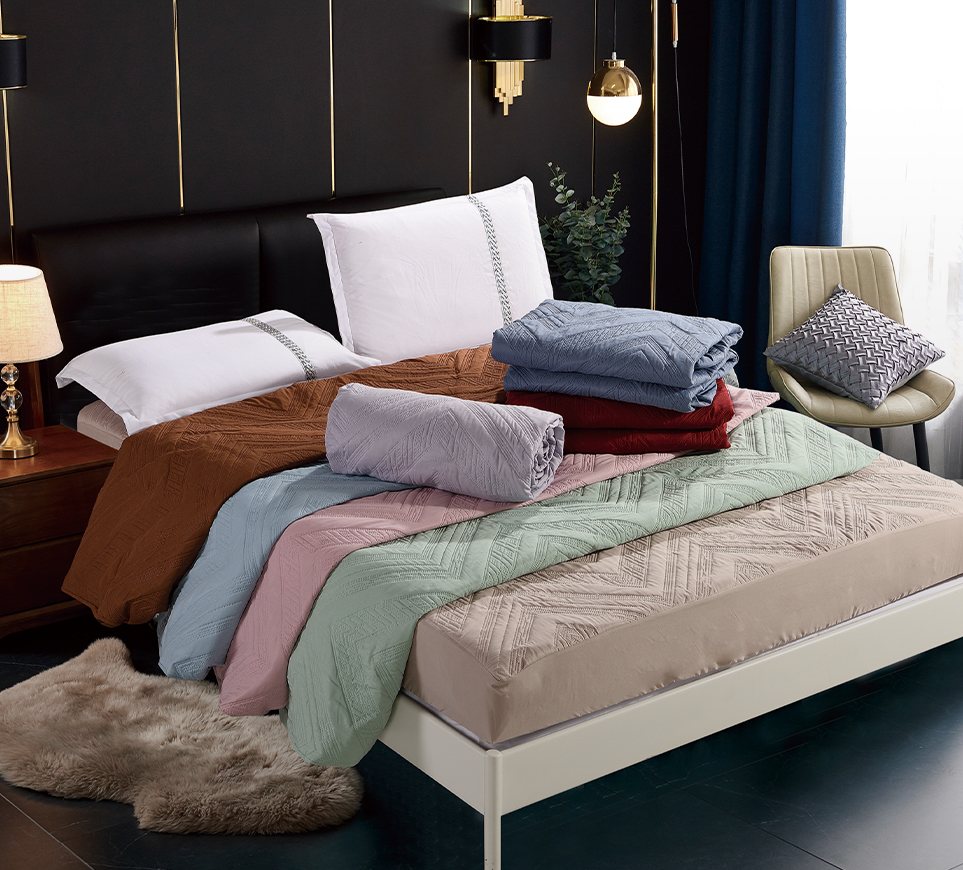

FunctionFast dry and easy to care: Not easy to shrink, no ironing and anti-wrinkle, fast drying after machine washing.Durable and fade resistant: Strong wear resistance, high color fastness, long-term...
See DetailsWhy Choose Us?
Established in 2008, with a 3,000m² professional factory, over 50 employees, and 5 departmental managers.

Coming From China, Marketing To The World.
Home Decor Ideas for Bedrooms: Bedding Sourcing Guide from a Textile Manufacturer
Oct 19, 2026
Content
- 1 Home Decor Ideas That Hold Up: Start With the Textile Layers, Not the Wall Color
- 2 Fabric Choice Sets the Mood Before the Pattern Does
- 3 Printed Bedding: How Scale and Density Change a Room
- 4 The Layering Sequence That Actually Finishes a Bedroom
- 5 Fabric Weight in Numbers: Where Light and Heavy Bedding Fit
- 6 Seasonal Swaps: Summer Quilt and Winter Comforter Ideas
- 7 Hotel-Grade Comfort at Home: What Guests Actually Notice
- 8 Details Buyers Only Notice When They Are Wrong
- 9 Sourcing Home Decor Textiles at Scale: What to Verify
- 10 Assortment Ideas for Wholesalers and Retailers
- 11 FAQ: Home Decor Ideas and Bedding Sourcing Questions
- 11.1 What are the easiest home decor ideas for a bedroom on a small budget?
- 11.2 Which fabric is best for bedroom decor: cotton, polyester or tencel?
- 11.3 How do I choose between a summer quilt and a winter comforter?
- 11.4 What is the difference between a quilted bedcover and an ultrasonic bedcover?
- 11.5 Do waterproof mattress protectors change the look of a bed?
- 11.6 Can bedding be ordered in custom colours, sizes and materials?
- 11.7 How many sets should a small retailer start with?
- 11.8 Is hotel linen suitable for ordinary home use?
Most people start decorating a bedroom with the wrong purchase. They buy a headboard, repaint a wall, or replace a lamp, and the room still looks unfinished. The reason is simple: in a bedroom, the textile layer covers more visible surface than anything else. Bed sheets, fitted sheets, bedcovers, quilts, comforters and blankets together shape roughly the entire visual field of the room, and they cost a fraction of what furniture costs. That is why the most reliable home decor ideas are almost always textile ideas.
Here is the conclusion first, and the detail afterwards: change the base sheet colour, then add a mid-layer bedcover, then set the seasonal weight with a comforter or a blanket. Those three moves will do more for a bedroom than a new wardrobe, a feature wall, or another shelf of accessories. Everything else in this guide explains how to make those three moves correctly, and what to check before ordering.
Nantong Noble International Trade Co., Ltd. has been designing, producing, processing and packing home textiles since 2008. Our factory covers 3,000 square metres and employs more than 50 people, including five department managers, with a stated annual capacity of three million sets. Our range covers bed sheet sets, bedcover sets, quilts, comforters, hotel linen, fleece blankets, tufted quilts and waterproof mattress protectors. Because design, production and packing all sit under one roof, we see which decor directions repeat orders and which ones only look good in a single photograph.
This article is written for three kinds of readers: households trying to finish a bedroom without spending heavily, retailers and interior stylists looking for bedding that photographs well and sells through, and importers, wholesalers and hospitality buyers who need a manufacturer they can reorder from. The same principles apply to all three, because a bed that looks wrong to a shopper is a bed that looks wrong to a guest.
The fastest home decor upgrade in any bedroom is the textile layer: base sheet colour, mid-layer bedcover, and seasonal weight. Paint and furniture are slower and far more expensive.
Home Decor Ideas That Hold Up: Start With the Textile Layers, Not the Wall Color
Walk into a showroom bedroom and count what your eye actually lands on. The bed dominates the frame. The pillows sit above it, the bedcover crosses the middle, the throw adds a corner of texture. Change any one of those and the room reads differently. Change the wall colour and most visitors will not notice for a week.
There is also a practical advantage. Textiles can be swapped in an afternoon, stored in a cupboard, and washed when they get dirty. Paint cannot. For anyone decorating a rental property, a guest room, a serviced apartment or a seasonal home, that flexibility matters more than the design trend of the moment.
The order that works, from the layer closest to the mattress outward, looks like this:
- Base layer: flat sheet and fitted sheet. This sets the room's colour anchor and its overall temperature, whether warm neutrals, cool greys or something brighter.
- Mid layer: bedcover or quilted spread. This adds structure, and it is where pattern usually enters the room.
- Weight layer: comforter, duvet insert or quilt. This decides whether the bed reads as light and airy or deep and enveloping.
- Texture layer: fleece blanket, milk velvet bedding set or tufted quilt. This is the accent, and it should be the only element in the room that competes with the main pattern.
- Protection layer: waterproof mattress protector. Invisible most of the day, but it decides how the fitted sheet sits and how long the mattress lasts.
A rule worth keeping: one pattern, one texture, everything else solid. A printed sheet set with a floral layout pairs badly with a striped bedcover, and it pairs beautifully with a solid quilted spread in a colour lifted from the print itself. That single rule solves most of the pattern clashes we see in customer photos.
Layering order also affects how a bed photographs. For retailers, this matters commercially. A bed styled with three layers, in a consistent palette and with the top edge folded back, will outperform the same product photographed flat, even when the fabric is identical.
Decorate the bed before the room: base layer colour, one pattern, one texture, and solids everywhere else. That sequence finishes a bedroom faster than any structural change.
Fabric Choice Sets the Mood Before the Pattern Does
Buyers often arrive with a pattern in mind and no plan for the fabric. That is backwards. The same floral design printed on 90 gsm microfiber and woven into 60s tencel produces two completely different rooms, even though the colours are identical. The fabric controls drape, shine, weight and how the light behaves across the bed.
The table below summarises the fabric families in our range and what each one does in a real bedroom.
| Fabric | Typical specification | Hand feel and look | Where it works best |
|---|---|---|---|
| Polyester microfiber | 90 gsm, 130 gsm and 160 gsm; 235 cm and 250 cm widths | Smooth surface, holds fine print detail, resists creasing | Rental units, children's rooms, high-turnover retail |
| Pure cotton | 12868 and 13372 constructions; three-piece sets available | Matte finish, breathable, softens with repeated washing | Main bedrooms, warm and humid climates |
| Tencel | 50s and 60s yarn counts; jacquard and minimalist options | Fluid drape, cool touch, soft natural sheen | Master bedrooms, hotel-style interiors |
| Polycotton | Hotel line in solid, stripe and embroidered finishes | Crisp, uniform appearance, holds shape after laundering | Hospitality, serviced apartments, guest rooms |
| Milk velvet and fleece | Printed and solid bedding sets; winter fleece blankets | Dense pile, warm, strong texture under the hand | Winter layering, textured accent pieces |
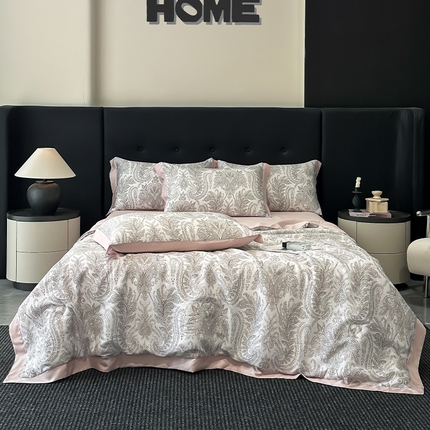 Tencel Bed Sheet Set Soft Breathable LuxuryFunction : The Tencel Bed Sheet Set transforms bedrooms into serene havens with its ultra-smooth texture and contemporary, streamlined design. Ideal for nightly use, i...View Product →
Two specification habits cause most of the confusion in this category. The first is comparing grams per square metre with thread count as if they were the same number. They are not. Grams per square metre describes how much fabric weight sits in a square metre, which affects drape and durability. Thread count and constructions such as 12868 or 13372 describe the weave density of cotton and polycotton sheeting. Yarn counts such as 50s and 60s describe how fine the yarn is. A 60s tencel set feels smoother and drapes more than a 40s equivalent, and it also costs more to produce.
The second habit is assuming heavier is always better. In a hot climate, a 90 gsm printed set plus a lightweight summer quilt will feel more comfortable than a heavy brushed fabric, and it will also dry faster after washing. In a cold climate, the same 160 gsm base layer paired with a winter comforter gives a bed that feels substantial without becoming clammy.
For interior stylists and retail buyers, the practical takeaway is to specify fabric and weight together, and to treat them as a single decision. A supplier who can offer the same design across several weights allows a retailer to build a price ladder from entry level to premium without changing the visual language of the collection.
Fabric and weight decide the mood before the pattern does. Match the weight to the climate and the price tier, then choose the print.
Printed Bedding: How Scale and Density Change a Room
Printed sheet sets are the quickest way to introduce colour into a bedroom, and they are also the easiest way to ruin one. The difference is almost never the colour palette. It is the scale of the print and how much of it the eye can see at once.
Our digital printed bed sheet sets are produced at 130 gsm and 90 gsm. The 130 gsm line carries abstract layouts, floral designs, vintage flower gradients and cartoon totem patterns, while the 90 gsm line covers similar floral and gradient directions at a lighter weight. In practice, the heavier cloth holds a crisper print edge and hangs with more body, while the lighter cloth folds tighter and takes up less storage space, which suits seasonal promotions and smaller apartments.
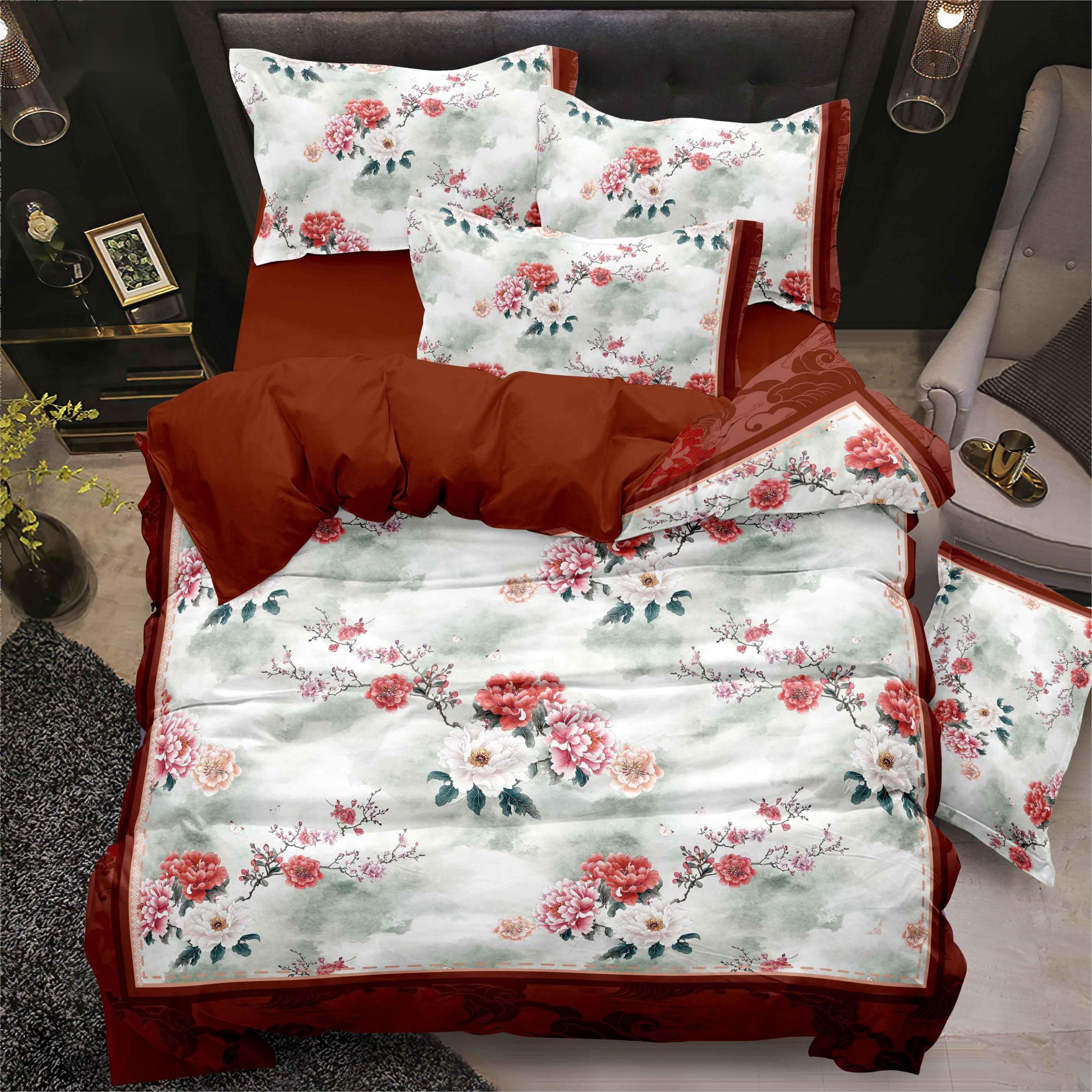 130gsm Digital Printed Bed Sheet Set (Flower)Function Fine pattern performance: Digital printing is higher precision than round net printing, richer color, more delicate. Durable anti-wrinkle: 130g polyester fibe...View Product →
Scale is the variable that most people get wrong. A large floral repeat on a small double bed in a small room fills the entire field of view and makes the space feel crowded, because the pattern is read as background rather than as decoration. The same design on a king bed in a larger room reads as intentional. When the print is dense, balance it with a solid bedcover in a muted tone drawn from the print. When the print is sparse, a tonal quilted spread adds depth without noise.
Gradient prints deserve a specific mention. Vintage flower gradient designs move from a saturated edge into a lighter centre, which softens the transition between the sheet and the pillowcase and reduces the visual hardness of a fully patterned bed. They also hide folding creases better than tight geometric layouts, which is useful for retail display and for hospitality photography.
There is a commercial angle too. Prints sell in cycles, and repeats matter more than novelty. A design that a buyer can reorder twice in the same season is worth more than three one-off patterns. That is why we keep the same motif available across weights and sizes rather than replacing it every production run.
Finally, consider how the print interacts with the room's fixed elements. Warm-toned florals sit naturally against timber, rattan and cream walls. Cool abstract and totem layouts work better with grey, white and metal. If the room cannot be changed, choose the print to match what is already there rather than the other way around.
Print scale, not colour, decides whether a patterned bed feels calm or crowded. Balance density with a solid bedcover and keep one dominant motif per room.
The Layering Sequence That Actually Finishes a Bedroom
Once the base layer is set, the mid layer does the heavy lifting. This is where a room starts to look designed rather than simply made up, and it is the layer most households skip.
A bedcover set gives the bed a defined edge. In our range it comes in two construction families. Quilted bedcovers use a stitched quilt pattern to trap a filling layer, producing a soft padded surface and a visible stitch line. We produce pure cotton quilted designs, lace solid styles, printed versions and embroidered versions. Ultrasonic bedcover sets use high-frequency bonding instead of thread, which produces a cleaner, flatter surface with no stitch perforation, and it is available in lace solid and printed finishes.
The choice between them is largely a question of the look you want and how the piece will be washed. Quilting reads traditional and soft, and the stitch lines add texture that photographs well. Ultrasonic bonding reads modern and minimal, with fewer places for dust and lint to collect, which suits allergy-conscious households and hotel environments where laundering is frequent.
Above that sits the weight layer. A tufted quilt set adds a raised, three-dimensional surface that gives a bed a distinctly luxurious feel without relying on colour, which makes it a strong option for neutral rooms. A fleece blanket or a milk velvet bedding set introduces pile, and pile is the fastest way to make a bed look warm. In winter styling, a milk velvet set folded across the foot of the bed does more for the room than an extra cushion ever will.
The ordering mistake to avoid is layering two competing textures. Tufted quilting plus a heavy pile blanket plus a patterned sheet set produces visual noise. Pick one textured element, keep the rest smooth, and let the base colour carry the rest of the room.
One textured layer per bed. Quilted or ultrasonic bedcover for structure, tufted or fleece for warmth, and smooth fabric everywhere else.
Fabric Weight in Numbers: Where Light and Heavy Bedding Fit
Fabric weight is the number that decides how a set drapes, how much light passes through it, and how quickly it dries after washing. It is also one of the easiest specifications to compare when two suppliers quote a similar price for what sounds like the same product.
Fabric weight across selected bedding options (grams per square metre)
160 gsm polyester bed sheet set
160 gsm
130 gsm digital printed bed sheet set
130 gsm
90 gsm printed and polyester bed sheet set
90 gsm
Bar length is proportional to grams per square metre. Cotton and tencel lines are specified by construction and yarn count rather than gsm.
The spread between 90 gsm and 160 gsm is roughly a 78 percent difference in fabric weight, and that gap shows up in the room. A 160 gsm polyester set falls with more body, sits flatter on the mattress and creases less in the first weeks of use, which is why it suits main bedrooms and hotel-style styling. A 130 gsm digital printed set is the practical middle, heavy enough to hold print detail and light enough to stay comfortable across more of the year. A 90 gsm set is the lightest option, and it works well for warm climates, spare rooms and buyers who want volume at an accessible price point.
Width matters almost as much. Our polyester lines are produced at 235 cm and 250 cm widths, and the wider option gives more allowance for deep mattresses and for tucking under a thick mattress protector. When a fitted sheet pulls loose at the corners after a week, width and pocket depth are usually the cause, not the elastic.
For buyers comparing quotations, ask for grams per square metre, width and construction code in writing rather than relying on a description such as premium or hotel quality. Those three numbers predict how the finished bed will look far better than any adjective. It is also the fastest way to check that two samples presented as equivalent are genuinely equivalent.
Ask for gsm, width and construction in writing. Those three figures explain most of the price difference between two bedding quotations.
Seasonal Swaps: Summer Quilt and Winter Comforter Ideas
A bedroom that looks good in July often looks fragile in January. Seasonal swapping is the cheapest way to keep a room feeling current, and it only requires two pieces beyond the base layer.
For warm months, our summer quilt range covers several different comfort profiles. Breathable waffle summer quilts use a textured surface that traps less heat. Seersucker options rely on a puckered weave that lifts the fabric away from the skin, which improves airflow. Digital cool silky summer quilts offer a smooth, cool hand feel for people who dislike textured bedding. Pure cotton and polyester summer comforters cover the mainstream price points, and a hypoallergenic baby-safe summer quilt is available for nurseries and households that need closer control over materials.
For cold months, the winter comforter range follows a similar logic. Eco winter comforters focus on sustainable warmth. Hotel winter comforters are built as all-season options for guest rooms and serviced apartments. Luxury winter comforters with hypoallergenic down filling deliver the loft and lightness that heavy polyester cannot match. Polyester and pure cotton winter comforter sets cover the volume price tiers, and a plush cosy winter quilt gives the dense, enveloping feel that many customers associate with a proper winter bed.
Two practical details improve seasonal swapping. First, keep the base colour consistent across seasons. If the summer set is pale grey and the winter set is beige, the room will look like two different rooms. Second, store the off-season layer flat rather than compressed, because vacuum bags crush the loft out of filled quilts and comforters over time.
For retailers, seasonal swaps create a natural second purchase from the same customer. A shopper who buys a summer quilt from a colour family you also stock in winter comforters is far more likely to return than one who buys a single item with no matching layer available.
Keep the base colour identical and change only the weight layer. Two quilts in the same palette make a bedroom feel current all year.
Hotel-Grade Comfort at Home: What Guests Actually Notice
Hotel bedrooms are useful reference points because they are designed for repeat scrutiny. Guests notice very little about the furniture, but they notice a bed that feels crisp, uniform and correctly sized. Those qualities come from the linen, not the room.
Our hotel linen line is separated from the household range, and the difference is deliberate. Hotel comforter sets come in solid finishes. Hotel polycotton bed sheet sets are available in embroidered, embroidery, striped and solid styles, including a soft solid variant. Hotel pure cotton bed sheet sets include embroidered options, a soft pure cotton sateen design, solid styles and striped luxurious variants. The common thread across all of them is consistency: the same shade, the same finish and the same dimensions across every set in an order, so that rooms can be remade interchangeably.
Polycotton dominates hospitality for a reason. It holds its shape and appearance through commercial laundering cycles better than a light pure cotton sheet, and it presents a crisper surface. Pure cotton sateen sits at the premium end, with a smoother face and a subtle sheen that reads as luxury under warm lighting.
 Solid Hotel Linen Pure Cotton Bed Sheet SetFunction Skin-friendly and breathable: Pure cotton material is soft and comfortable, good for breathing, and suitable for sensitive skin. Durable anti-wrinkle: High su...View Product →
Bringing that look home is straightforward. Choose a white or near-white base, add a solid comforter, and let the only pattern come from a striped or embroidered accent. This works in small bedrooms precisely because it removes decisions. There is nothing to coordinate, so the room always looks tidy, and a stack of matching pillows gives the bed a finished silhouette without extra furniture.
For serviced apartments and small guesthouses, the same logic reduces replacement cost. When every room uses the same white base and the same comforter finish, a damaged item can be replaced individually without making the room look inconsistent.
A uniform white base with one solid comforter layer creates the hotel look at home, and it is the easiest palette to reorder consistently.
Details Buyers Only Notice When They Are Wrong
Decorating decisions get the attention, but the complaints we receive are almost always about fit and finish. These are the details worth checking before an order is placed, because they are expensive to correct later.
- Fitted sheet pocket depth. A sheet that fits a 20 cm mattress will not stay on a 30 cm mattress with a protector added.
- All-round elastic. Elastic only at the corners is cheaper and visible immediately, because the sides lift during the night.
- Colour consistency between flat sheet and pillowcases. Dye lots can vary slightly, and mixed lots look wrong under daylight.
- Shrinkage after the first wash. Cotton and polycotton should be specified with an allowance for shrinkage, or the set will fit differently after one laundry cycle.
- Mattress protector fit and noise. A protector that wrinkles under the sheet will show through the fitted sheet and disturb sleep.
- Folding creases from packing. Heavier weights fall out of transit creases faster; light weights may need steaming before display.
- Size labelling. Twin, Full, Queen and King do not map onto centimetre dimensions the same way in every market, so both should be printed on the packaging.
Waterproof mattress protectors are a good example of a detail that improves the whole bed without being seen. Our range includes waterproof anti-mite protectors, soft waterproof designs built for long-lasting use, and a secure plush variant with a firmer surface. A protector that fits tightly keeps the fitted sheet flat, which in turn makes the whole bed look neater. A protector that bunches up does the opposite, no matter how good the sheet set above it is.
For anyone decorating a child's room or a guest bed, this layer is the one that protects the investment. It is also the layer most likely to be forgotten until the first spill.
Fit beats fashion. Check pocket depth, elastic coverage, dye-lot consistency and shrinkage before you judge a bedding set on its pattern.
Sourcing Home Decor Textiles at Scale: What to Verify
For importers, wholesalers and retail chains, home decor textiles are a specification category rather than a styling category. The visual direction matters, but the reorder depends on consistency. A supplier who can repeat the same fabric weight, width and colour six months later is worth more than one who offers a larger catalogue.
Our own production capacity is the starting point for those conversations: 3,000 square metres of factory space, more than 50 staff, five department managers and a stated annual output of three million sets, supported by an experienced design team that updates styles and develops custom designs on request. We accept customer-supplied artwork and reference images, and we can adjust materials, sizes and colours to a specific market.
When evaluating any home textile manufacturer or supplier, work through these points in order:
- Confirm the fabric weight in grams per square metre and the finished width in centimetres, in writing, on the order confirmation.
- Request a production sample, not a showroom sample, and wash it at the temperature the end customer will use.
- Check that colour is quoted against a defined reference, and ask how dye lots are controlled across repeat orders.
- Agree on packing format early, including poly bag, insert card, size label and carton configuration, since packaging changes affect both cost and shelf readiness.
- Confirm the lead time from deposit to shipment, and how the schedule behaves during peak season.
- Ask which items share materials, so that a reorder on one product is not held up by an unrelated component.
Market direction is worth tracking alongside price. Buyers are currently balancing two demands at once: lighter, washable bedding for warmer and smaller homes, and heavier layered products for colder markets. That split is one of the reasons we keep the same designs available across multiple weights, rather than treating light and heavy bedding as separate product families.
Verify weight, width, colour reference, packing and lead time in writing before the first order. Consistency across reorders is the real product.
Assortment Ideas for Wholesalers and Retailers
A single bedding item is a purchase. A coordinated set is a room, and rooms sell faster than products. That is the simplest way to raise average order value without discounting.
- Three-layer bundle: base sheet set, quilted or ultrasonic bedcover, and one winter or summer weight layer in a shared colour family.
- Colour story, not colour range: three coordinated palettes rather than twelve unrelated shades, so shoppers can see how the layers combine.
- Price ladder on one design: the same print across 90 gsm, 130 gsm and 160 gsm, which lets you offer good, better and best without changing the visual language.
- Seasonal drop: a summer quilt assortment in spring and a winter comforter assortment in early autumn, with a shared base sheet colour carried across both.
- Protection upsell: pair every mattress purchase or bedding bundle with a waterproof mattress protector, which is the highest-utility accessory in the category.
- Guest room pack: hotel linen base plus solid comforter, aimed at short-stay rental owners and small guesthouses.
For private-label buyers, packaging is where a generic product becomes a brand. A consistent size label, a printed insert card listing fabric weight and care instructions, and a carton configuration that matches shelf dimensions all improve sell-through without changing the product itself. It also reduces returns, because customers who understand the weight and width they ordered are less likely to send it back.
Finally, style the sample before photographing it. A bed made up with folded back top sheet, a dressed pillow stack and one textured accent will outperform the identical product photographed flat, and that single change costs nothing.
Sell coordinated layers, not single items. Bundles, colour stories and a weight-based price ladder raise order value without cutting margin.
FAQ: Home Decor Ideas and Bedding Sourcing Questions
What are the easiest home decor ideas for a bedroom on a small budget?
Change two things: the base sheet colour and the top layer. A new fitted sheet set in a colour that contrasts gently with the walls, plus a quilted or ultrasonic bedcover, will change the way the room reads more than any accessory. If there is budget left, add one textured piece such as a fleece blanket or a tufted quilt folded across the foot of the bed.
Which fabric is best for bedroom decor: cotton, polyester or tencel?
It depends on climate and price tier. Polyester microfiber at 90 gsm to 160 gsm is durable, holds print detail well and suits high-turnover rooms. Pure cotton, in constructions such as 12868 and 13372, is breathable and matte, which suits warm climates. Tencel in 50s and 60s yarn counts drapes the most and has a soft sheen, so it is usually chosen for master bedrooms and hotel-style interiors.
How do I choose between a summer quilt and a winter comforter?
Match the layer to the sleeping temperature, not to the calendar. A waffle, seersucker or cool silky summer quilt works when nights stay above roughly 20 degrees Celsius, and a polyester or pure cotton summer comforter covers moderate conditions. A winter comforter, including hypoallergenic down and all-season hotel options, is for colder rooms or for households that keep air conditioning running at night.
What is the difference between a quilted bedcover and an ultrasonic bedcover?
A quilted bedcover uses stitched lines to hold the filling, which gives a soft padded surface and visible texture. An ultrasonic bedcover bonds the layers with high-frequency energy instead of thread, producing a flatter, cleaner surface with fewer perforations. Quilting suits traditional and textured rooms; ultrasonic suits minimal interiors and environments where laundering is frequent.
Do waterproof mattress protectors change the look of a bed?
They change it indirectly, and the effect is noticeable. A protector that fits tightly keeps the fitted sheet flat and smooth, which makes the whole bed look neater. Options such as waterproof anti-mite and soft durable designs are thin enough to sit under a sheet without affecting the drape, while still protecting the mattress from spills, dust mites and daily wear.
Can bedding be ordered in custom colours, sizes and materials?
Yes. As a home textile manufacturer, we accept customer-provided artwork and reference images, and we work from those to develop materials, dimensions and colours for a specific market. It is worth confirming fabric weight, finished width and colour reference in writing before sampling, because those three figures decide how the finished product behaves.
How many sets should a small retailer start with?
Start with one colour story rather than several unrelated designs: a base sheet set in two or three weights, one bedcover, and one seasonal layer. That combination lets shoppers see how the layers work together, and it keeps stock simple enough to reorder quickly when one item sells out ahead of the others.
Is hotel linen suitable for ordinary home use?
It usually is. Hotel pure cotton and polycotton sets are built for frequent laundering and uniform sizing, so they hold their appearance well in a home laundry routine. The main difference is aesthetic: hotel linen tends toward white, stripe and embroidered finishes, which suits calm, minimal bedrooms rather than heavily patterned interiors.
Choose bedding by weight, fabric and fit first, and by pattern last. Those three factors decide how the room looks and how long the set lasts.
Home decor ideas for a bedroom do not need to be complicated or expensive. The room is dominated by fabric, and fabric is the easiest thing to change. Set the base layer in a colour that anchors the space, add one mid-layer bedcover for structure, choose a single seasonal weight, and finish with one textured accent. Keep pattern to a single motif, keep the palette consistent across seasons, and check the fit details before ordering, particularly pocket depth, width and fabric weight.
Everything described in this guide comes from our own production lines, from 90 gsm digital printed sheet sets and 160 gsm polyester sets through quilted and ultrasonic bedcovers, tufted quilts, milk velvet and fleece blankets, summer quilts, winter comforters, hotel linen and waterproof mattress protectors. Because design, production, processing and packing sit in the same 3,000 square metre facility, a design decision and a production decision can be solved together rather than handed between suppliers.
Where to go next
Decorate the bed first, choose one fabric weight for the climate, and confirm the fit numbers in writing. That is a complete bedroom refresh.
Related products
-
-
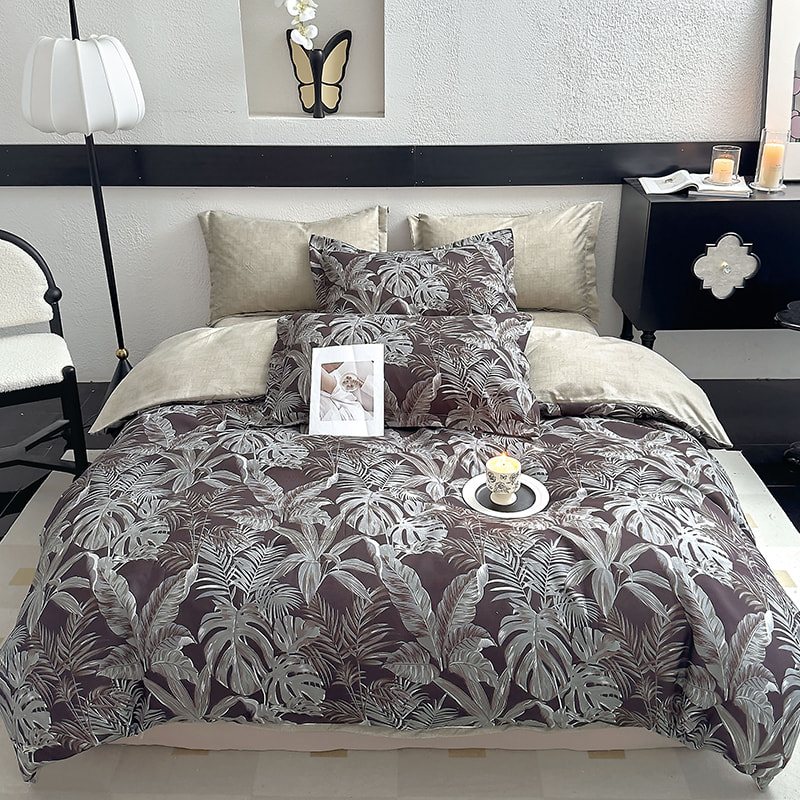
FunctionFast drying and easy to take care of: Anti-shrinkage and no ironing, fast drying after machine washing, simplified daily care.Durable color protection: High wear resistance and color fastness,...
See Details -
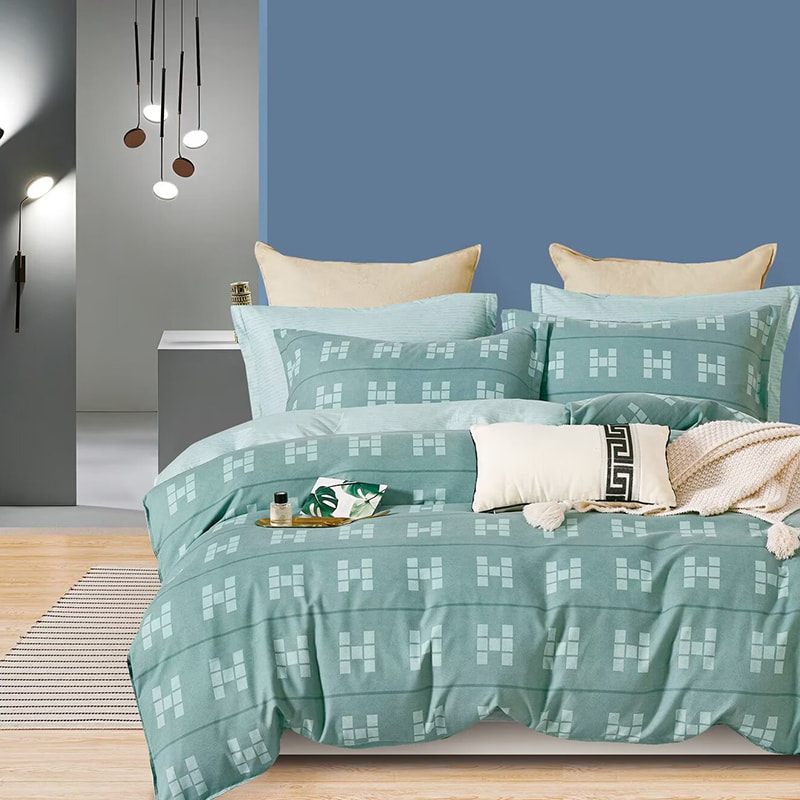
FunctionStrong warmth: High gram weight provides good insulation performance, suitable for low-temperature environments.Durable anti-wrinkle: High-density structure wear and tear resistance, not easy ...
See Details -
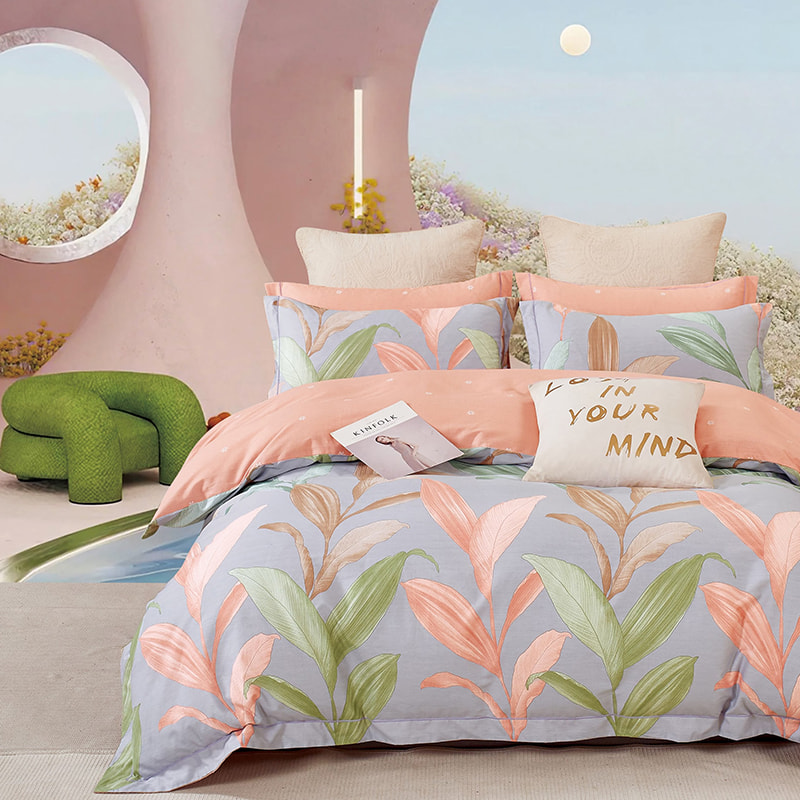
FunctionSkin-friendly breathable: Natural cotton fiber is soft and comfortable, good for breath, and suitable for the use of moisture.Absorption and perspiration: Good moisture absorption, keep dry bo...
See Details -
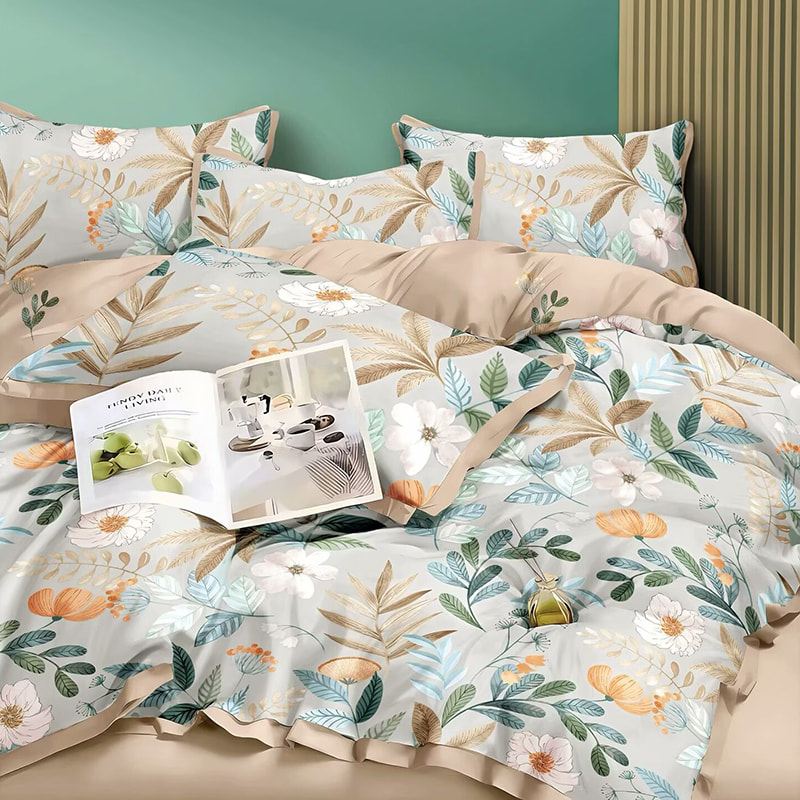
FunctionMore delicate and skin-friendly: Higher than 12868,13372, the fabric is more delicate and soft, the touch is better and more.Breathable: High-density cotton structure further improves moisture...
See Details -
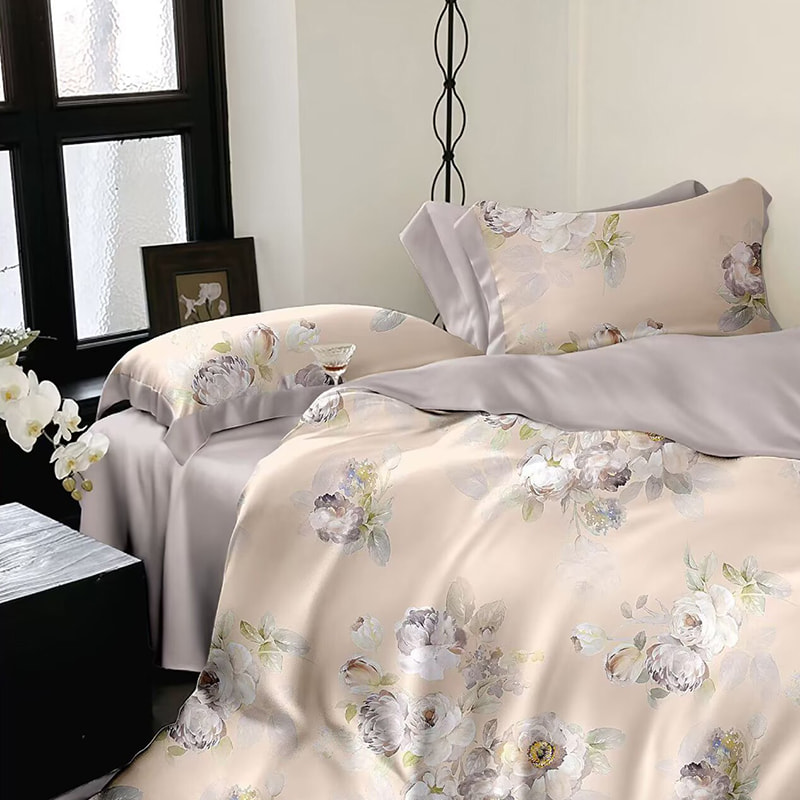
Function Extreme skin affinity: Day silk fiber is soft and smooth, touch like silk, suitable for close-fitting use of moisture. Absorption and breathability: moisture absorption and sweat performance,...
See Details -
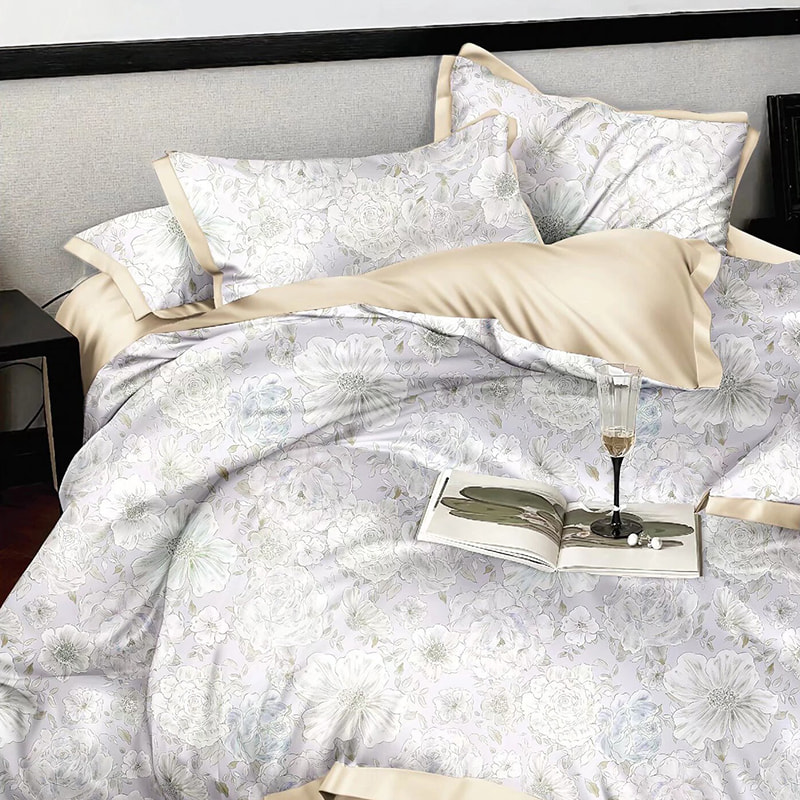
FunctionMore delicate and skin-friendly: Compared with 50S, 60S silk fiber is thinner, softer, smoother, more comfortable for close use, and more moisture absorption.Breathable: Higher branches improv...
See Details -
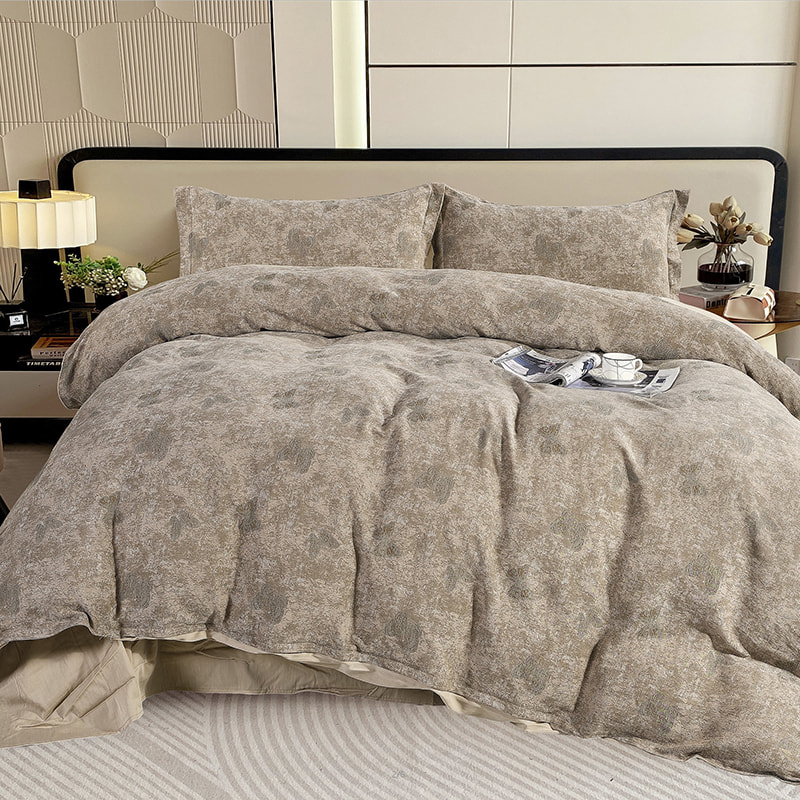
Function Luxury touch: The fiber is soft and smooth, and the jacquard process adds a three-dimensional texture. Touch like silk moisture absorption: moisture absorption performance keeps dry and comfo...
See Details -
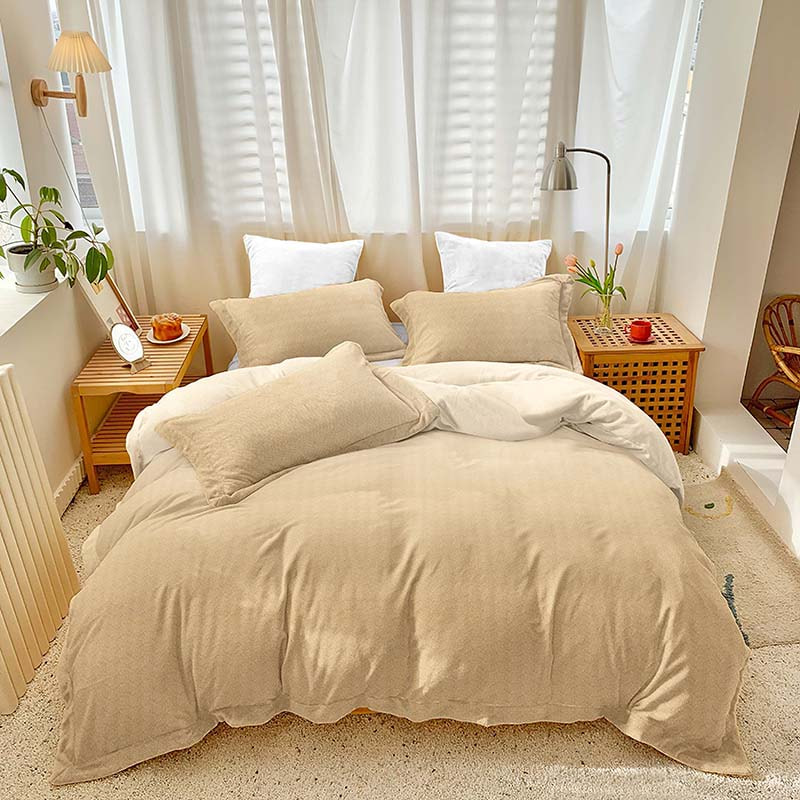
Function Fine pattern performance: Digital printing is higher precision than round net printing, richer color, more delicate pattern, fast dry.Easy to care: The polyester fiber characteristics are unc...
See Details -
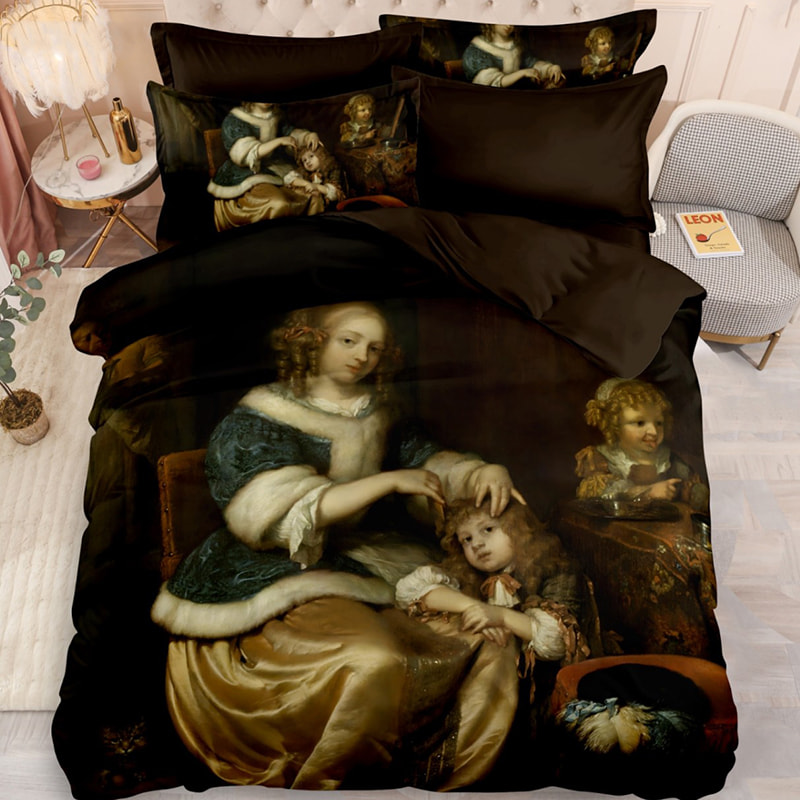
FunctionFine pattern performance: Digital printing is higher precision than round net printing, richer color, more delicate.Durable anti-wrinkle: 130g polyester fiber fabric has a vertical feeling, an...
See Details -
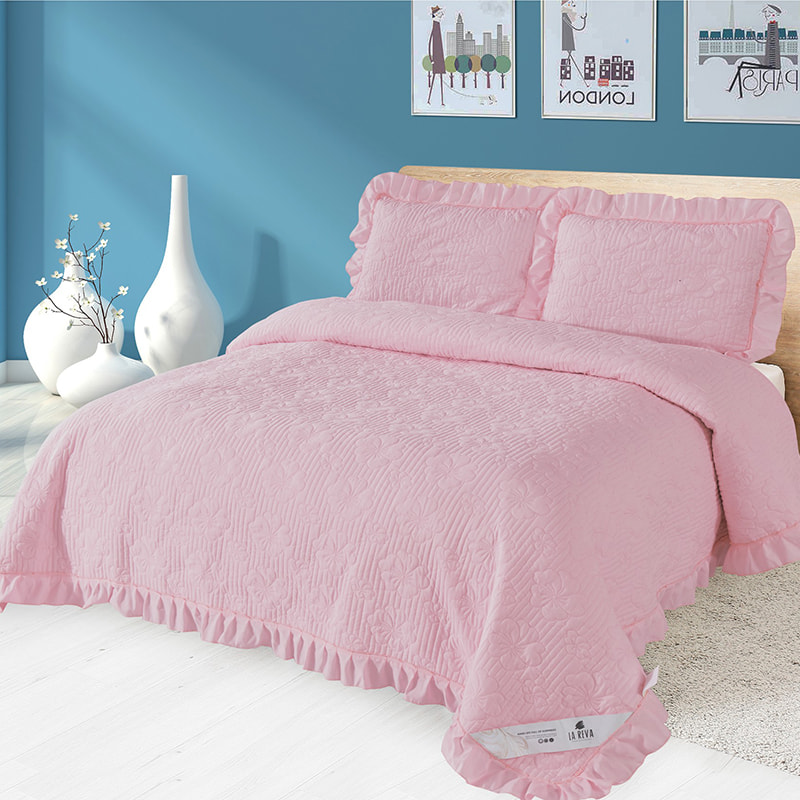
FunctionThin and light: The ultrasonic process does not create pinholes or quilting thread, and the fabric is thin and smooth.Strong decoration: Lace elements add an elegant and romantic sense, enhanc...
See Details -
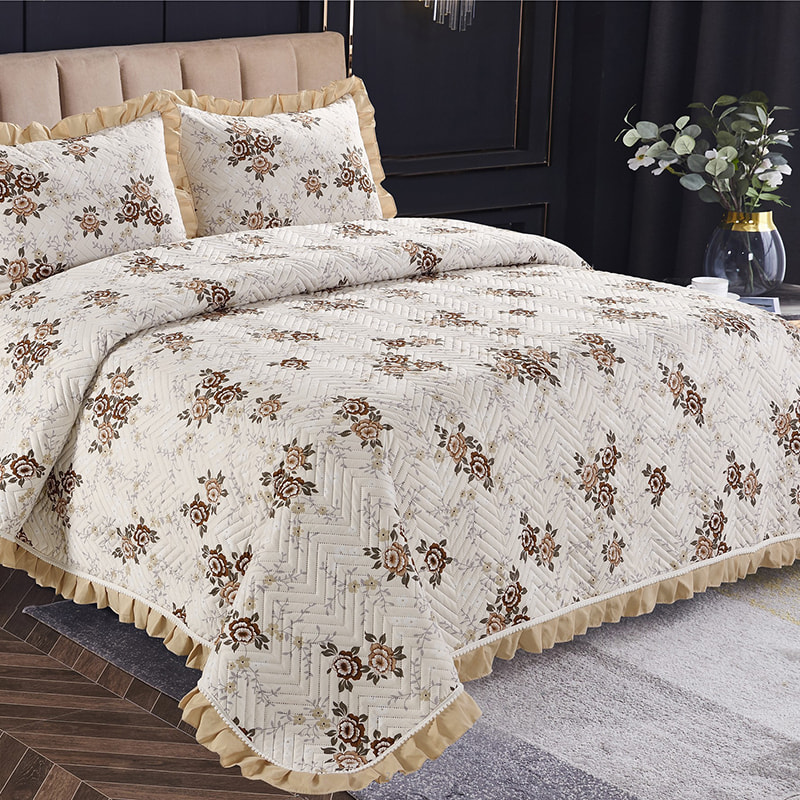
FunctionThin and light: The ultrasonic process does not create a pinhole or quilting thread, and the fabric is thin and smooth.Strong decorative: Print patterns add a sense of art and design, enhancin...
See Details
