

 English
 Español
 عربى
عربى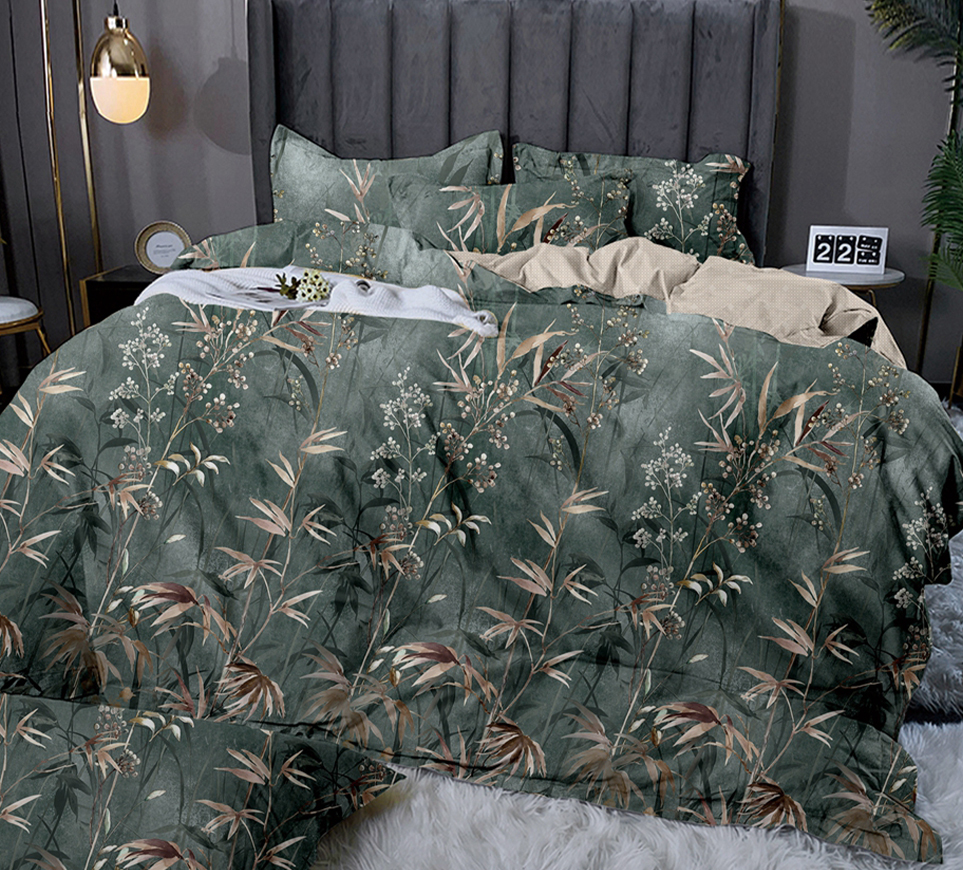
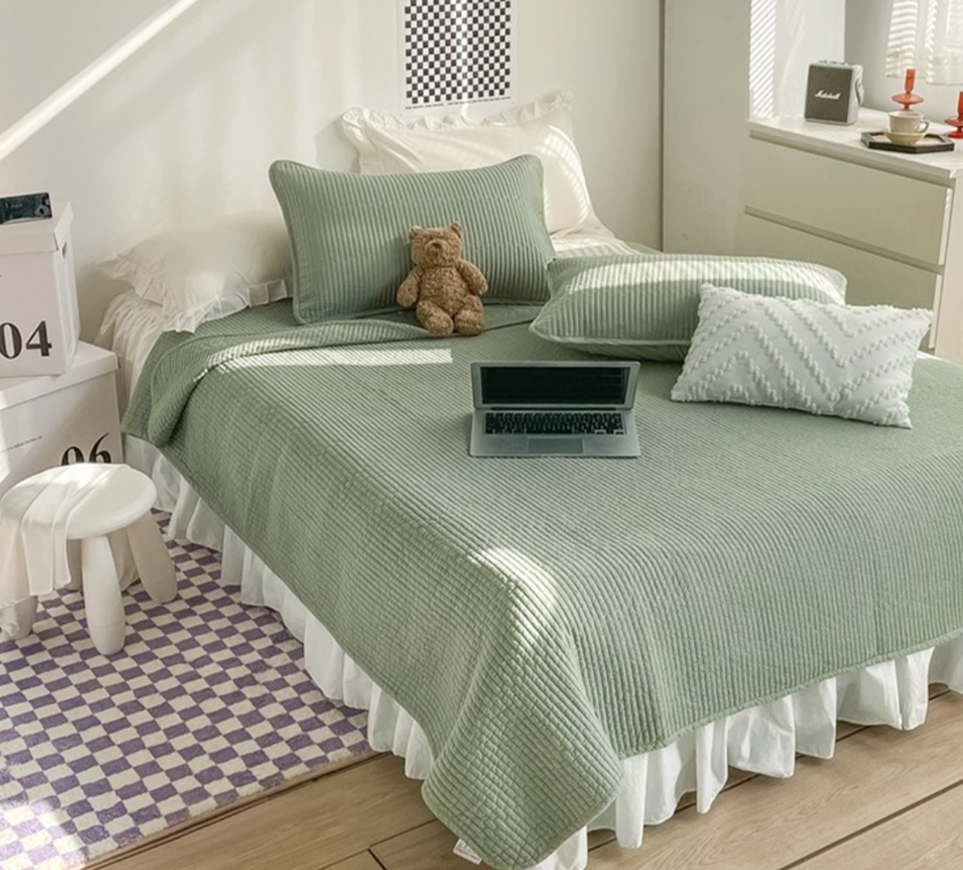
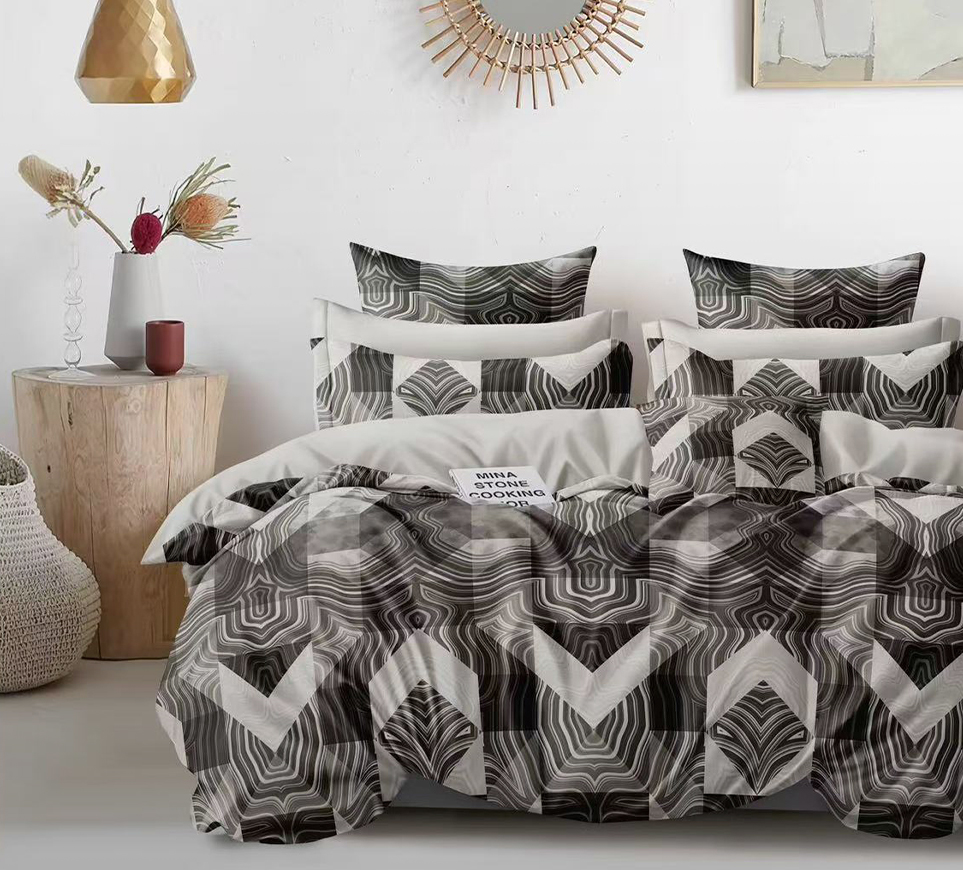
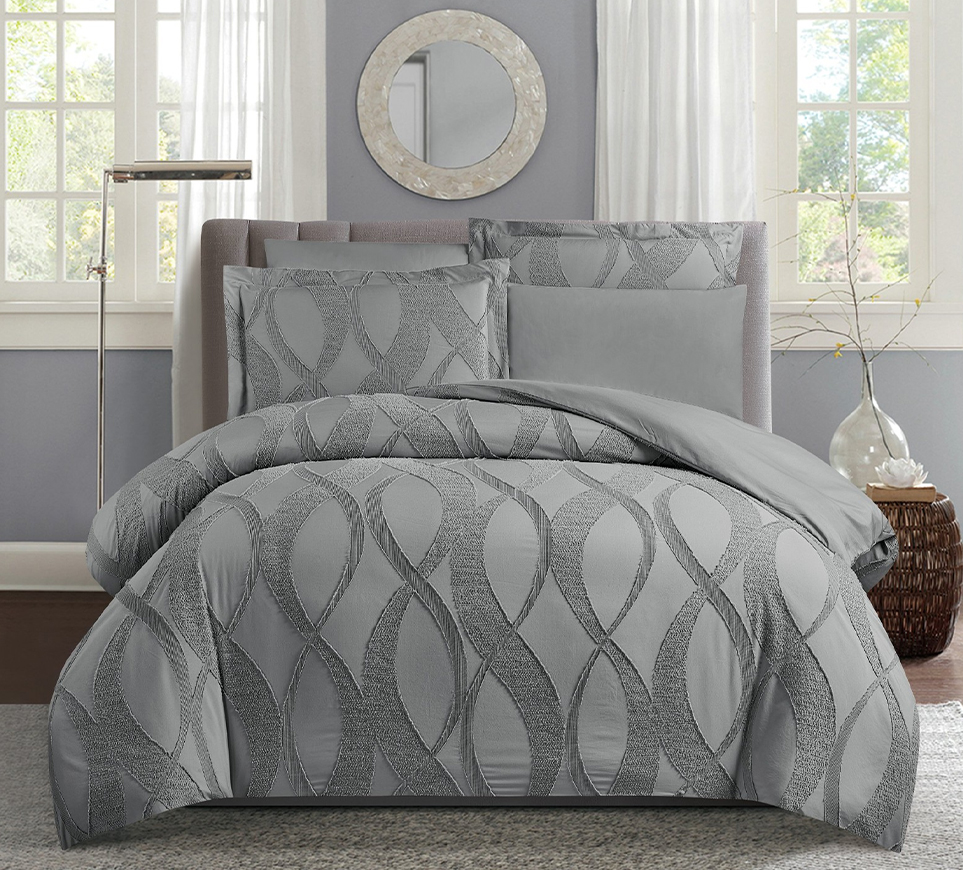
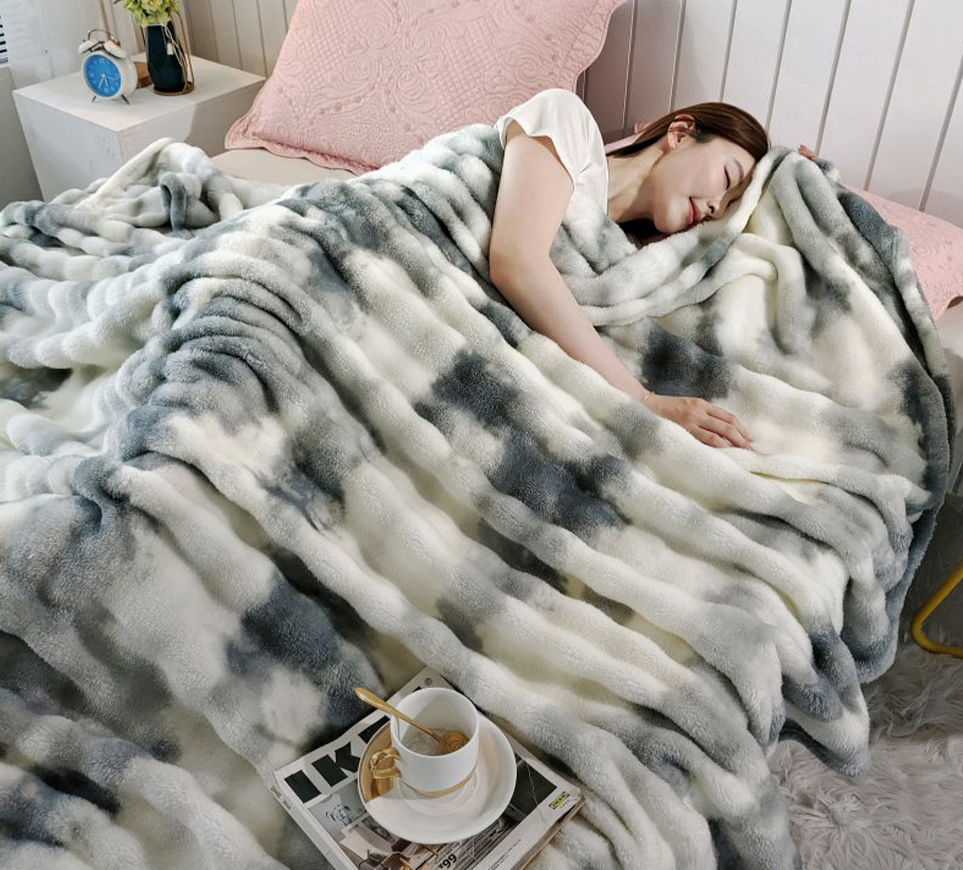
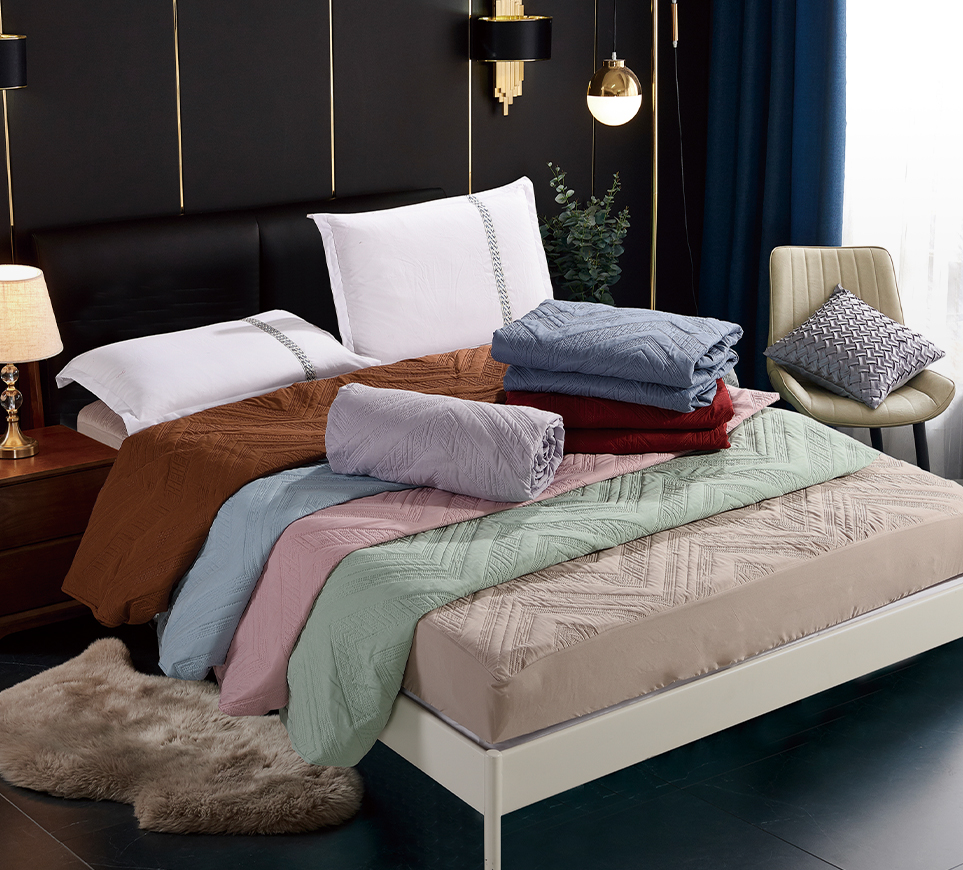

FunctionFast dry and easy to care: Not easy to shrink, no ironing and anti-wrinkle, fast drying after machine washing.Durable and fade resistant: Strong wear resistance, high color fastness, long-term...
See DetailsWhy Choose Us?
Established in 2008, with a 3,000m² professional factory, over 50 employees, and 5 departmental managers.

Coming From China, Marketing To The World.
Duvet Insert Buying Guide: Fill Weight, GSM, Sizes and Wholesale Supply
Oct 12, 2026
Content
- 1 What Counts as a Duvet Insert in a Specification Sheet
- 2 Duvet Insert Fill Options and What Each One Costs You
- 3 Fill Weight, GSM, TOG and the Warmth a Buyer Actually Needs
- 4 Shell Fabric and Stitching: The Two Places Duvet Inserts Fail
- 5 Duvet Insert Sizes: Matching Covers, Beds and Market Standards
- 6 Sourcing Duvet Inserts from a Manufacturer: What to Verify
- 7 Care, Laundering and Storage Guidance to Pass On
- 8 Frequently Asked Questions About Duvet Inserts
- 8.1 What is the difference between a duvet insert and a comforter?
- 8.2 What GSM duvet insert should a hotel buy?
- 8.3 Is a higher thread count always better for a duvet insert shell?
- 8.4 How long should a duvet insert last?
- 8.5 Can duvet inserts be machine washed?
- 8.6 What is a typical minimum order quantity for custom duvet inserts?
- 8.7 Do suppliers offer both down and down-alternative fills?
- 8.8 How do I check stitching quality before shipment?
- 8.9 Which sizes should a wholesale duvet insert programme cover?
- 8.10 How should duvet inserts be packed for export?
- 9 Where to Go Next
A European retailer approves a 300 gsm duvet insert sample in June, reorders 5,000 pieces in October, and finds in February that the goods feel noticeably thinner than the approved sample. The fill weight printed on the packing list is identical. What changed was the loft of the filling, the stitch spacing used on the quilting line, and how much the shell fabric was relaxed before the filling was blown in.
That single story explains why duvet insert buying goes wrong so often. The product looks simple, a filled and quilted bag, but almost every quality complaint traces back to three specifications that are easy to leave vague: fill weight and its tolerance, shell construction, and stitching density. Fix those three in writing before you negotiate price, and most of the arguments disappear before the container is loaded.
This guide covers duvet insert fill options, GSM and TOG ranges, shell fabrics and stitching, standard sizes across US, UK, EU and Australian markets, sourcing checks for importers and wholesale buyers, laundry behaviour, and the questions purchasing teams ask most often.
Specify fill weight with a tolerance, shell construction and stitch density in writing before price; those three variables decide whether a reorder matches the approved sample.
What Counts as a Duvet Insert in a Specification Sheet
A duvet insert, also sold as a duvet inner, comforter insert or quilt insert, is the filled layer that provides warmth. In most export programmes it carries no decorative print, and it is designed either to be used inside a removable duvet cover or to sit directly above the sleeper under a top sheet. On a typical home textile supplier's sitemap, duvet inserts sit alongside comforters, quilts and bedcovers, and the difference between those categories is mostly about the shell and the intended use rather than about the filling itself.
Buyers frequently use the terms interchangeably, and that habit causes specification errors. A comforter is normally quilted with a printed or decorative shell and sold as a standalone product. A duvet insert is a plain or solid-shell layer sold as the warmth source for a separate cover. A quilt or coverlet is generally lighter and drapes over the sides of the bed as decoration. A blanket contains no fill at all. If a purchase order says duvet insert but the reference photo shows a printed comforter, the factory will quote a different product and the buyer will receive something that does not match the retail plan.
| Format | Typical shell | Sold with a cover | Indicative fill weight | Main use |
|---|---|---|---|---|
| Duvet insert | Plain white, down-proof or microfiber | Cover sold separately | 150-600 gsm | Home, hotel, private label |
| Comforter | Printed or solid, quilted | Used as sold | 200-400 gsm | Retail and gift sets |
| Quilt or coverlet | Printed, embroidered or lace | No | 100-250 gsm | Decorative layering |
| Bedcover set | Quilted or ultrasonic bonded | No | 80-200 gsm | Bed covering with pillow shams |
Two practical consequences follow. First, the insert and its cover should be quoted and sized as a pair, because the insert's dimensions, corner loops and edge finish determine whether the cover hangs correctly and stays in place. Second, since the insert is rarely visible at retail, buyers can move budget away from printing and packaging and into fill quality and stitching without damaging the look of the finished set. That reallocation is usually where repeat purchase rates are won.
Treat the duvet insert and its cover as one specification set, and spend the visible budget on fill loft and stitching rather than on decoration.
Duvet Insert Fill Options and What Each One Costs You
Fill choice drives warmth-to-weight ratio, wash behaviour, allergen profile and, very often, more than half of the landed cost. A factory can change the shell fabric in a week; changing the fill usually means a new purchase order for raw material and a new sampling round.
Down and feather fills
Down clusters trap air more efficiently than any spun fibre, which is why a 400 gsm down insert can feel as warm as a 550 gsm polyester insert. Fill power is the usual measure, and ranges between roughly 550 and 800 cubic inches per ounce for commercial bedding, with higher numbers meaning larger, springier clusters. Down-to-feather ratios such as 80/20 or 75/25 describe the blend; more feather means more weight and less loft for the same warmth. Down requires a tightly woven, down-proof shell and, for premium constructions, baffle box walls rather than simple quilt lines, otherwise the filling migrates to the corners within one season.
Allergen concerns are mostly about dust accumulation and feather protein residue, which is why washed and treated fills are marketed as hypoallergenic. For buyers who want down-like loft without the allergen profile or the price volatility, a treated down or a high-loft down-alternative programme usually fits better.
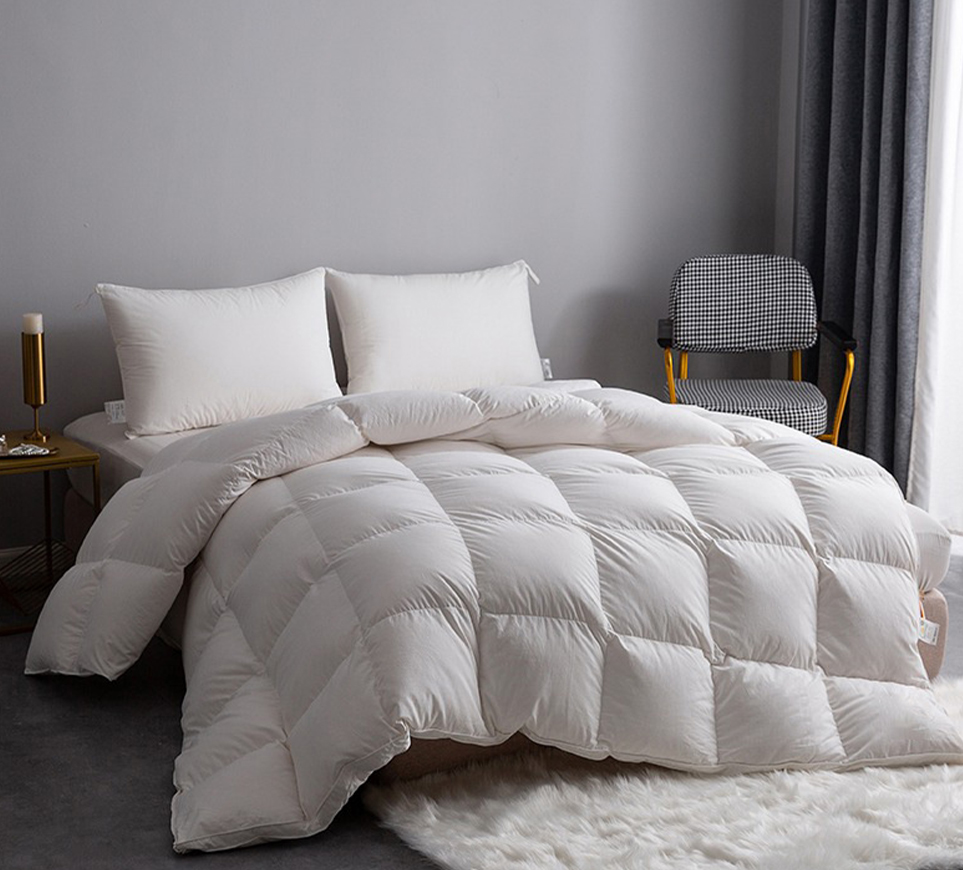
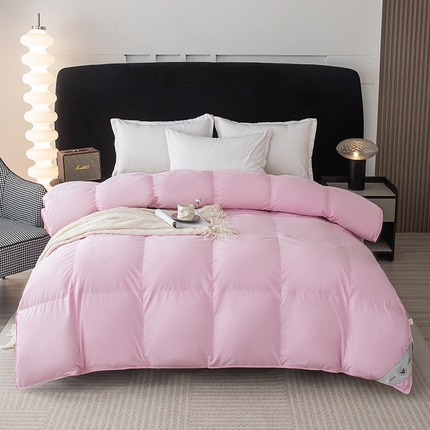 Luxury Winter Comforter Hypoallergenic DownFunction: Designed to provide exceptional warmth during the coldest months, this wintercomforter creates a cozy sanctuary that effectively retains body heat while main...View Product →
Where a retailer sells both a natural fill and a synthetic alternative, the two products should be sampled side by side at the same fill weight. Customers compare them on the shelf, and the difference in loft under the same GSM is what justifies the price gap in the catalogue.
Polyester microfiber and down-alternative fills
Siliconized hollow conjugated fibre remains the workhorse of exported duvet inserts. Denier and cut length control how the filling behaves: finer denier gives a softer hand, while coarser, crimped fibre resists compression better over repeated use. The advantages are consistent GSM control, machine washability, no allergen issues and predictable cost. The trade-off is loft recovery, because synthetic filling gradually flattens under body weight and vacuum packing. Buyers running long sea routes should confirm the compression ratio used at packing and allow the goods to recover before retail display.
Cotton, wool and blended fills
Cotton batting feels heavier for the same warmth but breathes well, which suits humid markets and customers who dislike the slick hand of synthetic fill. Unless the batting is needle-punched or resin-bonded, it can clump during washing. Wool offers strong moisture management and is popular in European natural-fibre programmes, though it needs gentler laundering and protection against moths in storage. Blends of cotton and polyester, or microfiber with a small proportion of down, are common ways to balance hand feel against cost.
Silk and speciality fills
Silk floss inserts are light, temperature-regulating and expensive, and they usually carry hand wash or dry clean instructions. Bamboo and viscose blends are marketed as cooling, and camel hair or cashmere-blend fills appear in premium winter ranges. These are niche programmes with smaller volumes, tighter sampling requirements and longer lead times for raw material.
Choose the fill before the shell: down gives the best warmth-to-weight ratio but demands baffle construction, while microfiber tolerates commercial laundering and delivers the most predictable GSM.
Fill Weight, GSM, TOG and the Warmth a Buyer Actually Needs
Fill weight is expressed in grams per square metre, calculated across the face of the insert rather than per unit. A 220 by 240 cm insert at 300 gsm therefore contains roughly 1.58 kg of filling, which is a useful number when you are checking a quotation against a raw material price. Tolerances matter more than most buyers expect: plus or minus 5 percent is a common commercial allowance, and a supplier quoting plus or minus 10 percent is effectively selling you two different products in one shipment.
European and UK retail often uses TOG instead of GSM, where roughly 4.5 TOG corresponds to a summer weight, 10.5 TOG to spring and autumn, and 13.5 TOG to winter. The scales are not perfectly interchangeable because shell fabric and stitching also affect heat retention, so a conversion table is a starting point rather than a guarantee of equivalence.
Indicative duvet insert fill weight by sleeping environment (mid-range GSM)
Tropical and warm rooms, above 24 C
150-200
Spring and autumn, 18-24 C
250-300
Air-conditioned hotel rooms, 20-22 C
300-350
Cool nights, 12-18 C
350-450
Cold winter and unheated rooms, below 12 C
500-600
The chart suggests that no single insert covers every climate a distributor may serve. The 300 to 350 gsm band tends to be the safest single product for air-conditioned hotel rooms, which is why hospitality programmes cluster there and why it is the weight most often requested for a first trial order. Where a retailer can only list one weight, the 250 to 300 gsm band usually sells through the longest season in temperate markets, with the cover and an extra blanket doing the adjustment work. Buyers who can carry two weights generally see the strongest pairing in the 250 to 300 gsm and 400 to 450 gsm bands, since they cover most of the year without a third SKU. In practice, fill weight should be decided together with the shell and the target retail price rather than in isolation, because a heavier fill in a thin shell simply produces a heavy insert that still feels cold.
For a closer look at how layered bedding holds warmth through the colder months, our notes on how home textiles provide extra warmth in the winter walk through the layer-by-layer logic that retailers can reuse in their own buying plans.
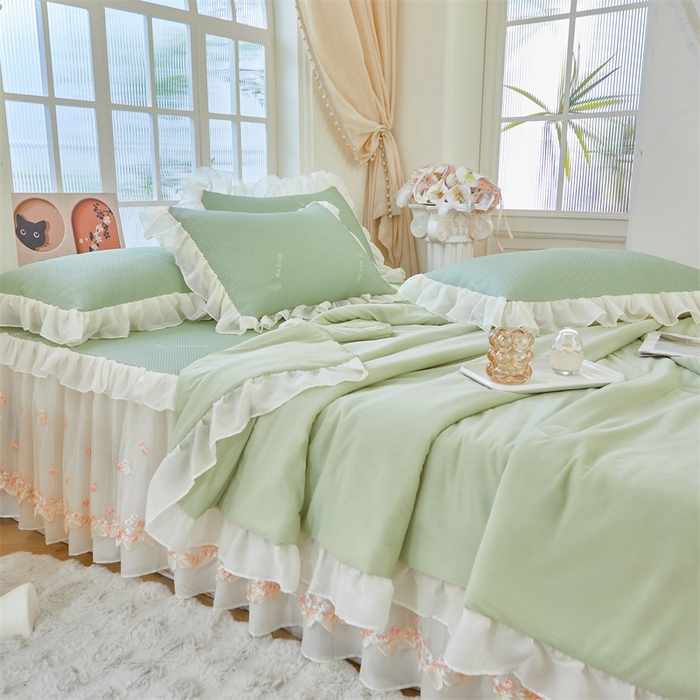 Hypoallergenic Summer Quilt Baby SafeFunction: Designed for hot summer nights and tropical climates, this seersucker quilt providesexceptional breathability and cooling comfort. lts unique crinkled textur...View Product →
Light weights are where construction shortcuts show up first. A summer insert at 150 to 200 gsm has very little filling to hide poor quilting, so the stitch pattern and the shell hand feel carry the entire impression of quality in the customer's hand.
Write the fill weight as a range with a tolerance of no more than plus or minus 5 percent, and confirm the TOG equivalent in the sampling report.
Shell Fabric and Stitching: The Two Places Duvet Inserts Fail
Most returns are not caused by the filling. They are caused by filling escaping through the shell, by seams opening after the first commercial wash, or by the quilting lines collapsing so that the insert becomes a loose bag of fibre in the middle and an empty shell at the edges.
Shell fabrics
- Down-proof cotton, usually 200 to 300 thread count and tightly woven or calendered, is the standard choice for down and feather fills.
- Polycotton blends at 180 to 200 thread count offer a lower price with adequate durability for synthetic fills in hotel programmes.
- Microfiber shells at roughly 90 to 110 gsm feel soft and resist pilling, and they suit down-alternative inserts aimed at retail comfort positioning.
- Brushed microfiber gives a warmer hand feel but can pill faster, so it is better suited to winter or decorative programmes than to high-turnover laundry.
- Thread count is a marketing number above a certain point; construction, yarn quality and finishing matter more than the count printed on the label.
Stitching, quilting and edge finishing
- Box quilting at 25 by 25 cm or 30 by 30 cm keeps filling distributed; wider boxes allow shifting, and narrower boxes add labour cost.
- Stitch density of 8 to 12 stitches per inch is a workable band, with the higher end better for down fills.
- Baffle box construction, where fabric walls separate the fill channels, is the correct choice for high fill power down but adds material and sewing time.
- Ultrasonic bonding avoids needle holes entirely and reduces fibre leakage, though it suits lighter fills and specific shell compositions.
- Double-folded or piped edges, with corner loops or tabs, protect the insert and keep it anchored inside the cover.
- Seam slippage and filling migration tests should be requested on the pre-production sample, not on the bulk order.
These details rarely appear on a one-page quotation, which is exactly why they should be listed in the technical specification. A supplier who cannot describe stitch density or quilting size in writing is likely to interpret those parameters differently on every reorder.
Shell and stitching decide durability: specify fabric type, quilting size, stitch density and edge finish, because the fill only performs as well as the construction that holds it.
Duvet Insert Sizes: Matching Covers, Beds and Market Standards
Size mismatches are one of the most common causes of customer complaints, and they are almost always caused by a missing allowance rather than by a cutting error. Woven cotton shells relax and shrink slightly after the first wash, so exported goods are normally cut with a shrinkage allowance and accepted with a tolerance of about plus or minus 2 cm. An insert that measures a few centimetres smaller than the cover will always look underfilled, no matter how much filling it contains.
| Market | Common insert sizes (cm) | Notes |
|---|---|---|
| United States | Twin 173 x 218, Full or Queen 224 x 234, King 264 x 234 | Frequently quoted in inches; Queen drives volume |
| United Kingdom | Single 135 x 200, Double 200 x 200, King 225 x 220, Super King 260 x 220 | TOG ratings widely used at retail |
| Continental Europe | 135 x 200, 155 x 220, 200 x 200, 240 x 220 | Metric sizing, often sold with matching covers |
| Australia and New Zealand | Single 140 x 210, Queen 210 x 210, King 240 x 210 | Sold locally as quilts or doonas |
| Hotel and hospitality | Queen 203 x 203, King 229 x 229, custom widths to 260 | Sized to the mattress plus drop, often with gussets |
| Japan and Korea | 150 x 210, 190 x 210, 200 x 210 | Smaller footprints, lighter fills |
For a wholesale programme, the safe default is to quote three sizes and two weights rather than six sizes and one weight, because size errors are cheaper to correct at the cutting stage than fill weight errors. Hospitality buyers usually want the insert to sit slightly wider than the mattress so the cover drapes over the sides, while retail buyers tend to buy the insert at the same nominal size as the cover. Confirm which logic applies before the sample is cut, and record it in the specification sheet.
Agree on shrinkage allowance and a plus or minus 2 cm dimensional tolerance at sampling stage, because size complaints outnumber filling complaints in most retail return data.
Sourcing Duvet Inserts from a Manufacturer: What to Verify
When buyers move from a trading company to a direct manufacturer, the cost structure usually improves, but the burden of specification shifts onto the buyer. A capable duvet insert supplier should be able to describe its filling line, its quilting capacity and its inspection routine without preparation, because those are the three areas where bulk orders deviate from samples.
Factory capability worth confirming
Ask how many quilting machines are in operation, whether filling is blown mechanically or by hand, how the shell is relaxed before filling, and how many pieces the line can complete per day. An annual capacity figure is useful for scale, but the daily output of the specific line that will run your order is what determines the delivery date. Buyers placing mixed orders across duvet inserts, comforters, bed sheet sets and mattress protectors should also confirm whether those categories run on the same site or across subcontractors, since split production complicates inspection and consolidating shipments.
What belongs in the specification sheet
- Fill material, denier or fill power, and blend ratio where applicable.
- Fill weight in gsm with an explicit tolerance, stated per size.
- Shell fabric composition, yarn type, thread count and finish.
- Quilting pattern dimensions, stitch density and edge construction.
- Finished dimensions in centimetres for each size, with tolerance.
- Labels: fibre content, care instructions, barcode and country of origin.
- Packing: compression ratio, poly bag or non-woven bag, carton dimensions and shipping marks.
- Test requirements, sampling plan and the acceptable quality level.
MOQ, lead time and price structure
For custom duvet inserts, minimum order quantities typically start around 500 to 1,000 pieces per size and colour combination for an OEM programme, and can fall lower when a factory already stocks the shell and fill. Production lead time generally runs from 25 to 45 days after sample approval and deposit, with the longer end applying to down fills and printed shells. Filling is usually the largest single cost element, followed by shell fabric, labour and packing, so a price reduction almost always comes from one of those four items rather than from overhead.
Testing, compliance and documentation
- Fibre content verification to support the label claim.
- Formaldehyde, pH and colourfastness for markets with strict chemical limits.
- Dimensional stability after washing, which protects the size promise.
- Filling migration and seam strength checks for filled products.
- Third-party certification such as OEKO-TEX Standard 100 where the retail channel requires it.
- Carton drop and compression testing for long sea freight.
 Pure Cotton Soft Comforter SetFunction Skin-friendly and breathable: Pure cotton material is soft and comfortable, good for breathing, and suitable for sensitive skin moisture. Absorption and persp...View Product →
Buyers running cotton programmes alongside synthetic ones often sample both before committing, because cotton inserts feel different in the hand and need a slightly different stitch density to avoid needle marks along the quilting lines.
Inspection before shipment
A pre-shipment inspection at an acceptable quality level of 2.5 for major defects is standard practice. The checkpoints that matter most for duvet inserts are fill distribution across the face, dimensional verification on at least three pieces per size, seam and corner security, fibre leakage under light abrasion, label accuracy and carton weight consistency. Inspecting after the goods are compressed and packed makes it much harder to detect fill migration, so arrange the inspection before final compression wherever the schedule allows.
A duvet insert manufacturer should be judged on filling method, quilting capacity and inspection routine, not on the annual capacity figure alone.
Care, Laundering and Storage Guidance to Pass On
Care instructions are a specification item, not an afterthought. The laundering method you print on the label determines which fill and shell combinations are acceptable in the first place, and mismatched care claims are a frequent cause of returns in markets with strong consumer protection rules.
Home laundering
- Wash small and medium sizes at 30 to 40 C on a gentle cycle with a reduced spin speed.
- Use a front-loading machine where possible to reduce mechanical stress on seams.
- For down and feather inserts, tumble dry on low heat with two or three dryer balls to restore loft.
- Avoid bleach and fabric softener, since both affect fibre resilience and water repellency.
- Dry completely before storage, because trapped moisture encourages mildew inside the filling.
Hotel and commercial laundering
Commercial laundries often wash at higher temperatures with stronger chemistry and longer cycles. Synthetic fills tolerate this pattern better than down, which loses loft faster and requires more careful drying. Hospitality buyers should test a sample through the intended laundry cycle before approving a bulk order, and should expect a realistic service life measured in wash cycles rather than in years. Where a hotel operates a high-turnover laundry, a quilted synthetic insert with tight box quilting is usually the more economical specification.
Storage
- Store in a breathable cotton or non-woven bag rather than a sealed plastic sack.
- Avoid long-term vacuum compression, which reduces loft recovery in synthetic fills.
- Keep storage areas dry and rotate stock so older units are used first.
- For wool fills, add protection against moths during extended storage.
Match the fill to the laundry environment before you write the care label, and test one sample through the real wash cycle rather than a laboratory approximation.
Frequently Asked Questions About Duvet Inserts
What is the difference between a duvet insert and a comforter?
A duvet insert is a plain-shell filled layer designed to be used inside a removable cover, while a comforter normally has a decorative or printed shell and is used as sold. The insert carries the warmth and is rarely seen; the comforter is part of the visible bedding design. Some markets use the terms interchangeably, which is why specification sheets should always include a reference photo.
What GSM duvet insert should a hotel buy?
For air-conditioned rooms held around 20 to 22 C, the 300 to 350 gsm band is the most common starting point, with lighter weights for tropical properties and heavier weights for unheated rooms. Hospitality buyers should confirm the laundry cycle before fixing the fill weight, since aggressive washing reduces loft over time.
Is a higher thread count always better for a duvet insert shell?
Not necessarily. Above a certain point, thread count says very little about durability, and a tightly woven 200 to 300 thread count down-proof fabric often performs better than a loosely woven higher count. Yarn quality, weave density and finishing matter more than the number printed on the label.
How long should a duvet insert last?
Service life depends on fill type, shell construction and laundering frequency. Synthetic fills used in commercial laundries generally have the shortest cycle life, while well-constructed down inserts kept in home use tend to hold loft considerably longer. Buyers should define service life in wash cycles for hospitality programmes and in seasons for retail programmes.
Can duvet inserts be machine washed?
Polyester and microfiber inserts are generally machine washable at 30 to 40 C. Cotton batting may clump unless it is needle-punched or bonded. Down and feather inserts can be washed, but they need low-heat tumble drying with dryer balls to restore loft, and repeated wet washing shortens their useful life.
What is a typical minimum order quantity for custom duvet inserts?
Custom OEM programmes commonly start around 500 to 1,000 pieces per size and colour, and can be lower where the shell fabric and fill are already in stock. Mixed orders across inserts, comforters and bed sheet sets sometimes allow a lower per-item quantity because the factory can consolidate production runs.
Do suppliers offer both down and down-alternative fills?
Many established home textile manufacturers run both lines, because the two products share quilting and finishing equipment but differ in raw material sourcing, shell requirements and inspection points. Buyers comparing the two should sample them at the same fill weight to see the real difference in loft.
How do I check stitching quality before shipment?
Measure stitch density on at least three pieces per size, check that quilting boxes are consistent across the face, pull gently on seams and corners, and confirm that no filling escapes under light abrasion. Fill distribution across the insert is the fastest indicator of whether the filling line is running correctly.
Which sizes should a wholesale duvet insert programme cover?
Most wholesale programmes cover three to four sizes, typically a single or twin, a double or queen, a king and sometimes a super king. Covering every size at every fill weight multiplies inventory without adding much sell-through, so it is usually better to add a second fill weight before adding a fifth size.
How should duvet inserts be packed for export?
Compression packing reduces freight cost but affects loft recovery, so the compression ratio should be agreed and tested rather than left to the packing line. Inserts are usually packed in poly bags or non-woven bags, then cartoned with consistent weight per carton and clear shipping marks. Allow a recovery period before retail display when high compression has been used.
Most duvet insert questions come back to one issue: whether the written specification is precise enough for a different production run to reproduce the approved sample.
Where to Go Next
If you are building a duvet insert, quilt or comforter programme and comparing factories, start with a supplier that can describe fill weights, shell construction and inspection routine in numbers rather than adjectives, and ask for a specification sheet before a price. That single request separates manufacturers from traders very quickly.
Planning a duvet insert or comforter range? The product categories, factory profile and contact route are collected at Nantong Noble International Trade Co., Ltd., where the duvet, quilt, comforter and hotel linen lines are listed with fill, GSM and size details for buyers to compare.
Ask for the specification sheet and the pre-shipment inspection plan before you ask for the price, and the rest of the duvet insert programme becomes predictable.
Related products
-
-
FunctionFast drying and easy to take care of: Anti-shrinkage and no ironing, fast drying after machine washing, simplified daily care.Durable color protection: High wear resistance and color fastness,...
See Details -
FunctionStrong warmth: High gram weight provides good insulation performance, suitable for low-temperature environments.Durable anti-wrinkle: High-density structure wear and tear resistance, not easy ...
See Details -

FunctionSkin-friendly breathable: Natural cotton fiber is soft and comfortable, good for breath, and suitable for the use of moisture.Absorption and perspiration: Good moisture absorption, keep dry bo...
See Details -
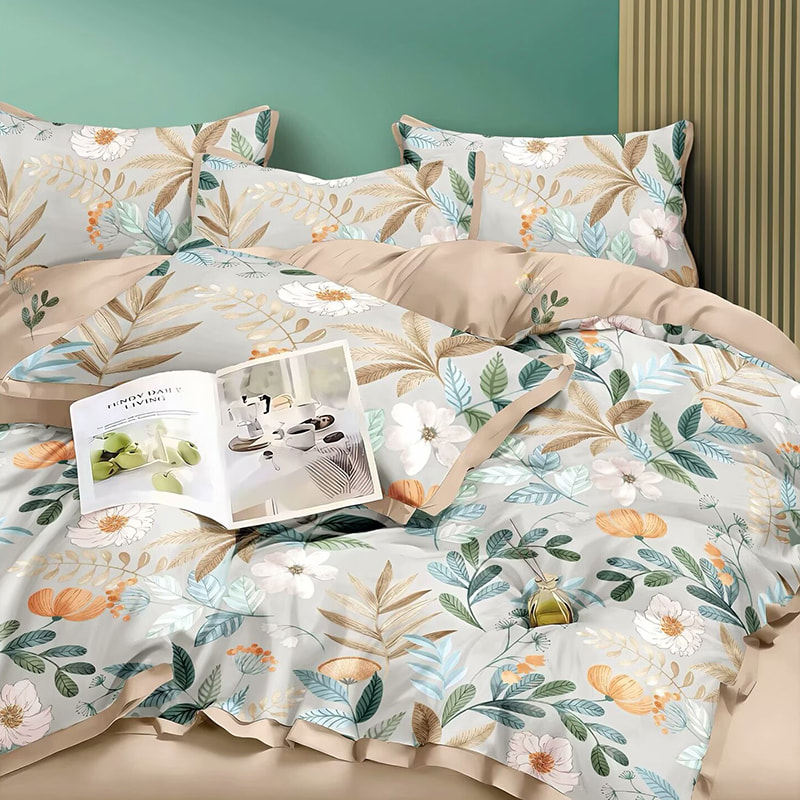
FunctionMore delicate and skin-friendly: Higher than 12868,13372, the fabric is more delicate and soft, the touch is better and more.Breathable: High-density cotton structure further improves moisture...
See Details -

Function Extreme skin affinity: Day silk fiber is soft and smooth, touch like silk, suitable for close-fitting use of moisture. Absorption and breathability: moisture absorption and sweat performance,...
See Details -
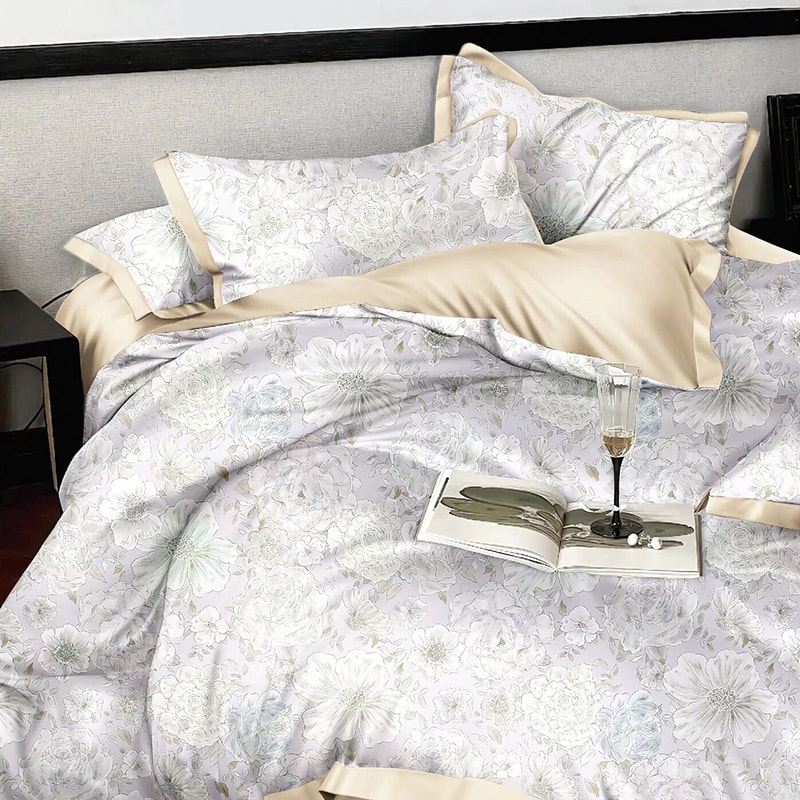
FunctionMore delicate and skin-friendly: Compared with 50S, 60S silk fiber is thinner, softer, smoother, more comfortable for close use, and more moisture absorption.Breathable: Higher branches improv...
See Details -
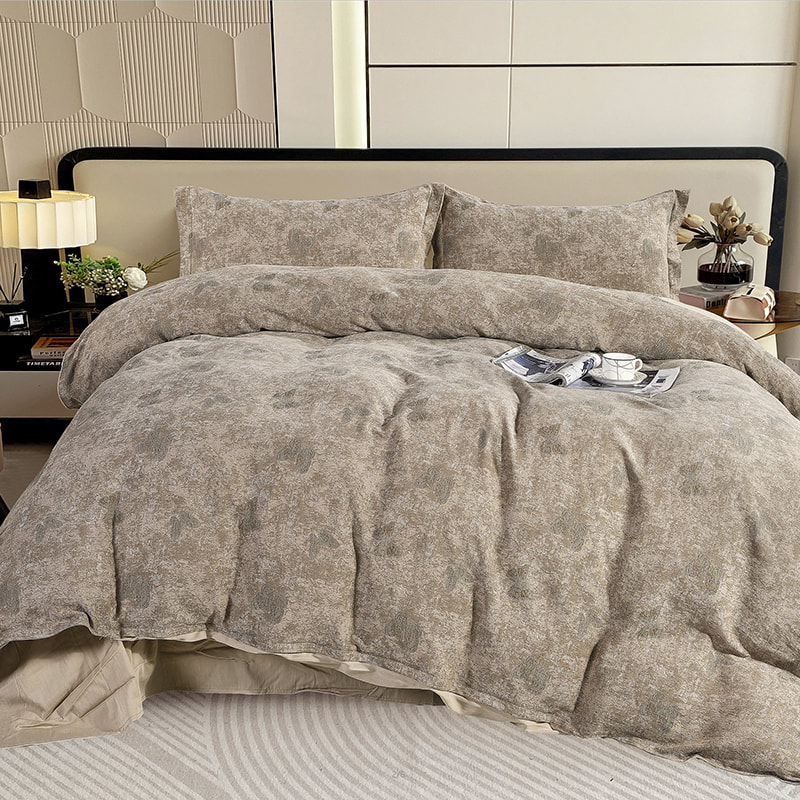
Function Luxury touch: The fiber is soft and smooth, and the jacquard process adds a three-dimensional texture. Touch like silk moisture absorption: moisture absorption performance keeps dry and comfo...
See Details -

Function Fine pattern performance: Digital printing is higher precision than round net printing, richer color, more delicate pattern, fast dry.Easy to care: The polyester fiber characteristics are unc...
See Details -
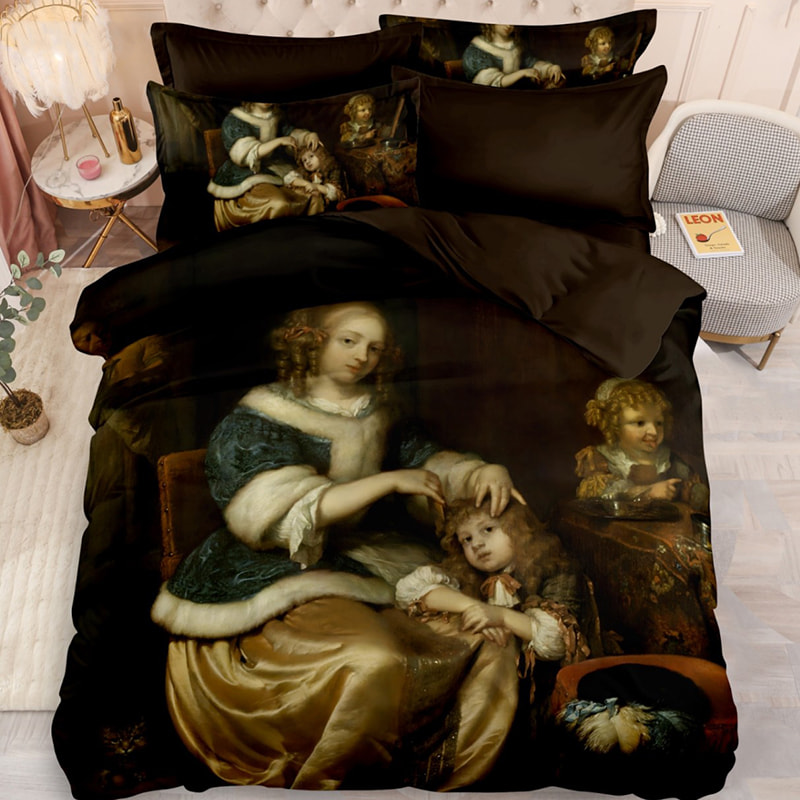
FunctionFine pattern performance: Digital printing is higher precision than round net printing, richer color, more delicate.Durable anti-wrinkle: 130g polyester fiber fabric has a vertical feeling, an...
See Details -
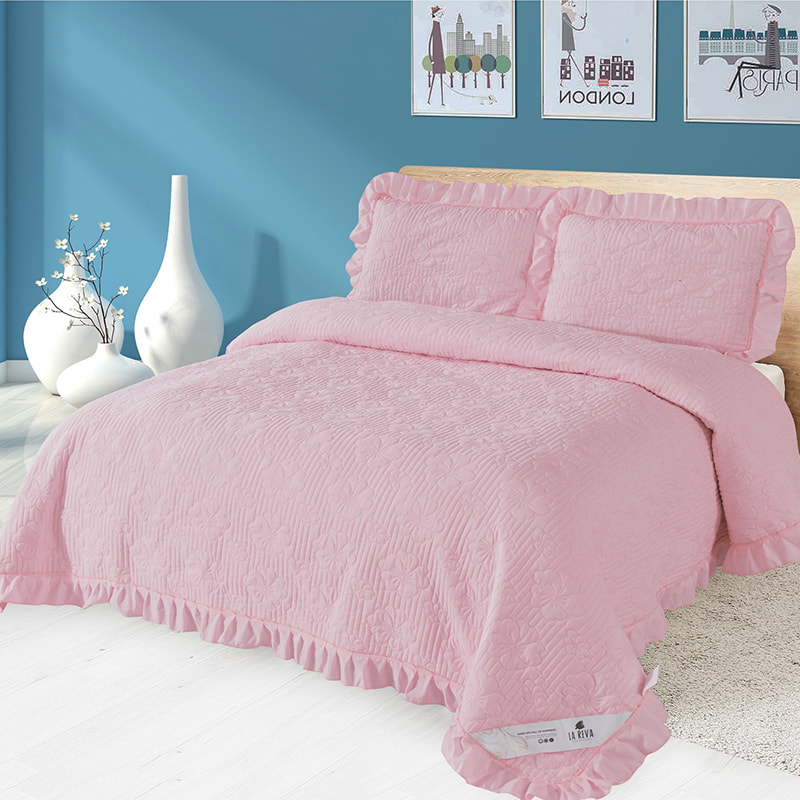
FunctionThin and light: The ultrasonic process does not create pinholes or quilting thread, and the fabric is thin and smooth.Strong decoration: Lace elements add an elegant and romantic sense, enhanc...
See Details -
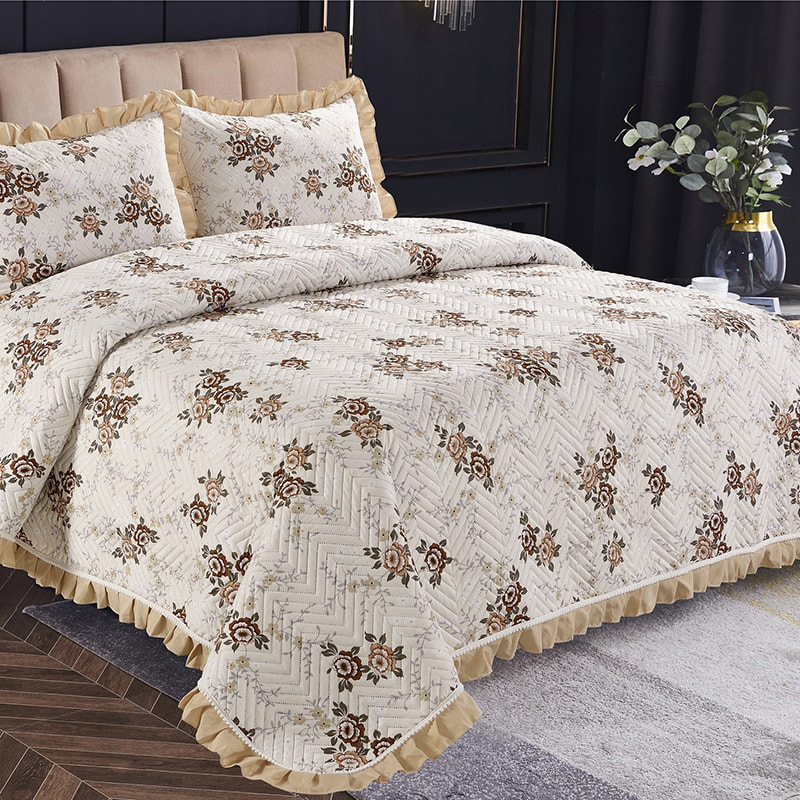
FunctionThin and light: The ultrasonic process does not create a pinhole or quilting thread, and the fabric is thin and smooth.Strong decorative: Print patterns add a sense of art and design, enhancin...
See Details
