

 English
 Español
 عربى
عربى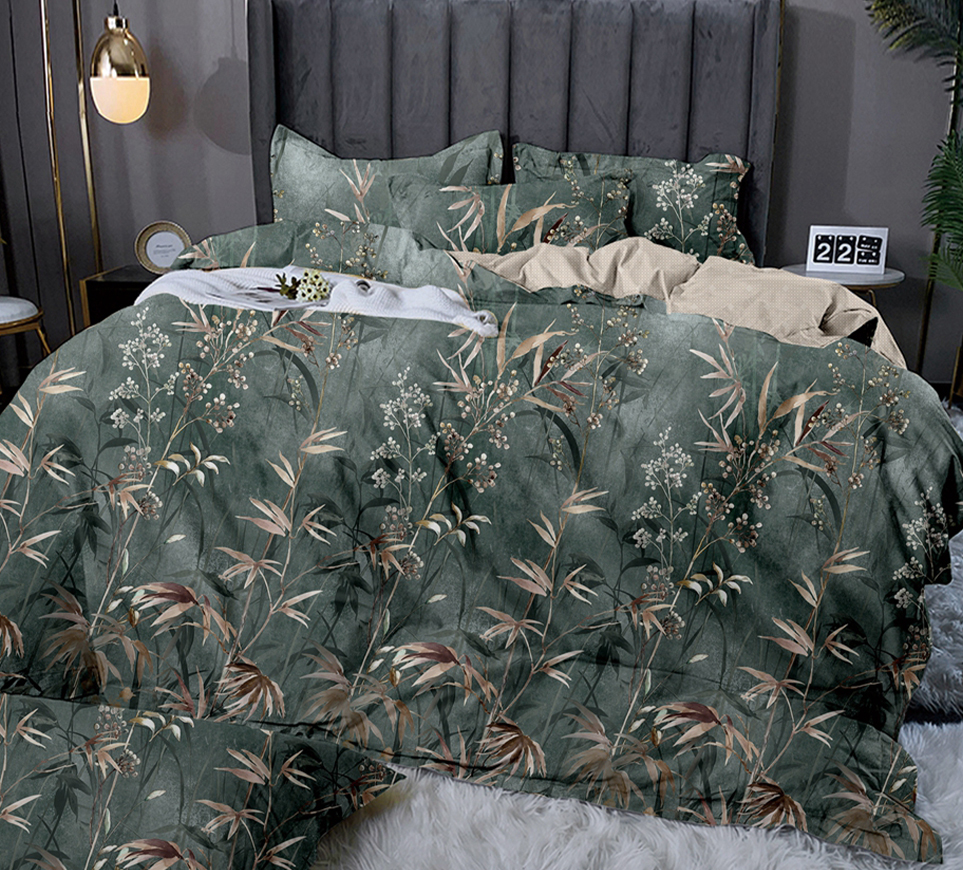
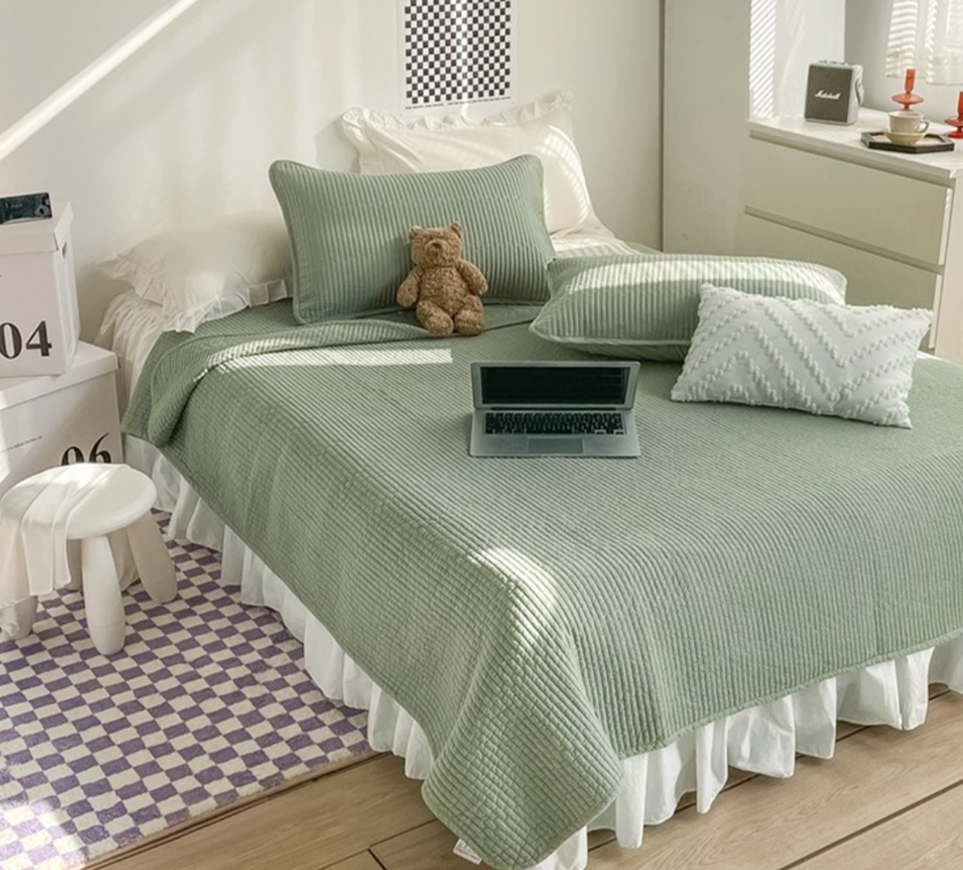
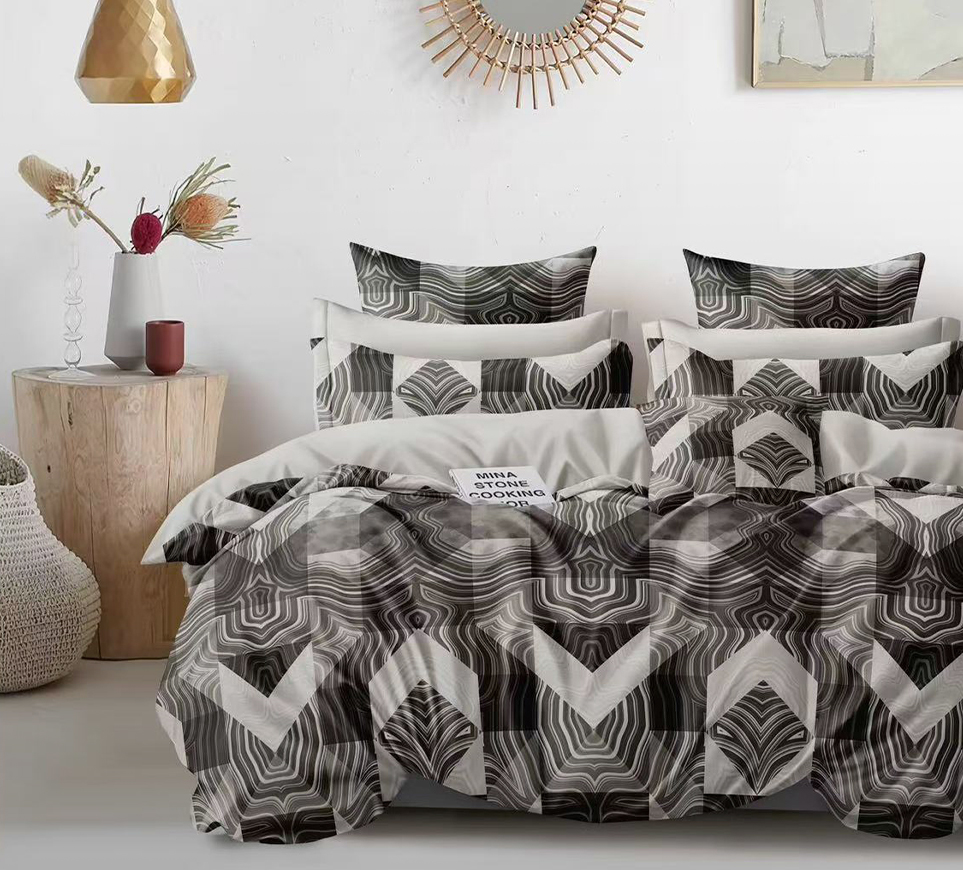
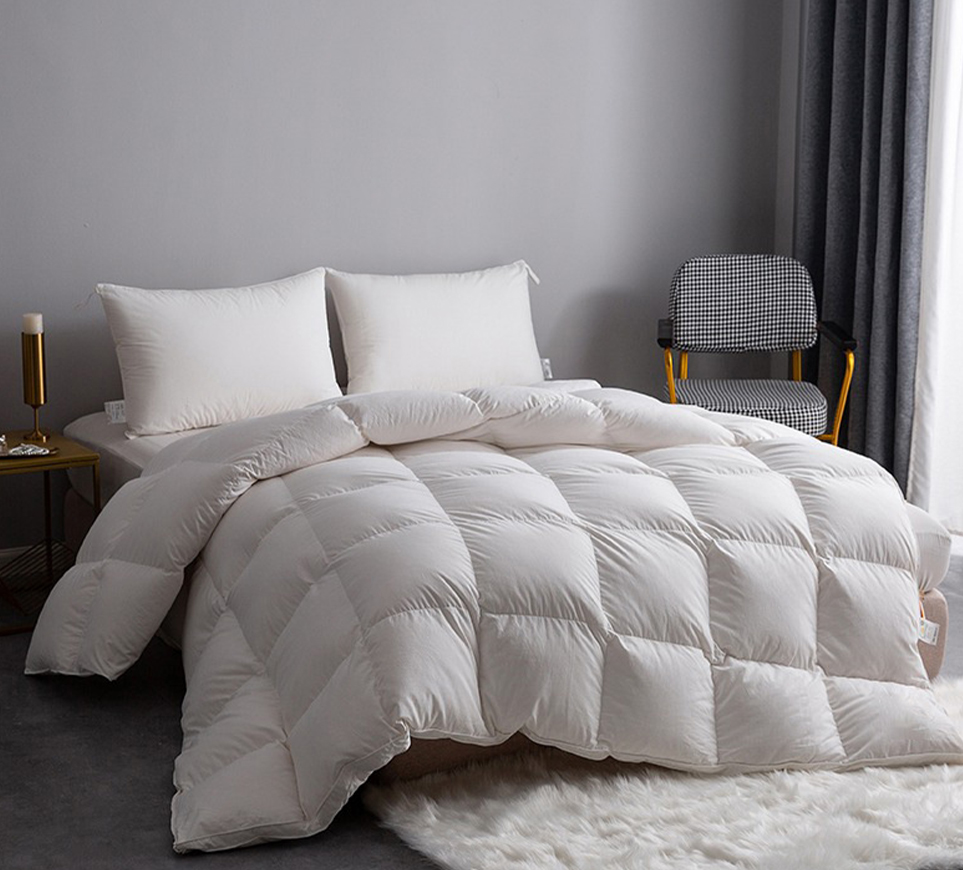
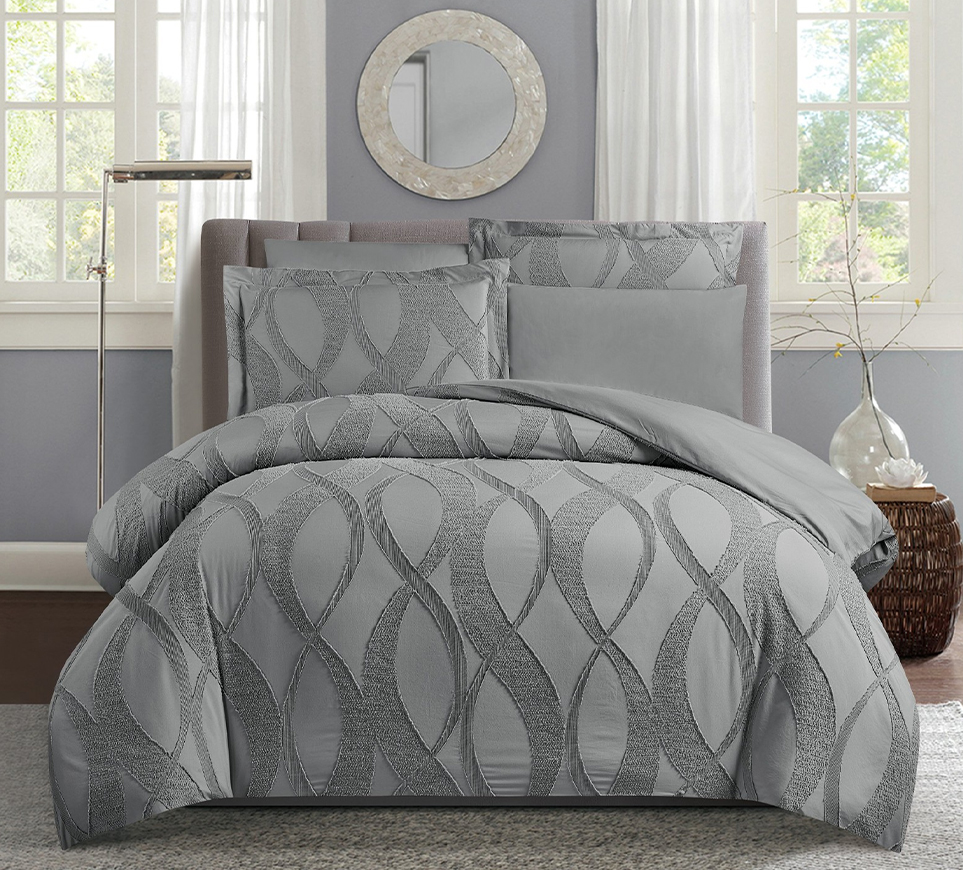
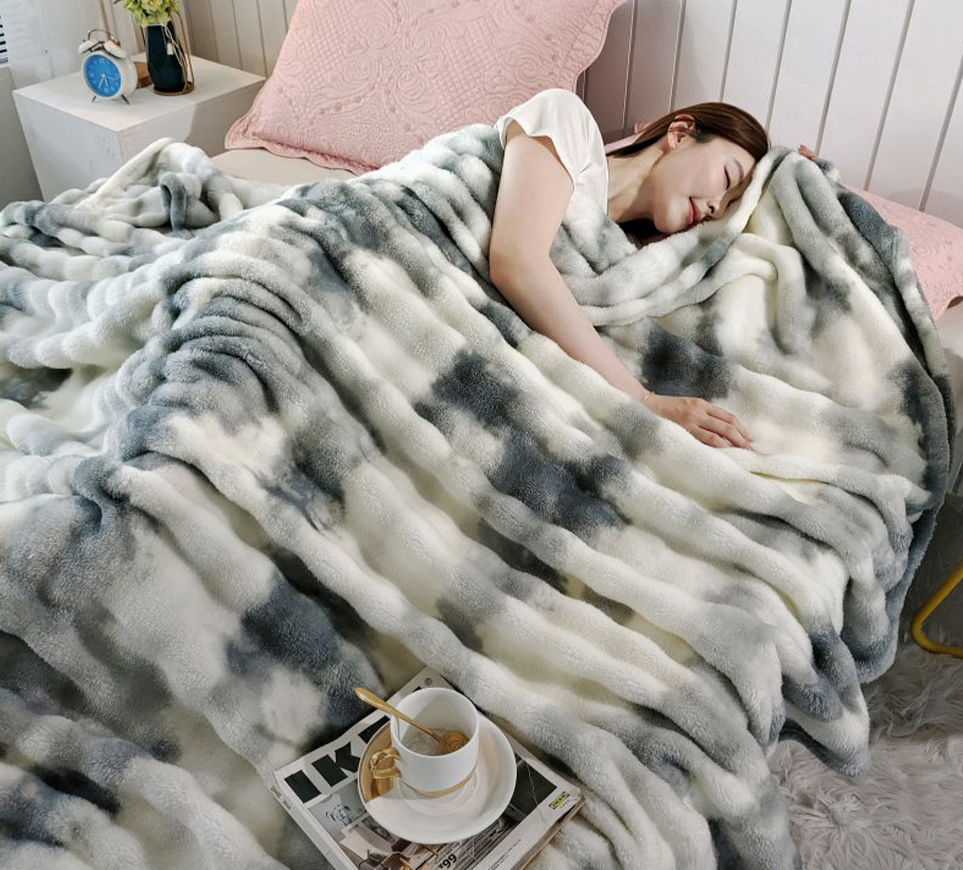
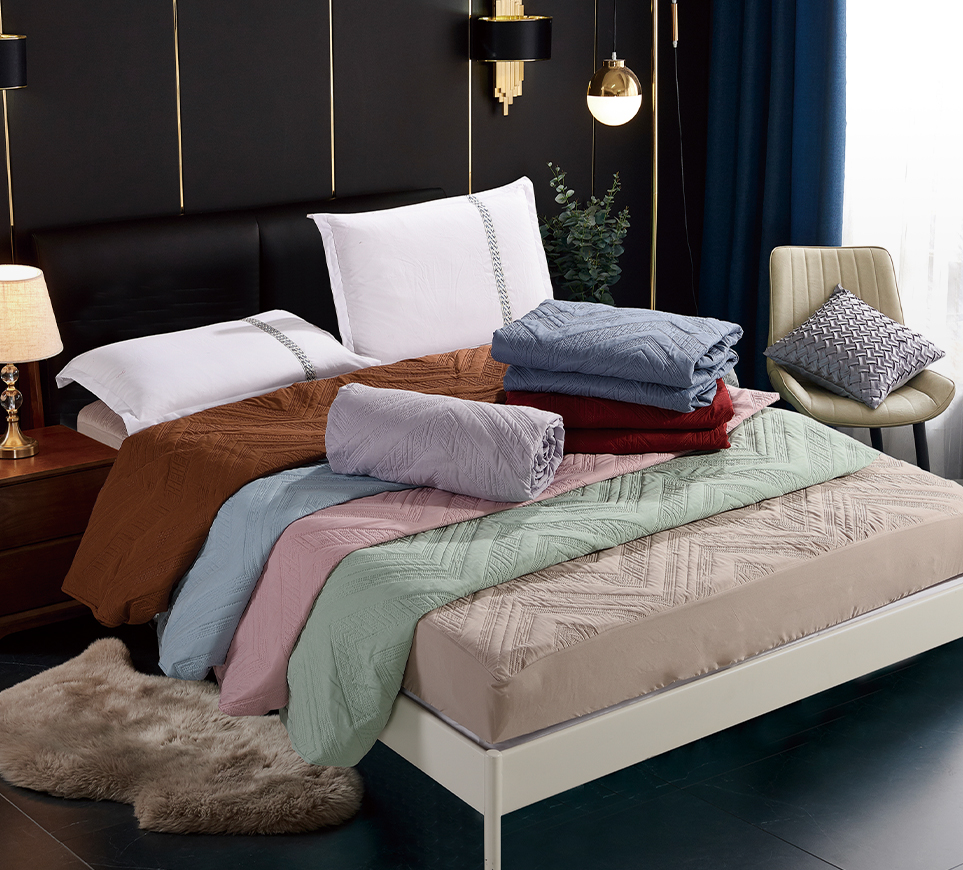

FunctionFast dry and easy to care: Not easy to shrink, no ironing and anti-wrinkle, fast drying after machine washing.Durable and fade resistant: Strong wear resistance, high color fastness, long-term...
See DetailsWhy Choose Us?
Established in 2008, with a 3,000m² professional factory, over 50 employees, and 5 departmental managers.
Coming From China, Marketing To The World.
Blanket Basket Guide: Sizing, Materials, Packed Volume and Wholesale Buying Tips
Oct 05, 2026
Content
- 1 What Size Blanket Basket Holds Which Blanket
- 2 Blanket Basket Materials and Fabric Compatibility
- 3 How Much Room One Blanket Takes: A Volume Comparison
- 4 Blanket Basket Types Compared for Retail and Wholesale Programmes
- 5 Choosing a Blanket Basket: A Buyer's Checklist
- 6 Blanket Basket Care and Maintenance
- 7 Sourcing Blanket Baskets and Blankets Together
- 8 More From Our Mill Floor
- 9 FAQ: Blanket Basket Questions Buyers Ask Most
- 9.1 What size blanket basket do I need for a queen-size blanket?
- 9.2 Can I store a fleece blanket in a seagrass basket?
- 9.3 Do blanket baskets damage blankets?
- 9.4 Is cotton rope better than jute for a blanket basket?
- 9.5 How do I clean a woven blanket basket?
- 9.6 How many blankets fit in a large basket?
- 9.7 What is a typical minimum order for a blanket basket from a wholesaler?
- 9.8 Are blanket basket gift sets worth stocking?
A 40 cm cotton rope basket, a 150 x 200 cm fleece throw, and one question that surfaces in almost every sampling meeting: does the blanket actually fit? Roll a mid-weight fleece throw and it becomes a cylinder roughly 17 cm across. Fold the same throw flat and it turns into a slab about 45 x 35 x 14 cm. The rolled version drops into a round blanket basket without a fight; the folded version needs a rectangular bin or a wide-mouthed basket with a lid. Diameter alone never answers the question, and that is where most buying mistakes begin.
Here is the working rule that keeps returns low: pick the blanket's packed format first, then size the blanket basket around it, not the other way around. Buyers who start with the container and try to force a comforter into it usually discover the mismatch at the customer's door, in the form of a torn handle, a crushed pile, or a review that reads "smaller than expected".
This guide works through the numbers that matter: packed volume by blanket type, basket materials and how each one treats brushed fabric, tolerance and load figures worth writing into a purchase order, retail and wholesale programme risks, and the care routines that decide whether a set still looks good after three winters. It is written for importers, brand owners, hotel purchasers and anyone assembling a storage or gifting programme around blankets and baskets.
What Size Blanket Basket Holds Which Blanket
Volume is the honest metric, and it is easy to calculate. Measure the folded pack in centimetres, multiply length by width by height, then divide by 1000. A 45 x 35 x 14 cm pack comes to roughly 22 litres. A rolled blanket is treated as a cylinder: the radius squared, multiplied by 3.14, multiplied by the length, divided by 1000. A roll of 17 cm diameter and 50 cm length lands near 11 litres. Same blanket, half the volume, simply because the format changed.
Pile height and filling weight move those numbers by around 10 percent in either direction. A 260 gsm microfleece compresses more than a 300 gsm milk velvet, and a winter comforter with a filled core barely compresses at all. Add 15 to 20 percent headroom on top of the calculated figure, because a basket packed to the rim photographs well but is awkward to use. Someone standing in a bedroom should be able to lift the blanket out with one hand.
| Blanket or bedding piece | Typical size | Folded pack (cm) | Rolled diameter | Minimum basket mouth | Recommended basket |
|---|---|---|---|---|---|
| Microfleece throw | 150 x 200 cm, 260 to 300 gsm | 45 x 35 x 14 | 16 to 18 cm | 24 cm | Round rope basket, 30 to 35 cm |
| Milk velvet throw | 150 x 200 cm, 300 gsm | 45 x 35 x 16 | 18 to 20 cm | 26 cm | Round or oval basket, 35 cm |
| Knitted cotton throw | 130 x 170 cm | 40 x 30 x 14 | 15 to 17 cm | 22 cm | Low round basket or shelf bin |
| Velvet duvet cover set | 200 x 200 cm, cover only | 32 x 26 x 10 | 12 to 14 cm | 20 cm | Shelf bin or fabric drawer |
| Queen winter comforter set | 200 x 230 cm, 300 gsm with filling | 50 x 40 x 20 | Not practical to roll | 35 cm | Deep hamper or 55 cm round basket |
| Tufted quilt set | 200 x 230 cm | 48 x 38 x 22 | Not practical to roll | 35 cm | Tall hamper, lid preferred |
Two practical notes sit underneath that table. First, a comforter or tufted quilt should never be the reason a round basket is chosen; the geometry fights back, and buyers end up with a basket that looks full but carries an unstable load. Second, a set with a drawstring bag or a fabric pouch can be listed as a separate storage SKU, because the pouch removes volume from the equation entirely and lets a smaller basket sell alongside it.
A blanket should fill no more than 80 percent of a basket's internal volume; anything tighter turns a storage product into a wrestling match.
Blanket Basket Materials and Fabric Compatibility
The basket material touches the blanket for years, so abrasion, moisture behaviour and colour transfer matter more than the look on a trade-show table. A brushed fleece or a milk velvet surface is made of fine, raised fibres; a rough basket interior will pull at those fibres every time the blanket goes in or out.
Natural fibres: seagrass, water hyacinth and jute
Seagrass is stiff, holds its shape well and breathes, which suits dry bedrooms and coastal styling. Its weak points are moisture and friction. Equilibrium moisture content for a natural fibre basket can sit around 10 to 14 percent depending on ambient humidity, so a damp bathroom or a basement storage room invites mould and a musty smell that transfers to the textile. Jute is the cheapest of the three and the coarsest; loose fibre ends catch on brushed fleece and velvet pile. Water hyacinth sits between the two, softer to the touch than seagrass but more variable in colour from batch to batch.
Cotton rope and polyester rope
A cotton rope blanket basket with rope of 8 to 10 mm diameter is soft, dense and structured, and it can be machine washed, which matters for households with pets. It costs noticeably more per litre than jute, and it is heavier to ship. Polyester rope holds colour better and dries faster, but it has less stiffness, so a tall basket may sag unless the base is reinforced or a wire ring is sewn into the rim.
Felt, canvas and wire-frame bins
Felted wool or polyester bins are dense and quiet, and they sit flat on shelves without scratching furniture. Canvas bins with a steel frame stand up on their own and suit heavier comforters. For any of these constructions, a sewn-in liner is not optional when the contents are fleece, velvet or brushed microfiber; a glued liner will separate in a humid climate within a season.
| Basket material | Surface feel | Cleaning | Pairs best with | Main risk to manage |
|---|---|---|---|---|
| Cotton rope, 8 to 10 mm | Soft, slightly springy | Cold machine wash inside a laundry bag | Fleece, milk velvet and knit throws | Higher cost and freight weight |
| Seagrass | Firm, dry, natural | Spot clean and vacuum with a brush head | Cotton and linen throws | Mould in humid rooms |
| Water hyacinth | Softer than seagrass | Spot clean only | Quilts and cotton bedding | Shade variation between batches |
| Jute | Coarse, rustic | Spot clean, never soak | Heavier wool and knit blankets | Loose fibre ends snagging brushed pile |
| Felt, wool or polyester | Dense and soft | Hand wash and reshape while damp | Duvet covers and sheet sets | Shape loss when overfilled |
| Canvas with steel frame | Structured and firm | Wipe clean | Comforters and quilted sets | Frame corrosion in damp storage |
| Polyester rope | Smooth, even colour | Machine wash and air dry | Colour-matched fleece sets | Less stiffness than cotton rope |
Colour transfer deserves a line of its own in any specification sheet. A dark-dyed basket that rubs against a pale blanket will show up as grey smudges on the fabric, and customers report that as a defect rather than a dye issue. Ask for a colourfastness to rubbing result of grade 4 or better on dark shades, and keep a sample of the approved basket next to a light-coloured blanket for a simple rub test before bulk production.
Soft contents demand a soft interior: for fleece, velvet and brushed microfiber, a lined rope or felt basket avoids the snagging complaints that unlined natural fibre baskets generate.
How Much Room One Blanket Takes: A Volume Comparison
Before choosing basket formats for a range, it helps to see how far apart blanket categories really sit. The figures below are pack volumes measured on production samples and rounded to the nearest litre, which is accurate enough for programme planning.
Approximate storage volume of one blanket or bedding piece after folding or rolling (litres)
Queen winter comforter, 200 x 230 cm with filling
34 L
Milk velvet bedding set, four pieces folded
23 L
Printed milk velvet set, folded flat
22 L
Knitted cotton throw, 130 x 170 cm
17 L
Microfleece throw, 150 x 200 cm rolled
15 L
Velvet duvet cover only, 200 x 200 cm
12 L
The gap between a filled winter comforter and a folded duvet cover is close to three to one, which explains why a single basket shape rarely serves a whole range. A 40 cm round basket offers roughly 25 to 30 litres of usable internal space, so it comfortably handles every throw on the chart and none of the filled bedding. Retailers who plan one size only usually end up with the comforter listed as "basket not included", and that is a missed bundle rather than a neutral outcome.
The two milk velvet entries sit within one litre of each other, which is inside normal sample variation; treat them as one family for basket planning instead of ordering two different container sizes. Where a set includes a fitted sheet and two pillowcases as well, the packed volume climbs by roughly a third, so the recommended basket steps up one size band. That single adjustment prevents the most common complaint in this category: a basket that arrives looking generous in a lifestyle photo but tight in a real bedroom.
For programmes built around cold-season storage, a winter fleece blanket that rolls tight is the easiest textile to pair with a compact basket, because the roll diameter stays under 20 cm even at the heavier weights.
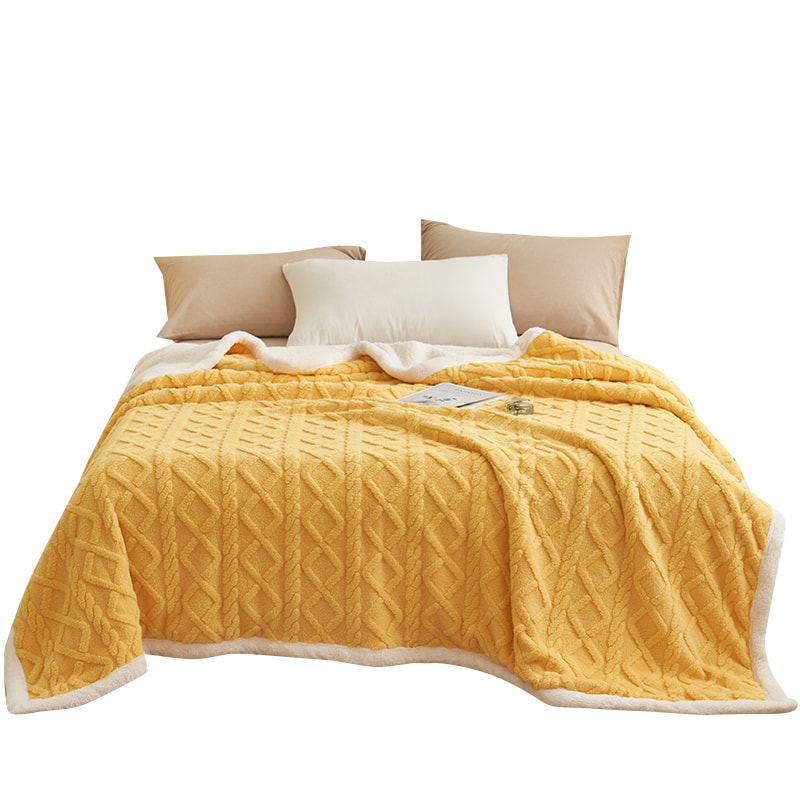 Soft Winter Fleece BlanketFunction Warm and comfortable: moderate thickness provides basic warmth, suitable for autumn and winter or air conditioning room use. Strong decoration: diverse design...View Product →
Plan basket sizes around the textile with the largest packed volume in the range, not around the average, and the rest of the assortment will fit with room to spare.
Blanket Basket Types Compared for Retail and Wholesale Programmes
Export programmes usually settle on three or four basket shapes and repeat them across colours. The comparison below reflects common specifications seen in wholesale catalogues; treat the numbers as starting points to verify with a supplier rather than fixed standards.
| Basket type | Typical internal size | Usable volume | Load tested | Price band | Best blanket pairing |
|---|---|---|---|---|---|
| Round cotton rope basket | 35 cm diameter x 30 cm | 25 to 28 L | 8 to 12 kg static | Mid to premium | Fleece and milk velvet throws |
| Woven seagrass basket with handles | 40 cm diameter x 32 cm | 30 to 35 L | 10 to 15 kg static | Value to mid | Knit and cotton throws |
| Rectangular felt storage bin | 40 x 30 x 25 cm | 30 L | 6 to 8 kg static | Mid to premium | Duvet covers and sheet sets |
| Canvas bin with steel frame | 45 x 35 x 30 cm | 45 L | 12 to 18 kg static | Premium | Comforters and quilted sets |
| Lidded hamper | 45 cm diameter x 50 cm | 55 to 60 L | 15 to 20 kg static | Gifting | Full bedding sets |
| Under-bed flat basket | 70 x 40 x 15 cm | 40 L | 6 to 8 kg static | Value | Spare sheets and light blankets |
Two commercial factors decide which of these shapes survives a second season. The first is nesting ratio: a rope basket that nests three to one takes a third of the container space of a rigid canvas bin, and freight can outweigh the difference in factory price on a long route. The second is carton cube consistency, because mixed-size assortments create pallets that are hard to stack and easy to damage. A simple rule is to keep the basket range to shapes that nest well or share a carton footprint.
For gift and seasonal programmes, a lidded hamper carries a higher retail price and pairs naturally with a complete bedding set, but it ships badly and rarely nests. It works best as an assortment centrepiece with limited stock depth rather than a volume driver. Handles also deserve a specification line: a blanket plus basket can weigh 3 to 5 kg, so handles should be tested at twice the expected load for 24 hours, then lifted from four points to check stitch anchors.
Choose basket shapes for nesting and carton footprint first; freight and pallet handling usually decide profitability more than the few cents saved on labour.
Choosing a Blanket Basket: A Buyer's Checklist
A specification sheet that covers these points removes most of the arguments that appear after delivery. Each item is short enough to fit into a purchase order annex.
- State internal dimensions and external dimensions separately, with a tolerance of plus or minus 1.5 cm for hand-woven baskets and plus or minus 0.8 cm for sewn rope baskets.
- Calculate usable volume as internal volume minus 20 percent headroom, then confirm it against the packed volume of the largest blanket in the range.
- Test handles and rim stitches at twice the expected load for 24 hours, followed by a four-point lift with a weighted blanket inside.
- Require a sewn-in liner with stitch density of 8 to 10 stitches per inch for any basket intended for fleece, velvet or brushed microfiber.
- Ask for colourfastness to rubbing of grade 4 or better on dark shades, plus a rub test against a light-coloured blanket sample.
- Run an odour check: seal the basket in a bag for 24 hours, then assess smell at room temperature before approval.
- Confirm fibre content, care symbols, country of origin and any flammability labelling required by the destination market.
- Specify nesting ratio and a stacking test of around 200 kg for 48 hours to check carton compression on a full pallet.
- Include a desiccant sachet for natural fibre baskets on humid routes, and keep polybag ventilation adequate to avoid condensation.
- Approve the sample with a real blanket folded inside it, not with an empty basket on a table.
- Align basket and blanket production schedules so both lines finish within the same two-week window.
Item ten is the one buyers skip most often, and it is the cheapest to fix. A basket that passes dimensional inspection can still fail a real fit test, because handles, liners and rim thickness quietly reduce the usable opening by 2 to 4 cm. Filling a sample with the intended textile takes ten minutes and usually settles the question before any purchase order is signed.
Approve every basket sample with the blanket it will be sold with; a fit test on the sample table prevents a claim on the retail floor.
Blanket Basket Care and Maintenance
A storage product only earns its price if both halves still look good after a few seasons. Care instructions differ sharply between basket materials, and mixing them up is a common source of damage claims.
Cleaning a woven or rope basket
Natural fibre baskets should be spot cleaned with a mild soap solution and a soft cloth, then vacuumed with a brush head on low suction to lift dust from the weave. Never soak seagrass, water hyacinth or jute; the fibres swell, lose shape and can develop a musty smell that takes weeks to fade. Dry them in shade, because direct sun bleaches natural fibres unevenly. Cotton rope baskets are more forgiving: place the basket in a pillowcase or laundry bag, wash cold on a gentle cycle, reshape while damp, and air dry flat so the base stays level.
Keeping blankets fresh inside the basket
Indoor relative humidity of 45 to 55 percent is a comfortable range for stored textiles. Below that, static builds up in polyester fleece; above 60 percent, natural fibre baskets and cotton blankets start holding odour. Vacuum bags are a poor fit for high-pile fleece and velvet, because compression crushes the pile and leaves crease marks that do not recover. Refolding along different lines every three to four months spreads the stress on fibre and keeps the pile lofted.
Wash blankets before long storage, since body oils attract dust and can discolour pale pile over a season. Add a cedar block or a small silica sachet beside the basket rather than inside the folded textile, and keep the basket out of direct air-conditioning airflow, which dries natural fibres and can crack the weave. A velvet duvet cover set folded into a lined bin holds its shape well; brushing the pile lightly with a soft brush after unfolding restores the surface before use.
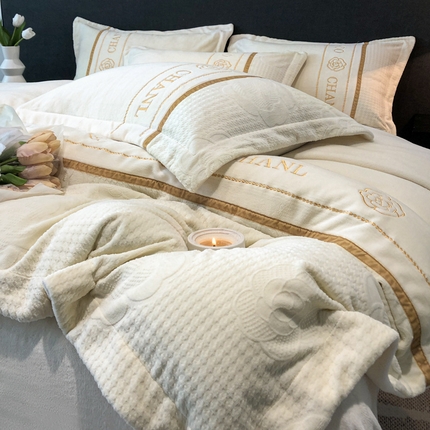 Milk Velvet Bedding Sets Soft CharmFunction : The Milk Velvet Bedding Sets are designed to bring a touch of indulgence and warmth to your bedroom, creating a cozy retreat for restful sleep. They functio...View Product →
Spot clean natural fibre baskets and machine wash rope baskets; matching the cleaning method to the material is what keeps a storage set usable for years.
Sourcing Blanket Baskets and Blankets Together
Most blanket basket programmes are assembled from two supply chains: baskets from weaving workshops and textiles from home textile mills. Consolidating both at one partner shortens the critical path, but only when that partner genuinely controls the textile side, because basket weaving and blanket finishing require completely different equipment.
A blanket manufacturer with its own cutting, sewing and packing lines can usually coordinate the two halves of the programme better than a trading intermediary, since the packed volume used in basket sizing comes from the same samples that will be produced. Our own operation reflects that structure: a 3,000 square metre facility, more than 50 staff and an annual capacity in the range of three million sets, with design, production, processing and packing handled in house.
On commercial terms, baskets and blankets follow different rhythms. Woven baskets typically carry a minimum order of 300 to 500 pieces per shape, while blanket ranges often start at 300 to 1,000 sets per design, and sampling runs 7 to 10 days for each side. Bulk production usually needs 30 to 45 days, which means a retail programme targeting the fourth quarter should have orders confirmed by June or early July to leave buffer for inspection and ocean freight.
Bundle economics deserve a clear-eyed look. A basket adds roughly 30 to 45 percent to the landed cost of a blanket set, but it also lifts average order value and reduces the number of single-item returns, since customers buy the pair as a gift. The strongest performing bundles tend to be mid-weight throws with a soft rope or felt container, where the basket looks like part of the product rather than packaging.
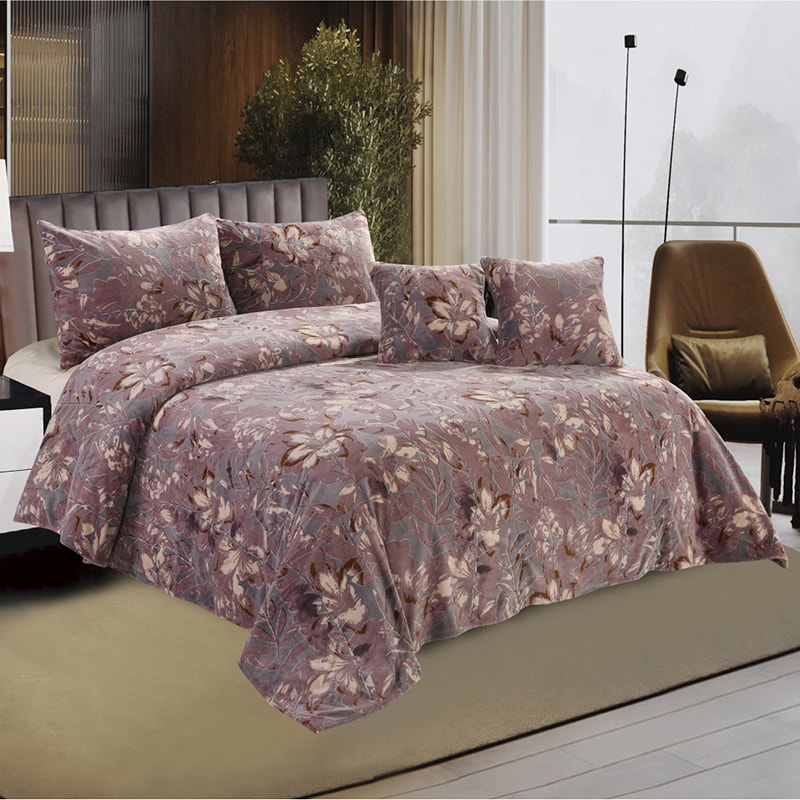 Velvet Duvet Cover SetFunction Efficient warmth: Suede material provides additional warmth, suitable for low-temperature environments. Soft and skin-friendly: Suede touch, improved sleep co...View Product →
Order baskets and blankets on one schedule with one approval cycle; split sourcing is the most common cause of a late seasonal launch.
More From Our Mill Floor
If the storage side of the programme is settled and the textile side still needs work, these two pages cover the practical detail we get asked about most often.
FAQ: Blanket Basket Questions Buyers Ask Most
What size blanket basket do I need for a queen-size blanket?
For a queen comforter or quilted set with filling, look for a basket with an internal diameter of at least 50 cm, or a rectangular hamper of roughly 50 x 35 x 30 cm. If the item is a lightweight throw rather than a filled comforter, a 35 cm round basket usually holds it comfortably when rolled. The deciding factor is packed volume, not the nominal blanket size printed on the label.
Can I store a fleece blanket in a seagrass basket?
Yes, provided the basket has a smooth sewn-in liner and sits in a dry room. Seagrass tips can catch brushed pile, and the fibre responds to humidity, so a bathroom or a damp basement is the wrong location. In dry bedrooms with relative humidity under 60 percent, a lined seagrass blanket basket performs well and keeps its shape for years.
Do blanket baskets damage blankets?
Most damage comes from friction, dye transfer and overfilling rather than from the basket itself. Unlined coarse fibres snag pile, dark unwashed dyes can rub onto pale fabric, and a basket packed beyond its capacity puts stress on seams and handles. Grade 4 colourfastness, a sewn-in liner and 20 percent headroom solve nearly all of it.
Is cotton rope better than jute for a blanket basket?
Cotton rope is softer, washable and kinder to brushed textiles, but it costs more and adds freight weight. Jute is cheaper and gives a rustic look that sells well in some markets, though its loose fibre ends are a poor match for fleece and velvet. For premium bundles, rope or felt is the safer specification; for value programmes with cotton throws, jute can work.
How do I clean a woven blanket basket?
Spot clean with mild soap and a soft cloth, vacuum with a brush head on low suction, and dry in shade. Do not soak natural fibres. Cotton rope versions can go through a cold gentle cycle inside a laundry bag, then be reshaped and air dried flat so the base stays even and the rim keeps its structure.
How many blankets fit in a large basket?
A 55 to 60 litre lidded hamper typically holds two rolled throws plus one folded lightweight blanket, or a single comforter set with room for a spare pillowcase. Volume adds up quickly: three microfleece throws rolled occupy roughly 45 litres, which already approaches the practical limit once headroom is subtracted.
What is a typical minimum order for a blanket basket from a wholesaler?
Woven and rope baskets commonly start at 300 to 500 pieces per shape and colour, while textile items such as throws and duvet cover sets often begin at 300 to 1,000 sets per design. Sampling takes about a week to ten days, and bulk production generally runs 30 to 45 days, so seasonal timing should be planned backwards from the retail launch date.
Are blanket basket gift sets worth stocking?
They usually are, because the container lifts the perceived value of the textile and turns two mid-priced items into one gift-ready purchase. Watch the arithmetic: the basket adds roughly 30 to 45 percent to landed cost, so the bundle needs a retail price that still undercuts buying the two items separately in the customer's mind, while keeping margin intact.
A blanket basket is not a decorative afterthought bolted onto a textile programme. It is the container that decides whether a folded comforter sits neatly or fights its way out, whether a fleece throw keeps its pile, and whether a customer photographs the set or returns it. The sequence that works is simple: measure the packed volume of the textile, pick a basket material that treats that surface kindly, confirm dimensions and load tolerances on a real sample, and let one supplier hold both halves of the schedule.
Get those four steps right and the category stops being a handling problem and starts behaving like what it actually is, a repeat-purchase home textile product with a longer season than most bedding lines.
Match the blanket to the basket by volume, material and load tolerance, and the storage set sells itself; skip any of the three, and returns will do the talking instead.
Related products
-
-
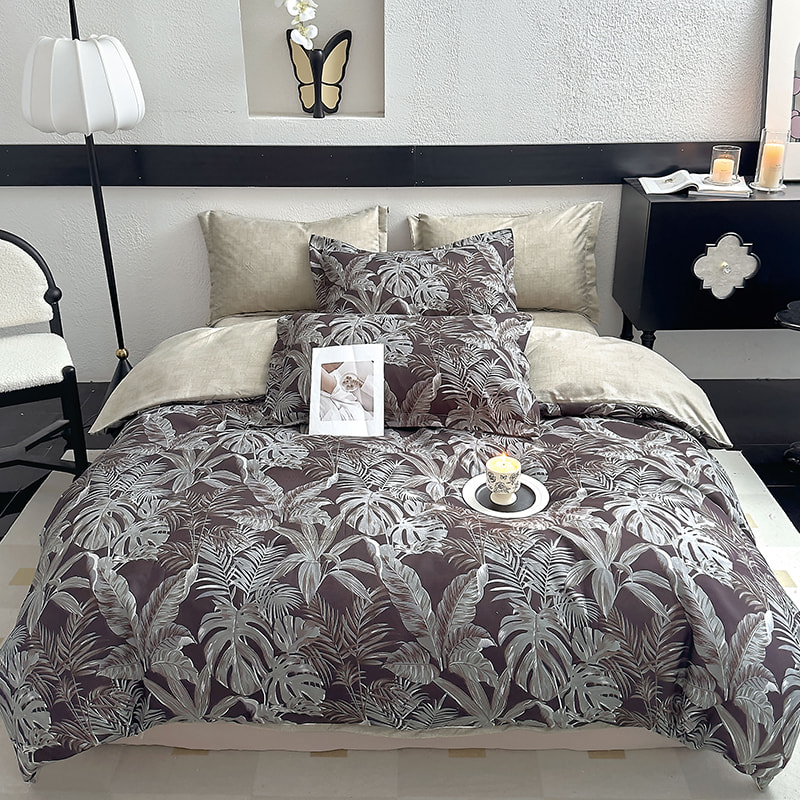
FunctionFast drying and easy to take care of: Anti-shrinkage and no ironing, fast drying after machine washing, simplified daily care.Durable color protection: High wear resistance and color fastness,...
See Details -
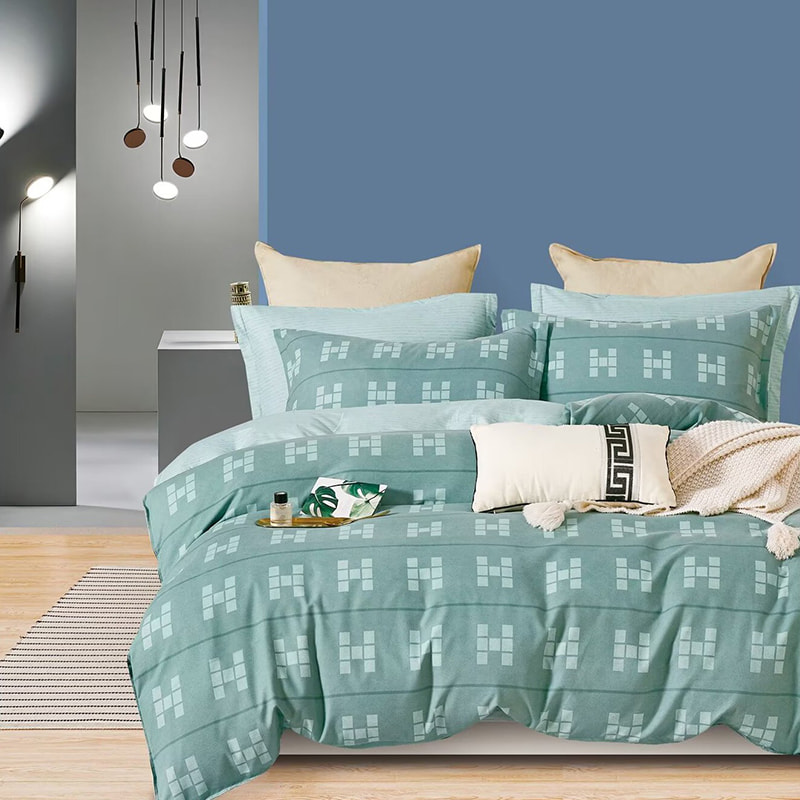
FunctionStrong warmth: High gram weight provides good insulation performance, suitable for low-temperature environments.Durable anti-wrinkle: High-density structure wear and tear resistance, not easy ...
See Details -
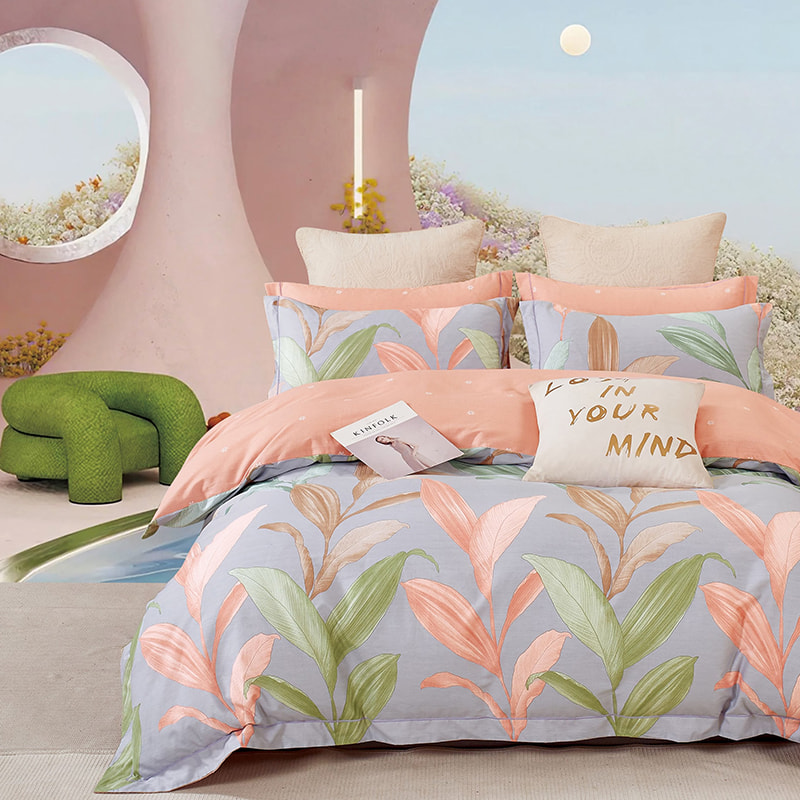
FunctionSkin-friendly breathable: Natural cotton fiber is soft and comfortable, good for breath, and suitable for the use of moisture.Absorption and perspiration: Good moisture absorption, keep dry bo...
See Details -
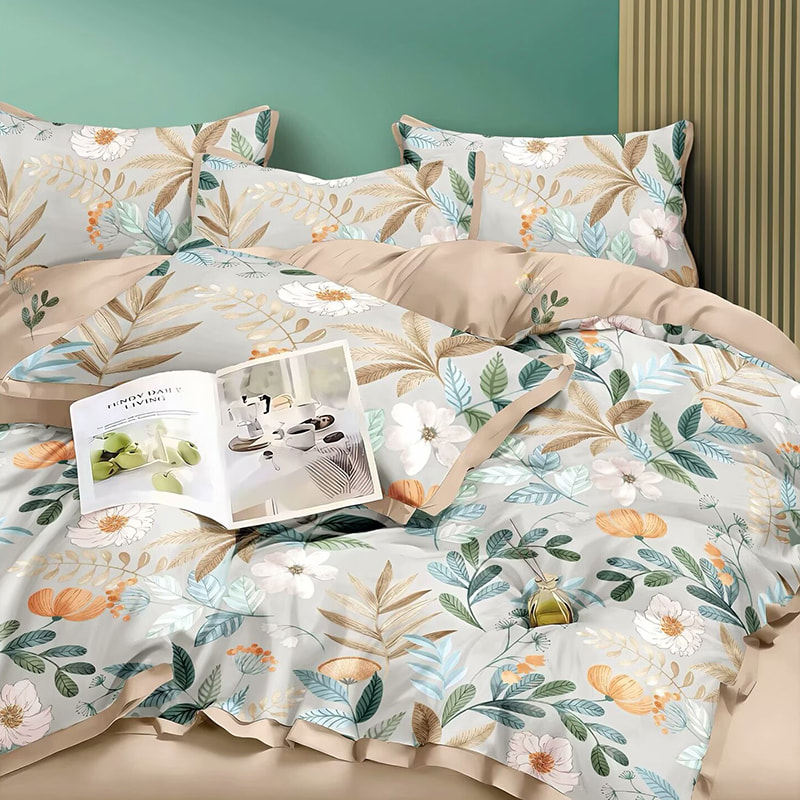
FunctionMore delicate and skin-friendly: Higher than 12868,13372, the fabric is more delicate and soft, the touch is better and more.Breathable: High-density cotton structure further improves moisture...
See Details -
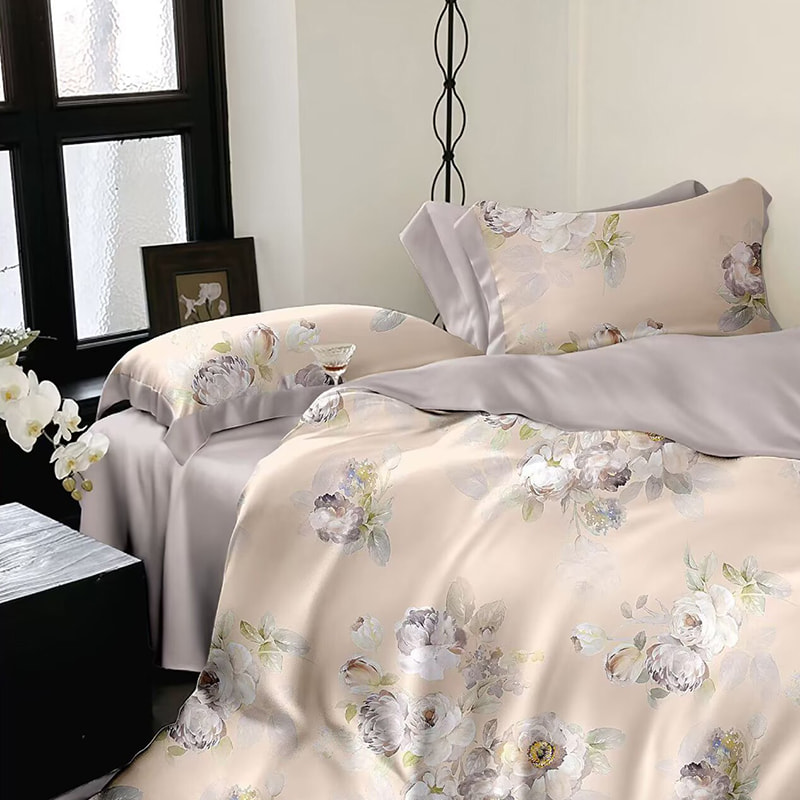
Function Extreme skin affinity: Day silk fiber is soft and smooth, touch like silk, suitable for close-fitting use of moisture. Absorption and breathability: moisture absorption and sweat performance,...
See Details -
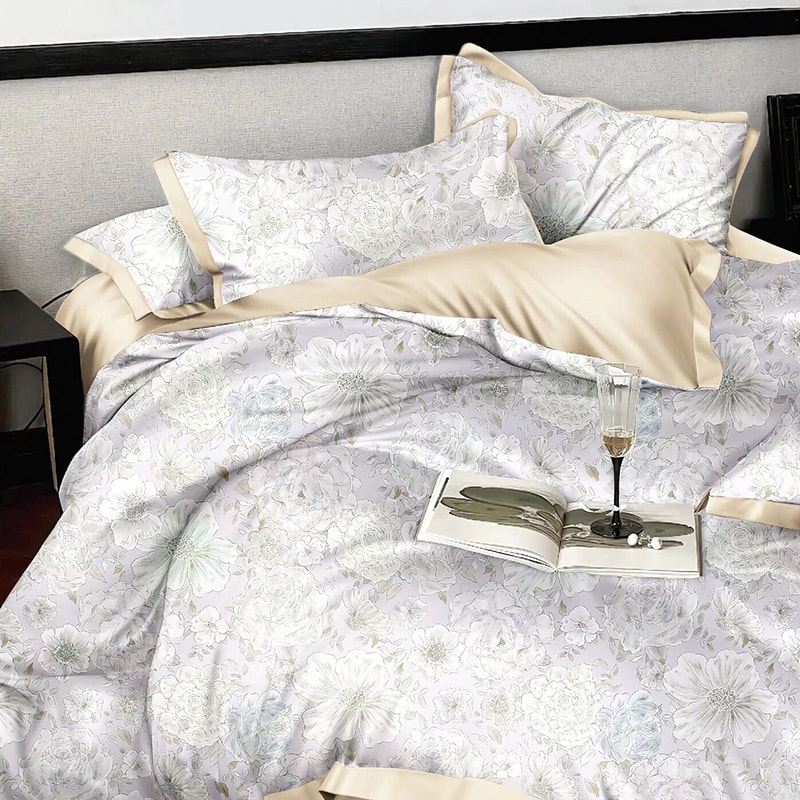
FunctionMore delicate and skin-friendly: Compared with 50S, 60S silk fiber is thinner, softer, smoother, more comfortable for close use, and more moisture absorption.Breathable: Higher branches improv...
See Details -
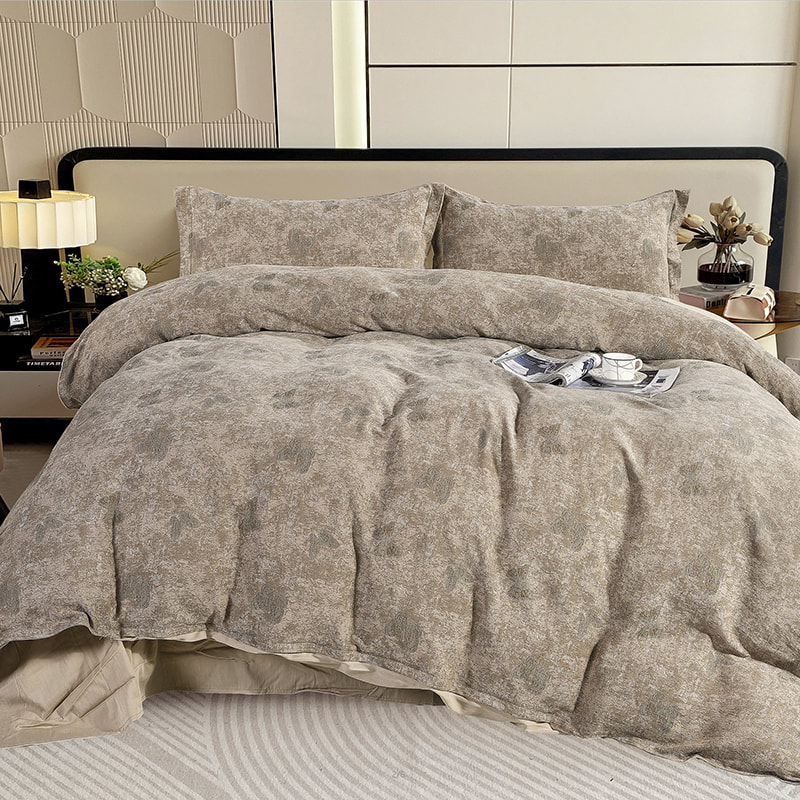
Function Luxury touch: The fiber is soft and smooth, and the jacquard process adds a three-dimensional texture. Touch like silk moisture absorption: moisture absorption performance keeps dry and comfo...
See Details -
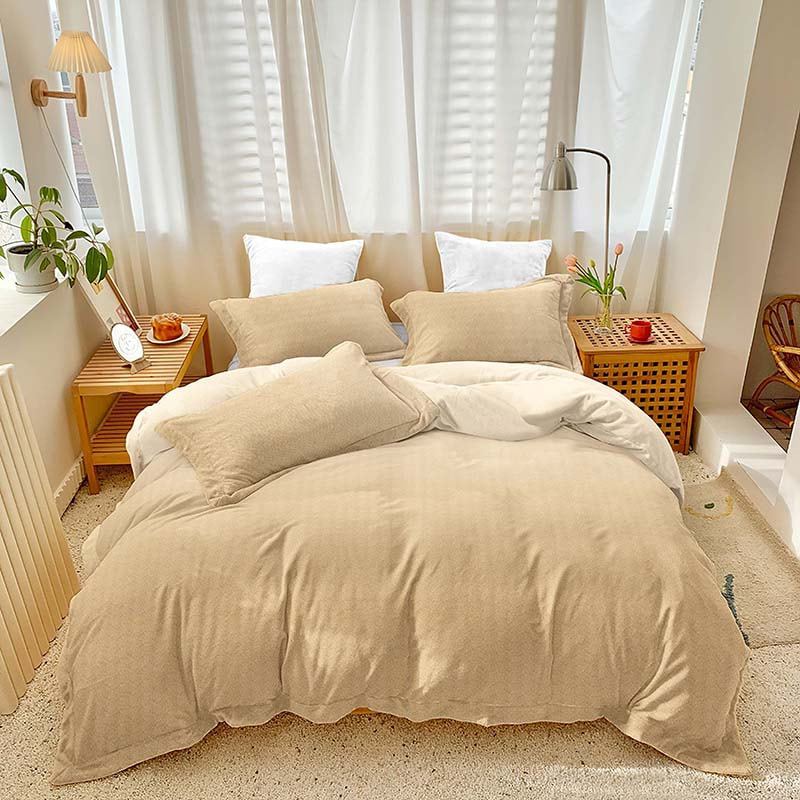
Function Fine pattern performance: Digital printing is higher precision than round net printing, richer color, more delicate pattern, fast dry.Easy to care: The polyester fiber characteristics are unc...
See Details -
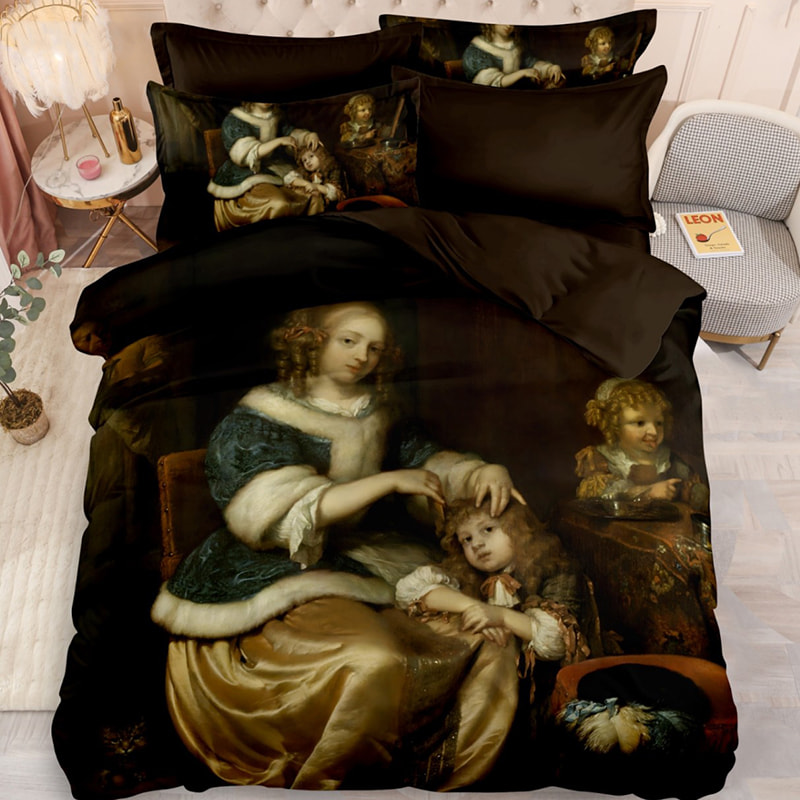
FunctionFine pattern performance: Digital printing is higher precision than round net printing, richer color, more delicate.Durable anti-wrinkle: 130g polyester fiber fabric has a vertical feeling, an...
See Details -
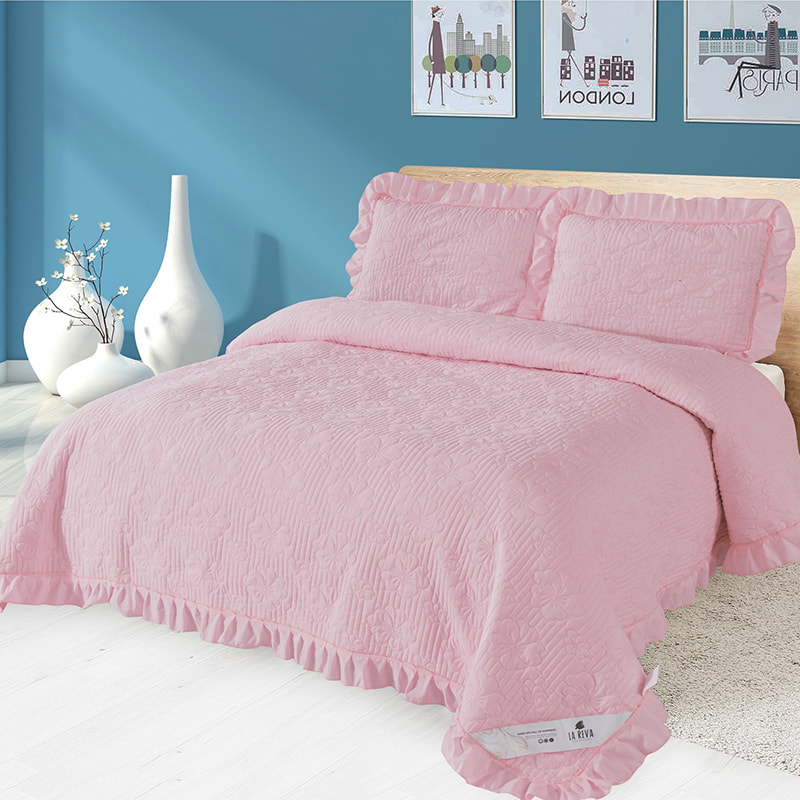
FunctionThin and light: The ultrasonic process does not create pinholes or quilting thread, and the fabric is thin and smooth.Strong decoration: Lace elements add an elegant and romantic sense, enhanc...
See Details -
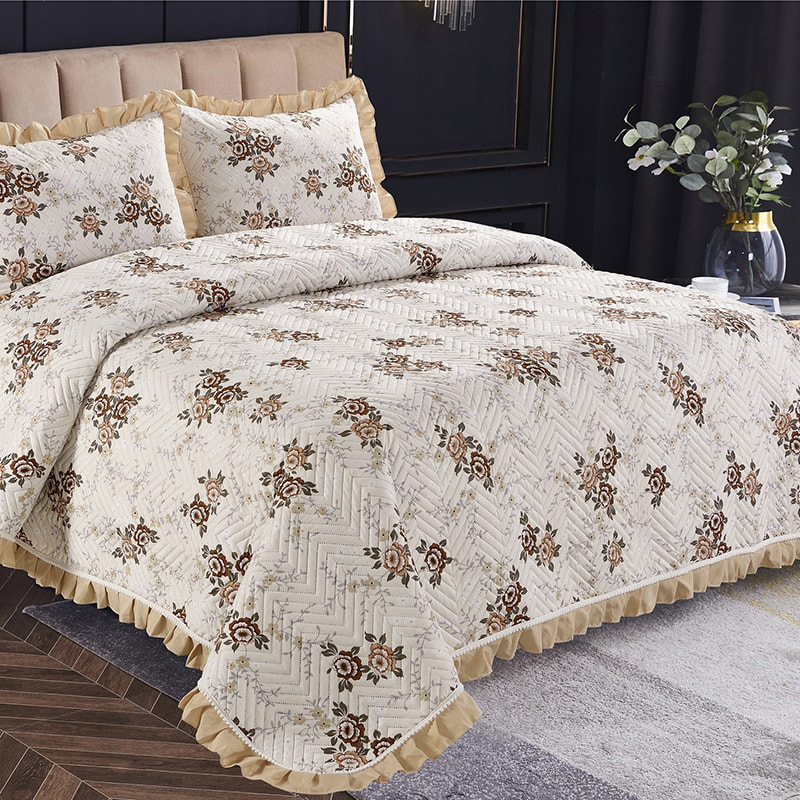
FunctionThin and light: The ultrasonic process does not create a pinhole or quilting thread, and the fabric is thin and smooth.Strong decorative: Print patterns add a sense of art and design, enhancin...
See Details
