

 English
 Español
 عربى
عربى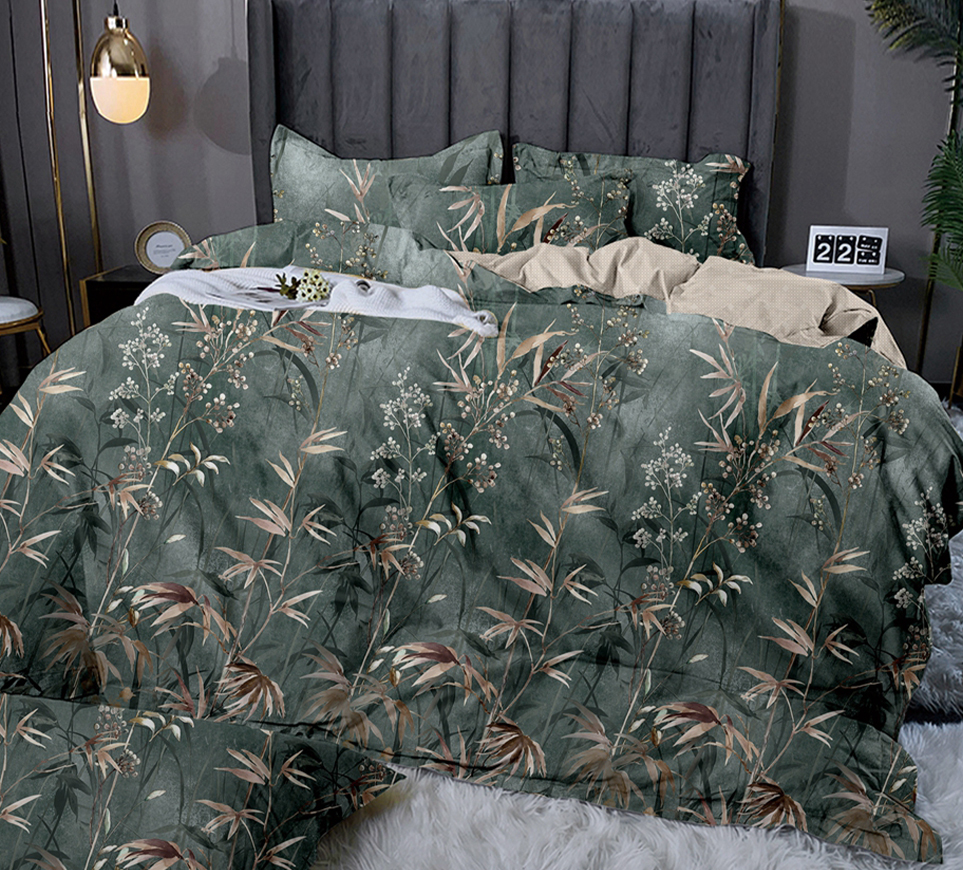
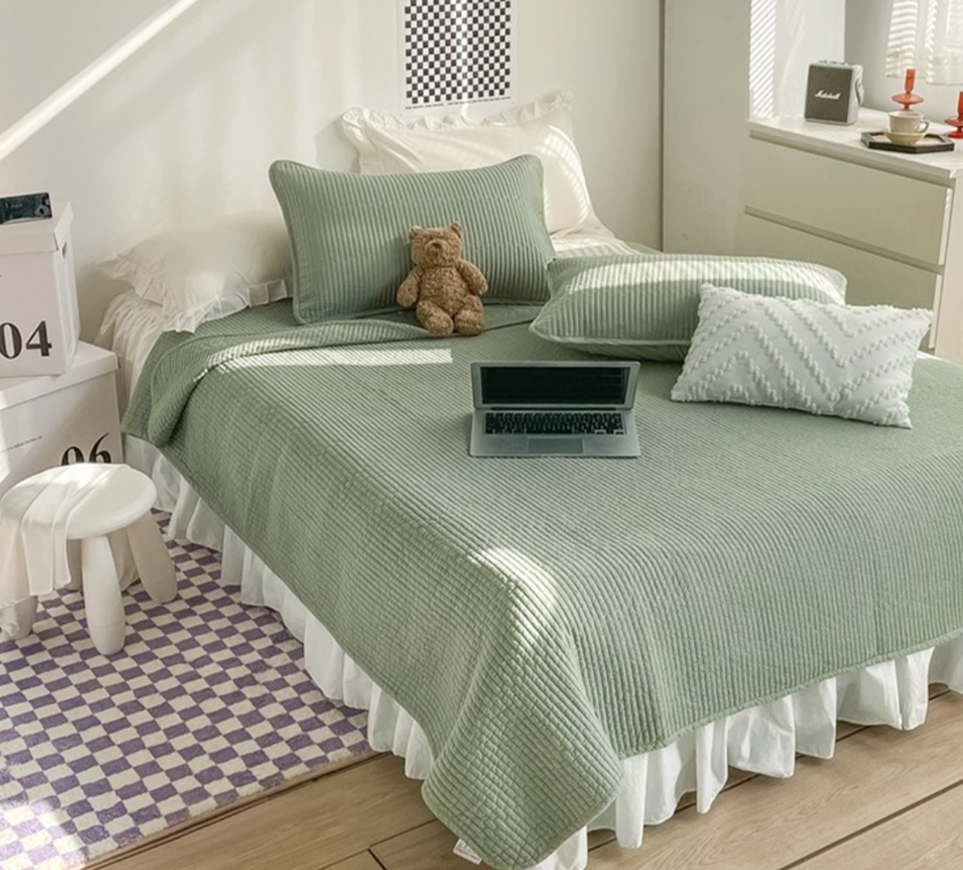
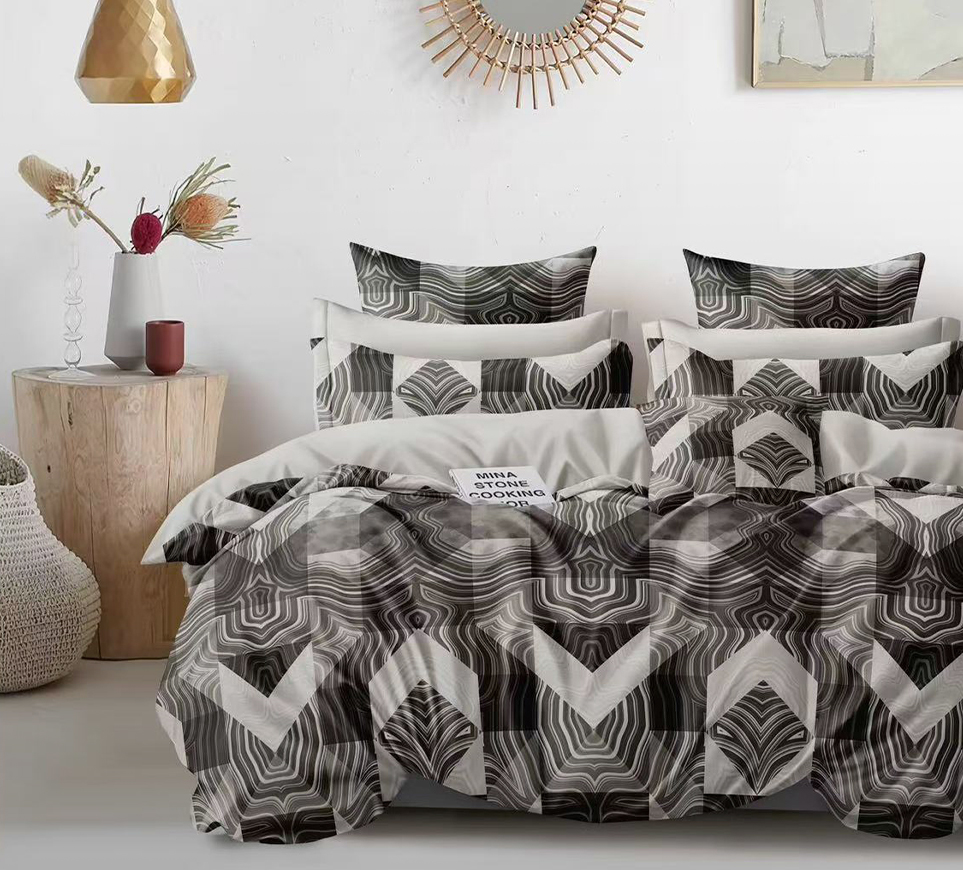
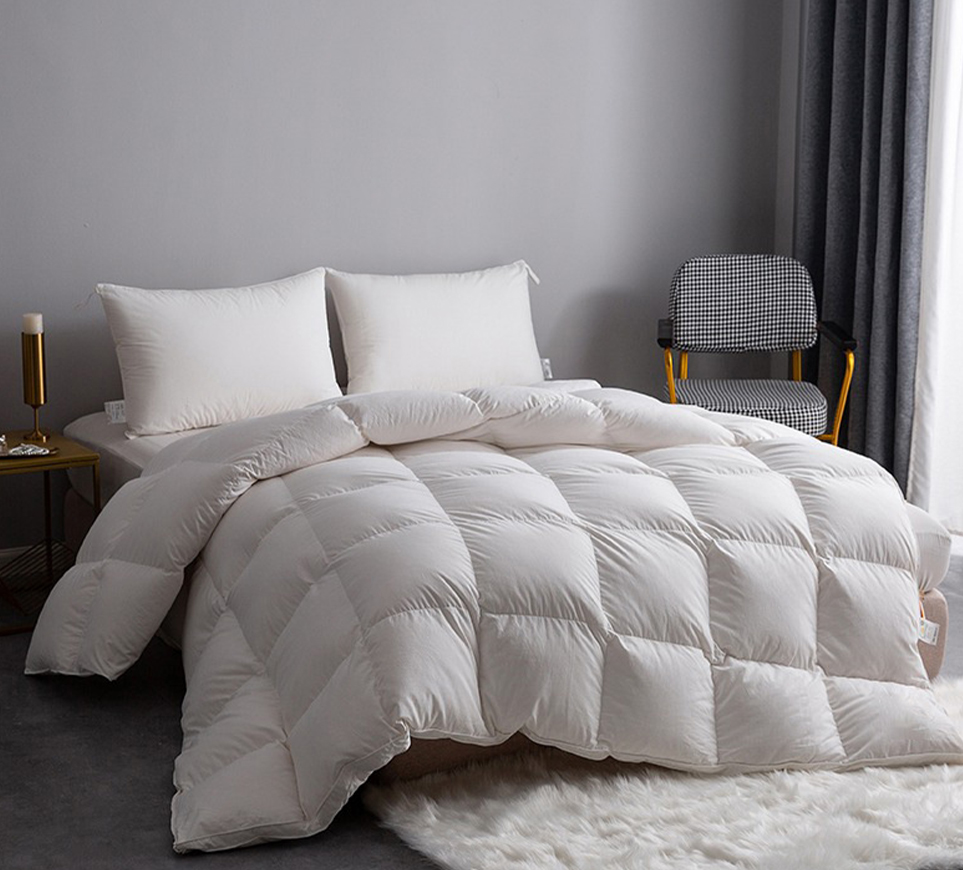
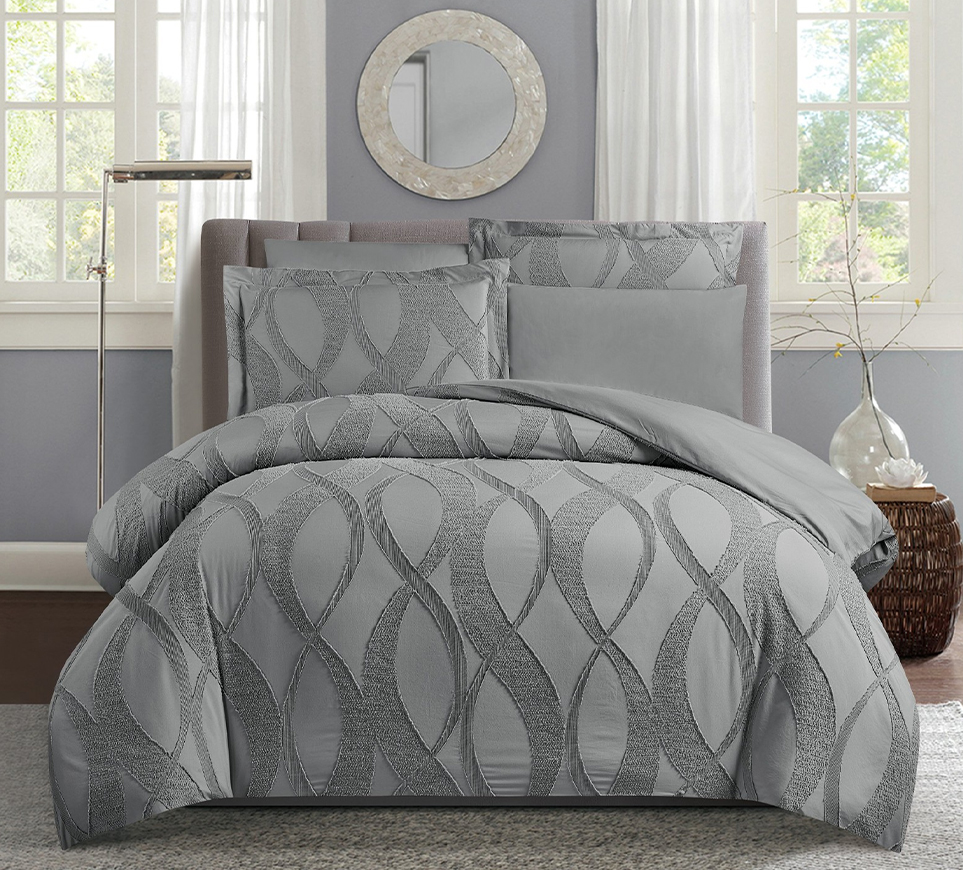
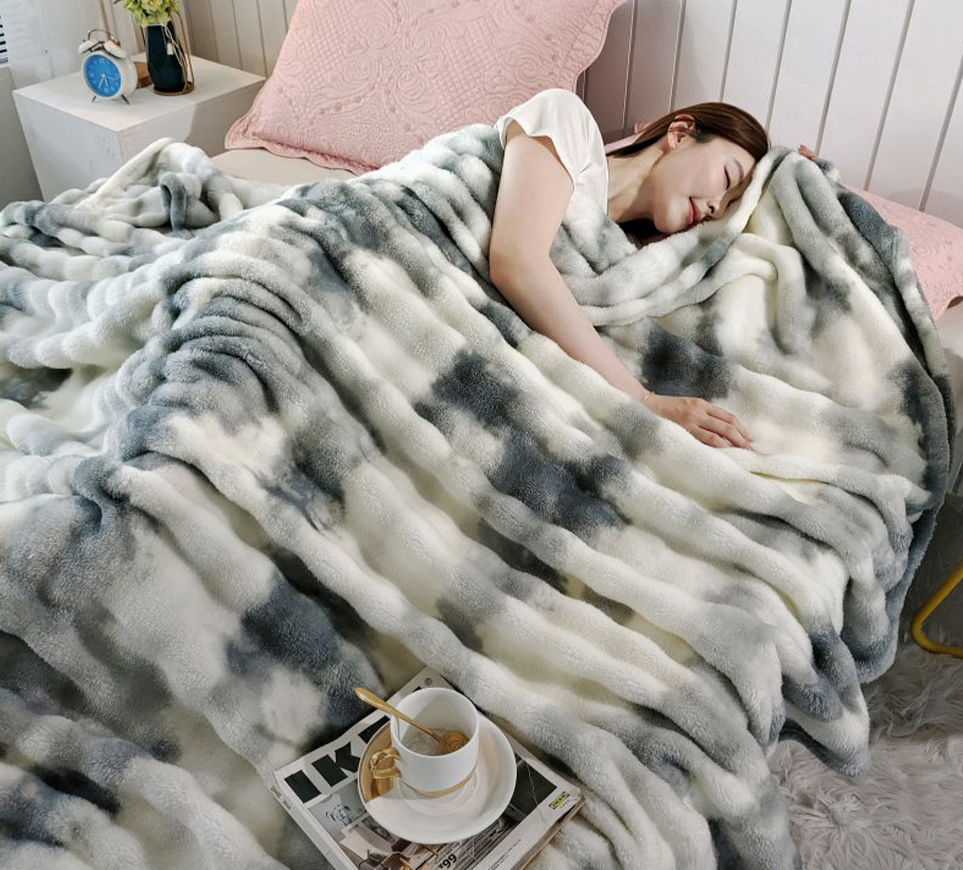
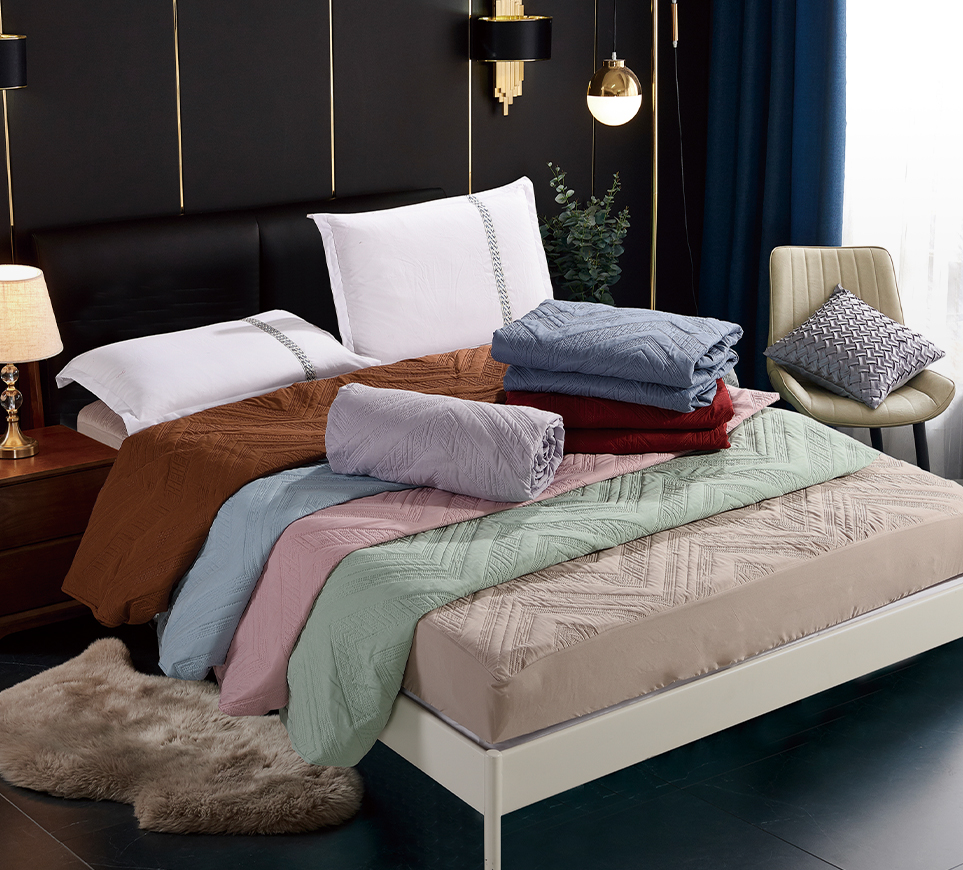
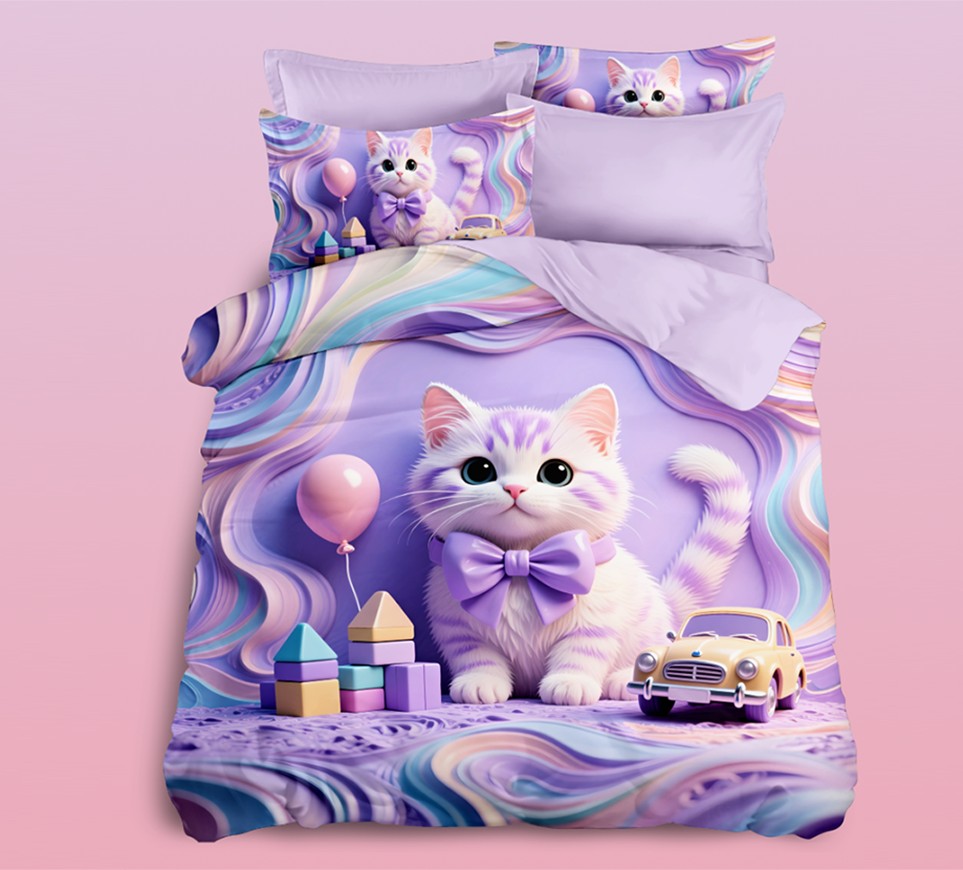
FunctionFast dry and easy to care: Not easy to shrink, no ironing and anti-wrinkle, fast drying after machine washing.Durable and fade resistant: Strong wear resistance, high color fastness, long-term...
See DetailsWhy Choose Us?
Established in 2008, with a 3,000m² professional factory, over 50 employees, and 5 departmental managers.

Coming From China, Marketing To The World.
Baby Crib Bedding Guide: How to Choose Safe Sheets, Protectors and Quilts
Sep 29, 2026
Content
- 1 What Makes Baby Crib Bedding Different from Standard Bedding
- 2 The Essential Layers of a Baby Crib
- 3 What Parents Prioritize When Choosing Baby Crib Bedding
- 4 Fabric Choices: Cotton, Tencel, Polyester and Hypoallergenic Options
- 5 Mattress Protectors: Hygiene, Dust Mites and Leak Protection
- 6 Seasonal Comfort: Choosing Quilts and Comforters for Baby Cribs
- 7 Working with a Baby Crib Bedding Manufacturer: A Wholesale & Customization Guide
- 8 FAQ
Choosing the right baby crib is only half the battle; the bedding you put inside it decides how safe, comfortable, and easy to manage sleep time really is. New parents often spend hours comparing crib frames but overlook the fitted sheets and mattress protectors that touch the baby's skin every night. As a home textile manufacturer with over 18 years of export experience, we have seen how small differences in fabric, fit, and finishing turn an ordinary crib into a genuinely safe sleep environment. This guide walks through the key criteria for selecting baby crib bedding—from raw material choices to supplier qualification—so you can buy with confidence, whether you are outfitting a nursery or building a wholesale product line.
Key takeaway: The right baby crib bedding is not a luxury accessory; it is a core safety component that deserves the same scrutiny as the crib frame itself.
What Makes Baby Crib Bedding Different from Standard Bedding
Although a baby crib is small, the bedding for it carries bigger responsibilities than adult bedding. Standard sheets and comforters simply do not fit a crib mattress snugly, leaving folds and gaps that can pose suffocation hazards. Moreover, many adult duvets contain fillings or finishes that are not designed for infants' sensitive skin. For these reasons, reputable manufacturers treat baby crib bedding as a separate product category with dedicated dimensions, seams, and labeling.
Key Differences at a Glance
- Deep pockets and elasticated hems for a secure fit on crib mattresses
- No loose strings, buttons, or decorative elements that could catch on tiny fingers
- Breathable, washable fabrics that minimize overheating
- Compliance with crib safety standards such as CPSIA and ASTM F1917
- Clear care labels and low-bleed dyes that withstand frequent hot-water washing
| Component | Why It Matters |
|---|---|
| Fitted sheet | Must fit like a glove; prevents bunching and keeps the sleep surface flat |
| Mattress protector | Waterproof and breathable; shields the mattress from leaks and allergens |
| Quilt or wearable blanket | Provides warmth without the suffocation risk of loose blankets |
Key takeaway: Treat baby crib bedding as a safety product first and a decorating item second.
The Essential Layers of a Baby Crib
A well-made baby crib has three functional layers below the baby: the mattress, the protective layer, and the sheet. Each layer must work with the others to create a firm, flat, and dry surface. A soft or uneven mattress can raise the risk of Sudden Infant Death Syndrome (SIDS), so the foundation always comes first.
- Firm mattress: Choose a mattress designed for a standard baby crib and check that no gap exceeds two fingers when it is placed against the crib rail.
- Waterproof mattress protector: This layer catches leaks, drool, and diaper accidents. The best protectors use a breathable membrane so air circulates while liquid stays out.
- Fitted sheet: A tightly woven cotton or Tencel sheet with deep elastic pockets keeps the sleep surface smooth. Wash the sheet before first use to remove manufacturing residues.
- Lightweight quilt or sleep sack: For babies under 12 months, a wearable blanket is safer than a traditional loose blanket. If you prefer a quilt for the crib, keep it thin, tuck it firmly around the mattress, and monitor the room temperature.
Key takeaway: A safe baby crib has a firm mattress, a waterproof protector, a tightly fitted sheet, and no extra pillows, bumpers, or plush toys.
What Parents Prioritize When Choosing Baby Crib Bedding
Every buying decision starts with a problem to solve. For baby crib bedding, the problem is a mix of fear and practicality: how do you keep a tiny, fragile person safe while also making night-time changes quick and easy? We regularly talk to nursery brands, importers, and retail buyers who ask us to refine products around those exact fears. In our experience and from public discussions in parenting communities, the same five factors come up again and again. The following chart gives a simple snapshot of how those factors rank in importance.
Priority factors when selecting baby crib bedding
Safety standards
Secure fit
Breathability
Easy washing
Price
Safety standards lead the chart because no parent can compromise on the risk of suffocation, strangulation, or toxic materials. A secure fit follows closely behind, since a sheet that slips off the mattress creates an uneven and potentially dangerous sleep surface. Breathability comes third; parents in warm climates, in particular, worry about overheating during summer nights. Easy washing is the fourth factor because crib bedding is inevitably exposed to milk spills, diaper leaks, and skin creams. Price, while still important, is ranked lower than many first-time parents expect. This prioritization has direct consequences for textile mills and exporters. A buyer who emphasizes safety will ask for test reports, certifications, and traceable raw materials before looking at designs. A buyer who cares about fit will request deep-pocket prototypes and dimensional specifications in inches or centimeters. Breathable fabrics such as cotton, Tencel, and well-constructed muslin are becoming stock items for serious suppliers. Products that combine a waterproof layer with a soft cotton surface solve both hygiene and comfort concerns at once. For wholesalers, these insights are useful for building an assortment that covers the full care cycle of a baby crib. Ultimately, the chart shows that parents are not chasing extra features; they want dependable basics done exceptionally well.
Key takeaway: Safety, fit, and breathability outrank price in the baby crib bedding decision, which means suppliers should focus on certification, precise sizing, and airy fabrics.
Fabric Choices: Cotton, Tencel, Polyester and Hypoallergenic Options
The fabric is the first thing that touches a newborn's skin, so its hand-feel, breathability, and dye chemistry all matter. Cotton has been the traditional choice for crib sheets because it is absorbent, soft, and easy to launder. Tencel, a plant-based fiber, offers a silky feel and even better moisture management, making it increasingly popular for premium crib bedding. Polyester is strong and wrinkle-resistant, but its lower breathability makes it less suitable for direct contact with a sleeping baby. Instead, polyester works well in waterproof mattress protectors or as an outer shell for a quilt, where its durability can be used without sacrificing skin comfort.
| Fabric | Breathability | Softness | Best Use in the Crib |
|---|---|---|---|
| Pure cotton | High | Soft and familiar | Fitted sheets, lightweight quilts |
| Tencel | Very high | Silky, smooth | Premium fitted sheets, summer layers |
| Polyester | Moderate | Smooth but less absorbent | Mattress protector outer shell, quilt backing |
| Hypoallergenic blends | High | Gentle for sensitive skin | Babies with eczema or allergies |
When sourcing baby crib bedding, look for certified low-formaldehyde fabrics and non-toxic, water-based dyes. A reputable supplier should be able to share test reports for heavy metals, phthalates, and azo dyes. In our production line, pure cotton fitted sheets are a reliable base because they balance breathability with durability for repeated washing. Choose a thread count between 110 and 140 for everyday crib sheets; this range is soft enough for a newborn but dense enough to prevent pilling.
 Pure Cotton Fitted Sheet Sets for Safe and Breathable Baby BeddingThese certified low-formaldehyde cotton sheets balance softness and durability for everyday crib use. With a 110–140 thread count, they resist pilling and remain gentle on newborn skin, making them a practical sourcing choice.View Product →
Key takeaway: For direct skin contact, pure cotton and Tencel are safer and more breathable than standard polyester; keep polyester in protective or outer layers only.
Mattress Protectors: Hygiene, Dust Mites and Leak Protection
A baby crib mattress is heavy, difficult to wash, and expensive to replace. Without a reliable protector, one diaper leak or spit-up event can leave permanent stains and harbor allergens. A waterproof mattress protector adds a protective barrier that does not change the firmness of the sleep surface. The best designs combine a soft cotton or Tencel top with a TPU or breathable polyurethane membrane underneath. This construction keeps liquid from soaking into the mattress while still allowing air circulation to reduce heat buildup.
Dust mites are a common trigger for infant allergies and eczema, so an anti-mite mattress protector can be especially valuable. Regular washing of cotton sheets removes dust and skin flakes, but the mattress itself remains a hidden reservoir. A good protector blocks the mites before they reach the baby. When you evaluate a mattress protector for a baby crib, check that it has full elastic coverage around the mattress corners, a smooth surface that does not rustle, and a care label that allows warm-water washing.
A good place to start is our waterproof mattress protector range, which is designed to balance complete liquid protection with a soft cotton touch. If you are buying in bulk for a hotel chain or nursery brand, the same products can be made with custom edge embroidery or silent film layers to match your brand voice.
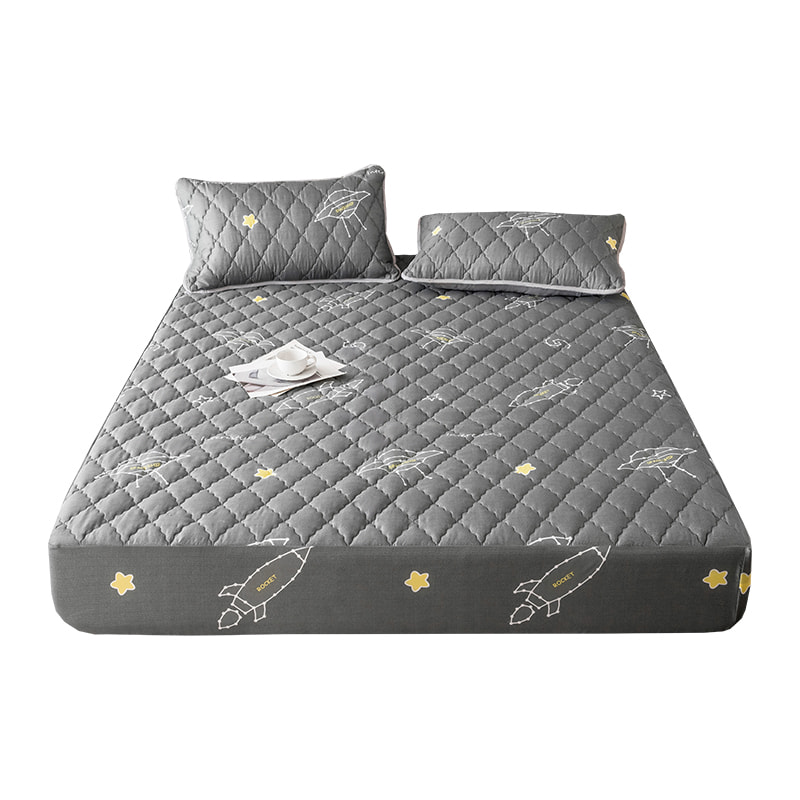 Waterproof Anti-mite Mattress Protector with Breathable Cotton TouchThis protector combines liquid protection with a soft surface and dust-mite barrier. Its breathable, high-density fabric suits frequent cleaning and sensitive users, while custom options allow branding for hotels or nursery lines.View Product →
Key takeaway: A waterproof, breathable, anti-mite mattress protector is the most practical way to keep a baby crib hygienic without sacrificing comfort.
Seasonal Comfort: Choosing Quilts and Comforters for Baby Cribs
Pediatricians generally recommend against loose blankets for babies under 12 months, and that guidance directly shapes how parents buy baby crib quilts. A wearable blanket or sleep sack is the safest choice, but many families still want a lightweight quilt for later use or for naps under direct supervision. If you include a quilt in a baby crib set, it should be thin, breathable, and free of ties or heavy buttons.
For summer months, look for waffle weave, seersucker, or cool-touch finishes that move heat away from the body. These fabrics allow air to flow and help prevent night sweats. Our hypoallergenic summer quilt with a baby-safe label uses a light fill that traps just enough warmth without overheating. In winter, the priority shifts to insulation. A soft polyester or cotton shell with a low-allergy hollow fiber fill can hold body heat without the risk of causing respiratory discomfort. Understanding how home textiles provide extra warmth in winter can help you choose the right thermal value for a baby crib without overheating.
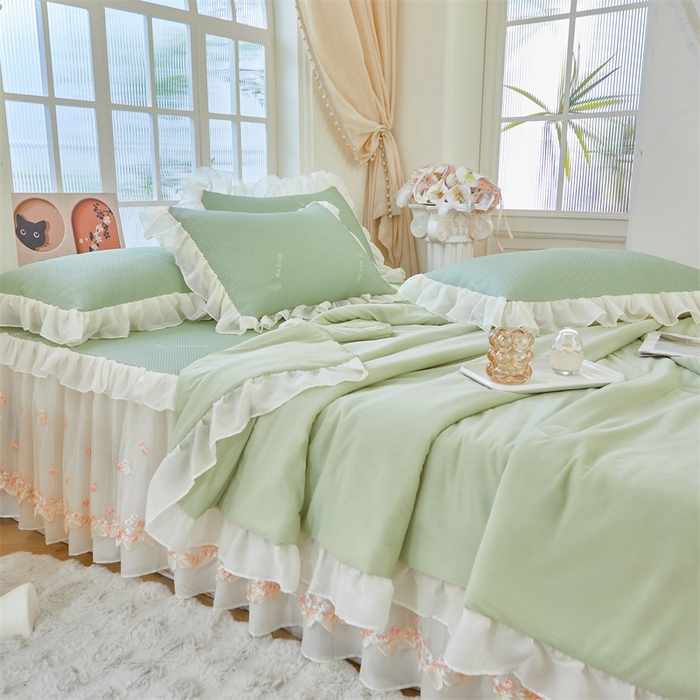 Hypoallergenic Seersucker Summer Quilt for Cool Baby SleepMade with a crinkled seersucker weave that promotes airflow and moisture wicking, this light quilt prevents overheating on warm nights. Its hypoallergenic fill and secure ties make it a smart, safe addition to summer crib bedding.View Product →
Key takeaway: Winter warmth and summer breathability are both achievable, but they require different fills and weaves; always prioritize airflow when dressing a baby for sleep.
Working with a Baby Crib Bedding Manufacturer: A Wholesale & Customization Guide
Retailers, nursery brands, and hospitality buyers often ask us how to build a reliable supply chain for baby crib bedding. The first step is to decide whether you need stock products or custom-made items. A specialized home textile manufacturer can offer OEM and ODM services: they wash, cut, sew, package, and label products according to your specifications. For baby crib bedding, this flexibility is critical because crib sizes, safety regulations, and design trends vary from market to market.
Checklist for Evaluating a Potential Supplier
- Factory experience: Look for a supplier with dedicated export experience and familiarity with international crib standards.
- Materials traceability: Ask for fabric certificates that confirm fiber composition, heavy metal limits, and low-formaldehyde finishes.
- Production capacity: A manufacturer with in-house knitting, dyeing, or quilting equipment can control quality better than a trading company.
- Sample development: Verify that the supplier can produce a 2-cm hem, deep pockets, and accurate dimensions from your spec sheet.
- Quality control: Choose a partner who performs inspections at each production stage and provides pre-shipment photos or third-party reports.
- Packaging and labeling: Ensure packaging meets the requirements of your target market, including warning labels and care instructions in the correct language.
When ordering in bulk, a clear specification sheet prevents costly misunderstandings. Include the crib mattress dimensions, fitted sheet pocket depth, fabric weight, seam tolerance, and approved dye range. It is also wise to order a small pilot run before committing to a full container. This gives you the chance to check color accuracy, shrinkage after washing, and whether the elastic remains tight after ten laundering cycles.
Key takeaway: The best baby crib bedding manufacturer is not just a seller; they are an extension of your quality team, with transparent sourcing, rigorous testing, and clear communication.
FAQ
Here are answers to the most common questions we receive about choosing and caring for baby crib bedding.
Key takeaway: Frequent, gentle washing with a dedicated reusable mattress protector keeps a baby crib clean without harming the materials, and all components can be sourced from the same supplier for consistent quality.
Choosing baby crib bedding does not have to be overwhelming. Start with the non-negotiables: a firm mattress, a waterproof protector, a fitted sheet that stays put, and no loose soft objects. Then layer in your preferences for fabric, climate, and style. Whether you are a parent shopping for a single crib or an importer planning a private-label product line, these principles apply to every unit you bring home or sell.
Key takeaway: Safe baby crib bedding is simple, breathable, and precisely fitted; when that foundation is right, comfort and style follow naturally.
Related products
-
-
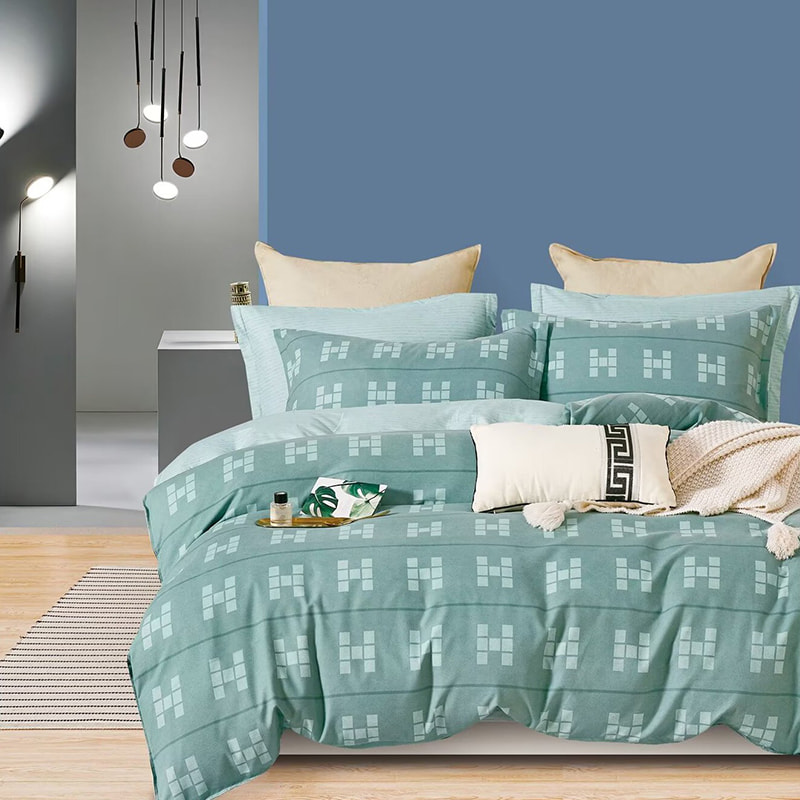
FunctionFast drying and easy to take care of: Anti-shrinkage and no ironing, fast drying after machine washing, simplified daily care.Durable color protection: High wear resistance and color fastness,...
See Details -
FunctionStrong warmth: High gram weight provides good insulation performance, suitable for low-temperature environments.Durable anti-wrinkle: High-density structure wear and tear resistance, not easy ...
See Details -

FunctionSkin-friendly breathable: Natural cotton fiber is soft and comfortable, good for breath, and suitable for the use of moisture.Absorption and perspiration: Good moisture absorption, keep dry bo...
See Details -
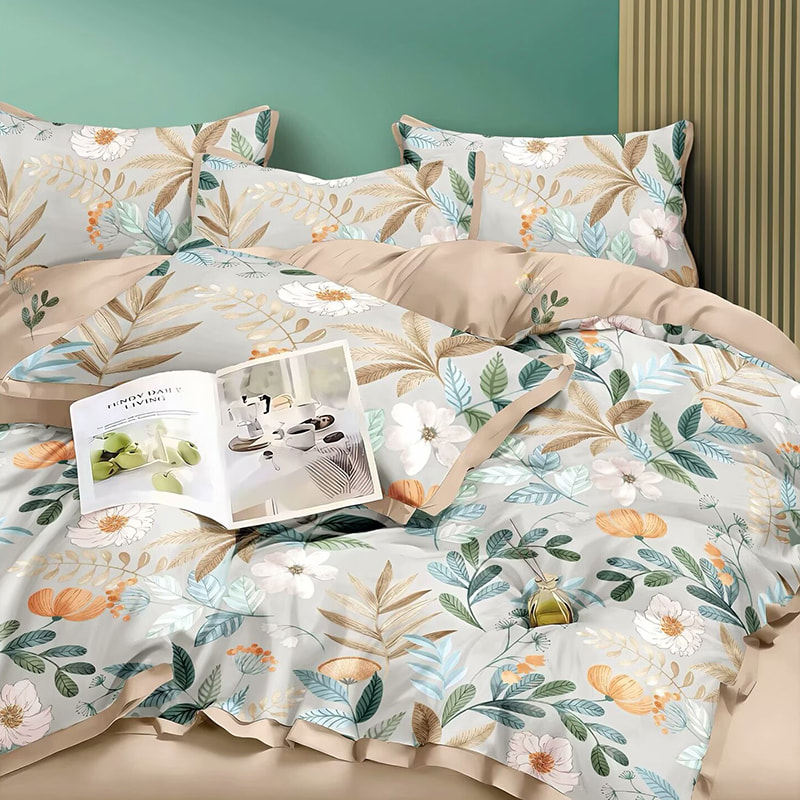
FunctionMore delicate and skin-friendly: Higher than 12868,13372, the fabric is more delicate and soft, the touch is better and more.Breathable: High-density cotton structure further improves moisture...
See Details -
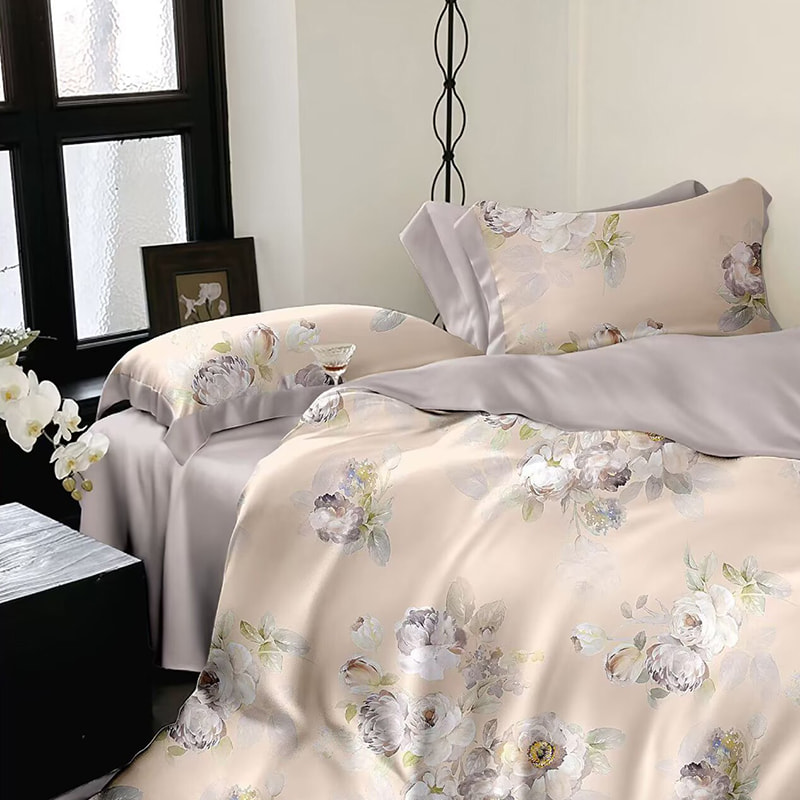
Function Extreme skin affinity: Day silk fiber is soft and smooth, touch like silk, suitable for close-fitting use of moisture. Absorption and breathability: moisture absorption and sweat performance,...
See Details -
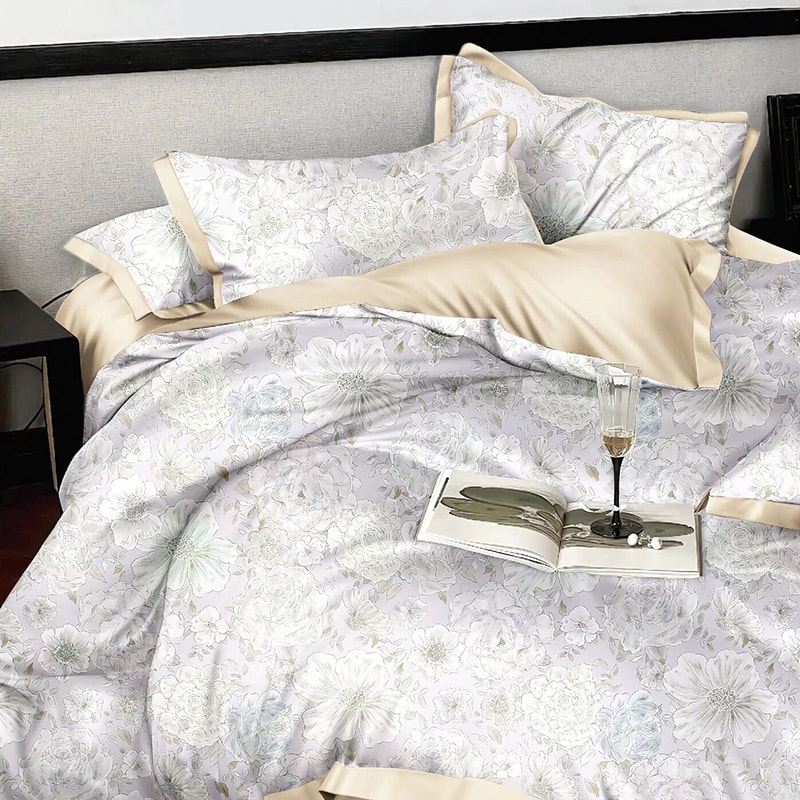
FunctionMore delicate and skin-friendly: Compared with 50S, 60S silk fiber is thinner, softer, smoother, more comfortable for close use, and more moisture absorption.Breathable: Higher branches improv...
See Details -
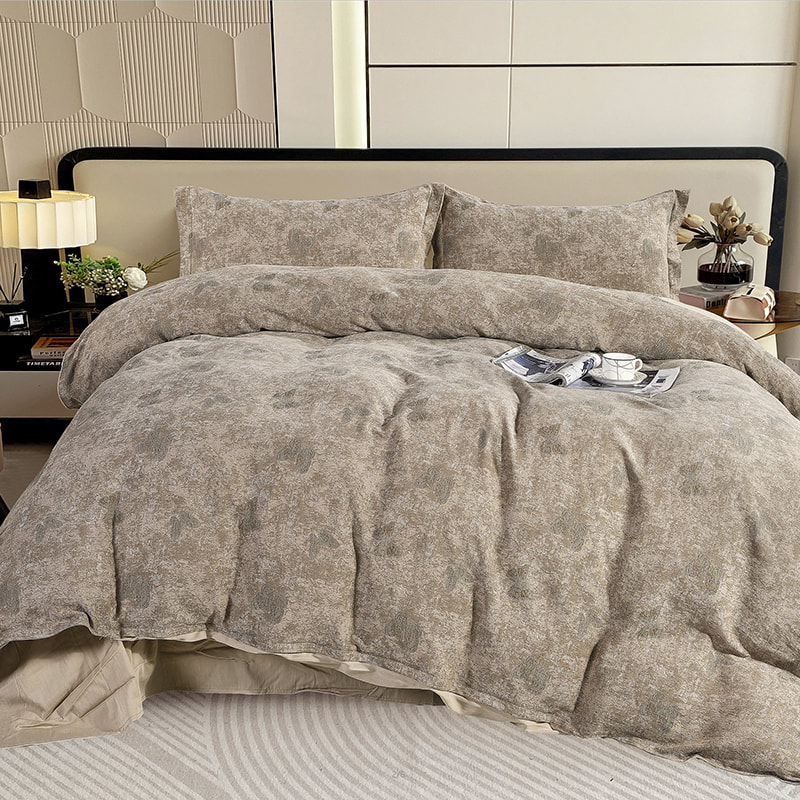
Function Luxury touch: The fiber is soft and smooth, and the jacquard process adds a three-dimensional texture. Touch like silk moisture absorption: moisture absorption performance keeps dry and comfo...
See Details -
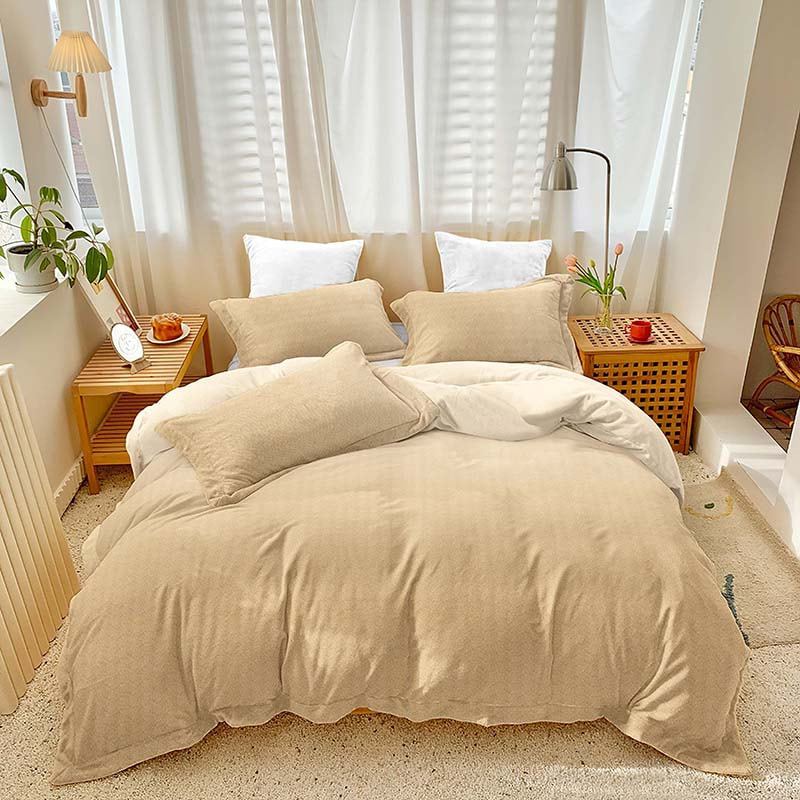
Function Fine pattern performance: Digital printing is higher precision than round net printing, richer color, more delicate pattern, fast dry.Easy to care: The polyester fiber characteristics are unc...
See Details -
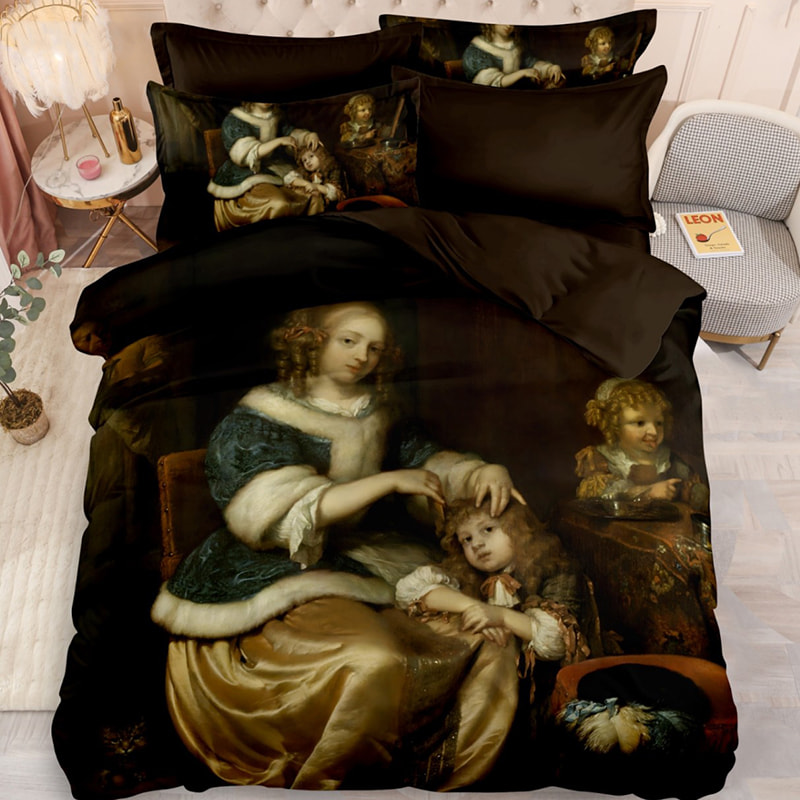
FunctionFine pattern performance: Digital printing is higher precision than round net printing, richer color, more delicate.Durable anti-wrinkle: 130g polyester fiber fabric has a vertical feeling, an...
See Details -
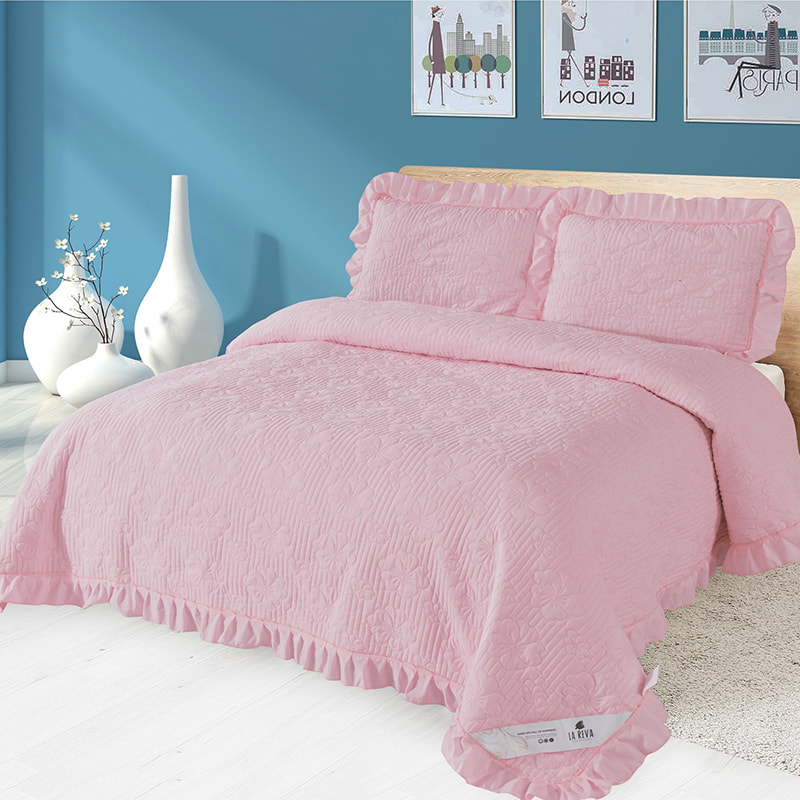
FunctionThin and light: The ultrasonic process does not create pinholes or quilting thread, and the fabric is thin and smooth.Strong decoration: Lace elements add an elegant and romantic sense, enhanc...
See Details -
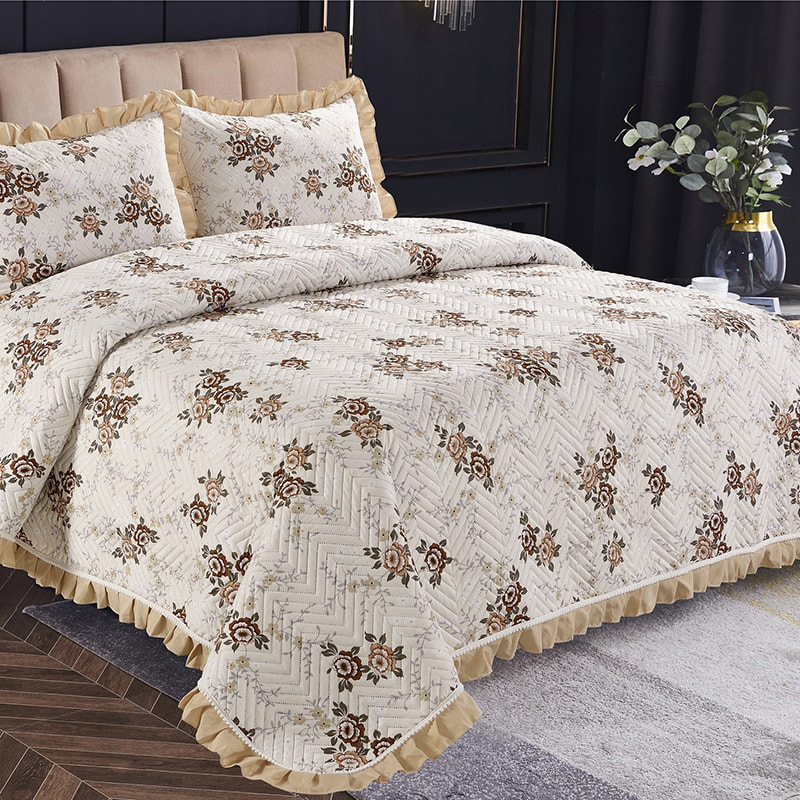
FunctionThin and light: The ultrasonic process does not create a pinhole or quilting thread, and the fabric is thin and smooth.Strong decorative: Print patterns add a sense of art and design, enhancin...
See Details
