

 English
 Español
 عربى
عربى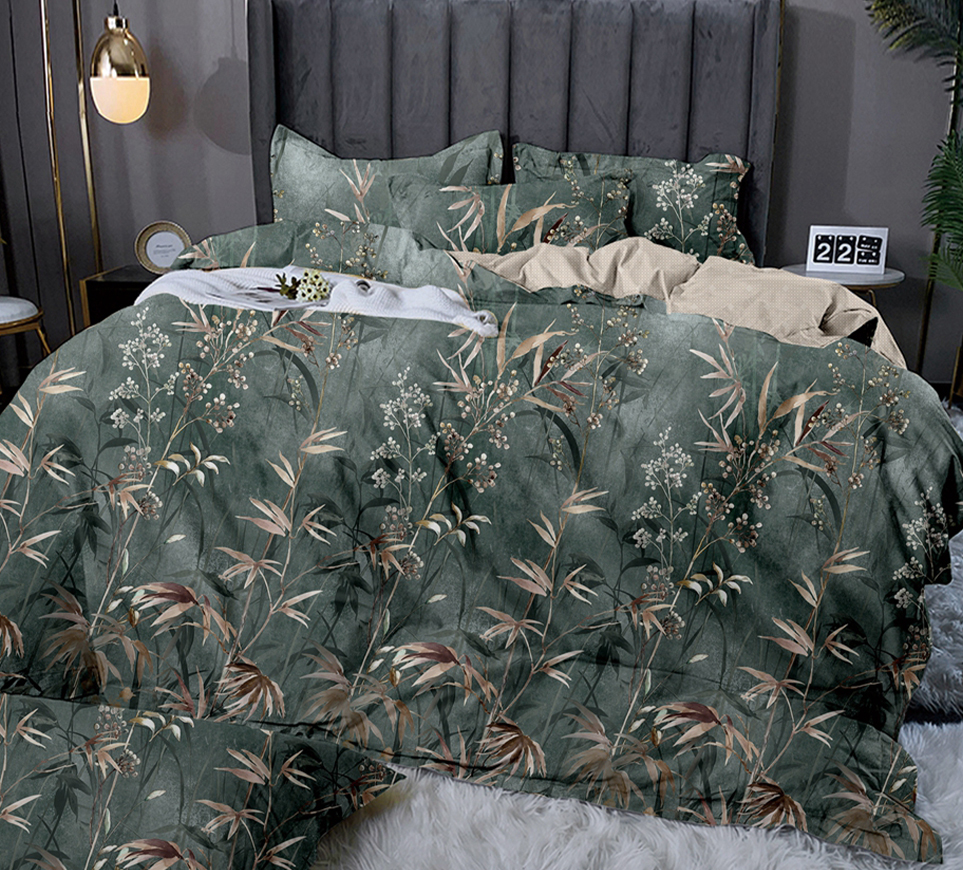
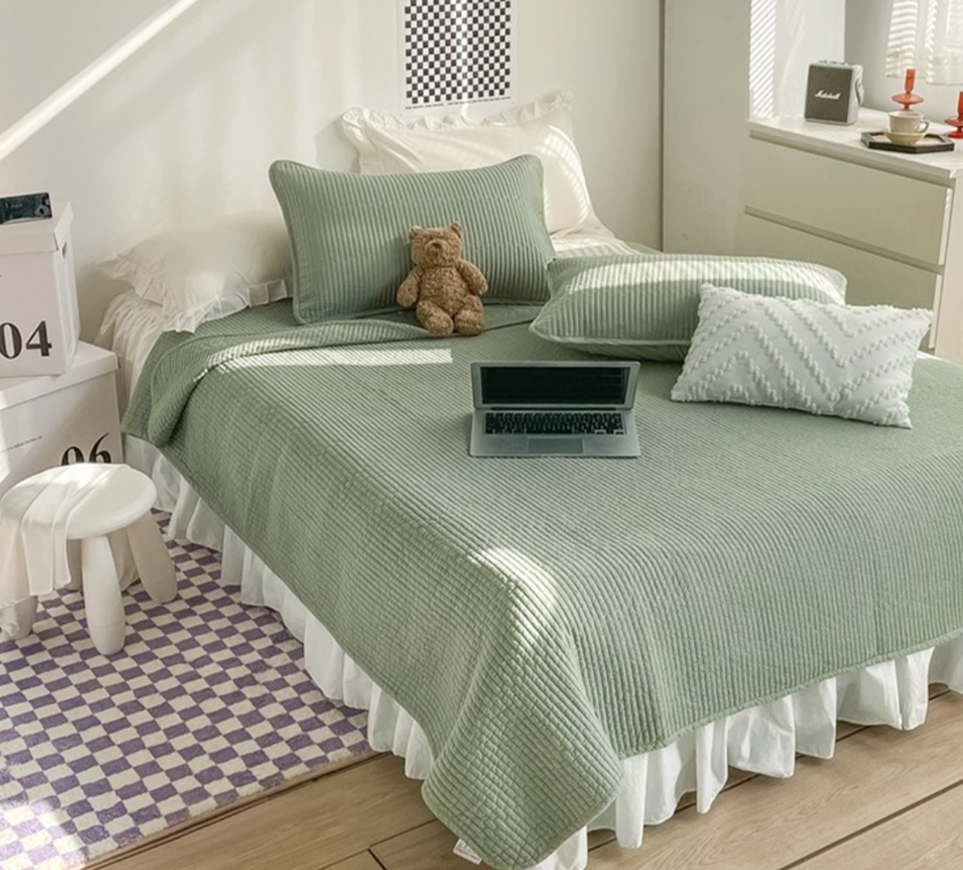
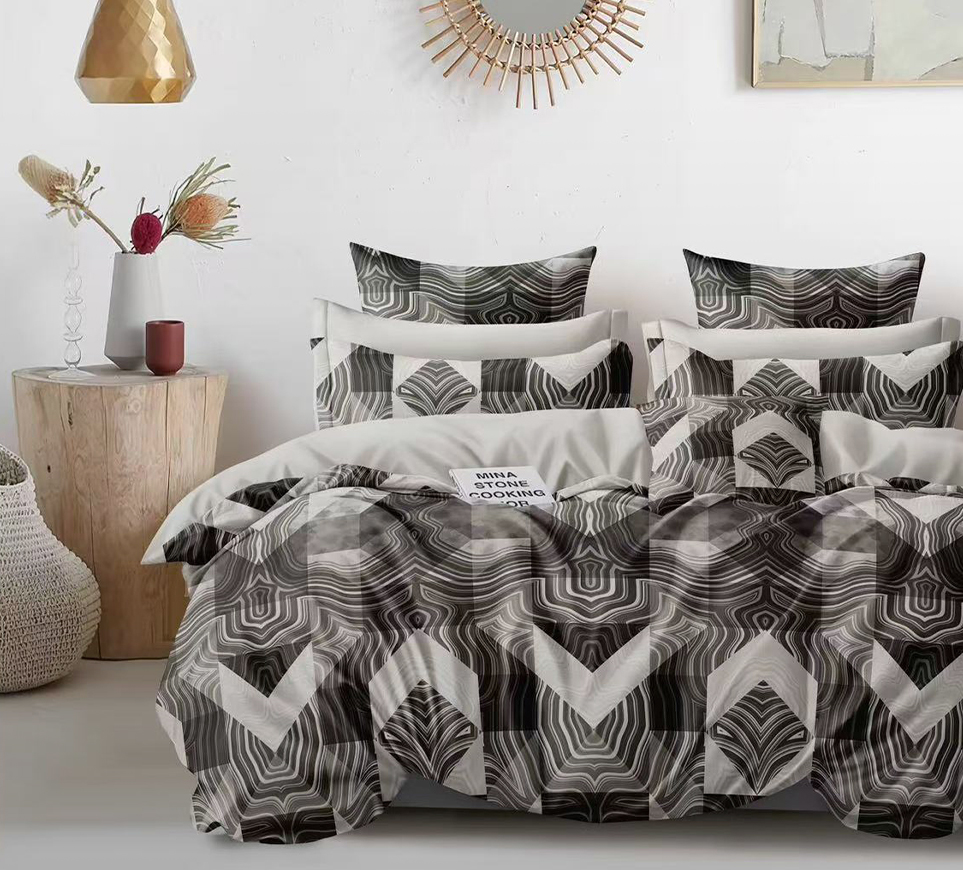
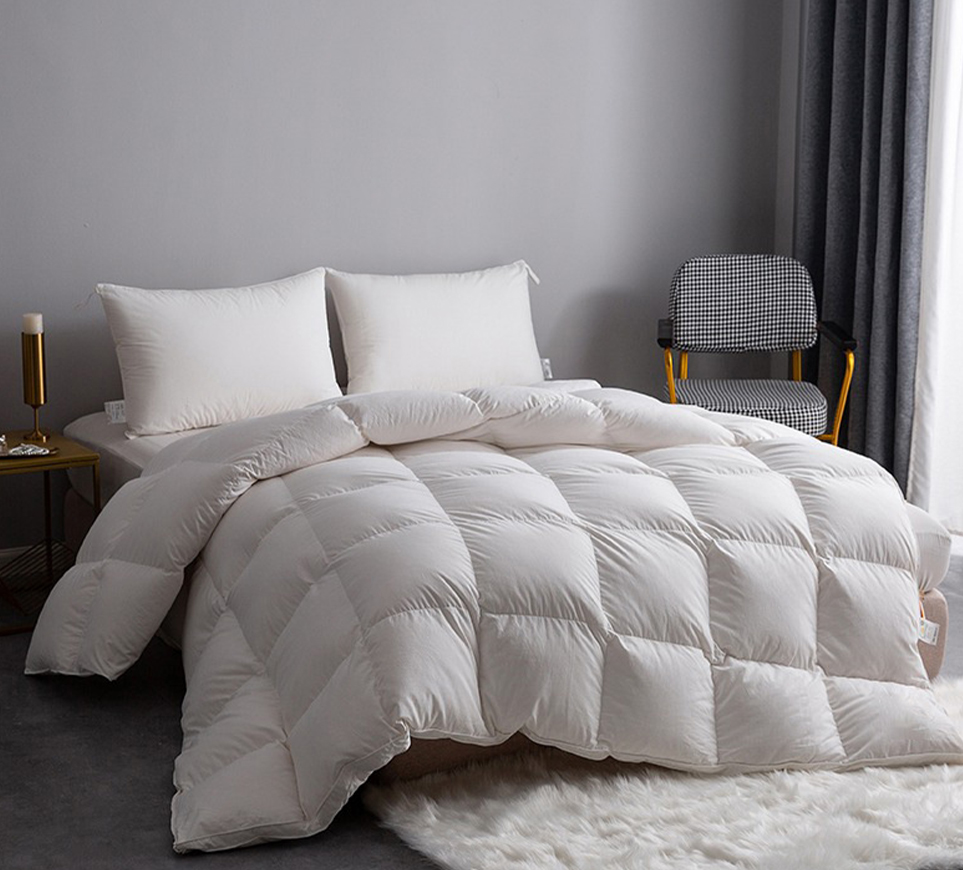
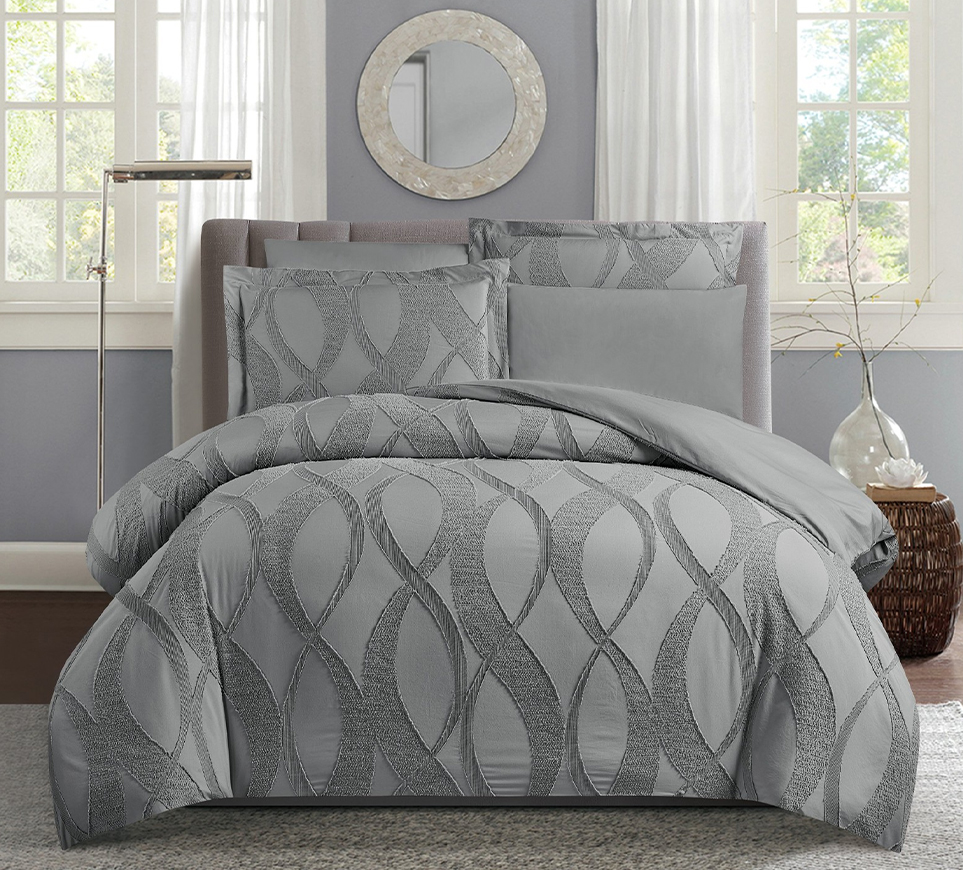
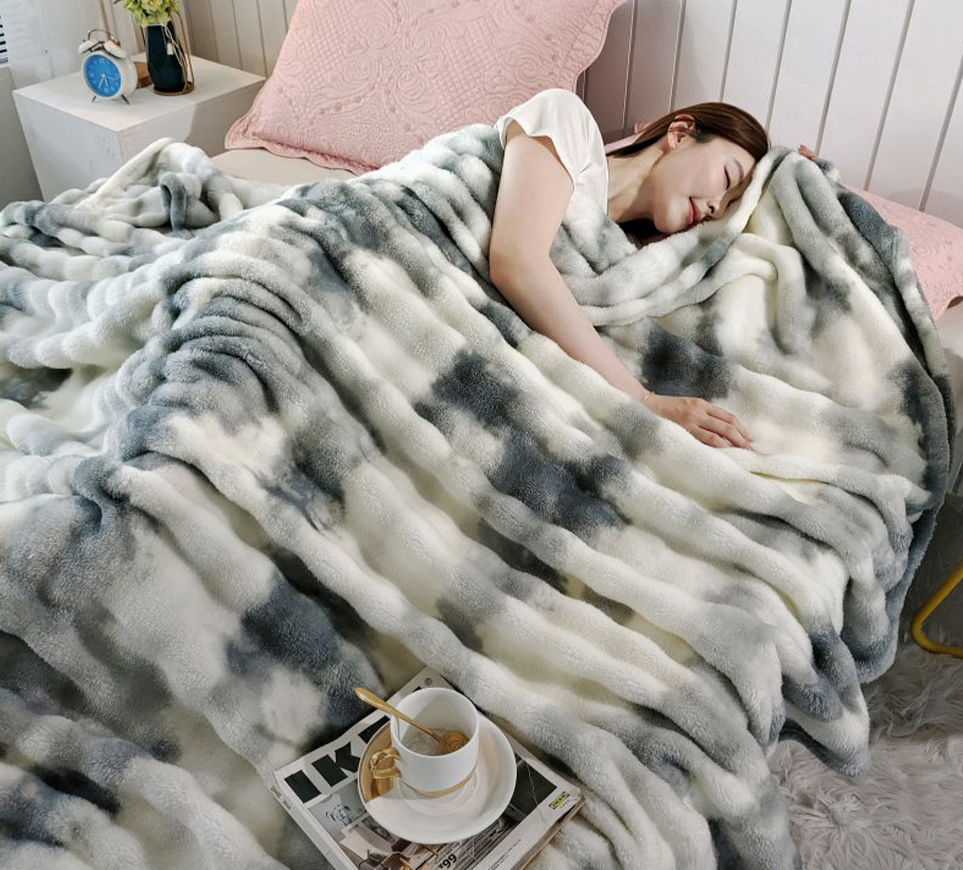
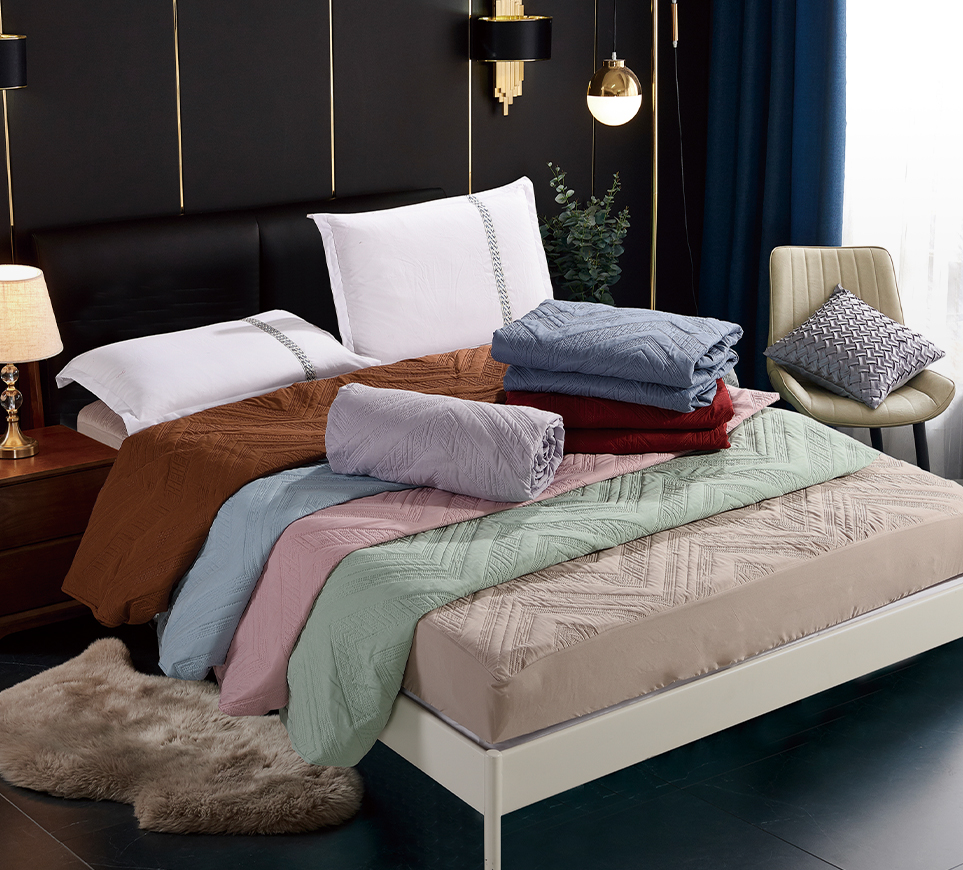
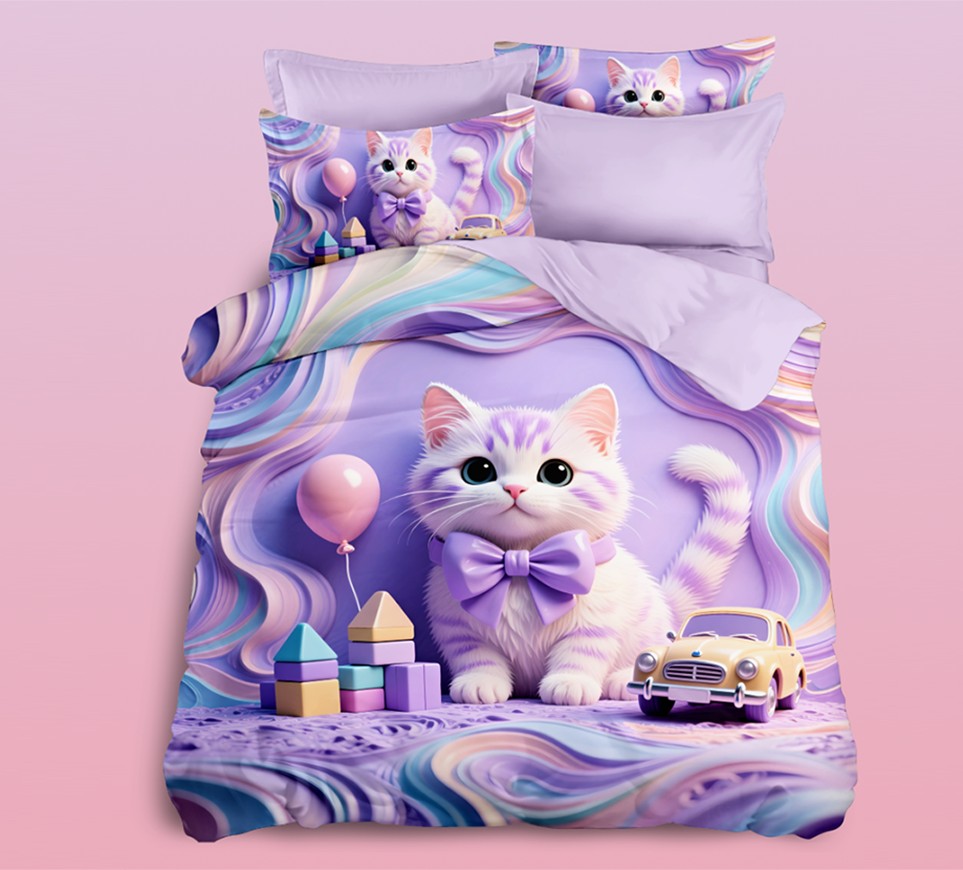
FunctionFast dry and easy to care: Not easy to shrink, no ironing and anti-wrinkle, fast drying after machine washing.Durable and fade resistant: Strong wear resistance, high color fastness, long-term...
See DetailsWhy Choose Us?
Established in 2008, with a 3,000m² professional factory, over 50 employees, and 5 departmental managers.

Coming From China, Marketing To The World.
Pillow and Pillow Cover Ultimate Guide: Types, Fabrics, Care & Wholesale Tips
Sep 22, 2026
Content
- 1 Why the Pillow and Pillow Cover Deserve More Attention
- 2 How to Choose the Right Pillow and Pillow Cover: A Step-by-Step Sequence
- 3 Common Pillow Types and Their Characteristics
- 4 Pillow Cover Materials: A Practical Comparison
- 5 Thread Count, Weave, and Construction Details
- 6 Application Scenarios and Selection Guide
- 7 Detailed Comparison: Cotton vs Polyester vs Tencel Pillow Covers
- 8 Pillow and Pillow Cover Maintenance and Care
- 9 Sourcing Pillow and Pillow Cover from a Wholesale Manufacturer
- 10 Related Resources From Nantong Noble
- 11 Frequently Asked Questions About Pillow and Pillow Cover
- 11.1 What is the difference between a pillow and a pillow cover?
- 11.2 What is the best material for a pillow cover?
- 11.3 What size pillow and pillow cover should I choose?
- 11.4 How often should I replace pillows and pillow covers?
- 11.5 Can I order custom pillow and pillow cover sets from a manufacturer?
- 11.6 Do hotels use special pillow and pillow cover specifications?
- 11.7 Does a pillow cover protect against dust mites and allergies?
Why the Pillow and Pillow Cover Deserve More Attention
A pillow and pillow cover are the first points of contact between your body and the bed, yet most shoppers spend more time comparing sheet thread counts than examining the pillow that supports their neck all night. This is a mistake, because the pillow determines spinal alignment and sleep temperature, while the pillow cover decides how the surface feels on your skin and how often you need to do laundry. In hospitality settings, the same two items directly affect guest satisfaction scores and the cost of laundering linens. If you are purchasing for a home, a rental property, or a hotel project, the pillow and pillow cover deserve a dedicated decision process rather than an impulse buy.
We can summarize the entire buying logic in one sentence: choose the fill for support, choose the size for alignment, choose the cover fabric for skin feel and climate, and choose the construction for durability. Once those four variables are fixed, everything else — color, trim, closure style, and packaging — is a matter of taste. The sections below break down each variable with concrete numbers, so you can compare options like a professional textile buyer.
From a manufacturer's perspective, the pillow and pillow cover are also where quality problems first appear. Pilling on a fitted sheet may take months to develop, but a low-quality pillow cover can show pilling, shrinkage, or color loss within a few washes. That is why factories that produce complete bedding collections, such as the Nantong Noble facility in Nantong, China, treat pillow covers as a core quality checkpoint rather than an accessory.
Key takeaway: A better pillow and pillow cover combination improves sleep quality, reduces cleaning costs, and protects your bedding investment.
How to Choose the Right Pillow and Pillow Cover: A Step-by-Step Sequence
Approach pillow selection like a checklist rather than a single purchase. Professional buyers follow a sequence that starts with the sleeper's position and ends with the wash cycle. Here is the sequence we use when evaluating products for home and hotel use.
- Identify the primary sleeping position. Side sleepers need a higher loft to fill the gap between the ear and the shoulder; back sleepers need medium loft; stomach sleepers need the thinnest, softest option.
- Decide the fill material based on budget, allergy sensitivity, and desired firmness.
- Measure the mattress width to choose the right pillow size: standard, queen, king, or body pillow.
- Select a removable pillow cover fabric suited to the climate and cleaning routine.
- Check the cover's construction: fabric weight, seam strength, and closure type.
- Plan the replacement cycle and buy at least one spare cover per pillow.
This sequence works for both individual consumers and wholesale buyers. A hotel purchasing team, for example, might set a specification that every standard room gets a fiberfill pillow, a cotton pillow cover with a sateen finish, and a spare cover stored in the housekeeping closet. The same logic applies at home, just with smaller quantities.
The common failure we see is people skipping step two and step four. They choose a memory foam pillow with a satin-feel polyester cover, then complain that they overheat at night. The pillow and pillow cover must be evaluated as a system because the cover fabric can completely change the thermal experience of the fill underneath it.
Another practical point is to check the cover dimensions against the pillow core before ordering. A cover that is two centimeters shorter than the core will strain its seams; a cover that is too long will wrinkle and look sloppy. For custom orders, always provide the uncompressed pillow dimensions, not the loft measurement, because compressed sizes differ by fill type.
Finally, think about the full supply chain. A single pillow cover is a minor purchase, but a hotel or a bedding wholesaler that buys thousands of units needs consistent color, stable sizing across production batches, and reliable fabric sourcing. That consistency is easier to guarantee when you work directly with a textile manufacturer rather than a trader who cannot control the factory.
Key takeaway: Evaluate the pillow and pillow cover as one system, and follow a position-to-care sequence instead of choosing by color or price alone.
Common Pillow Types and Their Characteristics
Before you can choose a pillow cover, you need to know what is inside the pillow. The fill determines the shape, firmness, and care requirements of the whole unit. The table below compares the five most common fill types used in residential and commercial bedding.
| Fill Type | Feel and Support | Breathability | Care and Lifespan | Best For |
|---|---|---|---|---|
| Polyester fiberfill | Soft, springy, medium support | Moderate | Machine washable; replace every 1–2 years | Budget hotels, children, allergy-conscious homes |
| Memory foam | Contouring, pressure-relieving, slow recovery | Low unless gel-infused | Spot clean; replace every 2–3 years | Neck pain, side sleepers |
| Down and feather | Plush, moldable, lightweight | High | Professional cleaning; replace every 3–5 years | Hotel suites, luxury homes |
| Natural latex | Firm, bouncy, resilient | High | Spot clean; replace every 3–5 years | Back sleepers, eco-conscious buyers |
| Buckwheat hull | Firm, adjustable, naturally cool | Very high | Refresh hulls; can last 5+ years | Travelers, hot sleepers |
Polyester fiberfill is the most common choice in budget and mid-range bedding because it is cheap, lightweight, and fully washable. The downside is that fiberfill clumps and loses loft faster than other materials, which is why the replacement cycle is short. For a guest room that is used only a few nights per year, a fiberfill pillow is still perfectly functional.
Memory foam gives the most consistent pressure relief, and many side sleepers prefer it for shoulder and neck comfort. The limitation is heat retention. Standard memory foam stays dense and warm, so look for gel-infused or open-cell versions if your climate is hot. Memory foam cannot be machine washed; you should use a washable pillow protection layer underneath the decorative cover.
Down and feather pillows are the classic hotel choice because they are soft enough to mold around the head yet supportive enough for most body weights. True down pillows are expensive and require professional cleaning, so many hotels use a down alternative or a blend with a higher feather ratio. If you want that plush hotel feel at home, start with a feather blend and a tightly woven cotton cover to prevent quills from poking through.
Natural latex offers a firmer, more resilient feel with excellent airflow. It is naturally resistant to dust mites and mildew, which makes it a strong option for allergy sufferers. Latex pillows are heavy, so they suit sleepers who stay in one position. Buckwheat hull pillows deliver the firmest support and are popular in Asian markets, but they make a rustling sound and are an acquired preference.
Key takeaway: Match the fill to sleeping position and maintenance capacity, then protect it with the right pillow cover so expensive fills last longer.
Pillow Cover Materials: A Practical Comparison
The pillow cover is the interface between your skin and the pillow core. It handles sweat, facial oils, dust, and the friction of nightly movement. This section compares the five fabrics most often used for pillow covers: cotton, polyester, Tencel, linen, and velvet.
| Fabric | Feel | Breathability | Durability | Care |
|---|---|---|---|---|
| Cotton (percale or sateen) | Crisp or silky depending on weave | High | Very good with proper thread count | Machine wash, medium iron |
| Polyester | Smooth, slightly slick | Moderate | Good, resistant to shrinking | Machine wash, low iron, quick dry |
| Tencel (lyocell) | Silky, cool, smooth | Very high | Good if finished and woven well | Machine wash gentle, low heat dry |
| Linen | Textured, breathable, relaxed | Very high | Excellent, becomes softer over time | Machine wash, iron while damp |
| Velvet | Plush, luxurious, heavier | Low to moderate | Good for decorative use | Gentle wash or dry clean |
Cotton pillow covers
Cotton remains the industry benchmark because it breathes, absorbs moisture, and feels comfortable against sensitive skin. For a tailored and durable option, choose a 12868 or 13372 construction, which refers to the warp and weft thread counts used in high-quality bedding. If you are building a complete bedroom set, matching your pillow covers with a well-made pure cotton bed sheet set ensures consistent color and hand feel across the whole bed.
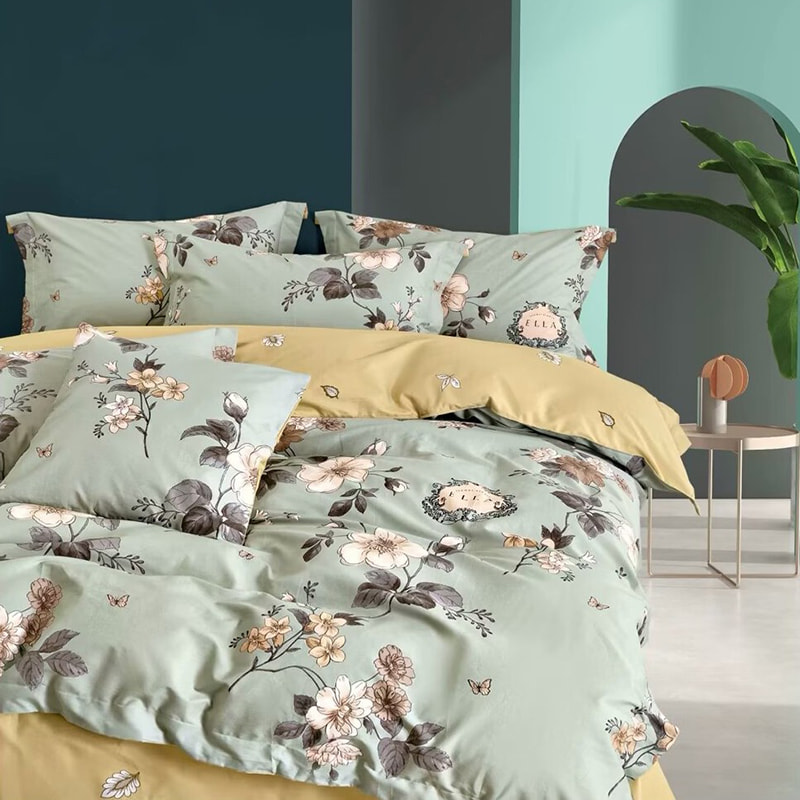 13372 High-Density Pure Cotton Bed Sheet Set for Premium SleepThis bedding set uses a denser 13372 cotton weave than standard options, offering a finer, softer touch with better breathability and wrinkle resistance. It suits buyers upgrading from budget polyester to natural-fiber products.View Product →
Polyester pillow covers
Polyester covers are popular in budget hotels and rental properties because they resist wrinkles and dry quickly. They are also less breathable than natural fibers, so they trap more heat in summer. Modern microfiber polyester can mimic the smoothness of silk, but it lacks the moisture absorption of cotton or Tencel. For a wholesale budget line, polyester is defensible; for a premium sleep experience, it is not.
Tencel pillow covers
Tencel, also known as lyocell, is made from wood pulp and offers a silky hand feel with excellent temperature regulation. It absorbs moisture better than cotton, which makes it an outstanding choice for hot sleepers and humid climates. Tencel pillow covers are often found in higher-end hotel rooms and luxury home collections. Pairing them with a matching Tencel sheet set creates a smooth, cool sleep surface that launders well.
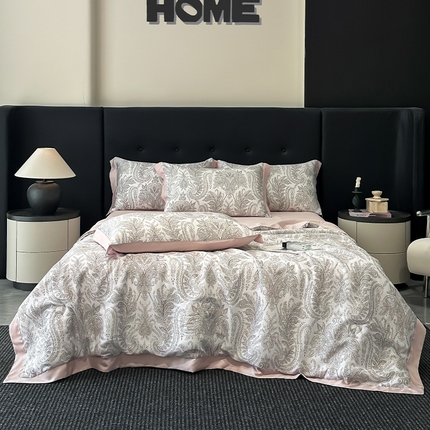 Tencel Bed Sheet Set with Cooling Breathable ComfortMade from sustainable eucalyptus-based Tencel, this sheet set provides silky smoothness, excellent moisture-wicking, and natural temperature regulation. It is a strong option for hot sleepers or humid climates, pairing well with matching covers.View Product →
Linen pillow covers
Linen has a relaxed, textured appearance that suits coastal and rustic interiors. It is the most breathable option on this list and actually improves with washing, becoming softer and more pliable. Linen wrinkles easily, which some buyers consider charming and others consider unkempt. For a hotel or an Airbnb, linen works only if the housekeeping team accepts extra ironing time.
Velvet pillow covers
Velvet covers are primarily decorative. They add depth and richness to a bedroom, especially in winter, but their pile surface collects dust and requires gentler washing. Use velvet for accent pillows and keep the sleeping pillows in cotton, Tencel, or linen for daily comfort.
Fabric choice drives most of the comfort differences between pillow covers. Two covers with the same size can feel completely different after one night of sleep. We evaluated the five most common cover materials using four practical criteria. The score combines comfort, breathability, durability, and ease of care. The horizontal bar chart below shows how the pillow and pillow cover materials compare at a glance.
Tencel earns the highest composite score because it balances softness, moisture absorption, and temperature regulation. Cotton follows closely, and for many buyers it remains the safest all-round choice. Linen offers excellent breathability in warm climates but scores lower on wrinkle resistance and smoothness. Polyester is affordable and easy to wash, yet its lower breathability can trap heat during summer nights. Velvet delivers a luxurious look but needs more careful cleaning and better suits decorative use.
For hotel procurement teams, cotton and cotton-polyester blends usually offer the best cost-to-durability ratio. For home users who run warm at night, Tencel or high-quality cotton sateen will reduce night sweating. Wholesale buyers should note that the score reflects standard fabric qualities, not brand-specific finishing. A good manufacturer can further improve any of these materials with brushing, mercerizing, or anti-wrinkle finishing. The takeaway is simple: select the material that matches your climate, cleaning routine, and comfort preference. No single fabric wins every category, which is why a mixed set of pillow covers can actually be a smart purchase. By combining two or three fabric types, you can cover hot nights, cold nights, and decorative needs with the same pillow core.
Key takeaway: Tencel and cotton are the best everyday pillow cover materials, while polyester suits budget programs and velvet works best as a decorative accent.
Thread Count, Weave, and Construction Details
Thread count is the most misunderstood number in bedding. In simple terms, it is the total number of warp and weft threads per square inch. A 200-thread-count single-layer cotton sheet can feel better than a 1000-thread-count multi-ply product, because manufacturers can inflate the number by twisting several fine yarns together. For pillow covers, focus first on the fiber, then on the weave, and only then on the thread count number.
Two weaves dominate the market. Percale is a plain one-over-one weave that feels crisp, dry, and cool, which makes it ideal for summer and for people who run warm. Sateen is a four-over-one weave with a smooth, lustrous surface that feels silkier and drapes more heavily. Both are valid; the right choice depends on personal preference. High-quality cotton pillow covers commonly use a 12868 or 13372 construction, which refers to the thread counts of the warp and weft respectively.
Seams, hems, and closures
Construction is about more than the face fabric. Check the hem width and seam finishing before you buy. A single-fold hem may look fine on a promotional pillow cover, but it will unravel after twenty washes. Look for a double-stitched seam and a hem of at least two centimeters.
The closure type matters for daily use. The most common options are envelope closures, zippers, and simple open ends. Envelope closures hide the pillow edge and work with most standard sizes. Zippers give a flat, tailored look and hold the pillow securely, which is why many hotels prefer them. Open-end pillowcases are the easiest to manufacture but let the pillow shift during sleep if the case is slightly oversized. Decorative pillow covers often use zippers, while sleeping pillow covers use envelope closures for speed and comfort.
Another detail is the fabric weight. Lightweight covers in the range of 90 to 130 gsm feel cool and airy, while heavier fabrics around 160 gsm feel more substantial and last longer under repeated washing. For hospitality programs, the heavier construction is usually the better investment because industrial washing cycles are aggressive. For a home setting, a 130 gsm cover offers a good balance of comfort and longevity.
Key takeaway: Ignore inflated thread count claims and judge a pillow cover by fiber, weave, seam finishing, and closure type instead.
Application Scenarios and Selection Guide
Different environments place very different demands on a pillow and pillow cover. A family bedroom prioritizes comfort and easy care, a hotel prioritizes durability and uniform appearance, and a seasonal cabin needs products that withstand storage and sporadic use. The two-column comparison below summarizes the main differences between home and hospitality purchasing.
Home use
|
Hotel use
|
Pillow and pillow cover sizes
Size selection is one of the easiest ways to get a luxurious bed look. The wrong cover size makes the whole bed appear untidy, regardless of how expensive the fabric is. Use the cards below as a quick reference when building your order.
Standard
50 x 75 cm (20 x 26 in)
Twin and full beds Queen
50 x 76 cm (20 x 30 in)
Queen-size beds King
51 x 92 cm (20 x 36 in)
King-size beds Travel
30 x 40 cm (12 x 16 in)
Neck support on the go Body
51 x 137 cm (20 x 54 in)
Side sleepers and pregnancy support
50 x 75 cm (20 x 26 in)
Twin and full beds Queen
50 x 76 cm (20 x 30 in)
Queen-size beds King
51 x 92 cm (20 x 36 in)
King-size beds Travel
30 x 40 cm (12 x 16 in)
Neck support on the go Body
51 x 137 cm (20 x 54 in)
Side sleepers and pregnancy support
Seasonal and special needs
Seasonality changes both the fill and the cover. In summer, lightweight cotton or Tencel covers over a breathable fiberfill or latex pillow keep the head cool. In winter, a thicker brushed cotton or velvet cover adds warmth and a cozy surface. If you manage a rental property, consider stocking two sets of covers per pillow so the turnover cleaning is faster. Allergy-conscious buyers should add a washable pillow protector under the decorative cover and wash everything weekly in warm water.
When the bedroom is styled as a complete set, the pillow covers should coordinate with the comforter and bed cover rather than compete with them. Matching the material family of the bedspread and pillow covers creates a coherent look that design-conscious buyers and hotel room photographers appreciate. For a full bedding program, a polyester soft comforter set with coordinated covers gives the room a uniform finish while keeping costs manageable.
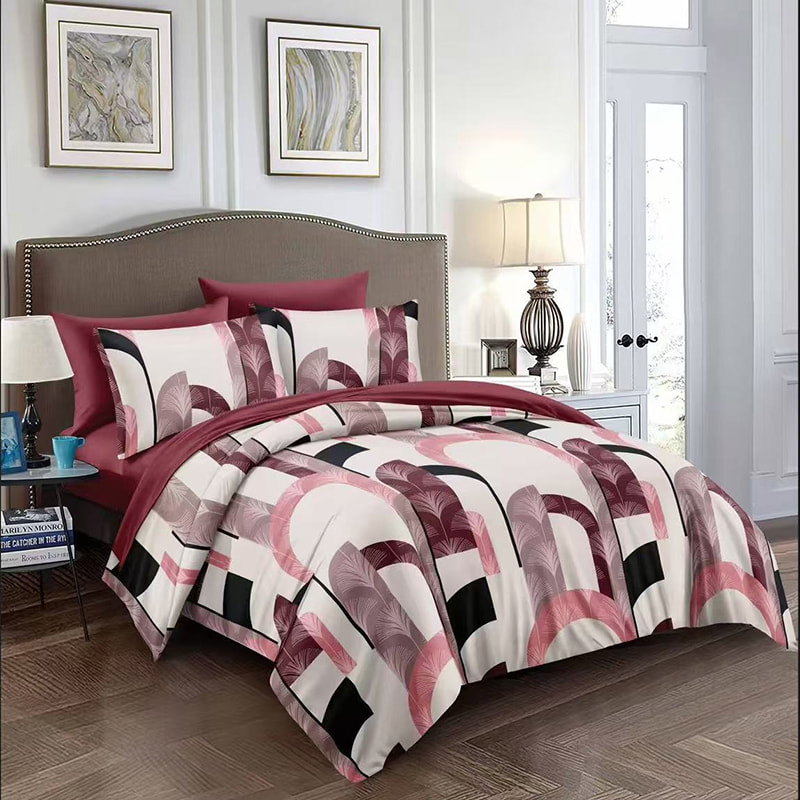 Durable Polyester Soft Comforter Set for Coordinated BeddingA cost-effective comforter set with high-density polyester fabric, offering easy care, wrinkle resistance, and moderate warmth. It helps complete a coordinated bedroom look while keeping bulk procurement budgets in check.View Product →
Industry research confirms that buyers are moving toward natural fibers and moisture-management technologies in home textiles. Watching the latest home textile market trends helps you anticipate which pillow cover finishes will be in demand for the next season. Wholesale buyers who plan their assortment around these shifts can negotiate better prices and avoid getting stuck with slow-moving stock.
Key takeaway: Choose size first, then adapt the pillow and pillow cover combination to the season, the end user, and the overall bedding style of the room.
Detailed Comparison: Cotton vs Polyester vs Tencel Pillow Covers
If you narrow your shortlist to the three most useful pillow cover materials, the comparison below gives you the information you need to commit. We tested these fabrics under realistic conditions: repeated machine washing, ironing, and night use in both temperate and humid environments.
| Criterion | Cotton | Polyester | Tencel |
|---|---|---|---|
| Skin feel | Crisp or silky depending on weave | Smooth but less absorbent | Silky and cool to the touch |
| Breathability | High | Moderate | Very high |
| Moisture absorption | Good | Low | Excellent |
| Wrinkle resistance | Moderate, needs ironing | High, low maintenance | Good, gentle iron works |
| Shrinkage risk | Low if pre-shrunk | Very low | Low if finished properly |
| Durability | Very good at 12868/13372 construction | Good | Good |
| Price level | Medium to high | Low to medium | Medium to high |
| Best use case | Everyday home, hotel, all climates | Budget programs, quick-dry needs | Hot sleepers, premium rooms, humid climates |
Cotton is the most versatile fabric because it works in both hot and cold climates. In a hot climate, a percale cotton cover feels dry and light. In a cold climate, a sateen cotton cover can be brushed for extra softness. Cotton also accepts printing and dyeing very well, which gives a manufacturer like Nantong Noble a wide range of digital print options for decorative pillow covers.
Polyester is the value option. It performs best in blended form, such as a polycotton mix, where the cotton adds absorbency and the polyester adds strength and wrinkle resistance. A pure polyester cover is acceptable for budget segments, but warm sleepers will feel the difference on summer nights.
Tencel is the premium option. Its plant-based origin gives it a natural reputation, while the smooth fiber structure produces a lower friction surface that is gentle on hair and skin. The main caution is that Tencel needs a careful washing program: hot water and aggressive tumble drying can cause shrinkage and reduce the silky hand feel. Follow the care label and Tencel covers will keep their performance for years.
Key takeaway: Cotton is the safest default, polyester is the budget workhorse, and Tencel is the premium upgrade for hot sleepers and luxury hospitality projects.
Pillow and Pillow Cover Maintenance and Care
A good washing routine doubles the life of both the pillow and the cover. Most wear damage comes from repeated hot washing and aggressive drying, so the first rule is to respect the care labels. The second rule is to use a pillow protector under the decorative cover to keep oils, sweat, and dust mites away from the fill.
| Item | Wash | Dry | Iron | Replacement |
|---|---|---|---|---|
| Cotton pillow cover | 40–60°C machine wash | Tumble dry low | Medium iron while slightly damp | 1–2 years |
| Polyester pillow cover | 30–40°C machine wash | Low heat or line dry | Low iron if needed | 1–2 years |
| Tencel pillow cover | 30°C gentle cycle | Line dry preferred | Low iron, inside out | 1–2 years |
| Velvet decorative cover | Hand wash or dry clean | Line dry, no direct sun | Steam only | As needed |
| Fiberfill pillow core | 30°C gentle, two at a time | Low tumble with dryer balls | Not applicable | 1–2 years |
| Memory foam pillow core | Spot clean only | Air dry flat | Not applicable | 2–3 years |
| Down pillow core | Professional or 30°C special cycle | Low tumble with clean balls | Not applicable | 3–5 years |
For weekly care, wash pillow covers separately from heavy items like towels and jeans, which can abrade the fabric surface. Zip the covers before washing so the zipper pull does not catch and tear the fabric. Avoid bleach except for white cotton hospitality linens that need sanitary whitening; use oxygenated bleach for colored covers.
When drying, use lower heat and remove the covers while they are still slightly damp to reduce wrinkles. If you iron cotton pillow covers, press them on the reverse side to keep the printed or sateen face glossy. For storage, keep spare covers flat in a dry, dark cupboard, and rotate the pillows used every three months so the fill does not develop permanent compression lines.
Finally, check the pillow core regularly. The quick test described in the FAQ section below is a reliable indicator of whether the pillow has lost its support. A pillow that folds over and stays folded should be replaced even if its cover is still in good condition.
Key takeaway: Wash covers weekly on a gentle program, keep fills dry, and replace the pillow core when it loses its ability to spring back.
Sourcing Pillow and Pillow Cover from a Wholesale Manufacturer
For importers, hotel groups, and bedding wholesalers, buying pillow and pillow cover products directly from a manufacturer changes the economics of the entire purchase. Direct sourcing removes trader margins, gives you control over specifications, and opens the door to custom packaging and private labeling. The key is to choose a supplier with proven fabric sourcing, stable production capacity, and a clear quality inspection process.
Nantong Noble International Trade Co., Ltd. is one such example: an experienced home textile manufacturer with over 18 years in international trade. The company operates a 3000-square-meter factory, employs more than 50 workers, and reports an annual production capacity of three million sets. This scale is meaningful for wholesale buyers because it ensures consistent volume, faster lead times, and the ability to handle mixed orders that include pillow covers, bed sheet sets, comforters, and other bedding items in a single shipment.
When you request a quotation for pillow and pillow cover products, provide these details to get an accurate price:
- Quantity per size and per color, because pricing tiers shift significantly above certain order volumes.
- Fabric type and construction, such as 100% cotton 12868 or polyester 160 gsm, including any finishing like anti-wrinkle or mercerized treatment.
- Cover dimensions and closure style, whether envelope, zipper, or open end.
- Packaging requirements, including polybag, inner box, master carton, and barcode labels.
- Quality specifications, including seam allowance, hem width, thread count, and colorfastness standards.
Most manufacturers will send a pre-production sample before mass production. Use that sample to verify the color under natural and indoor light, test the closure, and wash it once to check shrinkage. A reputable factory accepts sample feedback and adjusts the construction before the bulk order begins. For a direct look at the full range of bedding products this type of supplier can produce, you can review Nantong Noble's official website and product catalog.
Another sourcing consideration is logistics. A manufacturer that exports regularly will have established relationships with freight forwarders and can advise on carton dimensions for optimal container loading. If you combine pillow covers with sheet sets and comforters in one container, you can reduce the average shipping cost per unit dramatically. Ask the supplier for a loading calculation before you finalize the order quantity.
Key takeaway: Work directly with a manufacturer, approve a physical sample before bulk production, and combine pillow covers with other bedding items to optimize freight and pricing.
Related Resources From Nantong Noble
|
To continue your research on bedding materials, purchasing strategy, and home textile trends, explore these related resources from the site.
|
Frequently Asked Questions About Pillow and Pillow Cover
These are the questions we hear most often from home buyers, interior designers, and wholesale procurement teams. The answers below cover the essentials without oversimplifying the tradeoffs.
What is the difference between a pillow and a pillow cover?At the simplest level, the pillow is the inner cushion — the support core wrapped in ticking — while the pillow cover, often called a pillowcase, is the removable fabric sleeve that sits directly against your face and hair. A complete system usually adds a pillow protector underneath the decorative cover. The pillow determines support and loft; the pillow cover determines skin feel, temperature, and how easy the whole unit is to keep clean. Hotels take this layered approach because it protects the expensive pillow while keeping the visible cover crisp. |
What is the best material for a pillow cover?The fastest answer is that 100% cotton with a percale or sateen weave is the most reliable choice. Percale feels crisp and cool; sateen feels silky. If you sleep hot, Tencel or linen are excellent alternatives. If you need budget-friendly durability for guest rooms or rental properties, polyester or a polycotton blend washes well and resists wrinkling. The best cover for you balances comfort, climate, and cleaning frequency. |
What size pillow and pillow cover should I choose?Measure the pillow first. Standard 50 x 75 cm (20 x 26 in) works for twin and full beds; queen 50 x 76 cm (20 x 30 in) and king 51 x 92 cm (20 x 36 in) match larger beds. For a tailored look, buy pillow covers in the exact same size as the pillow core or one size larger. A cover that is too small will strain its seams; a cover too large will fold and look untidy. |
How often should I replace pillows and pillow covers?Replace pillow covers weekly at home, or daily for high-turnover hospitality properties. Plan to replace the pillow core every one to two years for fiberfill, two to three years for memory foam, and three to five years for down or latex. A simple test: fold the pillow in half and release it. If it does not spring back, it has lost its support. |
Can I order custom pillow and pillow cover sets from a manufacturer?Yes. Many bedding manufacturers, including textile factories that produce sheet sets and comforters, accept custom pillow cover orders in specified sizes, fabrics, colors, and prints. A typical process includes sharing a product image or design, approving a sample, confirming quantity, and agreeing on packaging. Custom sizes like hotel-specific dimensions, envelope closures, or zipper closures are all feasible when the order is placed directly with the factory. |
Do hotels use special pillow and pillow cover specifications?Hotels generally prefer white or neutral covers that can be bleached, durable cotton or polycotton fabric with a practical thread count, and simple hems that withstand industrial washing. Many properties add a pillow protector beneath the decorative cover, then launder it after every guest. The priority is consistent appearance, high wash cycles, and a crisp bed presentation. |
Does a pillow cover protect against dust mites and allergies?A tightly woven pillow cover helps block dust mites and skin particles from reaching the pillow, but it is only part of the solution. For allergy-sensitive sleepers, pair a waterproof and antimite mattress protector with a washable pillow cover and replace the pillow at the first sign of odor or yellowing. Washing the cover weekly in warm water removes allergens that collect on the surface. |
Related products
-
-
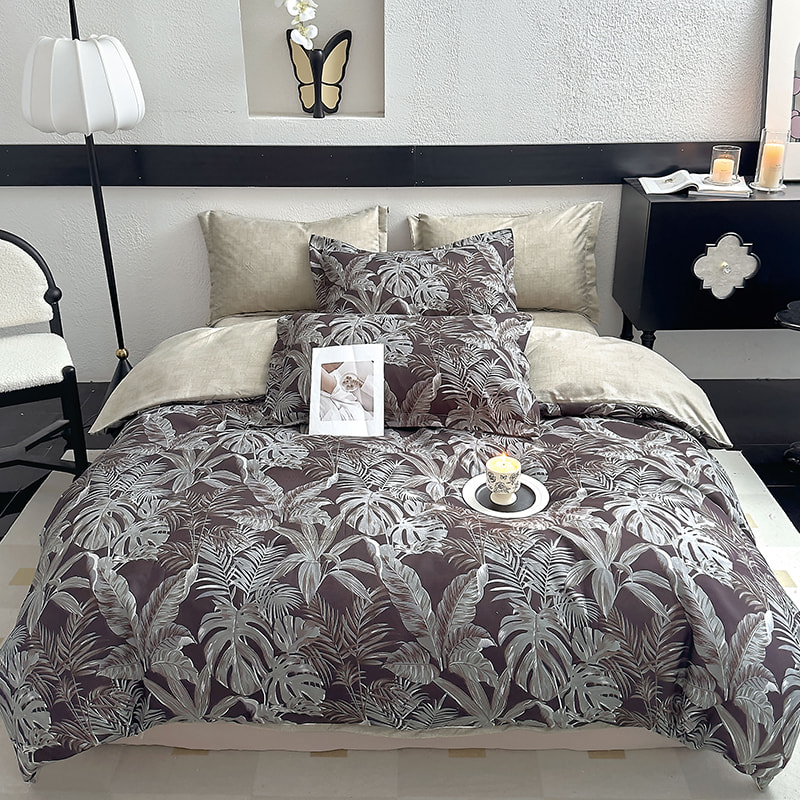
FunctionFast drying and easy to take care of: Anti-shrinkage and no ironing, fast drying after machine washing, simplified daily care.Durable color protection: High wear resistance and color fastness,...
See Details -
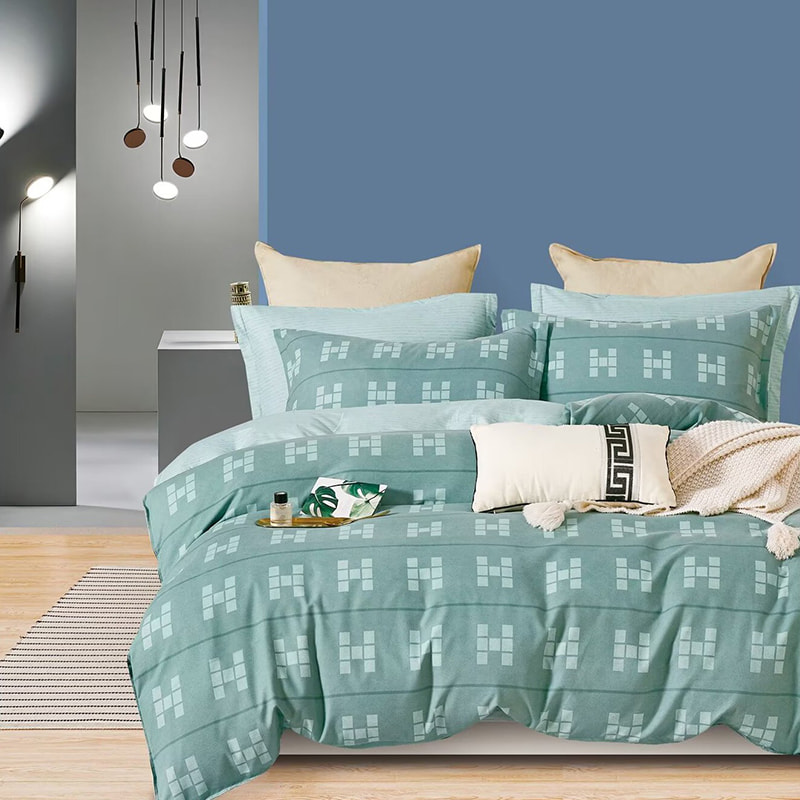
FunctionStrong warmth: High gram weight provides good insulation performance, suitable for low-temperature environments.Durable anti-wrinkle: High-density structure wear and tear resistance, not easy ...
See Details -
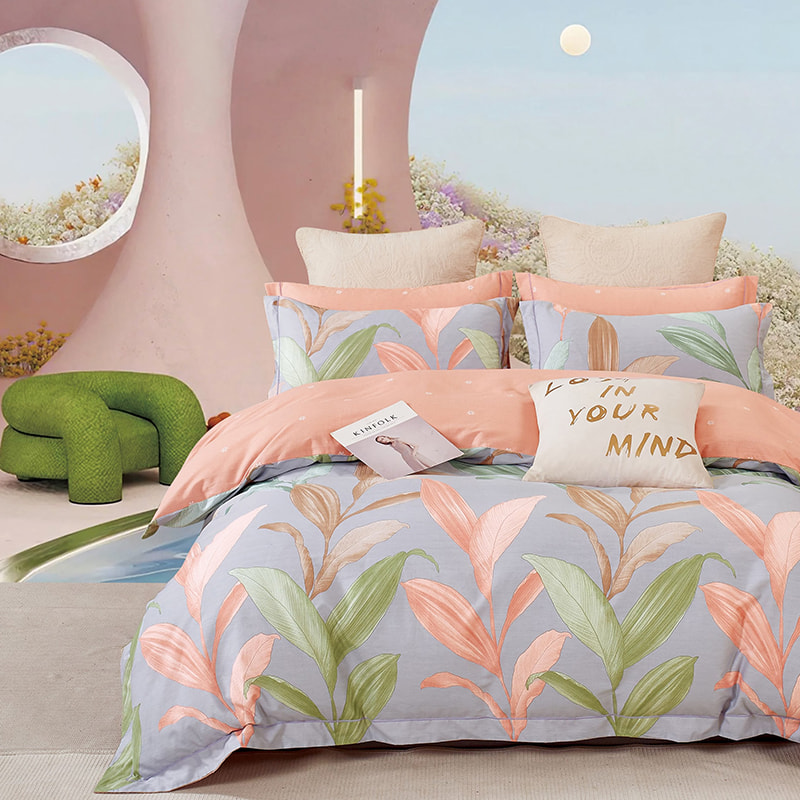
FunctionSkin-friendly breathable: Natural cotton fiber is soft and comfortable, good for breath, and suitable for the use of moisture.Absorption and perspiration: Good moisture absorption, keep dry bo...
See Details -
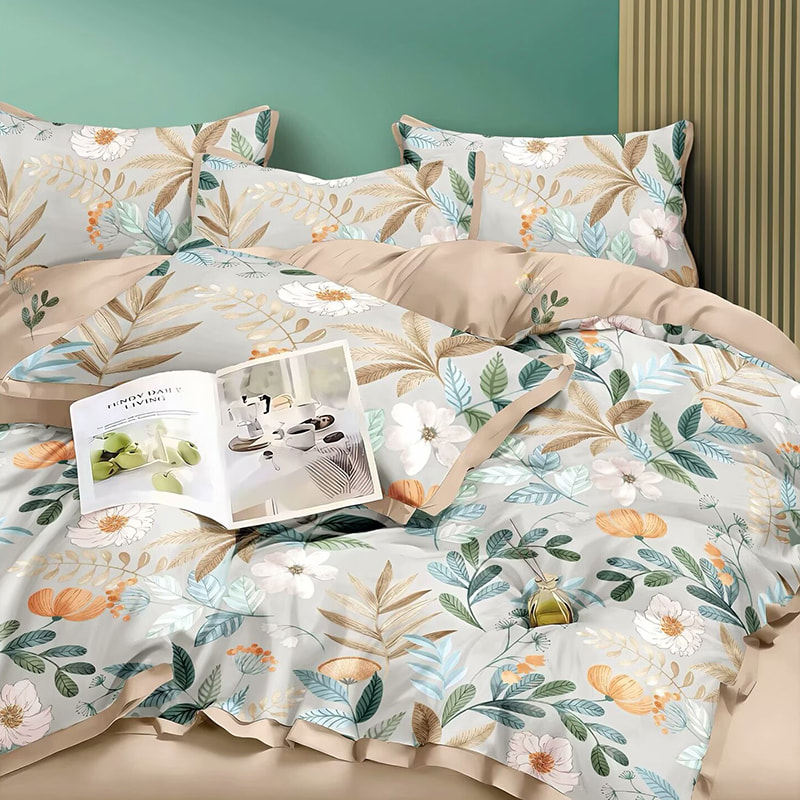
FunctionMore delicate and skin-friendly: Higher than 12868,13372, the fabric is more delicate and soft, the touch is better and more.Breathable: High-density cotton structure further improves moisture...
See Details -
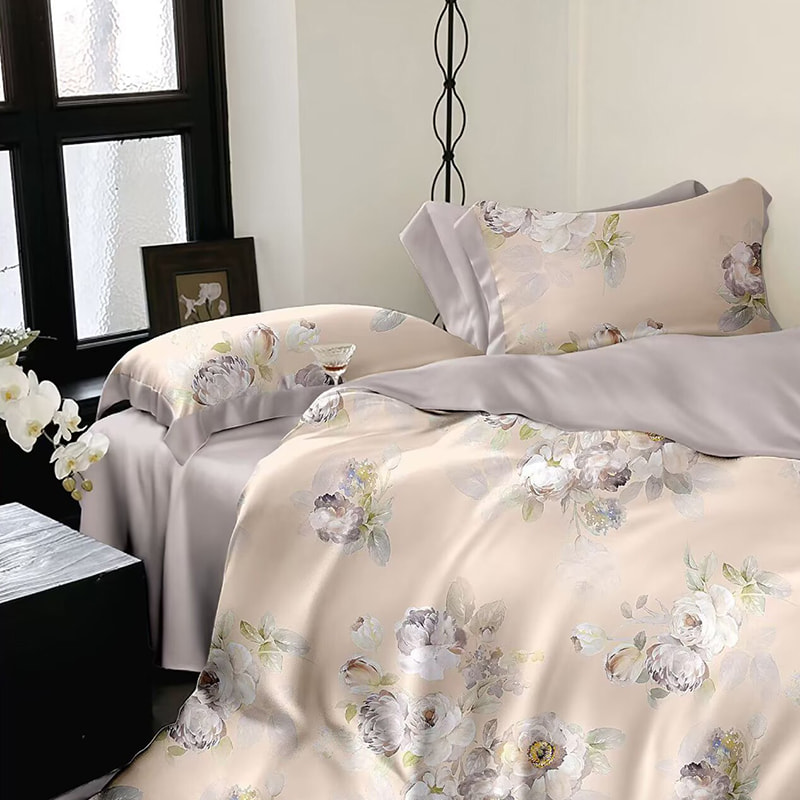
Function Extreme skin affinity: Day silk fiber is soft and smooth, touch like silk, suitable for close-fitting use of moisture. Absorption and breathability: moisture absorption and sweat performance,...
See Details -
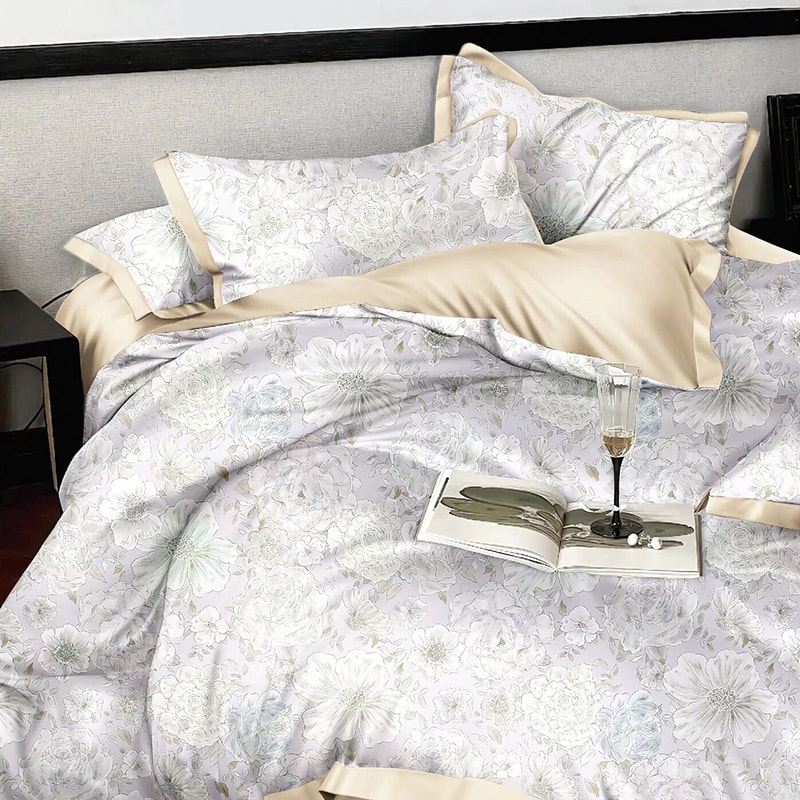
FunctionMore delicate and skin-friendly: Compared with 50S, 60S silk fiber is thinner, softer, smoother, more comfortable for close use, and more moisture absorption.Breathable: Higher branches improv...
See Details -
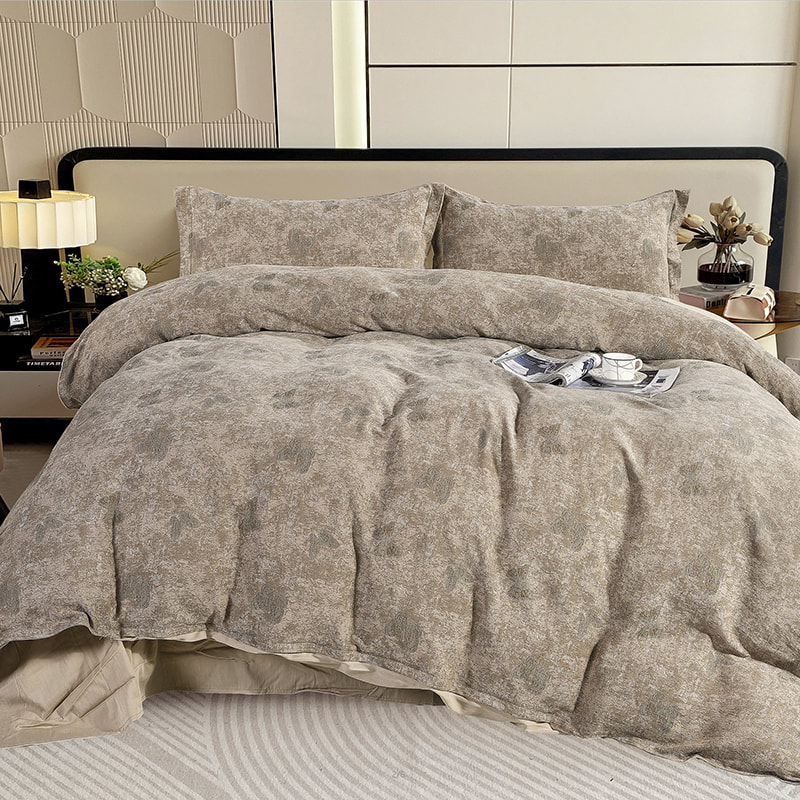
Function Luxury touch: The fiber is soft and smooth, and the jacquard process adds a three-dimensional texture. Touch like silk moisture absorption: moisture absorption performance keeps dry and comfo...
See Details -
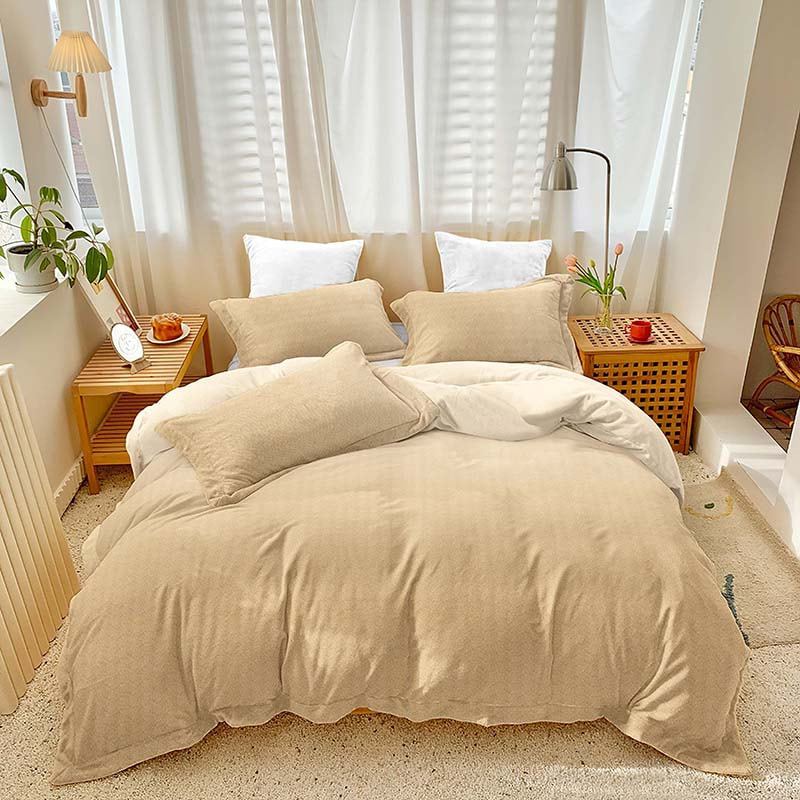
Function Fine pattern performance: Digital printing is higher precision than round net printing, richer color, more delicate pattern, fast dry.Easy to care: The polyester fiber characteristics are unc...
See Details -
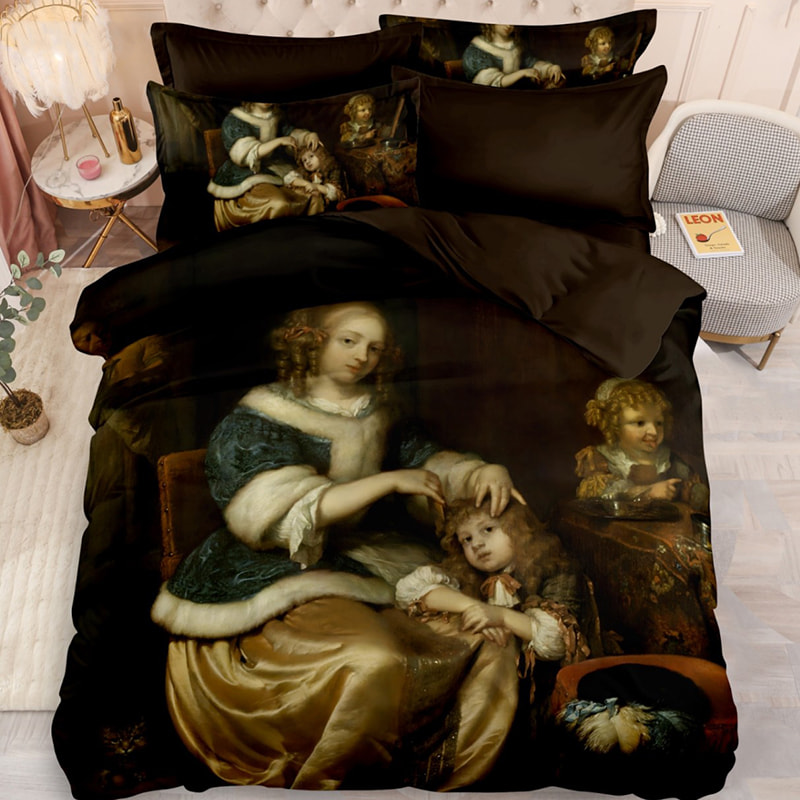
FunctionFine pattern performance: Digital printing is higher precision than round net printing, richer color, more delicate.Durable anti-wrinkle: 130g polyester fiber fabric has a vertical feeling, an...
See Details -
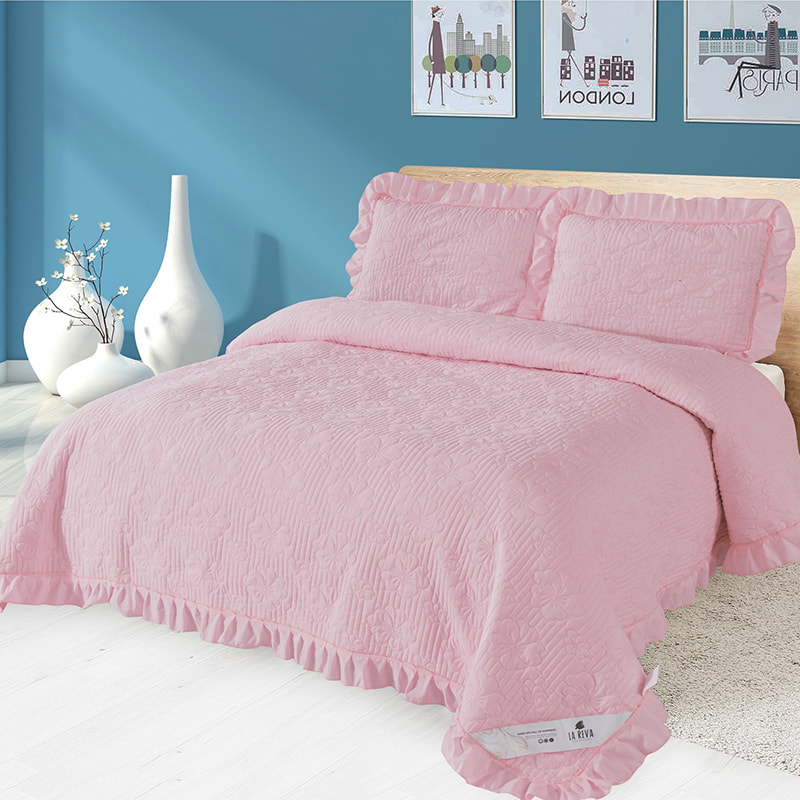
FunctionThin and light: The ultrasonic process does not create pinholes or quilting thread, and the fabric is thin and smooth.Strong decoration: Lace elements add an elegant and romantic sense, enhanc...
See Details -
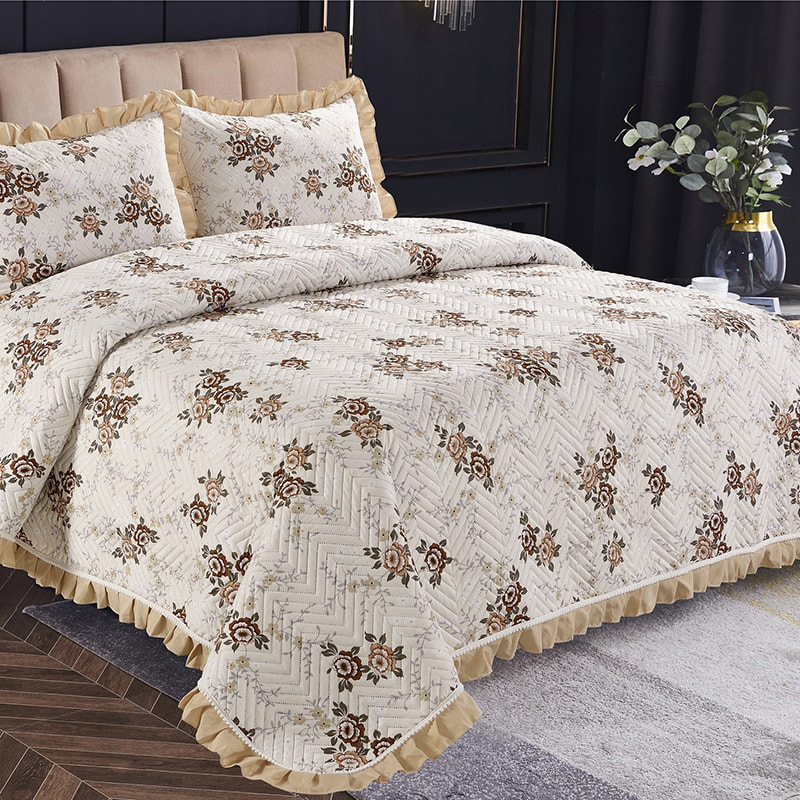
FunctionThin and light: The ultrasonic process does not create a pinhole or quilting thread, and the fabric is thin and smooth.Strong decorative: Print patterns add a sense of art and design, enhancin...
See Details
