

 English
 Español
 عربى
عربى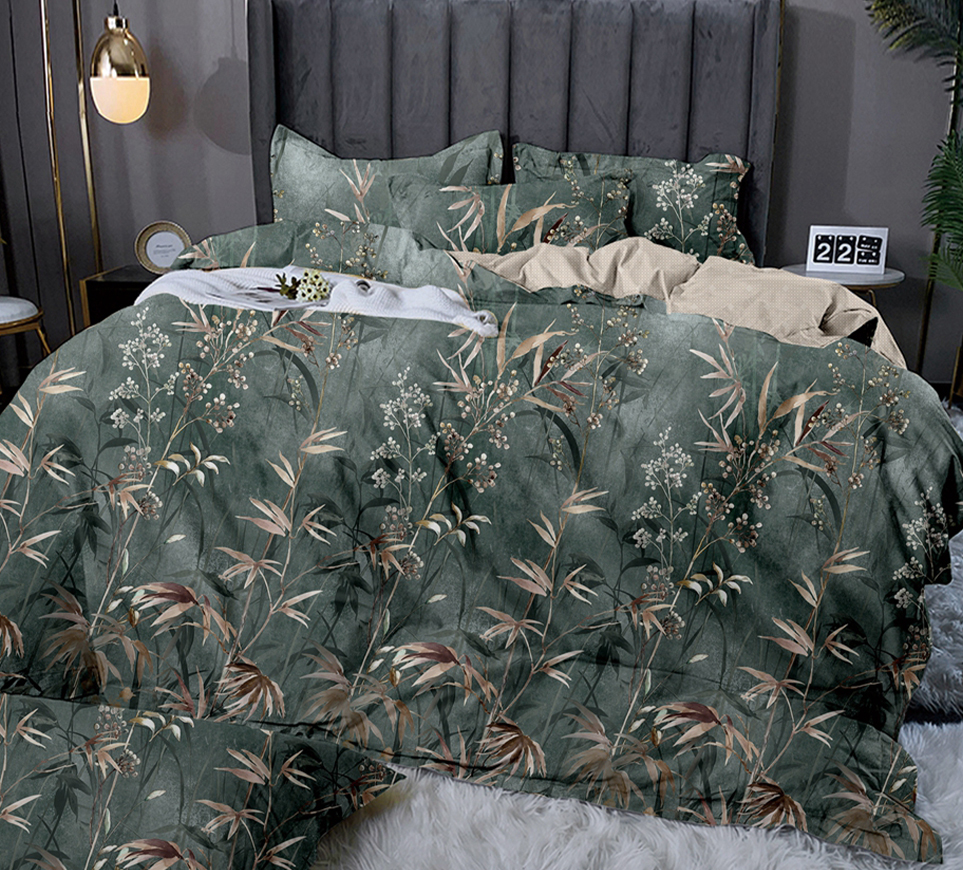
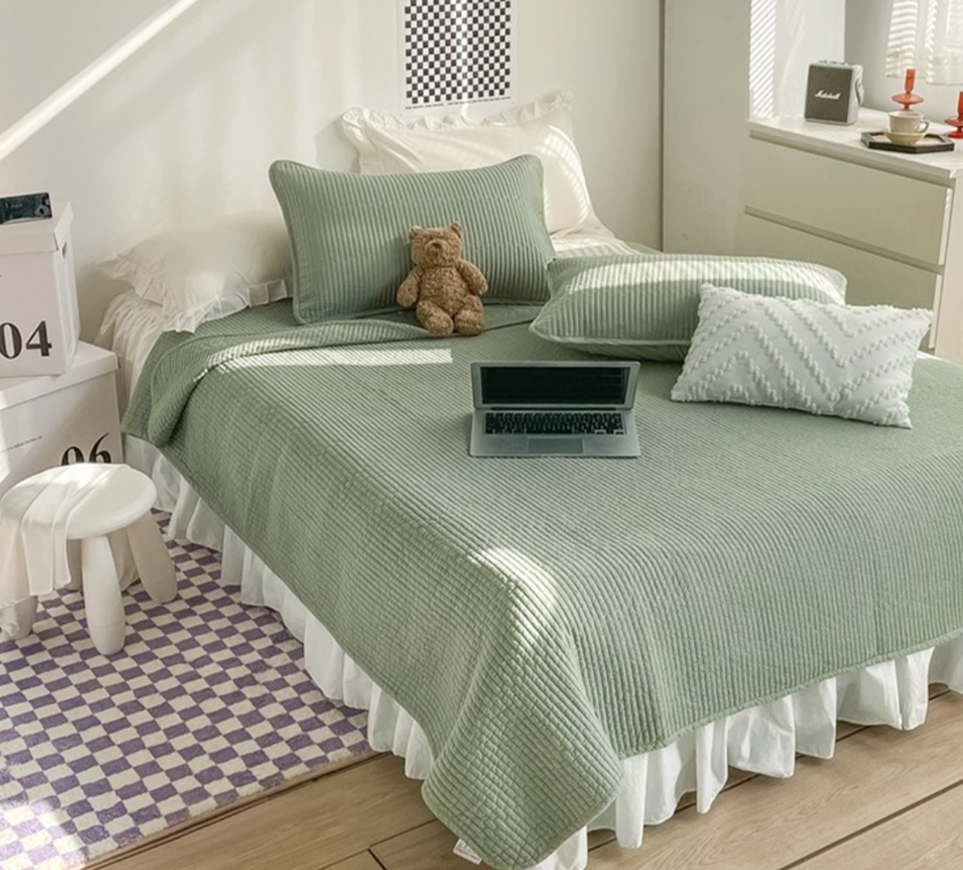
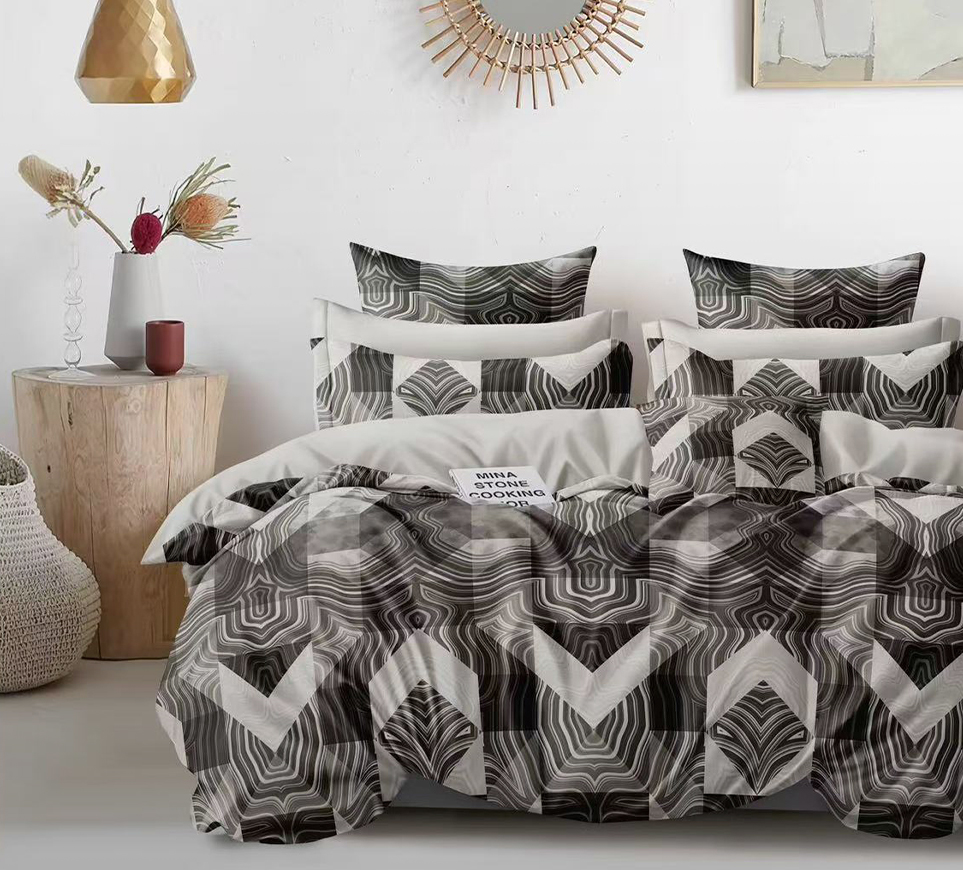
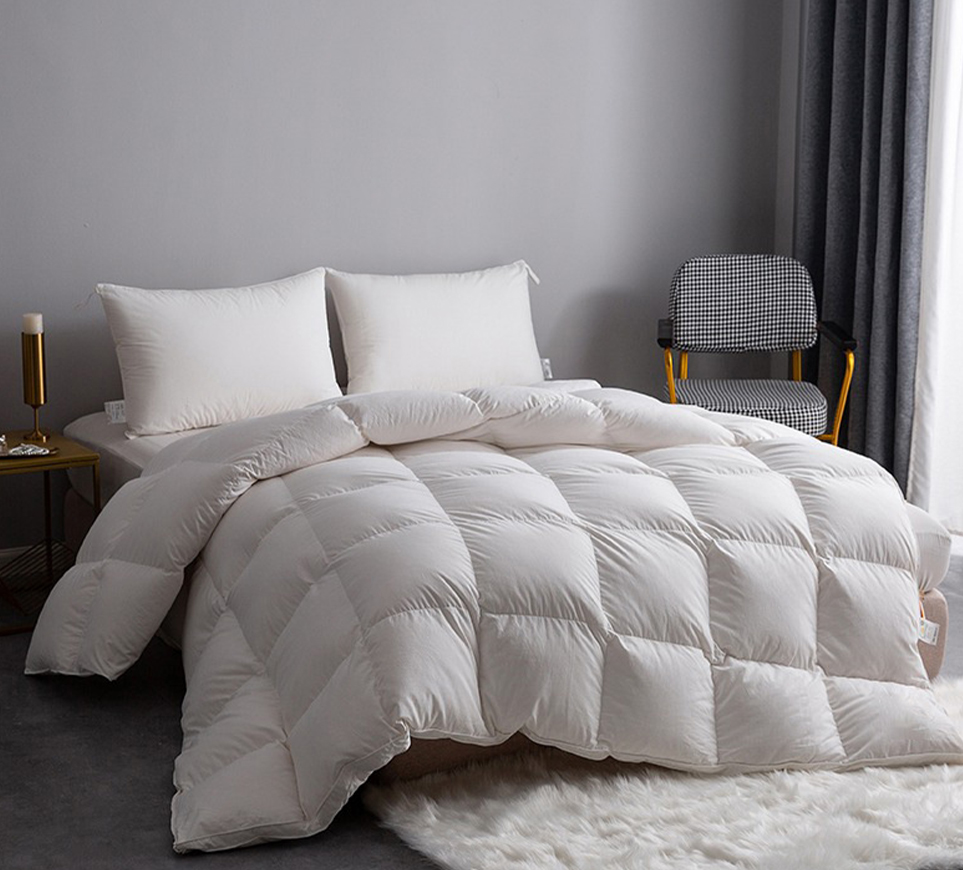
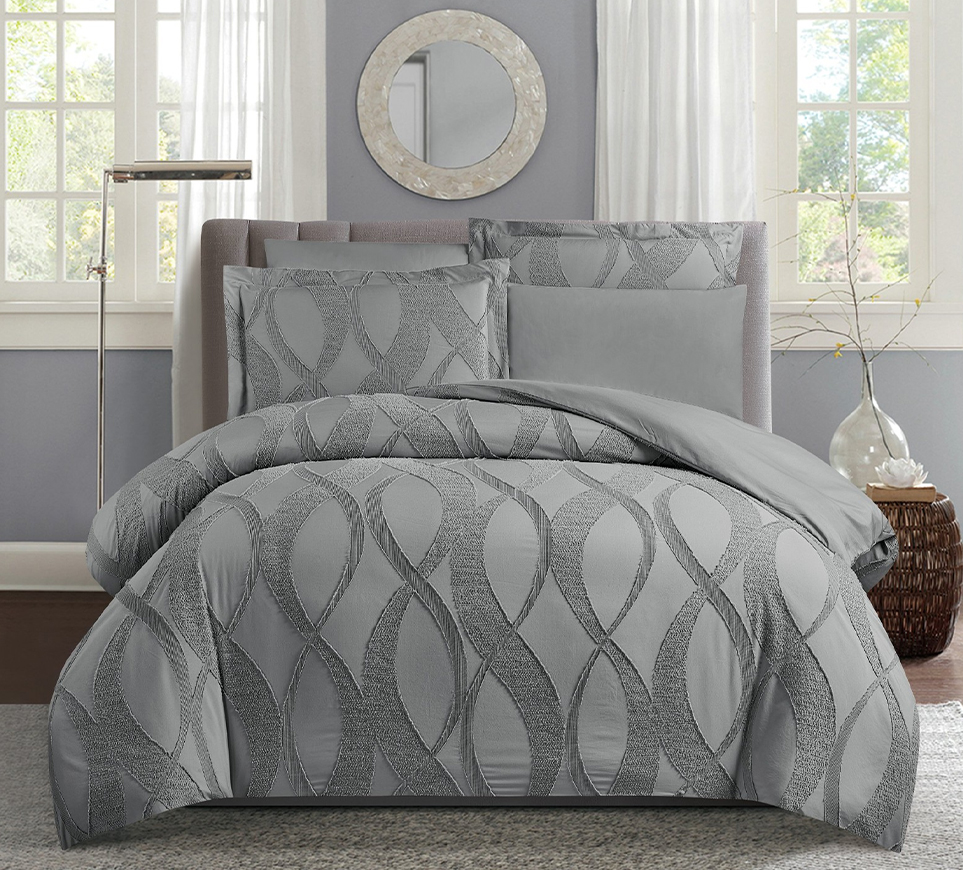
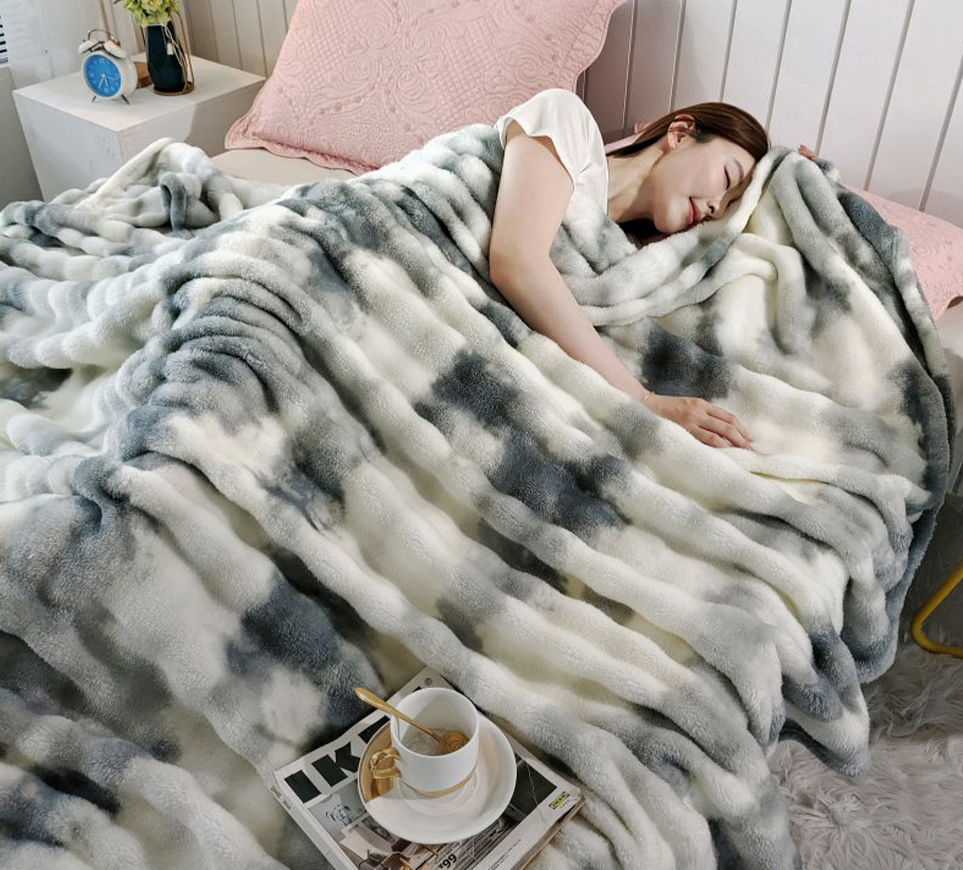
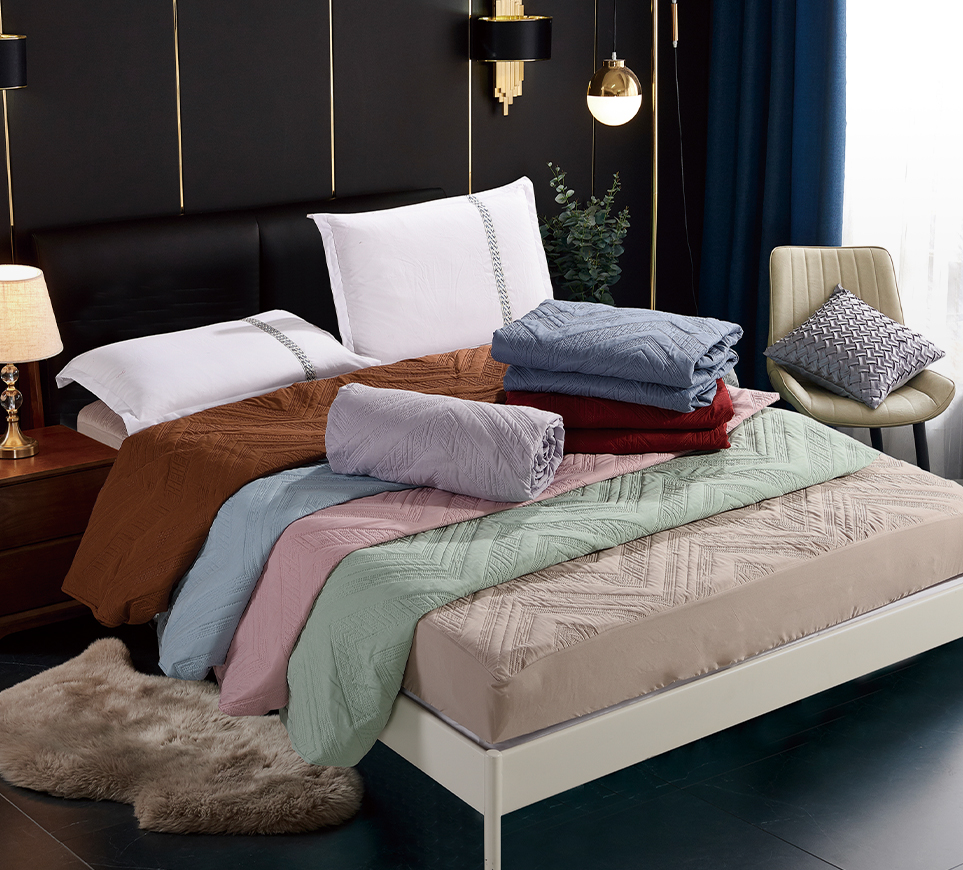
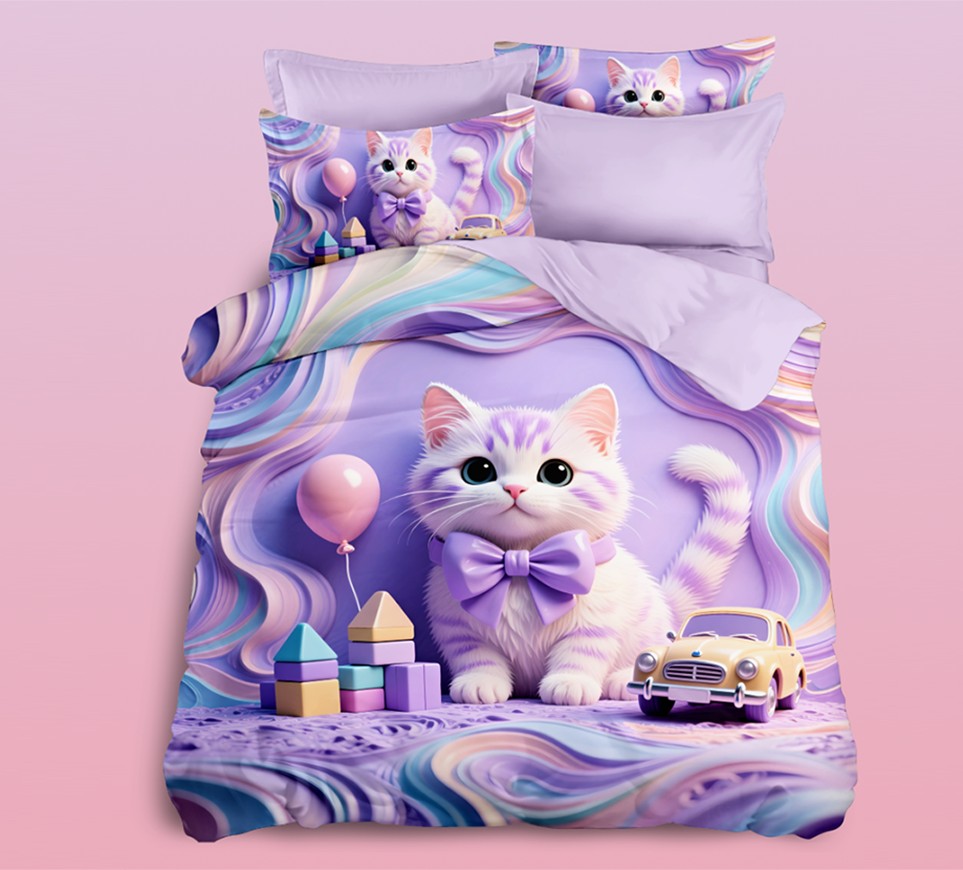
FunctionFast dry and easy to care: Not easy to shrink, no ironing and anti-wrinkle, fast drying after machine washing.Durable and fade resistant: Strong wear resistance, high color fastness, long-term...
See DetailsWhy Choose Us?
Established in 2008, with a 3,000m² professional factory, over 50 employees, and 5 departmental managers.

Coming From China, Marketing To The World.
Decorative Pillow Covers: Material, Style, and Wholesale Sourcing Guide
Sep 15, 2026
Content
- 1 Why Decorative Pillow Covers Matter in Home and Hospitality Spaces
- 2 Key Materials and Fabric Characteristics
- 3 Popular Styles, Printing and Construction Techniques
- 4 Choosing Decorative Pillow Covers for Different Business Settings
- 5 Working with a Manufacturer on Custom Decorative Pillow Covers
- 6 Care and Maintenance Tips
- 7 Frequently Asked Questions
When a hotel buyer or a home textile wholesaler opens a sample box of decorative pillow covers, the first thing they check is usually the print alignment and the feel of the fabric. That instinct matters more than many people realize. Decorative pillow covers are one of the most visible soft furnishings in a room, and they are also one of the easiest products to replace seasonally. A well-made cover can upgrade a sofa, a bed, or a lobby chair without the expense of replacing the whole upholstery. On the other hand, a poorly made cover shows creases, loose threads, or faded prints within a few washes and creates a negative impression of the entire brand.
That is why sourcing decorative pillow covers from a manufacturer with stable production and proven textile experience is essential. In this guide, we explain how to evaluate materials, construction techniques, and supplier capabilities so you can make a confident purchasing decision.
Key takeaway: Decorative pillow covers are a small product with a large visual impact, so material, print quality, and supplier consistency need equal attention.
Why Decorative Pillow Covers Matter in Home and Hospitality Spaces
Decorative pillow covers are not just dust protectors. They are the fastest way to refresh a space and reinforce a visual theme without buying new furniture. A tailored cover instantly adds color, texture, and depth to a neutral sofa or bed. It also protects the inner pillow from sweat, oil, and everyday wear, which makes maintenance simpler and extends the life of the cushion core.
For hospitality buyers, the role is even more practical. Guests judge a room within seconds, and pillows are among the first items their hands touch. Crisp, clean decorative pillow covers with a consistent design language help build trust and brand recognition. For retail buyers, these covers offer a low-risk way to test new patterns and seasonal trends. When the cover looks good, customers often return to buy matching bed sets and throws.
Key takeaway: The right decorative pillow covers protect the inner cushion, define the color palette, and allow a room to be updated at a low cost.
Key Materials and Fabric Characteristics
Polyester, cotton, Tencel, and velvet are the four fabric families most often used in decorative pillow covers. Each has a different balance of softness, strength, color retention, and price. For a supplier who sells to hotels, retailers, or online wholesalers, the material choice directly affects customer satisfaction and return rates. The table below summarizes the typical characteristics of these fabrics in pillow cover production.
| Fabric | Hand feel | Durability | Breathability | Best use |
|---|---|---|---|---|
| Cotton | Natural, soft | Good after pre-shrink | High | Residential bedrooms, boutique hotels |
| Polyester | Smooth, crisp | Excellent | Moderate | High-turnover hospitality, budget-friendly lines |
| Tencel | Silky, cool | Moderate | Very high | Premium covers, summer collections |
| Velvet | Plush, rich | Good | Low | Luxury suites, winter decor |
Before choosing, it is useful to look beyond the manufacturer’s description and compare measurable properties. The chart below shows indicative durability scores for four common fabrics used by decorative pillow cover makers. These scores are based on commercial feedback from wholesale orders rather than a single lab result. A higher bar means more resistance to rubbing, pilling, and tearing in normal use. Keep in mind that yarn count, weave density, and finishing can shift the score by ten points or more. Use this chart as a conversation starter with your supplier, not as a final specification.
Durability score of common decorative pillow cover fabrics
As the chart makes clear, polyester has the highest durability score among the four options, which is why it is commonly used in high-turnover hospitality environments. Cotton scores slightly lower, but its natural feel often matters more than the last point of durability. A pre-shrunk cotton with a tight weave can still last for years in residential use. Tencel shows the lowest durability score in this comparison, yet its silky hand feel makes it a premium choice for showpiece cushions that receive less wear. Velvet sits in the middle, offering a plush texture that hides minor creases well. For institutional buyers, durability is not the only deciding factor because a cover that lasts long but looks dull cannot achieve the desired styling. The best approach is to check the abrasion cycles in the supplier’s test report rather than relying on the fabric name alone. Some manufacturers also offer a poly-cotton blend that raises durability while keeping a natural touch. When you order samples, wash them three or four times to see how the edge seams, zipper, and print behave. That small test will reveal more about the manufacturer’s quality than any catalog photo can.
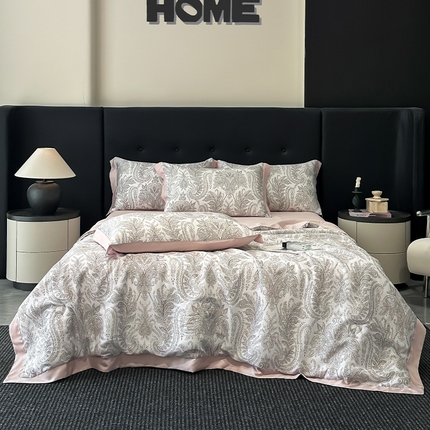 Tencel Bed Sheet Set with Breathable Cooling ComfortThis luxury Tencel sheet set offers a silky, cooling sleep surface and natural temperature regulation. Its hypoallergenic, eco-friendly fibers make it a premium choice for showpiece cushions or low-wear residential settings.View Product →
Key takeaway: Pair the fabric with its intended use: polyester for hard-wearing hotel lines, cotton for everyday residential comfort, and Tencel for a premium touch.
Popular Styles, Printing and Construction Techniques
Decorative pillow covers are available in hundreds of patterns, but the production techniques behind them can be grouped into a few practical categories. Digital printing is excellent for colorful floral and abstract designs with fine detail. Jacquard weaving creates patterns that are part of the fabric structure and therefore do not fade. Embroidery adds a raised, premium texture that is popular in hotel suites. Tufted and seersucker finishes bring volume and a casual feel to lounge areas. The cards below give a quick overview of these commonly requested styles.
Digital printed
High color accuracy, vivid gradients, low minimum for custom artwork.
Jacquard
Woven-in pattern, elegant, very durable, usually higher cost.
Embroidery
Raised thread detail, luxurious, works well on solid backgrounds.
Tufted
Soft tactile surface, adds depth, good for modern casual styles.
Seersucker
Wrinkled texture, breathable, perfect for summer covers.
For covers that need a structured surface, quilting and ultrasonic bonding are also common in high-volume production. Quilting stitches a thin layer of padding between the face fabric and backing, which gives the cover a soft, padded feel. Ultrasonic bonding uses heat and pressure to create patterns without sewing threads, resulting in clean edges and a slightly stiffer hand feel. A decorative pillow cover manufacturer should be able to advise on which construction gives the best balance between appearance and washability. If you want a matching look across a full bedroom set, ask the supplier whether the same digital artwork can be applied to both pillow covers and bed sheet sets.
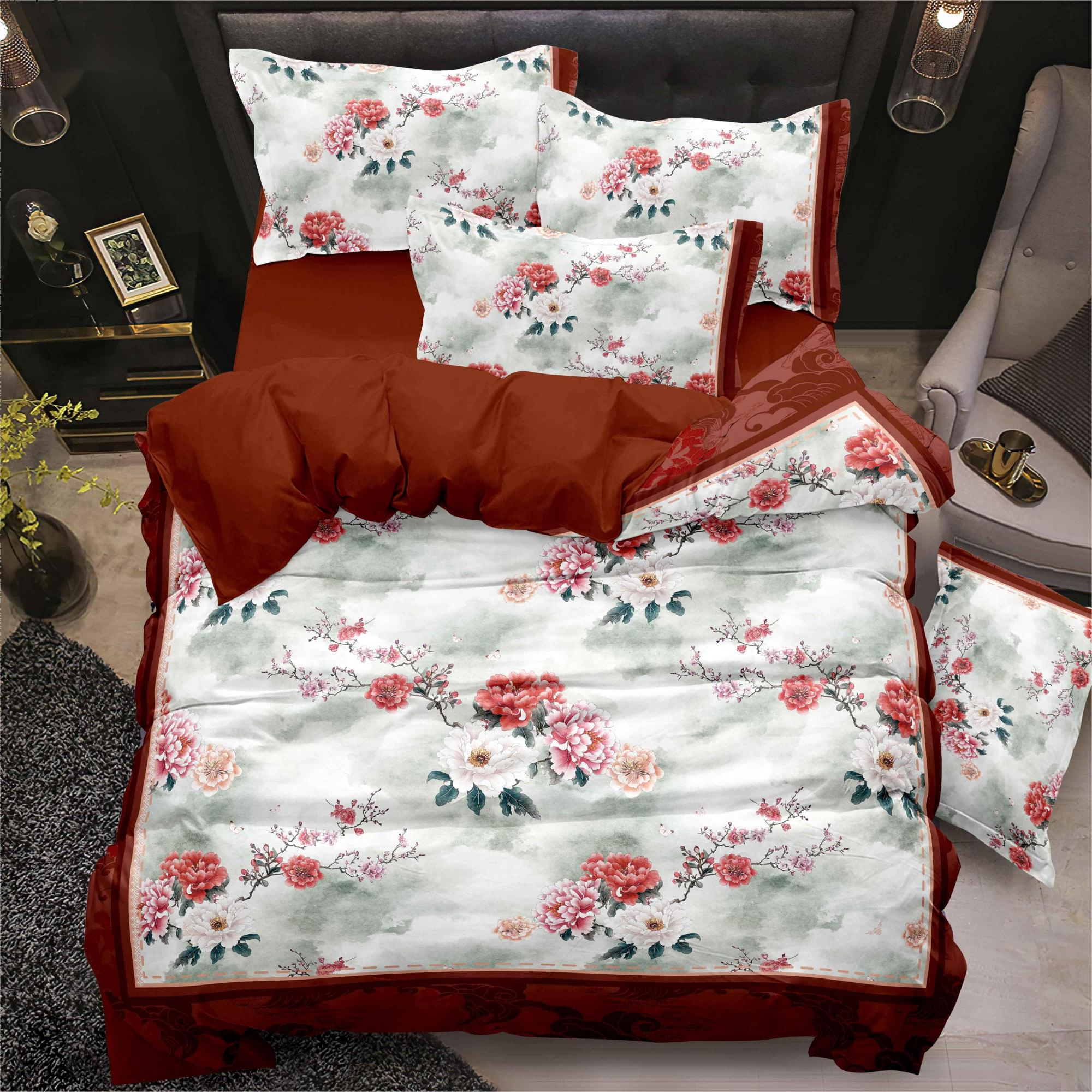 130gsm Digital Printed Bed Sheet Set with Floral PatternHigh-precision digital printing delivers fine floral detail and rich colors on this durable polyester set. It balances warmth and breathability for year-round use, with short production cycles suited to fast-fashion retail demands.View Product →
Key takeaway: The printing or construction technique often matters more than the pattern itself, because it determines colorfastness, texture, and long-term appearance.
Choosing Decorative Pillow Covers for Different Business Settings
Selection criteria shift when the buyer is a hotel, a retail buyer, or a company purchasing promotional gifts. The table below compares two common settings in a side-by-side way. The same cover can work for both, but the priority order is different.
Hotel & hospitalityFocus on commercial washable fabrics, stain resistance, high durability, and consistent color across large batches. Ask about zipper strength, edge stitching, and whether the supplier can deliver the same SKU for multiple rooms and reorder cycles. |
Retail & e-commerceFocus on visual differentiation, price point, packaging, pattern trend, and smaller batch flexibility. Ask about hang tags, polybag options, and mix-design carton packing so you can test multiple patterns without overcommitting stock. |
The hotel buyer should ask for commercial washing test results, while the retail buyer should ask for packaging and label options. In both cases, the exchange of a physical sample before mass production is non-negotiable. For a wholesale buyer who needs a complete coordinated look, matching decorative pillow covers with a bed sheet set or a quilted bed cover can reduce sourcing time. Explore our bed sheet set collection to see how the same print styles can appear across different products.
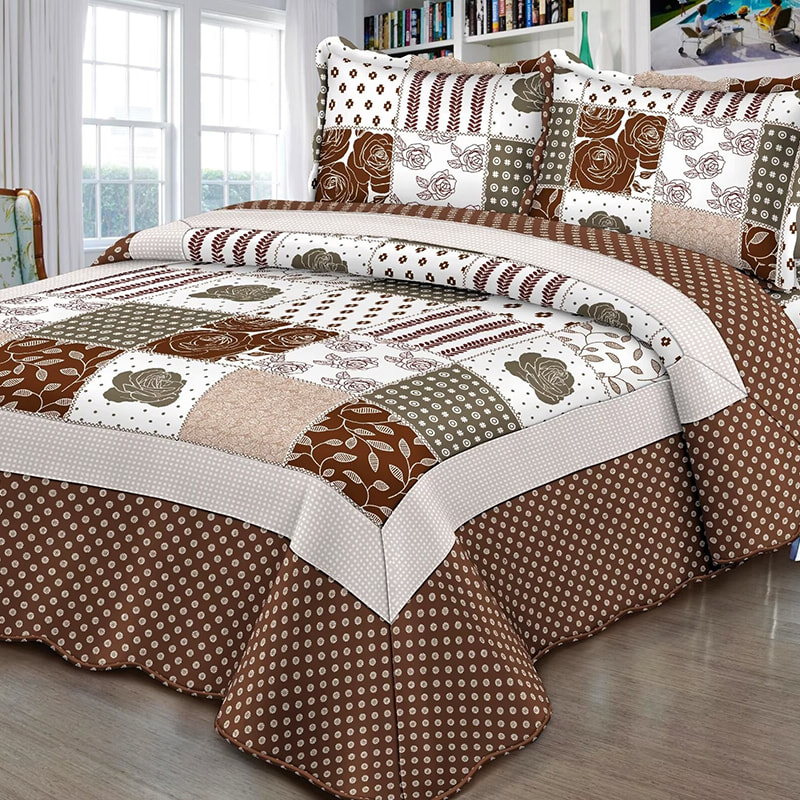 Quilted Printed Bed Cover Set for Coordinated BeddingThis quilted bed cover combines printed artistry with moderate warmth, ideal for spring and autumn. Its versatile design works as a bedspread, tail towel, or decorative layer, helping wholesale buyers create a coordinated bedroom look.View Product →
Key takeaway: Understand whether your buyers care more about commercial durability or visual freshness; the choice of fabric, trim, and packaging should follow that priority.
Working with a Manufacturer on Custom Decorative Pillow Covers
Most commercial buyers do not purchase stock designs only. They want custom decorative pillow covers for a hotel brand, a retail collection, or a promotional campaign. A capable supplier should be able to handle material selection, pattern development, sample making, and mass production under one roof. The manufacturer you choose should clearly explain its MOQ, sample lead time, production lead time, and quality check process. In our case, Nantong Noble International Trade Co., Ltd. operates a 3,000-square-meter factory with a team of experienced designers and production workers, and its annual capacity reaches 3 million sets. That scale gives buyers confidence in stable delivery.
When you compare quotes, ask how the supplier handles print color matching and fabric shrinkage. Also ask about packaging standards, carton weights, and whether they can provide mix-size or mix-design shipping. A good manufacturer will share wash-test results and production photos before sealing the order. For market insight, check our home textile market trends article to understand what your competitors may consider next season.
Key takeaway: Choose a manufacturer that can prove its production capacity and quality control, not just a supplier that sends attractive photos.
Care and Maintenance Tips
Decorative pillow covers experience less friction than bed sheets, but they still collect dust and require regular cleaning. Follow these practical tips to extend their life.
- Unzip and remove the inner pillow before washing.
- Use a gentle cycle with cold water and mild detergent.
- Avoid bleach; it weakens fibers and fades prints.
- Air dry whenever possible; high heat can shrink cotton and Tencel.
- Iron on the reverse side if the design is printed or embroidered.
By building these instructions into your product label, you also reduce return and complaint rates. A clear care label is part of the overall quality impression. For institutional buyers, consider ordering a small batch of extra covers to rotate during laundering, so the room presentation remains fresh all week.
Key takeaway: A well-designed care label reduces product failures and helps your customers keep decorative pillow covers looking new for longer.
Frequently Asked Questions
Are decorative pillow covers available in custom sizes?
Yes, most decorative pillow cover manufacturers can produce custom sizes, but standard retail sizes such as 45 x 45 cm and 50 x 50 cm are usually the most economical. If you need a different shape, such as a lumbar or square oversized design, confirm the zipper placement and cutting allowance with the manufacturer.
What is the minimum order quantity for custom printed pillow covers?
Minimum order quantities vary by supplier and printing method. Digital printing usually allows smaller MOQs, while jacquard and embroidery may require larger quantities because of setup time. Ask the supplier for tiered pricing, because ordering once a season with a larger quantity is often cheaper than many small reorders.
Can the supplier match our brand colors and logo?
Yes, a full-service manufacturer can develop custom colors and place logos on the corner, center, or edge of the pillow cover. For best results, provide a Pantone reference and a vector file. The supplier should produce a pre-production sample so you can check tone and placement before mass fabrication.
Which fabric is best for high-use lobby pillows?
For public areas with constant guest contact, polyester or a poly-cotton blend is usually the safest choice. These materials resist pilling, hold their shape, and launder well. Velvet can work in a low-traffic lounge, but it needs gentler washing and may show marks faster in heavy use.
Key takeaway: Ask clear questions about MOQ, custom colors, and fabric testing before placing a bulk order for decorative pillow covers.
Decorative pillow covers are a small but powerful component in the overall textile buying plan. They give you the freedom to test new colors, respond to seasonal trends, and create a signature look for any room. A reliable manufacturer with in-house design, production, and finishing can simplify the entire process. By understanding materials, construction, and supplier quality, you turn a simple accessory into a strategic advantage.
Key takeaway: Work with a manufacturer who treats decorative pillow covers as a complete product, not an afterthought, and you will build a collection that looks and sells better.
Related products
-
-
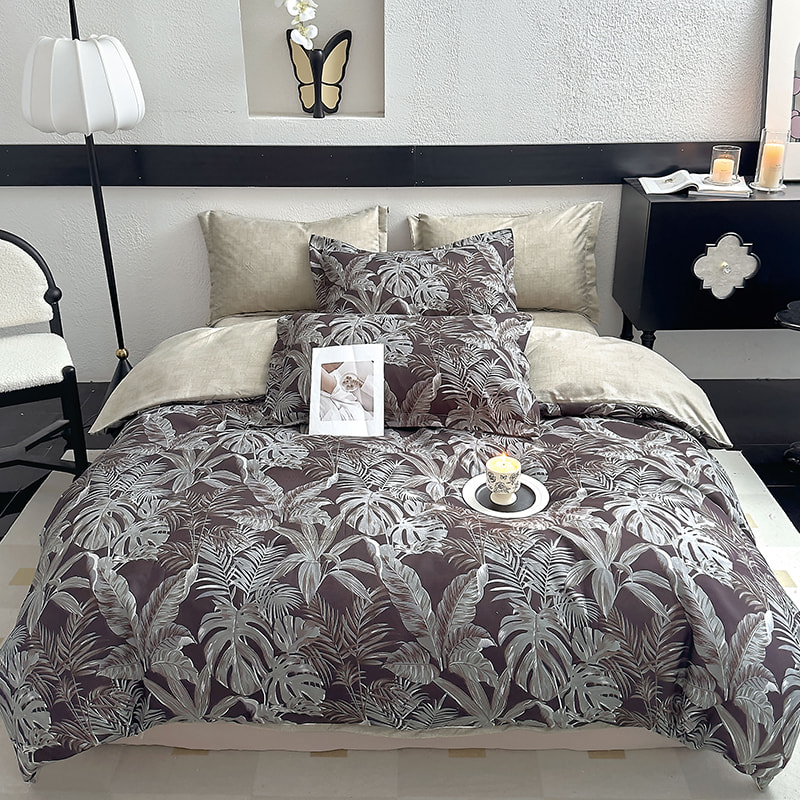
FunctionFast drying and easy to take care of: Anti-shrinkage and no ironing, fast drying after machine washing, simplified daily care.Durable color protection: High wear resistance and color fastness,...
See Details -
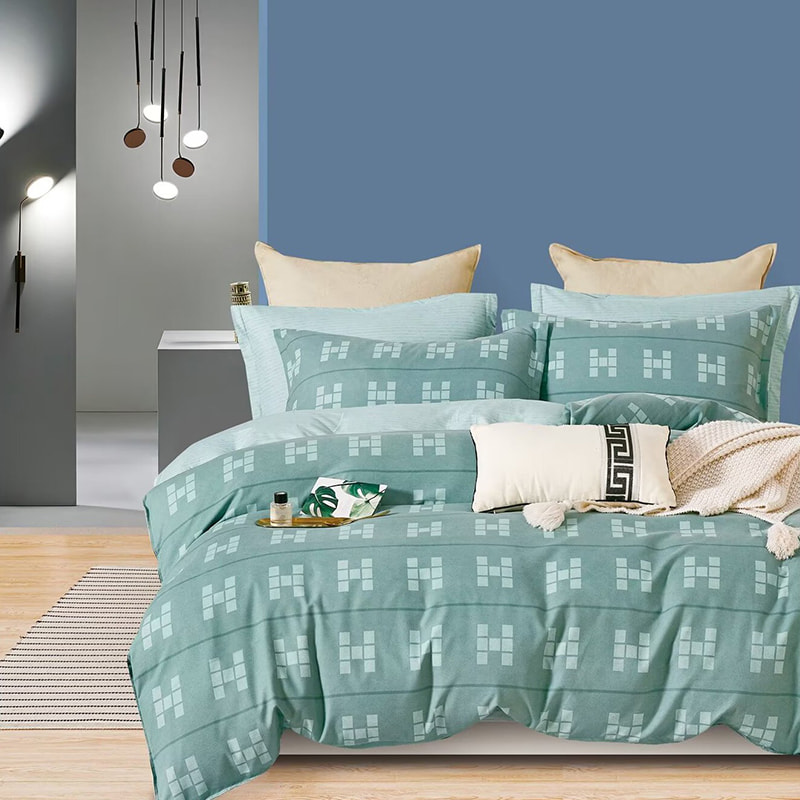
FunctionStrong warmth: High gram weight provides good insulation performance, suitable for low-temperature environments.Durable anti-wrinkle: High-density structure wear and tear resistance, not easy ...
See Details -
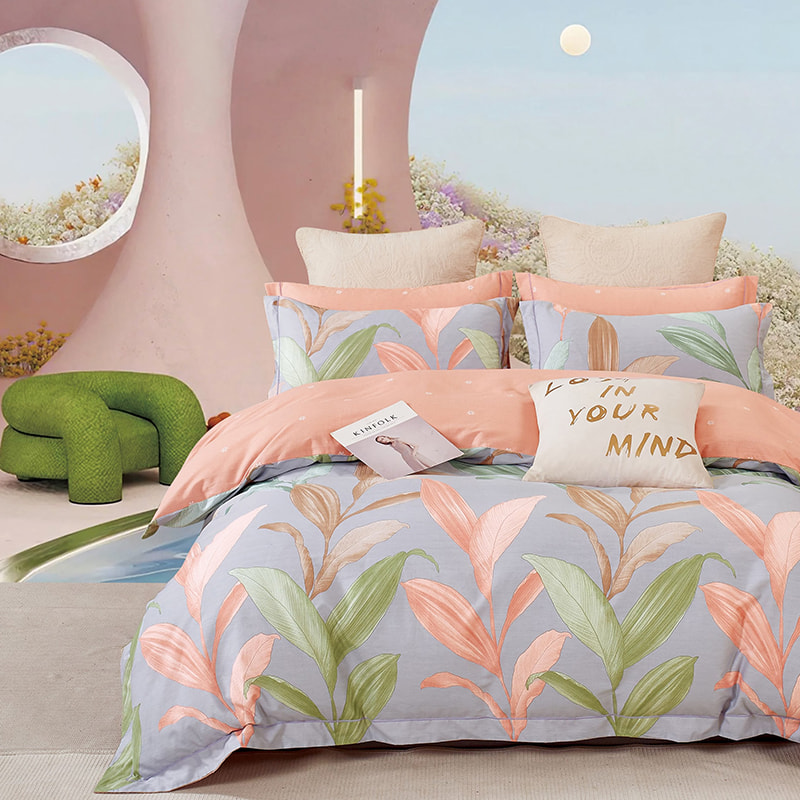
FunctionSkin-friendly breathable: Natural cotton fiber is soft and comfortable, good for breath, and suitable for the use of moisture.Absorption and perspiration: Good moisture absorption, keep dry bo...
See Details -
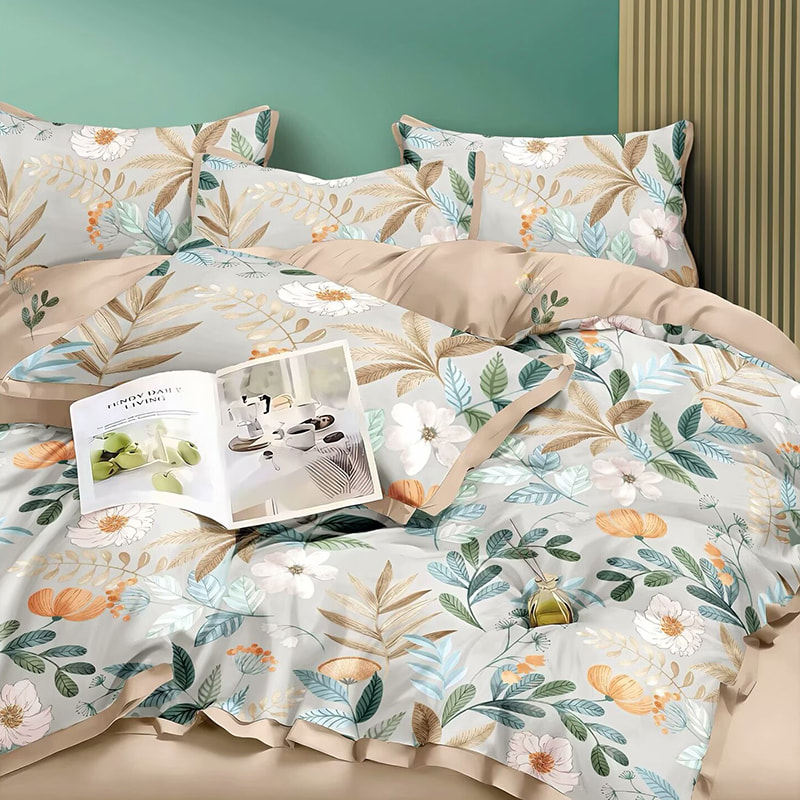
FunctionMore delicate and skin-friendly: Higher than 12868,13372, the fabric is more delicate and soft, the touch is better and more.Breathable: High-density cotton structure further improves moisture...
See Details -
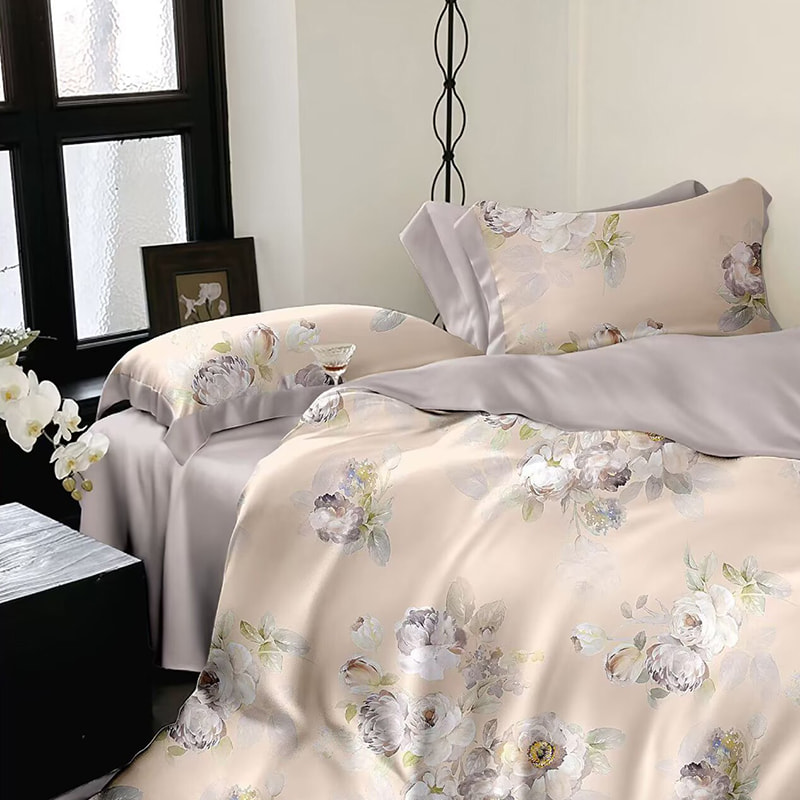
Function Extreme skin affinity: Day silk fiber is soft and smooth, touch like silk, suitable for close-fitting use of moisture. Absorption and breathability: moisture absorption and sweat performance,...
See Details -
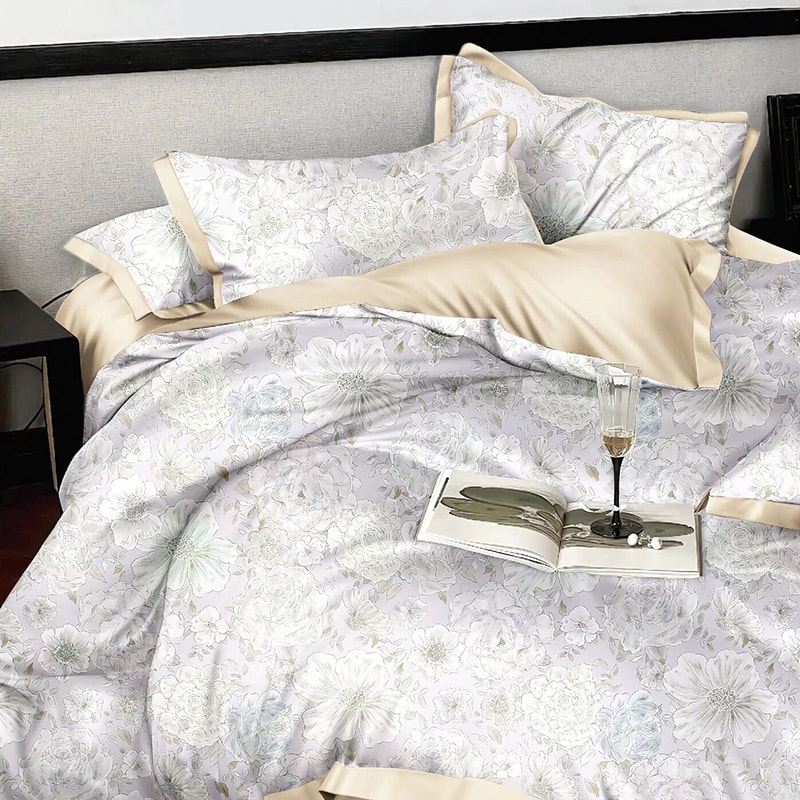
FunctionMore delicate and skin-friendly: Compared with 50S, 60S silk fiber is thinner, softer, smoother, more comfortable for close use, and more moisture absorption.Breathable: Higher branches improv...
See Details -
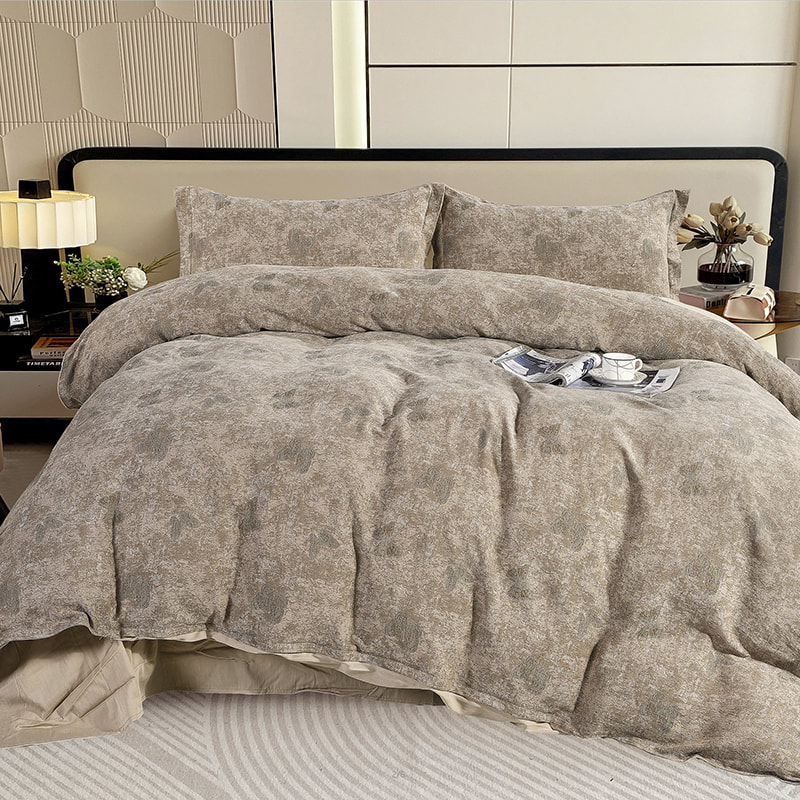
Function Luxury touch: The fiber is soft and smooth, and the jacquard process adds a three-dimensional texture. Touch like silk moisture absorption: moisture absorption performance keeps dry and comfo...
See Details -
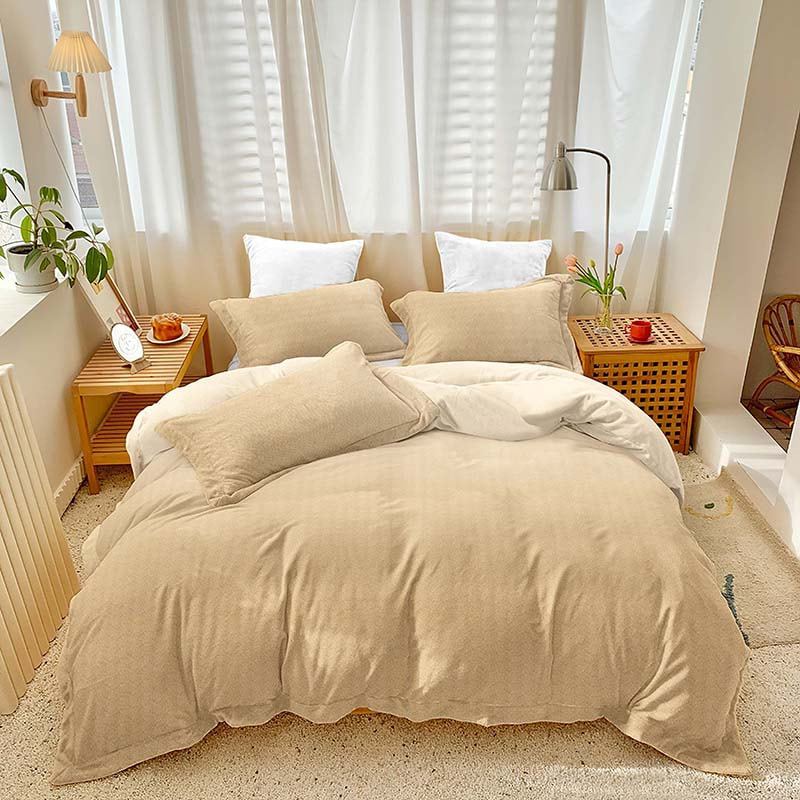
Function Fine pattern performance: Digital printing is higher precision than round net printing, richer color, more delicate pattern, fast dry.Easy to care: The polyester fiber characteristics are unc...
See Details -
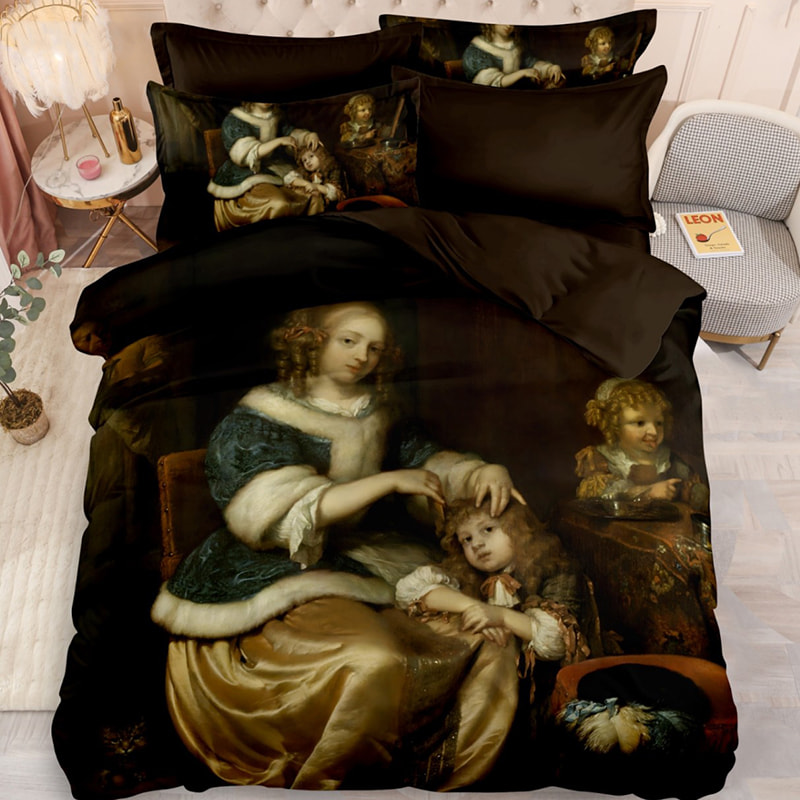
FunctionFine pattern performance: Digital printing is higher precision than round net printing, richer color, more delicate.Durable anti-wrinkle: 130g polyester fiber fabric has a vertical feeling, an...
See Details -
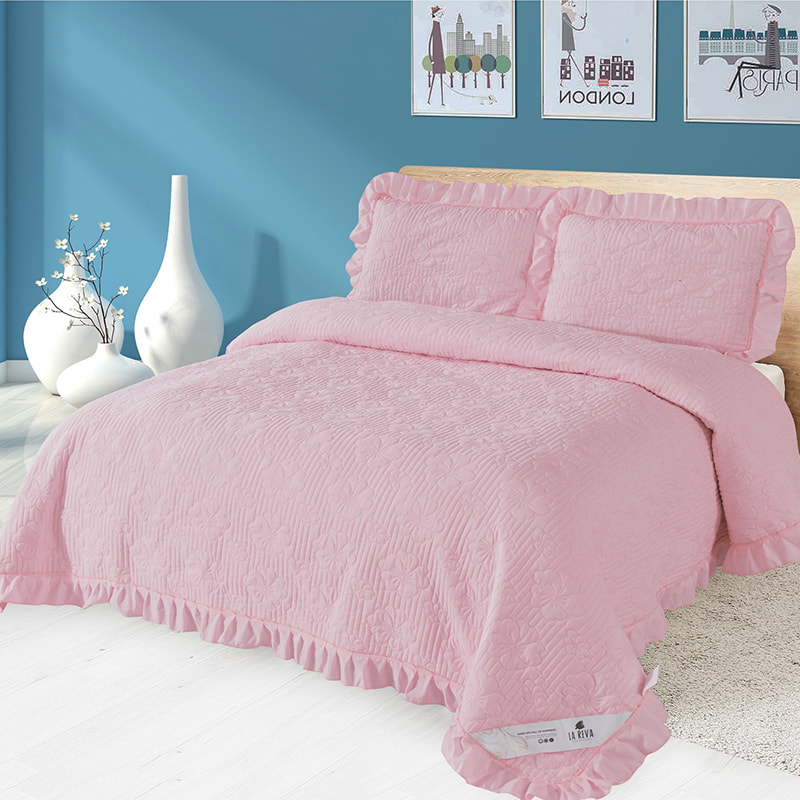
FunctionThin and light: The ultrasonic process does not create pinholes or quilting thread, and the fabric is thin and smooth.Strong decoration: Lace elements add an elegant and romantic sense, enhanc...
See Details -
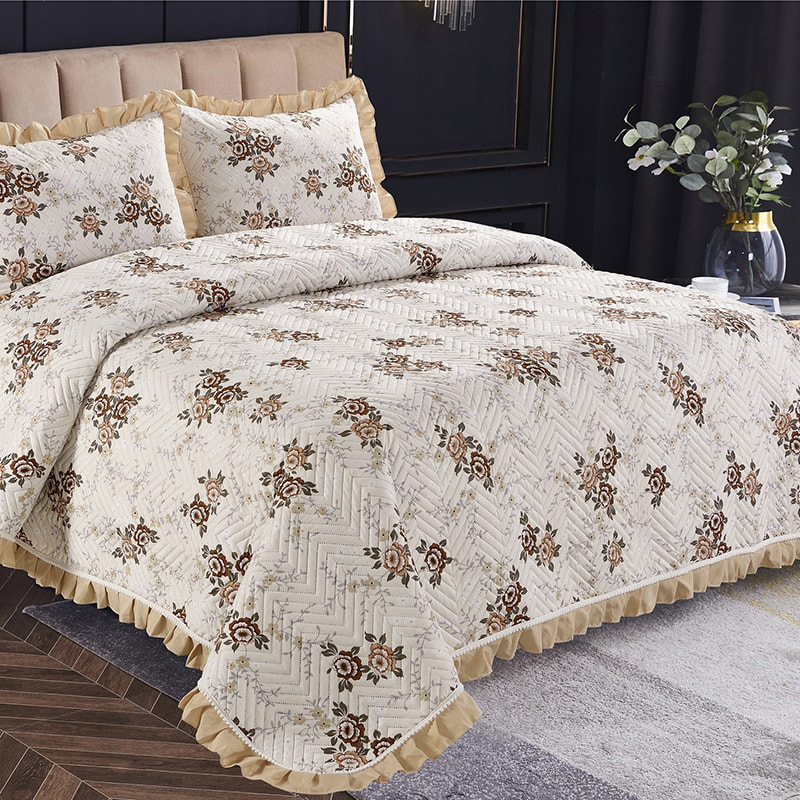
FunctionThin and light: The ultrasonic process does not create a pinhole or quilting thread, and the fabric is thin and smooth.Strong decorative: Print patterns add a sense of art and design, enhancin...
See Details
