

 English
 Español
 عربى
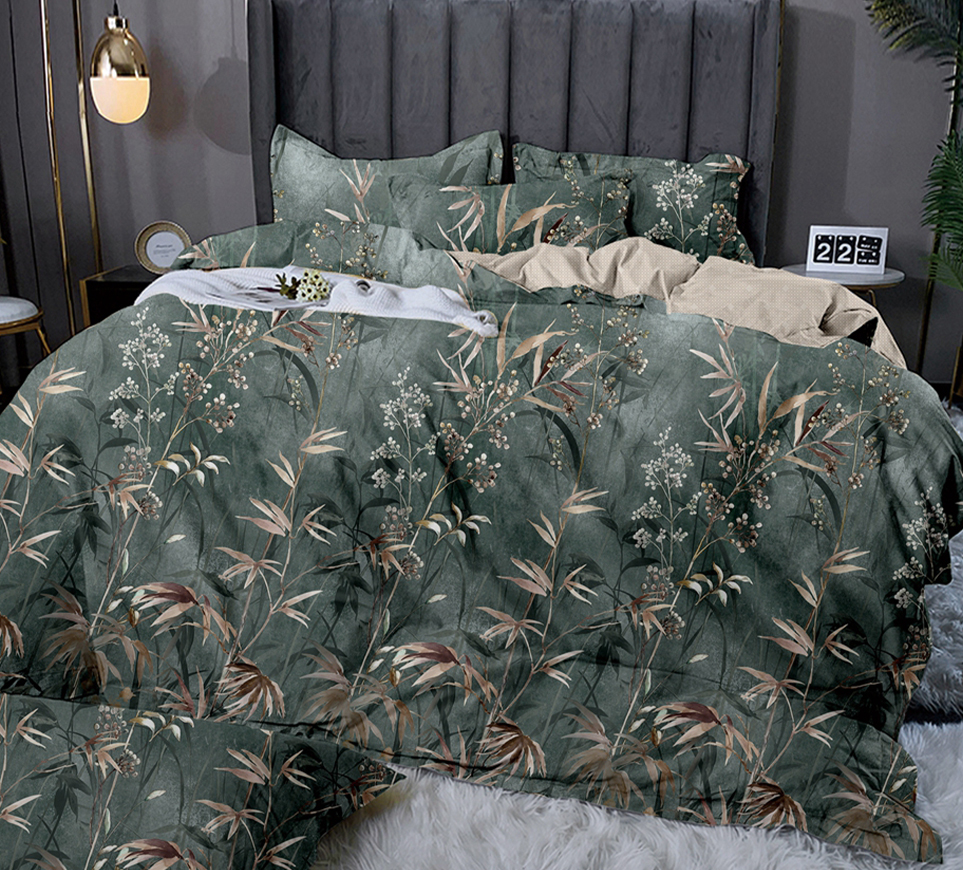
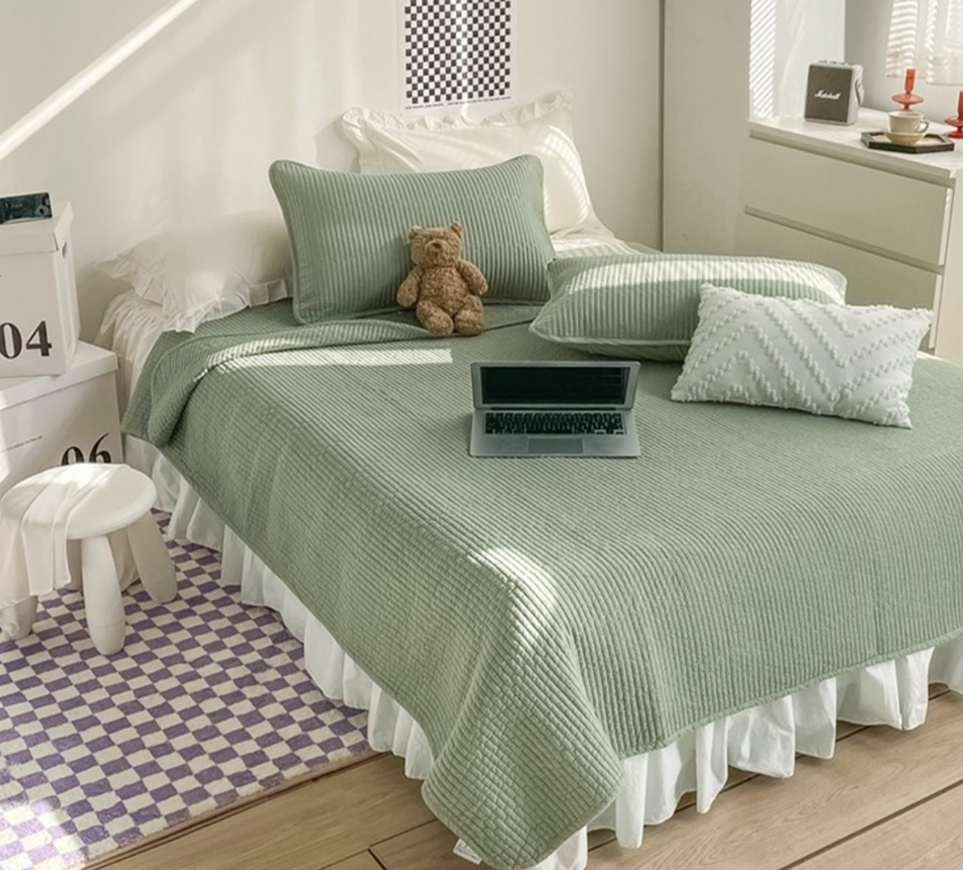
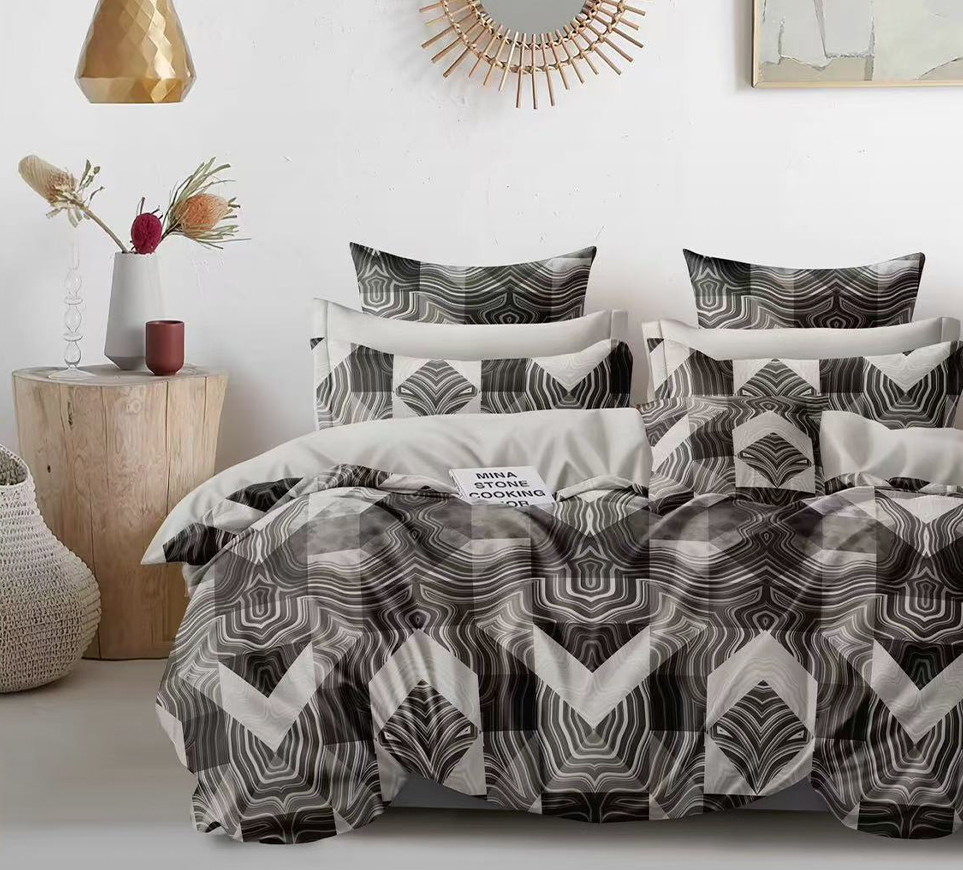
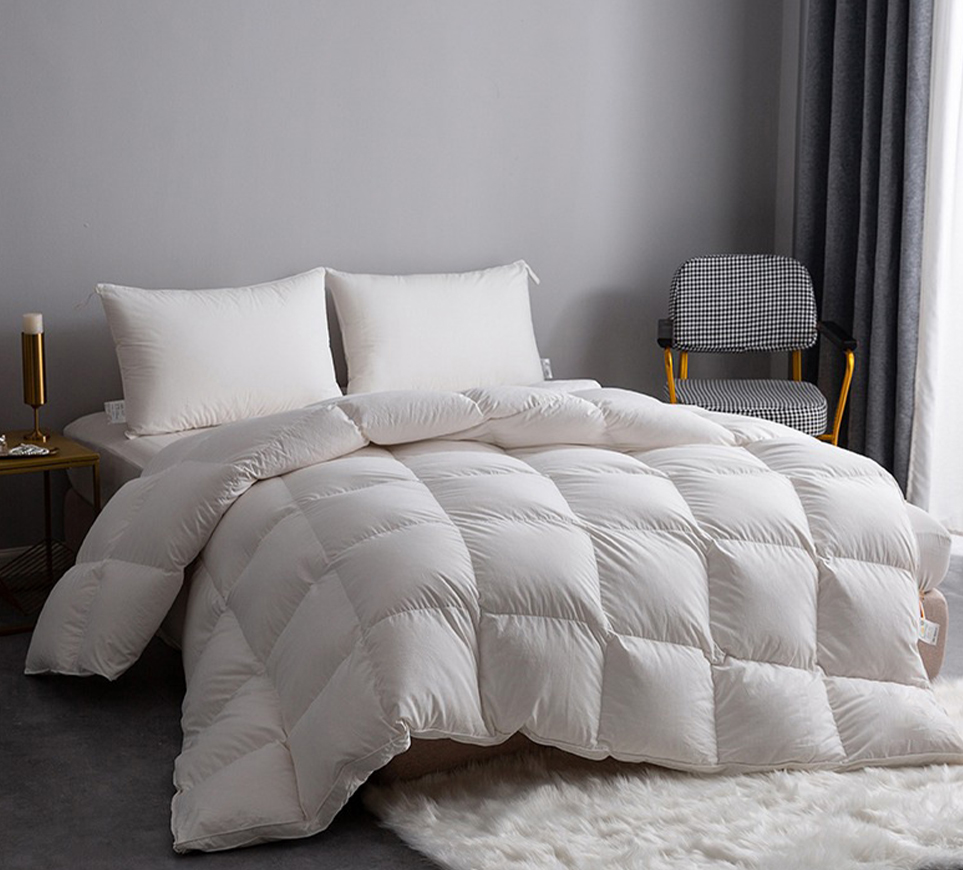
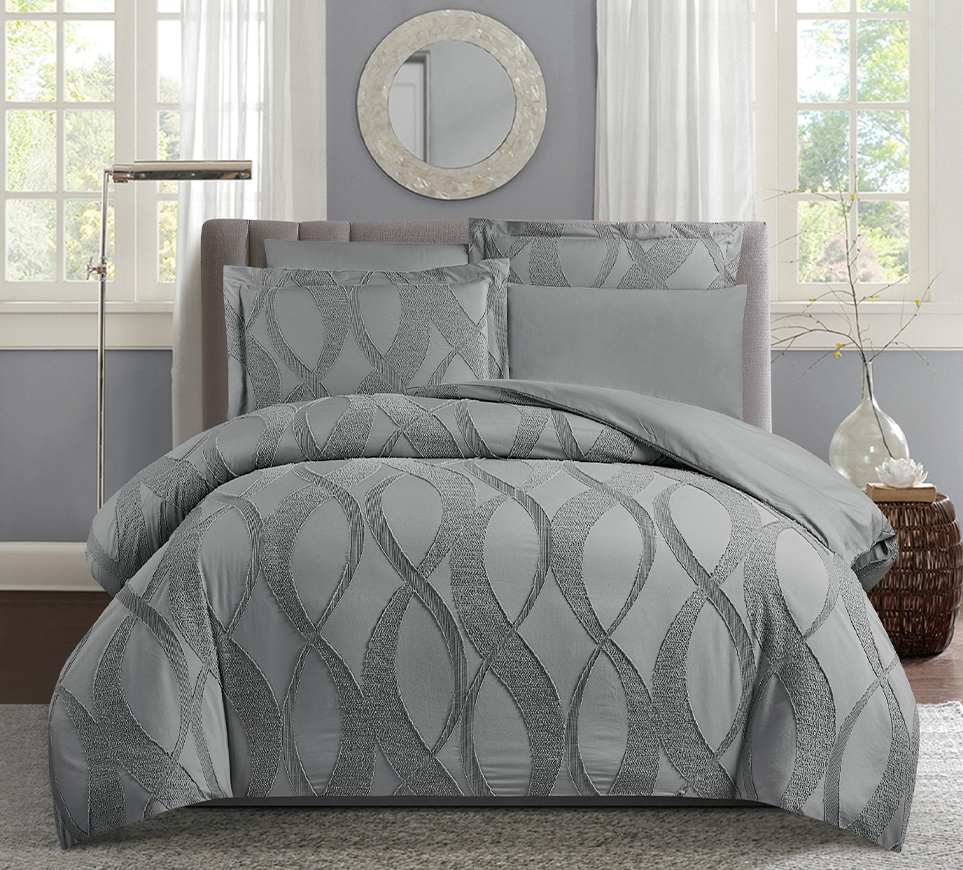
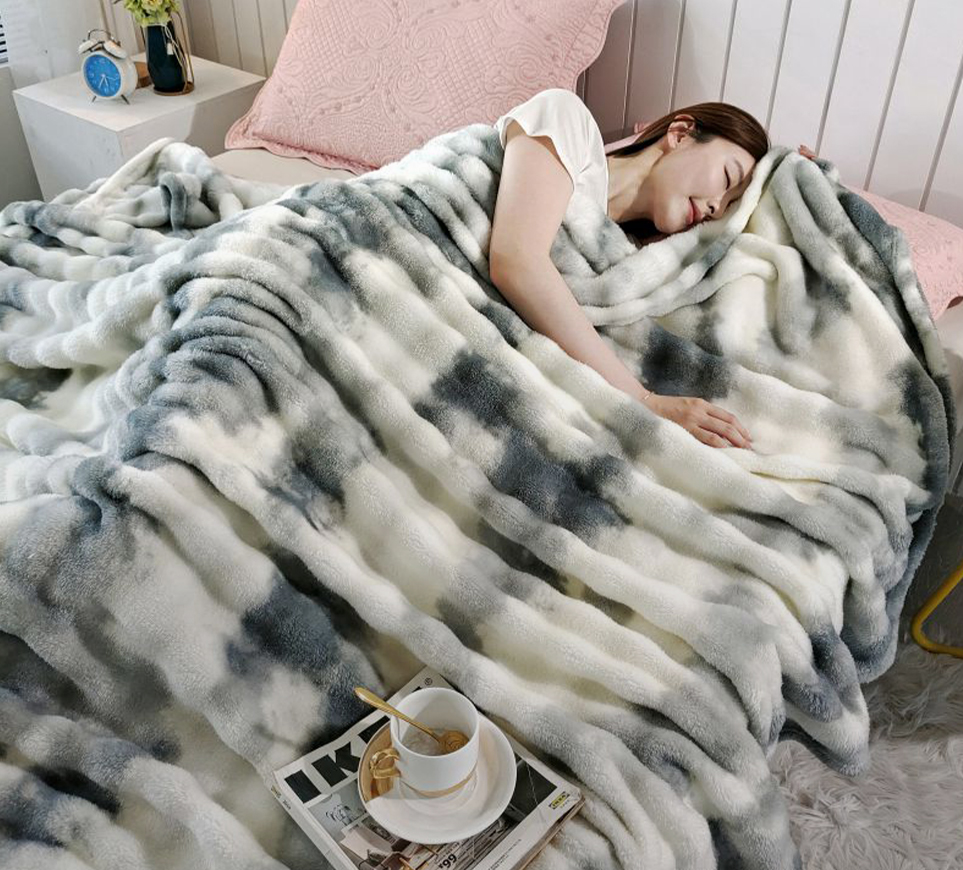
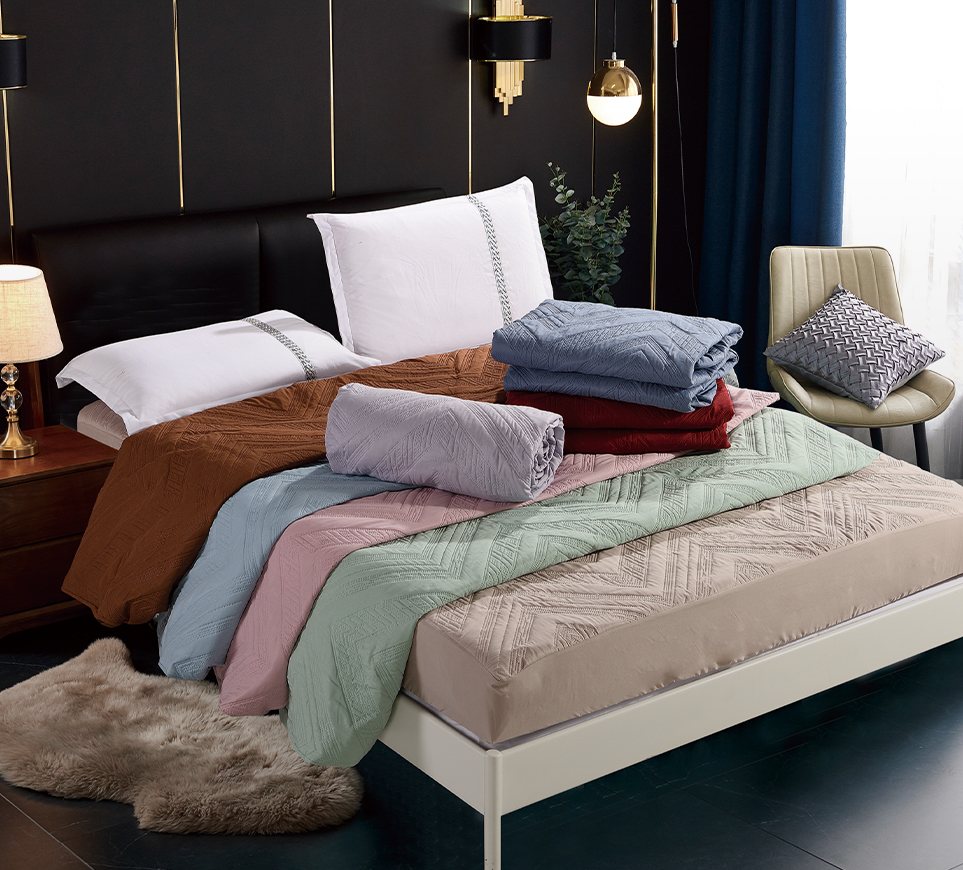

FunctionFast dry and easy to care: Not easy to shrink, no ironing and anti-wrinkle, fast drying after machine washing.Durable and fade resistant: Strong wear resistance, high color fastness, long-term...
See DetailsWhy Choose Us?
Established in 2008, with a 3,000m² professional factory, over 50 employees, and 5 departmental managers.

Coming From China, Marketing To The World.
Twin Duvet Covers Sourcing Guide: Sizes, Fabrics, MOQs and Wholesale Planning
Nov 17, 2026
Content
- 1 Twin Duvet Covers: Start With the Size Map, Not the Price List
- 2 What Buyers Usually Get Wrong About Twin Duvet Covers
- 3 Fabric Choices for Twin Duvet Covers: Match the Market, Not the Catalog
- 4 Construction Details That Decide Whether Twin Duvet Covers Sell Through
- 5 MOQ, Packing and Lead Time: The Commercial Side of Twin Duvet Covers
- 6 Hotel, Retail and Online Channels Need Different Twin Duvet Cover Programs
- 7 Quality Checks and Sampling for Twin Duvet Covers
- 8 A Practical Sourcing Checklist for Twin Duvet Covers
- 9 FAQ: Twin Duvet Covers for Buyers and Product Teams
- 9.1 What is the standard size of a twin duvet cover?
- 9.2 Are twin duvet covers the same as single duvet covers?
- 9.3 Which fabric is best for wholesale twin duvet covers?
- 9.4 Can you customize printed twin duvet covers?
- 9.5 What is the MOQ for twin duvet covers?
- 9.6 Are these duvet covers suitable for hotels?
- 9.7 How do you prevent shrinkage and pilling?
- 9.8 How should buyers compare twin duvet cover suppliers?
Twin duvet covers look simple on a purchase order, but they are one of the easiest bedding items to get wrong. A buyer often starts with a target price, a reference photo and a rough size, then discovers after sampling that the duvet cover fits the insert poorly, the fabric feels different after washing, or the packaging does not match the retail channel. The first decision should be the size standard your market actually uses, followed by fabric route, construction details, packing and order planning.
This guide is written for importers, retail product teams, hospitality buyers and wholesale distributors who are comparing twin duvet covers from a manufacturer or supplier. It covers the size differences between US Twin, UK Single, EU Single and Australian Single, the fabric choices that suit different price bands, the construction details that affect returns, and the commercial points that matter when you move from samples to bulk production. At Nantong Noble International Trade Co., Ltd., our product range includes quilt cover sets, bed sheet sets, comforters, bedcovers and hotel linen, so the examples below reflect the kind of specifications that come up in real sourcing conversations.
Key takeaway: lock the market size, insert dimensions and post-wash tolerance before you discuss unit price.
Twin Duvet Covers: Start With the Size Map, Not the Price List
The word twin does not mean the same thing in every market. In the United States, a twin bed is a single-occupancy bed, and a twin duvet cover is usually matched to a twin duvet insert rather than a double or queen insert. In the United Kingdom, the same general bed type is usually called single, with a 135 x 200 cm duvet cover as a common reference. In parts of Europe, single sizes may be 135 x 200 cm or 140 x 200 cm, while Australian single bedding often follows a different length and width. If a buyer treats twin duvet covers as one universal size, the first sample review can turn into a size correction before any fabric discussion begins.
A practical sourcing brief should separate four numbers: the finished duvet cover size, the recommended insert size, the seam allowance, and the expected size after washing. The first two numbers are not always identical. A duvet cover needs enough internal room for the insert to sit comfortably, especially when the insert is lofted or filled with a thicker comforter. If the cover is cut too close to the insert size, the corners can pull, the zip can strain, and the cover may look short after a few washes. If it is cut too large, the insert can shift and the surface can look loose. The right allowance depends on the fabric, the insert loft and the market expectation, so it should be written into the specification rather than left to a verbal comment.
| Market and common name | Reference duvet cover size | Typical insert match | Buyer note |
|---|---|---|---|
| US Twin | About 173 x 218 cm, or 68 x 86 in | US Twin duvet insert | Confirm whether the program is standard Twin or Twin XL |
| US Twin XL | About 173 x 229 cm, or 68 x 90 in | Twin XL insert | Dormitory and hospitality programs often use this length |
| UK Single | About 135 x 200 cm | UK single duvet insert | Check the tog rating and insert loft before setting the cover size |
| EU Single | About 135 x 200 cm or 140 x 200 cm | EU single insert | Do not assume one European size fits every country |
| Australian Single | About 140 x 210 cm | Australian single insert | Length difference is easy to miss when copying a US specification |
| Japanese Single | About 150 x 210 cm | Japanese single insert | Retail folding and packaging may follow local display habits |
The same size discipline applies to packaging. A twin duvet cover packed for a retail shelf, a hotel linen room or an online parcel does not need the same fold. If the buyer wants a hanging pack, a zipper bag with an insert card, or a compressed parcel, the factory needs that information before cutting and sewing. Otherwise the product may be correct but the presentation may not match the sales channel. A simple size and packing confirmation sheet can prevent a lot of back-and-forth later.
Key takeaway: put the finished size, insert size, seam allowance and post-wash tolerance into one signed specification sheet.
What Buyers Usually Get Wrong About Twin Duvet Covers
Most problems with twin duvet covers are not mysterious. They come from a brief that is too loose in a few predictable areas. The first is treating twin as a small double. The second is reducing the whole fabric discussion to grams per square metre. The third is ignoring the small construction parts that customers notice every day: the closure, the corner ties, the opening position and the laundry label. A cover can pass a visual inspection and still create returns if the insert moves inside it or the zip catches on the first use.
- Using a bed sheet size as a duvet cover size, which leads to an insert that does not fill the corners evenly.
- Asking only for fabric weight without confirming yarn count, weave, finish and shrinkage performance.
- Forgetting internal corner ties, which are especially important for twin duvet covers because the insert is narrower and can shift more visibly.
- Approving a print from a small swatch without checking repeat scale, panel alignment and cutting waste.
- Leaving the closure specification open. A hidden zip, a button placket and a tie closure all create different sewing time and different customer expectations.
- Ignoring the packed size, because a fluffy duvet cover can raise freight cost even when the unit price looks competitive.
- Not stating the wash test method, so the buyer and supplier measure shrinkage and appearance after different cycles.
A useful corrective is to build a one-page product brief with photos, measurements, fabric composition, weight range, closure type, internal tie details, label placement, packing method and acceptance criteria. When this brief is used for the first sample, the second sample and the bulk inspection, the conversation becomes much more factual. It also gives the supplier a fair chance to quote accurately, because the cost of a hidden zip, a printed panel or a retail insert card is not the same as a simple bagged cover.
Key takeaway: a twin duvet cover brief should define the insert fit, closure, corner ties, print repeat and packing before the first quote is compared.
Fabric Choices for Twin Duvet Covers: Match the Market, Not the Catalog
The right fabric for twin duvet covers depends on how the product will be sold, washed and replaced. A hotel buyer may care more about repeat washing, colour consistency and order replenishment. A retail buyer may care more about hand feel, shelf presentation and the story on the hangtag. An online seller may care about wrinkle appearance after unpacking, review complaints and parcel weight. There is no single best fabric route, but there are clear starting points for different programs.
Polyester and Microfiber: Volume Programs and Easy Care
Polyester and microfiber remain common for twin duvet covers because they can support volume programs, predictable colour matching and easy-care messaging. In the bedding ranges on this site, polyester bed sheet sets are offered in 90gsm, 130gsm and 160gsm, with different widths and minimalist styles. For duvet covers, the same logic applies: a lighter weight can suit value-focused or warm-climate programs, while a heavier weight can give a more substantial hand feel. The important question is not only the weight. Buyers should also ask about the weave, the finish, the shrinkage test and the pilling result after repeated washing. A 160gsm polyester article can be designed to resist deformation and pilling when the yarn, weave and finishing route are controlled, but the specification still needs to be tested rather than assumed.
For wholesale twin duvet covers, polyester is often a practical route for hospitality overflow, rental bedding, promotional ranges and online value tiers. It can also be blended with other fibres or finished to imitate a softer cotton touch. The buyer should decide whether the market will accept a synthetic hand feel, whether the product will be ironed, and whether the packaging will show the fabric clearly. If the answer is yes, polyester can be a commercially efficient route, but it should not be presented as something it is not.
Pure Cotton: Retail Comfort and Hotel Expectations
Pure cotton is still the reference point for many buyers because it offers breathability, a familiar hand feel and a straightforward retail story. On this site, pure cotton bed sheet sets include 12868 and 13372 specifications, with descriptions around softness, breathability and durability. For twin duvet covers, cotton can be used for retail programs, guest rooms and gift ranges, but the buyer needs to confirm the yarn count, density, finish and shrinkage behaviour. Cotton that is not properly controlled can shrink more than expected, especially when the cover is washed hot or tumble dried. A pre-shrunk or tested construction is usually easier to manage in a retail program because the customer expects the cover to fit after the first wash.
Print is another decision point. A digital printed cotton duvet cover may look attractive in a lookbook, but the print repeat, colour fastness and panel layout all affect cutting efficiency and final cost. If the design has a large motif, the factory may need more fabric per cover to align the pattern. If the design is small and repeating, the waste can be lower. Buyers should approve the print on the actual fabric, not only on paper, because the same artwork can look different on a matte cotton surface and on a smoother polyester surface.
 Cozy Soft Elegance Quilt Cover SetsFor buyers weighing printed cotton options, these quilt cover sets offer durable, breathable, colorfast bedding with secure closures and material, size and color customization.View Product →
For buyers building a soft-touch retail range, quilt cover sets in cozy and elegant constructions can sit naturally beside pure cotton sheet programs. The cover should be reviewed with the insert inside, not flat on a table, because the drape and corner fit change once the product is filled.
Tencel and Blends: Softness-Led Ranges
Tencel and Tencel-blend duvet covers are usually positioned toward a softer, smoother and more premium hand feel. On this site, Tencel bed sheet sets include 50s and 60s specifications, jacquard styles and minimalist series described with terms such as silky, breathable and luxury. A twin duvet cover in this family can suit buyers who want a step-up range without moving into a much higher price tier. The sourcing questions are practical: how the fabric behaves after washing, whether it wrinkles easily, how it should be ironed, and whether the retail packaging protects the surface during transport. Because the hand feel is a major selling point, a small change in finish or calender pressure can change the customer's perception.
Blends can also be useful when a buyer wants to balance cost, softness and durability. A blend is not automatically better or worse than a single-fibre fabric. It is a tool. The buyer should ask for the exact composition, the test method and the care recommendation. If the product will be sold in a market where customers read fibre labels carefully, the composition should be clear and consistent from sample to bulk.
Velvet and Winter Fabrics: Seasonal Duvet Covers
Velvet and brushed fabrics change the seasonality of a twin duvet cover program. A velvet duvet cover set can be positioned for autumn and winter, where the customer is buying warmth, texture and a richer bedroom look. The trade-off is usually packing volume, care instructions and the need to manage pile direction and crush marks. A soft winter fleece blanket or milk velvet bedding set follows similar commercial logic: the product may be seasonal, but the buyer still needs a clear size map, a stable colour range and a packing method that protects the surface.
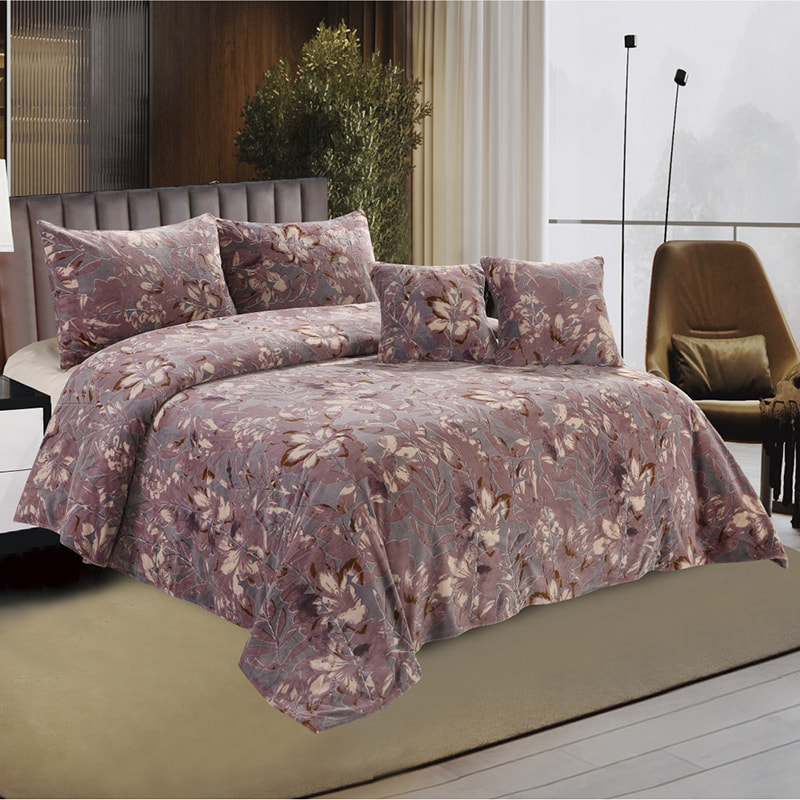 Velvet Duvet Cover Set for Autumn and WinterFor seasonal duvet programs, this high-density suede set offers warmth, soft touch, colorfast durability and OEM customization for autumn and winter bedding.View Product →
Seasonal products also need a calendar. If a retail buyer wants velvet twin duvet covers on shelf before the cold season, the sampling, colour approval, bulk production and shipping plan must be worked backward from the shelf date. A good supplier will ask about the launch window before confirming the fabric because the finishing route and packing method can affect the production schedule.
Illustrative wholesale fit by fabric route for twin duvet covers
Polyester /
microfiber
microfiber
Pure
cotton
cotton
Tencel
blend
blend
Velvet /
winter
winter
Hotel
polycotton
polycotton
This chart is a planning view, not a laboratory rating. It shows how different fabric routes often sit in a wholesale program: polyester and microfiber are frequently used for volume and easy care, pure cotton for retail comfort, Tencel blends for softness-led ranges, velvet for seasonal warmth, and polycotton for hospitality programs that need a balance of hand feel and repeat washing. The bars are illustrative because the actual position depends on yarn count, density, finish, stitching and the market's price expectation. A buyer should use this kind of comparison to frame a discussion with a manufacturer, then confirm the final route with lab tests, sample reviews and a packed-product check.
For our own product planning, the fabric route is matched to the rest of the bedding set rather than chosen in isolation. A printed quilt cover set may be developed alongside a digital printed bed sheet set, while a soft cotton duvet cover may be paired with a pure cotton sheet program. This makes it easier for a wholesale buyer to build a coordinated range without mixing too many fabric stories in one collection.
Key takeaway: choose the fabric route from the market's wash habits, price band and season, then prove it with a washed sample.
Construction Details That Decide Whether Twin Duvet Covers Sell Through
Construction is where a low-cost twin duvet cover and a repeat-order twin duvet cover often separate. The difference is not always visible in a photo. It shows up in the corner ties, the closure, the seam allowance, the opening position and the way the cover behaves after washing. A buyer should look at these details with the insert inside, because a flat cover can hide problems that appear when the product is filled and used.
- Internal corner ties should be positioned to match the insert loops and should be long enough to tie without pulling the corners tight.
- The closure should be specified as hidden zip, visible zip, button placket or tie closure. Each option has a different cost, repair risk and customer expectation.
- The opening should be wide enough for the insert to be added without stretching the fabric, especially on thicker winter duvet covers.
- Seam allowance and overlocking should be consistent. A narrow seam can fail after washing, while an uneven seam can pucker the surface.
- Print alignment should be checked at the centre panel and at the pillowcase, if the set includes pillowcases.
- Care labels, fibre labels and any retail hangtags should be confirmed before bulk sewing, not after packing.
- Colour fastness, dimensional stability and pilling should be reviewed against the buyer's test method, not only against a visual sample.
For twin duvet covers, the insert fit is closely tied to construction. A narrow cover with a strong zip can put stress on the stitching when the insert is pushed in. A cover with weak corner ties may allow the insert to slide down, leaving an empty section at the top. A cover with a button placket needs buttonhole quality checks because a missed stitch can cause a return. These are small details, but they are exactly the details that customers mention in reviews and that hotel housekeeping teams notice during bed changes.
At the sample stage, it helps to ask for a filled photo, a flat photo and a close-up of the closure and corner tie. The filled photo shows the drape and proportion. The flat photo shows the cut and print alignment. The close-up shows the finishing. If the factory can provide a washed sample as well, the buyer can compare the size, surface and colour before placing the bulk order.
Key takeaway: add zip smoothness, corner tie position and post-wash size change to the inspection checklist before approving bulk.
MOQ, Packing and Lead Time: The Commercial Side of Twin Duvet Covers
Once the size and fabric are fixed, the commercial questions become more concrete. What is the minimum order quantity? Can colours be mixed? What packing is included? How long does sampling take? When can bulk ship? These questions are not separate from the product. They shape the cost and the risk. A twin duvet cover with a custom print, a hidden zip, a retail insert card and a compressed parcel is a different project from a plain cover in a simple polybag, even if both are called twin duvet covers.
MOQ usually depends on the fabric route, the print design and the packing method. A stock fabric in a plain colour may allow a more flexible order than a custom digital print with several colourways. If the buyer wants a mixed colour assortment, the factory needs to plan cutting, sewing and packing by colour to avoid short shipments. If the buyer wants a retail-ready pack, the packaging materials and label approval can add time. The practical approach is to share the target quantity, colour breakdown, packing reference and delivery window at the inquiry stage, then ask the supplier to confirm what is feasible rather than assuming one MOQ applies to every product.
Packing deserves its own review. A twin duvet cover may be packed in a polybag, a fabric bag, a zipper bag with a printed insert card, or a compressed parcel for online sales. The buyer should confirm the folded dimensions, the bag material, the barcode placement, the warning text, the fibre label and the carton mark. If the product is going to a marketplace or a retail distribution centre, the label and carton requirements should be checked before production. A cover that is correct but packed with the wrong label can still be rejected.
Lead time is affected by fabric availability, print approval, sewing capacity and packing. Our Nantong-based operation has a 3,000 square metre factory, more than 50 employees and an annual capacity described as 3 million sets. That capacity does not remove the need for planning, but it gives buyers a useful starting point for a conversation about volume, repeat orders and seasonal peaks. Custom materials, sizes and colours can be discussed against a clear specification, and product images or reference samples can help the supplier understand the target look before quoting.
Key takeaway: keep size, fabric, packing and inspection criteria in one purchase confirmation so that MOQ and lead time are quoted against the same product.
Hotel, Retail and Online Channels Need Different Twin Duvet Cover Programs
The same twin duvet cover can be sold through different channels, but the product emphasis should change. A hotel program is usually judged on repeated washing, colour consistency and housekeeping speed. A retail program is judged on hand feel, shelf presentation and the story on the pack. An online program is judged on the first impression after unpacking, the review comments and the parcel weight. Buyers who treat these channels as identical often end up over-specifying one detail and under-specifying another.
Hospitality Programs
For hotels, serviced apartments and guest houses, twin duvet covers should be planned with the laundry cycle in mind. The fabric should be tested for shrinkage, colour change and surface wear. The stitching should be clean and consistent because the cover will be changed frequently. The closure should be easy for housekeeping staff to use, and the size should match the standard insert used across the property. A hotel buyer may also need a plain colour program that can be replenished over several years, so the dye lot and fabric source should be discussed before the first order. Our hotel linen range includes polycotton and pure cotton bed sheet sets and hotel comforter sets, which can be reviewed alongside duvet cover requirements for a coordinated guest room package.
Retail and Wholesale
Retail and wholesale buyers usually need a range rather than a single item. A twin duvet cover may be part of a quilt cover set with pillowcases, or it may be sold as a standalone cover. The colour palette, print story and packaging should work together. A wholesaler may want a broad colour assortment with low depth per colour, while a retail chain may want fewer colours with deeper buy quantities. The supplier should know which model applies because it affects fabric booking, cutting efficiency and packing. If the range includes matching bed sheets, a coordinated programme can help the buyer present a complete bedroom set instead of a single cover.
 Soft Cozy Touch Quilt Cover SetsFor retail and wholesale bedding ranges, these soft-touch quilt cover sets offer breathable, colorfast, machine-washable construction with secure closures and material, size and color customization.View Product →
Soft cozy touch quilt cover sets can work well in a retail or wholesale range where the customer is looking for a comfortable everyday product rather than a highly technical fabric story. The cover should still be checked for insert fit, closure quality and packing, because a soft hand feel does not replace construction control.
Online and Marketplace Sellers
Online sellers often need twin duvet covers that look good in a photo and survive a parcel journey. Wrinkle appearance, colour accuracy and packed size matter. A cover that arrives creased may still be acceptable if the product page explains the care method, but a cover that looks different from the photo can generate returns. The buyer should approve the product photo with the actual production sample, not a rendered image. If the cover is sold as a set, the pillowcase scale and print placement should also be checked. A compressed pack can reduce freight, but it may increase the need for a quick recovery after unpacking, so the fabric and finish should be chosen with that in mind.
Key takeaway: match the twin duvet cover programme to the channel: laundry durability for hotels, range logic for retail and unpacking appearance for online.
Quality Checks and Sampling for Twin Duvet Covers
A sample that looks good on a table is not enough. The buyer should review a pre-production sample, a washed sample and a packed sample. The pre-production sample confirms the size, fabric, print and construction. The washed sample shows how the cover behaves after the care cycle stated on the label. The packed sample shows the folded dimensions, the bag, the label and the carton mark. These three checks catch different problems, and they are more useful together than a single visual approval.
During bulk inspection, the checkpoints should be specific to the product. Measure the finished length and width at several points. Check the corner ties, the closure and the opening. Look for skipped stitches, loose threads, needle marks and uneven seams. Compare the colour against the approved standard under the agreed light source. Check the print alignment and the pillowcase scale if the set includes pillowcases. Confirm the care label, fibre label and any retail tag. If the buyer has a pilling or shrinkage requirement, the test report should be reviewed against the approved sample. The inspection should also confirm the packed quantity, carton marks and mixed-colour ratio because a correct product in the wrong pack can still delay delivery.
For buyers working with a new supplier, a small trial order is often more informative than a long email exchange. A trial order can test communication, sample accuracy, packing discipline and delivery follow-up. It also gives the buyer a chance to compare the product against the market before committing to a larger season. A manufacturer that can explain the test method, the packing options and the production schedule clearly is usually easier to work with than one that only sends a price sheet.
Key takeaway: approve a pre-production sample, a washed sample and a packed sample before bulk, then inspect against the same checklist.
A Practical Sourcing Checklist for Twin Duvet Covers
Use this checklist to compare suppliers on the same basis. It is not a substitute for your own technical requirements, but it helps keep the conversation complete.
- Confirm the target market size standard and the exact insert size, including loft and corner loop position.
- State the finished duvet cover size, seam allowance and acceptable post-wash tolerance.
- Choose the fabric route by price band, wash habit, season and channel, then confirm composition, weight, yarn count and finish.
- Approve the closure type, opening position, internal corner ties and any button or zip specification.
- Review the print or colour standard on the actual fabric, including repeat scale and panel alignment.
- Confirm care labels, fibre labels, hangtags and any market-specific text.
- Agree the packing method, folded size, bag material, barcode placement and carton mark.
- Ask for the MOQ by colour, fabric and packing option, not as a single number.
- Request a pre-production sample, a washed sample and a packed sample before bulk.
- Write the inspection points and sampling plan into the order confirmation.
- Plan the delivery window backward from the retail or hotel launch date.
- Keep a signed standard sample for reference until the order is closed.
The checklist also helps when comparing a manufacturer, supplier or wholesaler. A supplier that can answer these points with clear samples and written specifications is usually better prepared for repeat business than one that only competes on a headline price. For twin duvet covers, the cheapest quote can become expensive if the size is wrong, the packing is not retail-ready or the fabric does not match the approved hand feel.
Key takeaway: compare twin duvet cover suppliers on specification, sample discipline and packing control, not on unit price alone.
FAQ: Twin Duvet Covers for Buyers and Product Teams
What is the standard size of a twin duvet cover?
There is no single global standard. In the US market, a twin duvet cover is often around 173 x 218 cm, with Twin XL closer to 173 x 229 cm. In the UK, a single duvet cover is commonly around 135 x 200 cm. European and Australian single sizes can differ in both width and length. Always confirm the insert size used in the target market before setting the cover specification.
Are twin duvet covers the same as single duvet covers?
They are related but not always identical. Twin is the common US term for a single-occupancy bed, while single is used in the UK and many other markets. The names may overlap, but the measurements can differ. A buyer should work from centimetres and inches rather than from the label alone.
Which fabric is best for wholesale twin duvet covers?
The best fabric depends on the program. Polyester and microfiber are often used for volume and easy care. Pure cotton is common for retail comfort and hospitality expectations. Tencel blends can support a softer, more premium hand feel. Velvet and brushed fabrics suit seasonal ranges. The decision should be based on the target market, wash method, price band and packing, then confirmed with a washed sample.
Can you customize printed twin duvet covers?
Custom printing is possible when the artwork, repeat scale, fabric and packing are clearly defined. The buyer should approve the print on the actual fabric because colour and detail can look different from a paper proof. The panel layout and repeat size also affect cutting efficiency, so they should be discussed before the final quote.
What is the MOQ for twin duvet covers?
MOQ depends on the fabric, colour, print and packing. A plain stock fabric may allow a more flexible order than a custom print with several colourways. A retail-ready pack may also require a higher quantity than a simple bagged product. The practical approach is to share the target quantity, colour breakdown and packing reference so the supplier can confirm what is feasible.
Are these duvet covers suitable for hotels?
They can be, provided the fabric and construction are specified for repeated washing and frequent bed changes. Hotel buyers should confirm shrinkage, colour fastness, seam quality, closure type and insert fit. A plain colour programme with a stable replenishment plan is often easier to manage than a fashion print with a short life cycle.
How do you prevent shrinkage and pilling?
Start with the correct fabric and finish, then confirm the care instructions and test method. A washed sample should show how the cover behaves after the stated cycle. Pilling is affected by fibre type, yarn, weave and finish, so it should be reviewed against a defined test rather than a quick visual check. If the buyer has a specific requirement, it should be written into the order confirmation.
How should buyers compare twin duvet cover suppliers?
Compare them on sample accuracy, specification clarity, packing control, communication and delivery follow-up. Ask for a pre-production sample, a washed sample and a packed sample. A supplier that can explain these steps clearly is usually easier to manage than one that only provides a low price. A trial order can be a useful next step before a larger seasonal commitment.
Key takeaway: the most reliable twin duvet cover orders start with a clear size map, a tested fabric route and a written inspection plan.
Related reading for twin duvet cover buyers
Why 160gsm polyester bedding resists deformation and pilling Explore matching bed sheet and fitted sheet setsTwin duvet covers are a small category with a lot of specification detail. The size standard changes by market, the insert fit changes by loft, the fabric route changes by channel, and the packing method changes the freight and presentation. A buyer who controls these points before bulk production usually gets fewer surprises and a better chance of repeat orders. A supplier who can work from a clear brief, provide relevant samples and confirm the packing standard is a more useful partner than one who only quotes a price per piece.
For buyers reviewing twin duvet covers alongside quilt cover sets, bed sheet sets, comforters or hotel linen, the strongest approach is to build a coordinated range with one size logic and one quality standard. That makes the assortment easier to present, easier to replenish and easier to inspect. If you are planning a wholesale or custom programme, start with the market size, the insert dimensions and the fabric route, then let the construction and packing follow.
Key takeaway: a twin duvet cover programme is easiest to scale when size, fabric, construction and packing are confirmed as one product system.
Related products
-
-
FunctionFast drying and easy to take care of: Anti-shrinkage and no ironing, fast drying after machine washing, simplified daily care.Durable color protection: High wear resistance and color fastness,...
See Details -

FunctionStrong warmth: High gram weight provides good insulation performance, suitable for low-temperature environments.Durable anti-wrinkle: High-density structure wear and tear resistance, not easy ...
See Details -

FunctionSkin-friendly breathable: Natural cotton fiber is soft and comfortable, good for breath, and suitable for the use of moisture.Absorption and perspiration: Good moisture absorption, keep dry bo...
See Details -
FunctionMore delicate and skin-friendly: Higher than 12868,13372, the fabric is more delicate and soft, the touch is better and more.Breathable: High-density cotton structure further improves moisture...
See Details -
Function Extreme skin affinity: Day silk fiber is soft and smooth, touch like silk, suitable for close-fitting use of moisture. Absorption and breathability: moisture absorption and sweat performance,...
See Details -

FunctionMore delicate and skin-friendly: Compared with 50S, 60S silk fiber is thinner, softer, smoother, more comfortable for close use, and more moisture absorption.Breathable: Higher branches improv...
See Details -
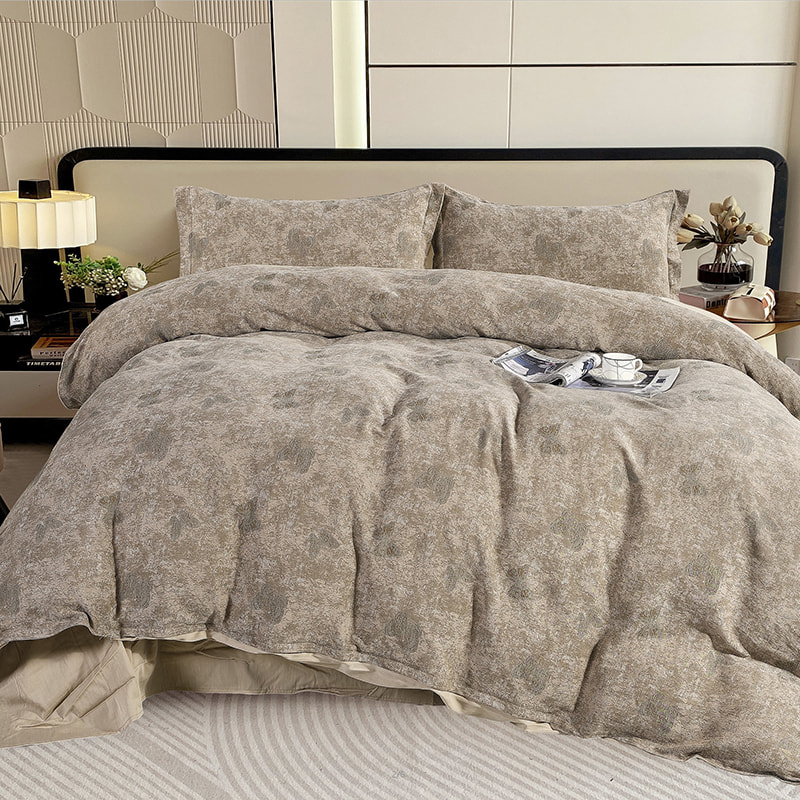
Function Luxury touch: The fiber is soft and smooth, and the jacquard process adds a three-dimensional texture. Touch like silk moisture absorption: moisture absorption performance keeps dry and comfo...
See Details -

Function Fine pattern performance: Digital printing is higher precision than round net printing, richer color, more delicate pattern, fast dry.Easy to care: The polyester fiber characteristics are unc...
See Details -
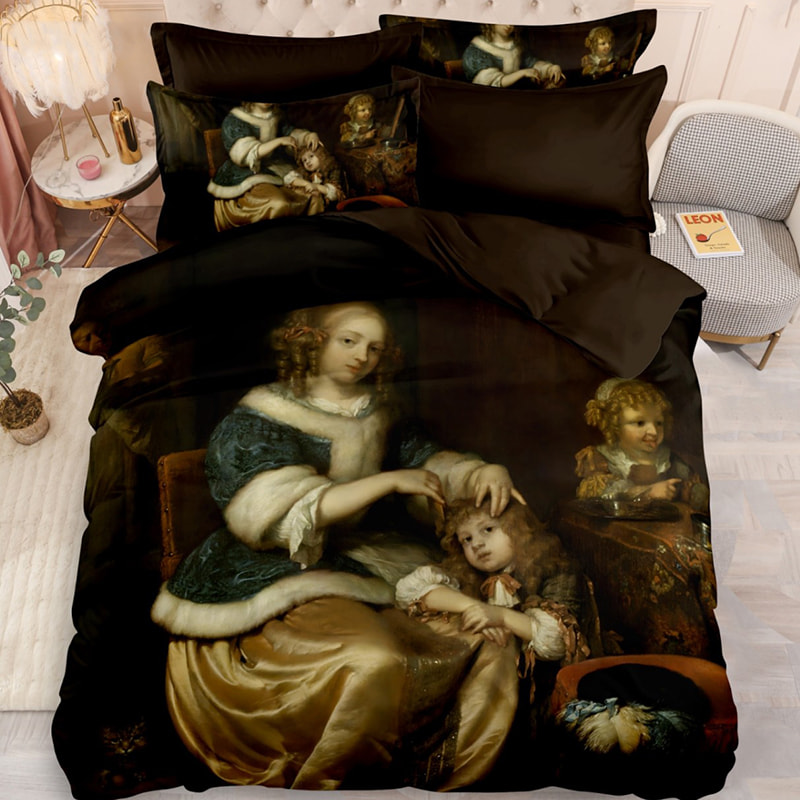
FunctionFine pattern performance: Digital printing is higher precision than round net printing, richer color, more delicate.Durable anti-wrinkle: 130g polyester fiber fabric has a vertical feeling, an...
See Details -
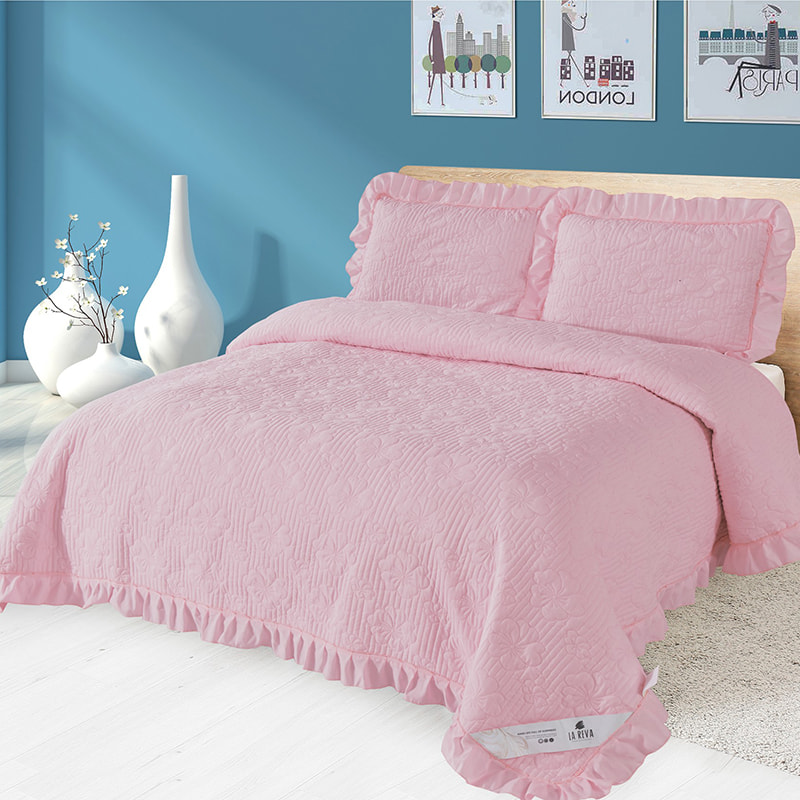
FunctionThin and light: The ultrasonic process does not create pinholes or quilting thread, and the fabric is thin and smooth.Strong decoration: Lace elements add an elegant and romantic sense, enhanc...
See Details -
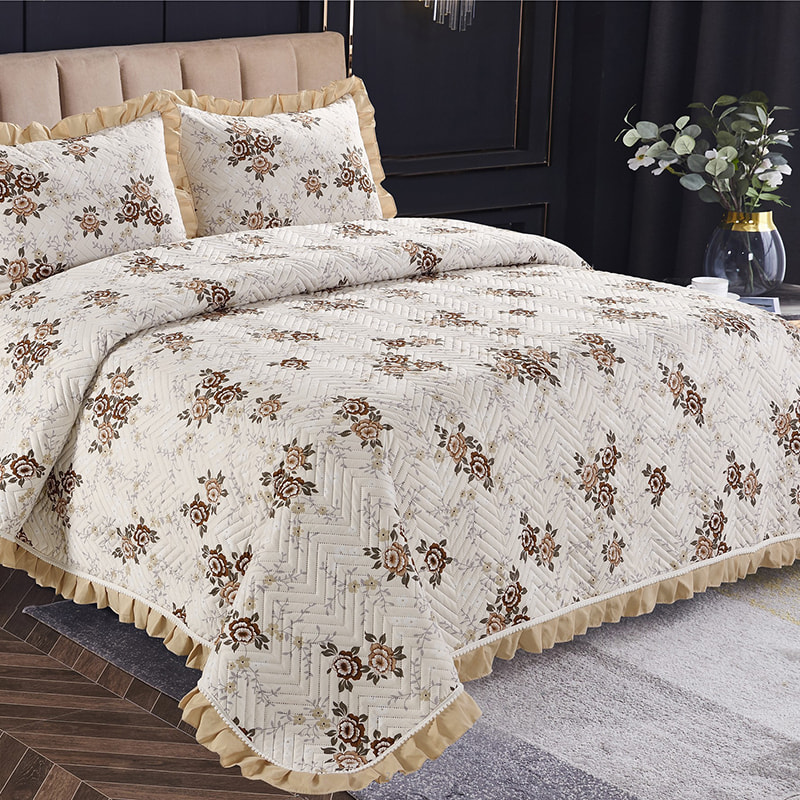
FunctionThin and light: The ultrasonic process does not create a pinhole or quilting thread, and the fabric is thin and smooth.Strong decorative: Print patterns add a sense of art and design, enhancin...
See Details
