

 English
 Español
 عربى
عربى
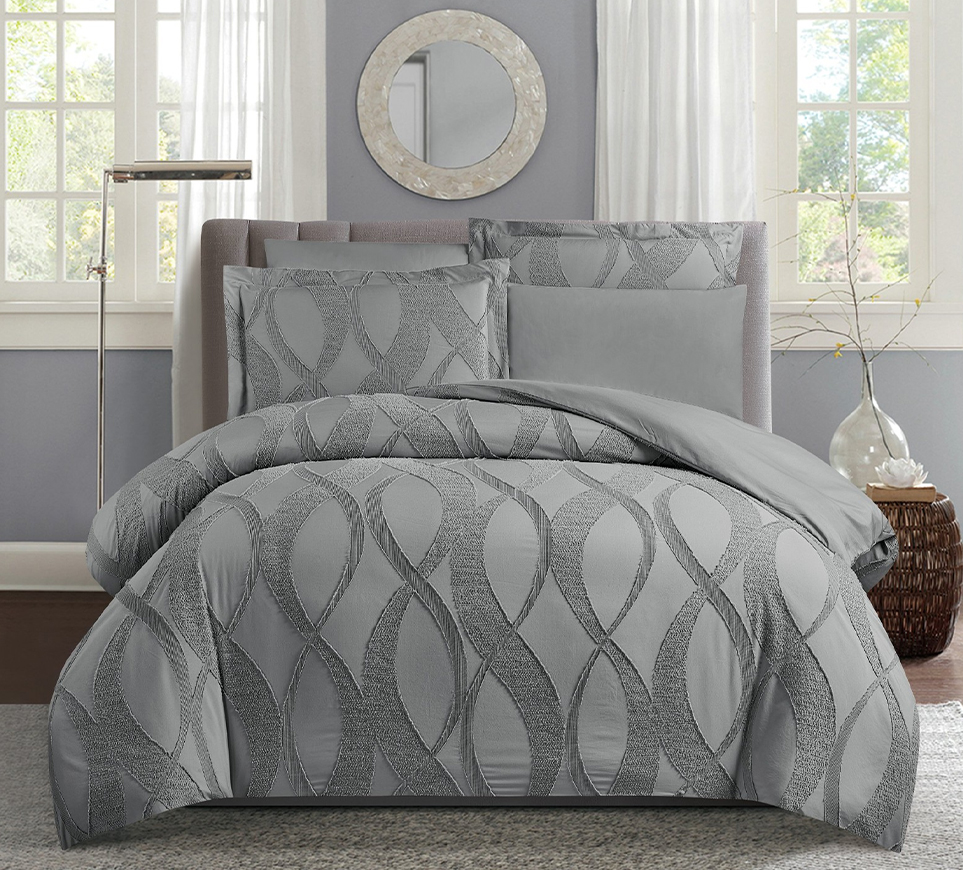
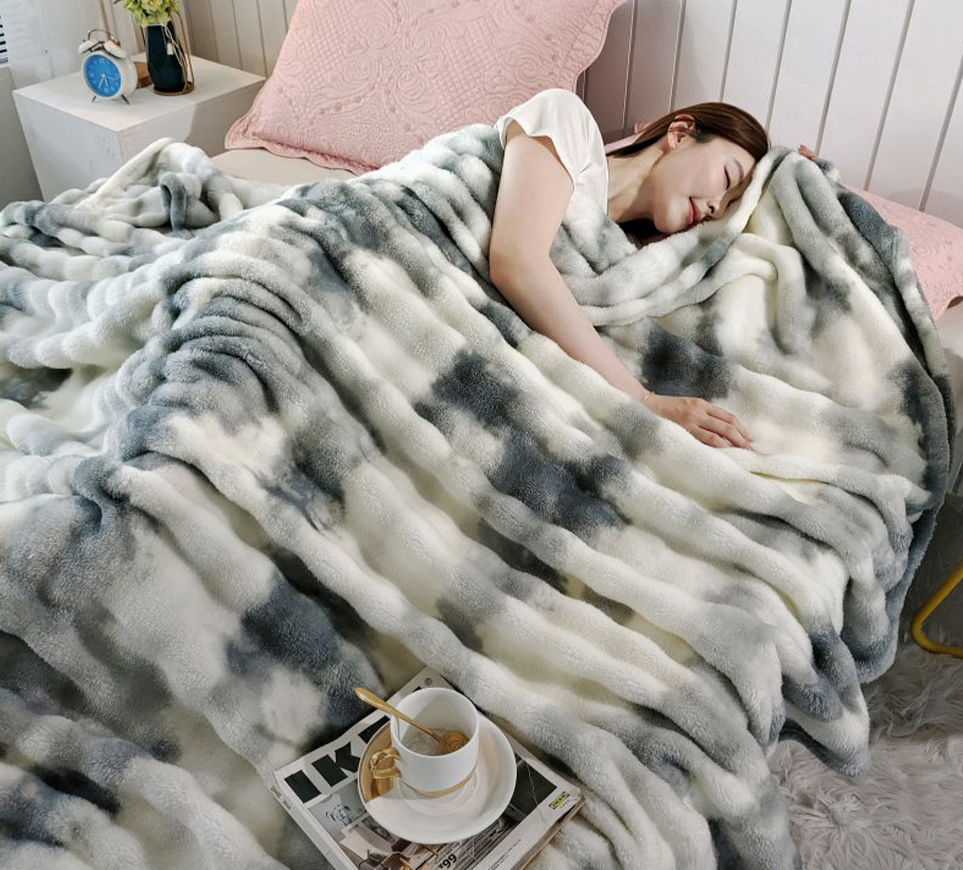
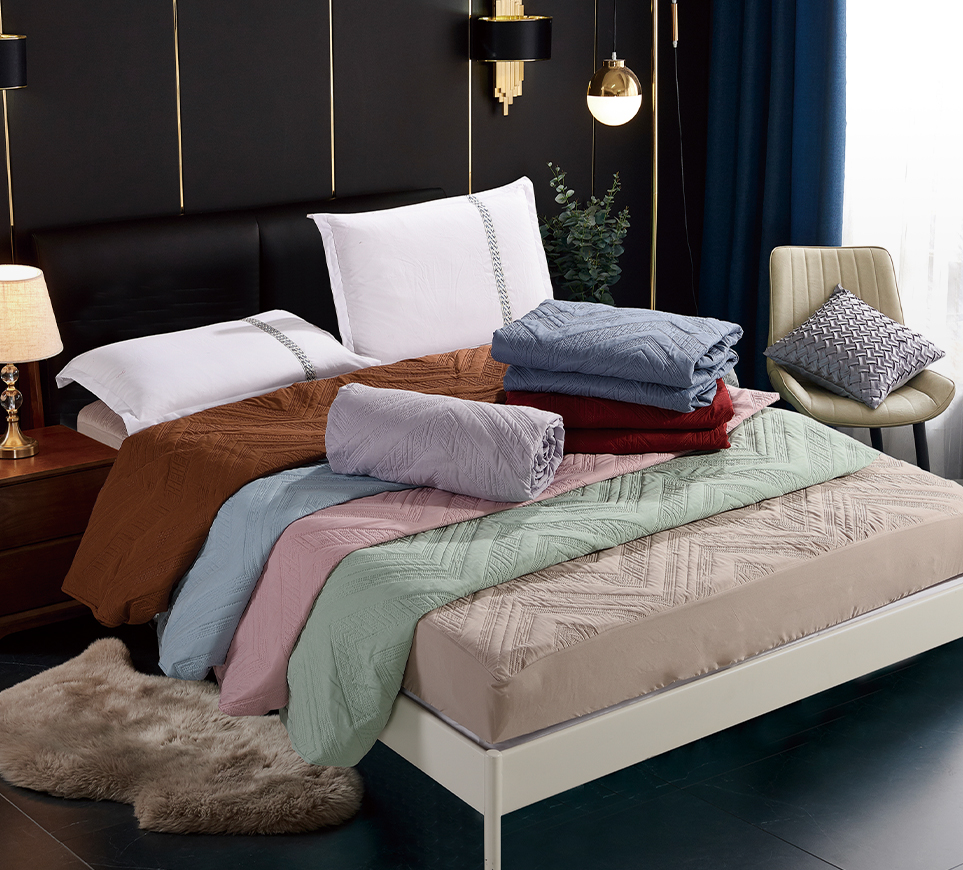
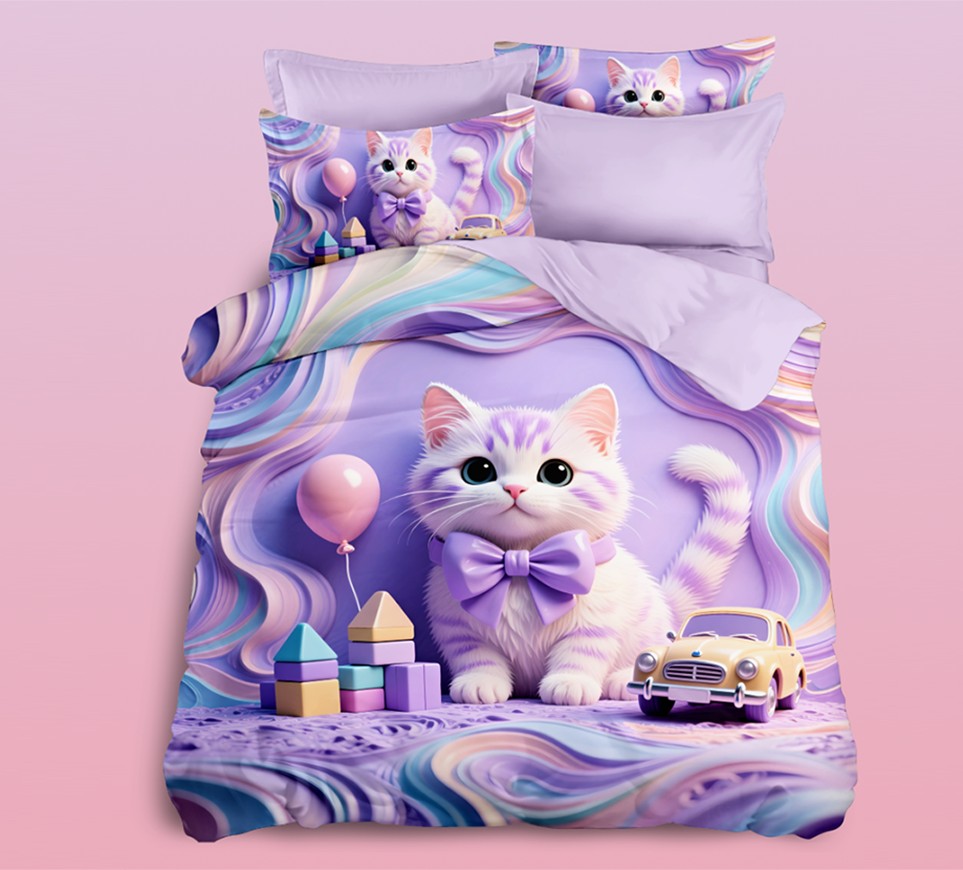
FunctionFast dry and easy to care: Not easy to shrink, no ironing and anti-wrinkle, fast drying after machine washing.Durable and fade resistant: Strong wear resistance, high color fastness, long-term...
See DetailsWhy Choose Us?
Established in 2008, with a 3,000m² professional factory, over 50 employees, and 5 departmental managers.
Coming From China, Marketing To The World.
What type of bedding should be chosen for different seasons?
Apr 17, 2026
Content
- 1 Your Home Textile Decisions Made Simple
- 2 Seasonal Bedding Selection: Science-Backed Recommendations
- 3 Sensitive Skin Materials: Silk vs Tencel vs Pure Cotton
- 4 How to Select High-Quality Home Textile Products
- 5 Quality Assessment: Practical Evaluation Techniques
- 6 Affordable vs High-End Home Textiles: The Real Differences
- 7 FAQ: Common Home Textile Questions Answered
- 7.1 Does higher thread count always mean better quality?
- 7.2 How often should bedding be replaced?
- 7.3 Is Egyptian cotton always superior?
- 7.4 Can Tencel replace silk for sensitive skin?
- 7.5 What causes pilling, and can it be prevented?
- 7.6 Why do hotel sheets feel different from home bedding?
- 7.7 How do I verify OEKO-TEX or organic claims?
- 8 Partnering with Nantong Noble International Trading Co., Ltd.
Your Home Textile Decisions Made Simple
For seasonal bedding: Choose breathable cotton or linen for summer (temperatures above 25°C/77°F), flannel or heavyweight cotton for winter (below 15°C/59°F), and medium-weight cotton or Tencel for transitional seasons. For sensitive skin: Silk ranks highest for hypoallergenic properties (reducing dust mites by 98%), followed by Tencel (50% more absorbent than cotton), then organic long-staple cotton. Quality assessment: Check thread count (200-400 for cotton), fabric weight (GSM), and certifications like OEKO-TEX Standard 100.
Seasonal Bedding Selection: Science-Backed Recommendations
Your body temperature drops by 1-2°C during sleep. The wrong bedding traps heat or fails to retain warmth, disrupting REM cycles. Here's how to match materials to seasons:
Summer Solutions (Above 25°C/77°F)
- Linen: Absorbs 20% of its weight in moisture before feeling damp, dries 30% faster than cotton
- Lightweight cotton percale (200-300 thread count): Crisp, cool feel with maximum airflow
- Tencel lyocell: 50% more moisture-wicking than cotton, ideal for night sweats
Winter Warmth (Below 15°C/59°F)
- Flannel cotton (170+ GSM): Brushed surface traps air, providing 3x warmth retention
- Egyptian or Pima cotton sateen (400-600 thread count): Dense weave insulates while maintaining breathability
- Silk-filled comforters: Natural temperature regulation without bulk
Spring/Autumn Transitions (15-25°C/59-77°F)
Medium-weight cotton (300-400 thread count) or Tencel blends offer the versatility needed for fluctuating temperatures. Layer with a lightweight quilt (200-250 GSM fill) that can be easily removed.
| Material | Best Season | Breathability Score | Warmth Retention |
|---|---|---|---|
| Linen | Summer | 9/10 | 3/10 |
| Cotton Percale | Summer/Spring | 8/10 | 4/10 |
| Tencel | All Seasons | 8/10 | 6/10 |
| Cotton Sateen | Autumn/Winter | 6/10 | 7/10 |
| Flannel | Winter | 4/10 | 9/10 |
Sensitive Skin Materials: Silk vs Tencel vs Pure Cotton
Silk is the definitive choice for sensitive skin, particularly mulberry silk with 18-22 momme weight. Its natural protein structure (sericin) creates a hypoallergenic barrier that reduces dust mite populations by 98% compared to cotton. The friction coefficient of silk is 0.1-0.2 (cotton is 3.0-4.0), minimizing irritation for eczema and rosacea sufferers.
Tencel (Lyocell): The Sustainable Alternative
Tencel fibers are produced through a closed-loop process that recycles 99.5% of solvents. For sensitive skin, Tencel offers:
- 50% superior moisture management compared to cotton, preventing bacterial growth
- Smoother fiber surface (0.13 micron width vs cotton's 20-30 microns) reducing mechanical irritation
- Naturally resistant to mold and mildew without chemical treatments
Pure Cotton: Selecting the Right Grade
Not all cotton suits sensitive skin. Conventional cotton retains pesticide residues and has rougher staple lengths. Instead, choose:
- Organic long-staple Egyptian or Pima cotton: Fiber length exceeds 35mm, creating smoother yarns
- Supima-certified cotton: Grown exclusively in the USA, representing less than 1% of world cotton production
- Thread count between 200-400: Higher counts often use multi-ply yarns that feel stiffer
Decision framework: Choose silk for severe allergies or dermatitis, Tencel for eco-conscious moisture management, and organic long-staple cotton for budget-sensitive breathability.
How to Select High-Quality Home Textile Products
Quality assessment requires examining five critical dimensions: fiber origin, construction density, finishing processes, certification standards, and construction details.
Fiber Quality Indicators
Premium bedding starts with fiber selection. Extra-long staple (ELS) cotton (35mm+ fibers) produces 50% fewer fiber ends protruding from the fabric surface, creating that "luxury hotel" smoothness. For silk, 6A-grade mulberry silk represents the top 5% of production with uniform filament thickness.
Construction Metrics That Matter
| Material | Optimal Thread Count | Weight (GSM) | Ply Indicator |
|---|---|---|---|
| Cotton Percale | 200-400 | 100-140 | Single ply |
| Cotton Sateen | 300-600 | 120-160 | Single or 2-ply |
| Linen | 80-150 | 160-200 | N/A |
| Tencel | 300-400 | 110-140 | Single ply |
| Silk | N/A (Momme) | 16-22 momme | 6A grade |
Certification Standards
Look for these third-party verifications:
- OEKO-TEX Standard 100: Tests for 100+ harmful substances; Class I (baby) is strictest
- GOTS (Global Organic Textile Standard): Requires 95%+ organic fiber, environmental and social criteria
- STeP by OEKO-TEX: Sustainable textile production certification covering chemical management
- EUROPEAN FLAX: Guarantees traceable, GMO-free European linen
Quality Assessment: Practical Evaluation Techniques
Before purchasing, perform these five physical tests to verify quality claims:
The Light Test
Hold fabric against bright light. High-quality woven textiles show uniform density without pinholes or transparent spots. Sateen weaves appear slightly more opaque due to floating yarns. If you see irregular light penetration, the weave is inconsistent.
The Wrinkle Recovery Test
Crush a handful of fabric for 10 seconds. Premium cotton recovers 70-80% smoothness within 30 seconds; lower-quality cotton retains creases. Linen naturally wrinkles (characteristic, not defect), but should soften with handling rather than feeling stiff.
The Seam Inspection
Examine stitching density: quality bedding uses 8-12 stitches per inch (SPI). Check for French seams or overlocked edges that prevent fraying. Pull gently at seams—quality construction shows no gaping or loose threads.
The Drape Test
Quality fabrics drape smoothly without stiffness. Hold the textile vertically—it should fall in soft folds rather than sticking out rigidly. Stiff drape indicates heavy chemical finishing (formaldehyde-based resins) or low-quality fiber.
The Burn Test (for Natural Fibers)
Extract a few fibers from an inconspicuous area and burn with a lighter:
- Pure cotton/linen: Burns quickly, smells like paper, leaves fine gray ash
- Silk: Self-extinguishing, smells like burning hair, leaves brittle black bead
- Polyester/synthetic: Melts, smells chemical, leaves hard black plastic bead
Affordable vs High-End Home Textiles: The Real Differences
The price gap between mass-market and luxury bedding (often 10-20x difference) reflects substantive quality variations in raw materials, construction, and longevity.
Raw Material Sourcing
Entry-level textiles ($20-50 per set) typically use:
- Short-staple cotton (20-25mm fibers) requiring more twist, creating rougher surface
- Multi-ply yarns (2-3 ply) that inflate thread count numbers without improving softness
- Petroleum-based dyes with lower colorfastness (fading after 10-15 washes)
Luxury textiles ($200-800+ per set) invest in:
- ELS cotton hand-harvested to preserve fiber integrity (machine harvesting breaks fibers)
- Single-ply, combed yarns with impurities removed
- Low-impact reactive dyes with 4-5 colorfastness ratings (ISO 105-C06)
Durability Metrics
| Metric | Affordable Range | Premium Range |
|---|---|---|
| Expected Lifespan | 1-2 years | 5-10+ years |
| Wash Cycles Before Degradation | 30-50 | 200-300 |
| Pilling Resistance (Grade) | 2-3 (ISO 12945) | 4-5 (ISO 12945) |
| Shrinkage Rate | 5-8% | < 3% |
Value Engineering Sweet Spot
For most consumers, the optimal value lies in mid-range products ($80-150 per set) featuring:
- Long-staple cotton (28-33mm) or Tencel blends
- 300-400 authentic single-ply thread count
- OEKO-TEX Standard 100 certification
- Reinforced seams with 8+ SPI
This range delivers 70-80% of luxury performance at 30-40% of the cost.
FAQ: Common Home Textile Questions Answered
Does higher thread count always mean better quality?
No. Thread count above 600 often indicates multi-ply yarns (twisting 2-3 weaker threads together) or inflated counting methods. For cotton, 300-400 single-ply offers optimal softness and durability. Linen quality is measured by GSM (grams per square meter), not thread count.
How often should bedding be replaced?
Replace sheets every 2-3 years with regular use (weekly washing). Pillows should be replaced every 1-2 years (they accumulate 10% of their weight in dust mites and skin cells annually). Duvets last 5-15 years depending on fill material—down lasts longest, synthetic fills degrade faster.
Is Egyptian cotton always superior?
Only if authentic. True Egyptian cotton (Gossypium barbadense) comprises less than 1% of global cotton production. Many products labeled "Egyptian cotton" blend in short-staple varieties. Look for Cotton Egypt Association certification or DNA-tested labeling. Pima and Supima cotton offer equivalent quality with better traceability.
Can Tencel replace silk for sensitive skin?
Tencel provides 80% of silk's hypoallergenic benefits at 40-50% lower cost. It's superior for moisture management (night sweats) but lacks silk's temperature-regulating protein structure. For severe dermatitis, silk remains unmatched; for general sensitivity, Tencel is an excellent sustainable alternative.
What causes pilling, and can it be prevented?
Pilling results from short fibers working loose and tangling during friction (washing, sleeping). Prevent it by:
- Choosing long-staple or combed cotton (removes short fibers during processing)
- Washing inside-out on gentle cycle
- Avoiding fabric softeners (coat fibers, increasing friction)
- Using wool dryer balls instead of dryer sheets
Why do hotel sheets feel different from home bedding?
Hotels typically use 60% cotton/40% polyester percales (200-300 thread count) for industrial laundering durability. The "crisp" feel comes from heavy starching during commercial pressing. For home use, 100% cotton sateen or percale provides superior comfort but requires more careful maintenance.
How do I verify OEKO-TEX or organic claims?
Request the certification number from retailers and verify on the issuing body's website (oeko-tex.com for OEKO-TEX; global-standard.org for GOTS). Legitimate certifications are tied to specific products and facilities, not generic brand claims.
Partnering with Nantong Noble International Trading Co., Ltd.
With 18+ years of expertise in home textile manufacturing and international trade, Nantong Noble International Trading Co., Ltd. delivers professional solutions across bedding sets, bedspreads, quilts, blankets, and sofa covers. Our OEM/ODM capabilities ensure every product balances aesthetic design with functional performance.
We specialize in customized material selection, sizing, and color matching to meet specific market demands. Our continuous style updates and rapid production cycles ensure your inventory stays current with evolving consumer preferences. Whether you require standard collections or bespoke designs, our comprehensive processing and packaging services provide end-to-end home textile solutions.
Related products
-
-
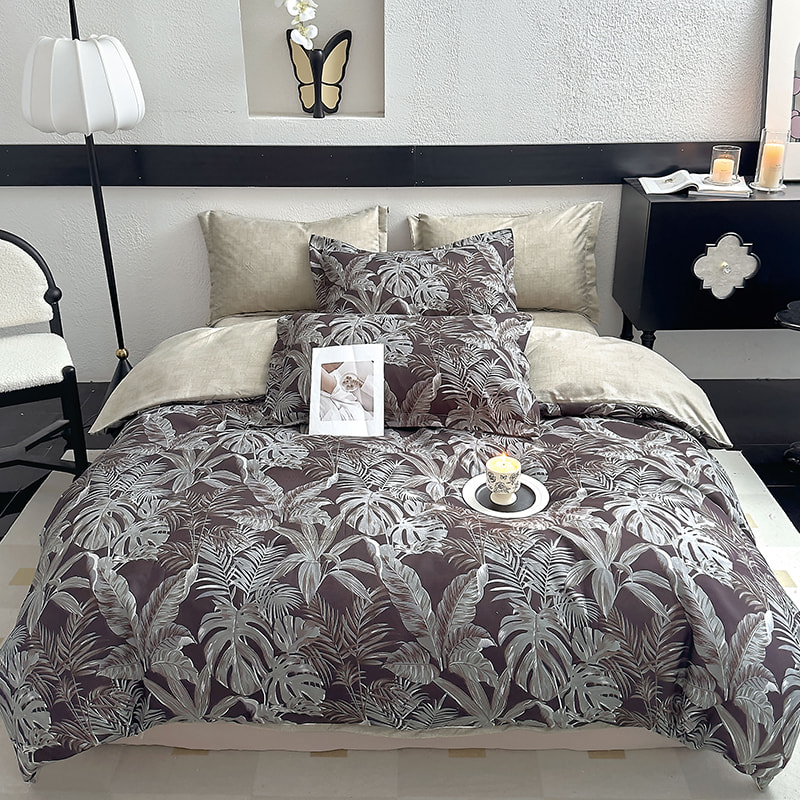
FunctionFast drying and easy to take care of: Anti-shrinkage and no ironing, fast drying after machine washing, simplified daily care.Durable color protection: High wear resistance and color fastness,...
See Details -
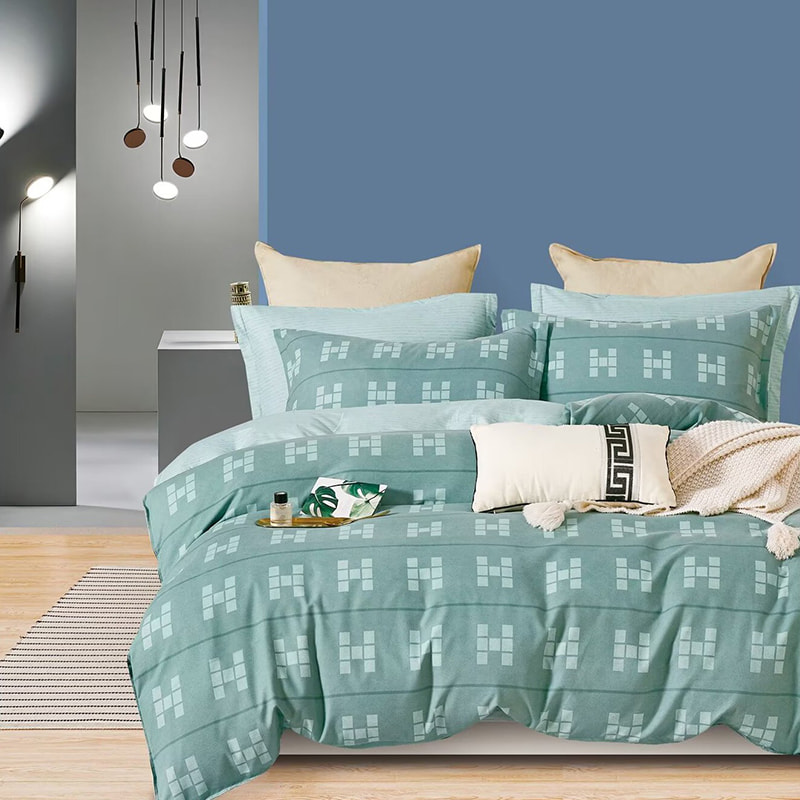
FunctionStrong warmth: High gram weight provides good insulation performance, suitable for low-temperature environments.Durable anti-wrinkle: High-density structure wear and tear resistance, not easy ...
See Details -
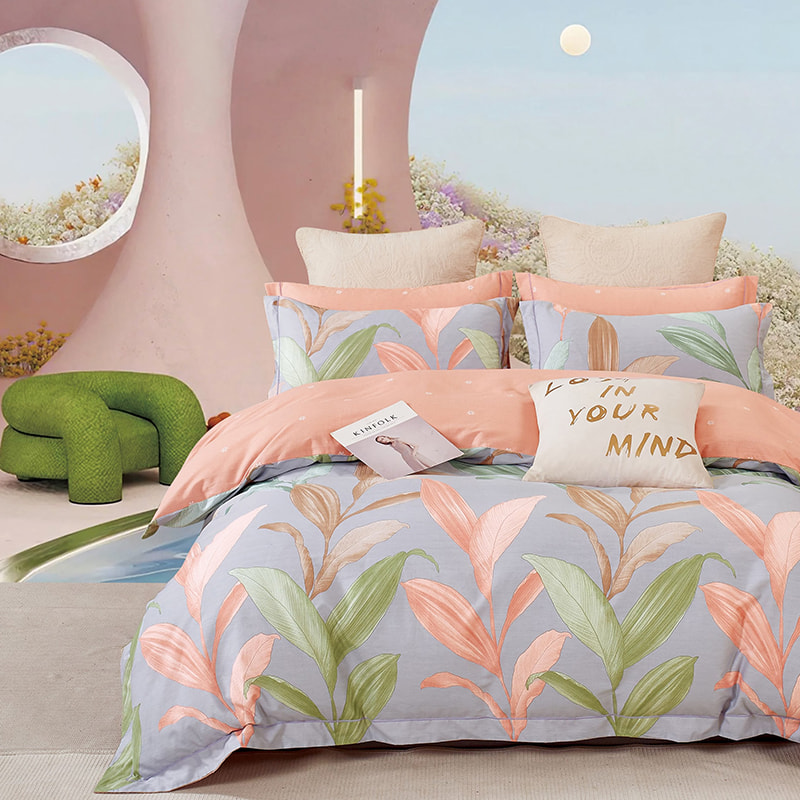
FunctionSkin-friendly breathable: Natural cotton fiber is soft and comfortable, good for breath, and suitable for the use of moisture.Absorption and perspiration: Good moisture absorption, keep dry bo...
See Details -
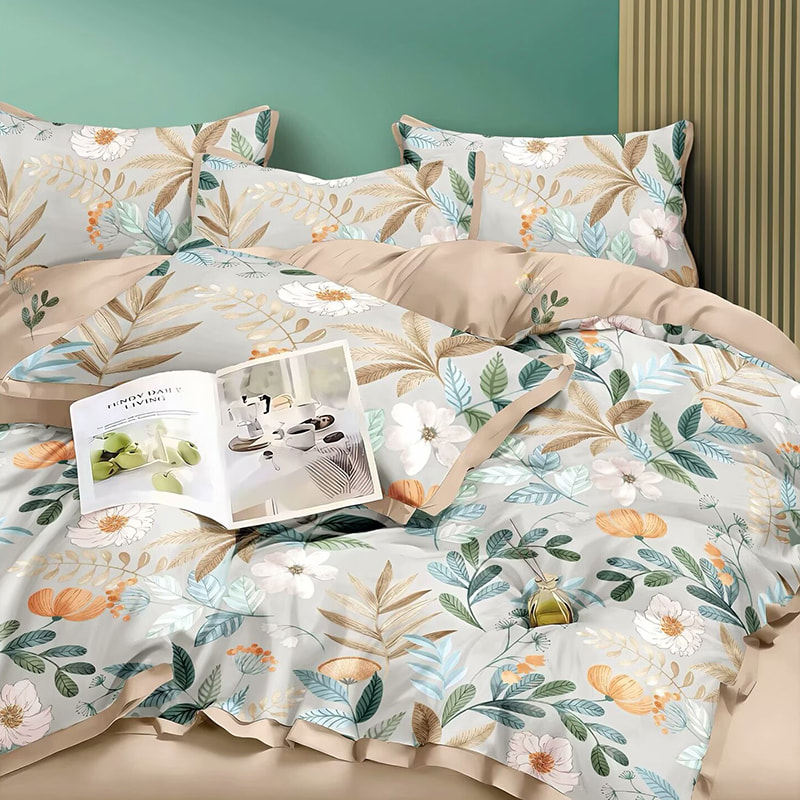
FunctionMore delicate and skin-friendly: Higher than 12868,13372, the fabric is more delicate and soft, the touch is better and more.Breathable: High-density cotton structure further improves moisture...
See Details -
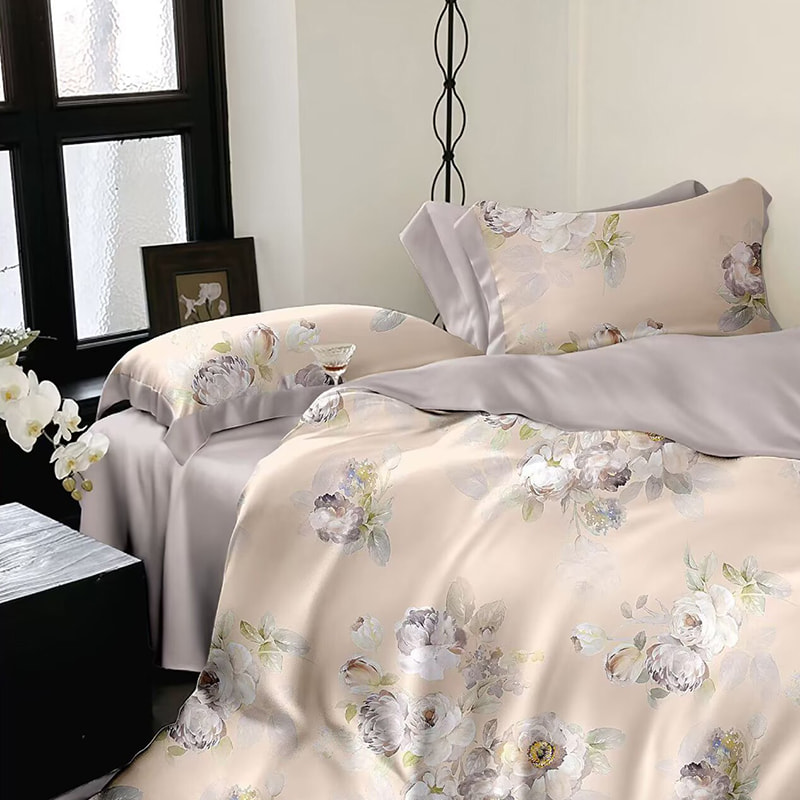
Function Extreme skin affinity: Day silk fiber is soft and smooth, touch like silk, suitable for close-fitting use of moisture. Absorption and breathability: moisture absorption and sweat performance,...
See Details -
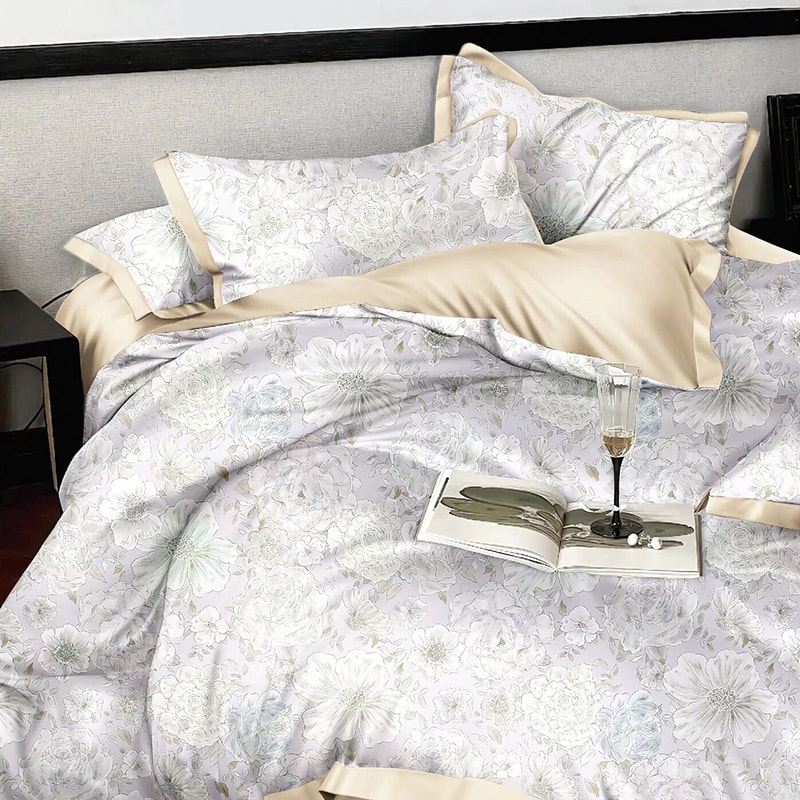
FunctionMore delicate and skin-friendly: Compared with 50S, 60S silk fiber is thinner, softer, smoother, more comfortable for close use, and more moisture absorption.Breathable: Higher branches improv...
See Details -
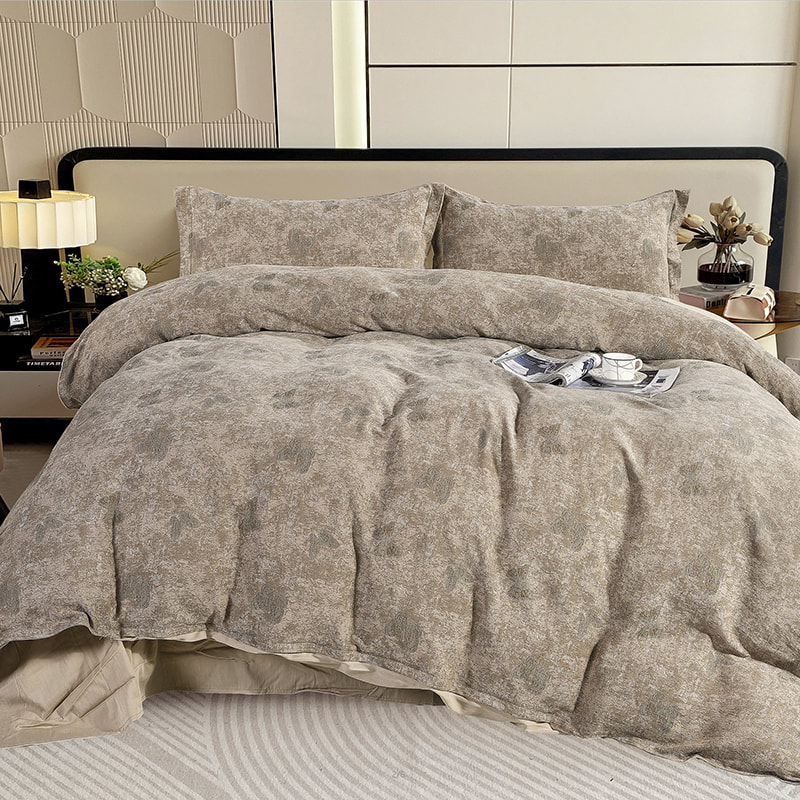
Function Luxury touch: The fiber is soft and smooth, and the jacquard process adds a three-dimensional texture. Touch like silk moisture absorption: moisture absorption performance keeps dry and comfo...
See Details -
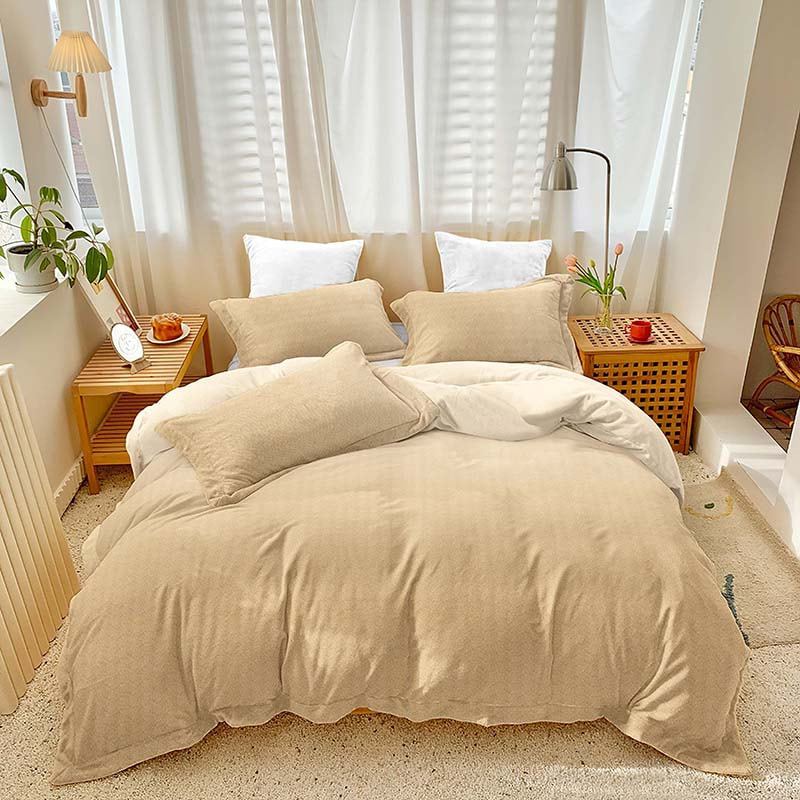
Function Fine pattern performance: Digital printing is higher precision than round net printing, richer color, more delicate pattern, fast dry.Easy to care: The polyester fiber characteristics are unc...
See Details -
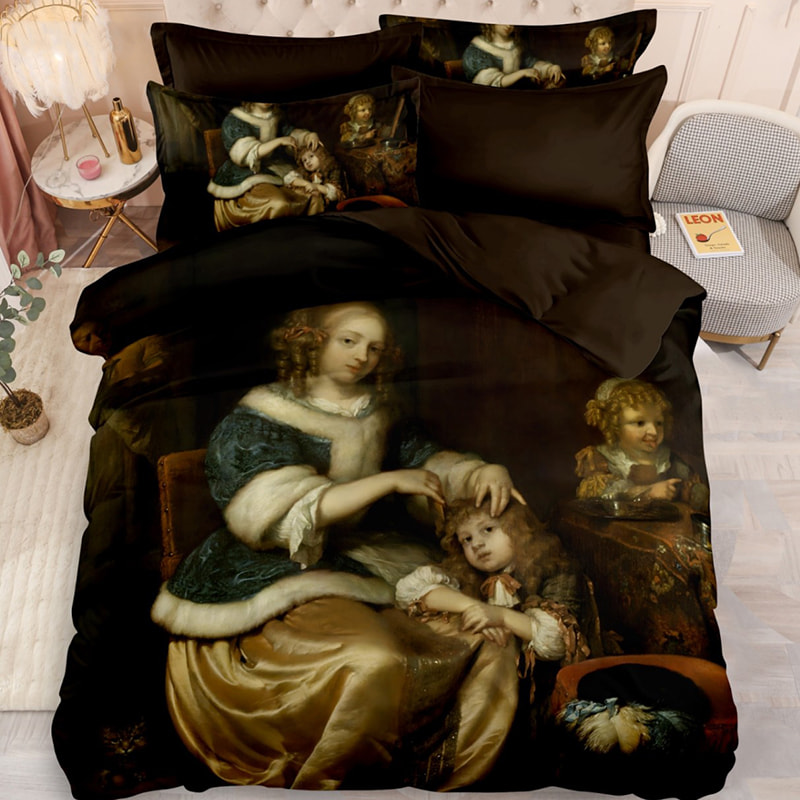
FunctionFine pattern performance: Digital printing is higher precision than round net printing, richer color, more delicate.Durable anti-wrinkle: 130g polyester fiber fabric has a vertical feeling, an...
See Details -
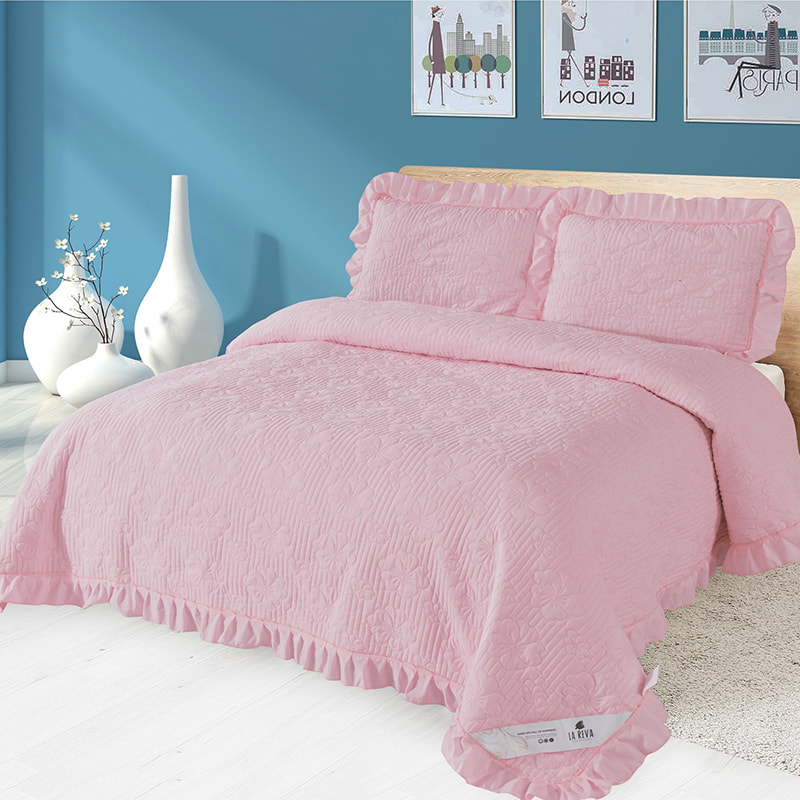
FunctionThin and light: The ultrasonic process does not create pinholes or quilting thread, and the fabric is thin and smooth.Strong decoration: Lace elements add an elegant and romantic sense, enhanc...
See Details -
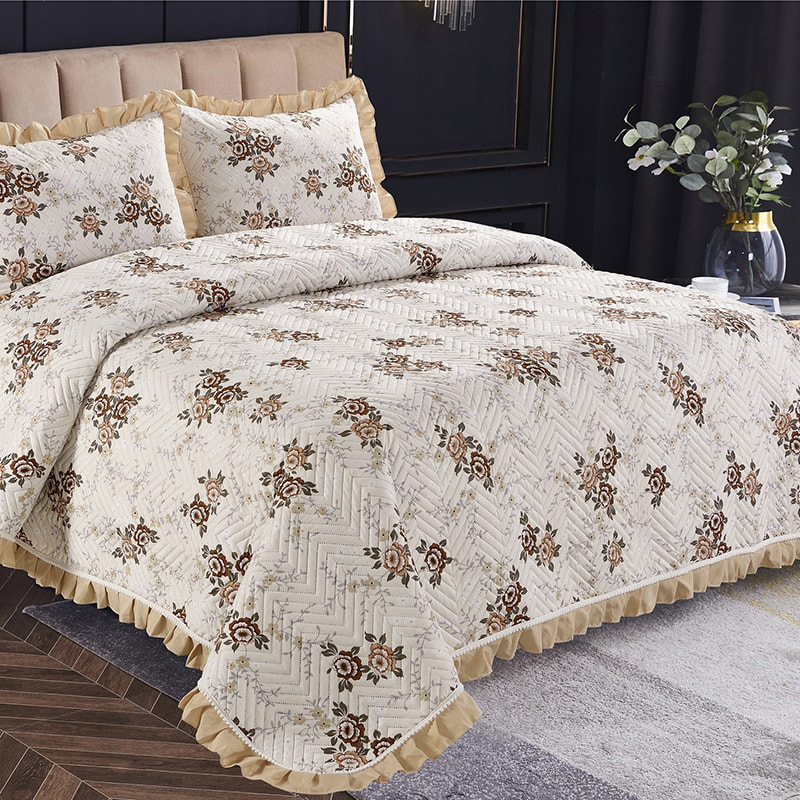
FunctionThin and light: The ultrasonic process does not create a pinhole or quilting thread, and the fabric is thin and smooth.Strong decorative: Print patterns add a sense of art and design, enhancin...
See Details
