

 English
 Español
 عربى
عربى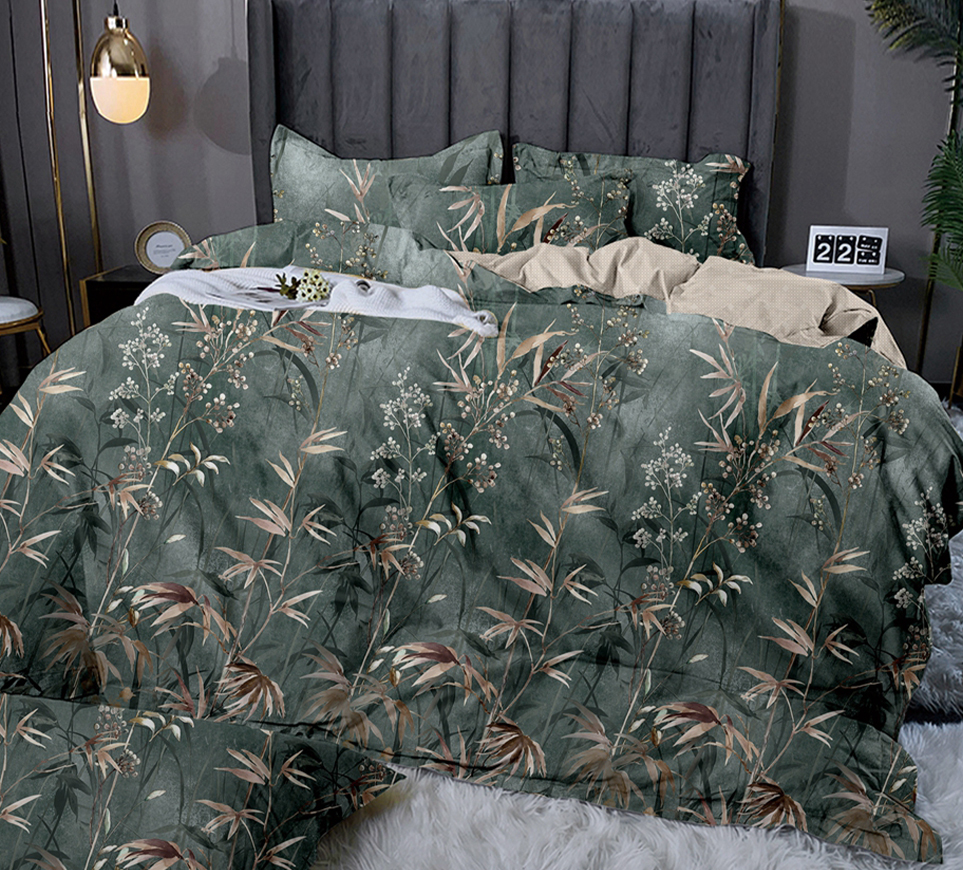
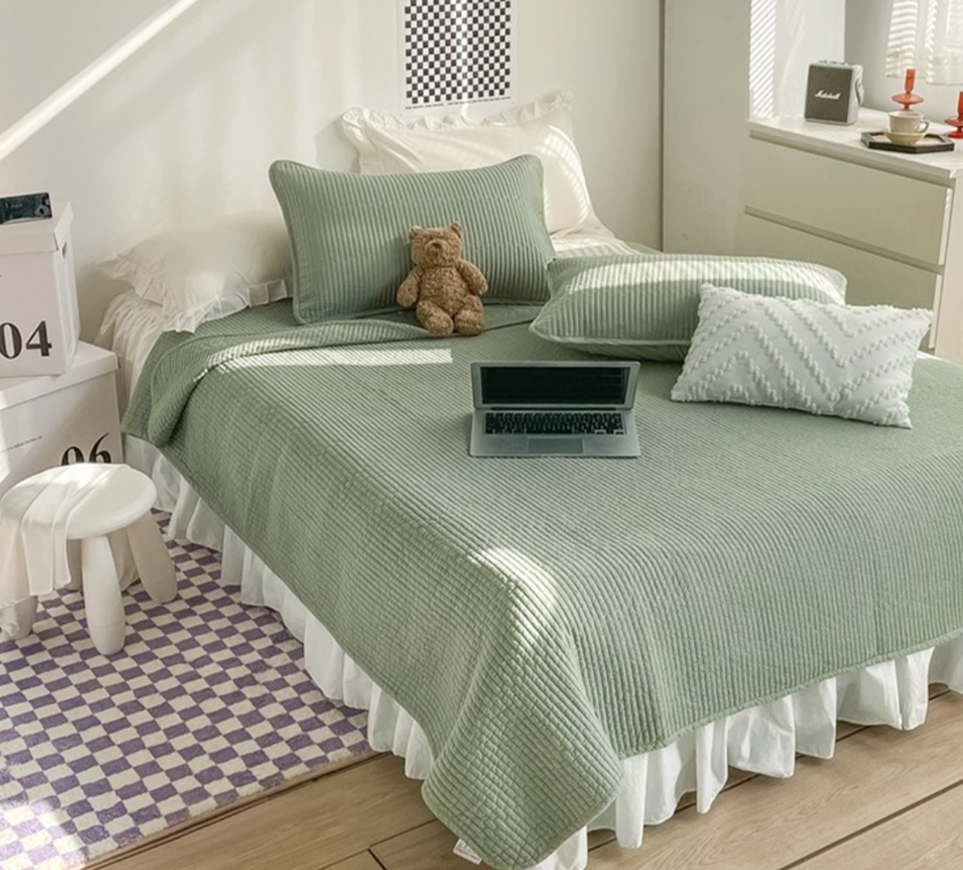
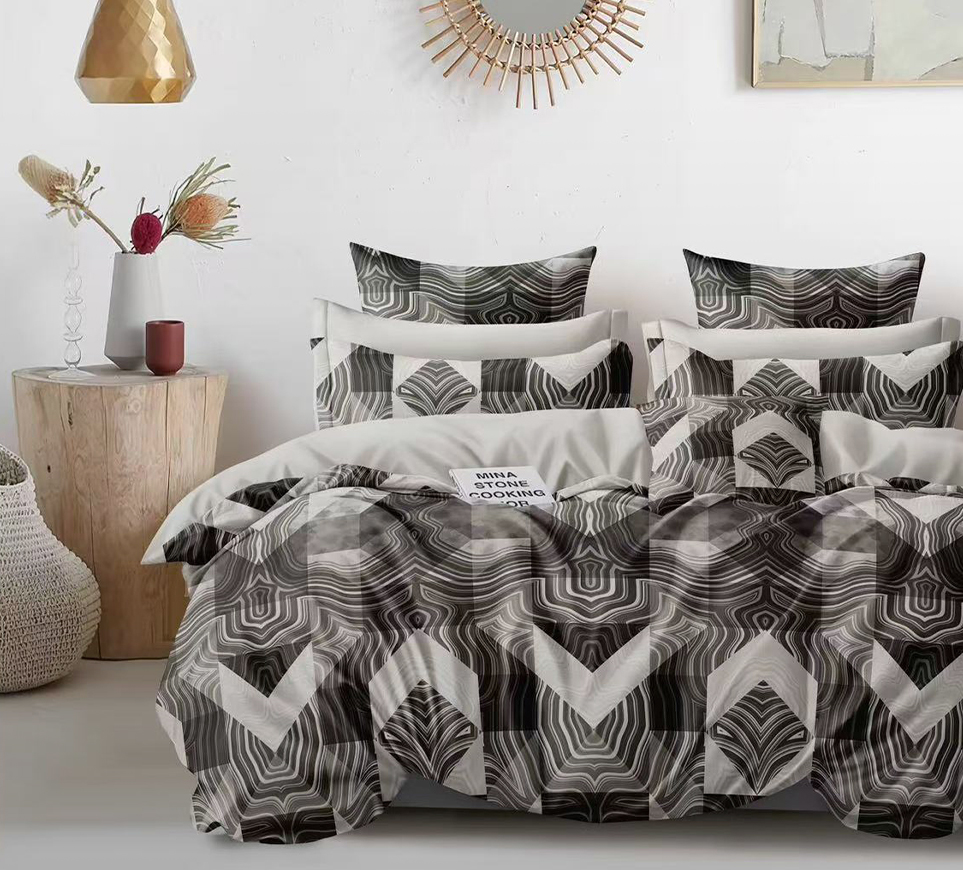
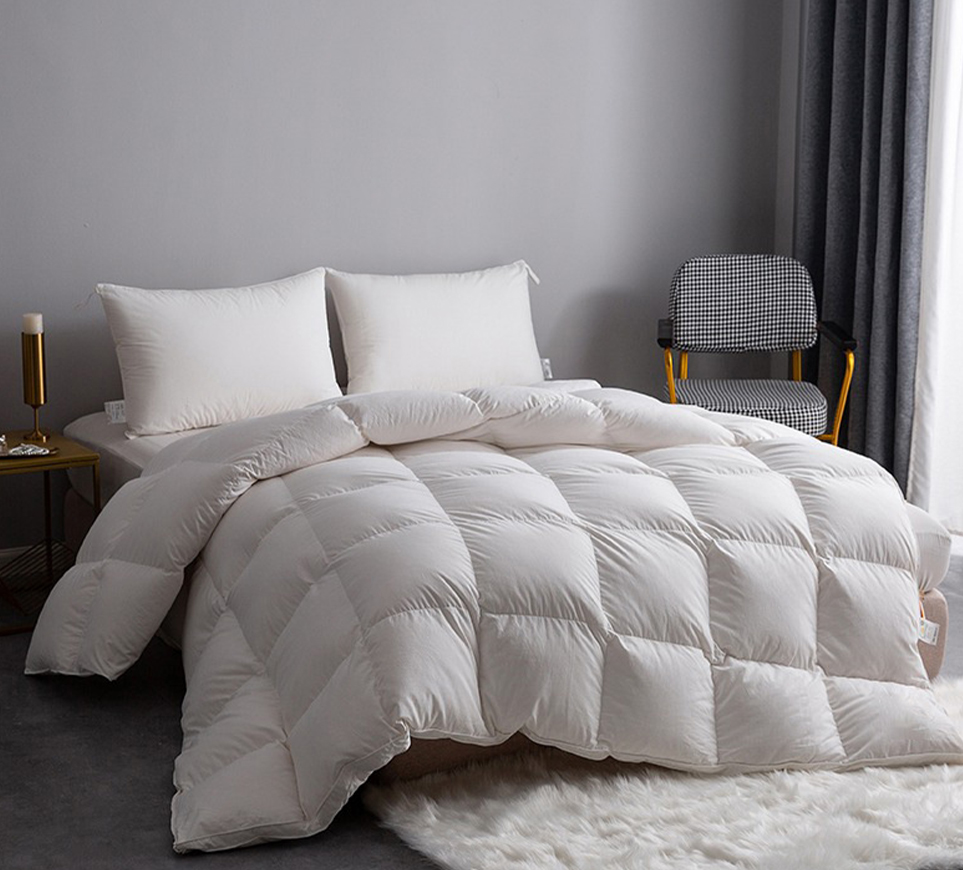
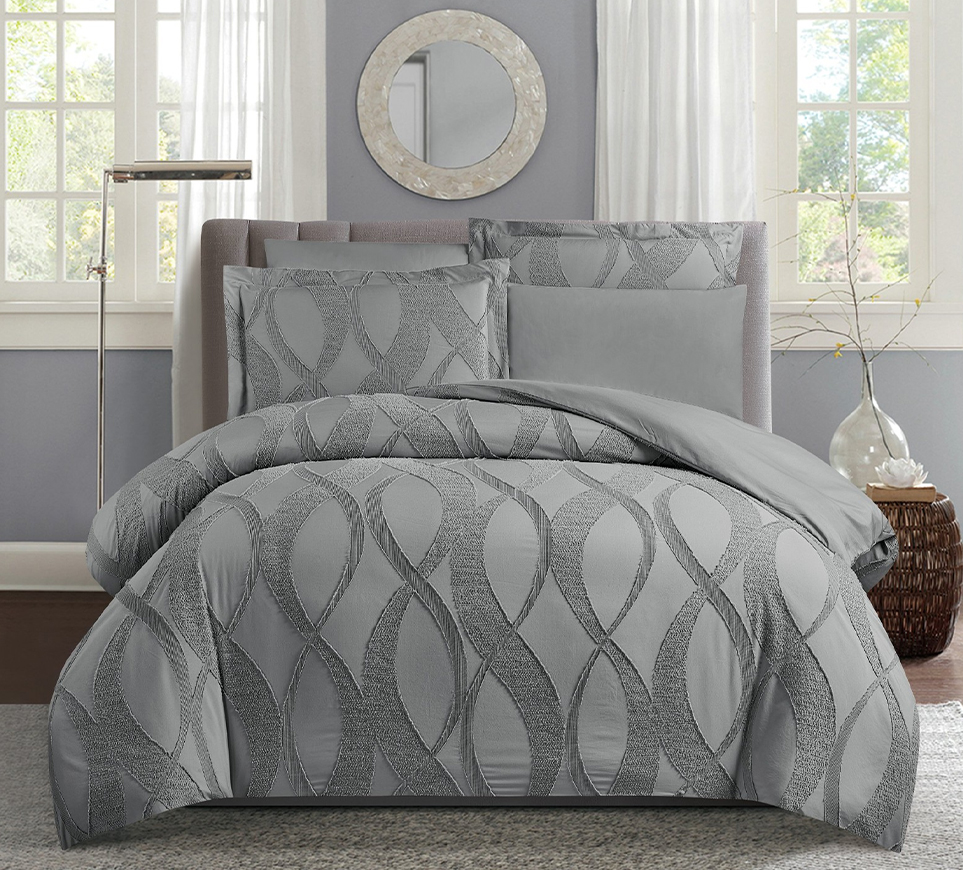
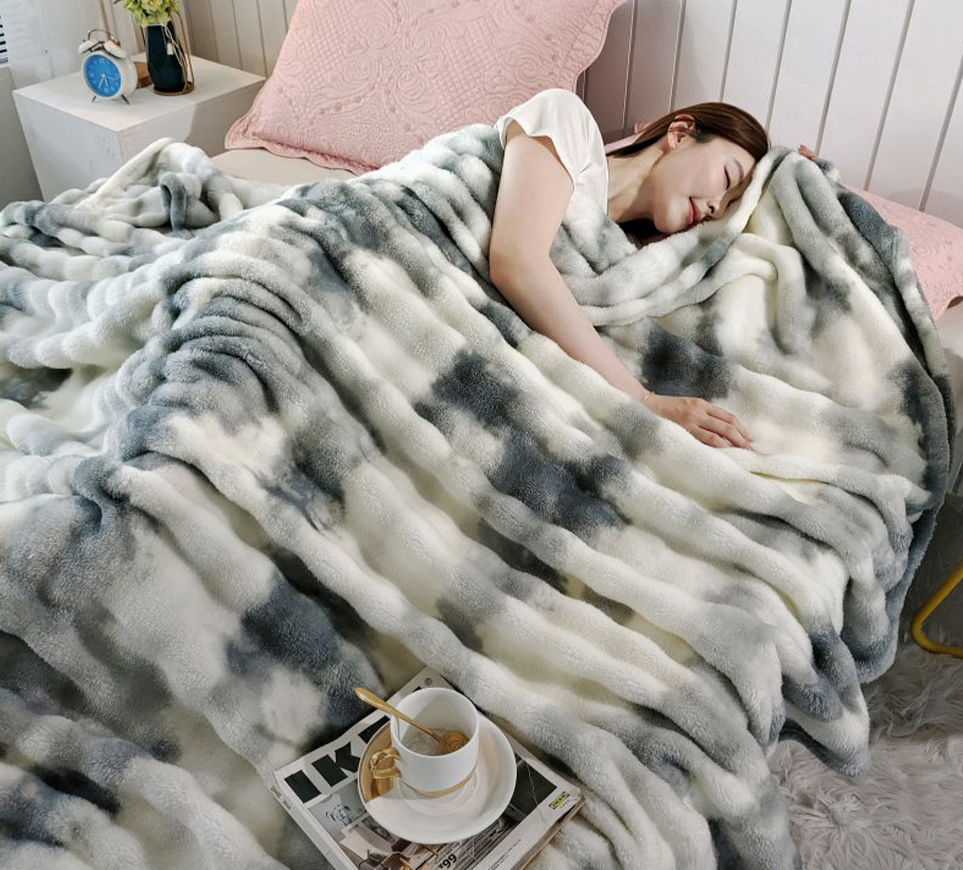
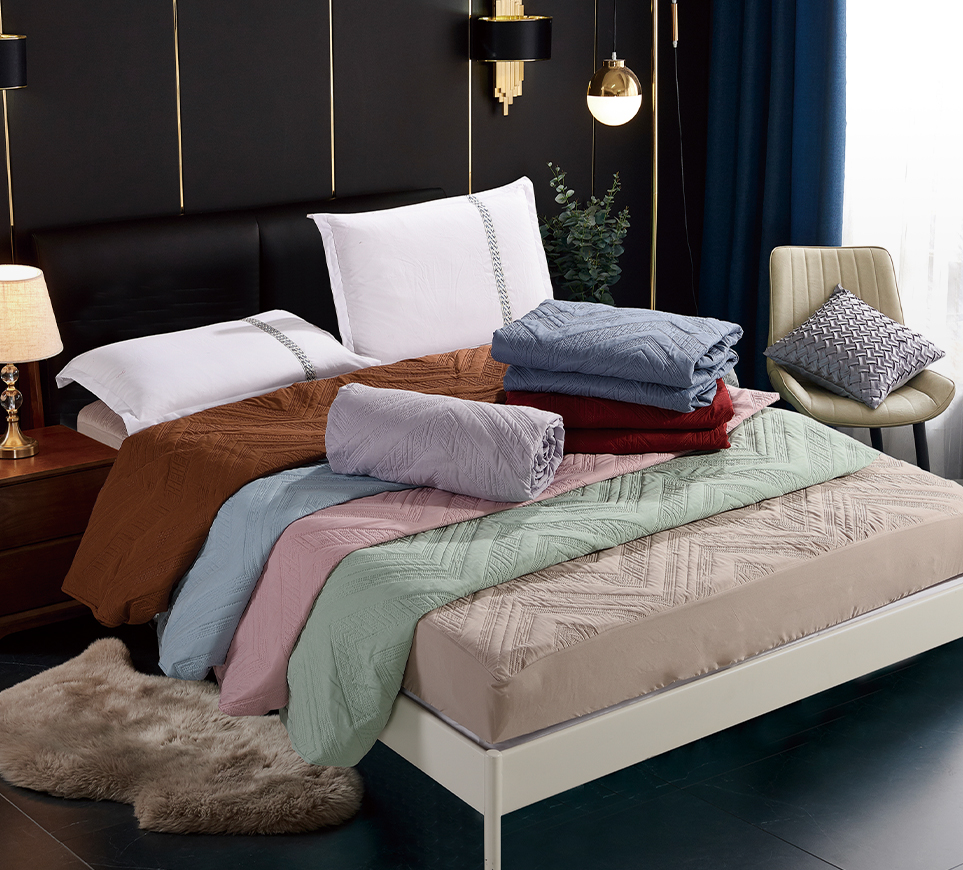

FunctionFast dry and easy to care: Not easy to shrink, no ironing and anti-wrinkle, fast drying after machine washing.Durable and fade resistant: Strong wear resistance, high color fastness, long-term...
See DetailsWhy Choose Us?
Established in 2008, with a 3,000m² professional factory, over 50 employees, and 5 departmental managers.

Coming From China, Marketing To The World.
How should one choose the fabric for a quilt?
Apr 24, 2026
Content
Fabric Selection: Making the Right Choice
Choose 100% cotton for breathability and sensitive skin, poly-cotton blends for durability and easy care, or combed cotton for premium softness and longevity. Your selection should prioritize usage frequency, climate conditions, and maintenance preferences.
Pure Cotton: Natural Comfort
Pure cotton quilts offer exceptional breathability and moisture absorption, making them ideal for hot sleepers and humid climates. The natural fibers allow air circulation and regulate body temperature effectively. However, pure cotton wrinkles easily, requires more frequent ironing, and may shrink 3-5% after the first wash. Expect to replace pure cotton quilts every 5-7 years with regular use.
Poly-Cotton Blends: Practical Durability
Blends typically combine 65% polyester and 35% cotton, offering superior wrinkle resistance and faster drying times. These quilts withstand machine washing better than pure cotton and maintain their shape through 200+ wash cycles. The trade-off is reduced breathability—poly-cotton retains 30% more heat than pure cotton, potentially causing discomfort in summer months.
Combed Cotton: Premium Quality
Combed cotton undergoes additional processing to remove short fibers and impurities, resulting in 15-20% stronger yarn than regular cotton. This fabric feels noticeably softer, pills less, and maintains color vibrancy through repeated washing. Combed cotton quilts represent a mid-to-high price point but deliver extended lifespan of 8-10 years.
| Fabric Type | Breathability | Durability | Care Level | Best For |
|---|---|---|---|---|
| Pure Cotton | Excellent | 5-7 years | High | Sensitive skin, hot climates |
| Poly-Cotton Blend | Moderate | 7-9 years | Low | Daily use, easy maintenance |
| Combed Cotton | Very Good | 8-10 years | Medium | Premium comfort, longevity |
Seasonal Thickness Selection
Select lightweight quilts (100-200 GSM) for summer, medium-weight (250-350 GSM) for spring/autumn, and heavyweight (400-600 GSM) for winter. GSM (grams per square meter) indicates fill density and warmth retention.
Summer Lightweight Quilts
Summer quilts feature 100-200 GSM fill weights with breathable cotton or bamboo covers. These blankets provide minimal insulation while wicking moisture away from the body. Look for quilted patterns with larger squares (8-10 inches) to prevent clumping and ensure even weight distribution. Lightweight quilts typically measure 1-2 inches in thickness and fold compactly for storage.
Winter Heavyweight Quilts
Winter quilts require 400-600 GSM fill weights, creating 3-4 inch thickness profiles. These blankets trap body heat effectively while maintaining breathability through baffle-box construction. The additional weight (typically 6-8 pounds for queen size) provides gentle pressure that many sleepers find calming. Winter quilts often feature tighter quilting patterns (4-6 inch squares) to secure thick filling layers.
Transitional Season Options
Spring and autumn demand versatility. Medium-weight quilts (250-350 GSM) bridge the gap between seasons, or consider layering two lightweight quilts rather than purchasing separate winter and summer sets. This approach offers flexibility for unpredictable weather patterns and reduces storage requirements by 40%.
Machine Washing Guidelines
Most modern quilts are machine-washable on gentle cycles with cold water. However, oversized quilts (king and California king) may require commercial machines or professional cleaning to prevent uneven washing and potential damage to internal stitching.
Recommended Washing Frequency
Wash summer quilts every 2-3 weeks due to increased sweat and oil accumulation in warm weather. Winter quilts require cleaning every 1-2 months during active use, or once before seasonal storage. Quilts used as decorative throws or guest bedding need washing only every 3-4 months unless visibly soiled. Over-washing degrades fibers faster than necessary dirt accumulation.
Proper Washing Technique
Use mild liquid detergent—powder detergents may not dissolve fully and can leave residue. Set washing machines to delicate or hand-wash cycles with water temperatures below 30°C (86°F). Avoid fabric softeners, which coat fibers and reduce breathability by up to 25%. Dry quilts immediately using low heat or air-drying to prevent mildew development in damp filling.
Wrinkling and Lifespan Concerns
Post-wash wrinkling is completely normal and does not indicate quality defects or reduced lifespan. Cotton and natural fiber quilts will always show some creasing due to fiber structure and moisture absorption properties.
Why Wrinkles Occur
Wrinkling results from hydrogen bonds breaking and reforming as cotton fibers absorb water and dry. This is a reversible physical change, not fiber damage. Quilts with higher thread counts (300+ threads per square inch) wrinkle less because tighter weaves resist distortion. Poly-cotton blends demonstrate 60% fewer wrinkles than pure cotton alternatives.
Impact on Longevity
Wrinkles themselves do not compromise quilt durability. However, aggressive ironing to remove creases can damage fibers over time. Use steam settings rather than direct high heat, or simply smooth quilts by hand while damp and hang dry. A well-maintained quilt withstands 150-200 wash cycles regardless of wrinkling patterns.
Sand Washing Benefits and Frequency
Sand washing every 12-18 months restores loft, removes deep-seated allergens, and extends quilt lifespan by 2-3 years. This specialized cleaning process uses fine pumice or silica particles to gently abrade fabric surfaces.
What Sand Washing Accomplishes
The process removes accumulated body oils, dust mites, and microscopic debris that regular washing misses. Sand washing also fluffs compressed filling, restoring original thickness by 15-20% in older quilts. The gentle abrasion softens fabric hand-feel without compromising structural integrity, creating a worn-in comfort similar to vintage textiles.
Professional vs. Home Methods
Professional sand washing services utilize industrial tumblers with controlled particle sizes and duration. Home alternatives include adding tennis balls to dryer cycles or using commercial "refresh" sprays, though these achieve only 40% of professional results. High-end quilts (combed cotton or silk-filled) particularly benefit from professional sand washing to preserve delicate stitching and fill distribution.
When to Schedule Sand Washing
Schedule sand washing when quilts feel noticeably flat, develop persistent odors despite regular cleaning, or before long-term storage. For households with allergies, increase frequency to every 6-8 months. Avoid sand washing new quilts—allow 6-12 months of regular use first so fibers settle into stable positions.
Expert Recommendations from Nantong Noble
With 18 years of manufacturing experience producing OEM and ODM quilts for global markets, we recommend investing in fabric quality over decorative features. A well-constructed combed cotton quilt outlasts three budget alternatives, reducing long-term costs despite higher initial prices.
For custom requirements, consider your specific climate zone and usage patterns. Our design team creates weight-optimized quilts for tropical versus continental climates, ensuring you receive appropriate insulation without excess bulk. We provide material customization across our full bedding range including bedspreads, blankets, and sofa covers to maintain cohesive home textile aesthetics.
Proper care transforms adequate quilts into decade-long investments. Follow washing guidelines, schedule periodic sand washing, and store quilts in breathable cotton bags rather than plastic containers to prevent moisture accumulation. These practices preserve both functionality and appearance through years of nightly use.
Related products
-
-
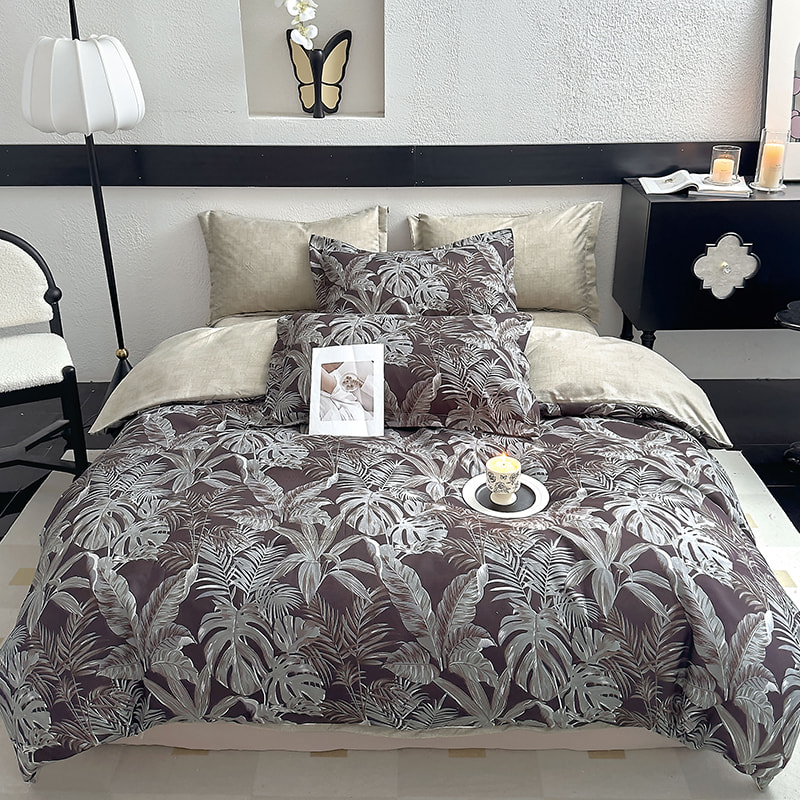
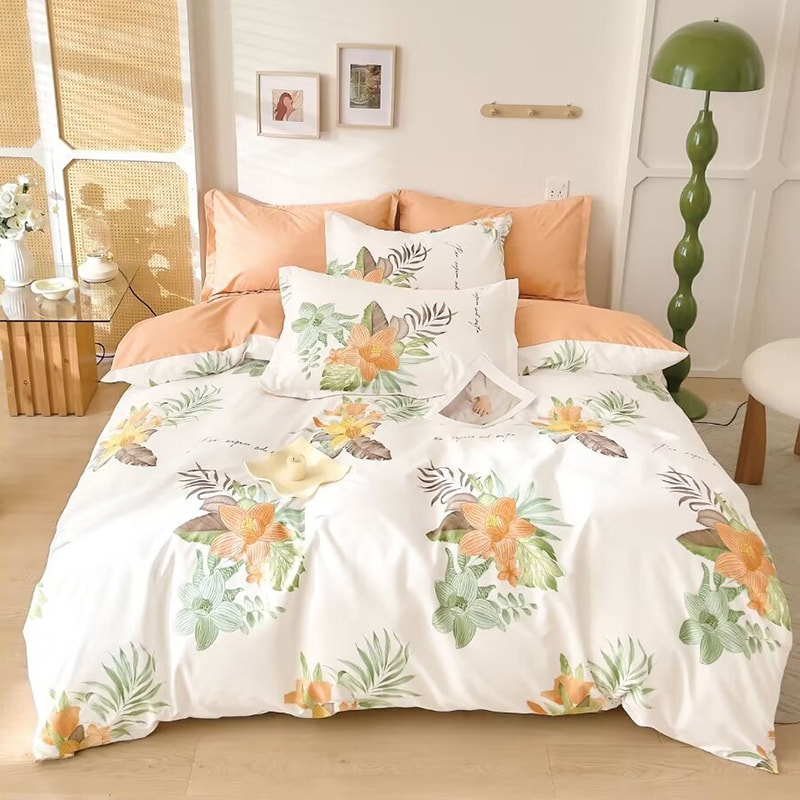
FunctionFast drying and easy to take care of: Anti-shrinkage and no ironing, fast drying after machine washing, simplified daily care.Durable color protection: High wear resistance and color fastness,...
See Details -

FunctionStrong warmth: High gram weight provides good insulation performance, suitable for low-temperature environments.Durable anti-wrinkle: High-density structure wear and tear resistance, not easy ...
See Details -

FunctionSkin-friendly breathable: Natural cotton fiber is soft and comfortable, good for breath, and suitable for the use of moisture.Absorption and perspiration: Good moisture absorption, keep dry bo...
See Details -
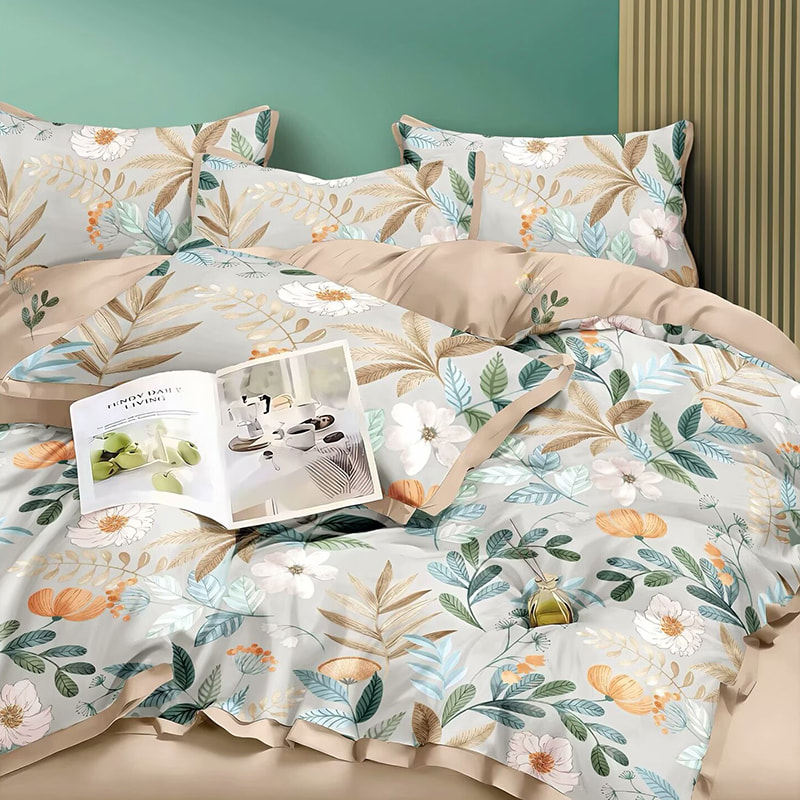
FunctionMore delicate and skin-friendly: Higher than 12868,13372, the fabric is more delicate and soft, the touch is better and more.Breathable: High-density cotton structure further improves moisture...
See Details -
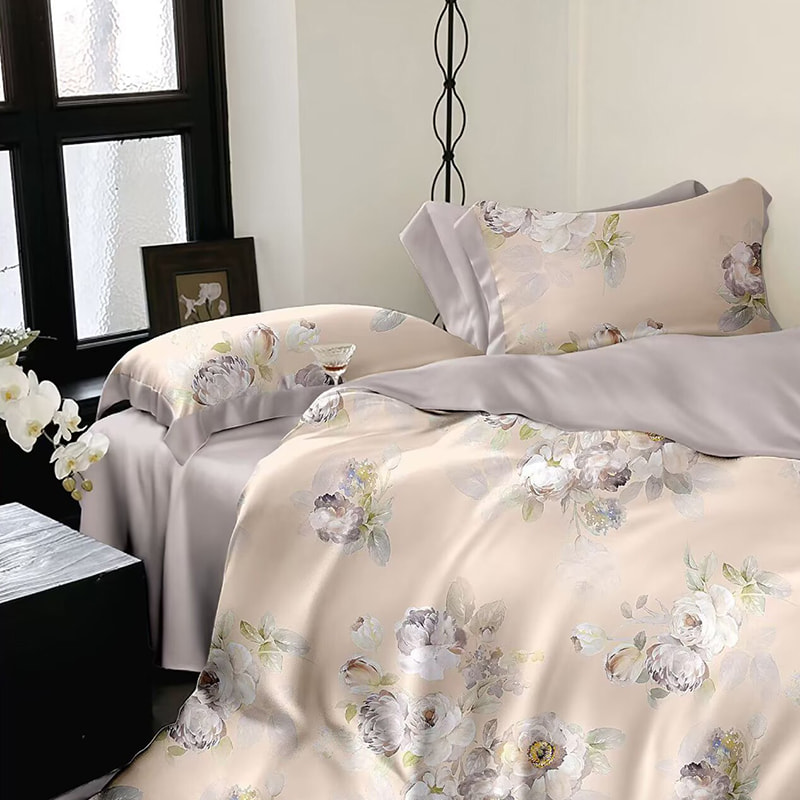
Function Extreme skin affinity: Day silk fiber is soft and smooth, touch like silk, suitable for close-fitting use of moisture. Absorption and breathability: moisture absorption and sweat performance,...
See Details -
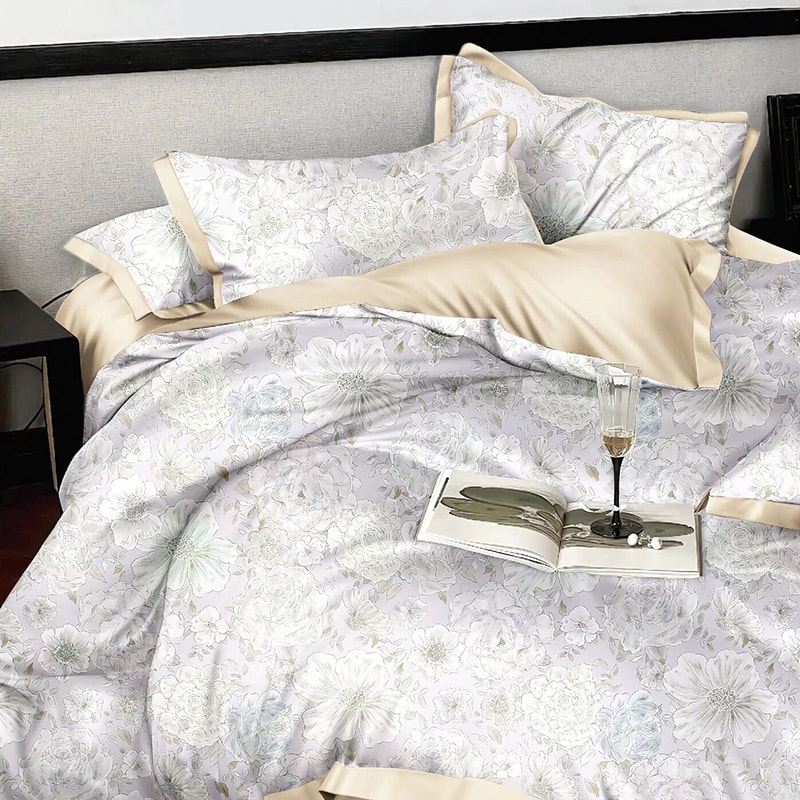
FunctionMore delicate and skin-friendly: Compared with 50S, 60S silk fiber is thinner, softer, smoother, more comfortable for close use, and more moisture absorption.Breathable: Higher branches improv...
See Details -
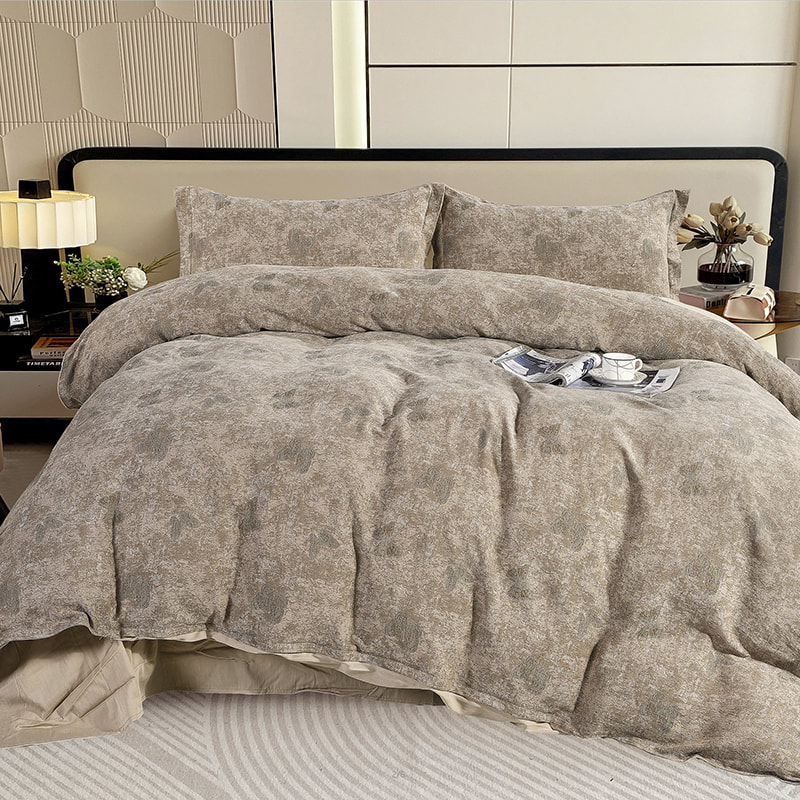
Function Luxury touch: The fiber is soft and smooth, and the jacquard process adds a three-dimensional texture. Touch like silk moisture absorption: moisture absorption performance keeps dry and comfo...
See Details -

Function Fine pattern performance: Digital printing is higher precision than round net printing, richer color, more delicate pattern, fast dry.Easy to care: The polyester fiber characteristics are unc...
See Details -
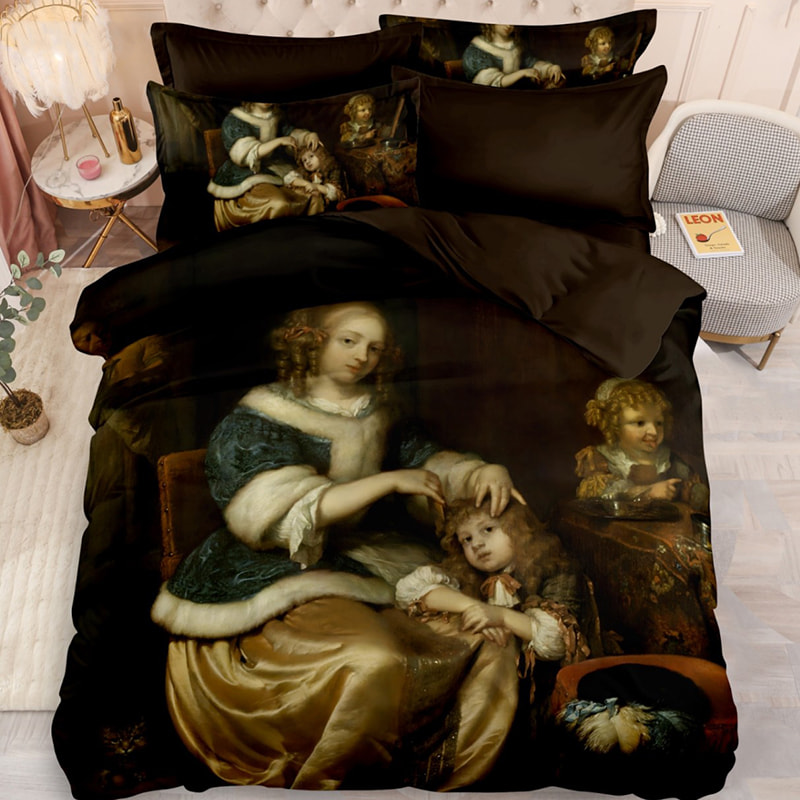
FunctionFine pattern performance: Digital printing is higher precision than round net printing, richer color, more delicate.Durable anti-wrinkle: 130g polyester fiber fabric has a vertical feeling, an...
See Details -
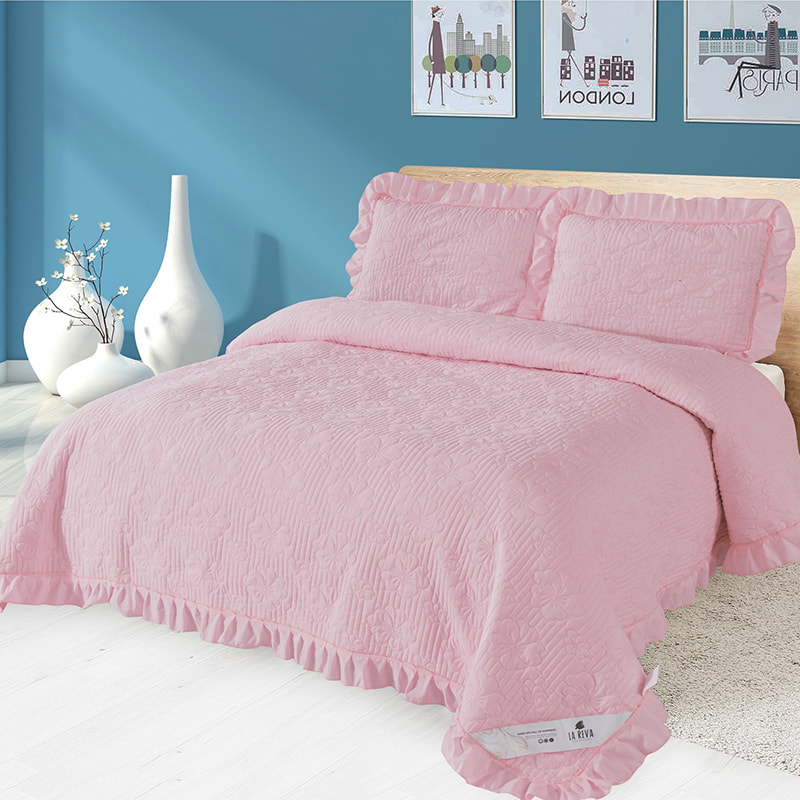
FunctionThin and light: The ultrasonic process does not create pinholes or quilting thread, and the fabric is thin and smooth.Strong decoration: Lace elements add an elegant and romantic sense, enhanc...
See Details -
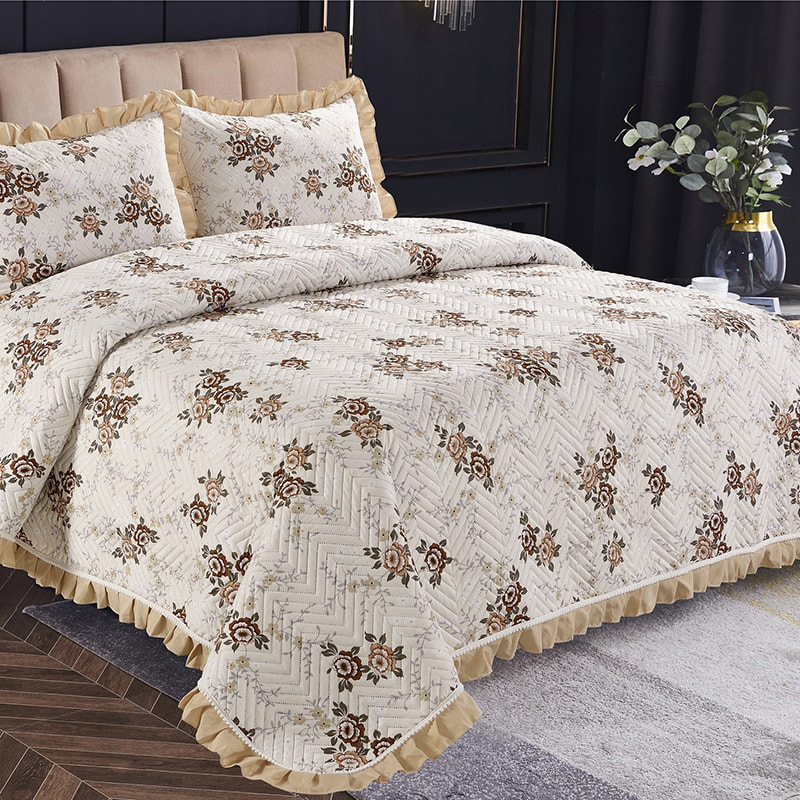
FunctionThin and light: The ultrasonic process does not create a pinhole or quilting thread, and the fabric is thin and smooth.Strong decorative: Print patterns add a sense of art and design, enhancin...
See Details
