

 English
 Español
 عربى
عربى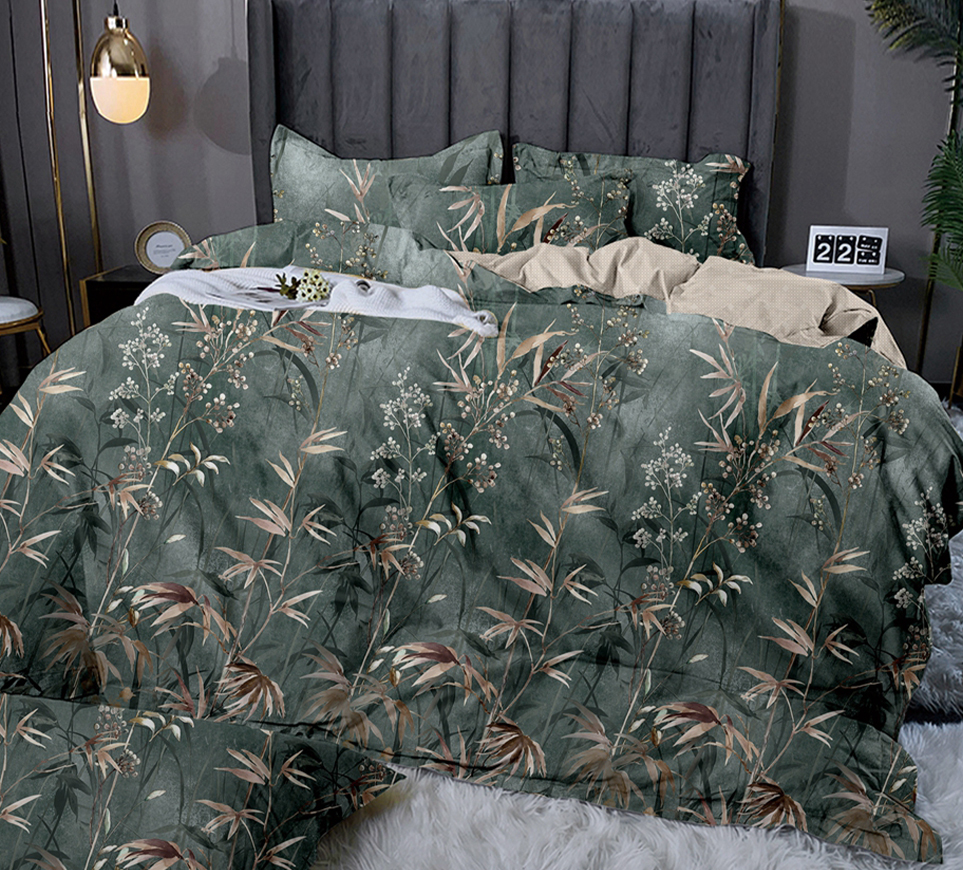
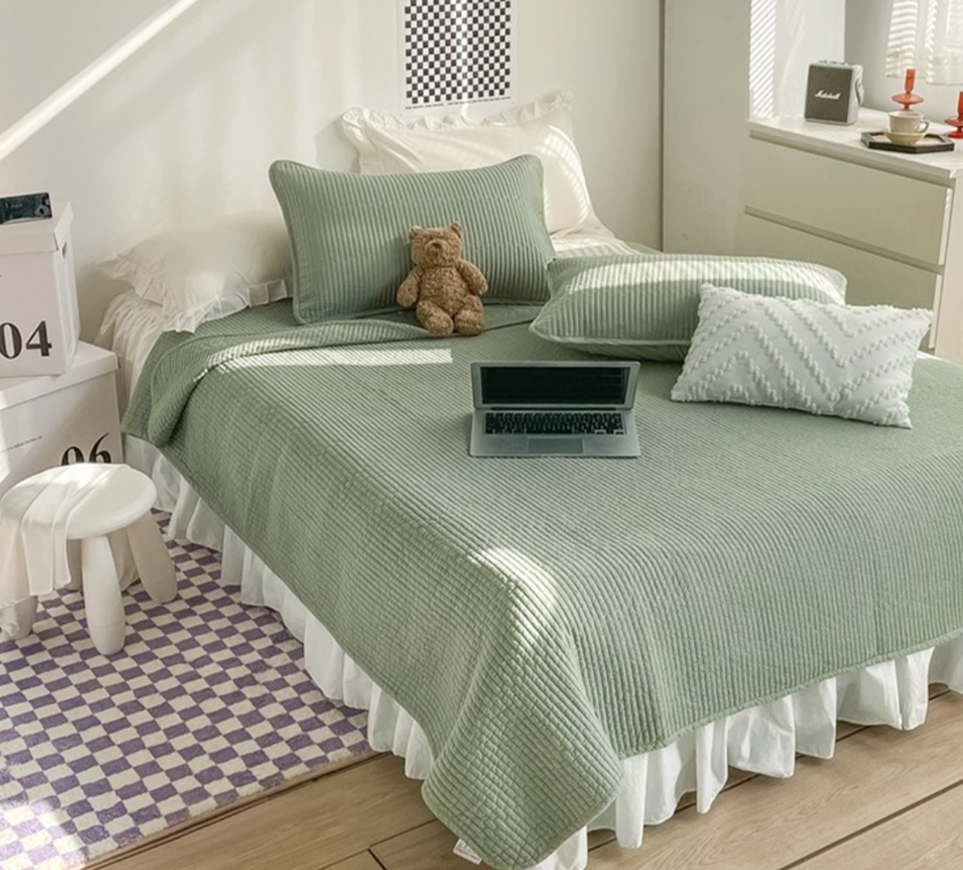
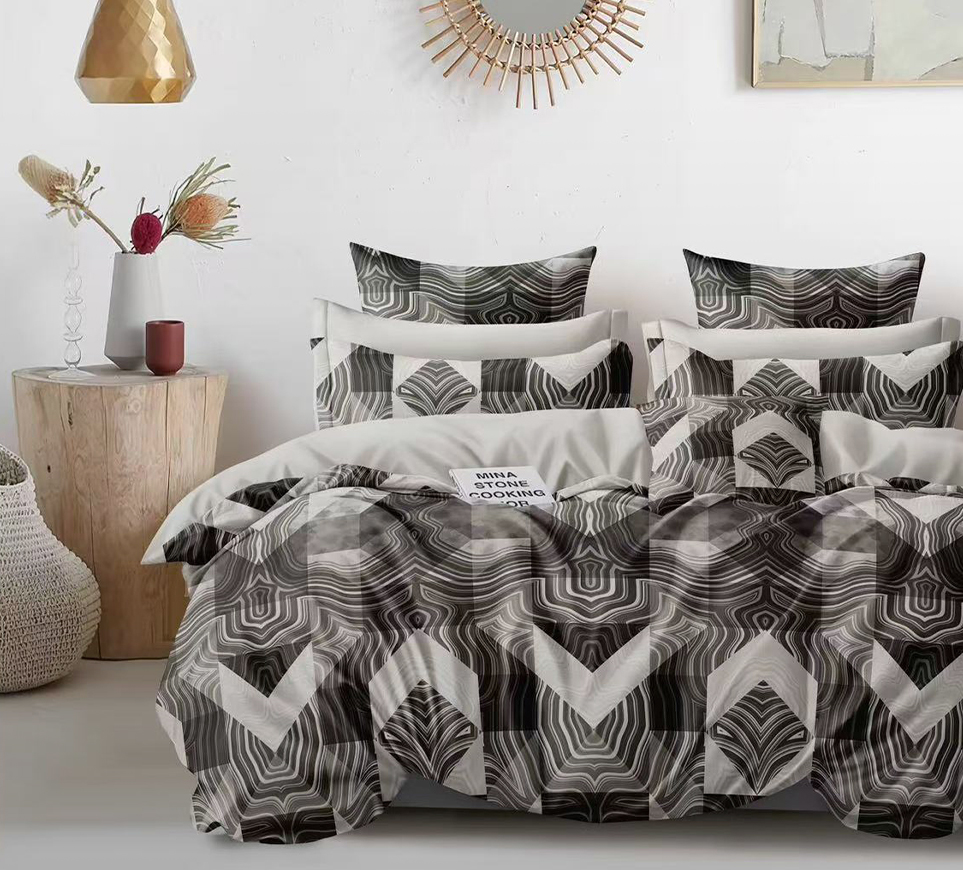
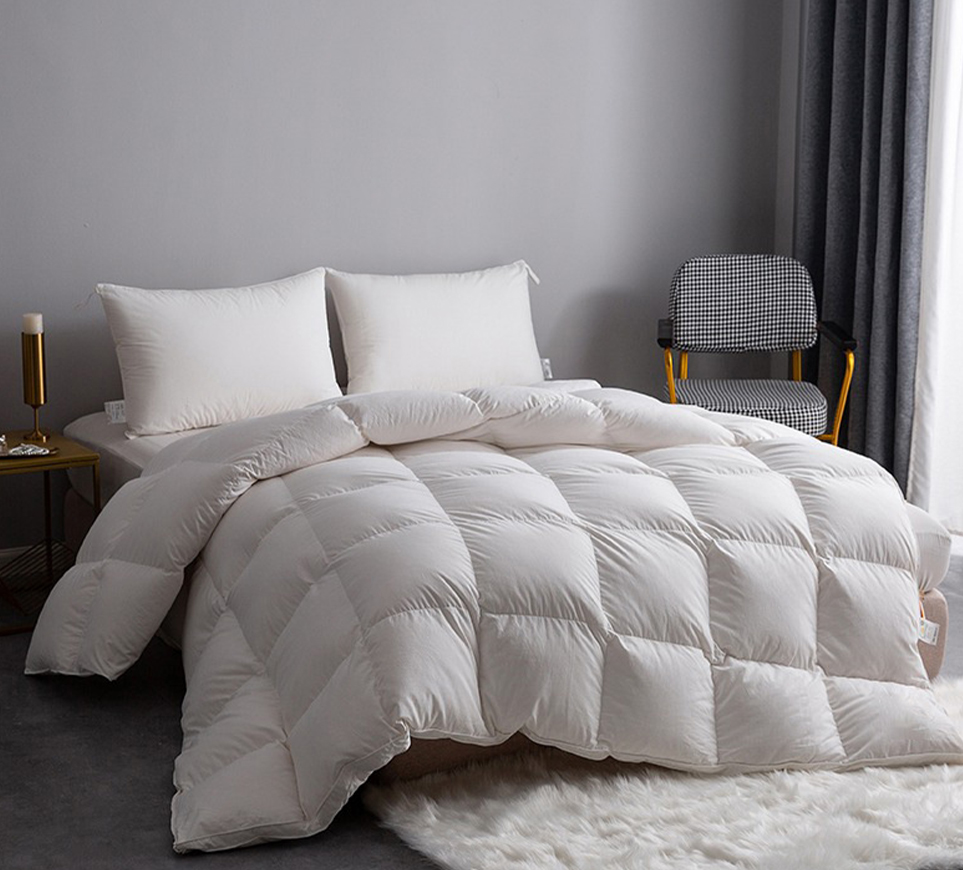
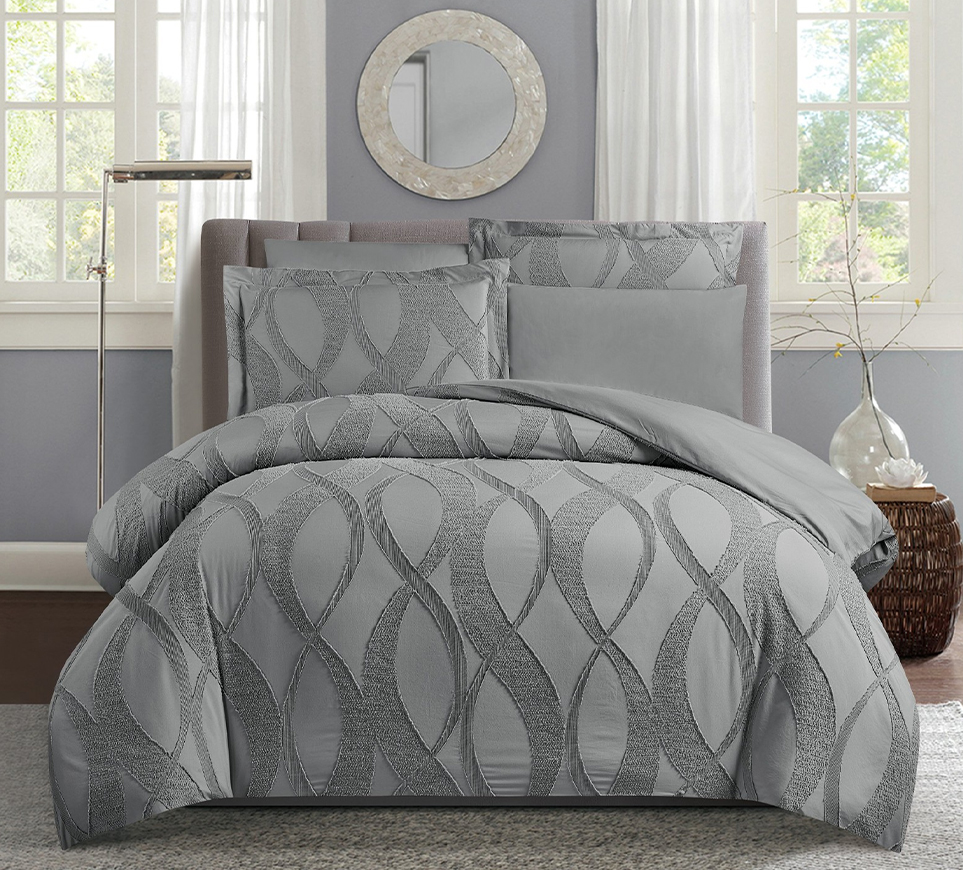
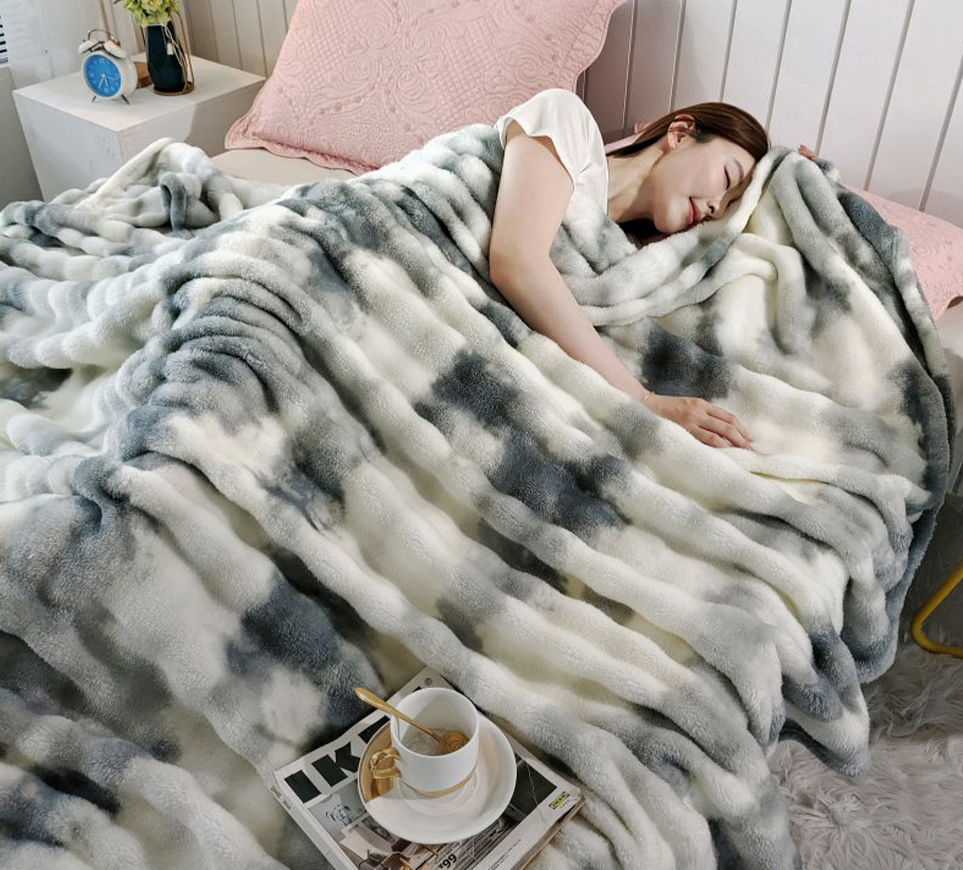
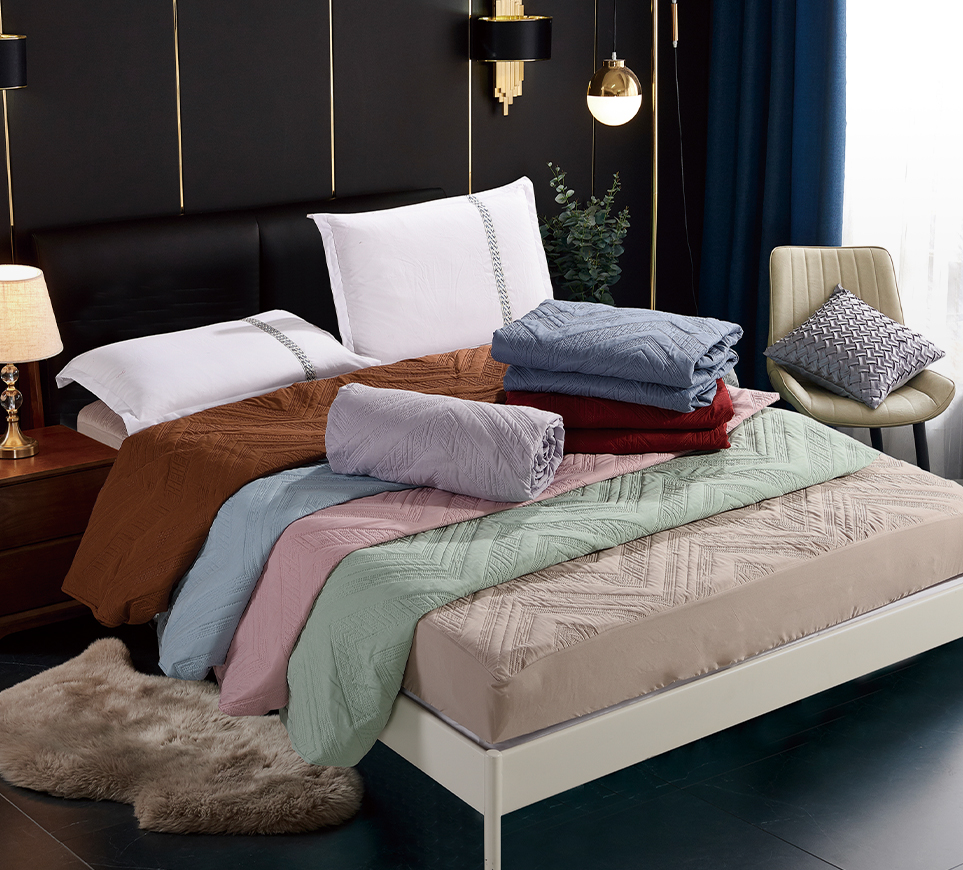
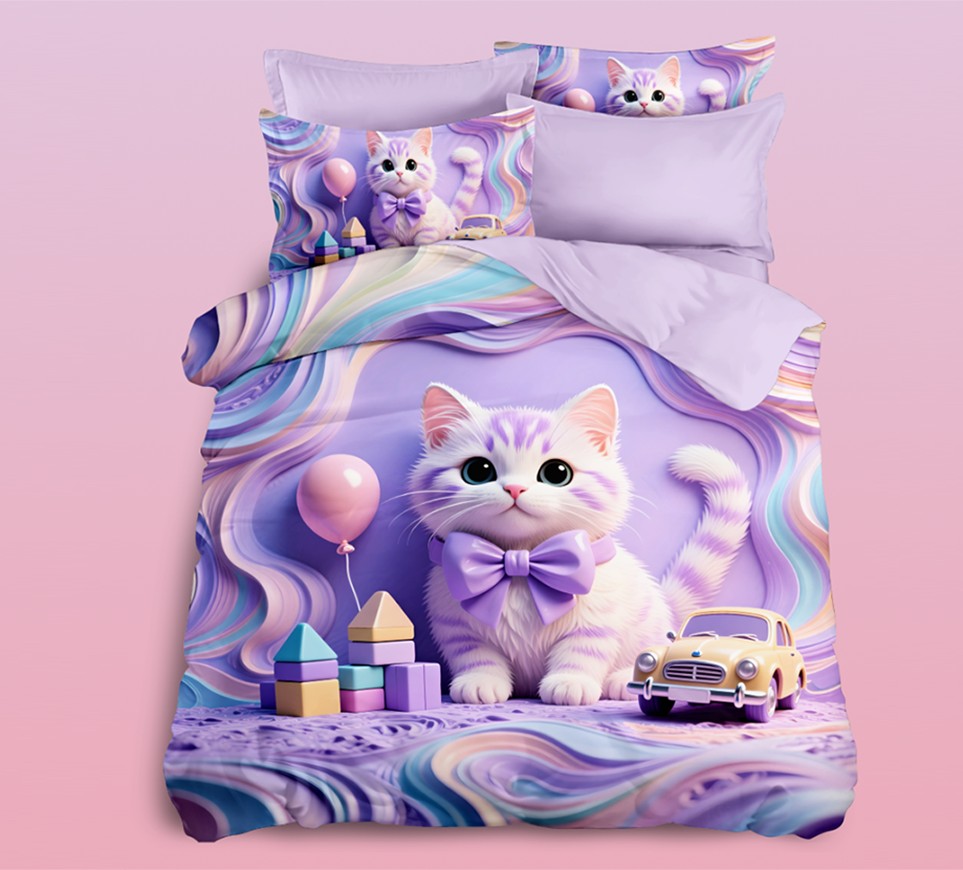
FunctionFast dry and easy to care: Not easy to shrink, no ironing and anti-wrinkle, fast drying after machine washing.Durable and fade resistant: Strong wear resistance, high color fastness, long-term...
See DetailsWhy Choose Us?
Established in 2008, with a 3,000m² professional factory, over 50 employees, and 5 departmental managers.

Coming From China, Marketing To The World.
What is the best breathable bed cover?
Jun 22, 2026
Content
- 1 What Makes a Bedcover Set Breathable
- 2 Cotton vs Polyester: Which Performs Better for Breathability
- 3 How to Choose a Breathable Printed Bedcover Set for Summer
- 4 Caring for Printed Bedcover Sets Without Fading
- 5 Matching Breathability, Design, and Practical Use
- 6 About Nantong Noble International Trade Co., Ltd.
- 7 Frequently Asked Questions
What Makes a Bedcover Set Breathable
The most breathable bed cover is one made from natural, loosely woven fabric such as cotton, since cotton fibers allow air to pass through the weave and absorb moisture rather than trapping it against the skin. A breathable printed bedcover set made from cotton helps regulate temperature overnight, which is why cotton remains the most recommended fiber for bedding across hot and humid climates.
Breathability comes down to three factors: fiber type, weave density, and fabric weight. A cotton bedcover with a looser weave and lighter gram weight moves air more freely than a tightly woven synthetic blend, even if both look similar from the outside. This is also why many buyers searching for a lightweight bedding option specifically look for cotton over polyester blends.
Cotton vs Polyester: Which Performs Better for Breathability
Cotton and polyester are the two most common materials used in bedcover sets, and they perform quite differently when it comes to airflow and moisture handling. Cotton fibers are naturally absorbent and allow moisture vapor to pass through, while polyester fibers are less absorbent and tend to trap heat closer to the body.
| Property | Cotton | Polyester |
|---|---|---|
| Breathability | High | Moderate to Low |
| Moisture Absorption | Good | Limited |
| Softness Over Time | Improves with washing | Stays consistent |
| Wrinkle Resistance | Lower | Higher |
As shown in the chart, pure cotton consistently rates highest for airflow among common bedding fabrics, followed by linen blends, which also allow good ventilation due to their fiber structure. Cotton blends fall in the middle range since the added synthetic fiber slightly reduces breathability compared to pure cotton. Polyester rates lowest because the fiber itself does not absorb moisture, relying instead on the weave to allow some airflow. This pattern is consistent with general textile research showing natural fibers outperform synthetics in moisture vapor transmission. For shoppers comparing a printed bedcover made from different materials, checking the fabric composition label is the simplest way to predict breathability before purchase.
How to Choose a Breathable Printed Bedcover Set for Summer
Selecting the right bedspread set for warmer months comes down to a few practical checks rather than appearance alone.
- Check the fiber content label and prioritize cotton or cotton-dominant blends for better airflow.
- Look for a looser weave structure, which generally feels lighter and cooler against the skin.
- Choose a lower fabric weight if the set will be used in hot or humid bedrooms.
- Confirm the set includes a bedspread, pillowcases, and quilt cover so the full bedding system matches in material and breathability.
- Consider a floral bedspread or other printed pattern if you also want the set to complement your bedroom décor.
A complete quilt cover set that pairs well with the season usually combines breathable cotton with a finish that stays soft after repeated washing, since fabric that hardens or pills quickly tends to lose its airflow benefits over time.
Caring for Printed Bedcover Sets Without Fading
Printed patterns fade faster when exposed to harsh detergents, high heat, and direct sunlight during drying. To protect the colors and texture of a printed comforter or bedspread, wash with a neutral, mild detergent rather than products containing bleach or strong alkaline ingredients.
Simple Steps to Extend Fabric Life
- Wash in cool or warm water rather than hot water to reduce fiber stress.
- Avoid overloading the washing machine so the fabric can move freely and rinse properly.
- Dry in a shaded area rather than direct sunlight to prevent print fading.
- Iron on a low setting if needed, avoiding direct contact with printed areas.
This line chart shows how color retention typically declines with repeated washing depending on the detergent used. Bedding washed with mild, neutral detergent retains noticeably more color depth over time compared to fabric exposed to harsh or bleach-based products. Both lines decline gradually, which reflects the natural wear that occurs with any printed textile, but the gap widens significantly after twenty or more wash cycles. This pattern supports general fabric care guidance recommending gentle detergents for printed home textiles. Following these steps helps a home textile set stay presentable for daily use across many seasons rather than fading within the first few months.
Matching Breathability, Design, and Practical Use
Breathability and design do not have to compete with each other when selecting bedding. A well-made floral printed bedding set can offer the same airflow performance as a plain cotton set, as long as the underlying fabric composition and weave remain consistent regardless of the printed pattern applied on top.
The radar chart compares a cotton printed set against a polyester blend set across five practical factors. Cotton printed sets score higher on breathability and design variety, since cotton fabric holds printed dye well while still allowing airflow. Polyester blend sets show a slight edge in wrinkle resistance, which can matter for buyers prioritizing low-maintenance bedding. Color retention favors cotton when proper washing methods are followed, though polyester can hold up reasonably well under harsher washing conditions. Comparing these factors side by side helps buyers decide whether breathability or low-maintenance convenience matters more for their household needs.
About Nantong Noble International Trade Co., Ltd.
Nantong Noble International Trade Co., Ltd. is a comprehensive home textile enterprise specializing in the design, production, processing, and packaging of household textiles. With over eighteen years of experience in international trade and home textile manufacturing, the company is committed to providing professional home textile solutions as an established China home textile manufacturer and home textile factory.
The product range covers bedding sets, bedspreads, quilts, blankets, and sofa covers, with styles and designs continually updated to support fast production turnaround. The company also offers customized products based on customer requirements, including fabric, size, and color adjustments, to meet diverse market needs for buyers seeking a reliable bedcover set manufacturer or printed bedding supplier for wholesale or custom orders.
Frequently Asked Questions
Q1: What fabric is best for breathable bedding?
Cotton is generally the most breathable choice due to its natural fiber structure and moisture absorption.
Q2: Can a printed bedcover set still be breathable?
Yes, the printed pattern sits on the fabric surface and does not significantly affect breathability if the base fabric is cotton or another breathable material.
Q3: How do I wash a printed bedcover set without fading the colors?
Use a mild, neutral detergent, wash in cool or warm water, and dry away from direct sunlight.
Q4: Is cotton or polyester better for summer bedding?
Cotton is generally better for summer due to superior airflow and moisture absorption compared to polyester.
Q5: What does a typical bedcover set include?
A standard set usually includes a bedspread, pillowcases, and a quilt cover designed to match in fabric and pattern.
Related products
-
-
FunctionFast drying and easy to take care of: Anti-shrinkage and no ironing, fast drying after machine washing, simplified daily care.Durable color protection: High wear resistance and color fastness,...
See Details -
FunctionStrong warmth: High gram weight provides good insulation performance, suitable for low-temperature environments.Durable anti-wrinkle: High-density structure wear and tear resistance, not easy ...
See Details -

FunctionSkin-friendly breathable: Natural cotton fiber is soft and comfortable, good for breath, and suitable for the use of moisture.Absorption and perspiration: Good moisture absorption, keep dry bo...
See Details -
FunctionMore delicate and skin-friendly: Higher than 12868,13372, the fabric is more delicate and soft, the touch is better and more.Breathable: High-density cotton structure further improves moisture...
See Details -
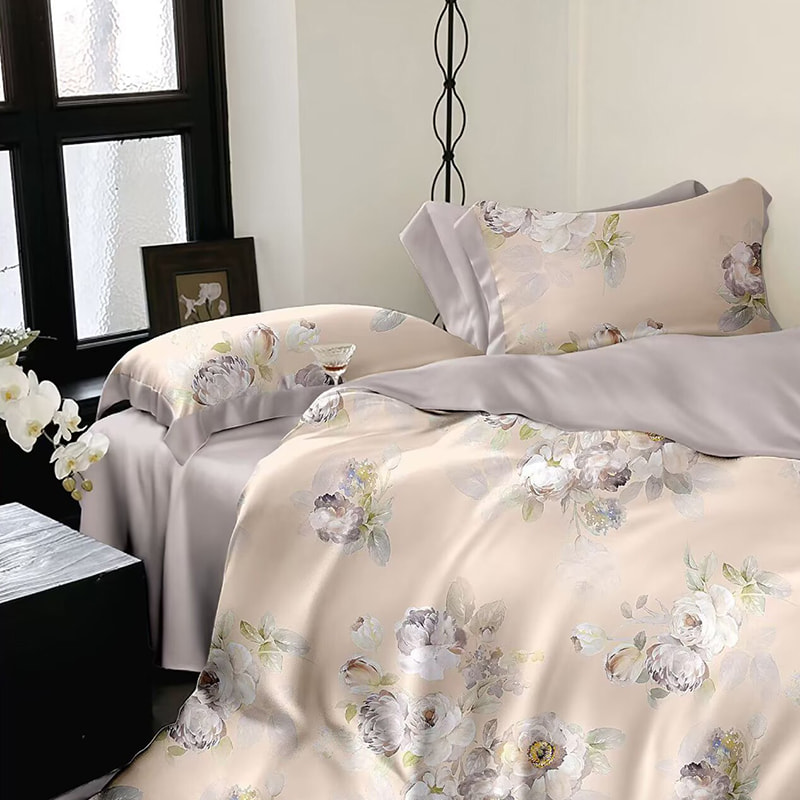
Function Extreme skin affinity: Day silk fiber is soft and smooth, touch like silk, suitable for close-fitting use of moisture. Absorption and breathability: moisture absorption and sweat performance,...
See Details -
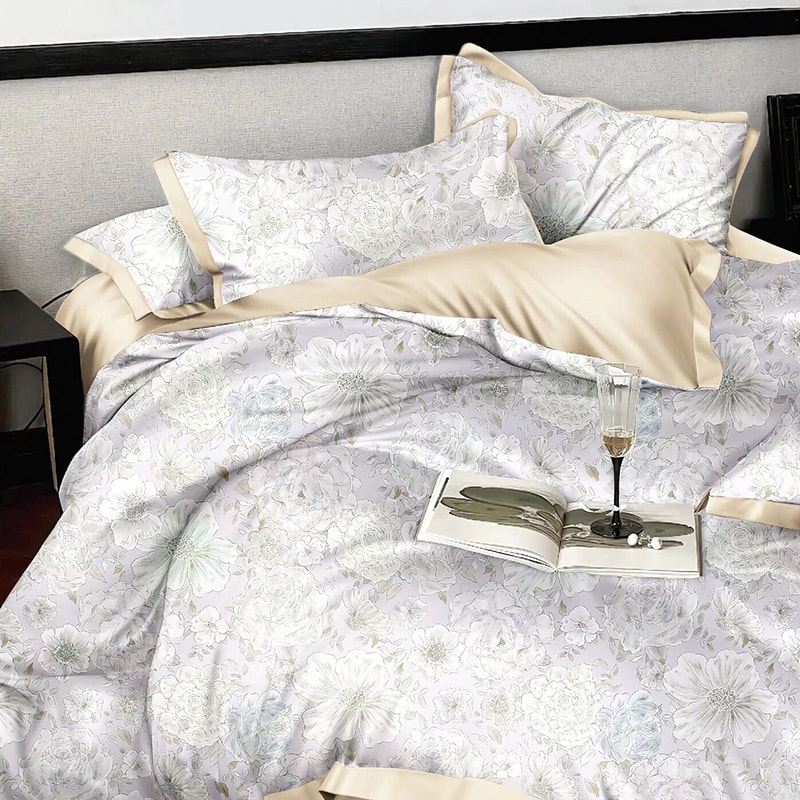
FunctionMore delicate and skin-friendly: Compared with 50S, 60S silk fiber is thinner, softer, smoother, more comfortable for close use, and more moisture absorption.Breathable: Higher branches improv...
See Details -
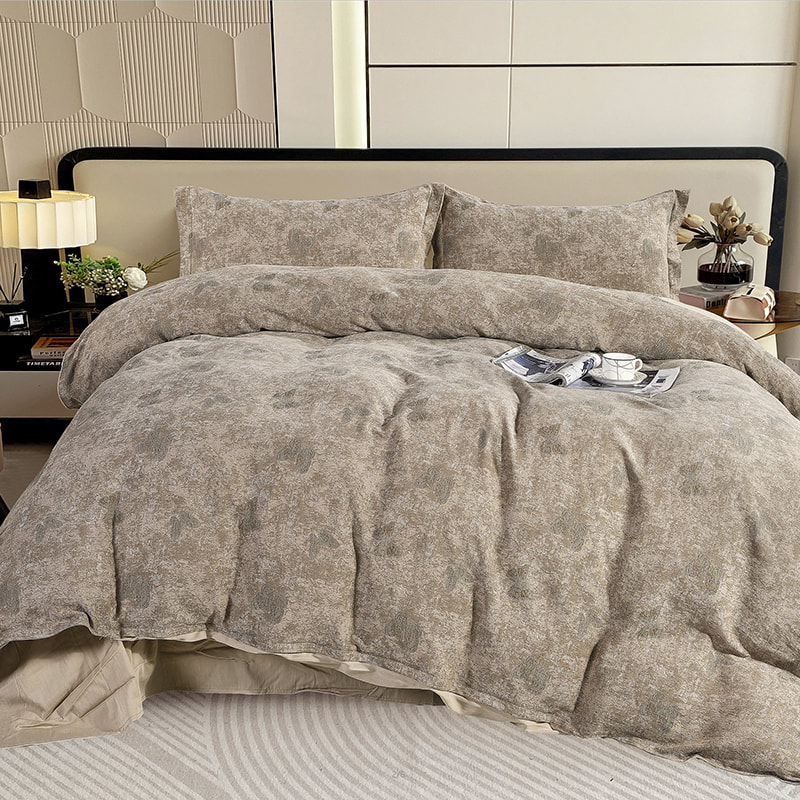
Function Luxury touch: The fiber is soft and smooth, and the jacquard process adds a three-dimensional texture. Touch like silk moisture absorption: moisture absorption performance keeps dry and comfo...
See Details -
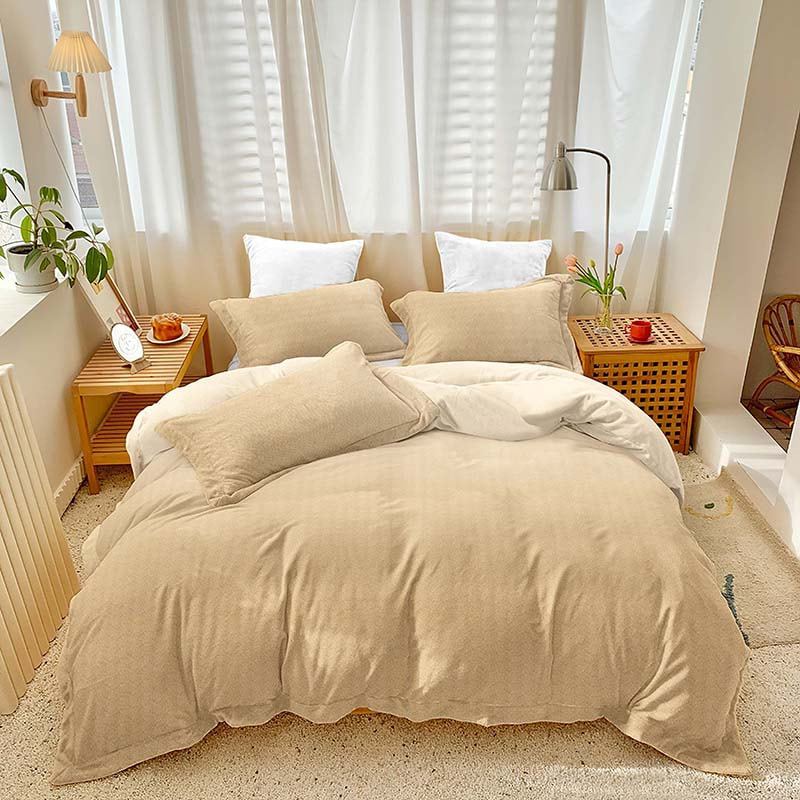
Function Fine pattern performance: Digital printing is higher precision than round net printing, richer color, more delicate pattern, fast dry.Easy to care: The polyester fiber characteristics are unc...
See Details -
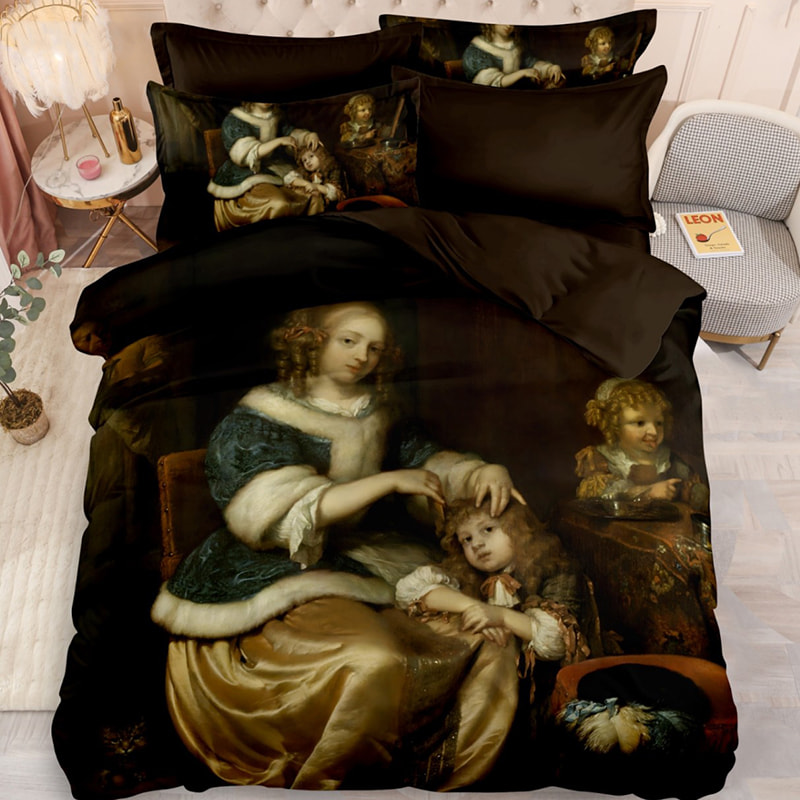
FunctionFine pattern performance: Digital printing is higher precision than round net printing, richer color, more delicate.Durable anti-wrinkle: 130g polyester fiber fabric has a vertical feeling, an...
See Details -
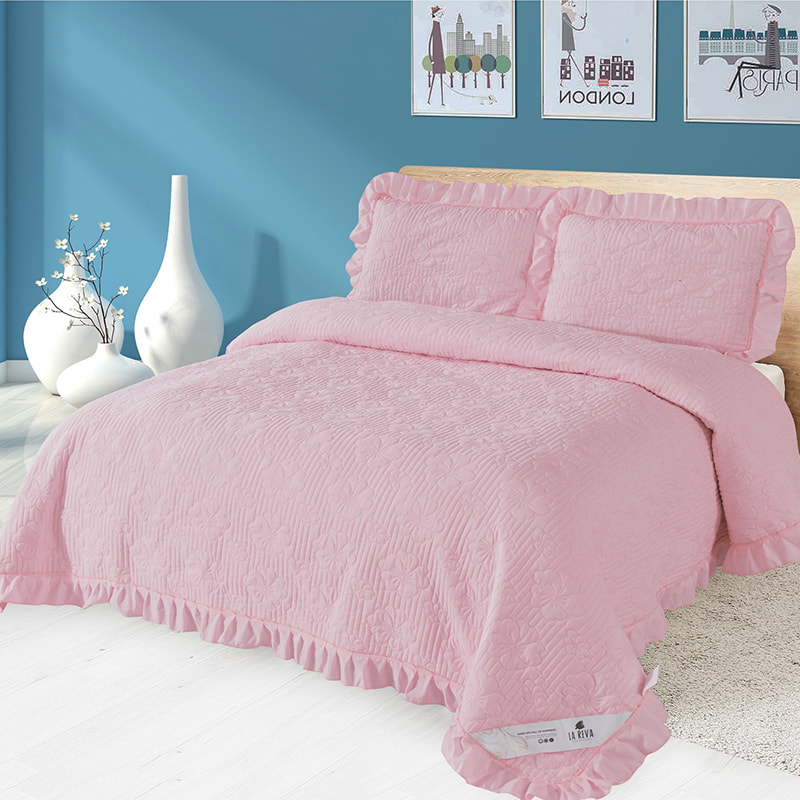
FunctionThin and light: The ultrasonic process does not create pinholes or quilting thread, and the fabric is thin and smooth.Strong decoration: Lace elements add an elegant and romantic sense, enhanc...
See Details -
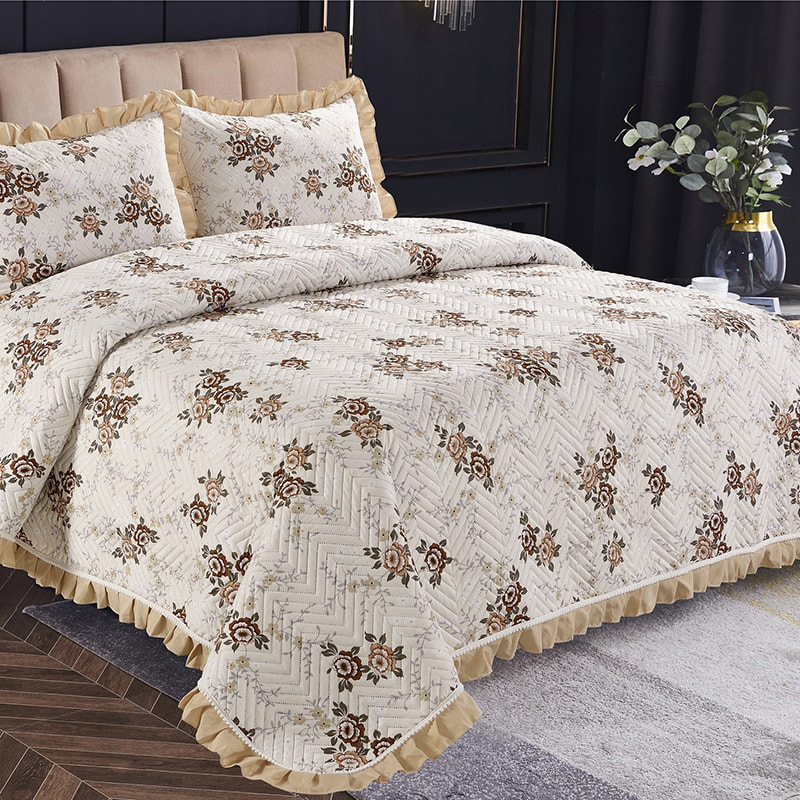
FunctionThin and light: The ultrasonic process does not create a pinhole or quilting thread, and the fabric is thin and smooth.Strong decorative: Print patterns add a sense of art and design, enhancin...
See Details
