

 English
 Español
 عربى
عربى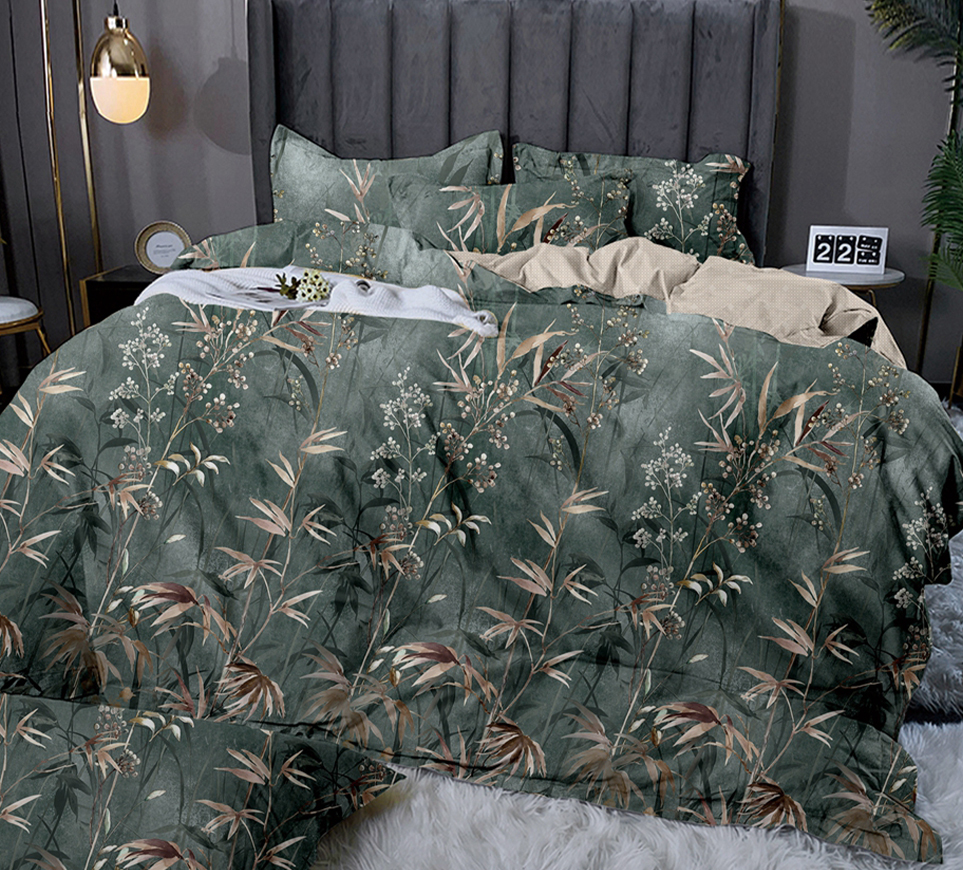
FunctionFast dry and easy to care: Not easy to shrink, no ironing and anti-wrinkle, fast drying after machine washing.Durable and fade resistant: Strong wear resistance, high color fastness, long-term...
See DetailsWhy Choose Us?
Established in 2008, with a 3,000m² professional factory, over 50 employees, and 5 departmental managers.

Coming From China, Marketing To The World.
Understanding Quilts: Materials, Seasonal Use, and Manufacturing
Jul 01, 2026
Content
- 1 What Is a Quilt and How Does It Differ From Other Bedding
- 2 Company Overview
- 3 Quilt Product Line Overview
- 4 Cotton Quilt Versus Polyester Quilt: Material Characteristics
- 5 Seasonal Use and Layering Guidance
- 6 Design Considerations in Quilt Manufacturing
- 7 Care and Maintenance Recommendations
- 8 Sourcing and Customization
- 9 Frequently Asked Questions
A quilt is a layered bedding item made of a top fabric, a filling material, and a backing fabric, stitched together to keep the filling evenly distributed. Nantong Noble International Trading Co., Ltd., a home textile enterprise based in Nantong, China, produces a range of quilts designed for different seasons and different user preferences, including cotton quilts for cooler months and polyester quilts for lighter, everyday use.
What Is a Quilt and How Does It Differ From Other Bedding
A quilt is generally defined by its construction method rather than by a single material. The top layer, filling, and backing are stitched or quilted together in a pattern that holds the filling in place, which distinguishes a quilt from a plain blanket, which is usually a single layer of woven or knitted fabric without a filling layer. A comforter is similar in structure to a quilt but is typically thicker and less tightly stitched, while a coverlet is thinner and often used as a decorative top layer. Understanding these distinctions helps buyers choose bedding that matches their intended use, whether for warmth, decoration, or year round comfort.
Quilts are commonly used both as a primary bedding layer in moderate climates and as an additional layer over a fitted sheet or duvet in colder conditions. Because the filling is evenly stitched into place, a well constructed quilt tends to keep its shape and warmth distribution over repeated washing, which is one reason quilts remain a popular bedding choice across different regions and climates.
Company Overview
Nantong Noble International Trading Co., Ltd. is a comprehensive home textile enterprise specializing in the design, production, processing, and packaging of household textiles. With over eighteen years of experience in international trade and home textile manufacturing, the company provides home textile solutions to customers across different markets. As a home textile manufacturer and home textile factory, Nantong Noble offers OEM quilt supply and ODM quilt customization services, allowing customers to adjust material, size, and color according to their specific requirements.
The company's product range covers bedding sets, bedspreads, quilts, blankets, and sofa covers. Nantong Noble states that it continues to update its product styles and designs in order to maintain a responsive production cycle, and that it works with customers to develop customized products that address varying market demands.
Quilt Product Line Overview
Nantong Noble's quilt offerings are organized around seasonal use and material preference. The winter cotton quilt uses a cotton filling intended to provide warmth without excessive heat retention, paired with subtle pattern designs suited to bedroom decor. For lighter use, the polyester summer quilt core uses a lightweight polyester filling, which is intended for users who prefer a quilt that is easy to handle and quick to dry after washing. The company also offers a seersucker summer comforter and a digital cool silky summer quilt, both aimed at users seeking a breathable and smooth surface texture during warmer months.
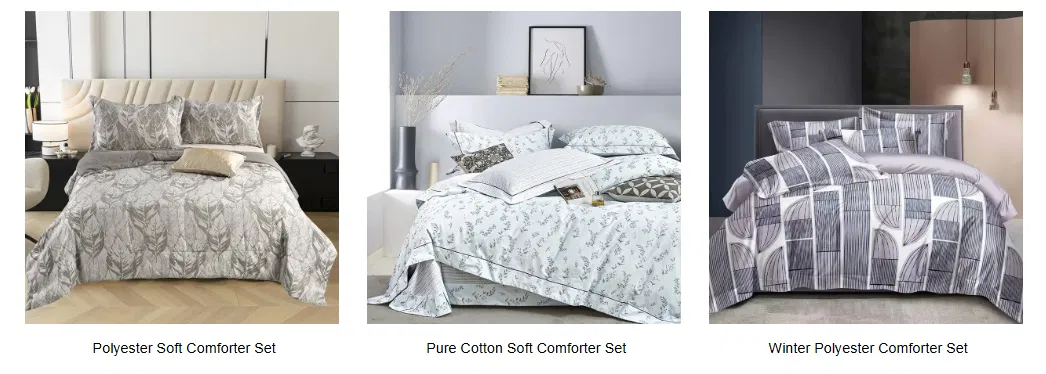
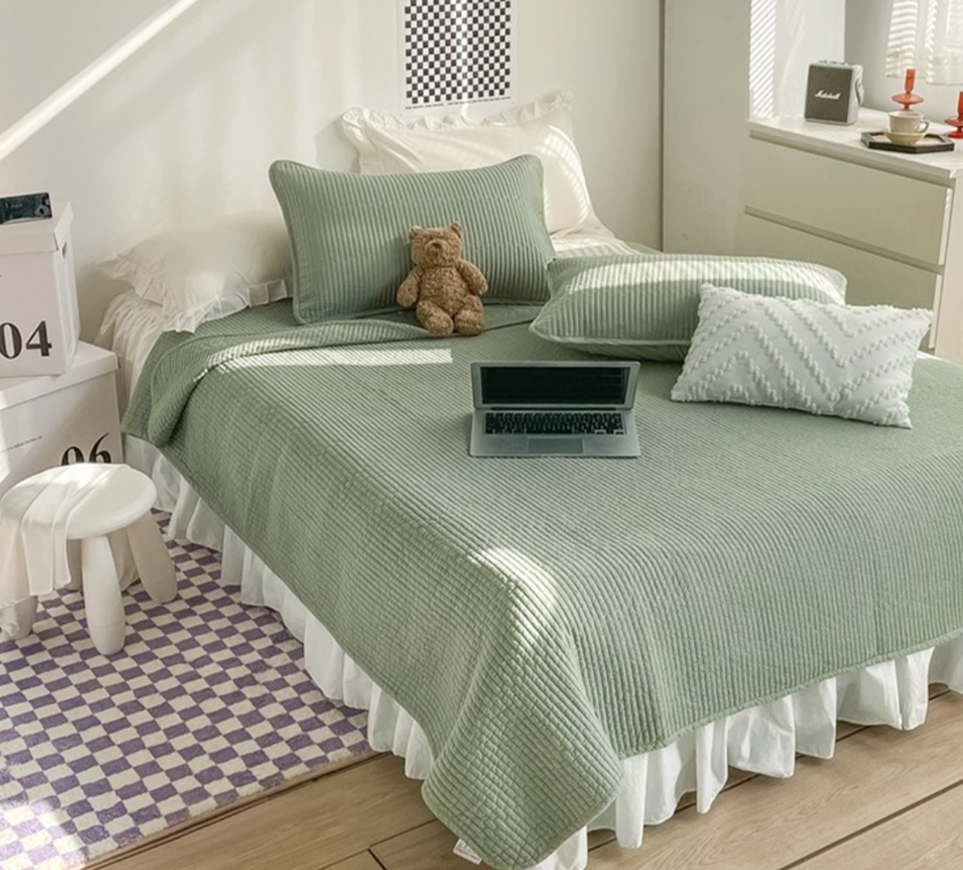
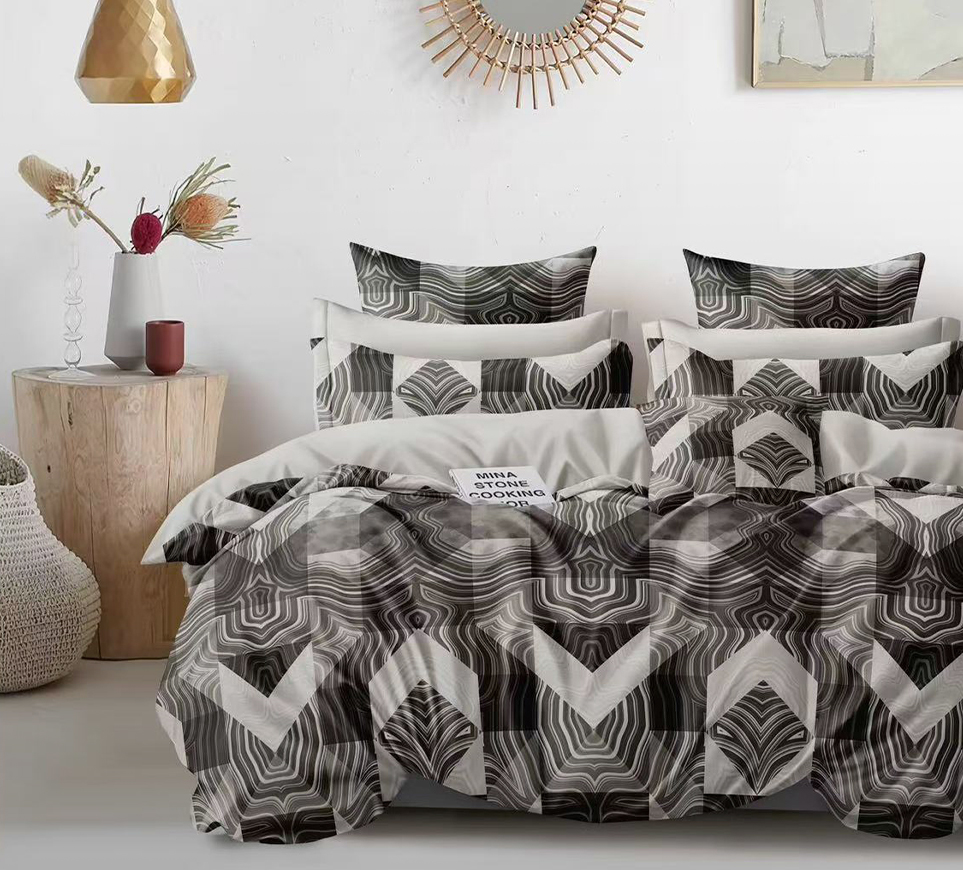
The image above shows three representative quilt sets from Nantong Noble. From left to right, these are a polyester soft comforter set, a pure cotton soft comforter set, and a winter polyester comforter set. The polyester soft comforter set features a light colored leaf pattern suited to neutral bedroom palettes. The pure cotton soft comforter set uses a pale blue botanical print combined with a plain woven cotton fabric. The winter polyester comforter set applies a geometric line pattern with contrasting light and dark tones, giving it a more graphic visual style compared with the other two sets.
Each of these product lines is designed with a different combination of pattern, fabric weight, and surface texture, which allows retail and wholesale buyers to select a style that matches their target customer base, whether the preference is toward a minimalist look, a botanical print, or a more structured geometric design.
Cotton Quilt Versus Polyester Quilt: Material Characteristics
Cotton and polyester are two of the most common filling and shell materials used in quilt manufacturing. Cotton is a natural fiber generally recognized for its breathability and soft handfeel, which makes it a common choice for users who prioritize skin contact comfort, particularly in cooler seasons when a quilt is used as a primary bedding layer. Polyester is a synthetic fiber that is generally lighter in weight and dries more quickly after washing compared with cotton, which makes it a practical option for users who want a quilt that is easy to maintain on a regular basis.
| Material | General Characteristics | Typical Season |
|---|---|---|
| Cotton | Breathable, soft handfeel, natural fiber | Autumn and winter |
| Polyester | Lightweight, quick drying, easy to maintain | Spring and summer |
Neither material is universally better than the other, since the appropriate choice depends on the buyer's climate, intended season of use, and personal preference regarding texture and maintenance. Some quilt collections, including seersucker and digital printed silky quilts, use processed polyester surfaces to achieve a smoother or textured feel while retaining the lightweight properties associated with synthetic fibers.
Seasonal Use and Layering Guidance
Quilts can generally be used across different seasons when paired appropriately with other bedding layers. In warmer months, a lightweight polyester summer quilt can help regulate body temperature without causing overheating during sleep. In colder months, a quilt can be layered together with a thicker blanket or duvet to add warmth without significantly increasing bulk. This layering approach allows a single quilt to serve multiple purposes throughout the year rather than requiring separate bedding for each season.
- Select a quilt material and weight appropriate to the current season and indoor climate.
- Layer a lightweight quilt with a thicker blanket during colder periods rather than switching to a single heavy quilt.
- Use a removable quilt cover to reduce the frequency of washing the quilt itself.
- Store quilts in a dry, ventilated space when not in use to help maintain the filling structure.
Design Considerations in Quilt Manufacturing
Beyond material selection, quilt manufacturers generally consider pattern design, stitching density, and fabric finish when developing a product line. Floral patterns and geometric textures are commonly used to align a quilt with different interior design styles, ranging from a modern minimalist bedroom to a more traditional or decorative setting. Stitching density affects how evenly the filling is held in place, which in turn affects how the quilt drapes and how it performs after repeated washing.
Nantong Noble states that its quilt designs incorporate both floral and geometric pattern elements, aiming to accommodate a range of bedroom styles without limiting the product line to a single aesthetic direction. The company also emphasizes fabric selection intended to be breathable and comfortable against the skin, which is a common consideration across quilt manufacturers targeting both retail and wholesale buyers.
Care and Maintenance Recommendations
Proper care can help extend the usable life of a quilt and maintain its appearance over time. It is generally recommended to use a removable quilt cover to protect the quilt itself from direct contact and to reduce how often the quilt needs to be washed. When washing is necessary, care instructions on the product label should be followed, since cotton and polyester quilts may require different washing temperatures or drying methods. Quilts should be stored in a dry, well ventilated area to help prevent moisture buildup, which can affect both the filling and the fabric over time.
Sourcing and Customization
For buyers sourcing quilts for retail or wholesale distribution, working with a manufacturer that offers both OEM and ODM services can provide flexibility in matching a product to a specific market. Nantong Noble's customization options include adjustments to material, size, and color, which allows buyers to align a quilt product with regional climate conditions and consumer preferences. The company's stated focus on updating product styles is intended to support buyers who need to refresh their product offerings on a regular basis.
Frequently Asked Questions
Q1: What is the difference between a quilt and a blanket?
A: A quilt consists of a top fabric, a filling layer, and a backing fabric stitched together, while a blanket is typically a single layer of woven or knitted fabric without a separate filling layer.
Q2: Should I choose a cotton quilt or a polyester quilt?
A: The choice generally depends on climate and personal preference. Cotton is breathable and soft, while polyester is lightweight and quick drying.
Q3: Can a quilt be used throughout the year?
A: Yes, a quilt can generally be used year round by adjusting the layering, such as pairing a lightweight quilt with an additional blanket during colder months.
Q4: Does Nantong Noble offer customized quilt products?
A: Yes, the company provides OEM and ODM services and can adjust material, size, and color according to customer requirements.
Q5: How should a quilt be cleaned and stored?
A: It is recommended to follow the care instructions on the product label, use a removable cover to reduce washing frequency, and store the quilt in a dry, ventilated space.
Related products
-
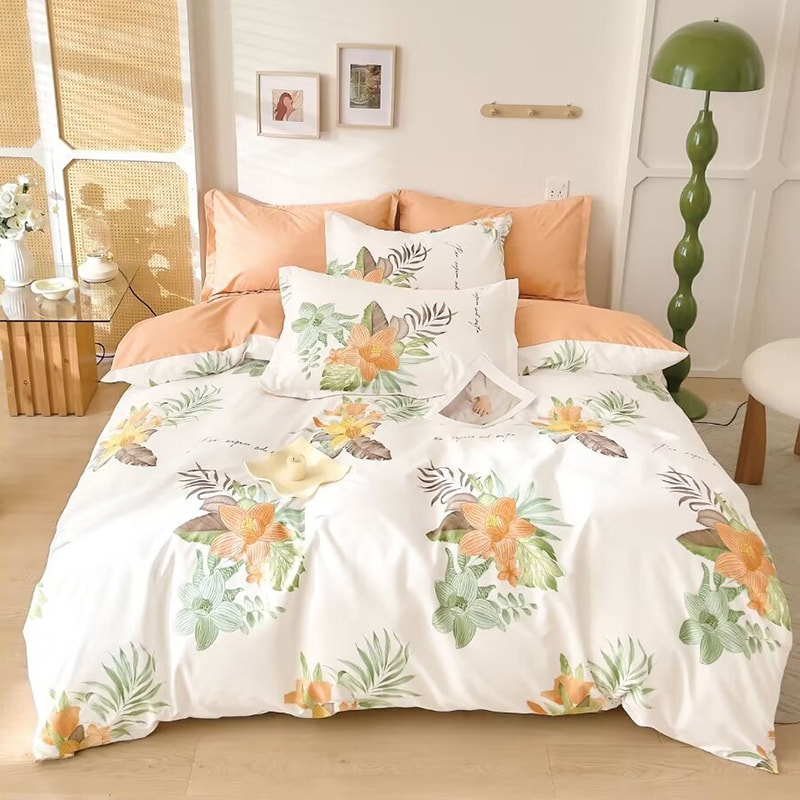
-
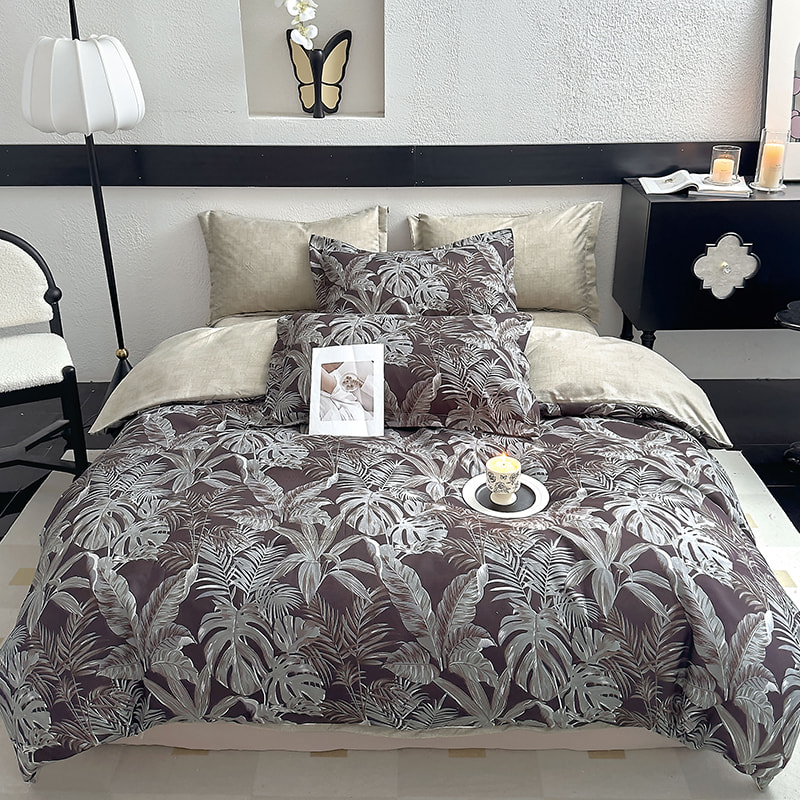
FunctionFast drying and easy to take care of: Anti-shrinkage and no ironing, fast drying after machine washing, simplified daily care.Durable color protection: High wear resistance and color fastness,...
See Details -
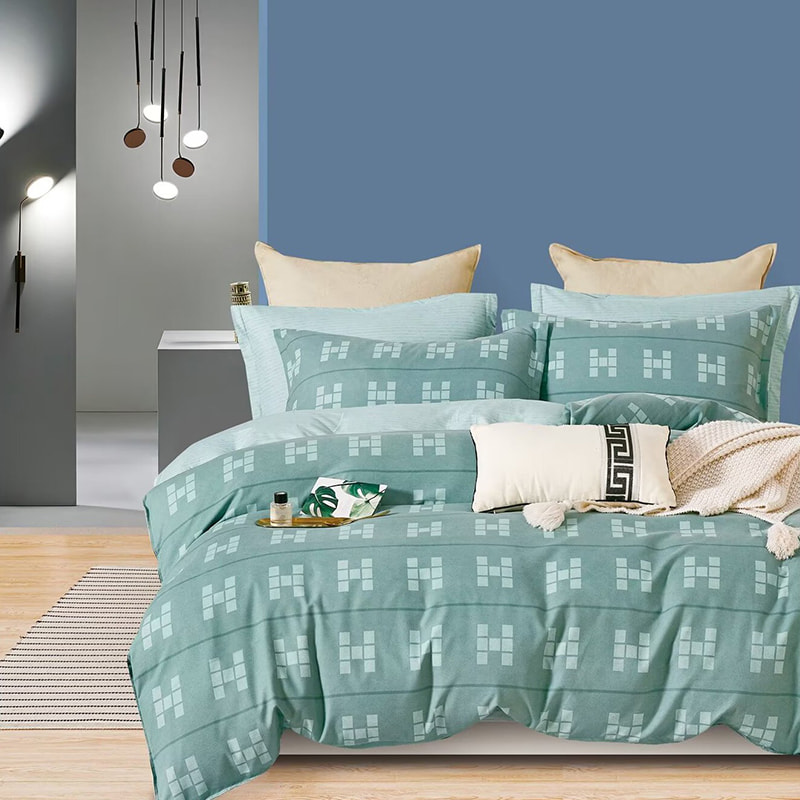
FunctionStrong warmth: High gram weight provides good insulation performance, suitable for low-temperature environments.Durable anti-wrinkle: High-density structure wear and tear resistance, not easy ...
See Details -

FunctionSkin-friendly breathable: Natural cotton fiber is soft and comfortable, good for breath, and suitable for the use of moisture.Absorption and perspiration: Good moisture absorption, keep dry bo...
See Details -
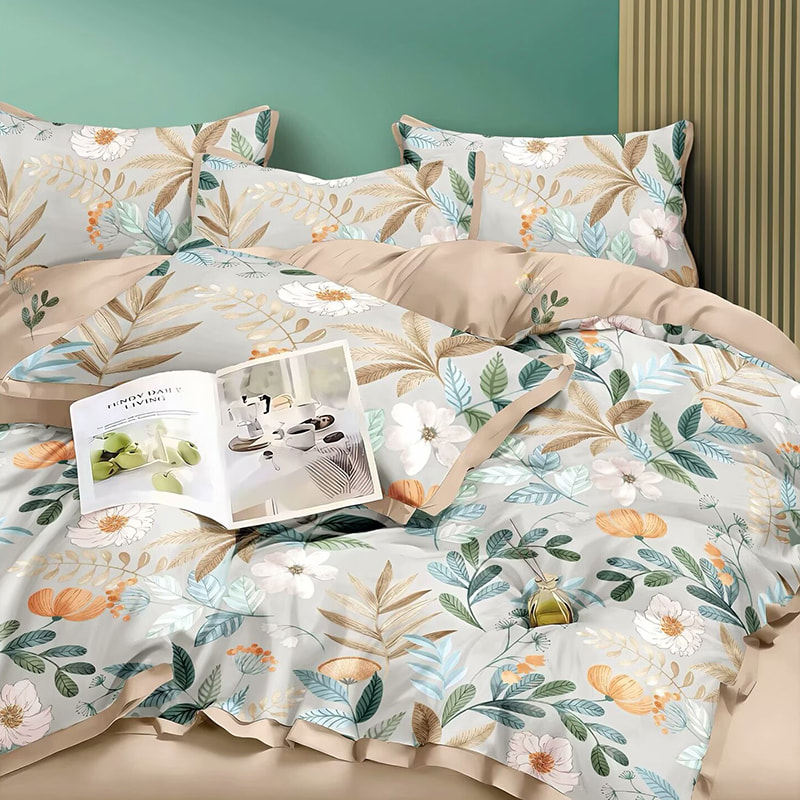
FunctionMore delicate and skin-friendly: Higher than 12868,13372, the fabric is more delicate and soft, the touch is better and more.Breathable: High-density cotton structure further improves moisture...
See Details -
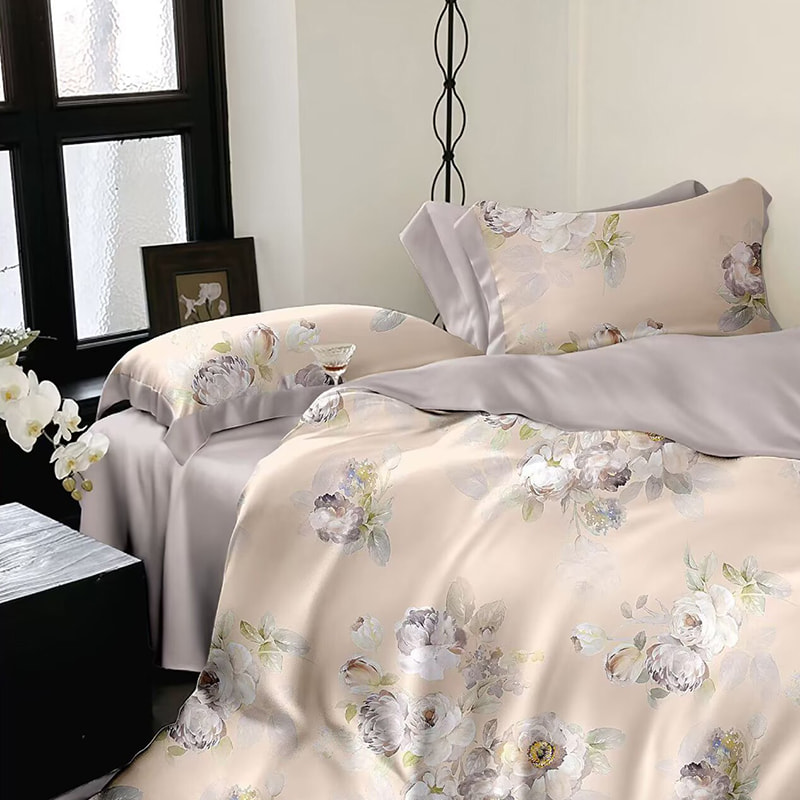
Function Extreme skin affinity: Day silk fiber is soft and smooth, touch like silk, suitable for close-fitting use of moisture. Absorption and breathability: moisture absorption and sweat performance,...
See Details -
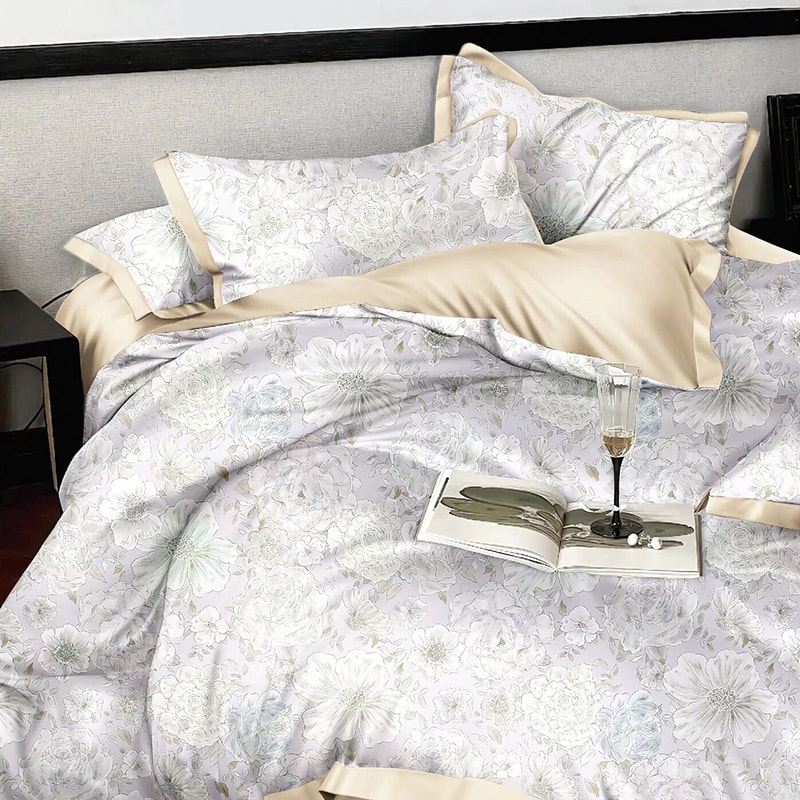
FunctionMore delicate and skin-friendly: Compared with 50S, 60S silk fiber is thinner, softer, smoother, more comfortable for close use, and more moisture absorption.Breathable: Higher branches improv...
See Details -
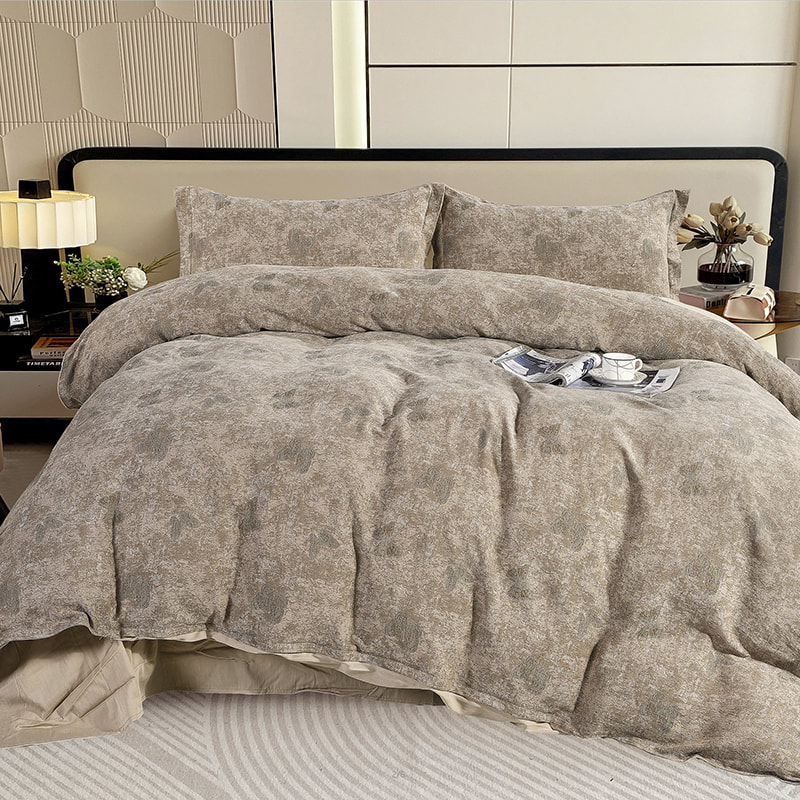
Function Luxury touch: The fiber is soft and smooth, and the jacquard process adds a three-dimensional texture. Touch like silk moisture absorption: moisture absorption performance keeps dry and comfo...
See Details -
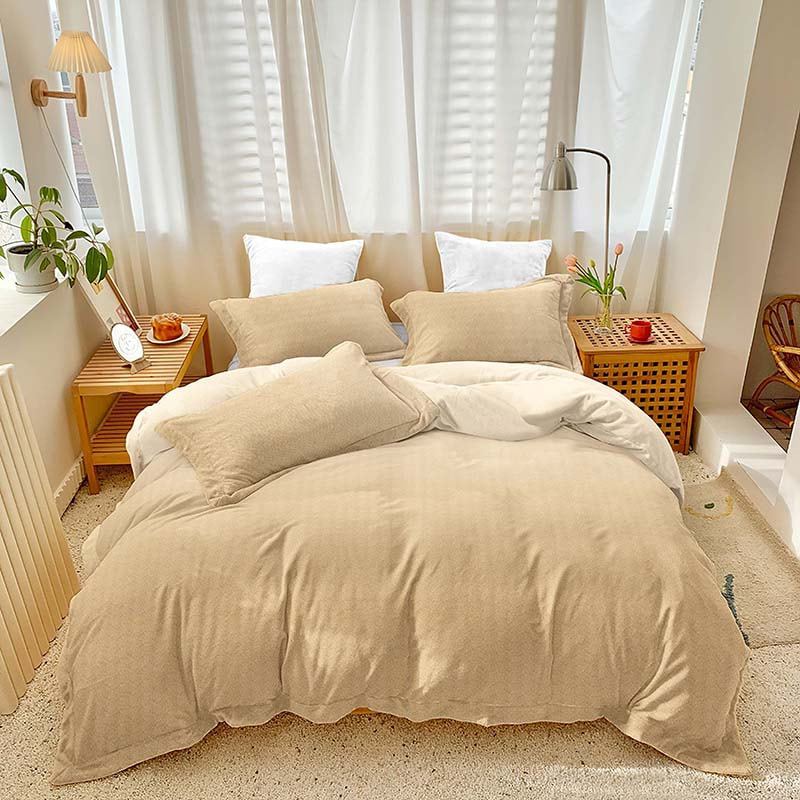
Function Fine pattern performance: Digital printing is higher precision than round net printing, richer color, more delicate pattern, fast dry.Easy to care: The polyester fiber characteristics are unc...
See Details -
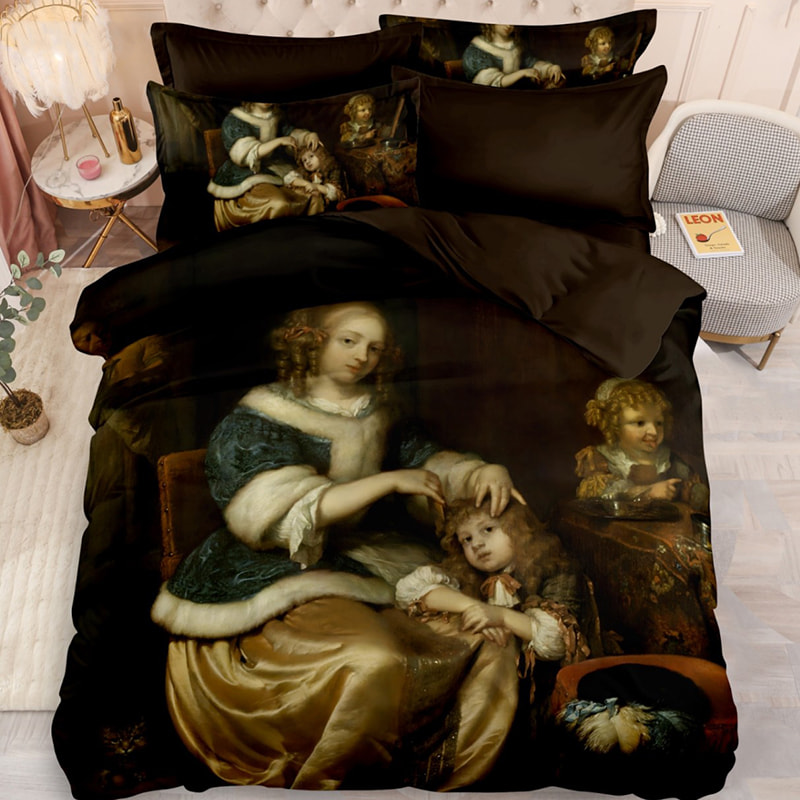
FunctionFine pattern performance: Digital printing is higher precision than round net printing, richer color, more delicate.Durable anti-wrinkle: 130g polyester fiber fabric has a vertical feeling, an...
See Details -
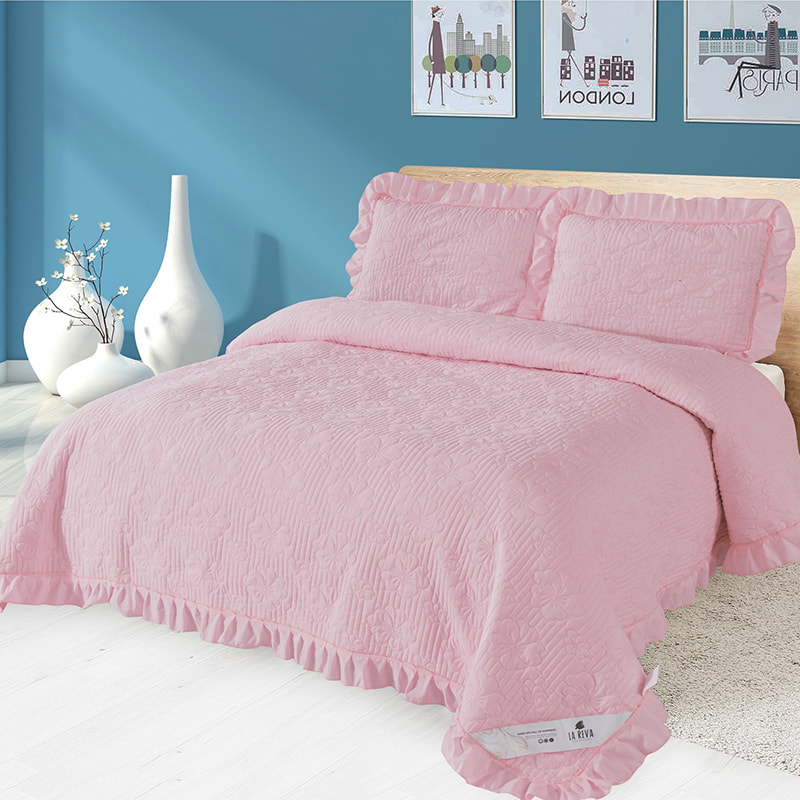
FunctionThin and light: The ultrasonic process does not create pinholes or quilting thread, and the fabric is thin and smooth.Strong decoration: Lace elements add an elegant and romantic sense, enhanc...
See Details -
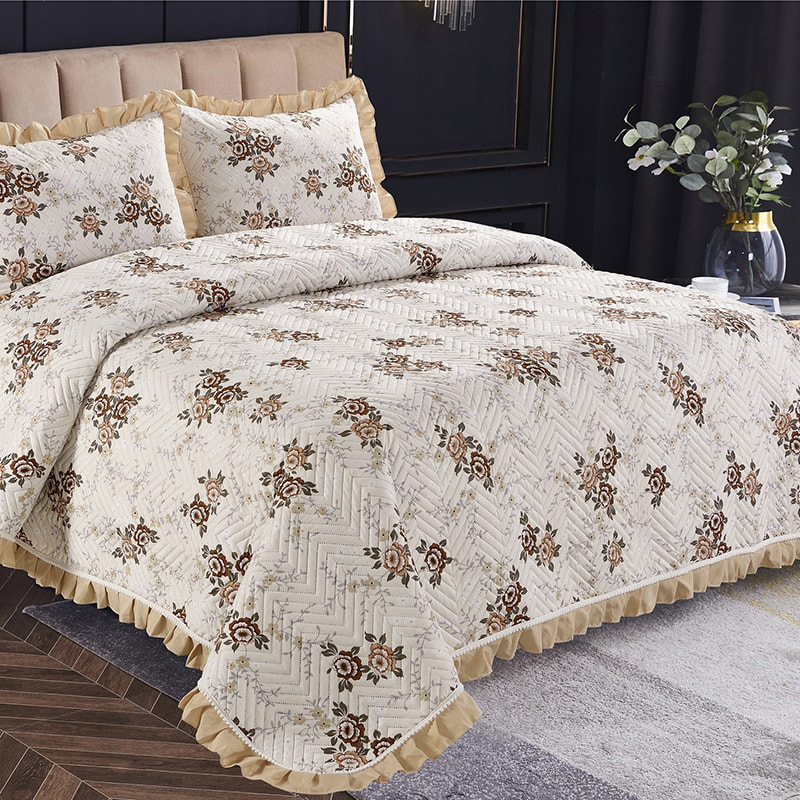
FunctionThin and light: The ultrasonic process does not create a pinhole or quilting thread, and the fabric is thin and smooth.Strong decorative: Print patterns add a sense of art and design, enhancin...
See Details
