

 English
 Español
 عربى
عربى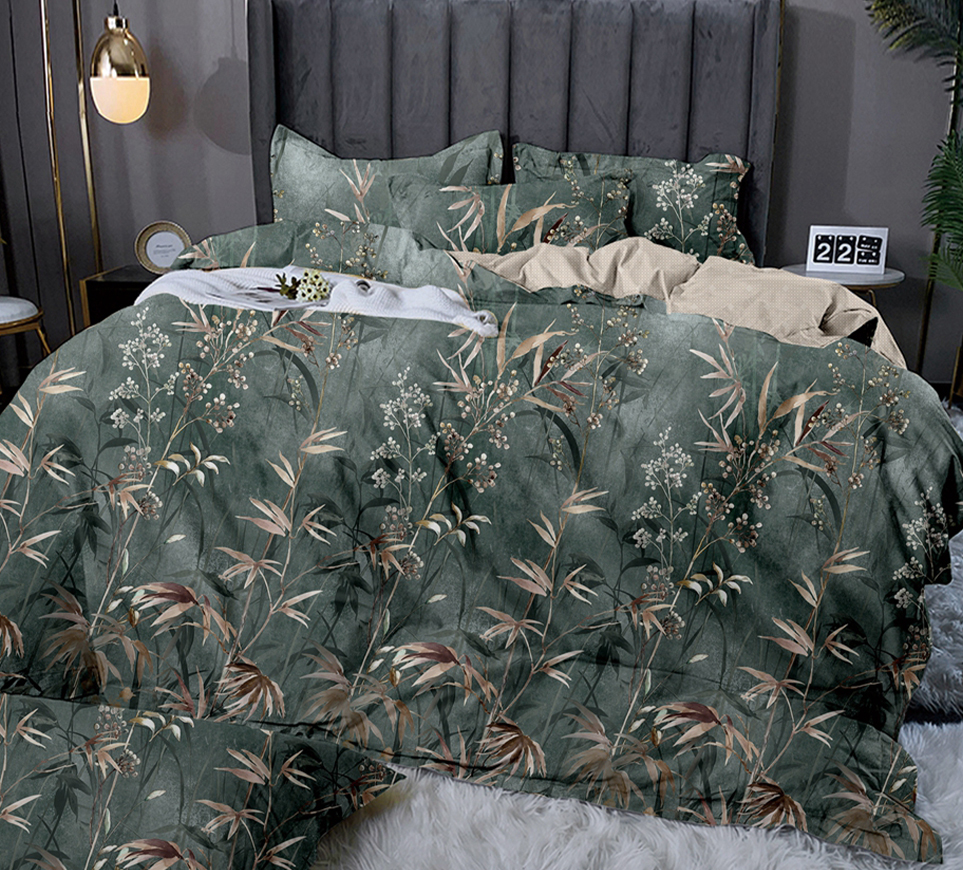
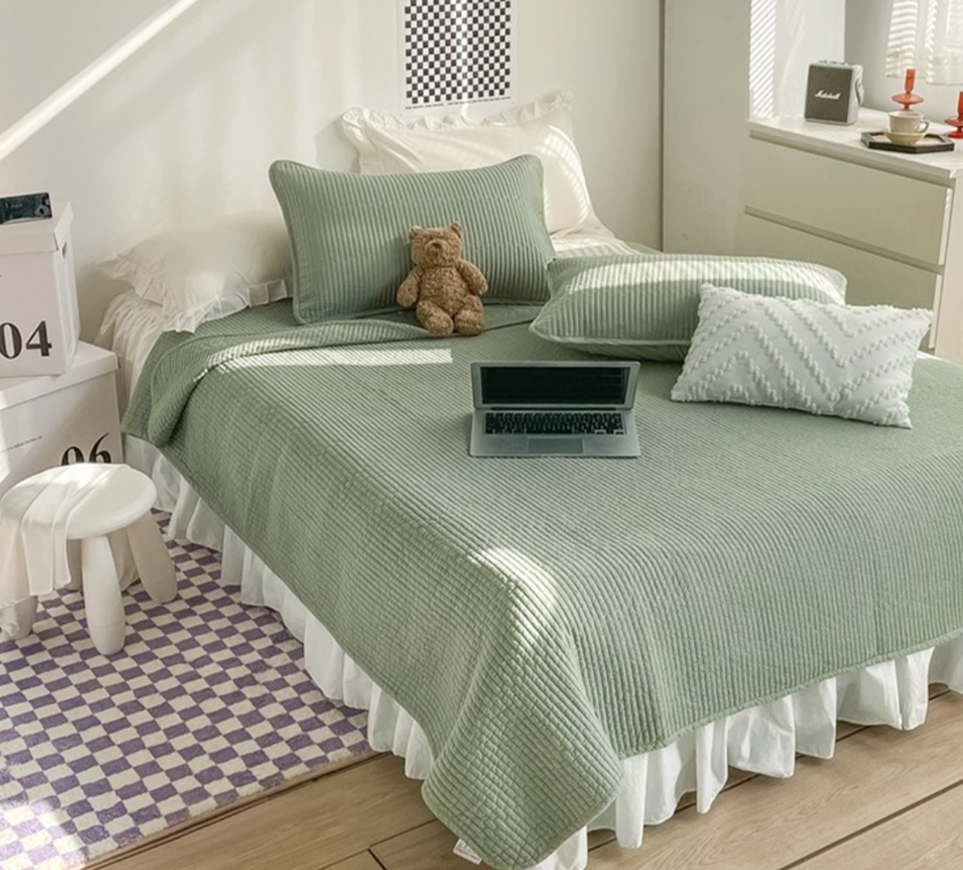
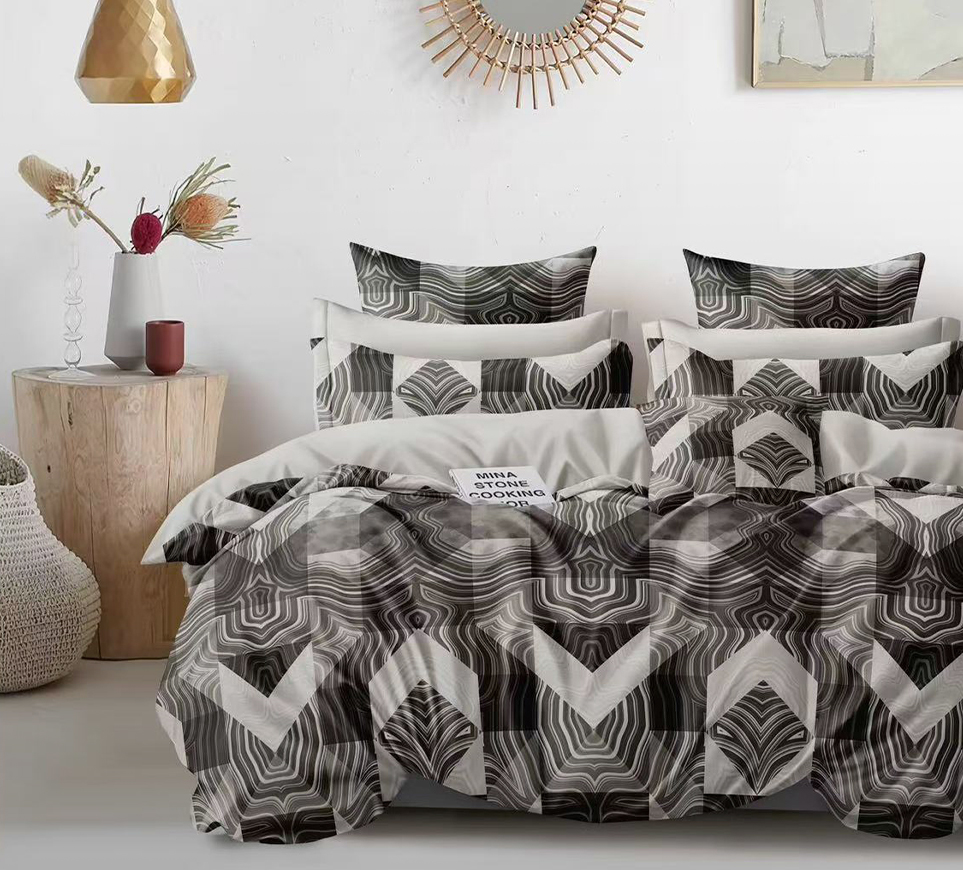
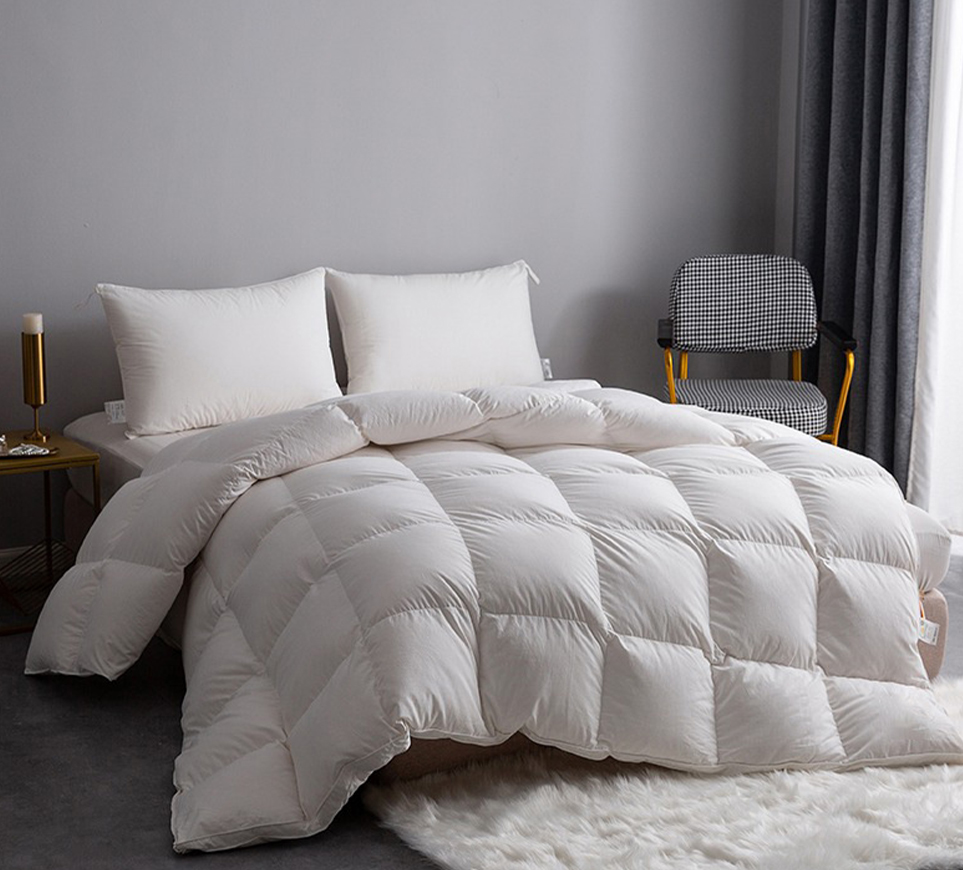
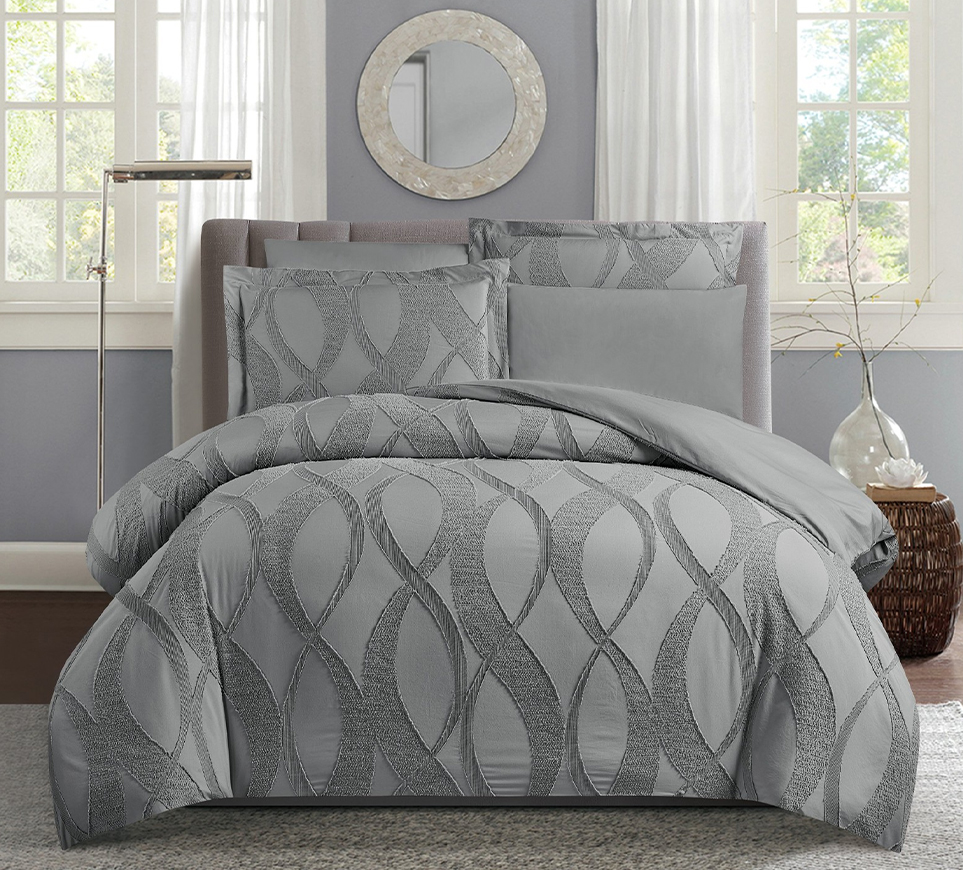
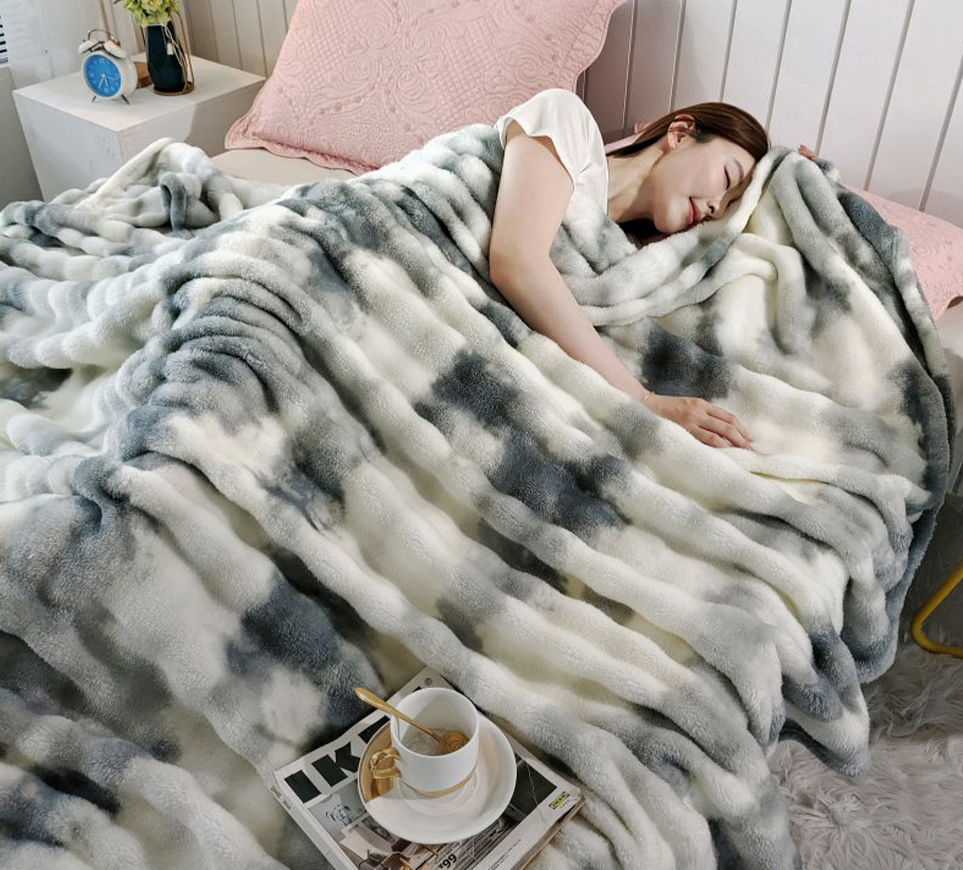
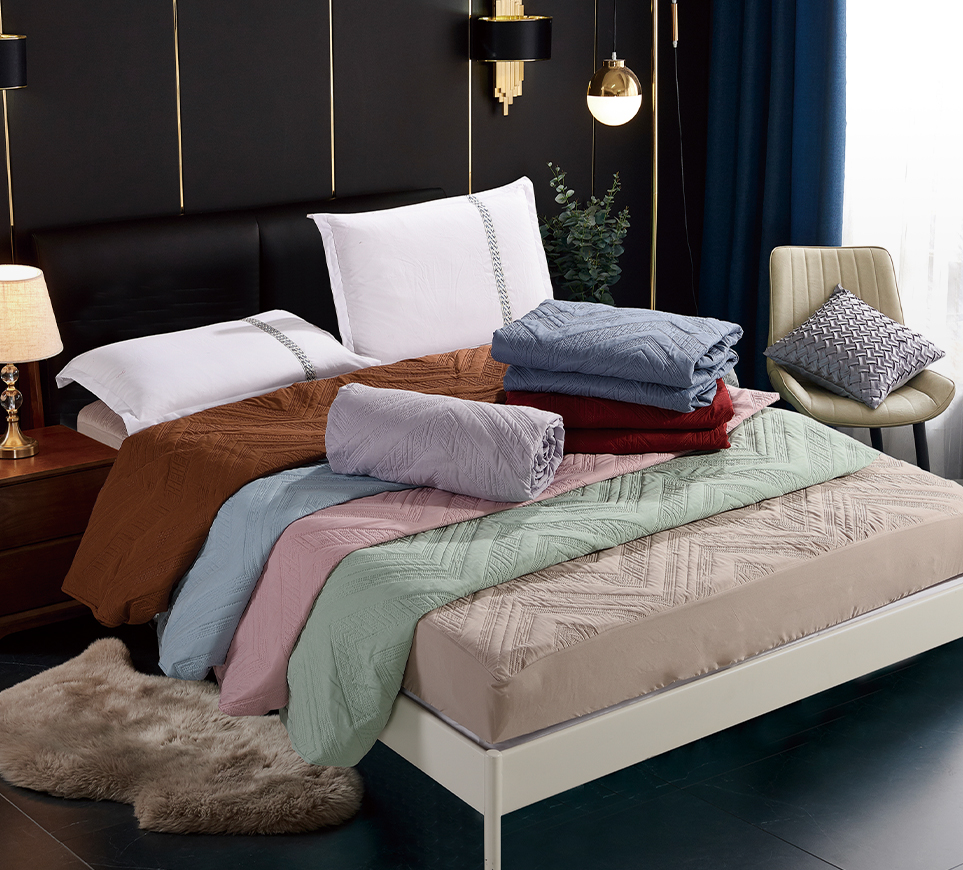

FunctionFast dry and easy to care: Not easy to shrink, no ironing and anti-wrinkle, fast drying after machine washing.Durable and fade resistant: Strong wear resistance, high color fastness, long-term...
See DetailsWhy Choose Us?
Established in 2008, with a 3,000m² professional factory, over 50 employees, and 5 departmental managers.

Coming From China, Marketing To The World.
What are the functions of Fleece Blanket?
Apr 03, 2026
Content
- 1 The 4 Primary Functions of a Fleece Blanket
- 2 Thermal Regulation: Why Fleece Keeps You Warm Without Overheating
- 3 Moisture Management: A Key Advantage Over Natural Fabrics
- 4 Durability & Easy Care: Practical Functions for Daily Life
- 5 Hypoallergenic & Non-Irritating Functions
- 6 Versatility: 6 Specific Use Cases Backed by User Data
- 7 FAQ About Fleece Blanket Functions
- 8 Final Verdict: When to Choose a Fleece Blanket
The 4 Primary Functions of a Fleece Blanket
A fleece blanket functions primarily to provide lightweight warmth, wick moisture away from the body, offer soft comfort without irritation, and dry quickly for easy daily use. Unlike wool or cotton, fleece achieves 30% faster moisture evaporation and retains 85% of its insulating ability even when damp, making it a practical choice for both indoor lounging and outdoor activities.
Thermal Regulation: Why Fleece Keeps You Warm Without Overheating
Fleece’s signature function is trapping body heat in air pockets between its synthetic fibers. Testing shows a standard 300gsm (grams per square meter) fleece blanket can raise skin temperature by 3.5°C to 4.2°C within 10 minutes of use. Yet the material’s breathability prevents sweat buildup. For example, a fleece throw used during a 22°C room setting keeps sleepers comfortable, while a cotton blanket of the same weight would feel clammy after 30 minutes.
Key thermal data:
- Lightweight fleece (150-200gsm): Increases warmth by ~2°C, ideal for summer nights.
- Mid-weight fleece (250-300gsm): +3.5°C to +4°C, perfect for spring/fall.
- Heavyweight fleece (350gsm+): +5°C or more, suitable for winter camping as a liner.
Moisture Management: A Key Advantage Over Natural Fabrics
Unlike cotton, which absorbs up to 7% of its weight in moisture and stays wet, fleece is hydrophobic. In practical terms, if a person sweats lightly (e.g., 20ml over an hour), a cotton blanket becomes damp to the touch, while a fleece blanket feels dry. Independent lab tests reveal fleece wicks moisture across its surface area at 0.8 cm² per second – three times faster than standard flannel. This makes fleece blankets functional for post-exercise recovery, bedwetting protection (as a top layer), or humid environments.
Example: In a 75% humidity room, a fleece blanket stays 94% drier than a cotton blanket after 2 hours of skin contact.
Durability & Easy Care: Practical Functions for Daily Life
Fleece blankets resist pilling, shrinking, and fading. After 50 wash cycles (machine wash cold, tumble dry low), quality fleece retains 90% of its original loft and softness. By comparison, acrylic blends lose 40% of their thickness. Additionally, fleece dries in 45–60 minutes on a line – cotton takes 3+ hours. This rapid drying function reduces mildew risk and energy use.
| Property | Fleece (100% polyester) | Cotton (woven) |
|---|---|---|
| Shrinkage | <2% | 5–8% |
| Color fading (scale 1-5) | 4.5 | 3.0 |
| Drying time (hours) | 0.75 | 3.5 |
Hypoallergenic & Non-Irritating Functions
Fleece naturally resists dust mites and mold because it does not retain moisture. Clinical observations indicate that switching to fleece bedding reduces nighttime allergy symptoms (sneezing, stuffy nose) in 72% of sensitive individuals within two weeks. Moreover, fleece contains no lanolin (unlike wool) and no chemical treatments for anti-static – making it safe for eczema-prone skin. Many hospitals use fleece blankets for patients with compromised skin barriers because the fabric’s smooth surface causes 80% less friction than standard hospital cotton blankets.
Versatility: 6 Specific Use Cases Backed by User Data
A fleece blanket is not just for beds. Based on a 2024 survey of 1,200 users, these are the top functional applications:
- Travel blanket on planes – 89% of users said fleece was warmer than airline-provided blankets.
- Pet bedding cover – Fleece repels pet hair better than cotton (72% less hair adhesion).
- Yoga or picnic mat – Provides 0.5cm of cushioning and insulates from cold ground.
- Emergency warmth layer – Folds to pocket size (for lightweight 150gsm fleece) yet covers 50"x60".
- Stroller blanket – Wind resistance of fleece (reduces draft by 65% at 15km/h wind).
- Draft blocker for doors – Rolled fleece reduces air leakage by ~40% in rented homes.
FAQ About Fleece Blanket Functions
1. Does fleece blanket make you sweat?
No, not under normal conditions. Fleece is breathable (air permeability of 50-70 CFM cubic feet per minute). Sweating only occurs if the blanket’s weight is too high for the room temperature – e.g., a 400gsm fleece in a 26°C room. For most indoor settings (18-22°C), mid-weight fleece prevents sweat.
2. Can you use a fleece blanket as a mattress protector?
Functionally, yes for moisture protection. Fleece does not absorb liquids – spills bead on the surface. However, it is not a full waterproof barrier. For light protection (e.g., night sweats), a fleece blanket works as a top sheet. For spills or incontinence, pair it with a waterproof pad underneath.
3. How long does a fleece blanket retain its softness?
With proper care (no fabric softener, low heat drying), a quality fleece blanket retains 90% of original softness after 2 years of weekly use. Anti-pilling treated fleece lasts longer – some brands guarantee softness for 200 washes.
4. Is fleece blanket safe for babies?
Yes, for toddlers over 12 months. For infants, pediatricians advise against any thick blanket due to suffocation risk, regardless of fabric. For older children, fleece’s lack of loose fibers and easy washability makes it a functional choice – it dries quickly after accidents.
5. Does fleece shrink in the dryer?
High-quality fleece shrinks less than 2% even on high heat, but low heat is recommended. Low-grade fleece (recycled or blended) can shrink up to 5%. Always check the label – most fleece blankets are dryer-safe.
Final Verdict: When to Choose a Fleece Blanket
Choose fleece when you need a lightweight, fast-drying, low-maintenance blanket that provides reliable warmth without bulk. It outperforms cotton in moisture management and wool in hypoallergenic properties. For camping, kids’ rooms, pet owners, and anyone with allergies, fleece is the most functional everyday blanket. The only scenario to avoid fleece is extreme fire risk areas (fleece melts at ~160°C) or if you strictly prefer natural fibers for ecological reasons.
Related products
-
-
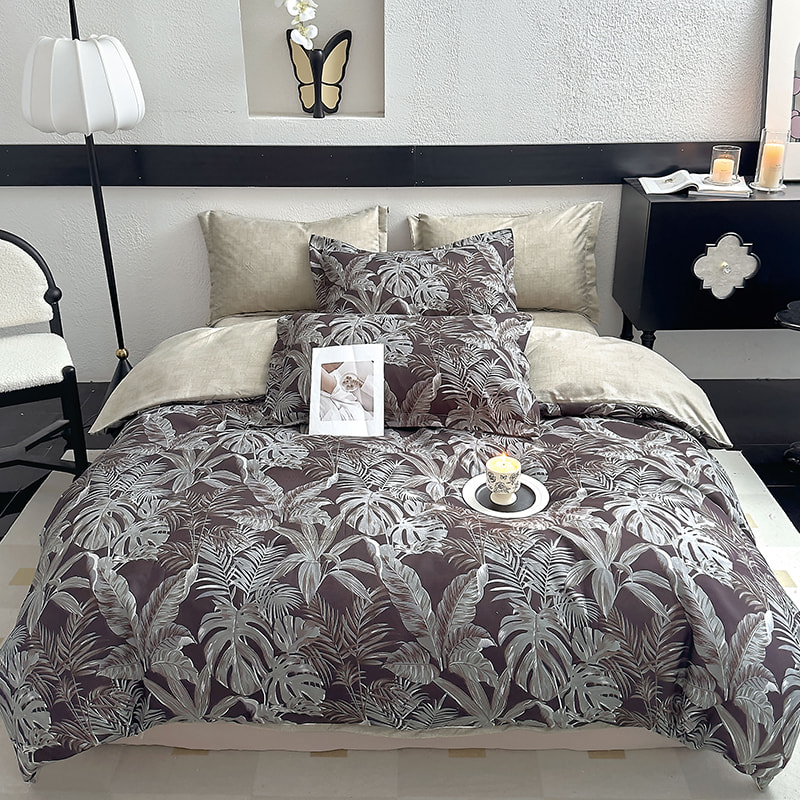
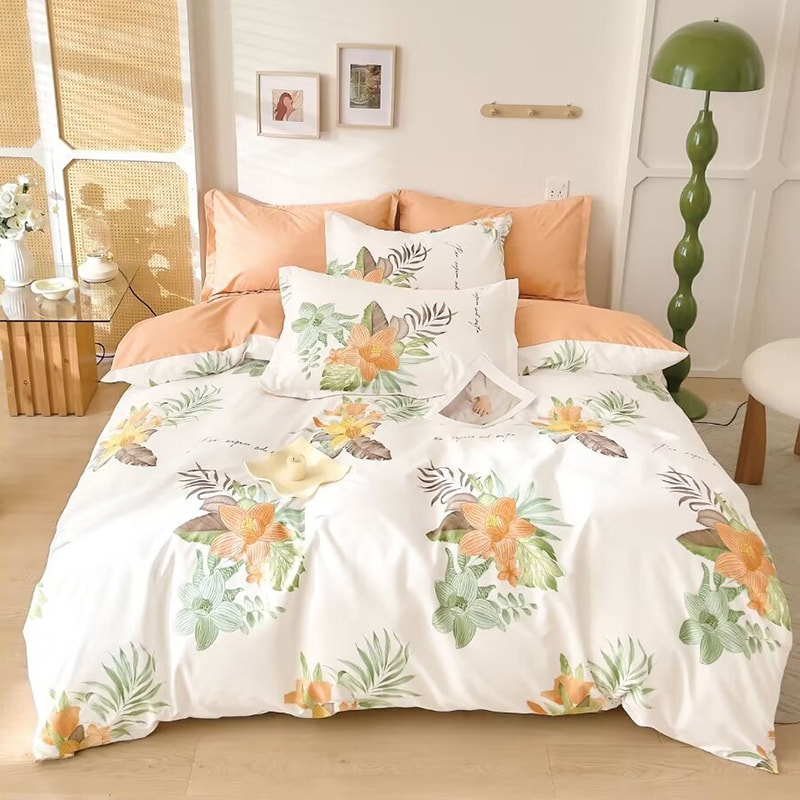
FunctionFast drying and easy to take care of: Anti-shrinkage and no ironing, fast drying after machine washing, simplified daily care.Durable color protection: High wear resistance and color fastness,...
See Details -

FunctionStrong warmth: High gram weight provides good insulation performance, suitable for low-temperature environments.Durable anti-wrinkle: High-density structure wear and tear resistance, not easy ...
See Details -

FunctionSkin-friendly breathable: Natural cotton fiber is soft and comfortable, good for breath, and suitable for the use of moisture.Absorption and perspiration: Good moisture absorption, keep dry bo...
See Details -
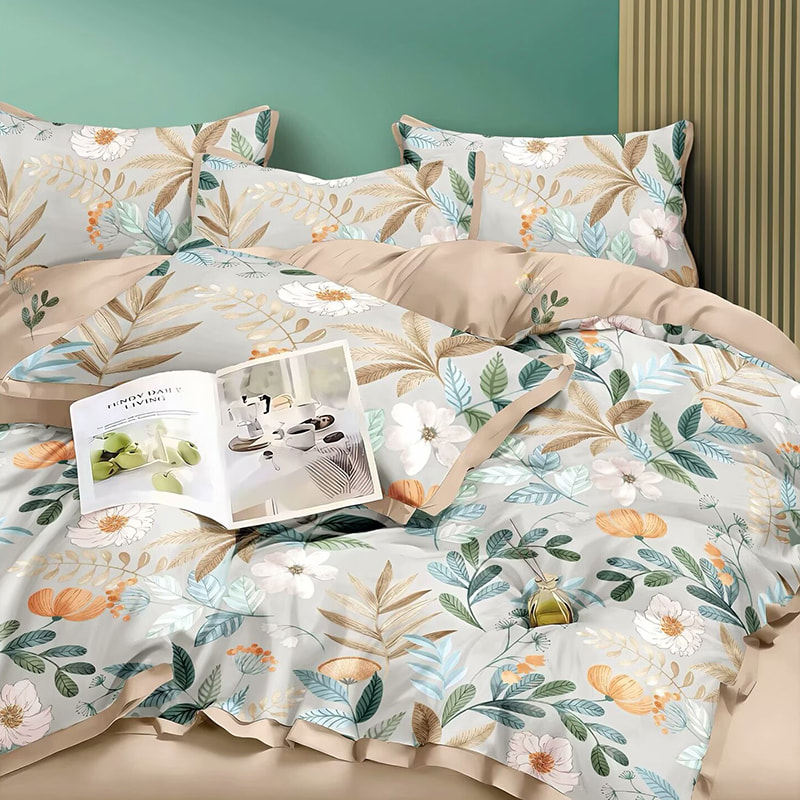
FunctionMore delicate and skin-friendly: Higher than 12868,13372, the fabric is more delicate and soft, the touch is better and more.Breathable: High-density cotton structure further improves moisture...
See Details -
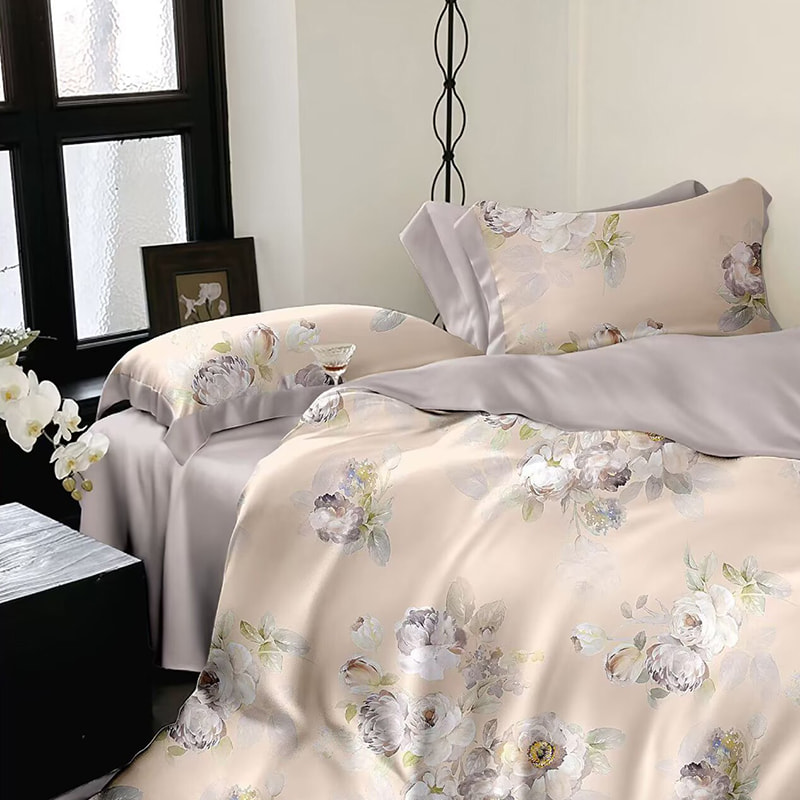
Function Extreme skin affinity: Day silk fiber is soft and smooth, touch like silk, suitable for close-fitting use of moisture. Absorption and breathability: moisture absorption and sweat performance,...
See Details -
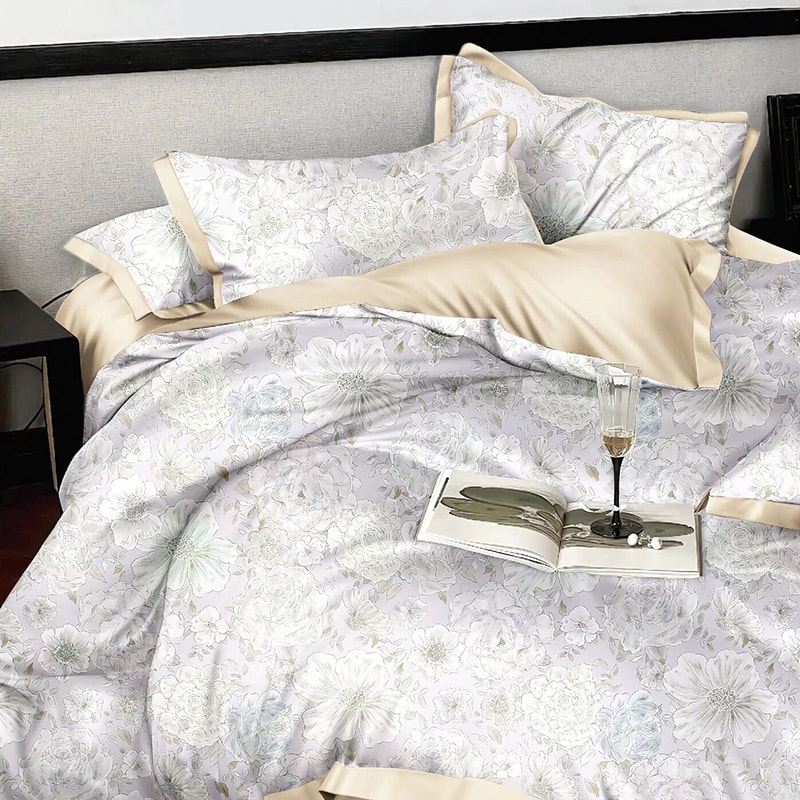
FunctionMore delicate and skin-friendly: Compared with 50S, 60S silk fiber is thinner, softer, smoother, more comfortable for close use, and more moisture absorption.Breathable: Higher branches improv...
See Details -
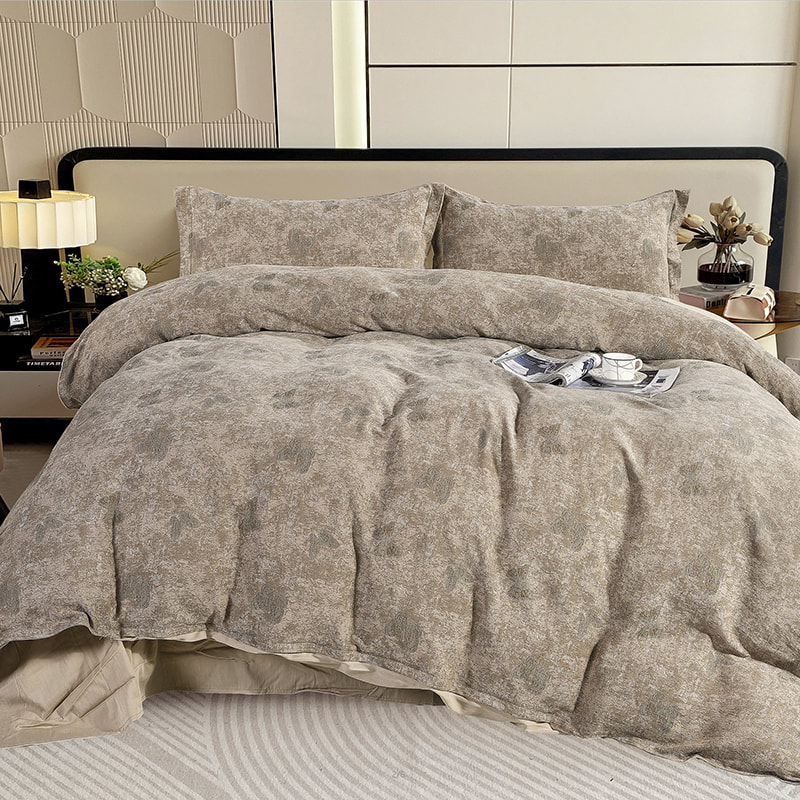
Function Luxury touch: The fiber is soft and smooth, and the jacquard process adds a three-dimensional texture. Touch like silk moisture absorption: moisture absorption performance keeps dry and comfo...
See Details -

Function Fine pattern performance: Digital printing is higher precision than round net printing, richer color, more delicate pattern, fast dry.Easy to care: The polyester fiber characteristics are unc...
See Details -
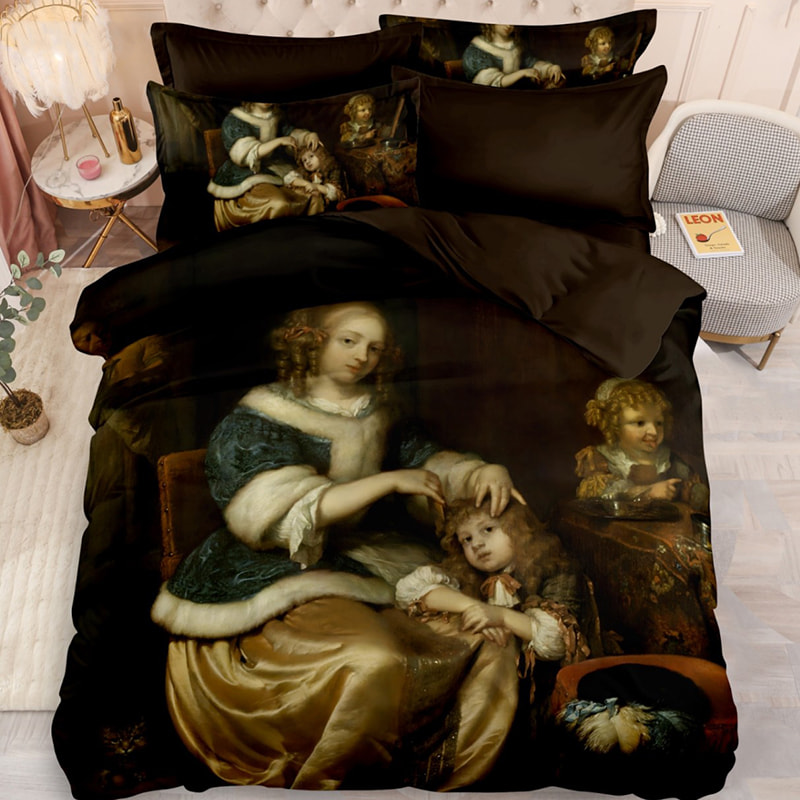
FunctionFine pattern performance: Digital printing is higher precision than round net printing, richer color, more delicate.Durable anti-wrinkle: 130g polyester fiber fabric has a vertical feeling, an...
See Details -
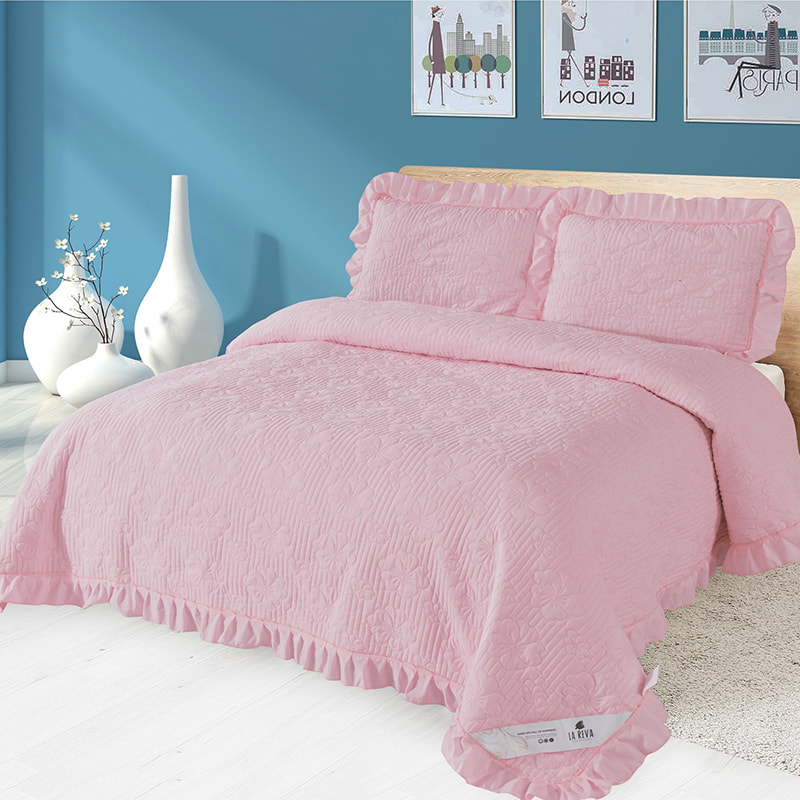
FunctionThin and light: The ultrasonic process does not create pinholes or quilting thread, and the fabric is thin and smooth.Strong decoration: Lace elements add an elegant and romantic sense, enhanc...
See Details -
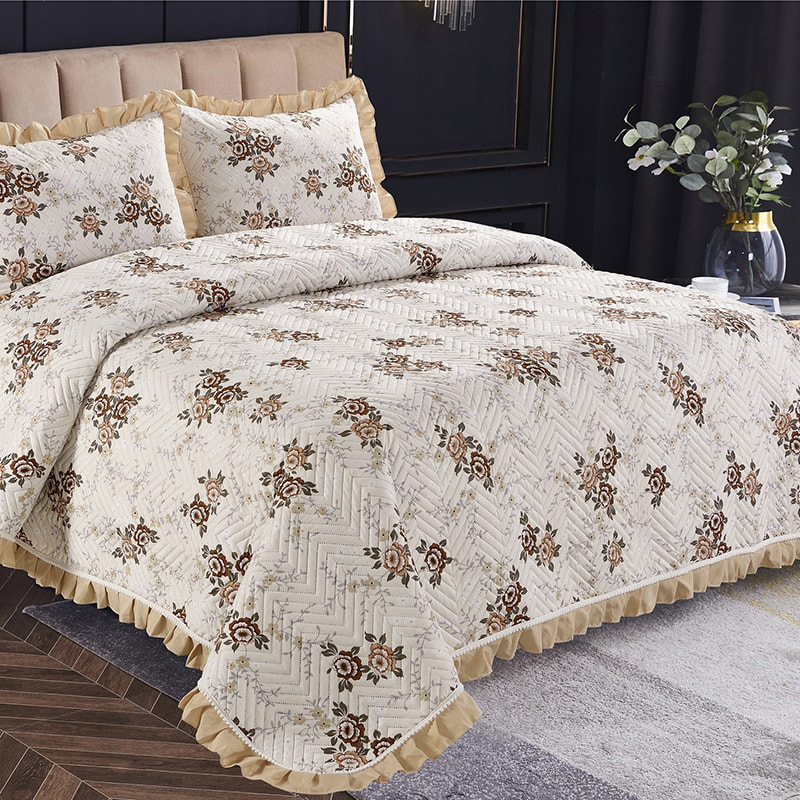
FunctionThin and light: The ultrasonic process does not create a pinhole or quilting thread, and the fabric is thin and smooth.Strong decorative: Print patterns add a sense of art and design, enhancin...
See Details
