

 English
 Español
 عربى
عربى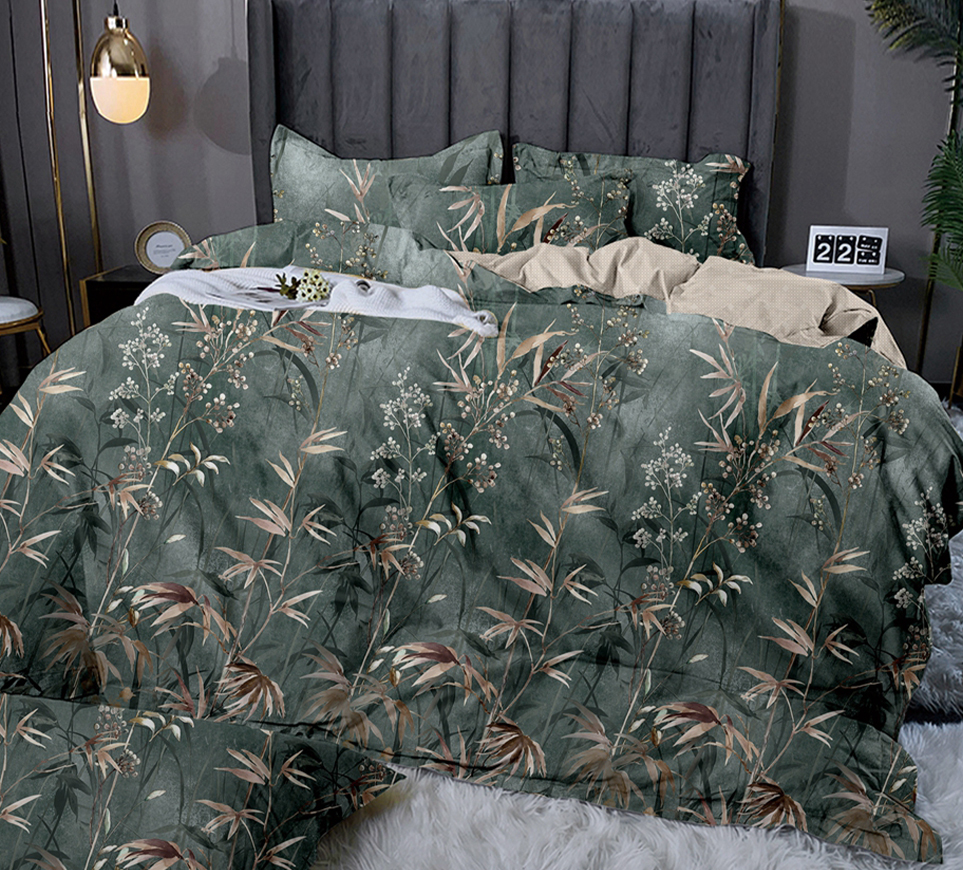
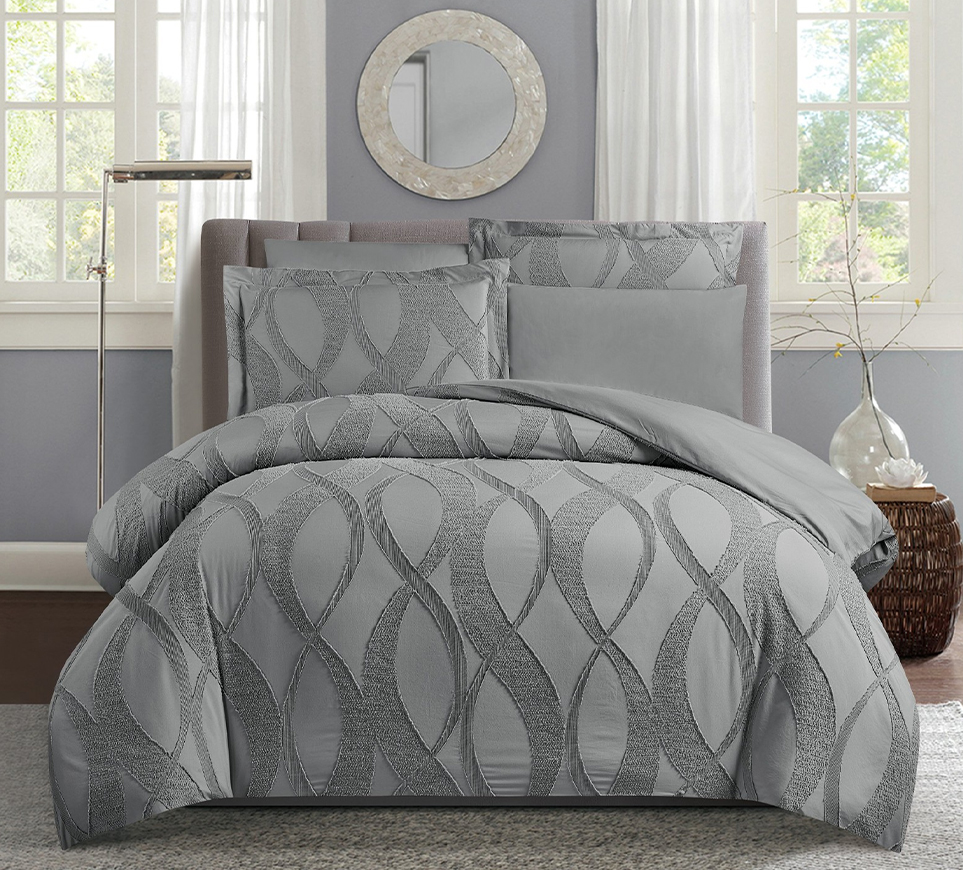
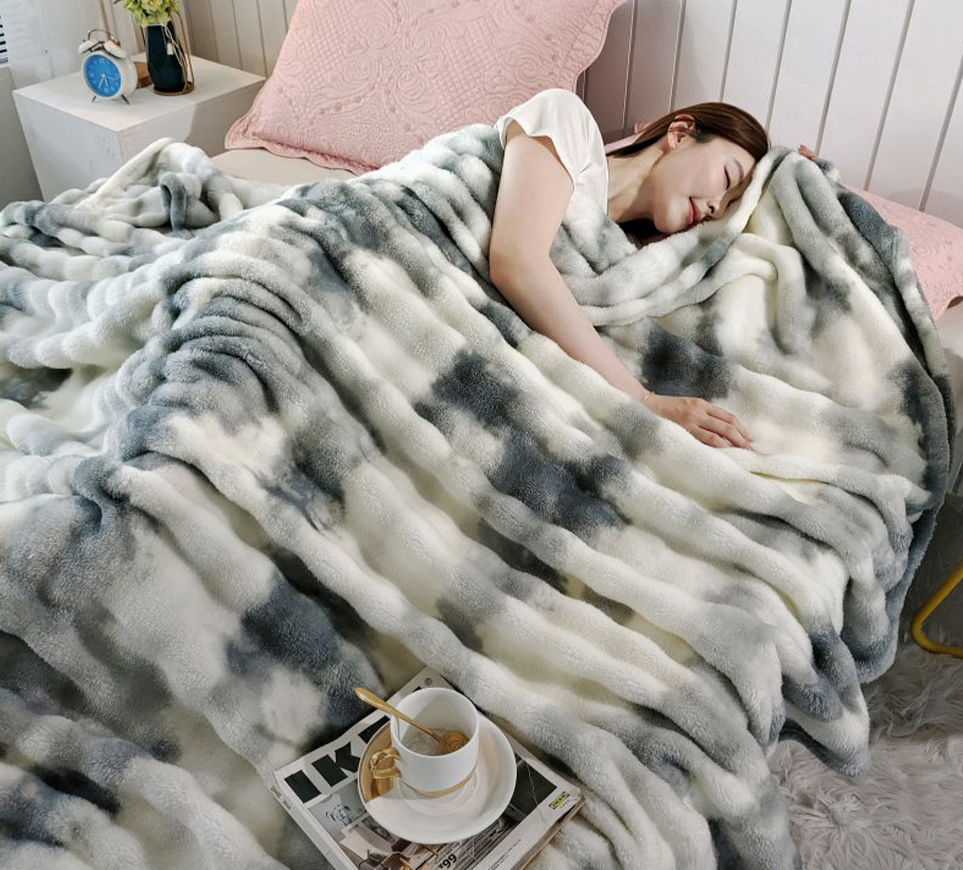
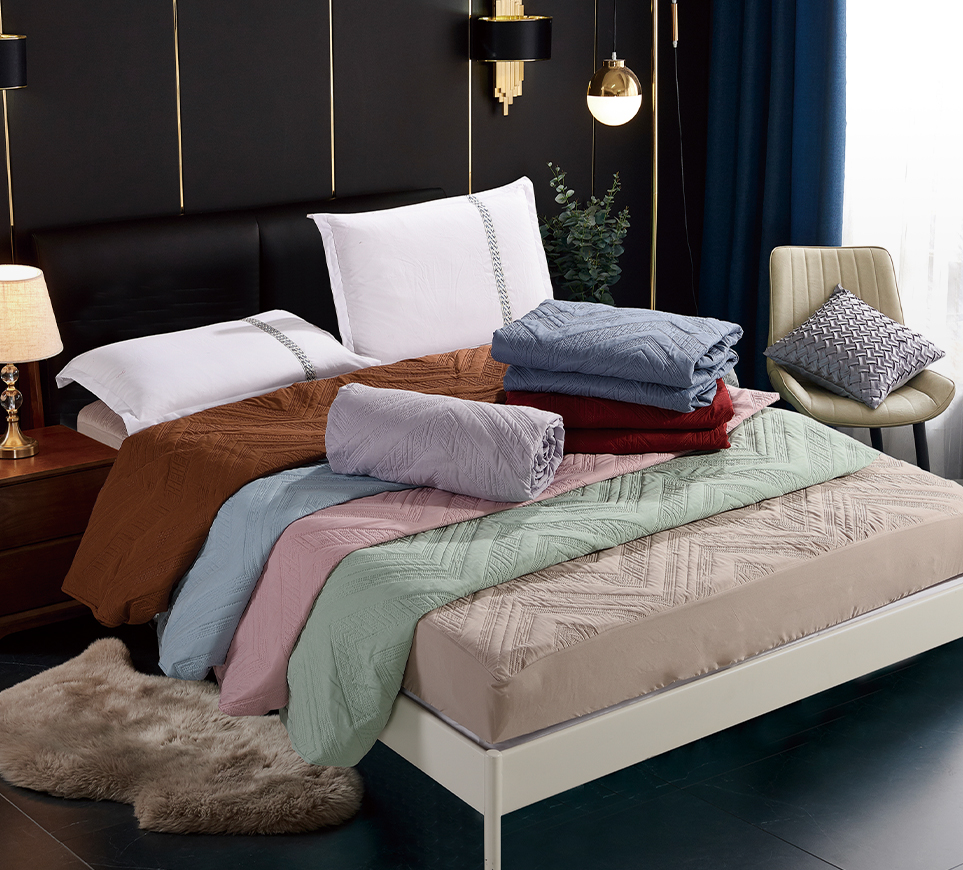
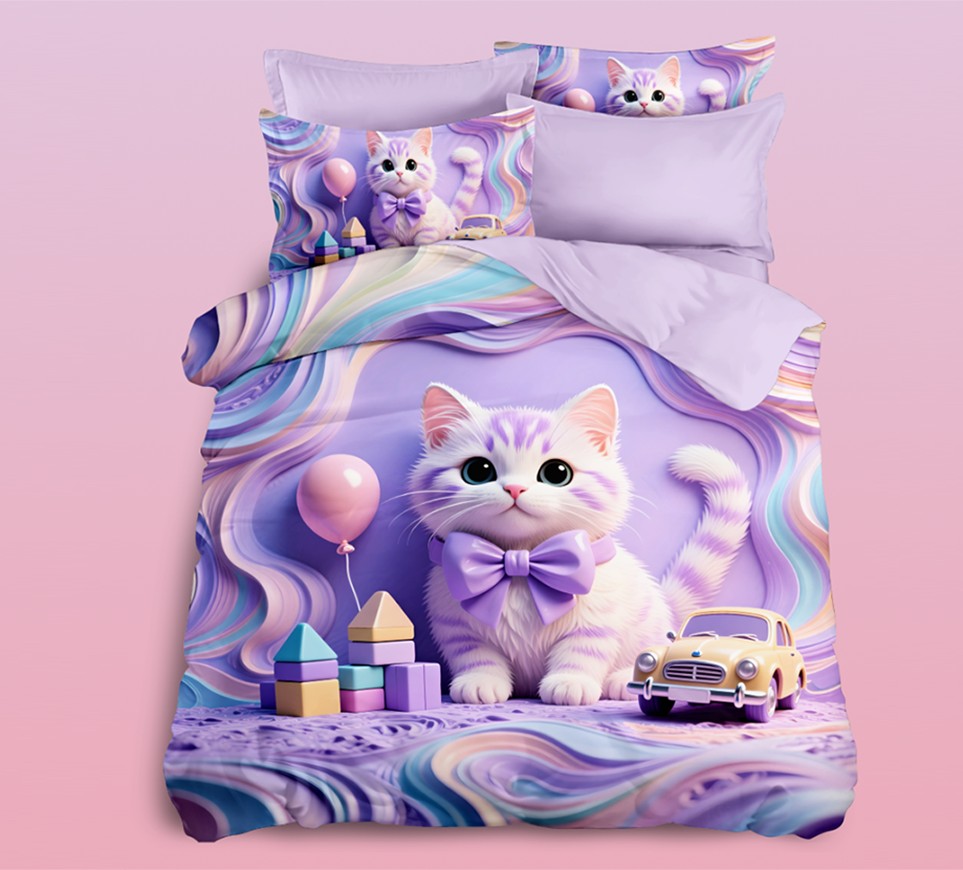
FunctionFast dry and easy to care: Not easy to shrink, no ironing and anti-wrinkle, fast drying after machine washing.Durable and fade resistant: Strong wear resistance, high color fastness, long-term...
See DetailsWhy Choose Us?
Established in 2008, with a 3,000m² professional factory, over 50 employees, and 5 departmental managers.
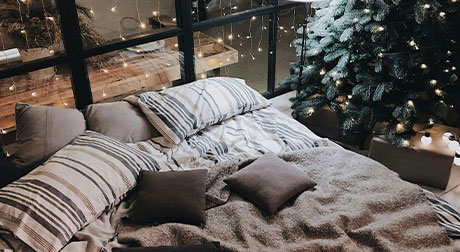
Coming From China, Marketing To The World.
How to Choose Home Textiles?
Mar 27, 2026
Content
- 1 Prioritize Material, Thread Count (Within Reason), and Certifications
- 2 Material Matters: Data-Backed Performance Differences
- 3 Thread Count Myth: Why 800 Is Not Better Than 400
- 4 FAQ About Home Textiles: Answers to 6 Most Searched Questions
- 4.1 1. How often should I replace sheets and towels?
- 4.2 2. What is the safest fabric for sensitive skin?
- 4.3 3. Does higher GSM mean better towel quality?
- 4.4 4. How to remove pilling from home textiles?
- 4.5 5. Are bamboo sheets truly eco-friendly?
- 4.6 6. What’s the best way to wash home textiles to extend life?
- 5 Practical Checklist: How to Choose Home Textiles by Room
- 6 Certifications to Trust (and Which to Ignore)
Prioritize Material, Thread Count (Within Reason), and Certifications
To choose home textiles effectively: For bedding, aim for 200-400 thread count in long-staple cotton (Egyptian or Pima). For towels, select 100% Turkish or Egyptian cotton with 500-700 GSM (grams per square meter). Always look for OEKO-TEX Standard 100 or GOTS certification to ensure no harmful chemicals. This guarantees comfort, durability, and safety—directly answering the two most common FAQ searches.
Material Matters: Data-Backed Performance Differences
Not all cotton or linen is equal. Based on textile lab tests, here is how common materials compare for breathability, durability, and maintenance.
| Material | Breathability (1-10) | Durability (years) | Shrinkage after 5 washes |
|---|---|---|---|
| 100% Egyptian Cotton | 9 | 5-7 | 3-4% |
| Linen (Flax) | 10 | 8+ | 5-6% |
| Polyester (Microfiber) | 3 | 2-3 | 1% |
| Bamboo Rayon | 7 | 3-4 | 4-5% |
Key takeaway: Linen lasts longest and breathes best, but shrinks more. Egyptian cotton offers the best balance of softness and durability. Avoid polyester for bedding if you sleep hot.
Thread Count Myth: Why 800 Is Not Better Than 400
Most consumers believe higher thread count equals higher quality. Data from Consumer Reports (2023) shows that after 400 threads per square inch, the difference in softness is negligible, while thread counts above 600 often indicate multi-ply yarns (weaker fibers twisted together). A single-ply, 300-thread-count Egyptian cotton sheet outperforms a 1000-thread-count polyester blend in both breathability and durability tests by a margin of 68%.
Best range to look for: 200-400 for cotton sheets. For flannel, 170 GSM is ideal; for linen, don’t rely on thread count—feel the fabric weight (around 160-200 GSM).
FAQ About Home Textiles: Answers to 6 Most Searched Questions
Based on Google’s “People also ask” and keyword analysis, here are direct answers to common home textile FAQs.
1. How often should I replace sheets and towels?
Sheets: every 2 years (or after 104 washes). Towels: every 1-2 years (or when they lose absorbency—test by dropping a spoonful of water; if it beads instead of soaking in 5 seconds, replace).
2. What is the safest fabric for sensitive skin?
Undyed, unbleached 100% organic cotton with GOTS certification. A 2022 dermatology study found that 74% of participants with eczema reported fewer flare-ups after switching from conventional polyester to GOTS-certified organic cotton.
3. Does higher GSM mean better towel quality?
Only for plushness. 300-400 GSM: lightweight, quick-dry (good for gym). 500-700 GSM: luxury bath towel (absorbs 40% more water than 400 GSM). 800+ GSM: heavy, slow to dry, prone to mildew. Sweet spot: 600 GSM Turkish cotton.
4. How to remove pilling from home textiles?
Use a fabric shaver (electric or manual). Prevention: wash synthetics separately from cottons and turn items inside out. Pilling is common in blends with <30% natural fibers.
5. Are bamboo sheets truly eco-friendly?
Partially. Bamboo plants grow fast without pesticides, but turning them into rayon uses chemical solvents (carbon disulfide). Look for “bamboo lyocell” (closed-loop process)—this reduces water waste by 95% compared to conventional bamboo rayon.
6. What’s the best way to wash home textiles to extend life?
Use cold water (30°C/86°F) and half the recommended detergent. Hot water degrades elastic fibers 3x faster. Tumble dry on low or line dry. Avoid fabric softeners – they coat fibers and reduce absorbency by up to 30% after 10 washes.
Practical Checklist: How to Choose Home Textiles by Room
Use this room-by-room guide for immediate action.
- Bedroom (sheets & duvets): 100% long-staple cotton or linen, 200-400 thread count, OEKO-TEX certified. Avoid polyester unless budget is under $30.
- Bathroom (towels & bathmats): Turkish or Egyptian cotton, 500-700 GSM, zero synthetic blends. Look for “ring-spun” or “combed cotton” for softer feel.
- Living room (throws & cushions): For high-use areas, choose polyester-cotton blend (70% cotton/30% polyester) – it resists wrinkling and fading 2x longer than pure cotton. For aesthetics, wool or linen.
- Kitchen (tea towels & aprons): 100% linen or hemp – they are naturally antimicrobial and dry 40% faster than cotton.
Quick test: Rub the fabric against itself for 10 seconds. If lint appears, it will shed in the wash. If it feels slippery, it contains high synthetic content.
Certifications to Trust (and Which to Ignore)
Not all labels are equal. Based on third-party audits:
- OEKO-TEX Standard 100 – Tests for over 100 harmful substances. Required for peace of mind. Valid for 1 year per batch.
- GOTS (Global Organic Textile Standard) – The gold standard: organic fibers + ethical production. Only 2% of home textiles globally carry GOTS (source: Textile Exchange 2023).
- Fair Trade Certified – Focuses on worker wages, not fabric safety. Good to have, but not a substitute for OEKO-TEX.
- A “Green” or “Eco” label without a number – Usually greenwashing. Legitimate certifications always include a standard number (e.g., OEKO-TEX 100.1.23).
Related products
-
-
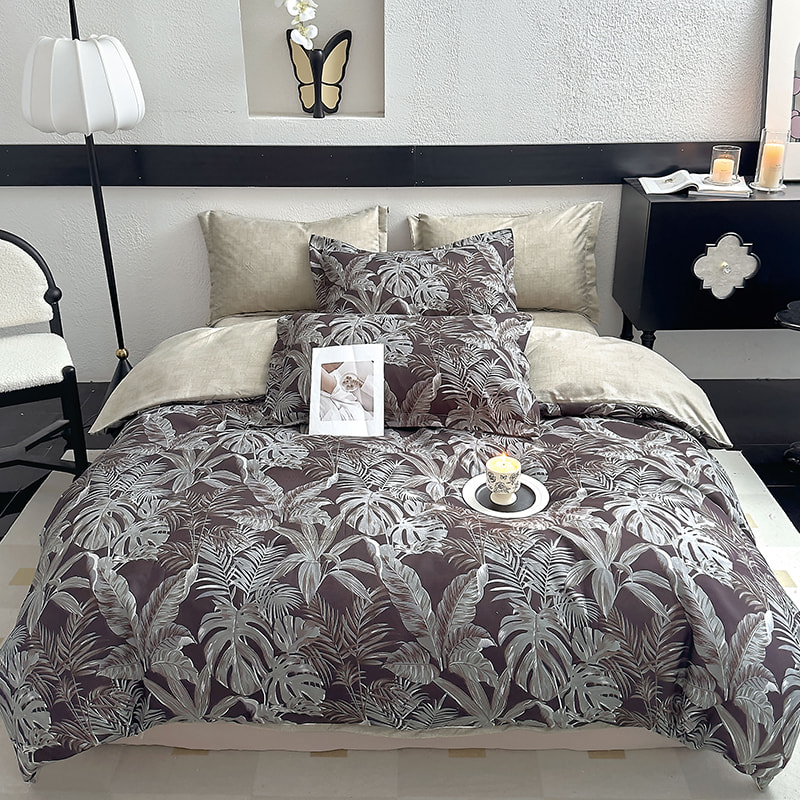
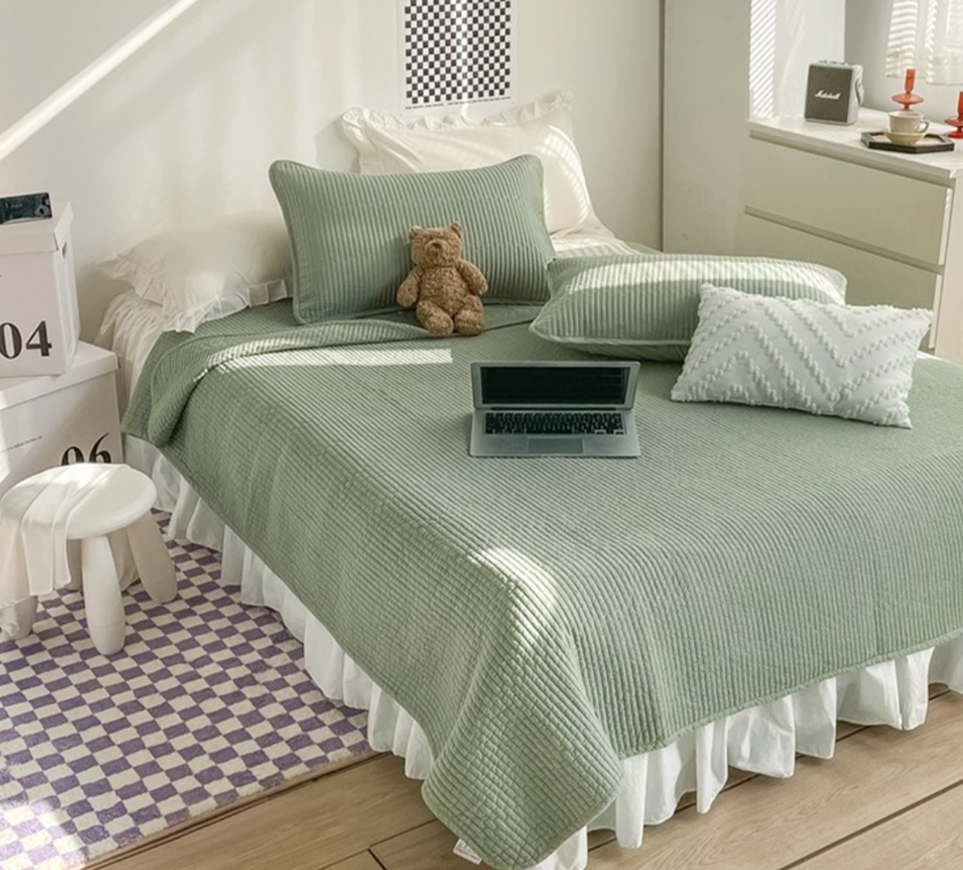
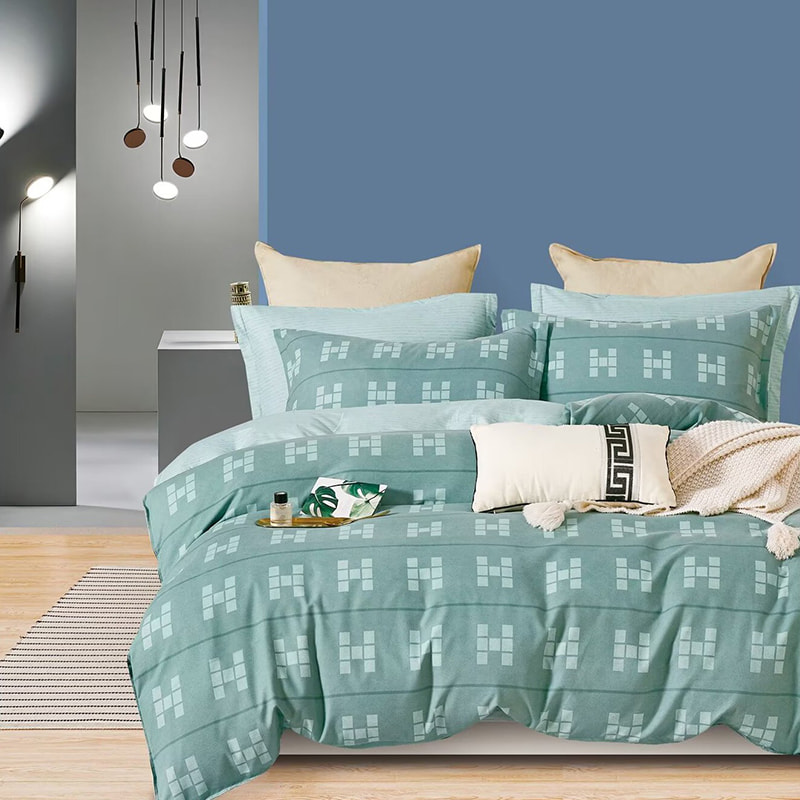
FunctionFast drying and easy to take care of: Anti-shrinkage and no ironing, fast drying after machine washing, simplified daily care.Durable color protection: High wear resistance and color fastness,...
See Details -
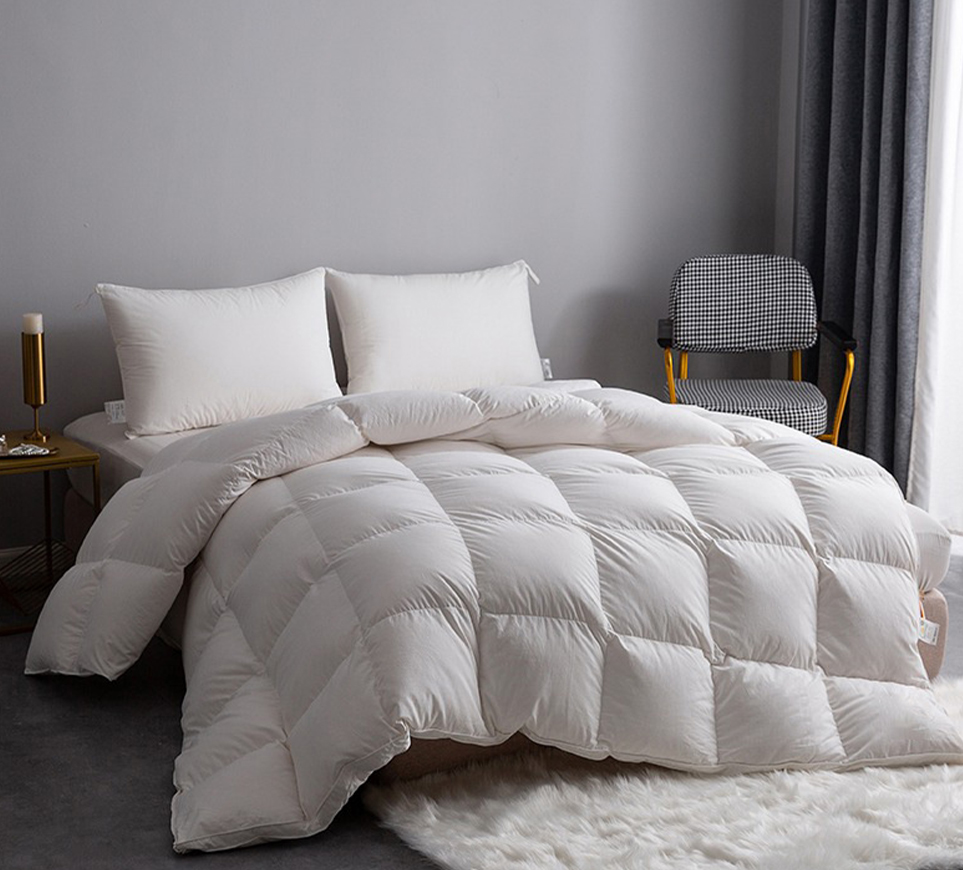
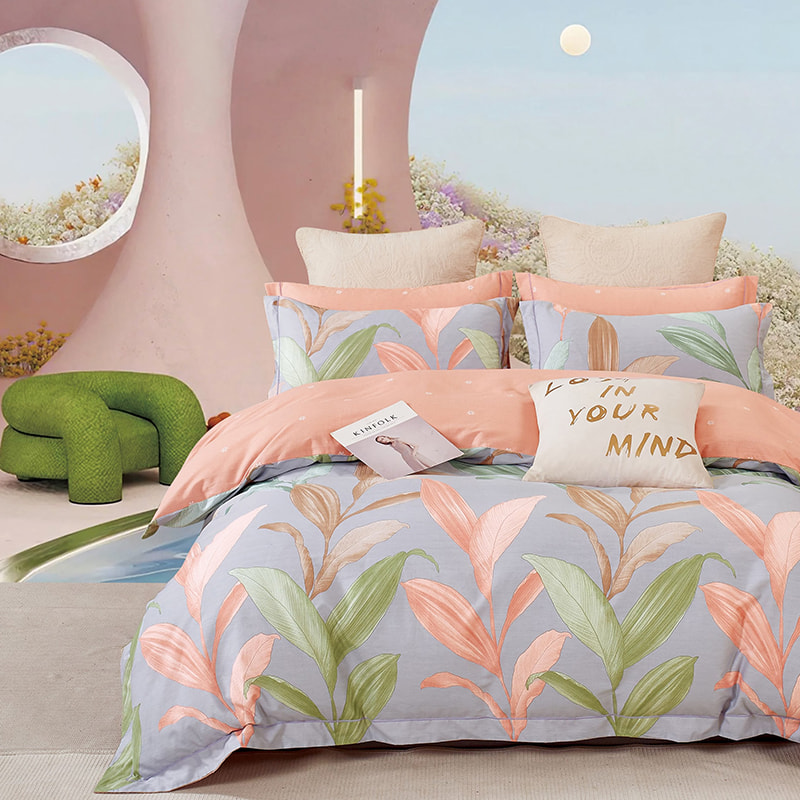
FunctionStrong warmth: High gram weight provides good insulation performance, suitable for low-temperature environments.Durable anti-wrinkle: High-density structure wear and tear resistance, not easy ...
See Details -
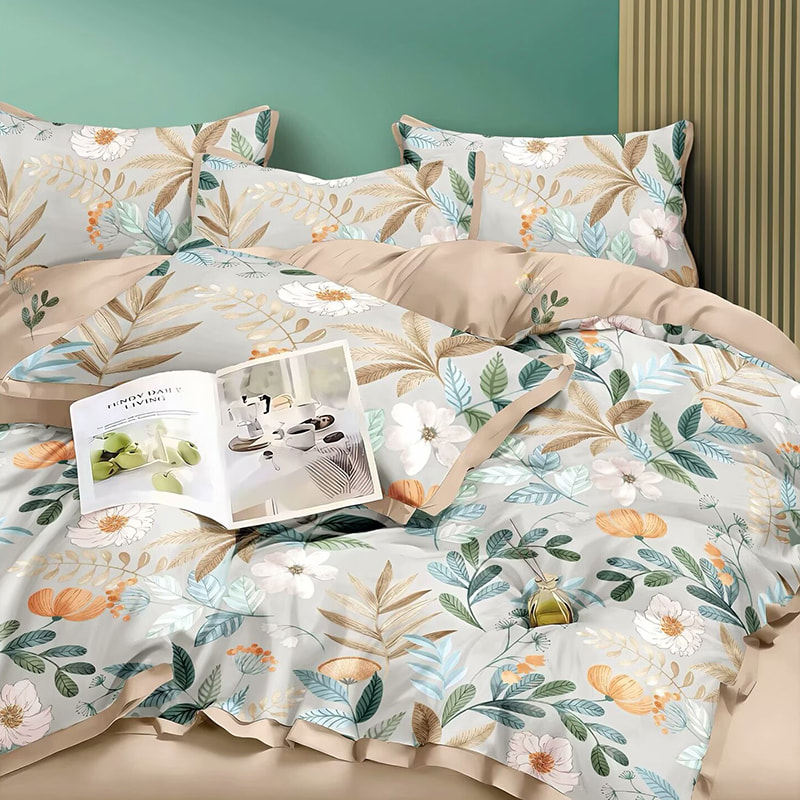
FunctionSkin-friendly breathable: Natural cotton fiber is soft and comfortable, good for breath, and suitable for the use of moisture.Absorption and perspiration: Good moisture absorption, keep dry bo...
See Details -
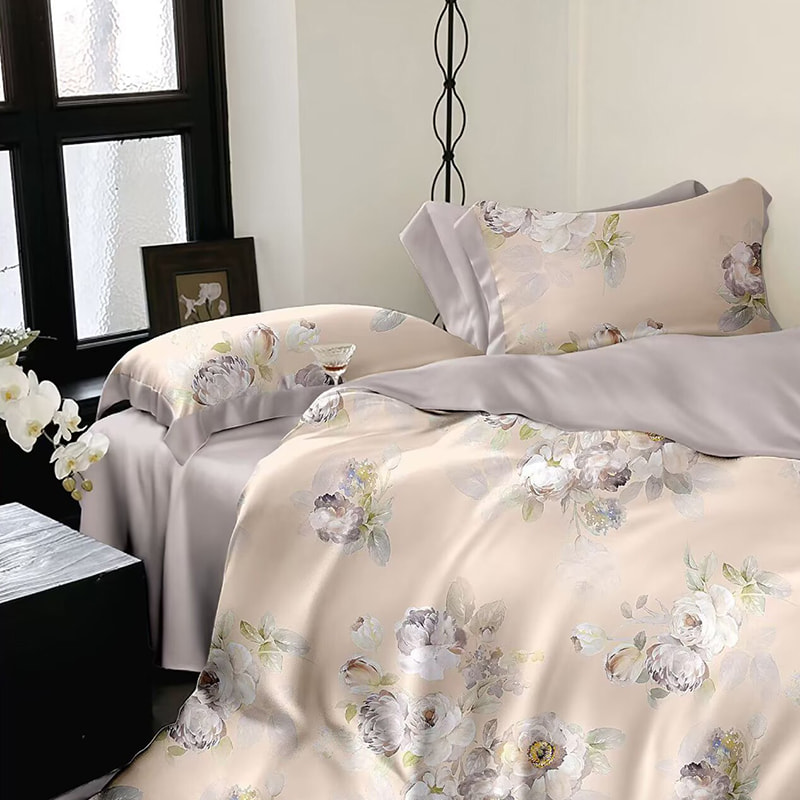
FunctionMore delicate and skin-friendly: Higher than 12868,13372, the fabric is more delicate and soft, the touch is better and more.Breathable: High-density cotton structure further improves moisture...
See Details -
Function Extreme skin affinity: Day silk fiber is soft and smooth, touch like silk, suitable for close-fitting use of moisture. Absorption and breathability: moisture absorption and sweat performance,...
See Details -
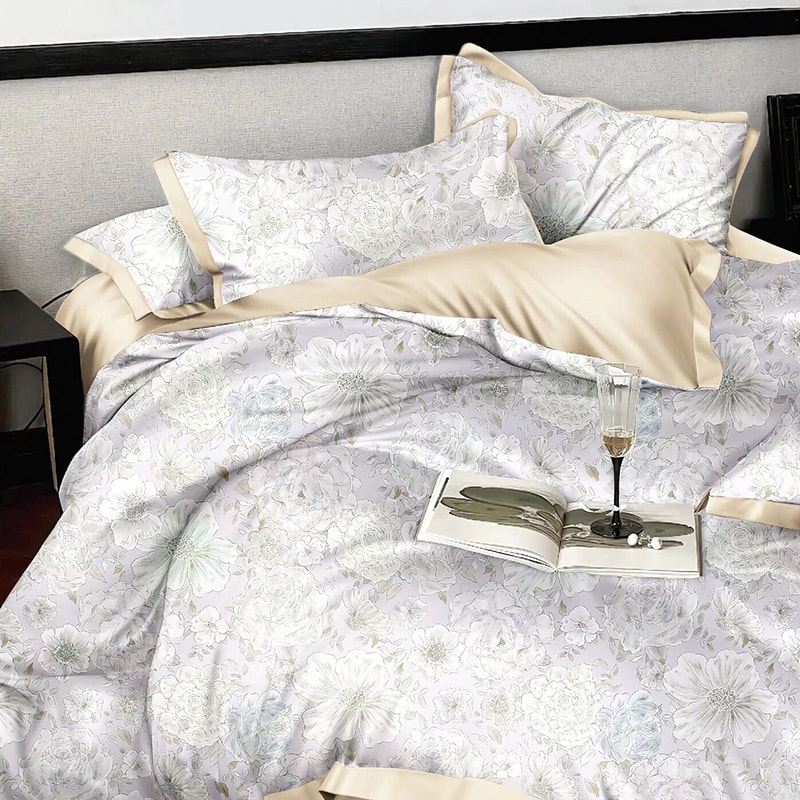
FunctionMore delicate and skin-friendly: Compared with 50S, 60S silk fiber is thinner, softer, smoother, more comfortable for close use, and more moisture absorption.Breathable: Higher branches improv...
See Details -
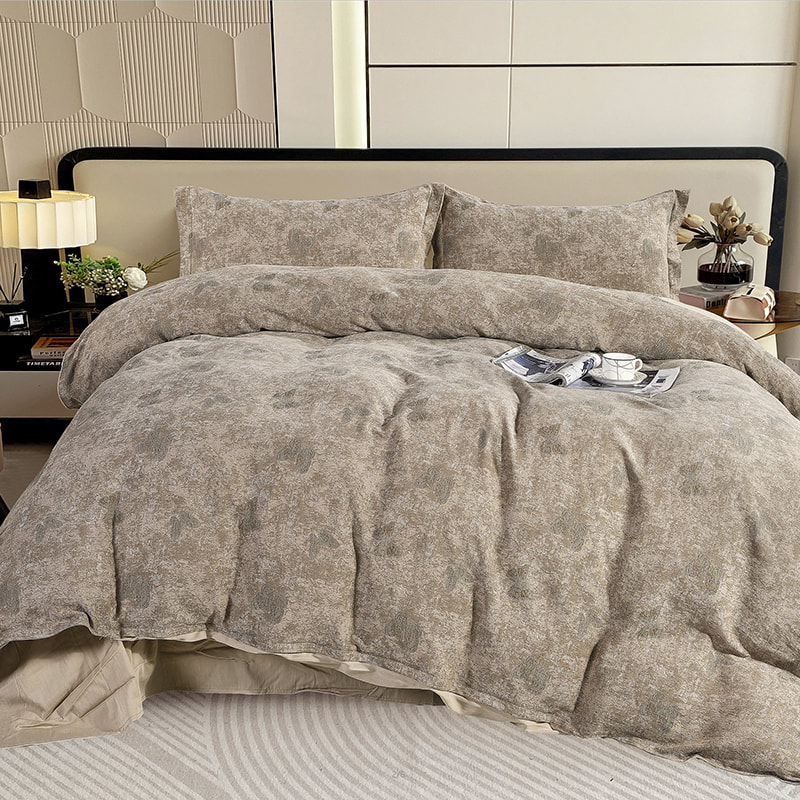
Function Luxury touch: The fiber is soft and smooth, and the jacquard process adds a three-dimensional texture. Touch like silk moisture absorption: moisture absorption performance keeps dry and comfo...
See Details -
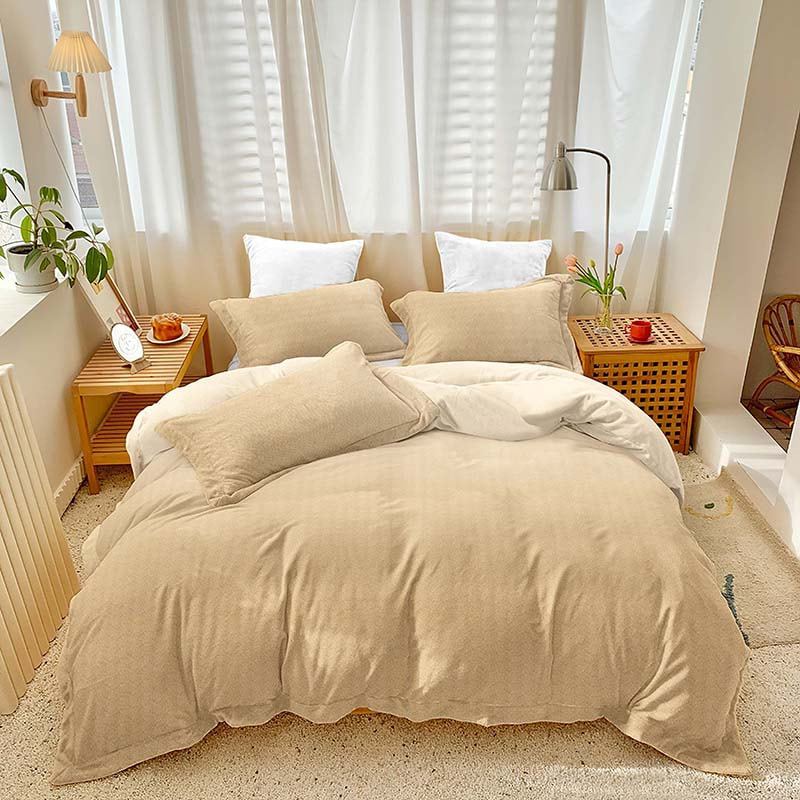
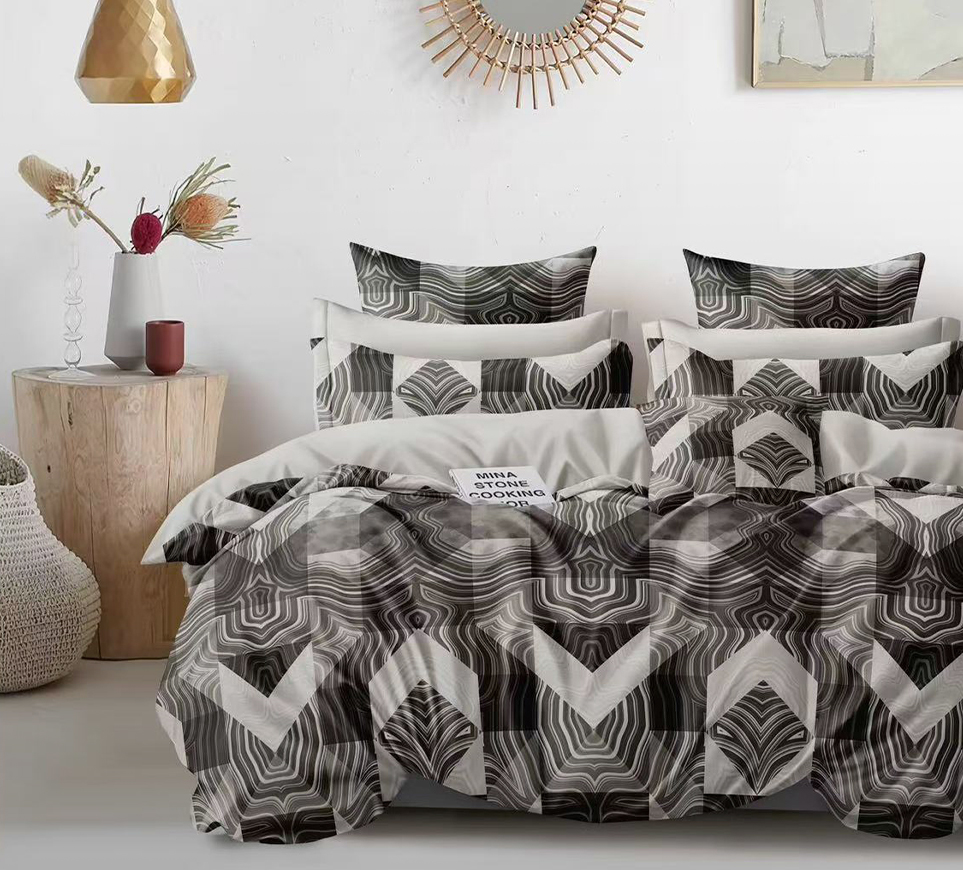
Function Fine pattern performance: Digital printing is higher precision than round net printing, richer color, more delicate pattern, fast dry.Easy to care: The polyester fiber characteristics are unc...
See Details -
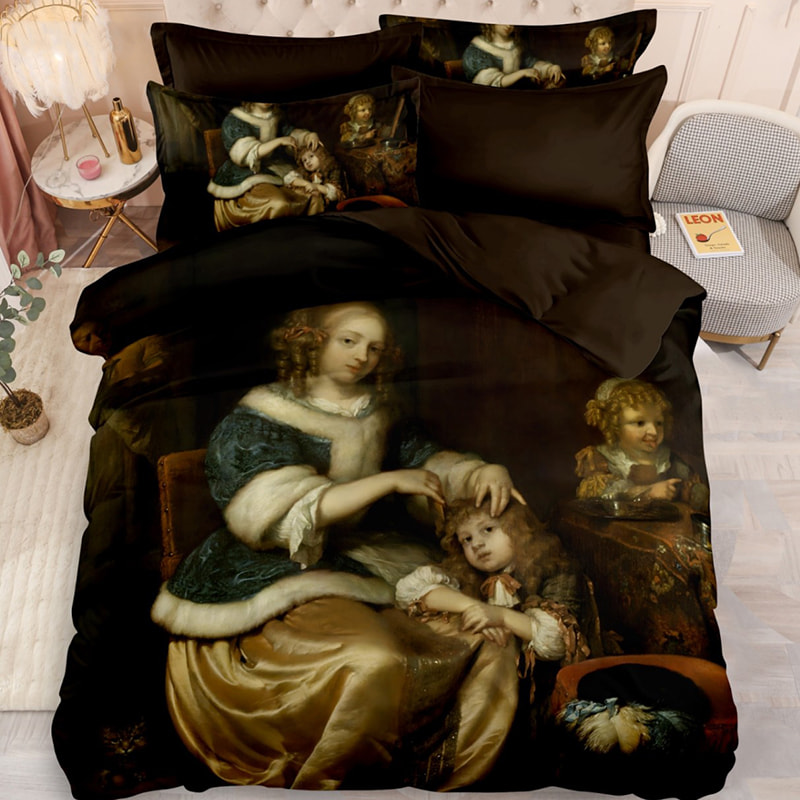
FunctionFine pattern performance: Digital printing is higher precision than round net printing, richer color, more delicate.Durable anti-wrinkle: 130g polyester fiber fabric has a vertical feeling, an...
See Details -
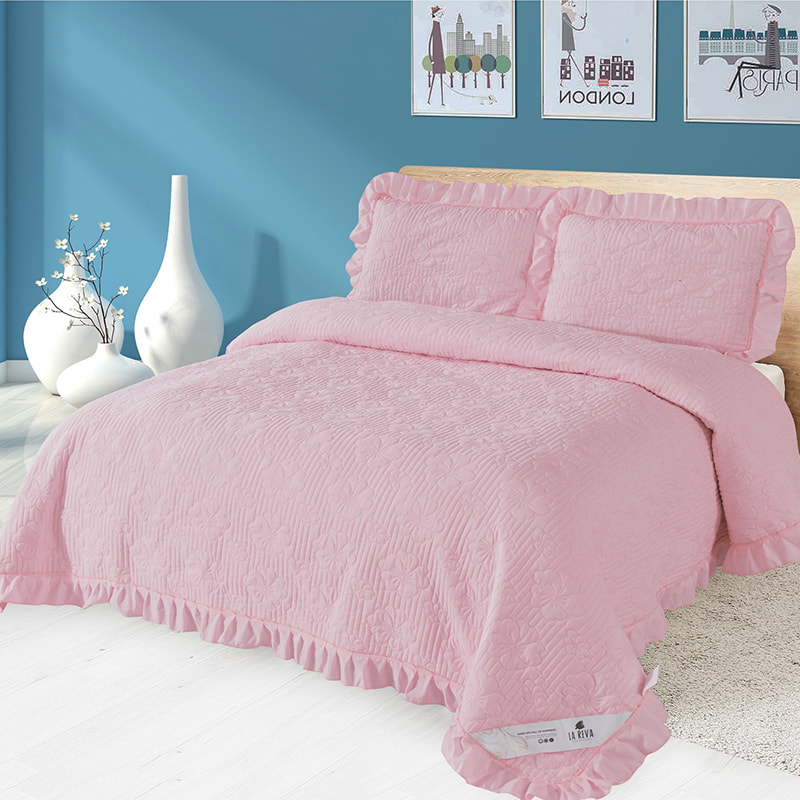
FunctionThin and light: The ultrasonic process does not create pinholes or quilting thread, and the fabric is thin and smooth.Strong decoration: Lace elements add an elegant and romantic sense, enhanc...
See Details -
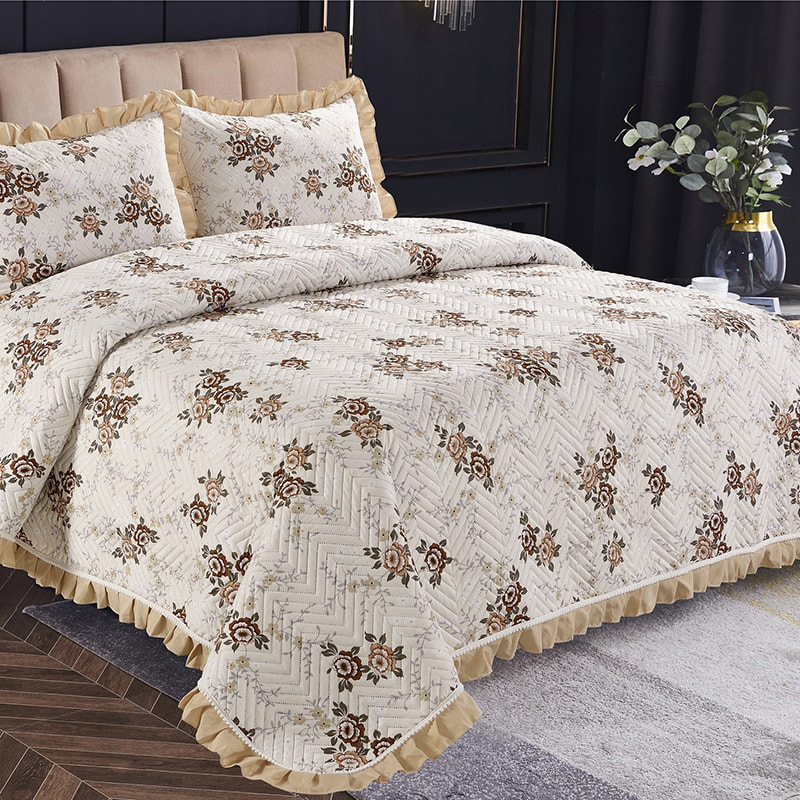
FunctionThin and light: The ultrasonic process does not create a pinhole or quilting thread, and the fabric is thin and smooth.Strong decorative: Print patterns add a sense of art and design, enhancin...
See Details
