

 English
 Español
 عربى
عربى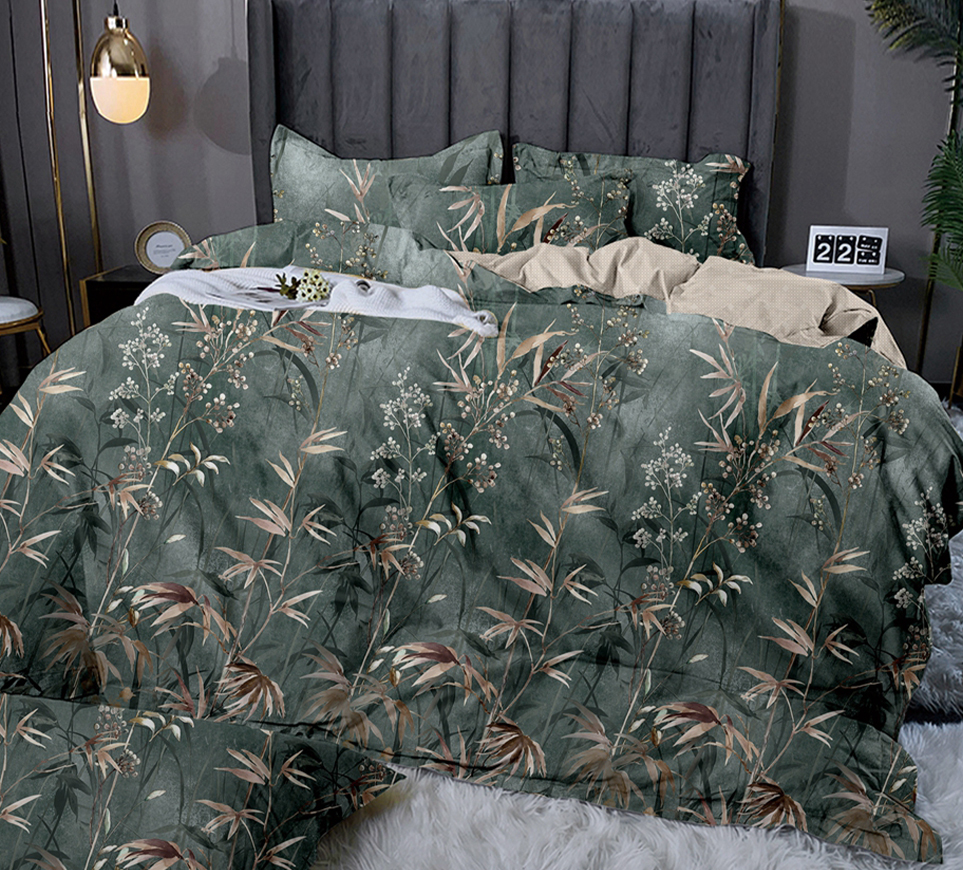
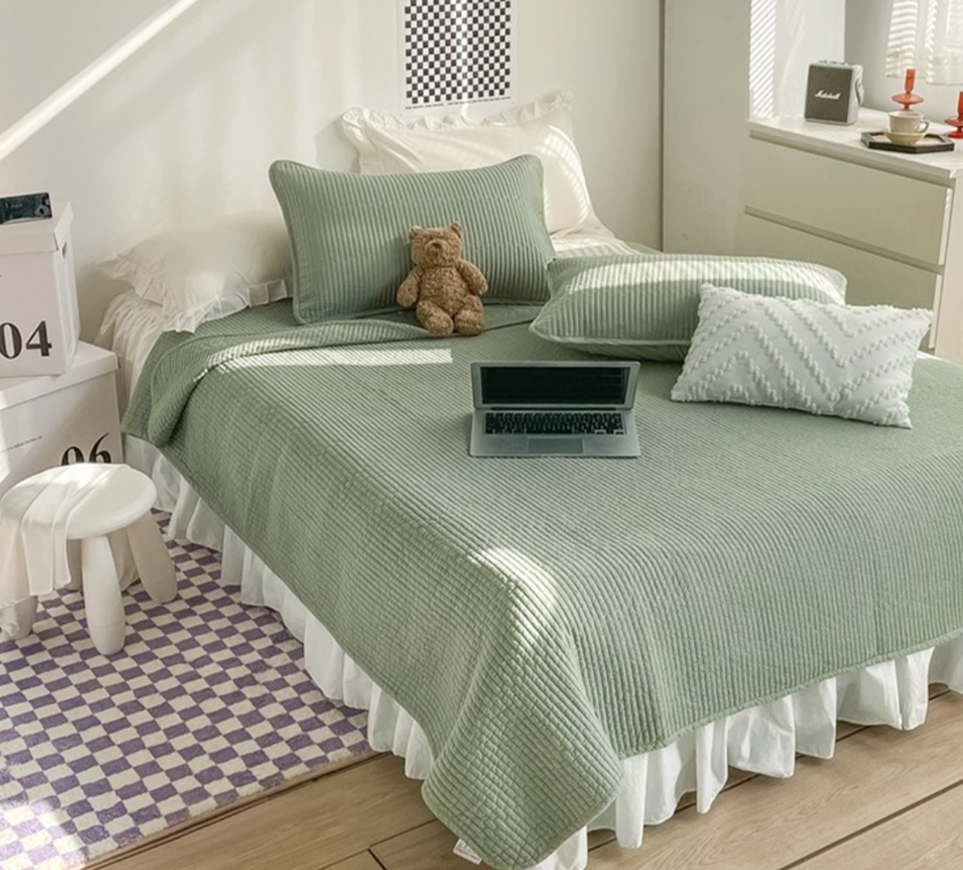
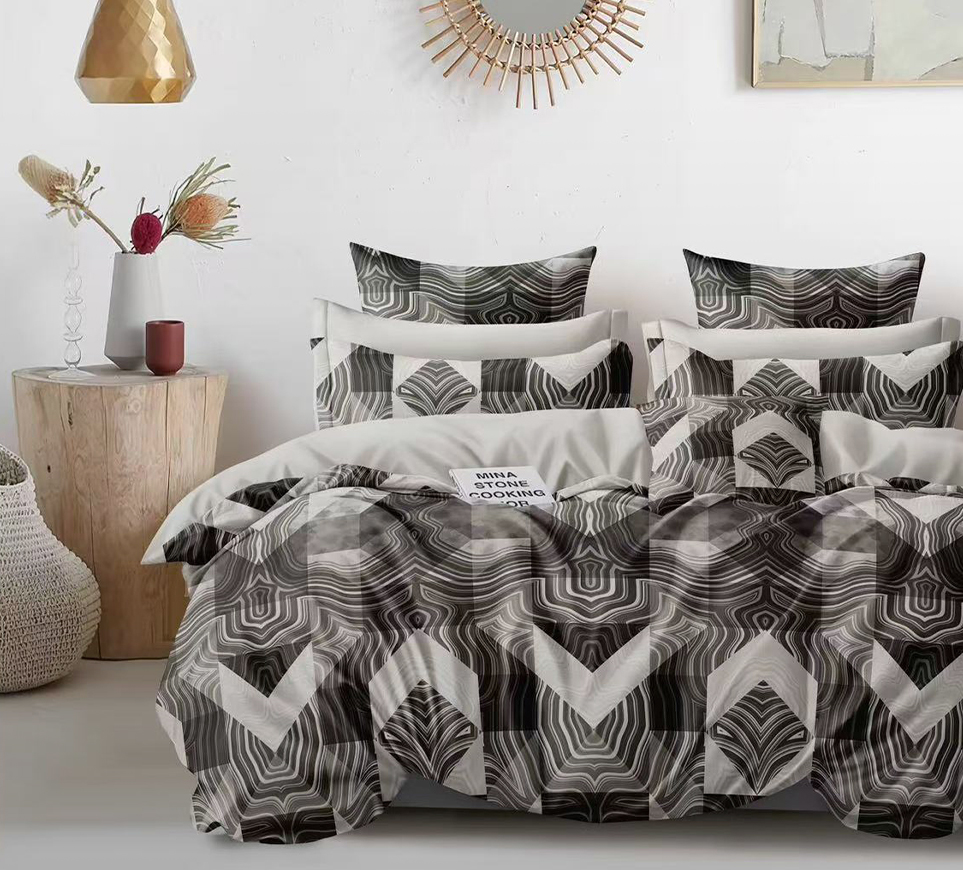
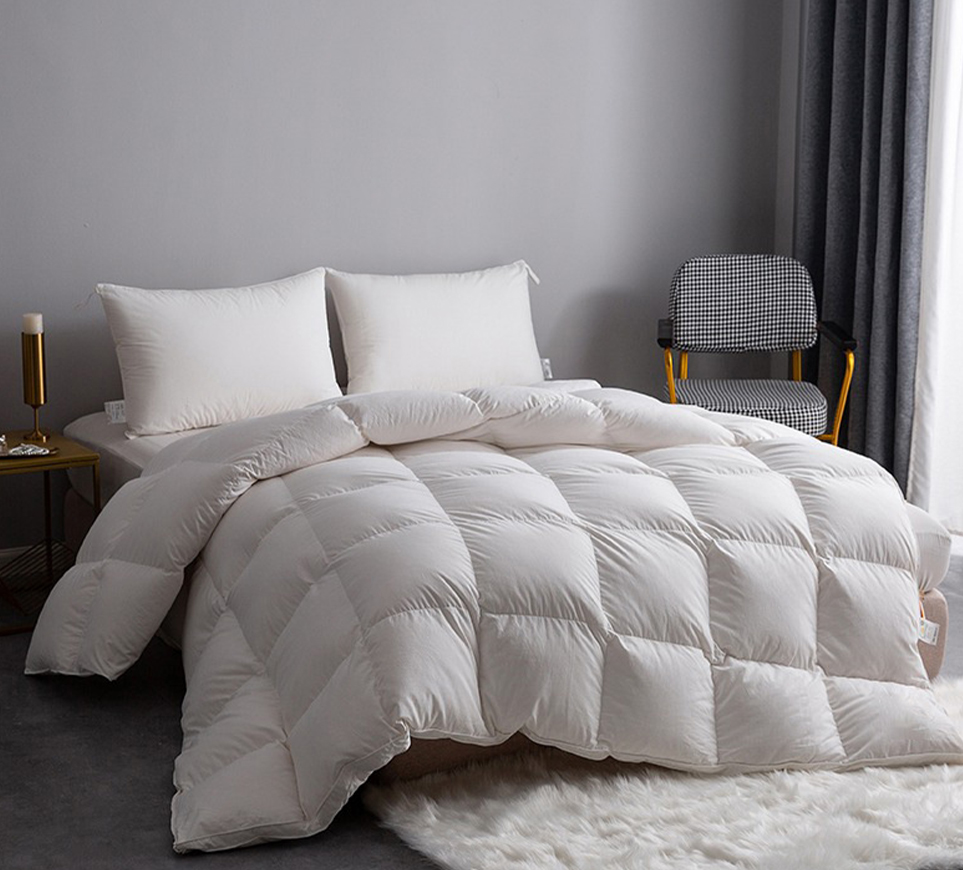
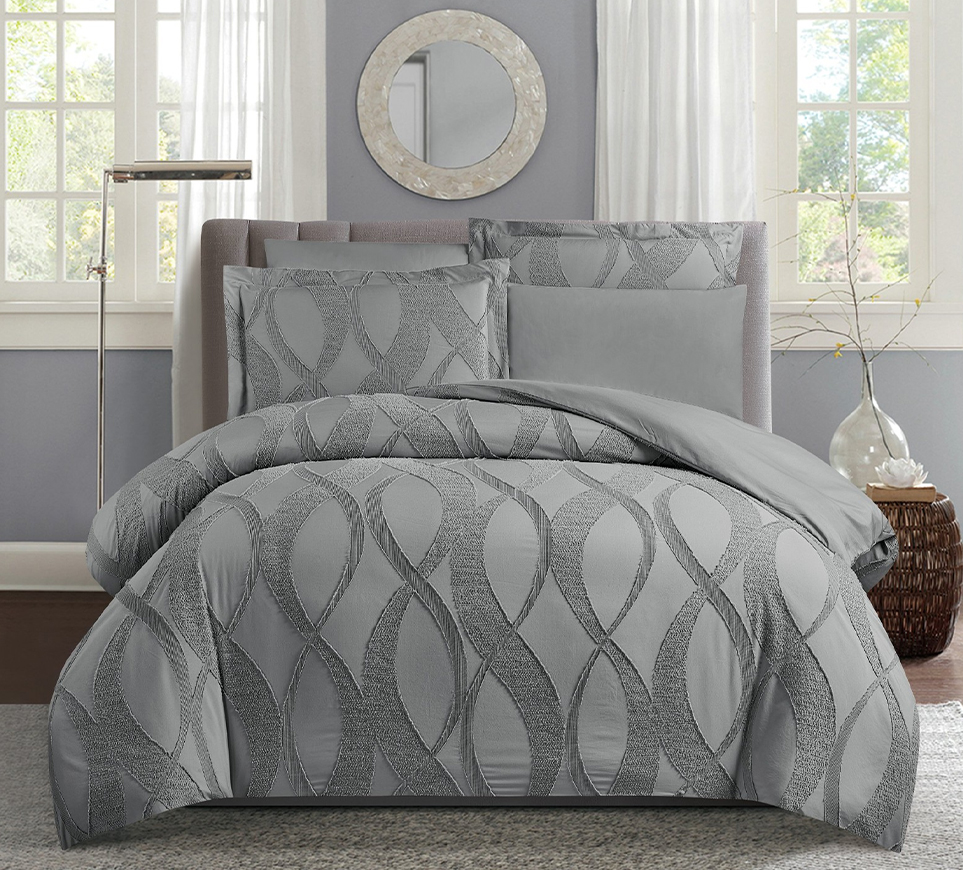
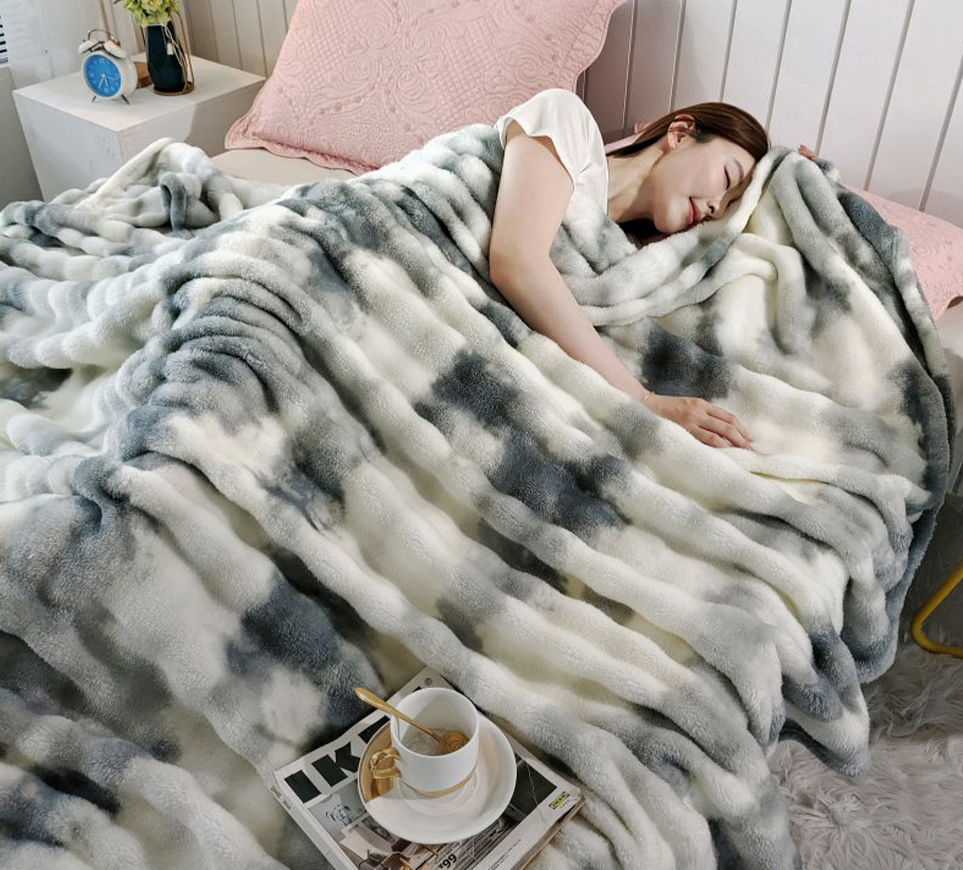
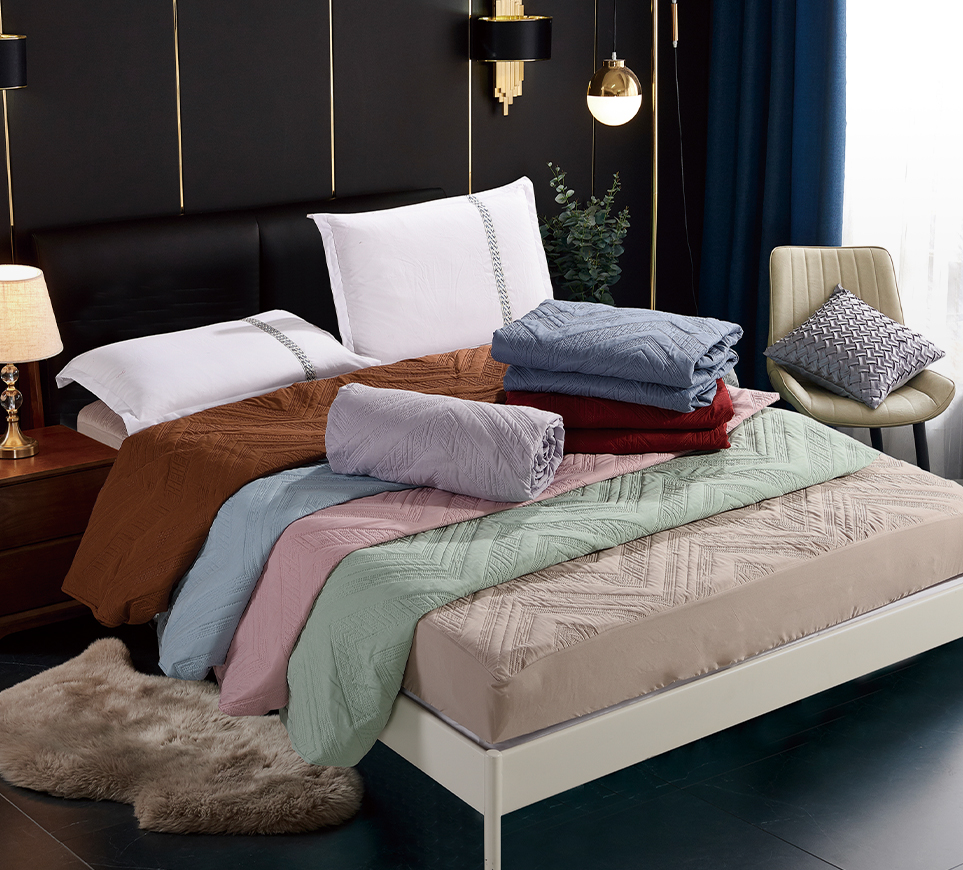

FunctionFast dry and easy to care: Not easy to shrink, no ironing and anti-wrinkle, fast drying after machine washing.Durable and fade resistant: Strong wear resistance, high color fastness, long-term...
See DetailsWhy Choose Us?
Established in 2008, with a 3,000m² professional factory, over 50 employees, and 5 departmental managers.

Coming From China, Marketing To The World.
Luxury Comfort with 60S Tencel Bed Sheet Set
May 18, 2026
Content
- 1 Experience the Softness of 60S Tencel Bed Sheet Set
- 2 How 60S Tencel Bed Sheets Improve Bedroom Comfort
- 3 Choosing the Right Size for 60S Tencel Bed Sheet Set
- 4 Benefits of Breathable Tencel Material
- 5 Caring for Your 60S Tencel Bed Sheet Set
- 6 Styling Your Bedroom with 60S Tencel Sheets
- 7 Sustainable and Eco-Friendly 60S Tencel Bedding
- 8 Long-Lasting Comfort with Tencel Bedding
- 9 How Tencel Sheets Support a Restful Sleep
- 10 About Nantong Noble International Trade Co., Ltd.
- 11 Frequently Asked Questions
When it comes to achieving bedroom luxury, the material of your bed sheets makes all the difference. The 60S Tencel Bed Sheet Set a significant leap forward in sleep textile technology - combining the natural softness of Tencel fiber with a fine 60S yarn represents count to deliver a sleeping surface that is noticeably silkier, cooler, and more breathable than conventional cotton alternatives. For anyone seeking soft bed sheets that go beyond ordinary comfort, this bedding set is a standout choice backed by material science and real-world performance.
Tencel, derived from sustainably sourced eucalyptus wood pulp through a closed-loop production process, has earned a strong reputation as one of the most skin-friendly and eco-conscious fibers available today. When woven at a 60S thread count specification, the result is a fabric that balances fineness with durability - offering a hotel-grade feel at home. This Tencel bedding solution is designed for sleepers who prioritize both comfort and responsible consumption.
Fiber Softness Rating Comparison (out of 100)
Figure 1: Softness index comparison across common bed sheet materials
Experience the Softness of 60S Tencel Bed Sheet Set
The tactile experience of sleeping on a 60S Tencel bed sheet set is one that many describe as immediately noticeable - a smooth, almost fluid sensation against the skin that persists even after repeated washing. This quality stems from the unique nano-fibril structure of Tencel fibers, which are engineered to be significantly finer than standard cotton threads. As a result, the fabric surface feels consistently smooth rather than rough or pilled.
In practical terms, soft tencel sheets are especially beneficial for individuals with sensitive or reactive skin. The inherent smoothness of the fiber minimizes friction during sleep, which can reduce irritation and redness that coarser fabrics may cause. Dermatologists frequently recommend Tencel-based fabrics for people prone to eczema, dryness, or general skin sensitivity — making this bed sheet set not just a comfort product but a wellness-oriented one as well.
Moreover, the 60S yarn specification means a higher twist and finer thread, resulting in a fabric that drapes beautifully and conforms to the contours of the body. This gives the bedding set a tailored, premium appearance in addition to its superior tactile properties.
How 60S Tencel Bed Sheets Improve Bedroom Comfort
Comfort in the bedroom is multidimensional - it involves temperature regulation, moisture management, sound sleep, and the subtle psychological cues that signal relaxation. Breathable bed sheets made from Tencel fibers address all of these dimensions simultaneously, making a meaningful improvement to the overall sleep environment.
Tencel is uniquely adept at moisture management. It can absorb up to 50% more moisture than cotton while simultaneously releasing it through evaporation — a property that keeps the sleeping surface dry and cool even on warm nights. For hot sleepers or those in humid climates, this breathability is a genuine game-changer. Unlike polyester blends that trap heat and perspiration, Tencel actively regulates the microclimate of your bed.
Temperature regulation is another area where Tencel excels. The fiber's cross-sectional structure facilitates airflow at a micro level, contributing to the fabric's cooling effect. Studies on sleep quality consistently show that a cooler core body temperature improves sleep onset and depth — meaning that restful sleep sheets made from Tencel aren't just comfortable; they're functionally supportive of better sleep architecture.
Reported Sleep Quality Score by Sheet Type (Monthly Average, Scale 1–10)
Figure 2: Consumer-reported sleep quality scores across a 6-month period
Choosing the Right Size for 60S Tencel Bed Sheet Set
Selecting the correct size is fundamental to getting the most from any fitted sheets Tencel purchase. An ill-fitting sheet — whether too small and prone to popping off, or too large and bunching beneath — disrupts sleep and reduces the functional life of the fabric. This bed sheet size guide will help you identify the right dimensions for your specific mattress configuration.
| Size | Flat Sheet (cm) | Fitted Sheet (cm) | Pillowcase (cm) | Recommended For |
|---|---|---|---|---|
| Twin/Single | 180×260 | 90 × 200 30 | 48×74 | Children, Guest Rooms |
| Full/Double | 230×260 | 140 × 200 30 | 48×74 | Solo Adults, Couples |
| Queen | 250×270 | 160 × 200 35 | 50×90 | Master Bedrooms |
| King | 280×270 | 180 × 200 35 | 50×90 | Premium Bedrooms |
One important note for the bedroom bedding set selection process: always measure your mattress depth. Many modern memory foam or hybrid mattresses exceed the standard 25 cm depth, and a fitted sheet with insufficient pocket depth will not stay securely in place. Tencel fitted sheets are typically available with deep-pocket options (30–40 cm) to accommodate thicker mattresses — a feature worth confirming before placing an order.
Additionally, when ordering for international markets, be aware that sizing conventions vary between North America, Europe, and Asia. Reputable manufacturers — including those sourcing from professional China home textile factories — will clearly specify dimensions in centimeters and indicate pocket depth to avoid sizing mismatches.
Benefits of Breathable Tencel Material
Breathability is not a marketing buzzword when it comes to Tencel — it is a measurable, engineered property of the fiber. Breathable bed sheets made from Tencel allow air to move freely through the weave, which prevents the build-up of heat and humidity that can interrupt sleep cycles. This is particularly relevant during summer months or for individuals living in warmer regions.
Beyond thermal regulation, Tencel's breathability also contributes to a hygienically cleaner sleep environment. By wicking moisture away from the body and allowing it to evaporate quickly, Tencel inhibits the damp conditions that bacteria and dust mites thrive in. This makes Tencel an excellent choice for allergy sufferers or those with asthma — providing comfort that extends well beyond the sense of touch.
Moisture Absorption Rate by Fabric Type (%)
Figure 3: Moisture absorption rate comparison across bed sheet materials
The environmental benefits are equally compelling. Tencel is produced using a closed-loop solvent system that recycles over 99% of the water and chemicals used in manufacturing. Eucalyptus trees—the source of the wood pulp—grow rapidly without irrigation or pesticides, making the entire supply chain considerably more sustainable than conventional cotton production, which is notoriously water-intensive.
Caring for Your 60S Tencel Bed Sheet Set
Proper Tencel sheet care is essential to preserving the qualities that make this bedding exceptional. The good news is that Tencel is relatively straightforward to maintain — machine washable Tencel sheets can be laundered at home with a few simple guidelines that will extend their lifespan considerably.
Washing Guidelines
- Use a cool or warm wash cycle (30–40°C) — high temperatures can break down Tencel fibers over time.
- Select a gentle or delicate wash setting to minimize mechanical stress on the fabric weave.
- Use a mild, pH-neutral liquid detergent — avoid bleach or enzyme-heavy detergents that can compromise fiber integrity.
- Wash Tencel sheets separately from heavy items like denim or towels to prevent abrasion.
Drying and Ironing
- Air-drying is the preferred method — hang the sheets smoothly to reduce wrinkles and avoid overstretching.
- If using a tumble dryer, choose a low-heat setting and remove the sheets while still slightly damp to prevent over-drying.
- Iron on a low-to-medium setting while the fabric is slightly damp for best results — easy maintenance sheets like Tencel rarely require heavy ironing thanks to their natural drape.
- Store cleaned sheets in a cool, dry place — avoid plastic bags, which can trap moisture and cause mildew.
With consistent, gentle care, a quality 60S Tencel bed sheet set can maintain its softness and structural integrity for 3 to 5 years or more of regular use - a strong value proposition compared to cheaper alternatives that pill or thin out after a season.
Styling Your Bedroom with 60S Tencel Sheets
A well-curated bedroom is more than just a place to sleep — it is a personal sanctuary, and the bedding you choose plays a central role in the room's visual character. Bedroom styling tips for Tencel sheets start with understanding the fabric's natural aesthetic: it has a subtle sheen and fluid drape that reads as quietly luxurious, making it compatible with a wide range of interior design languages.
For a minimalist or Scandinavian-inspired bedroom, pair white or light gray Tencel sheets with clean-lined furniture and natural wood tones. The sheets' inherent softness and muted luster complement the calm, uncluttered aesthetic without overpowering it. Add a single textured throw and a simple ceramic lamp for a look that feels considered and restful.
For warmer, more eclectic interiors, Tencel sheets in sage green, dusty rose, or deep navy anchor the bed as a statement piece while maintaining an air of sophistication. The fabric's drape makes even lighter colors appear rich and dimensional — an asset when layering with decorative pillows or a quilt. When selecting a bedroom bedding set , consider choosing a colorway that either contrasts gently or harmonizes with your wall color for maximum visual coherence.
Eco-friendly bedding choices like Tencel also contribute to the growing biophilic design trend—an approach that incorporates natural materials and organic forms to reduce stress and promote well-being. Displaying the natural, breathable quality of your bedding through an intentionally styled bed communicates a lifestyle ethos that is both aesthetically and ethically meaningful.
Sustainable and Eco-Friendly 60S Tencel Bedding
Sustainability in home textiles is no longer a niche concern — it is increasingly a central purchasing criterion for conscious consumers globally. Sustainable bed sheets made from Tencel offer one of the most credible eco-credentials in the textile market, supported by verifiable certifications and transparent supply chains.
The Tencel brand fiber (produced by Lenzing AG) holds certifications including OEKO-TEX Standard 100 and the EU Ecolabel, confirming that the fabric is free from harmful substances and produced within environmental limits. For B2B buyers and retail brands sourcing from professional China home textile manufacturers, these certifications provide important quality assurance and meet the compliance requirements of increasingly stringent retail buyers in Europe and North America.
Sustainability Profile: 60S Tencel vs Standard Cotton
Figure 4: Sustainability radar comparison - 60S Tencel vs standard cotton
From a lifecycle perspective, Tencel is fully biodegradable — unlike synthetic microfiber blends that shed microplastics with every wash cycle. Choosing eco-friendly bedding is therefore not just a statement about personal values; it is a concrete action that reduces long-term environmental impact. The growing availability of Tencel through established home textile factories makes this sustainable choice increasingly accessible at scale.
Long-Lasting Comfort with Tencel Bedding
One of the most persuasive arguments for investing in quality Tencel bedding is its durability. Unlike cheaper sheet sets that lose their softness within months, a well-made 60S Tencel bed sheet maintains its texture, color depth, and structural integrity through extensive use and regular laundering. This longevity makes it a cost-effective choice over the medium to long term, despite the higher initial investment compared to standard polyester or low-count cotton sheets.
The 60S yarn count is particularly important in this regard. A higher count yarn produces a finer, tighter weave that is more resistant to pilling, tearing, and fiber degradation. In quality assessments, 60S Tencel sheets consistently outperform 40S cotton equivalents in abrasion resistance — a key metric for determining how long a sheet set will retain its feel and appearance .
Softness Retention After Repeated Washes (% of Original)
Figure 5: Softness retention rate across 50 wash cycles — Tencel vs cotton
How Tencel Sheets Support a Restful Sleep
Sleep science makes a compelling case for the role of bedding in sleep quality. Temperature, texture, and sensory input during sleep all influence how quickly a person falls asleep, how deeply they sleep, and how refreshed they feel upon waking. Restful sleep sheets made from 60S Tencel actively support each of these dimensions.
The thermoregulatory properties of Tencel are particularly valuable during the sleep onset phase. Research indicates that a drop in core body temperature of approximately 1–2°C is a biological trigger for sleep. Breathable, moisture-wicking Tencel sheets assist this process by preventing heat accumulation at the skin surface — helping the body achieve the temperature drop that signals readiness for deep sleep.
The tactile quality of soft bed sheets also matters: sleep research has identified that physical comfort on the sleep surface reduces the micro-arousals that interrupt sleep cycles. A smooth, non-irritating fabric like Tencel keeps sensory stimulation at a minimum during the night, supporting longer, more continuous sleep without interruption from itching, sweating, or friction discomfort.
For parents selecting bedding for children or for households with elderly members who may have more sensitive skin, these properties make Tencel an especially thoughtful choice. The combination of gentle texture, breathability, and hypoallergenic characteristics addresses a wide range of sleep-related comfort needs across age groups.
About Nantong Noble International Trade Co., Ltd.
Nantong Noble International Trade Co., Ltd. is a comprehensive home textile enterprise specializing in the design, production, processing, and packaging of household textiles. With over 18 years of experience in international trade and home textile manufacturing, we are committed to providing our customers with professional home textile solutions. As a professional China home textile manufacturer and home textile factory, our product range encompasses bedding sets, bedspreads, quilts, blankets, and sofa covers.
Our company styles are constantly updating product and designs to ensure rapid production. We provide customized products based on customer demands to meet the diverse needs of the market - from small boutique orders to large-scale retail supply. Whether you require standard sizing, specific fabric weights, or bespoke color palettes, our experienced production team is equipped to deliver consistent, high-quality results aligned with your brand and market requirements.
Frequently Asked Questions
Related products
-
-
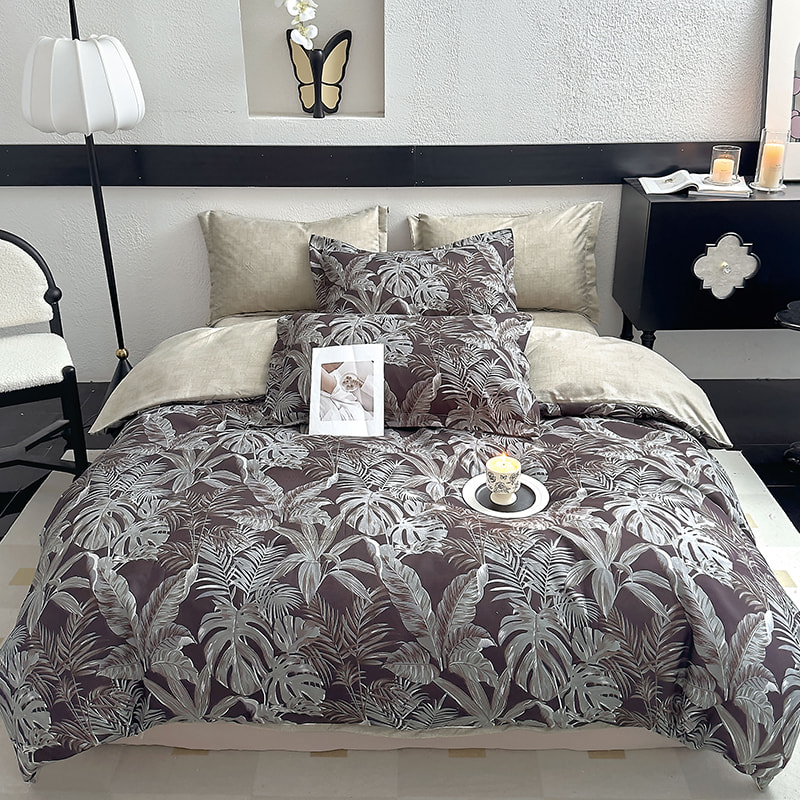
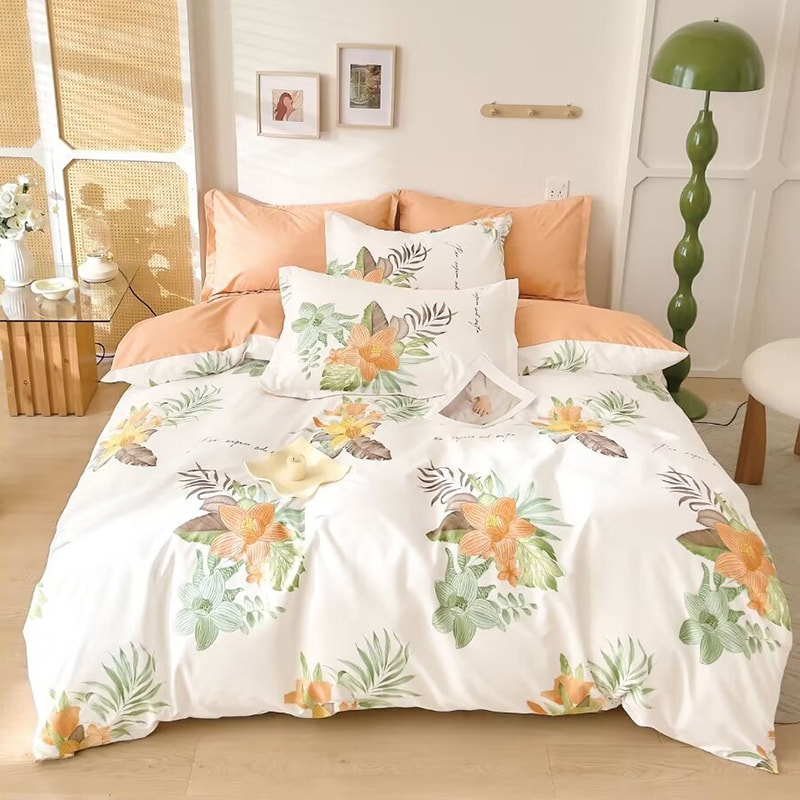
FunctionFast drying and easy to take care of: Anti-shrinkage and no ironing, fast drying after machine washing, simplified daily care.Durable color protection: High wear resistance and color fastness,...
See Details -
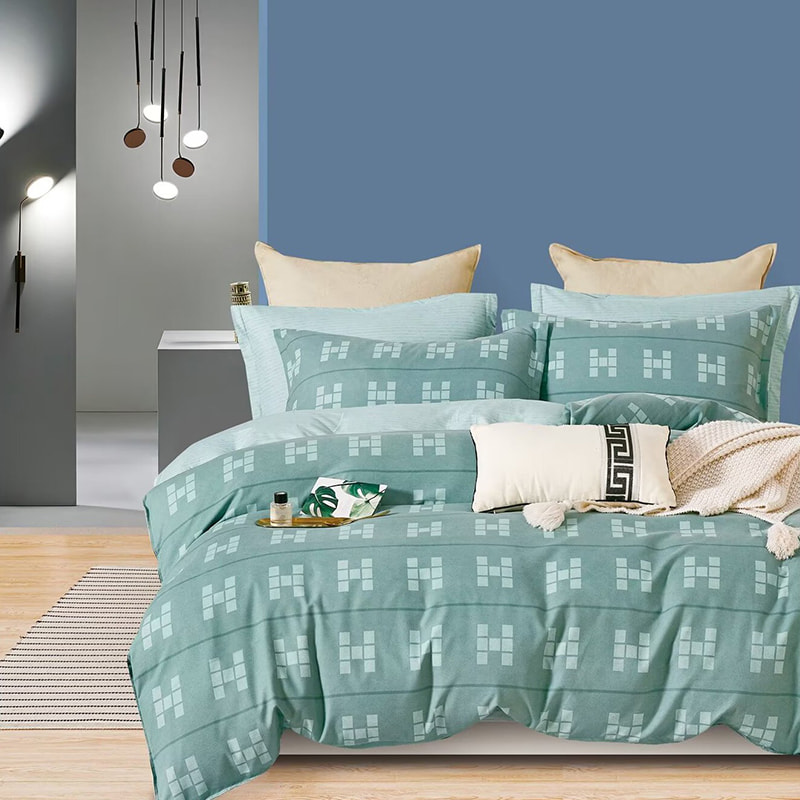
FunctionStrong warmth: High gram weight provides good insulation performance, suitable for low-temperature environments.Durable anti-wrinkle: High-density structure wear and tear resistance, not easy ...
See Details -
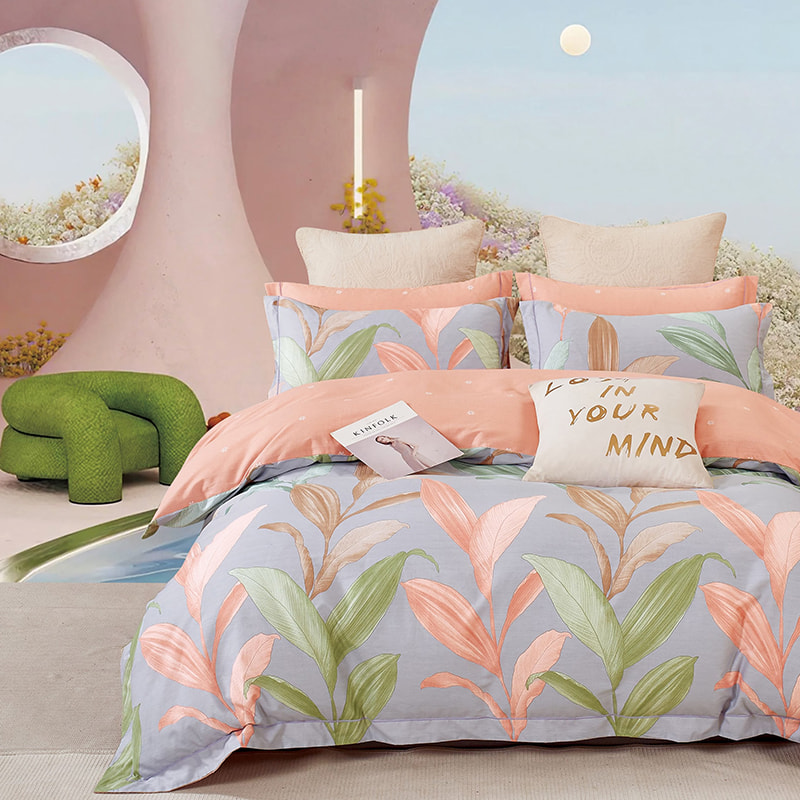
FunctionSkin-friendly breathable: Natural cotton fiber is soft and comfortable, good for breath, and suitable for the use of moisture.Absorption and perspiration: Good moisture absorption, keep dry bo...
See Details -
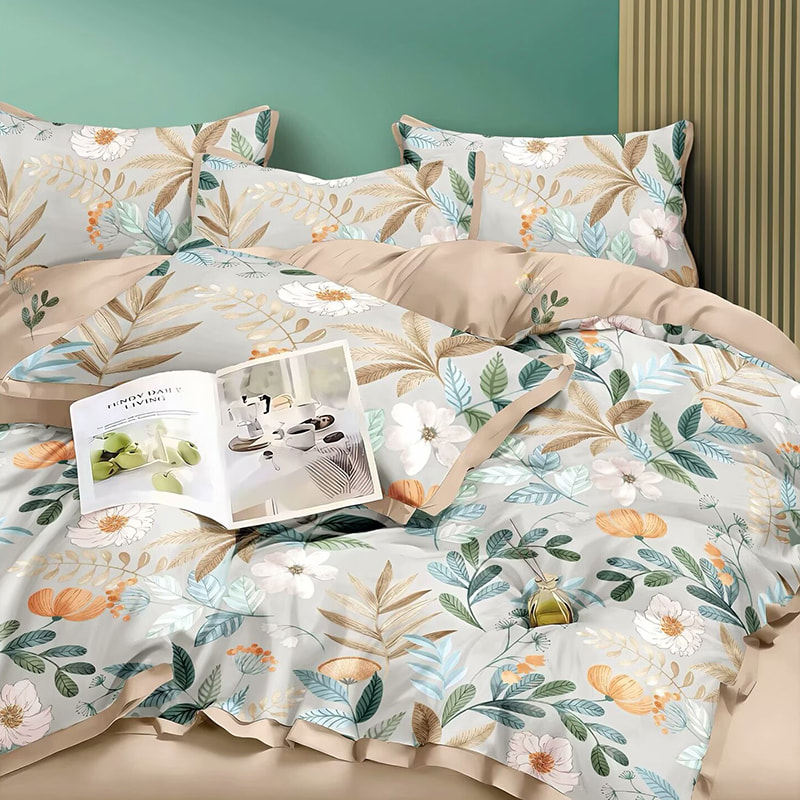
FunctionMore delicate and skin-friendly: Higher than 12868,13372, the fabric is more delicate and soft, the touch is better and more.Breathable: High-density cotton structure further improves moisture...
See Details -
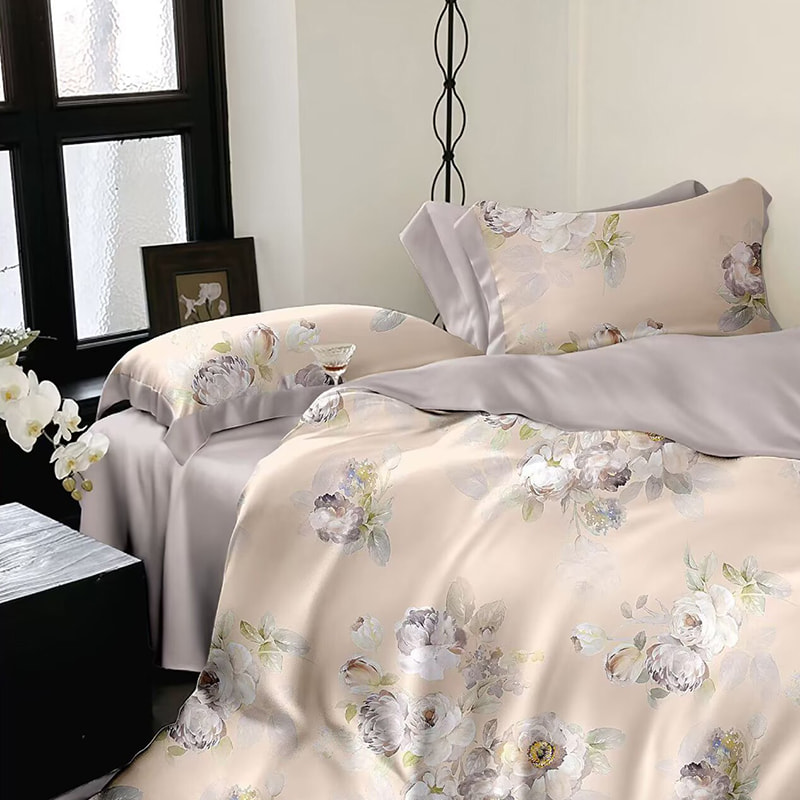
Function Extreme skin affinity: Day silk fiber is soft and smooth, touch like silk, suitable for close-fitting use of moisture. Absorption and breathability: moisture absorption and sweat performance,...
See Details -
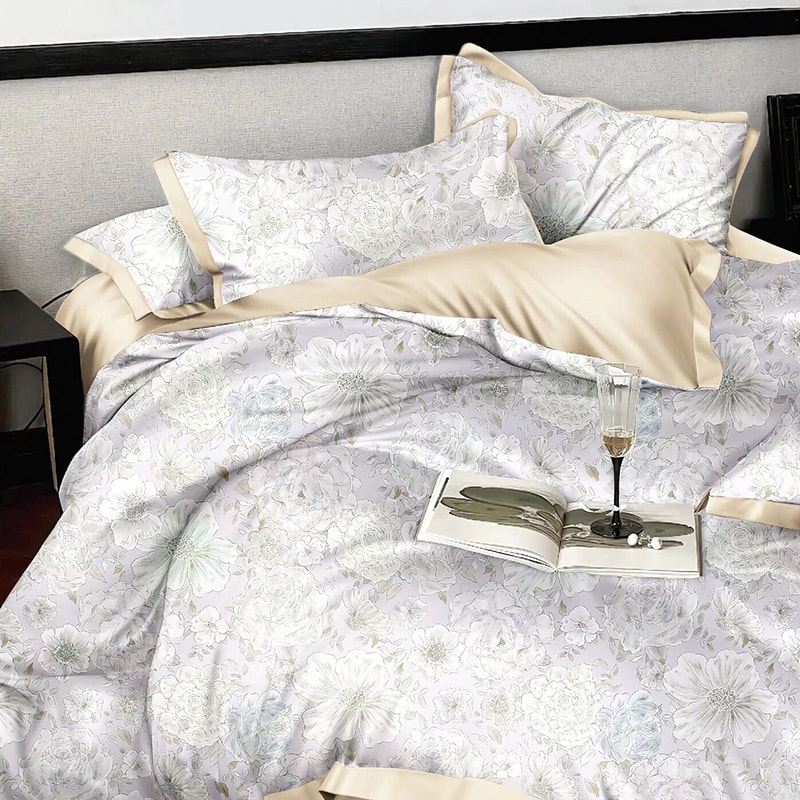
FunctionMore delicate and skin-friendly: Compared with 50S, 60S silk fiber is thinner, softer, smoother, more comfortable for close use, and more moisture absorption.Breathable: Higher branches improv...
See Details -
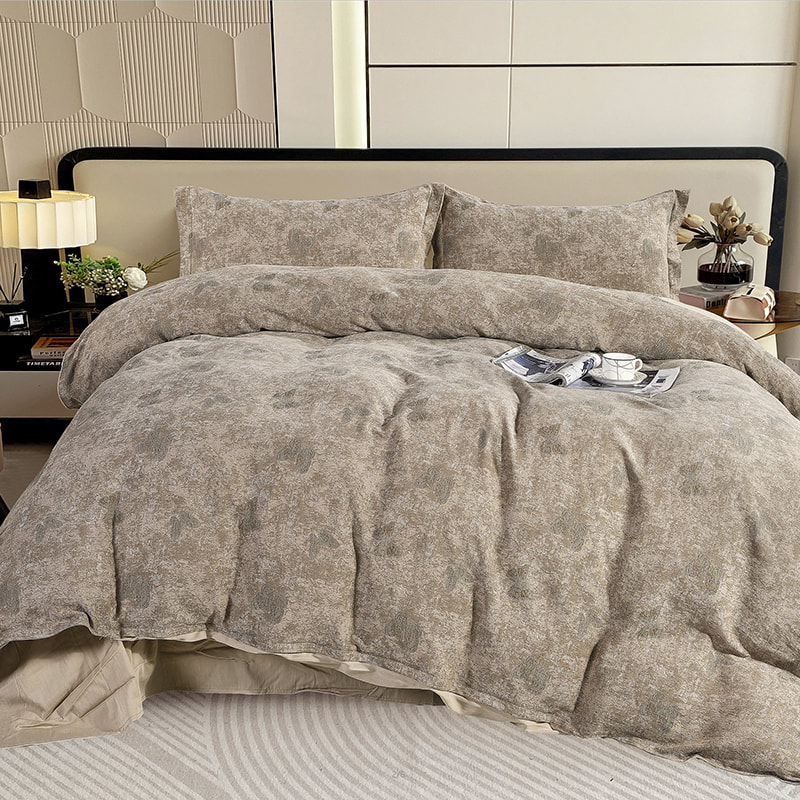
Function Luxury touch: The fiber is soft and smooth, and the jacquard process adds a three-dimensional texture. Touch like silk moisture absorption: moisture absorption performance keeps dry and comfo...
See Details -
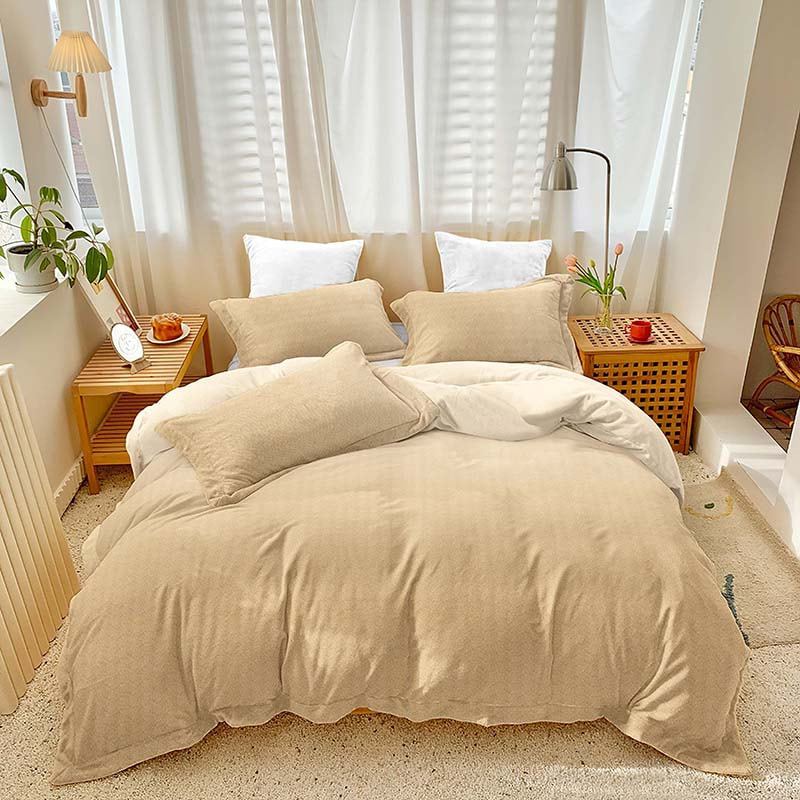
Function Fine pattern performance: Digital printing is higher precision than round net printing, richer color, more delicate pattern, fast dry.Easy to care: The polyester fiber characteristics are unc...
See Details -
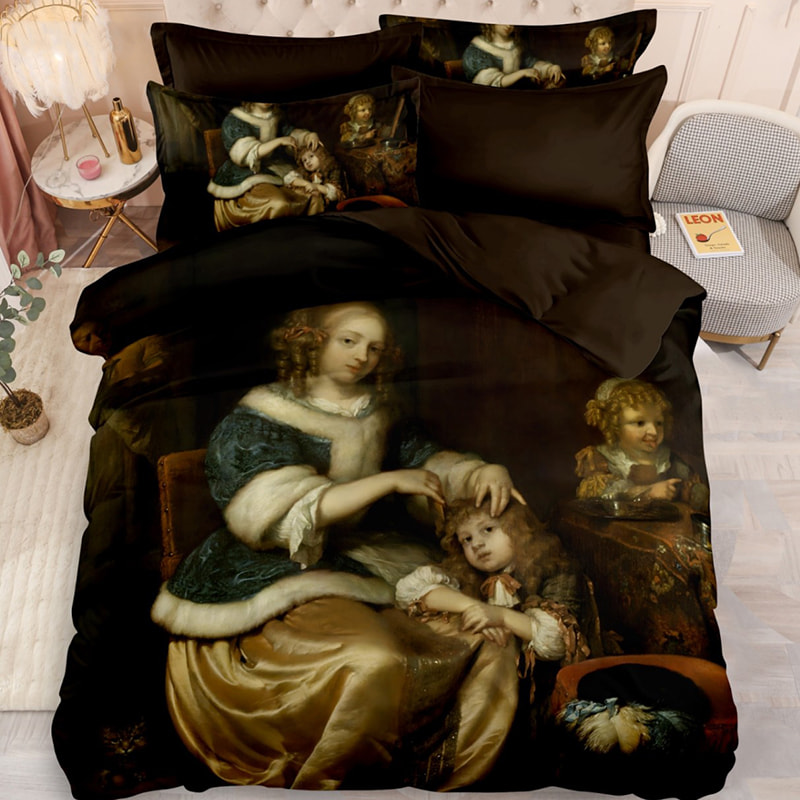
FunctionFine pattern performance: Digital printing is higher precision than round net printing, richer color, more delicate.Durable anti-wrinkle: 130g polyester fiber fabric has a vertical feeling, an...
See Details -
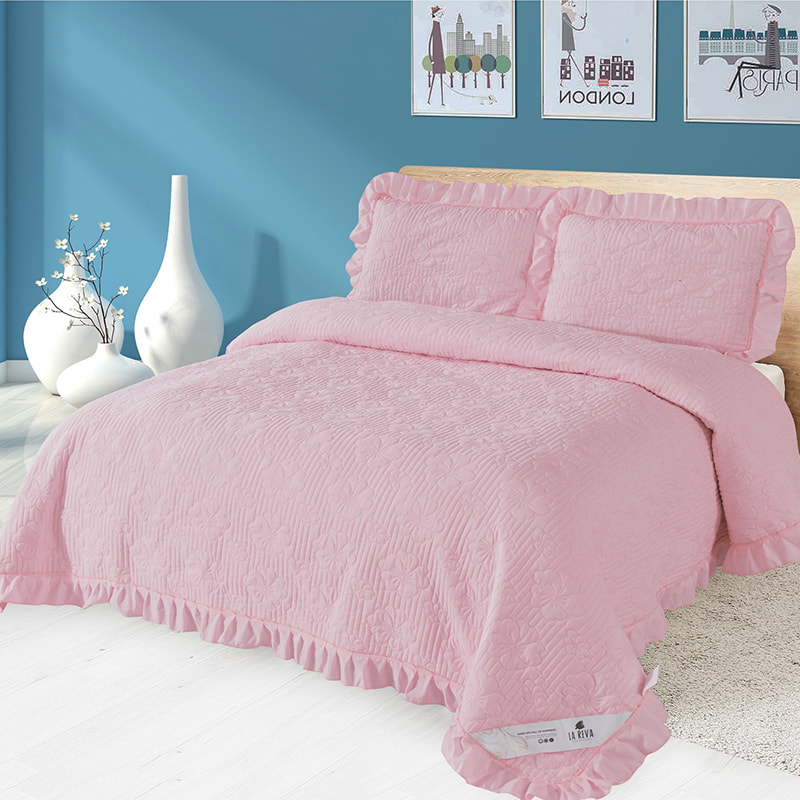
FunctionThin and light: The ultrasonic process does not create pinholes or quilting thread, and the fabric is thin and smooth.Strong decoration: Lace elements add an elegant and romantic sense, enhanc...
See Details -
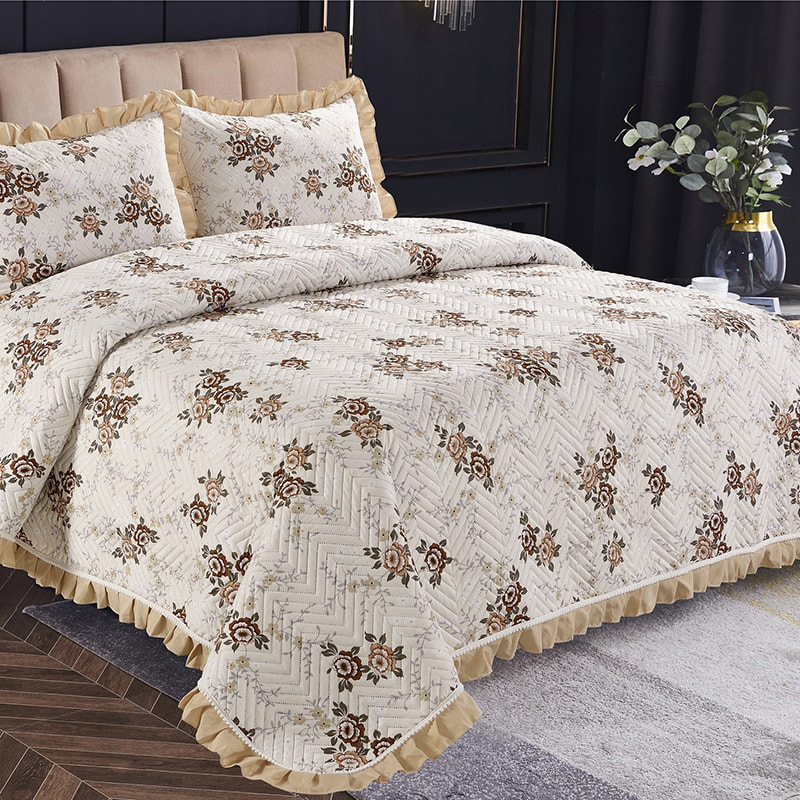
FunctionThin and light: The ultrasonic process does not create a pinhole or quilting thread, and the fabric is thin and smooth.Strong decorative: Print patterns add a sense of art and design, enhancin...
See Details
