

 English
 Español
 عربى
عربى
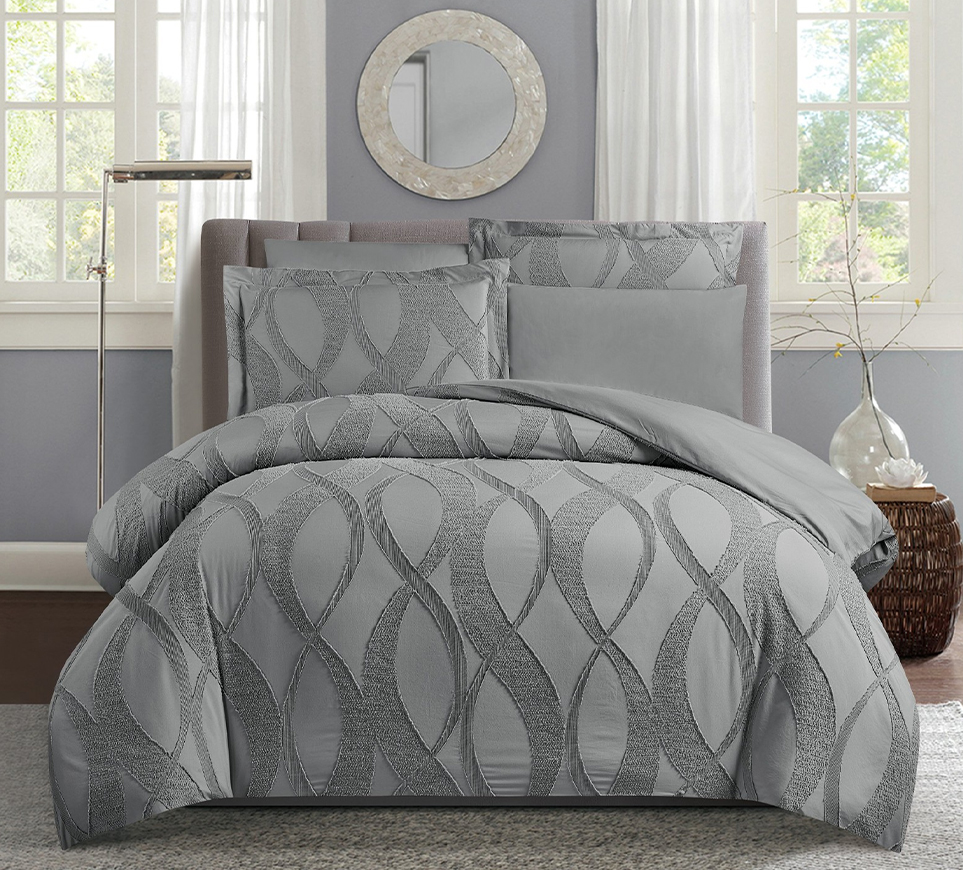
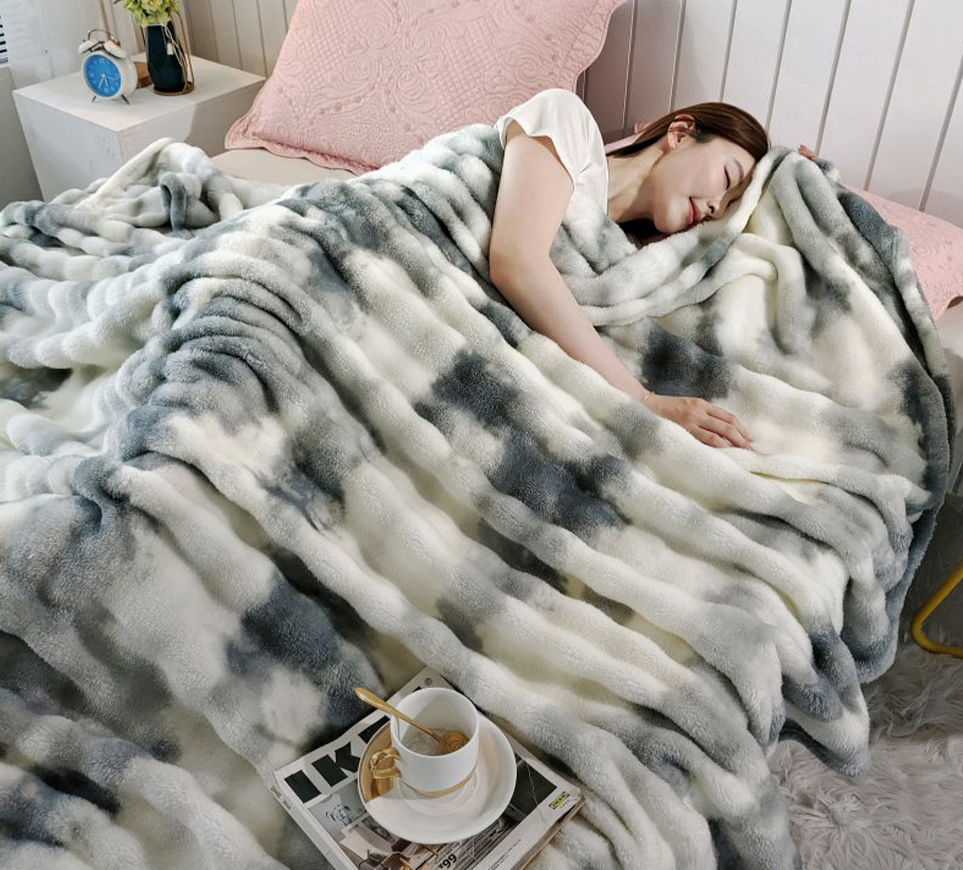
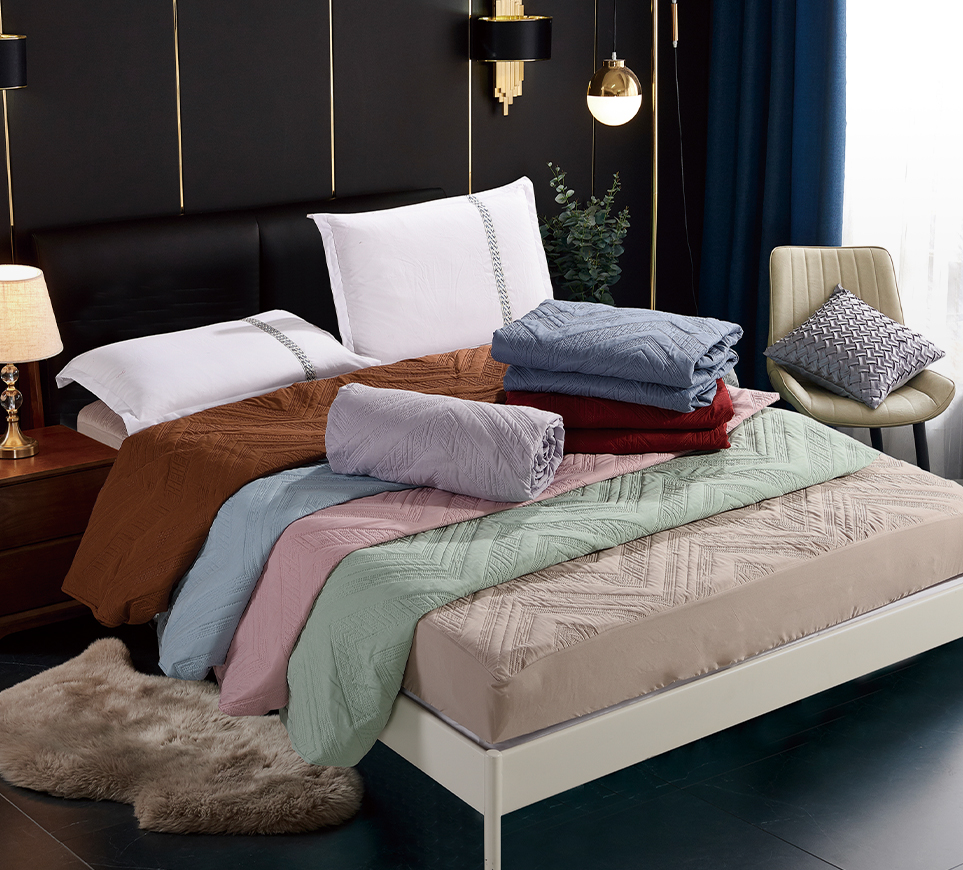

FunctionFast dry and easy to care: Not easy to shrink, no ironing and anti-wrinkle, fast drying after machine washing.Durable and fade resistant: Strong wear resistance, high color fastness, long-term...
See DetailsWhy Choose Us?
Established in 2008, with a 3,000m² professional factory, over 50 employees, and 5 departmental managers.

Coming From China, Marketing To The World.
How to Maintain a Tencel Jacquard Bedsheet Set Properly?
May 25, 2026
Content
- 1 Why Proper Maintenance Matters for Tencel Jacquard Bedding
- 2 How to Wash a Tencel Jacquard Bedsheet Set
- 3 Recommended Water Temperature and Drying Methods
- 4 How to Store Tencel Jacquard Bedding Properly
- 5 Common Problems and Practical Maintenance Tips
- 6 Applications for Home and Hotel Bedding Use
- 7 About Nantong Noble International Trade Co., Ltd.
- 8 Frequently Asked Questions
A Tencel jacquard bedding set delivers a compelling combination of tactile refinement, moisture intelligence, and surface artistry - but preserving these qualities over time depends entirely on how the fabric is treated. The core conclusion is straightforward: gentle, low-temperature care consistently outperforms aggressive washing routines in maintaining both the physical integrity and visual appeal of jacquard-woven Tencel sheets.
Tencel bedding has gained significant traction in both residential and hospitality markets due to its inherent moisture-wicking capability and smooth hand feel. The addition of a jacquard weave introduces a structured surface pattern that elevates the aesthetic—but also increases the importance of careful maintenance, since jacquard constructions involve layered weave structures that can be distorted by rough handling or excessive heat. Understanding the specific care needs of this fabric type is the most direct path to long-term performance and appearance retention.
Tencel Jacquard vs. Standard Cotton - Key Performance Attributes (Score out of 100)
Figure 1: Performance attribute comparison between Tencel jacquard and standard cotton bedsheets
Why Proper Maintenance Matters for Tencel Jacquard Bedding
The argument for careful maintenance is not simply about aesthetics — it has a direct functional dimension. Jacquard sheets are constructed using an interlacing weave method that creates raised surface patterns by controlling individual threads across both the warp and weft. This multi-layer construction is precisely what gives jacquard bedding its visual distinction, but it also means the fabric is more sensitive to mechanical stress than a standard plain weave. Aggressive spin cycles, high-heat drying, and harsh chemical agents can pull threads out of alignment, deform the pattern, or cause localized thinning in the weave structure.
For Tencel bedding specifically, the fiber's nano-fibril structure — which is responsible for its exceptional softness and moisture performance — responds poorly to heat and alkaline detergents. Studies on lyocell fiber degradation show that repeated exposure to temperatures above 60°C can reduce fiber tensile strength by up to 30% within 20 wash cycles , significantly shortening the usable life of the sheet set. By contrast, sheets maintained at the recommended temperature range retain their structural and tactile properties for 3 to 5 years or more under regular use conditions.
Beyond structural concerns, proper care also reduces wrinkle formation after washing. Tencel's natural drape means it tends to crease when compressed in a hot dryer or left sitting damp — but with correct handling, the fabric smooths out easily and often requires no ironing at all. This is a practical advantage that rewards consistency in care routines.
How to Wash a Tencel Jacquard Bedsheet Set
Washing is the most frequent maintenance action and the one with the greatest potential to either preserve or degrade the fabric. The following guidelines apply to breathable bed sheets made from Tencel jacquard construction and represent best practice for both home and professional laundry environments.
Detergent Selection
Always select a mild, pH-neutral liquid detergent formulated for delicate or natural fabrics. Avoid powder detergents, which may not fully dissolve at lower temperatures and can leave residue in the jacquard weave structure. Bleach-based products — including oxygen bleach additives — should be avoided entirely, as they disrupt the dye bonds in Tencel fibers and accelerate color loss in patterned sections of the jacquard design.
Cycle Settings and Load Management
- Select the gentle or delicate wash cycle — this reduces drum agitation and protects the jacquard weave pattern from distortion.
- Wash soft bedding separately from heavy items such as denim, towels, or garments with zippers, which can abrade the delicate jacquard surface.
- Separate light and dark-colored sheets before each wash to prevent color transfer — particularly important for jacquard sets with multi-tonal or contrast designs.
- Turn pillowcases and fitted sheets inside out to further reduce friction on the outer jacquard surface during the wash cycle.
- Use a reduced spin speed — ideally 800 RPM or below — to limit mechanical stress and reduce post-wash wrinkle formation.
A wash frequency of once every one to two weeks is appropriate for residential use. For hotel or hospitality environments where sheets are turned over more frequently, a professional laundry service familiar with jacquard textile care is a worthwhile consideration.
Recommended Water Temperature and Drying Methods
Temperature control is the single most important variable in Tencel sheet maintenance. Cooling sheets and moisture-wicking textiles like Tencel jacquard are engineered to perform at body temperature — not to withstand high-heat processing. The practical implication is that both washing and drying should stay firmly within the low-temperature range.
| Process | Recommended Setting | Maximum Limit | Notes |
|---|---|---|---|
| Machine Wash | 30°C | 40°C | Gentle/Delicate cycle only |
| Tumble Dryer | Low heat | Medium heat | Remove while slightly damp |
| Air Drying | Shade/indoors | — | Preferred method; hang smoothly |
| Ironing | Low (110–130°C) | Medium (150°C) | Iron reverse side; use steam |
Air drying remains the preferred method for silky bed sheets with jacquard construction. Hanging the sheets smoothly on a drying rack - without bunching - allows the fabric to dry without setting wrinkles into the weave. Avoid direct sunlight during drying, as prolonged UV exposure causes dye degradation, particularly in deeper-toned jacquard designs. Indoor drying in a well-ventilated space achieves the best balance between drying speed and fabric preservation.
If a tumble dryer is necessary, removing the sheets while they retain slight residual dampness — roughly 80–90% dry — allows the fabric to finish drying flat or hanging, which significantly reduces both shrinkage risk and permanent wrinkle formation. Over-dried Tencel sheets are more prone to stiffness and surface creasing that is difficult to remove without ironing.
Tencel Fiber Strength Retention by Wash Temperature (% after 30 cycles)
Figure 2: Tencel fiber tensile strength retained after 30 wash cycles at varying temperatures
How to Store Tencel Jacquard Bedding Properly
Storage is a frequently overlooked aspect of bedding maintenance, yet it has a meaningful impact on how luxury bedsheets look and feel when retrieved for use. Tencel jacquard bedding that has been stored incorrectly — compressed in plastic, exposed to damp air, or left in direct light — can develop stubborn creases, musty odors, or localized discoloration that diminishes the fabric's premium appearance.
Storage Environment
- Store in a cool, dry environment with stable humidity — ideally between 40% and 60% relative humidity. Excessive moisture encourages mold growth, while very dry air can cause static buildup in the fabric.
- Avoid storing near heat sources such as radiators, heating vents, or sun-exposed windowsills, which can cause the jacquard weave to relax or distort over time.
- Moisture wicking sheets like Tencel are breathable by nature — they should be stored in breathable cotton or linen bags rather than sealed plastic containers, which trap humidity and create conditions for mildew.
Folding and Stacking
- Fold the sheets neatly and consistently along the same fold lines each time — this prevents random crease formation and makes the sheets easier to unfold smoothly before use.
- Avoid stacking heavy items on top of folded bedding, as sustained compression can permanently set creases into the jacquard surface pattern.
- If shelf space allows, loosely rolling the sheets rather than folding them reduces the risk of persistent fold lines—a technique commonly used in hotel linen rooms.
- Store the complete set together—flat sheet, fitted sheet, and pillowcases—to avoid searching for matching pieces and to keep the set organized for rotation.
Common Problems and Practical Maintenance Tips
Even with attentive care, tencel jacquard bedding may develop certain issues over time. Most of these are manageable with targeted interventions—the key is addressing them early before they become irreversible. The following covers the most common problems encountered with jacquard sheets and provides practical guidance for each.
Fabric Wrinkles
Wrinkles in Tencel jacquard sheets typically result from excessive heat during drying or leaving the fabric bunched while damp. The first remedy is always to smooth the sheets by hand while still slightly damp and allow them to finish drying flat. If ironing becomes necessary, use a low temperature setting (110–130°C) with a steam function, and always iron on the reverse side to avoid flattening the raised jacquard pattern. A pressing cloth placed between the iron and the fabric provides additional protection.
Surface Pilling
Pilling occurs when loose fiber ends tangle together under friction - commonly caused by washing with rough fabrics, using high-agitation cycles, or using powder detergents that leave residue. For Tencel jacquard, the risk is concentrated at weave intersection points where fiber tension is highest. Prevent pilling by consistently washing on a gentle cycle with appropriate detergents and keeping the sheets separate from abrasive laundry items. If light pilling appears, a fabric shaver (lint remover) can restore the surface without damaging the weave, provided it is used on a low setting.
Color Fading
Color fading in jacquard bedding most often results from UV exposure during drying, the use of bleach or enzyme-heavy detergents, or washing at temperatures above the recommended range. Wash dark or richly toned sets separately and always dry away from direct sunlight. Adding a small amount of white vinegar (approximately 60 ml) to the rinse cycle can help set dyes and maintain color vibrancy without leaving residue or affecting the fabric structure.
Texture Changes
A noticeable change in texture — the sheet feeling stiffer, rougher, or less fluid than when new — usually indicates one of three causes: excessive heat during drying, detergent residue buildup, or over-washing. Run an extra rinse cycle to clear residue, reduce drying temperature, and consider extending the interval between washes slightly. Fabric softener is generally not recommended for Tencel, as it coats the fiber and reduces its natural moisture-wicking capability - the qualities that make it superior for sleep comfort.
Primary Causes of Tencel Jacquard Bedding Degradation (% of reported cases)
Figure 3: Distribution of primary degradation causes in Tencel jacquard bedding maintenance surveys
Applications for Home and Hotel Bedding Use
The maintenance profile of Tencel jacquard bedding - low-temperature washing, air drying, careful storage - translates well across a range of real-world applications. Whether used in residential master bedrooms, serviced apartments, or professional hospitality environments, the care requirements remain consistent, making it a practical choice at scale as well as for individual home use.
Residential Bedrooms
In home settings, a hotel bedding set -quality Tencel jacquard sheet collection can elevate the sleep environment meaningfully. Homeowners who invest in quality bedding typically wash sheets weekly and rotate between two or three sets—a practice that extends the life of each individual set and ensures consistent freshness. The jacquard pattern provides visual interest that makes the bed a focal point of bedroom styling without requiring additional decorative layers.
Hotel and Hospitality Bedding
Tencel jacquard sheets are increasingly specified in boutique hotel and premium guesthouse contexts, where the combination of guest comfort and distinctive visual presentation is a brand differentiator. In professional hospitality laundry workflows, the key adaptations are using commercial gentle-cycle machines calibrated to low temperatures, industrial pH-neutral detergents, and tunnel finishers set to low heat — maintaining sheet quality through high-frequency laundering. Luxury bedsheets that retain their appearance across 100 or more commercial wash cycles represent meaningful operational value for hospitality operators.
Apartment and Guest Room Furnishing
For furnished apartment operators and Airbnb-style accommodation providers, Tencel jacquard bedding offers a combination of guest appeal and practical durability. Guests consistently rate smooth, breathable, visually elegant bedding as one of the highest-value elements of their accommodation experience. Maintaining a consistent care routine — and replacing sets proactively when early signs of wear appear — supports positive reviews and repeat bookings over time.
Suitability by Use Context (Score out of 100)
Figure 4: Tencel jacquard bedding suitability ratings across different use contexts
About Nantong Noble International Trade Co., Ltd.
Nantong Noble International Trade Co., Ltd. is a comprehensive home textile enterprise specializing in the design, production, processing, and packaging of household textiles. With over 18 years of experience in international trade and home textile manufacturing, we are committed to providing our customers with professional home textile solutions. As a professional China home textile manufacturer and home textile factory, our product range encompasses bedding sets, bedspreads, quilts, blankets, and sofa covers.
Our company continuously updates product styles and designs to support rapid production timelines. We provide customized products based on customer specifications - from OEM hotel bedding sets to bespoke jacquard collections for residential brands - meeting the diverse demands of both wholesale and retail markets globally.
Frequently Asked Questions
Related products
-
-
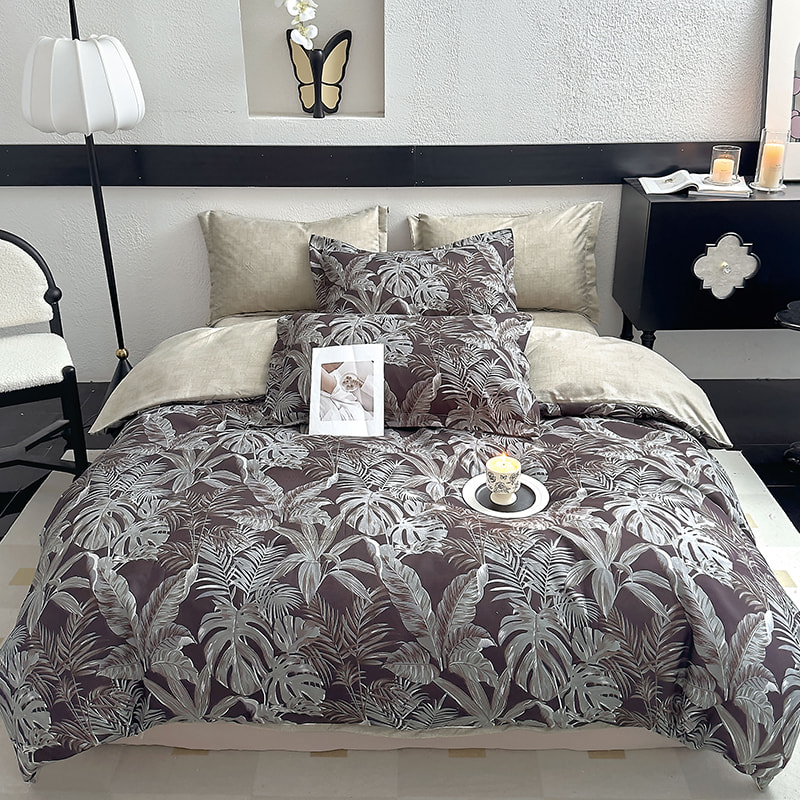
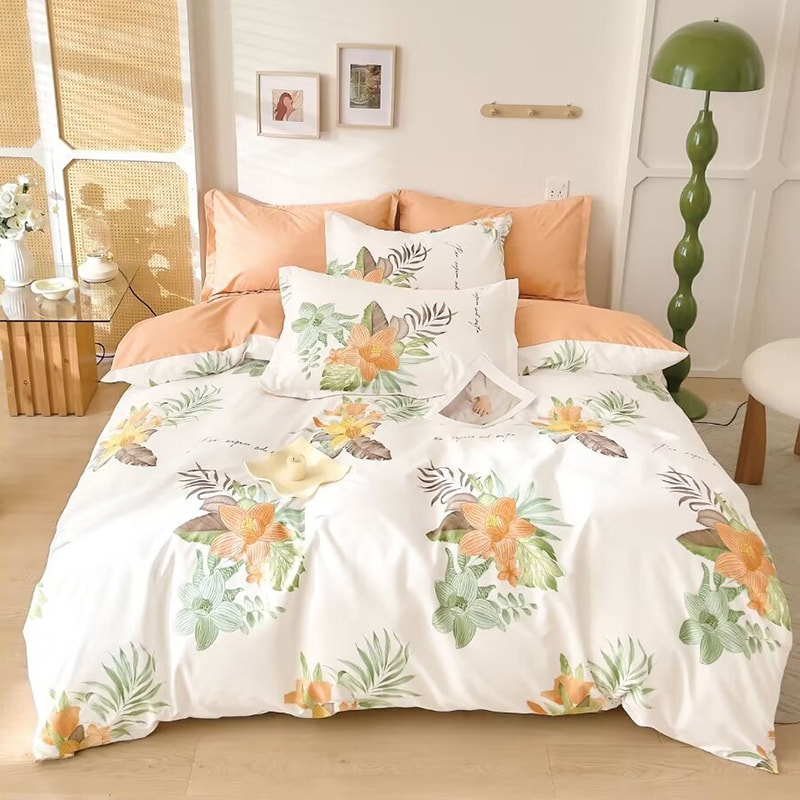
FunctionFast drying and easy to take care of: Anti-shrinkage and no ironing, fast drying after machine washing, simplified daily care.Durable color protection: High wear resistance and color fastness,...
See Details -

FunctionStrong warmth: High gram weight provides good insulation performance, suitable for low-temperature environments.Durable anti-wrinkle: High-density structure wear and tear resistance, not easy ...
See Details -

FunctionSkin-friendly breathable: Natural cotton fiber is soft and comfortable, good for breath, and suitable for the use of moisture.Absorption and perspiration: Good moisture absorption, keep dry bo...
See Details -
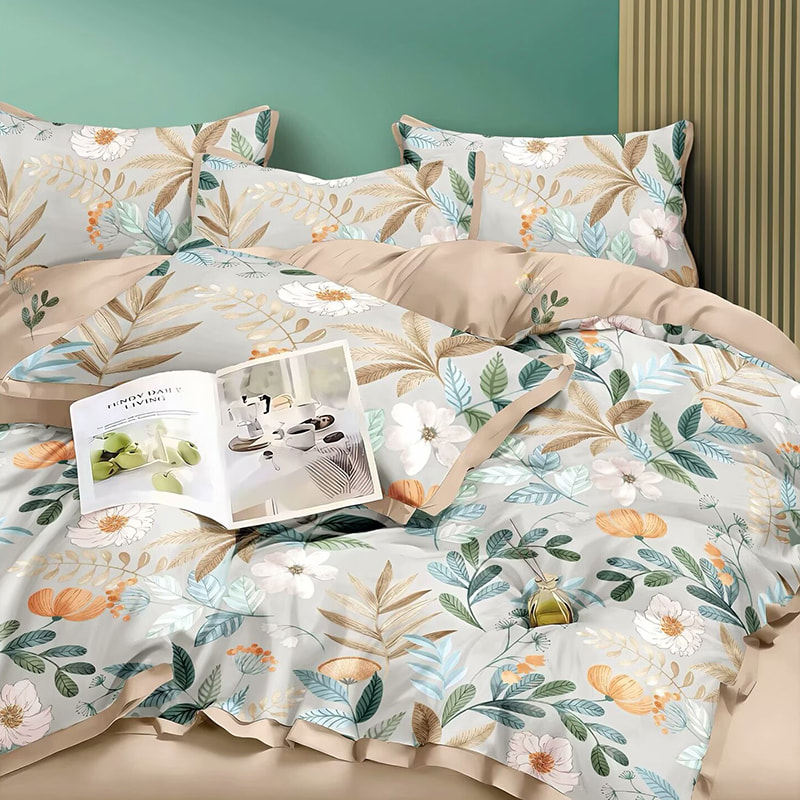
FunctionMore delicate and skin-friendly: Higher than 12868,13372, the fabric is more delicate and soft, the touch is better and more.Breathable: High-density cotton structure further improves moisture...
See Details -
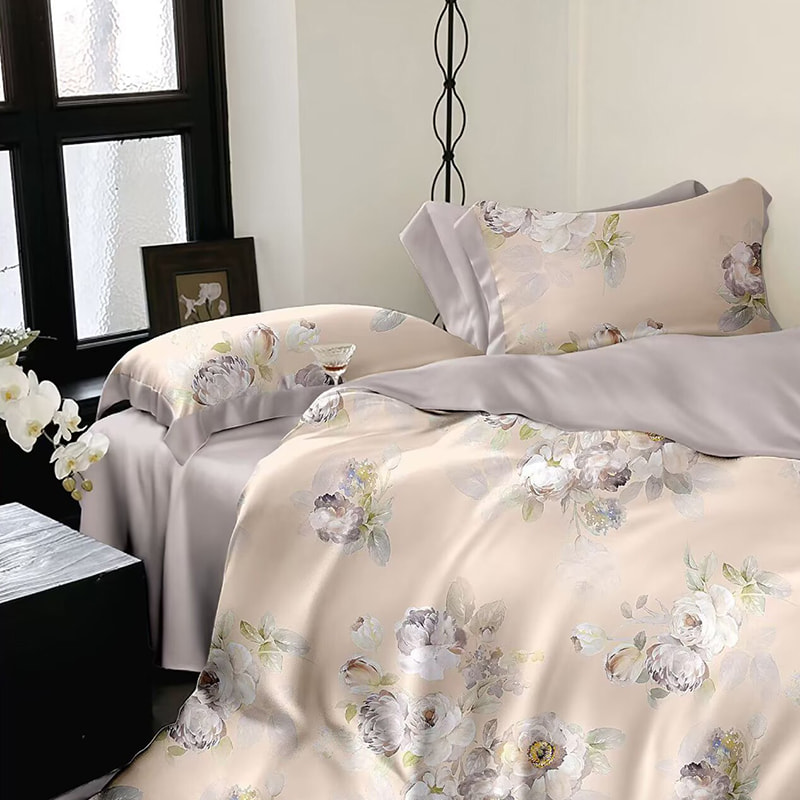
Function Extreme skin affinity: Day silk fiber is soft and smooth, touch like silk, suitable for close-fitting use of moisture. Absorption and breathability: moisture absorption and sweat performance,...
See Details -
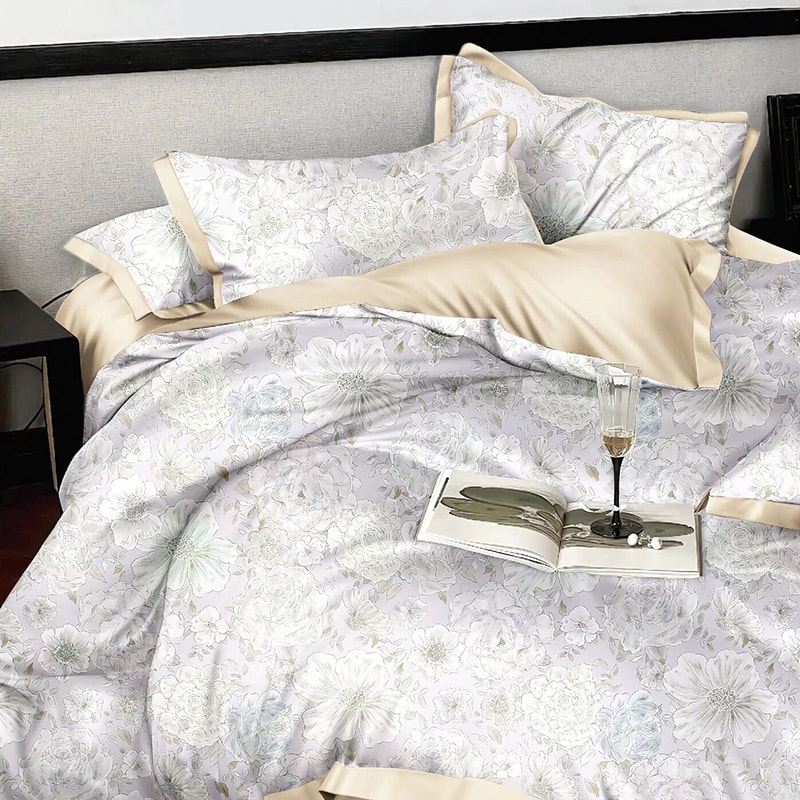
FunctionMore delicate and skin-friendly: Compared with 50S, 60S silk fiber is thinner, softer, smoother, more comfortable for close use, and more moisture absorption.Breathable: Higher branches improv...
See Details -
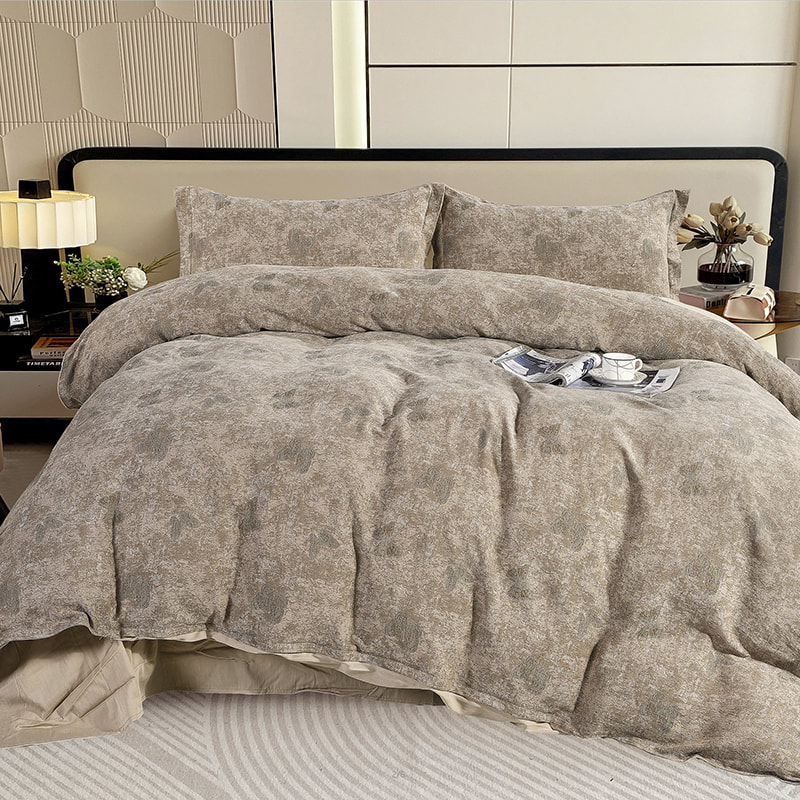
Function Luxury touch: The fiber is soft and smooth, and the jacquard process adds a three-dimensional texture. Touch like silk moisture absorption: moisture absorption performance keeps dry and comfo...
See Details -
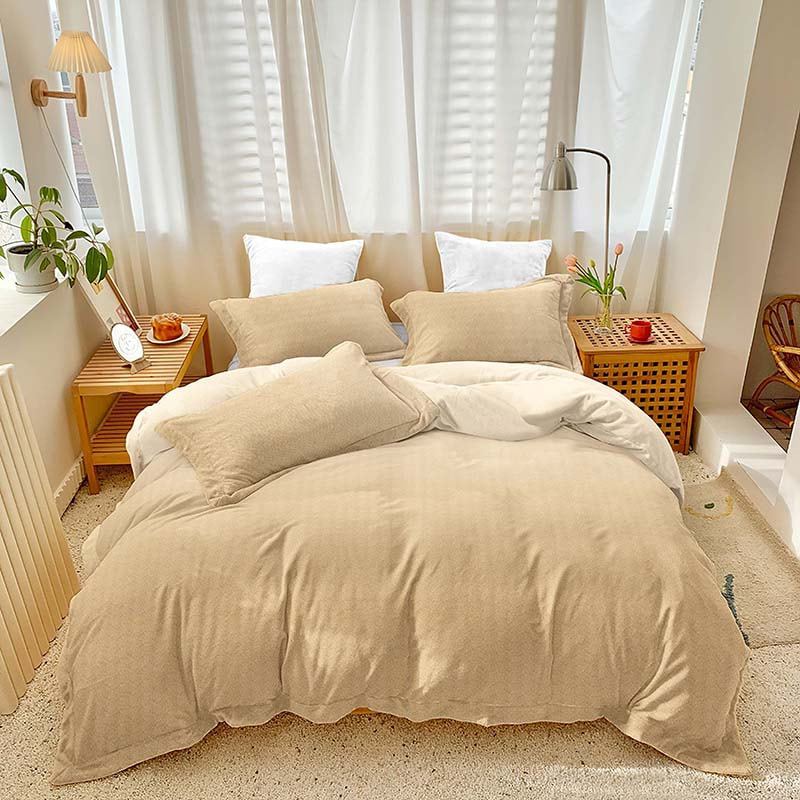
Function Fine pattern performance: Digital printing is higher precision than round net printing, richer color, more delicate pattern, fast dry.Easy to care: The polyester fiber characteristics are unc...
See Details -
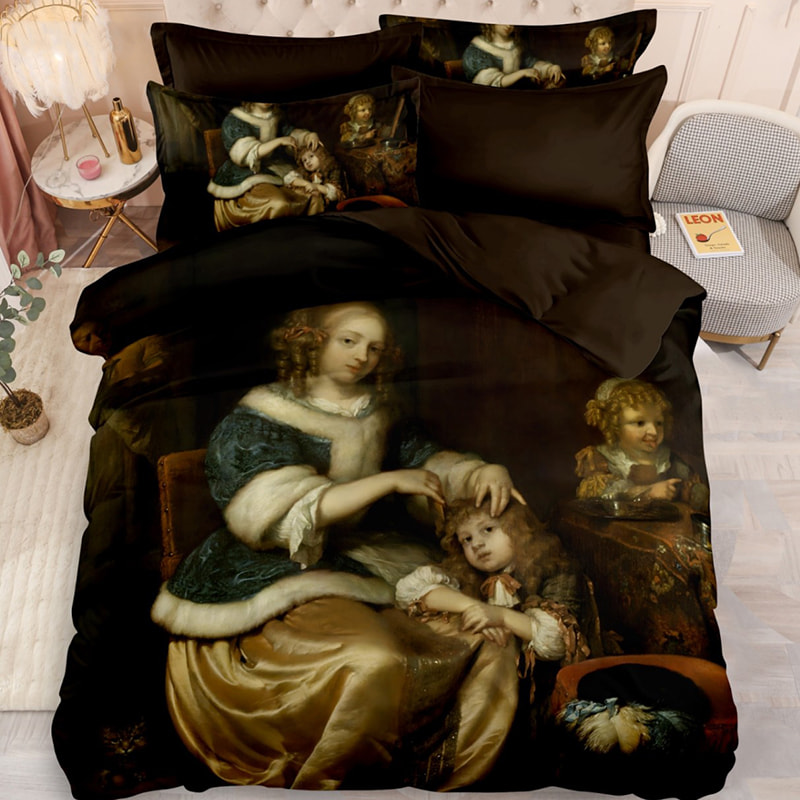
FunctionFine pattern performance: Digital printing is higher precision than round net printing, richer color, more delicate.Durable anti-wrinkle: 130g polyester fiber fabric has a vertical feeling, an...
See Details -
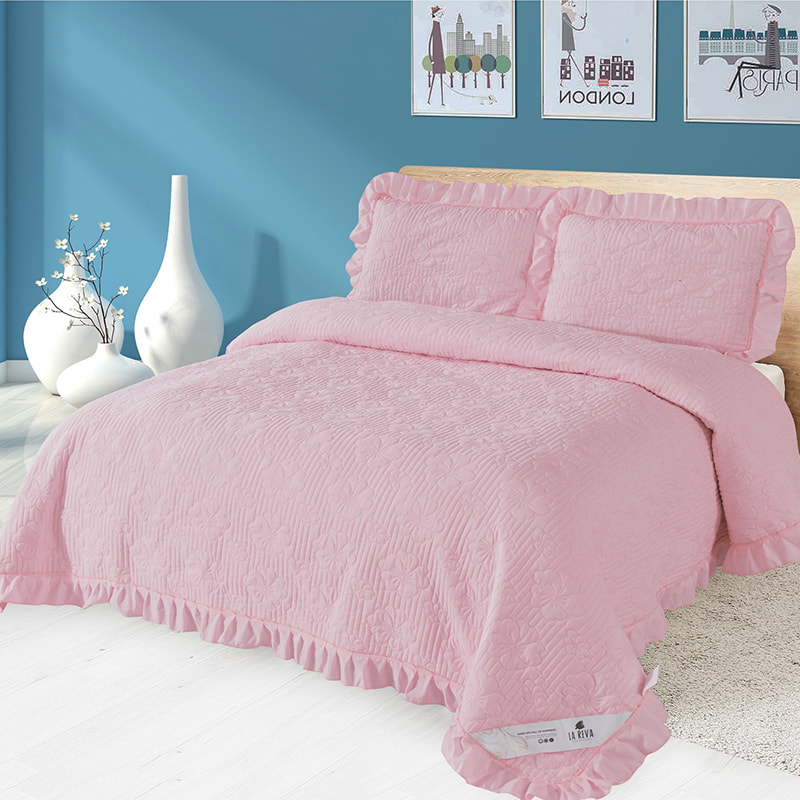
FunctionThin and light: The ultrasonic process does not create pinholes or quilting thread, and the fabric is thin and smooth.Strong decoration: Lace elements add an elegant and romantic sense, enhanc...
See Details -
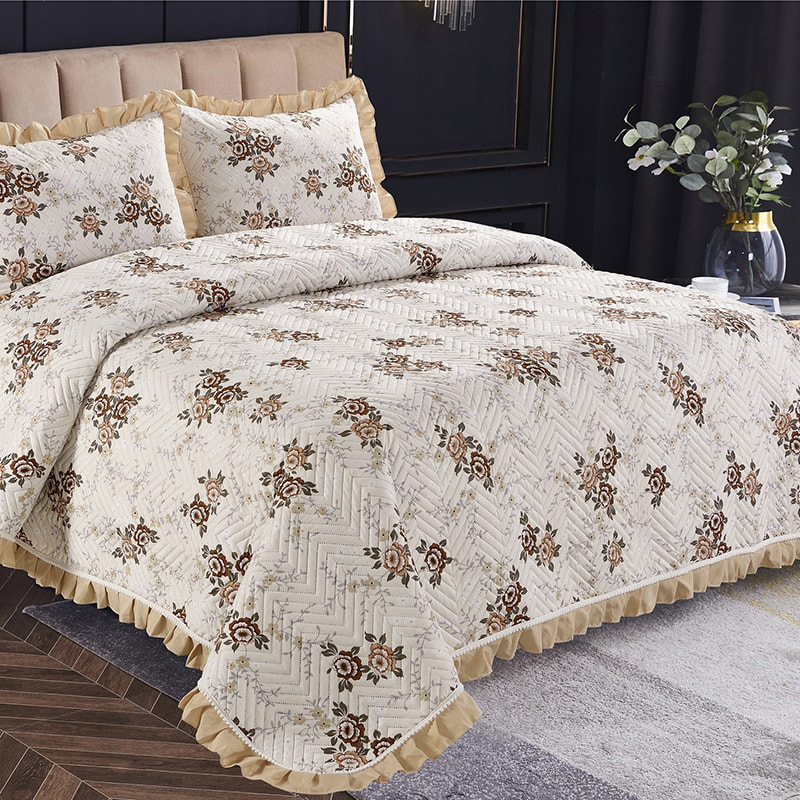
FunctionThin and light: The ultrasonic process does not create a pinhole or quilting thread, and the fabric is thin and smooth.Strong decorative: Print patterns add a sense of art and design, enhancin...
See Details
