

 English
 Español
 عربى
عربى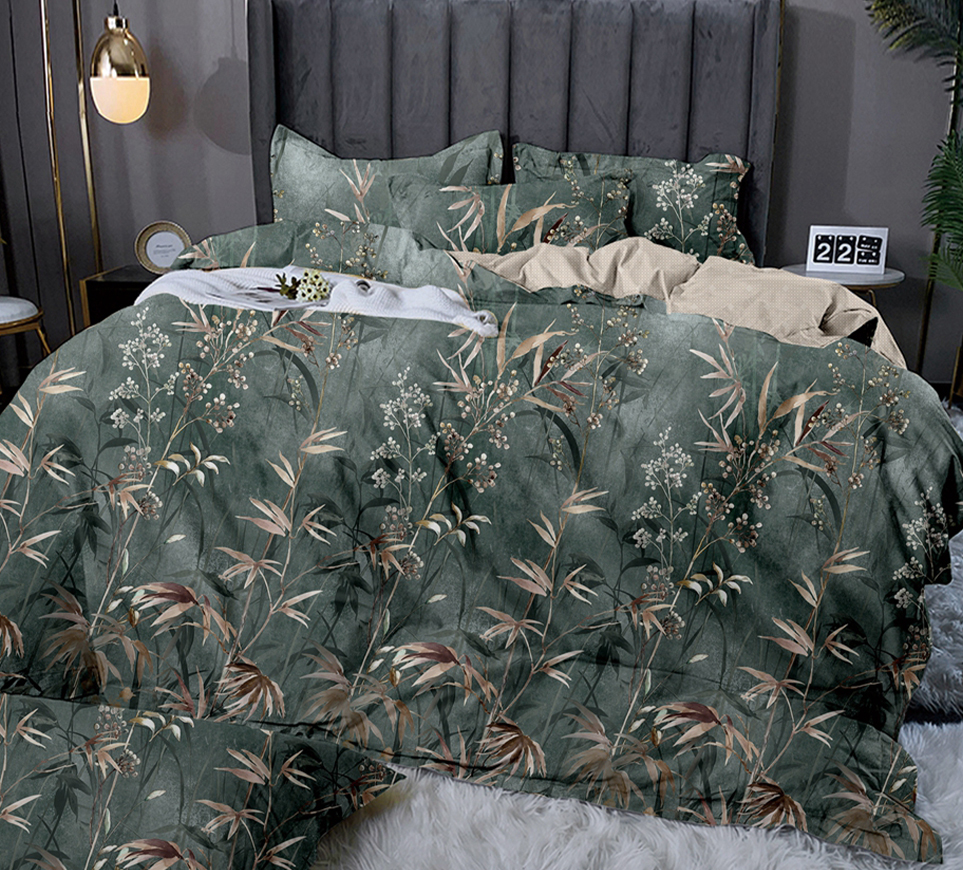
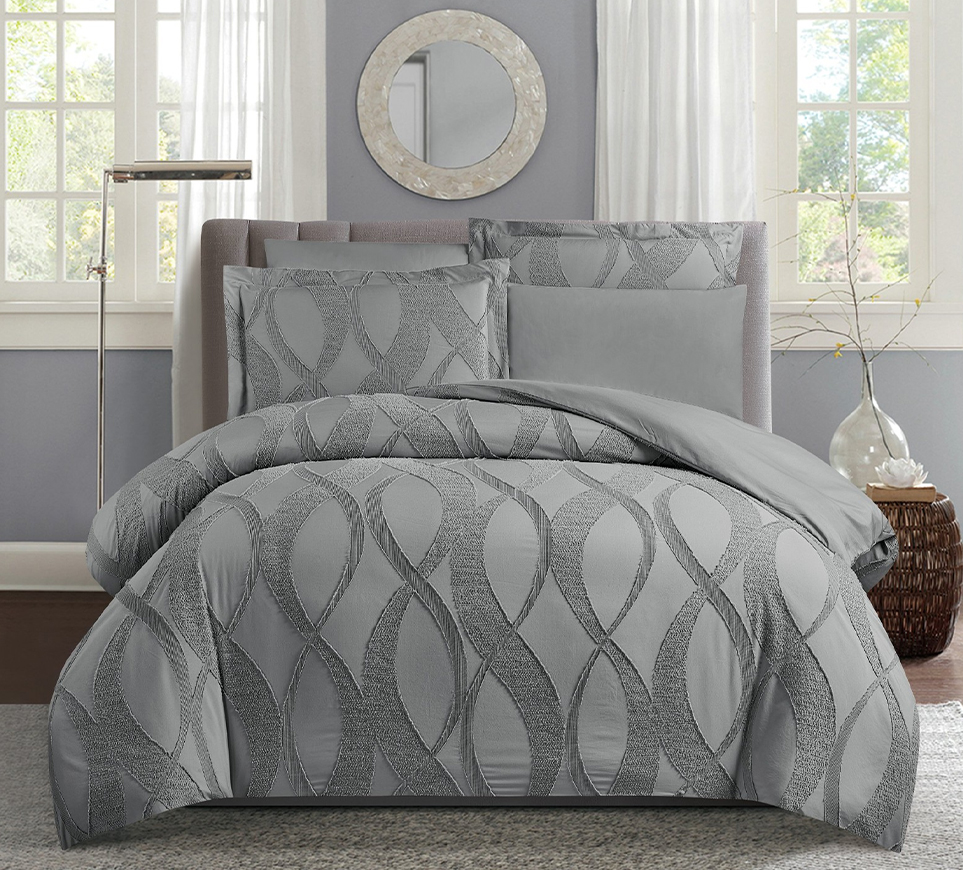
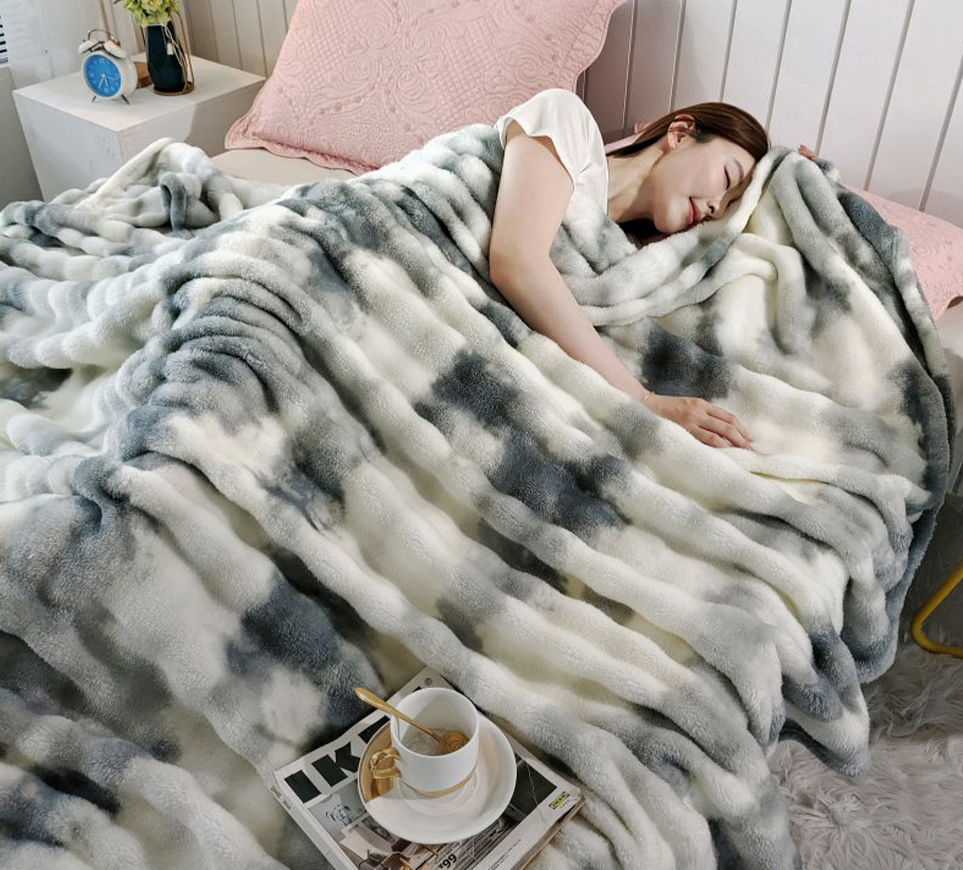
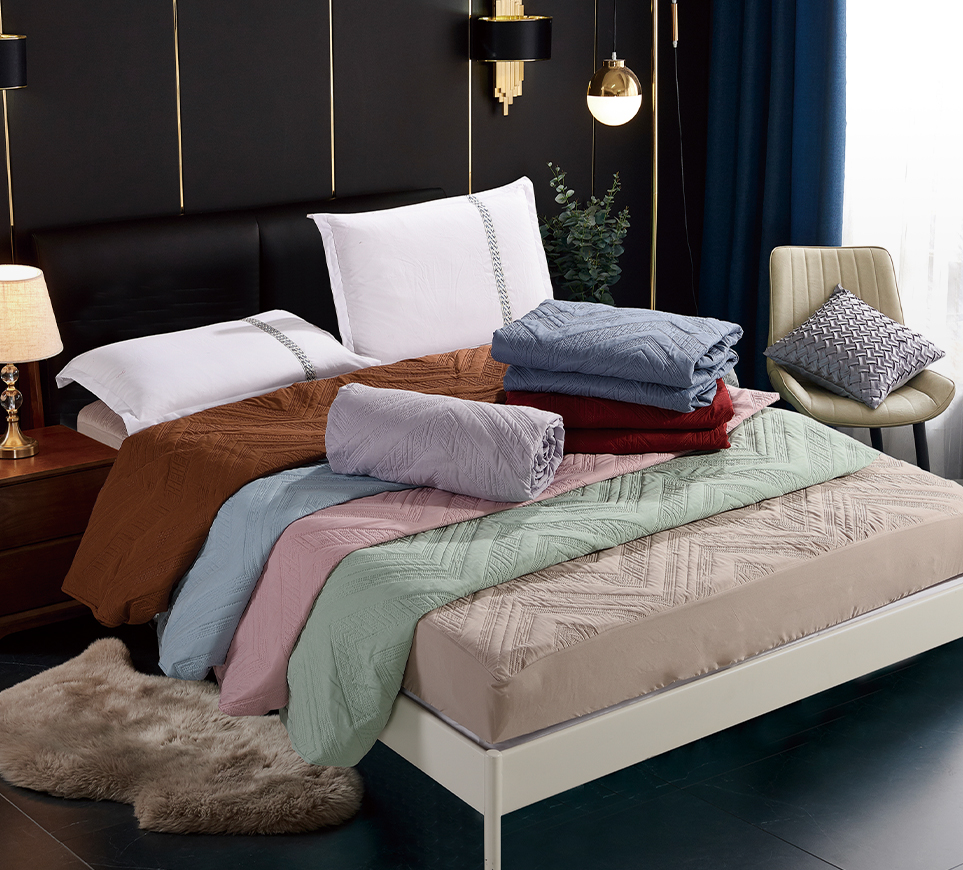

FunctionFast dry and easy to care: Not easy to shrink, no ironing and anti-wrinkle, fast drying after machine washing.Durable and fade resistant: Strong wear resistance, high color fastness, long-term...
See DetailsWhy Choose Us?
Established in 2008, with a 3,000m² professional factory, over 50 employees, and 5 departmental managers.
Coming From China, Marketing To The World.
How long should newly purchased home textiles be washed before use?
May 01, 2026
Content
- 1 Wash newly purchased home textiles before first use for at least 30 minutes in warm water
- 2 Do home textile products release formaldehyde? Yes, but levels vary
- 3 How can families with children choose safe home textiles? 5 evidence-based steps
- 4 FAQ about home textiles: Quick answers for everyday decisions
- 5 Practical summary: A 3-step routine for every new home textile
Wash newly purchased home textiles before first use for at least 30 minutes in warm water
Yes, you should wash all new home textiles before use. Studies show that new fabrics can contain residual chemicals including formaldehyde, disperse dyes, and finishing agents. The recommended minimum wash duration is 30 minutes in warm water (40°C/104°F) with a mild detergent. This removes up to 85% of surface formaldehyde and reduces skin irritation risks, especially for babies and children.
For bedding, towels, and blankets: one complete wash cycle (rinse + spin) is sufficient. For heavily dyed items or those with a strong chemical smell, wash twice or soak for 1 hour in warm water with baking soda (1 tablespoon per liter) before the main cycle.
Do home textile products release formaldehyde? Yes, but levels vary
Formaldehyde is legally used in textile finishing to prevent wrinkles, shrinkage, and color fading. However, international standards set strict limits. For example:
- China GB 18401-2010 Class A (infant products): ≤20 mg/kg
- OEKO-TEX Standard 100 (Product Class I for babies): ≤16 mg/kg
- EU REACH regulation: ≤75 mg/kg for bedding
New products often exceed these limits before washing. In a 2022 consumer test, 12 out of 50 new bed sheets had formaldehyde levels above 100 mg/kg before washing. After one wash, all fell below 30 mg/kg. Therefore, washing is critical.
Signs of high formaldehyde: sharp, irritating smell; watery eyes; or skin rash after contact. If any of these occur, wash the product three times and air-dry in a ventilated area for 48 hours before use.
How can families with children choose safe home textiles? 5 evidence-based steps
Children’s skin is thinner and more permeable than adults’. Their immune and respiratory systems are also developing. Follow these concrete steps to minimize risks:
1. Look for certified safety labels
Avoid products without any label. The most reliable certifications for children’s home textiles are:
- OEKO-TEX Standard 100 (Product Class I) – tested for over 300 harmful substances, including formaldehyde, lead, and phthalates.
- GOTS (Global Organic Textile Standard) – organic fibers + no toxic chemicals in the whole process.
- China Children’s Textile Safety Standard GB 31701-2015 – mandatory for all children’s fabrics in China.
2. Choose natural, undyed or light-colored fabrics
Dark and bright colors require more dyes and chemical fixatives. A 2021 study found that black, red, and navy blue cotton sheets had 3 to 5 times higher formaldehyde levels than pastel or white sheets from the same brand. For children, choose unbleached organic cotton, bamboo, or linen in white, cream, or light blue/green.
3. Avoid “wrinkle-free”, “stain-resistant”, or “permanent press” claims
These finishes almost always rely on formaldehyde-based resins. Instead, accept that children’s bedding will wrinkle – that’s natural and safer.
4. Smell before you buy – and trust your nose
If a product has a sour, fishy, or sharp chemical smell inside the sealed package, do not purchase it. That odor indicates residual solvents or formaldehyde above 50 ppm.
5. Pre-wash all new items using the “children’s safe wash” method
Even certified products can collect dust and residues during shipping. Use this routine:
- Wash at 40°C with fragrance-free, dye-free detergent.
- Add ½ cup of white vinegar to the rinse cycle (neutralizes alkaline residues).
- Rinse twice, then tumble dry low or line dry in sunlight (UV helps break down residual formaldehyde).
FAQ about home textiles: Quick answers for everyday decisions
Here are the most common questions from consumers, answered with practical data.
| Question | Short Answer | Actionable Tip |
|---|---|---|
| How long should I wash new sheets? | At least 30 min warm cycle | Use extra rinse cycle for baby items |
| Can formaldehyde cause allergies? | Yes – contact dermatitis and respiratory irritation | If rash appears, rewash 3x before second use |
| Are bamboo textiles safer for kids? | Generally yes, if mechanically processed (not chemical) | Look for “closed-loop” production or OEKO-TEX |
| Do all home textiles contain flame retardants? | No – only specific children’s sleepwear (regulated) | For bedding, avoid TBPP or chlorinated tris |
Additional FAQ: Can I use second-hand home textiles safely?
Yes, second-hand items are often safer than new ones because multiple washes have removed most chemicals. However, wash them twice in hot water (60°C if fabric allows) to remove dust mites, bacteria, and accumulated residues.
What about sofa covers and curtains? Do they need washing?
Absolutely. Large home textiles like sofa covers and curtains often contain higher formaldehyde levels because they require more crease resistance. A 2023 test found average formaldehyde of 142 mg/kg in new curtains. Wash them before hanging – but check the care label first; some require dry cleaning. For dry-clean-only items, air them outside for 7 days in a shaded, breezy area before use.
Practical summary: A 3-step routine for every new home textile
Step 1 – Inspect & sniff: If a strong chemical smell is present, return the product or wash it separately.
Step 2 – Wash before wear/use: Use warm water (40°C minimum) and a full cycle. For items used by children under 3, wash twice.
Step 3 – Dry thoroughly: Sun drying is best for breaking down residual formaldehyde. If using a dryer, avoid high heat which can set some chemicals into fibers.
By following this routine, you reduce chemical exposure by over 90% compared to using new textiles directly from the package. As a professional home textile manufacturer with over 18 years of experience (Nantong Noble International Trading Co., Ltd.), we strongly recommend this practice to all our customers – whether you buy from us or any other supplier. Safety starts with informed use.
Related products
-
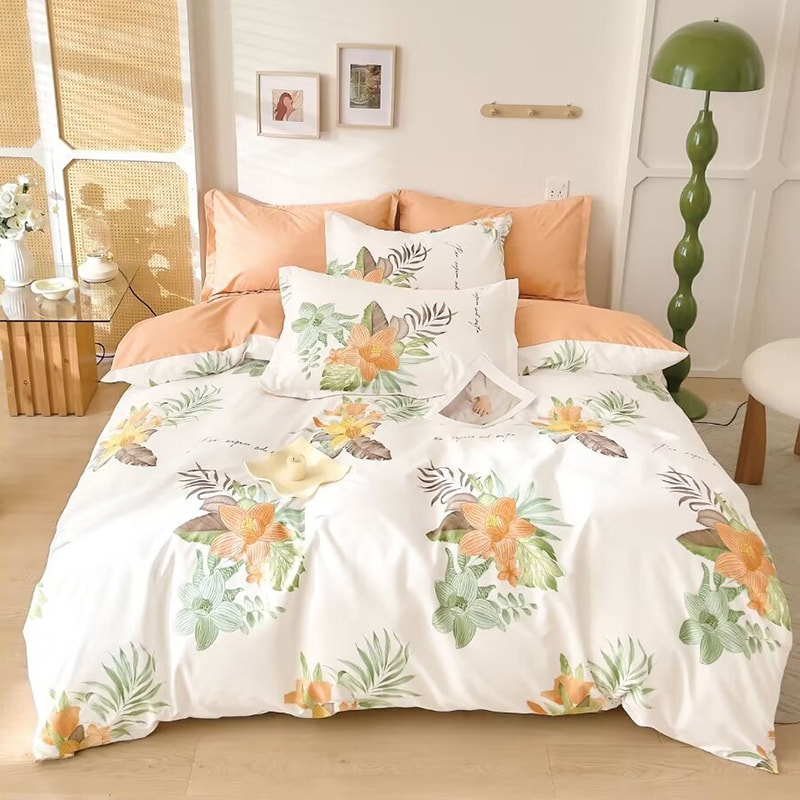
-
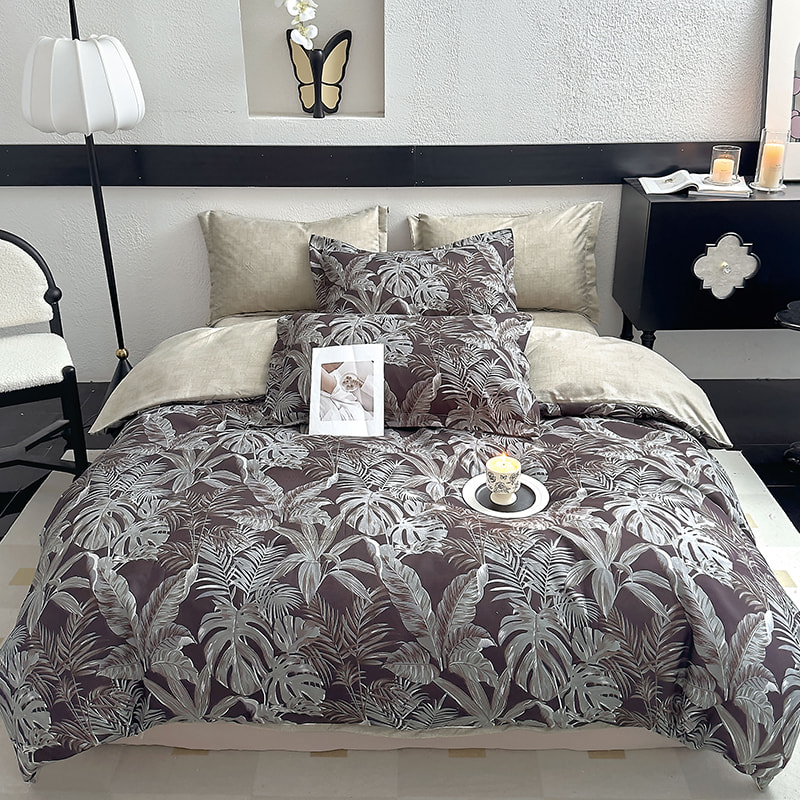
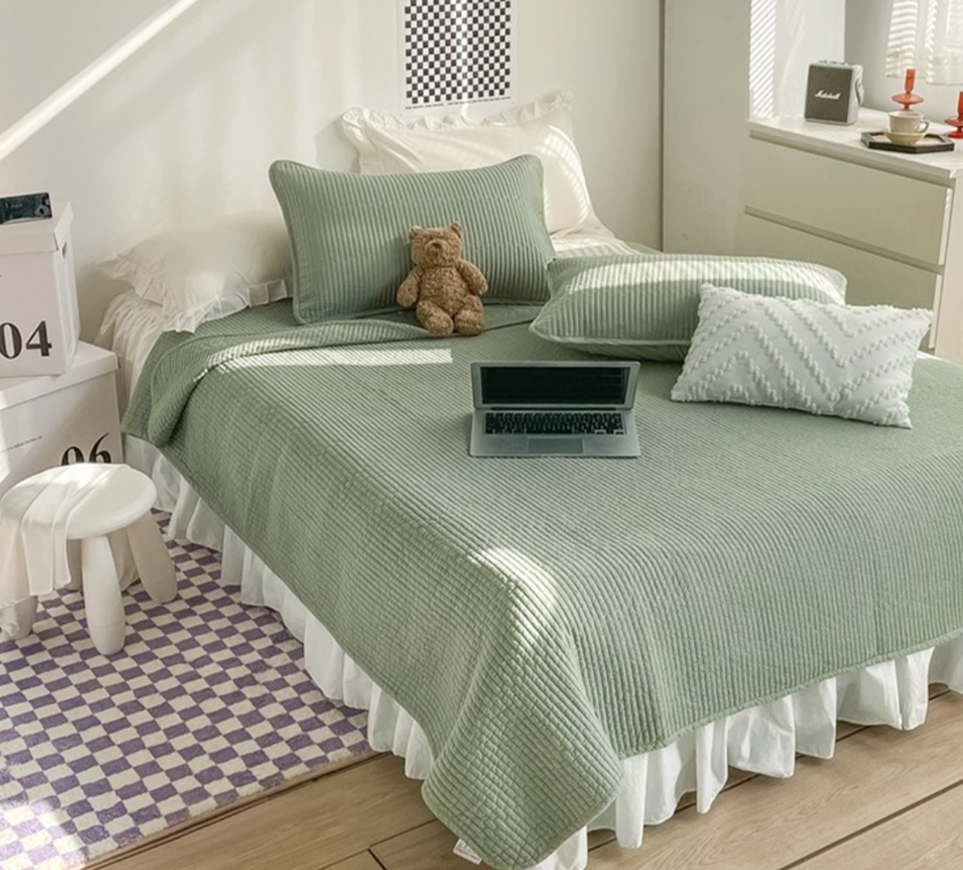
FunctionFast drying and easy to take care of: Anti-shrinkage and no ironing, fast drying after machine washing, simplified daily care.Durable color protection: High wear resistance and color fastness,...
See Details -
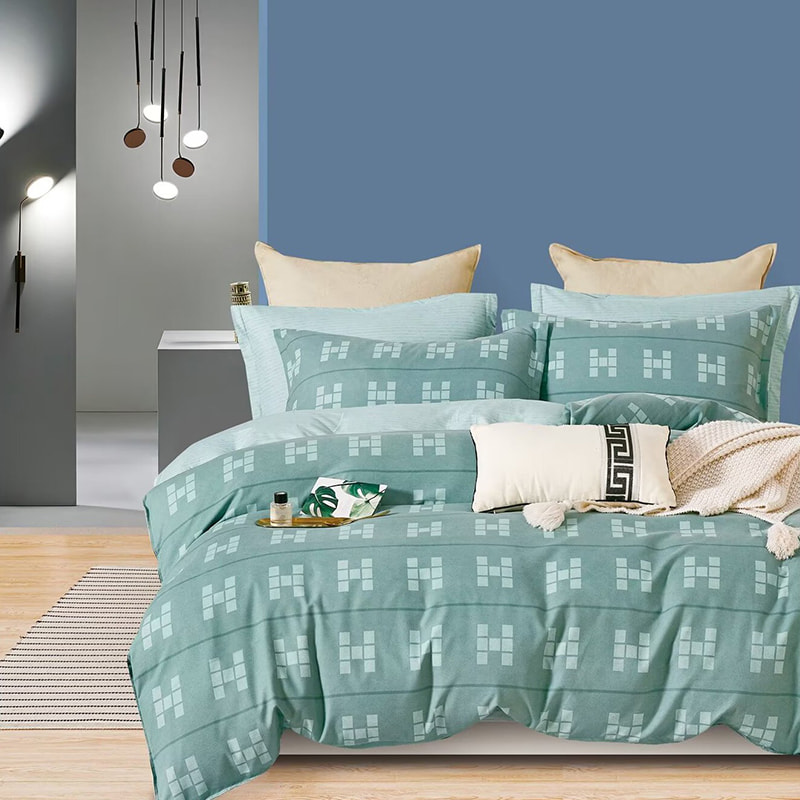
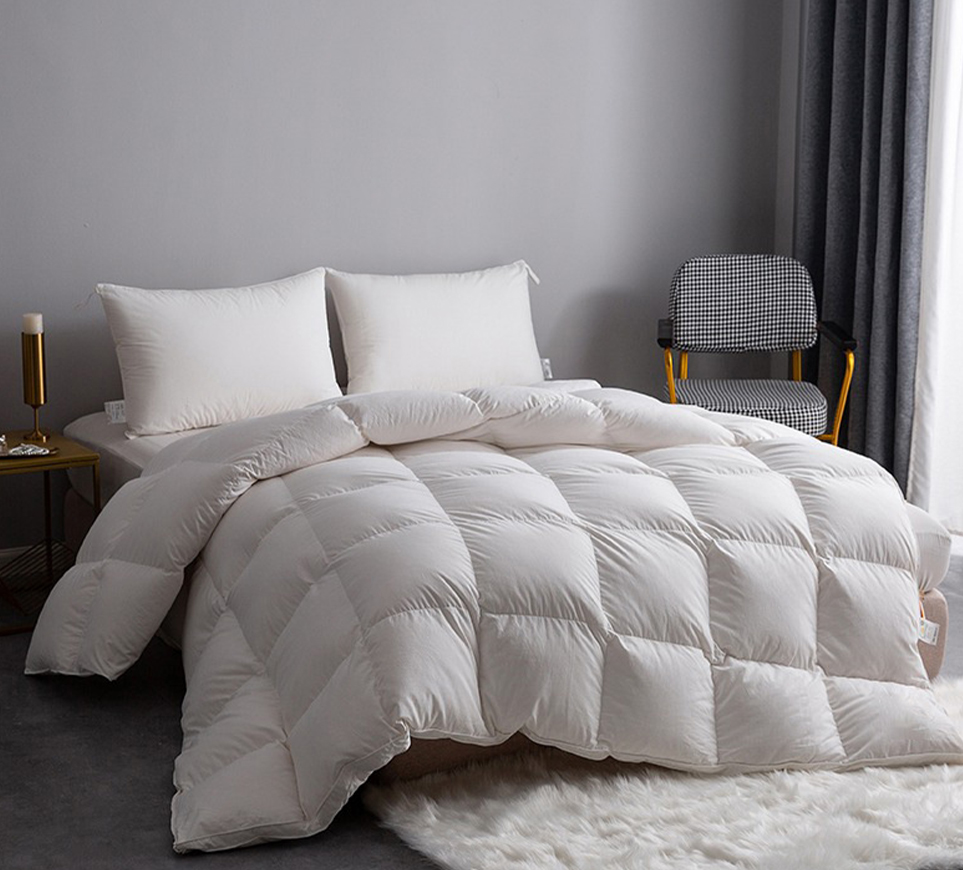
FunctionStrong warmth: High gram weight provides good insulation performance, suitable for low-temperature environments.Durable anti-wrinkle: High-density structure wear and tear resistance, not easy ...
See Details -
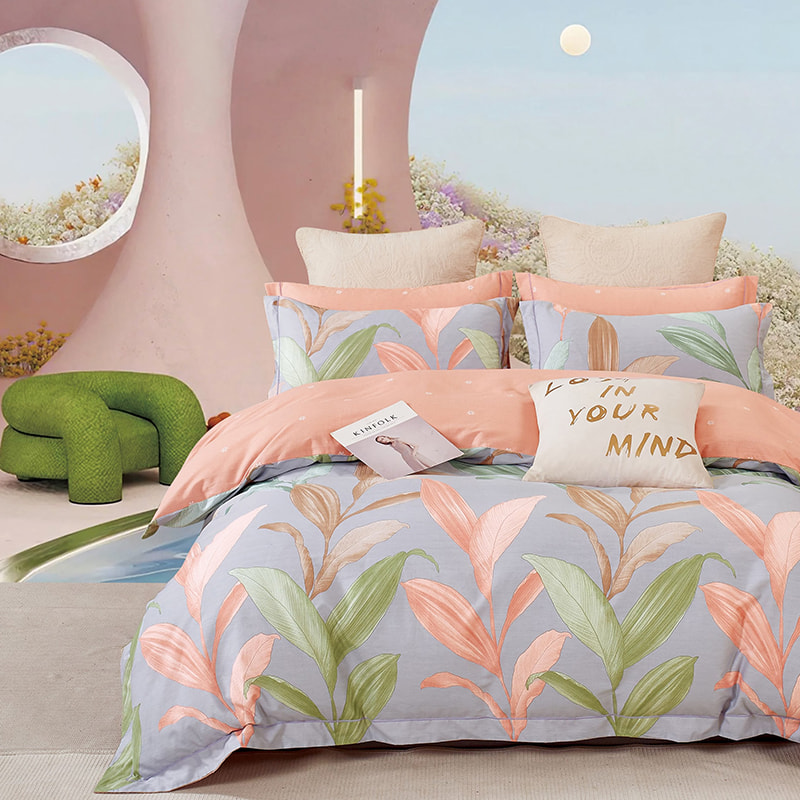
FunctionSkin-friendly breathable: Natural cotton fiber is soft and comfortable, good for breath, and suitable for the use of moisture.Absorption and perspiration: Good moisture absorption, keep dry bo...
See Details -
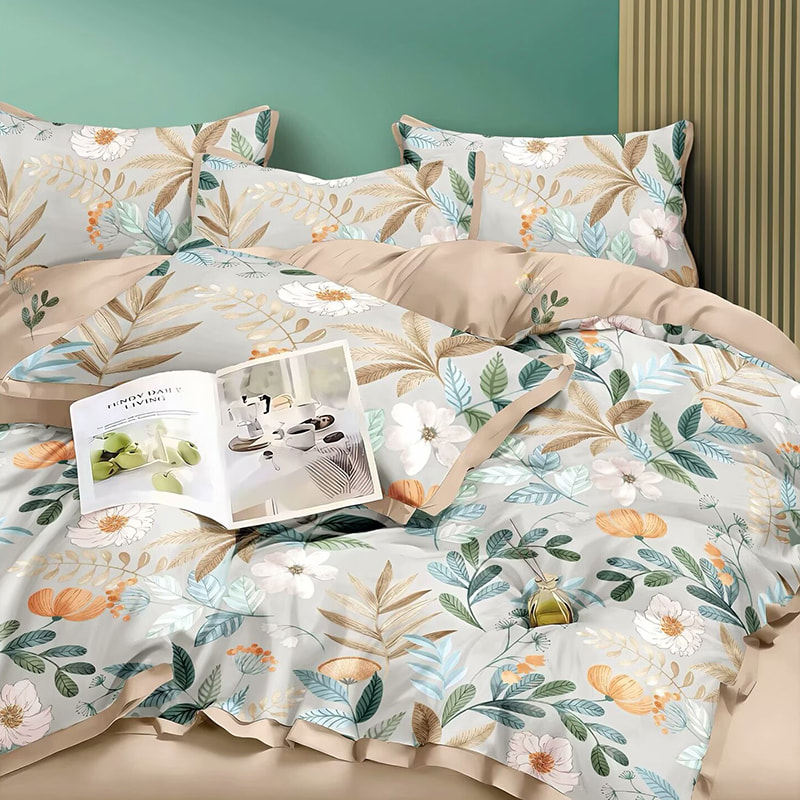
FunctionMore delicate and skin-friendly: Higher than 12868,13372, the fabric is more delicate and soft, the touch is better and more.Breathable: High-density cotton structure further improves moisture...
See Details -
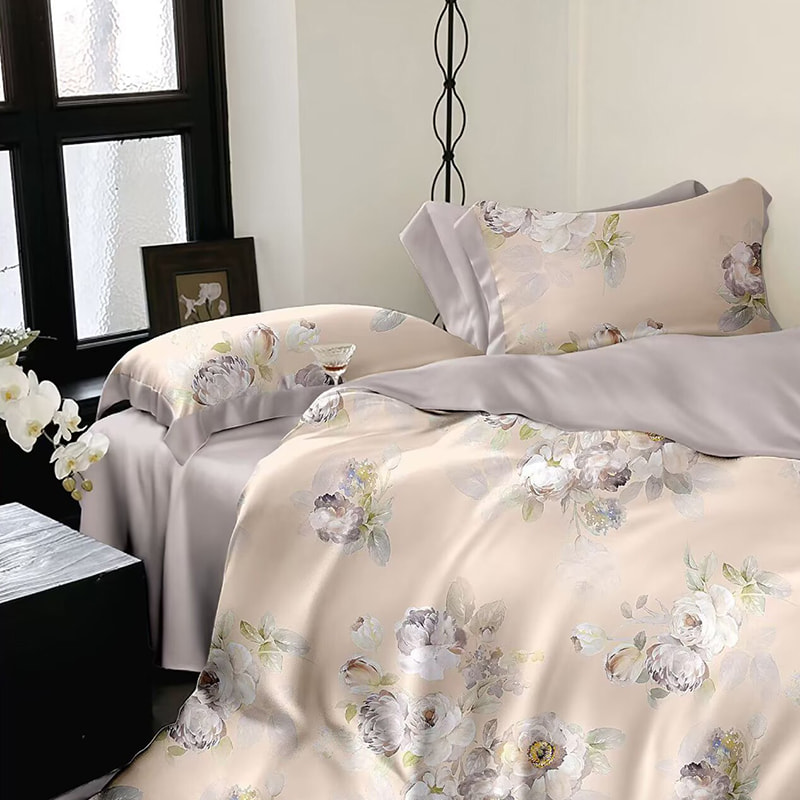
Function Extreme skin affinity: Day silk fiber is soft and smooth, touch like silk, suitable for close-fitting use of moisture. Absorption and breathability: moisture absorption and sweat performance,...
See Details -
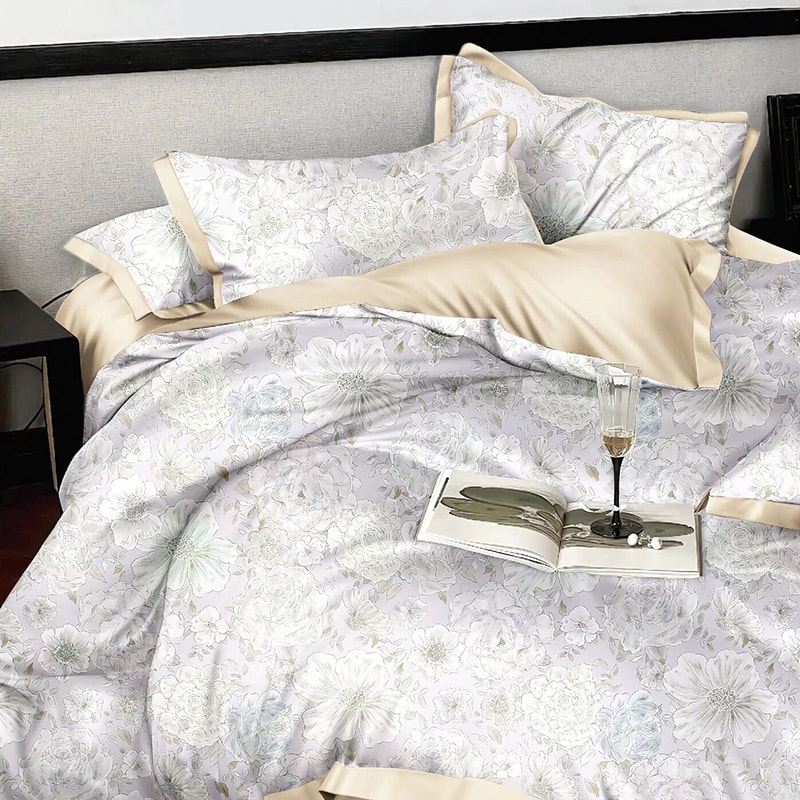
FunctionMore delicate and skin-friendly: Compared with 50S, 60S silk fiber is thinner, softer, smoother, more comfortable for close use, and more moisture absorption.Breathable: Higher branches improv...
See Details -
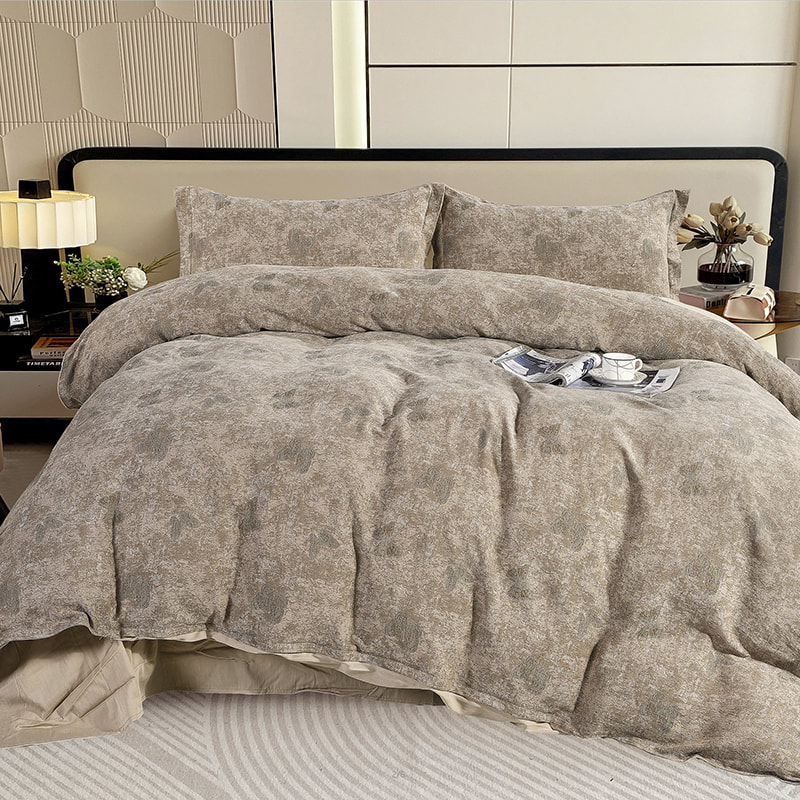
Function Luxury touch: The fiber is soft and smooth, and the jacquard process adds a three-dimensional texture. Touch like silk moisture absorption: moisture absorption performance keeps dry and comfo...
See Details -
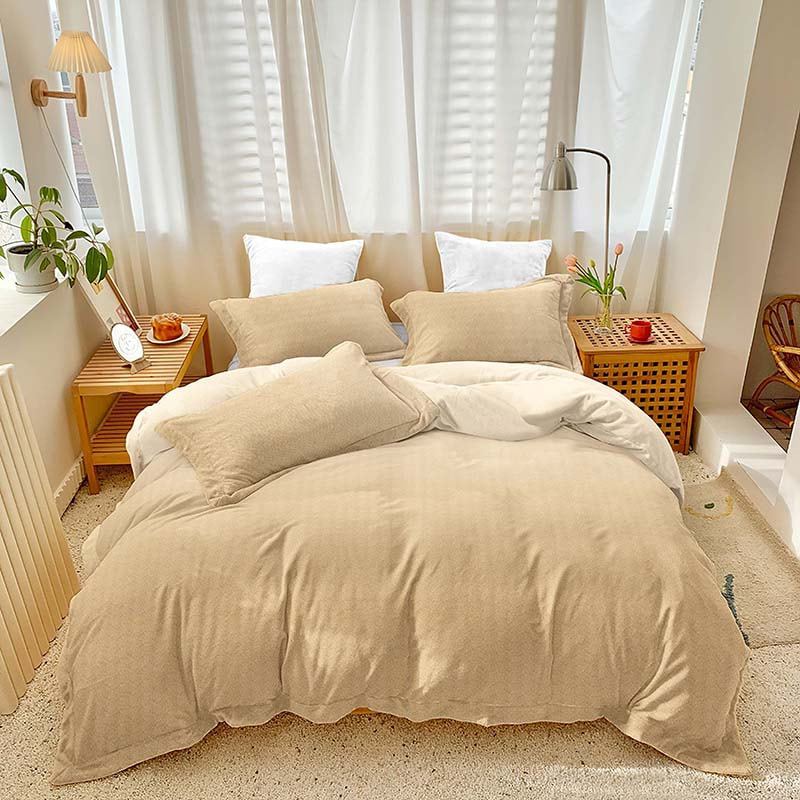
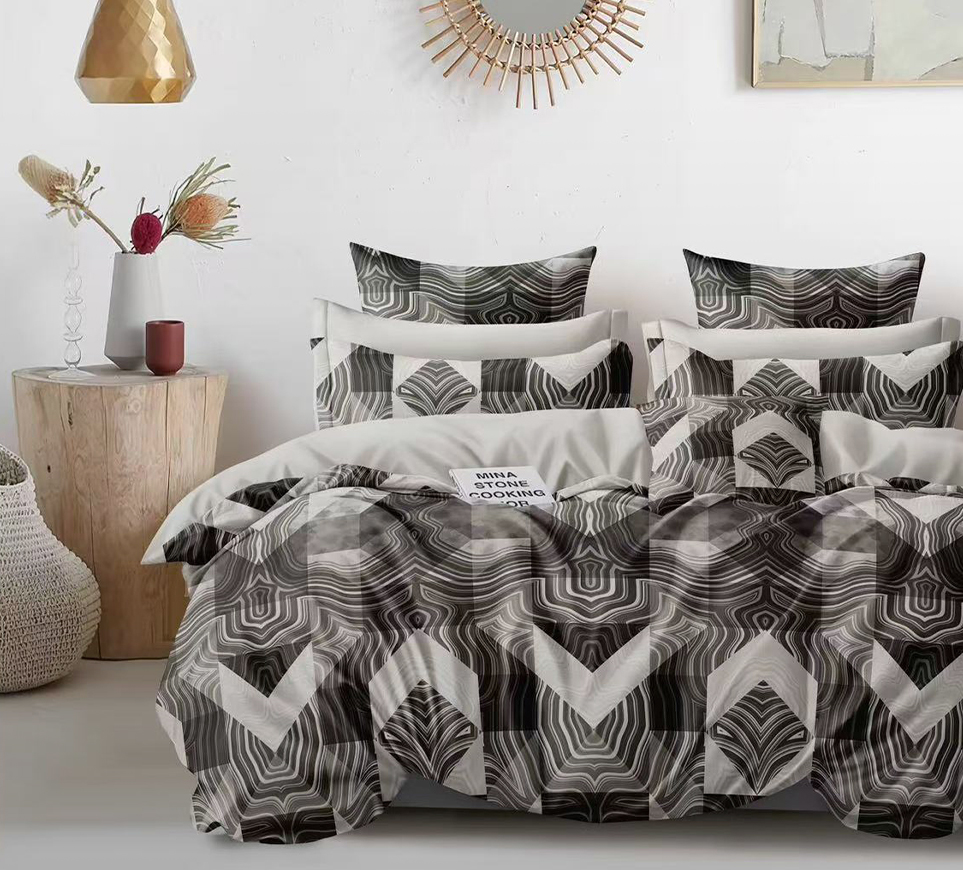
Function Fine pattern performance: Digital printing is higher precision than round net printing, richer color, more delicate pattern, fast dry.Easy to care: The polyester fiber characteristics are unc...
See Details -
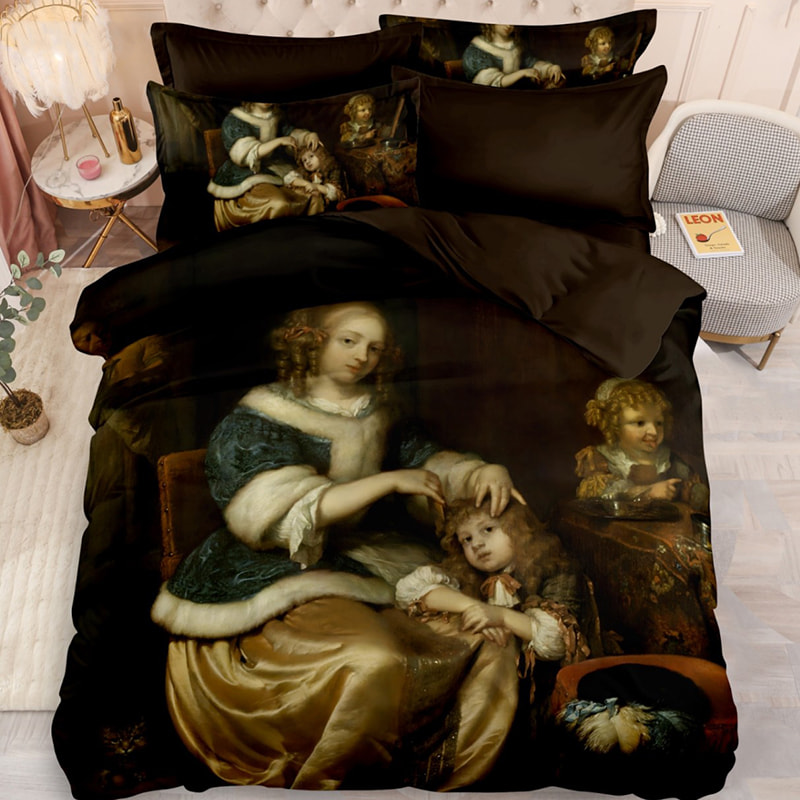
FunctionFine pattern performance: Digital printing is higher precision than round net printing, richer color, more delicate.Durable anti-wrinkle: 130g polyester fiber fabric has a vertical feeling, an...
See Details -
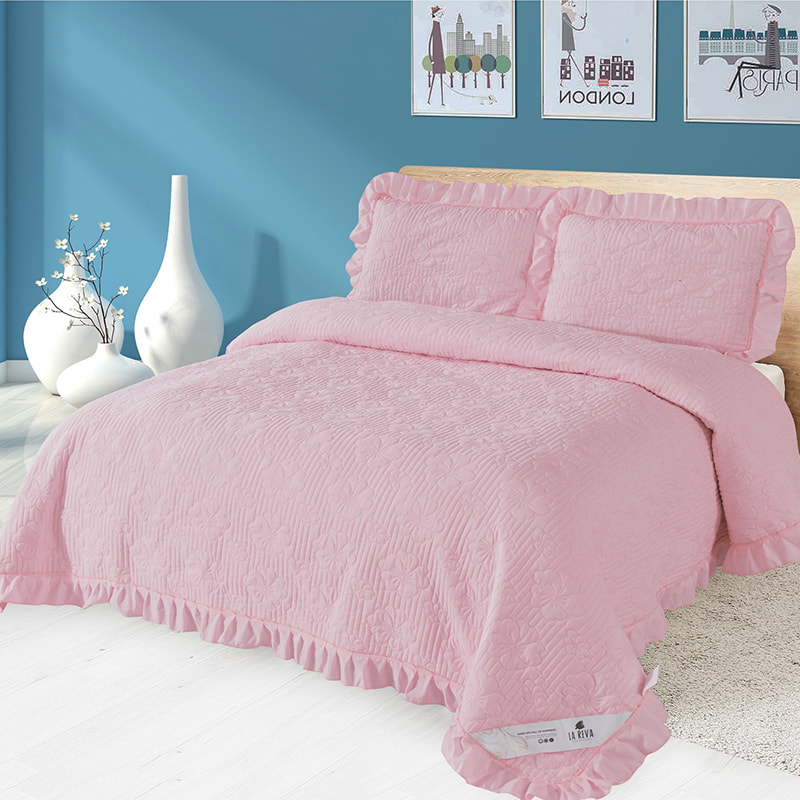
FunctionThin and light: The ultrasonic process does not create pinholes or quilting thread, and the fabric is thin and smooth.Strong decoration: Lace elements add an elegant and romantic sense, enhanc...
See Details -
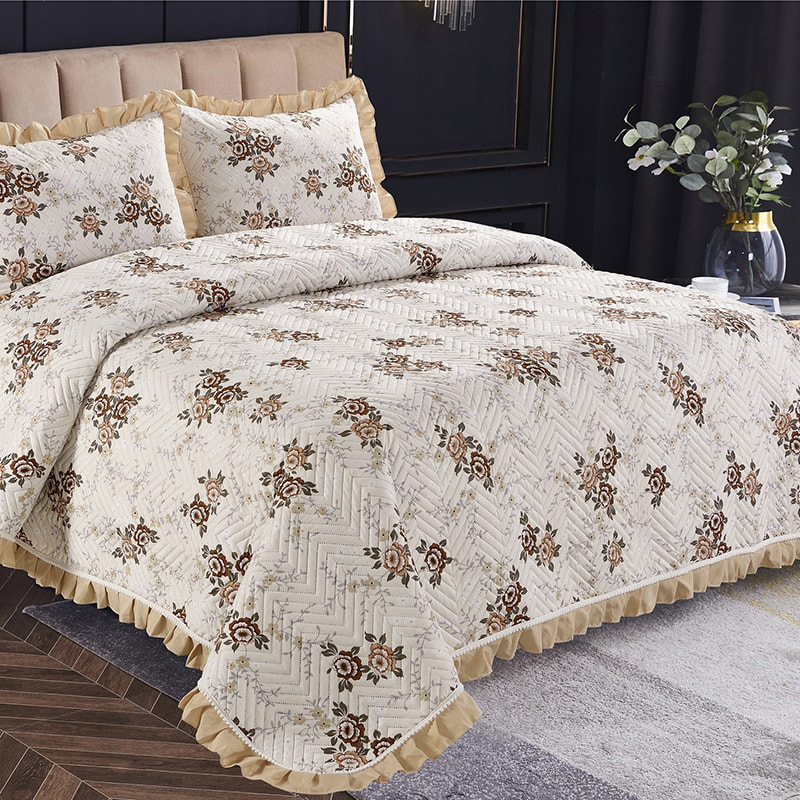
FunctionThin and light: The ultrasonic process does not create a pinhole or quilting thread, and the fabric is thin and smooth.Strong decorative: Print patterns add a sense of art and design, enhancin...
See Details
