

 English
 Español
 عربى
عربى


FunctionFast dry and easy to care: Not easy to shrink, no ironing and anti-wrinkle, fast drying after machine washing.Durable and fade resistant: Strong wear resistance, high color fastness, long-term...
See DetailsWhy Choose Us?
Established in 2008, with a 3,000m² professional factory, over 50 employees, and 5 departmental managers.

Coming From China, Marketing To The World.
How to store a quilt?
Feb 27, 2026
Content
- 1 Store Your Quilt in a Breathable Cotton Bag, Not Plastic
- 2 Why Proper Quilt Storage Matters
- 3 Step-by-Step Guide to Preparing a Quilt for Storage
- 4 Folding Techniques to Minimize Crease Damage
- 5 Selecting the Right Storage Materials
- 6 Environmental Conditions: Light, Temperature, and Humidity
- 7 Pest Prevention Strategies
- 8 Professional Insights from Nantong Noble International Trading Co., Ltd.
- 9 Long-Term Maintenance Schedule
Store Your Quilt in a Breathable Cotton Bag, Not Plastic
The single most important rule for storing a quilt is to avoid plastic. Airtight plastic bins or dry-cleaning bags trap moisture, which leads to mildew and yellowing. The only safe method is to use a breathable cotton or muslin bag. This allows air circulation while keeping dust and pests away. If you must use a container, opt for a acid-free cardboard box and line it with unbleached muslin.
Why Proper Quilt Storage Matters
A quilt is more than just bedding; it is often a handmade heirloom or a significant investment. Improper storage can cause irreversible damage. Fabrics are vulnerable to light, humidity, insects, and atmospheric pollutants. Over 60% of textile damage in household items is due to incorrect storage conditions, according to textile conservation studies. By controlling the environment and materials, you can extend the life of your quilt for decades.
Common Storage Mistakes That Ruin Quilts
- Plastic Bins: Create a greenhouse effect, trapping moisture and causing mold.
- Wooden Cedar Chests: The acid in unfinished wood can leach into fabric, causing brown spots.
- Attics or Basements: Extreme temperature fluctuations weaken fibers over time.
- Leaving Quilts Unfolded: Permanent creases and stress on old seams can develop.
Step-by-Step Guide to Preparing a Quilt for Storage
Before you fold and pack your quilt, proper preparation is essential. Never store a dirty quilt. Food particles, body oils, and dust attract insects and create stains that become permanent over time.
1. Cleaning and Drying
Wash or dry-clean the quilt according to its fiber content. For cotton quilts, gentle hand washing with a mild soap is best. The quilt must be 100% dry before storage. Even a trace of moisture can lead to mildew. To test, place the quilt in a sealed plastic bag for 24 hours after drying; if any condensation appears, it is still too damp.
2. Inspection and Minor Repairs
Check for loose threads or weak seams. Repair these before storage, as friction during folding can worsen existing damage. If the quilt is antique, consult a textile conservator.
Folding Techniques to Minimize Crease Damage
How you fold a quilt directly impacts its longevity. Sharp, permanent creases can cause fabric fibers to break. The goal is to distribute the weight and avoid stress lines.
The Rolling Method (Best for Delicate Quilts)
Lay the quilt flat and gently roll it around an acid-free tube or a roll of archival tissue. This eliminates creases entirely and is the preferred method for museum-quality storage.
The Refold Rotation Technique
If you must fold, pad the folds with rolled acid-free tissue paper to soften the crease. Every three months, refold the quilt in a different place to prevent the fibers from settling into a permanent crease. For example, if you fold it in thirds one way, unfold and refold in quarters the next time.
| Method | Fabric Stress | Space Efficiency | Best For |
|---|---|---|---|
| Rolling | Very Low | Low | Antique/Heirloom quilts |
| Flat Fold (with tissue) | Medium | High | Daily use quilts |
| Hanging | High (over time) | Medium | Not recommended for long-term |
Selecting the Right Storage Materials
The materials that touch your quilt are critical. Standard cardboard and wood contain lignin and acids that migrate into fabric, causing discoloration. Always use archival-quality, pH-neutral materials.
Recommended Storage Supplies
- Containers: Cotton muslin bags, acid-free cardboard boxes, or polypropylene bins (ensure they are not airtight).
- Padding: Unbleached muslin sheets or acid-free tissue paper to line boxes and fill folds.
- Labels: Use a cotton tag stitched to the bag, not sticky labels that can leave residue.
Materials to Avoid
- Dry cleaning plastic
- Standard cardboard boxes
- Vacuum storage bags (compress fibers too much)
- Cedar or pine chests
Environmental Conditions: Light, Temperature, and Humidity
Even with perfect folding and containers, the storage environment can ruin a quilt. The ideal relative humidity for textile storage is between 45% and 55%. Temperatures should be cool and stable, ideally between 60-70°F (15-21°C).
Light is equally destructive. Ultraviolet radiation fades dyes and weakens cellulose fibers. Store quilts in a dark closet or cover them with a sheet if they must be kept in a room with light.
Pest Prevention Strategies
Moths and carpet beetles are attracted to natural fibers like cotton, wool, and silk found in many quilts. Regular inspection is the best defense. Before storing, ensure the quilt is clean, as soiled areas are magnets for pests.
Natural repellents like lavender or cedar chips can be placed in the storage area, but never directly on the quilt, as their oils can stain. Avoid naphthalene mothballs, which leave a toxic residue and strong odor.
Professional Insights from Nantong Noble International Trading Co., Ltd.
With over 18 years of experience in textile manufacturing and international trade, Nantong Noble International Trading Co., Ltd. emphasizes that storage begins with construction. As a professional China OEM Quilt Supplier, they note that quilts made with high-quality, long-staple cotton and reinforced stitching inherently withstand storage better. They recommend checking the quilt's care label for manufacturer-specific storage advice, as some modern blends or specialty fills (like bamboo or silk) have unique requirements.
Their design team observes that quilts with intricate embroidery or appliqués require extra padding in those areas during folding to prevent crushing. When in doubt, they advise customers to store quilts flat, if space permits, to eliminate all folding stress.
Long-Term Maintenance Schedule
Storing a quilt is not a "set it and forget it" task. To ensure preservation, follow this simple schedule:
- Every 3 months: Remove the quilt, refold it along different lines to redistribute stress, and air it out for a few hours in a shaded, well-ventilated area.
- Every 6 months: Inspect for insect activity, moisture, or discoloration.
- Annually: Lightly vacuum the quilt through a fiberglass screen to remove dust without disturbing the fibers.
By adhering to these guidelines, you can preserve the beauty and integrity of your quilt for future generations.
Related products
-
-
FunctionFast drying and easy to take care of: Anti-shrinkage and no ironing, fast drying after machine washing, simplified daily care.Durable color protection: High wear resistance and color fastness,...
See Details -

FunctionStrong warmth: High gram weight provides good insulation performance, suitable for low-temperature environments.Durable anti-wrinkle: High-density structure wear and tear resistance, not easy ...
See Details -

FunctionSkin-friendly breathable: Natural cotton fiber is soft and comfortable, good for breath, and suitable for the use of moisture.Absorption and perspiration: Good moisture absorption, keep dry bo...
See Details -
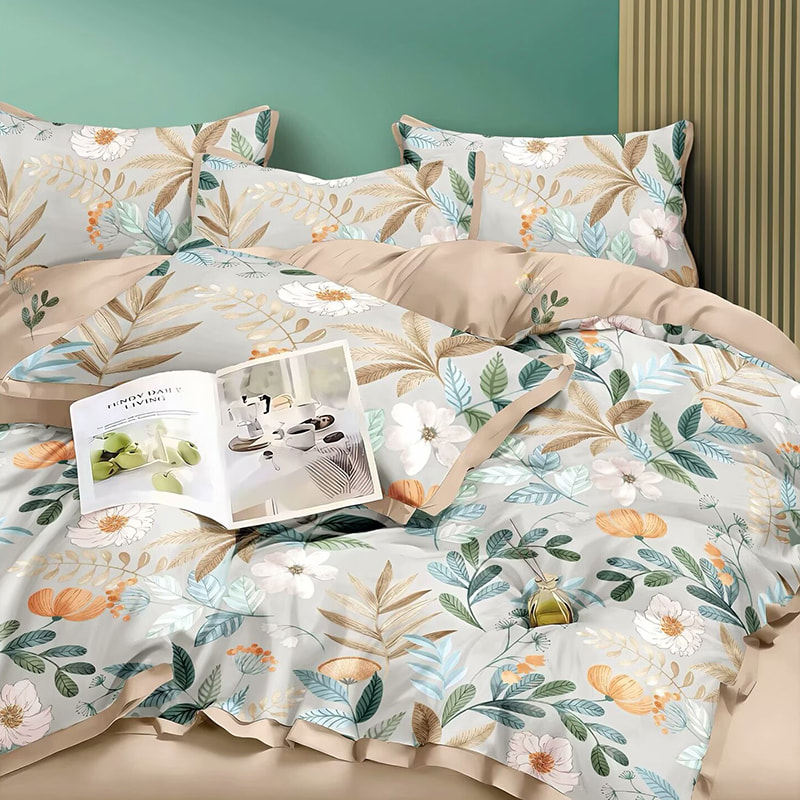
FunctionMore delicate and skin-friendly: Higher than 12868,13372, the fabric is more delicate and soft, the touch is better and more.Breathable: High-density cotton structure further improves moisture...
See Details -
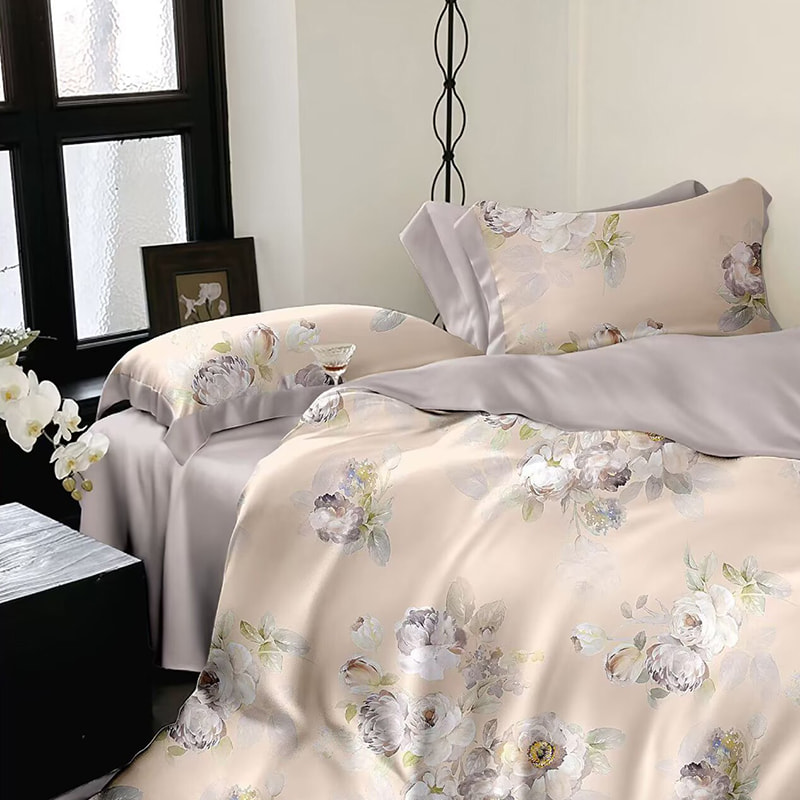
Function Extreme skin affinity: Day silk fiber is soft and smooth, touch like silk, suitable for close-fitting use of moisture. Absorption and breathability: moisture absorption and sweat performance,...
See Details -

FunctionMore delicate and skin-friendly: Compared with 50S, 60S silk fiber is thinner, softer, smoother, more comfortable for close use, and more moisture absorption.Breathable: Higher branches improv...
See Details -
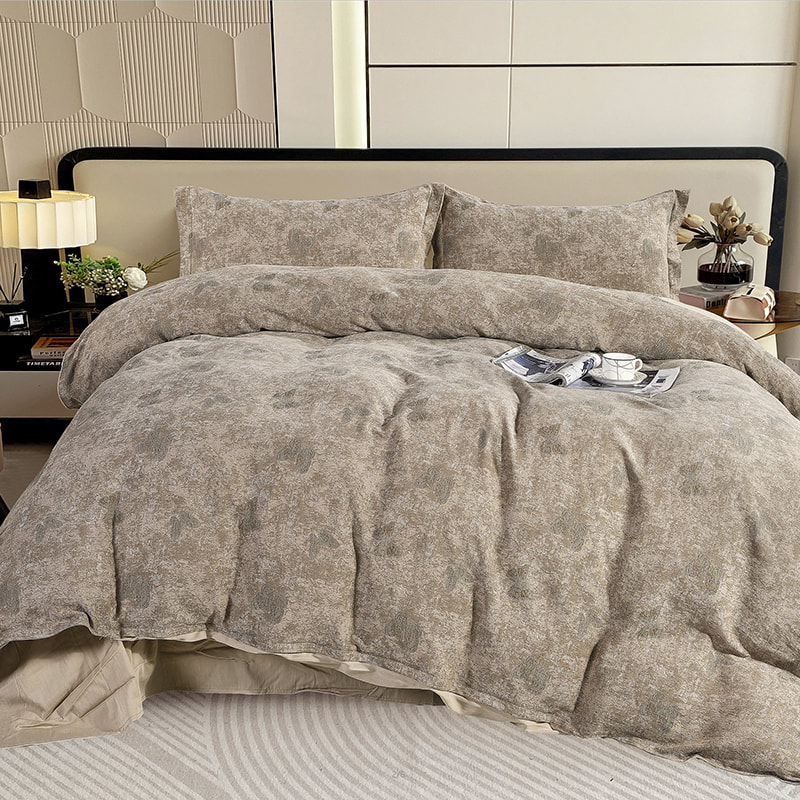
Function Luxury touch: The fiber is soft and smooth, and the jacquard process adds a three-dimensional texture. Touch like silk moisture absorption: moisture absorption performance keeps dry and comfo...
See Details -

Function Fine pattern performance: Digital printing is higher precision than round net printing, richer color, more delicate pattern, fast dry.Easy to care: The polyester fiber characteristics are unc...
See Details -
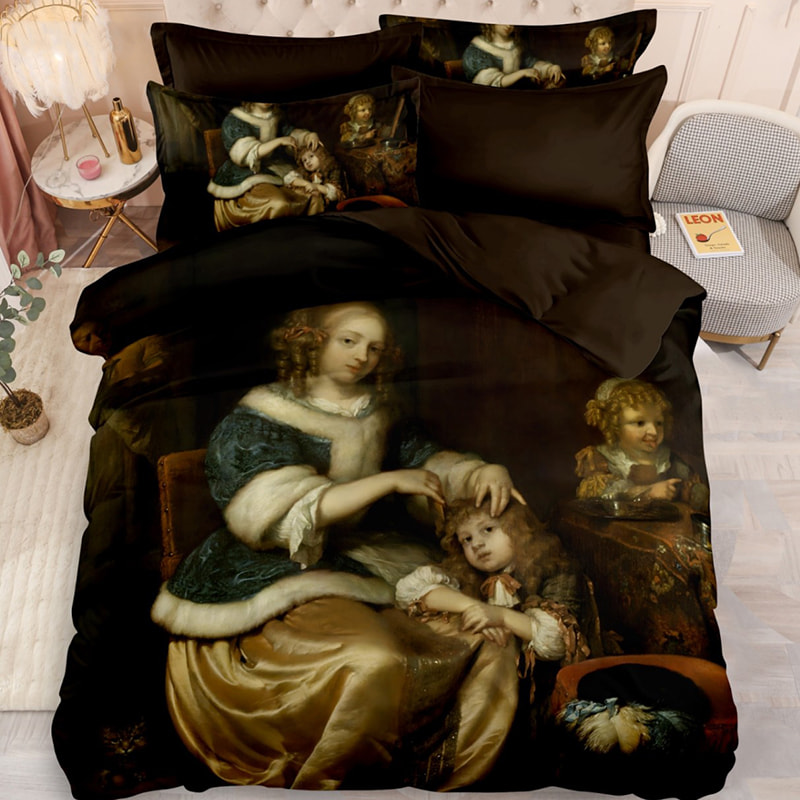
FunctionFine pattern performance: Digital printing is higher precision than round net printing, richer color, more delicate.Durable anti-wrinkle: 130g polyester fiber fabric has a vertical feeling, an...
See Details -
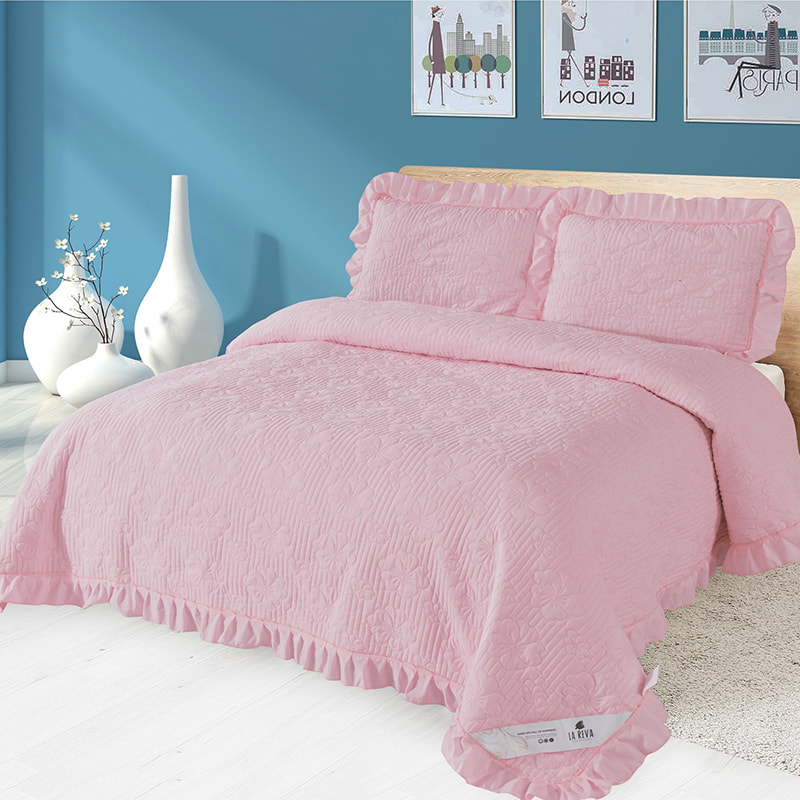
FunctionThin and light: The ultrasonic process does not create pinholes or quilting thread, and the fabric is thin and smooth.Strong decoration: Lace elements add an elegant and romantic sense, enhanc...
See Details -
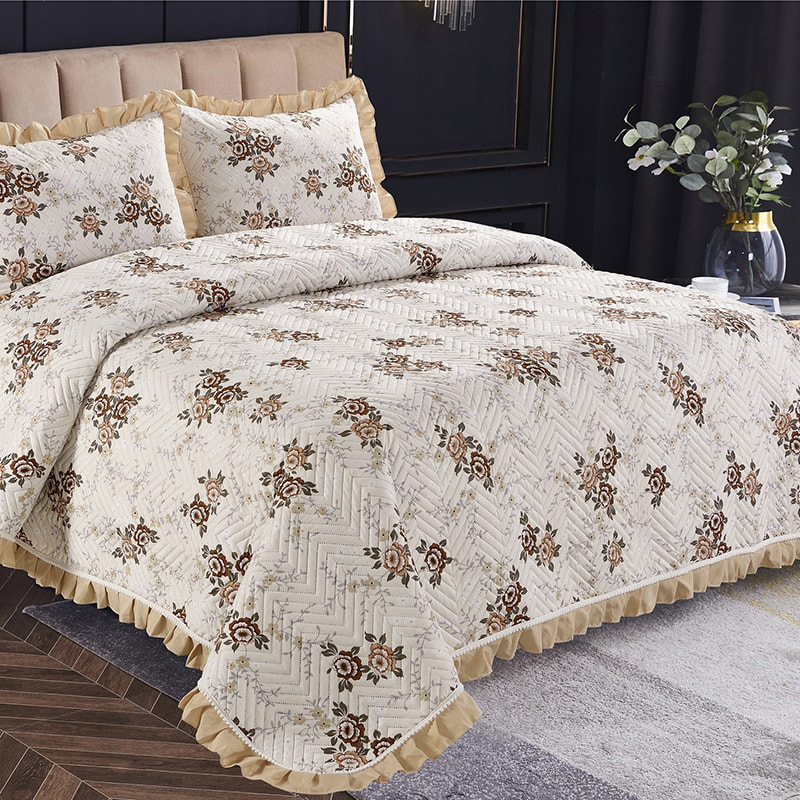
FunctionThin and light: The ultrasonic process does not create a pinhole or quilting thread, and the fabric is thin and smooth.Strong decorative: Print patterns add a sense of art and design, enhancin...
See Details
