

 English
 Español
 عربى
عربى
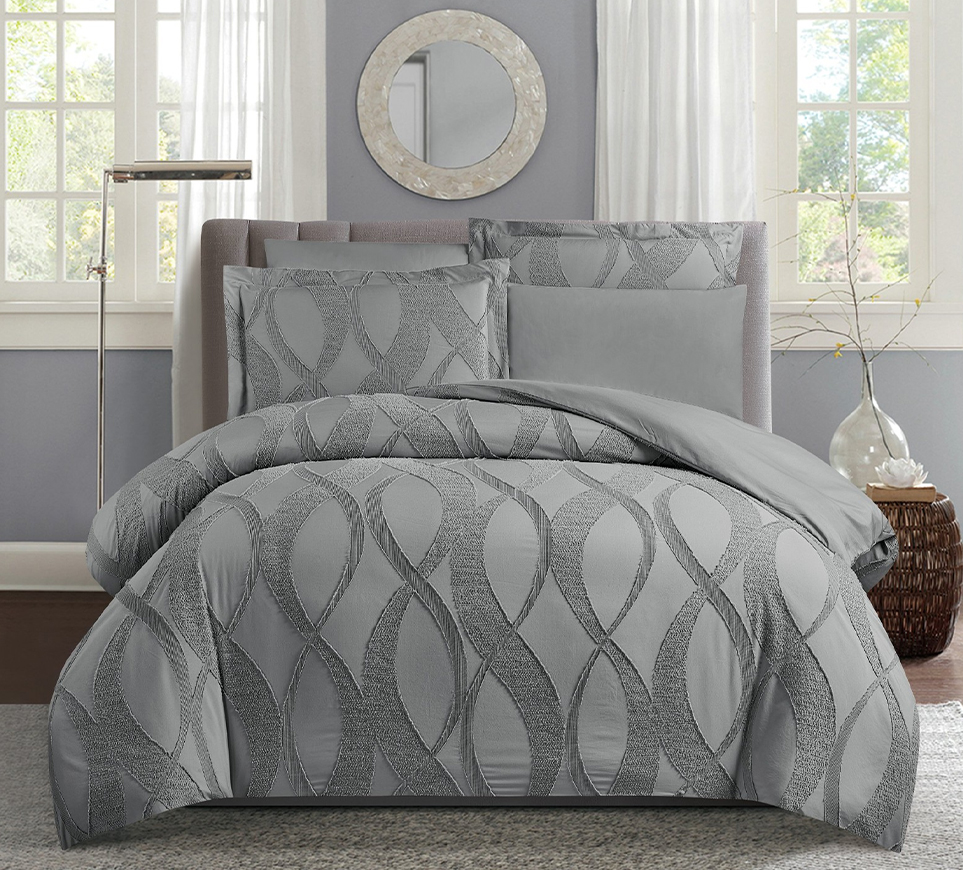
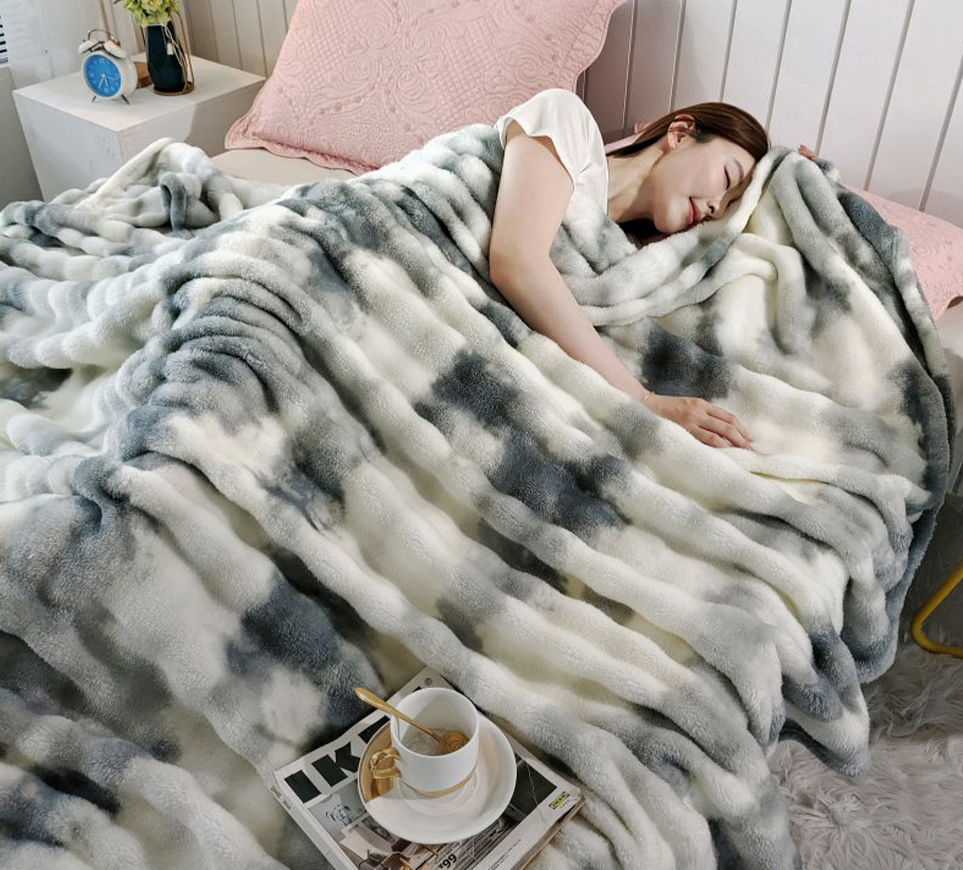
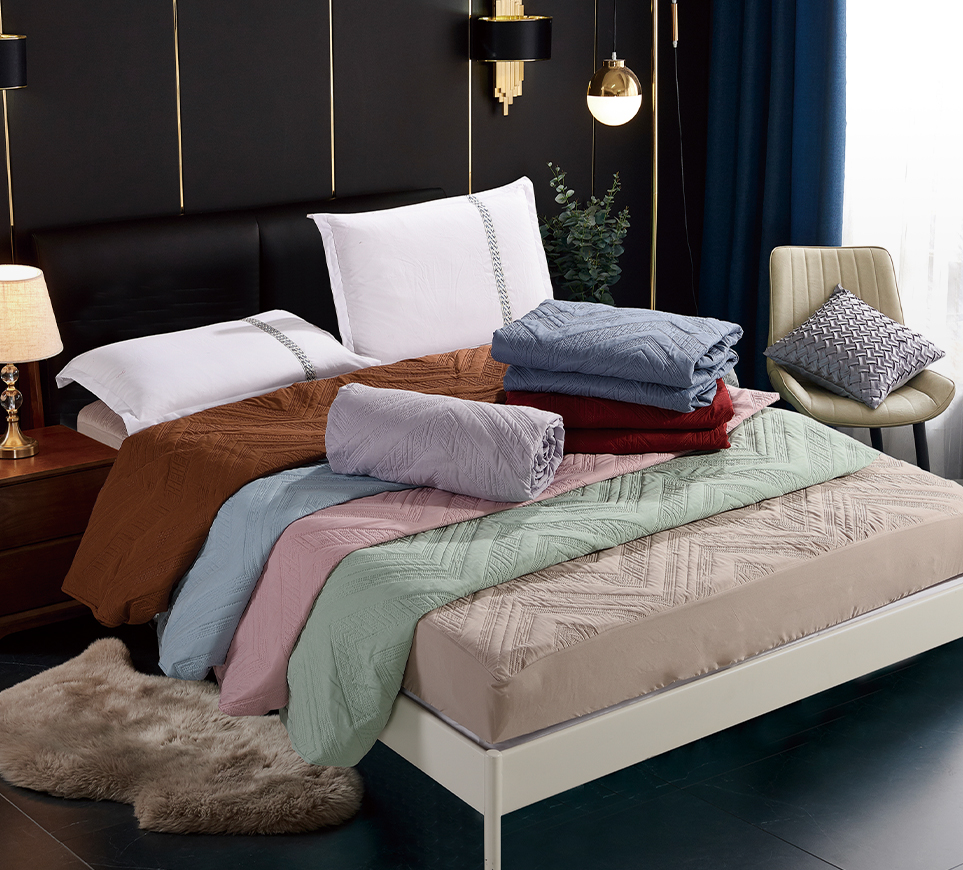
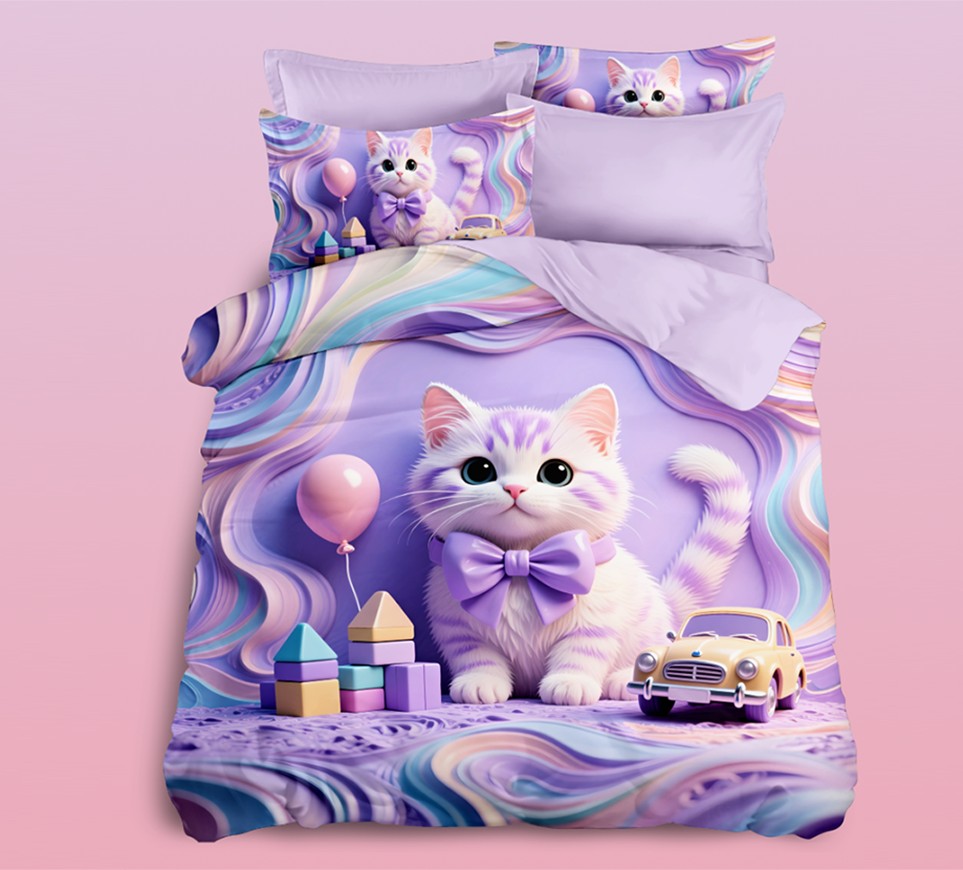
FunctionFast dry and easy to care: Not easy to shrink, no ironing and anti-wrinkle, fast drying after machine washing.Durable and fade resistant: Strong wear resistance, high color fastness, long-term...
See DetailsWhy Choose Us?
Established in 2008, with a 3,000m² professional factory, over 50 employees, and 5 departmental managers.
Coming From China, Marketing To The World.
How to choose more comfortable hotel linen?
Mar 13, 2026
Content
- 1 The Short Answer: 3 Non-Negotiables for Comfortable Hotel Linen
- 2 Why "Comfort" is a Financial Decision for Hoteliers
- 3 Key Factor 1: Mastering Fiber Quality and Length
- 4 Key Factor 2: The Weave Determines the Hand Feel
- 5 Key Factor 3: The "Sweet Spot" of Thread Count
- 6 Key Factor 4: Finish and Construction Details
- 7 Working with Your OEM/ODM Partner
The Short Answer: 3 Non-Negotiables for Comfortable Hotel Linen
To choose comfortable hotel linen, you must prioritize fabric type (100% long-staple cotton), weave (percale for crispness or sateen for softness), and thread count (250-400 for durability and feel). However, comfort is not just about guest experience; it is directly linked to durability. High-quality linen reduces replacement frequency, lowering long-term operational costs.
Why "Comfort" is a Financial Decision for Hoteliers
For procurement managers, selecting linen is a balance between guest satisfaction and cost-per-use. A cheaper sheet that lasts 50 washes might seem economical, but a higher-quality sheet lasting 200 washes often provides a better return on investment. Comfortable linen drives positive reviews and repeat bookings, directly impacting revenue. Furthermore, linen accounts for a significant portion of laundry energy costs; heavier, lower-quality fabrics require more energy to dry.
As a professional China OEM Hotel Linen Supplier, Nantong Noble International Trading Co., Ltd. emphasizes that aesthetic design and functionality must coexist. The goal is to find linen that feels luxurious to the guest but is engineered to withstand the rigors of industrial laundering.
Key Factor 1: Mastering Fiber Quality and Length
The foundation of comfortable hotel linen is the raw cotton fiber. Short fibers create lint and pills, while long fibers create smooth, strong, and soft yarns. Always verify the cotton staple length.
Types of Cotton Used in Hotels
- Egyptian Cotton: Extra-long staple fibers. Extremely soft and durable, but expensive. Often used in luxury suites.
- Pima / Supima® Cotton: Long-staple cotton, a premium American alternative. Excellent durability and softness.
- Upland Cotton (Standard): The most common type. Can be comfortable if combed to remove short fibers, but generally less durable than long-staple varieties.
For budget-conscious projects, a high-quality combed Upland cotton can offer a good balance of comfort and cost, especially when processed by experienced manufacturers.
Key Factor 2: The Weave Determines the Hand Feel
The weave affects texture, breathability, and durability. There are two primary weaves for hotel bedding:
| Weave Type | Feel | Best For | Durability Note |
|---|---|---|---|
| Percale | Crisp, cool, matte | Warm climates, year-round use | Very durable, gets softer with washes |
| Sateen | Silky, smooth, slight sheen | Luxury feel, cooler climates | Prone to snagging if not woven well |
Percale is often the preferred choice for high-turnover hotels because of its durability and the fact it doesn't show wear as quickly as sateen, while still providing a high-comfort feel.
Key Factor 3: The "Sweet Spot" of Thread Count
Thread count is often misleading. A 1,000-thread-count sheet is not necessarily comfortable if it uses multi-ply yarns to inflate the number, resulting in a heavy, cardboard-like feel.
For hotel use, the optimal range is 250 to 400 threads per square inch using single-ply yarns. This range offers the best balance of breathability, softness, and industrial durability. Linen in this range typically lasts through 200-300 commercial wash cycles.
Example: A 300-thread-count, single-ply, long-staple cotton percale sheet is the industry standard for mid-scale to upscale hotels globally. It provides the "crisp" hotel feel guests expect.
Key Factor 4: Finish and Construction Details
Beyond the fabric, the final construction dictates longevity and ease of use for housekeeping staff.
Critical Construction Features
- Hemming: Look for deep, reinforced hems (e.g., 1-inch or more) with double stitching. This prevents tearing during the ironing and folding process.
- Corner Seams: Fitted sheets should have heavy-duty elastic and reinforced corner seams to withstand repeated stretching.
- Mercerization: A process that strengthens cotton fibers, gives a luster, and makes them more receptive to dye, resulting in color retention.
When sourcing from suppliers like Nantong Noble, you can customize these details. For example, specifying a double-needle stitch on pillowcase closures can prevent the fabric from fraying after just 50 washes, a common failure point in lower-quality linen.
Working with Your OEM/ODM Partner
With over 18 years of experience, manufacturers like Nantong Noble International Trading Co., Ltd. can customize materials, sizes, and colors. To ensure comfort, you must communicate your specific needs.
Questions to Ask Your Supplier
- What is the staple length of the cotton used?
- Is the thread count single-ply or multi-ply?
- Can you provide samples of both percale and sateen in the target thread count for a touch test?
- What is the expected lifespan (in washes) of this product under standard hotel laundry conditions?
Always conduct a physical touch test before placing a bulk order. Comfort is subjective, and what feels luxurious in a catalog description might not meet your specific brand standards.
Related products
-
-
FunctionFast drying and easy to take care of: Anti-shrinkage and no ironing, fast drying after machine washing, simplified daily care.Durable color protection: High wear resistance and color fastness,...
See Details -
FunctionStrong warmth: High gram weight provides good insulation performance, suitable for low-temperature environments.Durable anti-wrinkle: High-density structure wear and tear resistance, not easy ...
See Details -
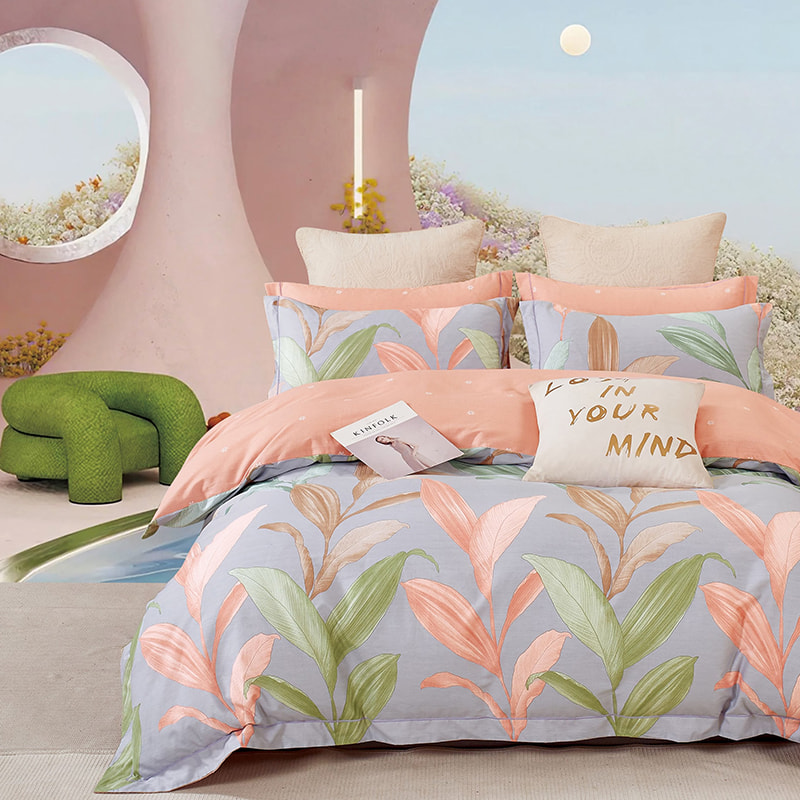
FunctionSkin-friendly breathable: Natural cotton fiber is soft and comfortable, good for breath, and suitable for the use of moisture.Absorption and perspiration: Good moisture absorption, keep dry bo...
See Details -
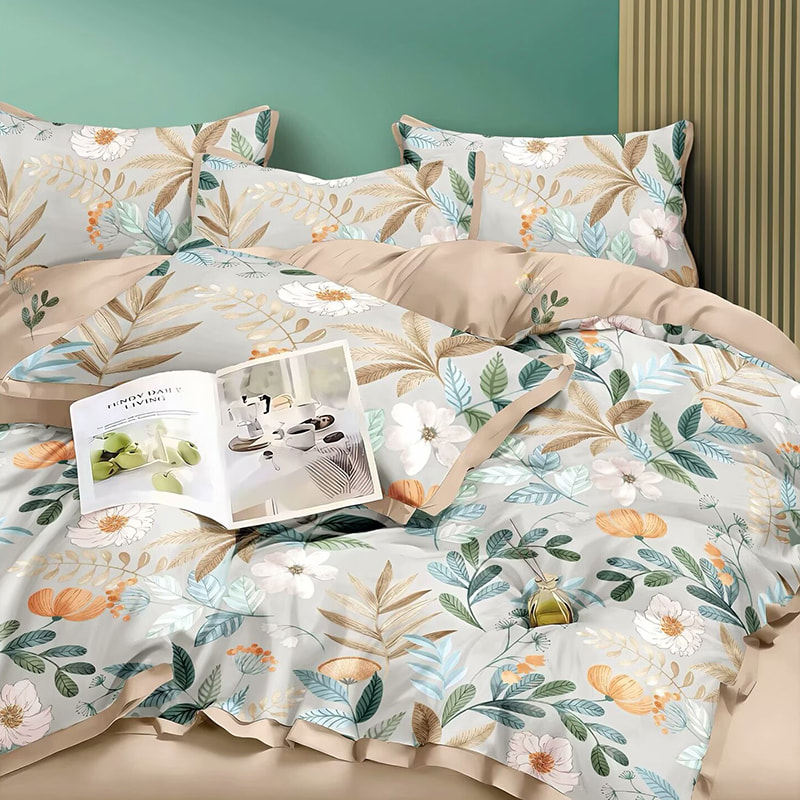
FunctionMore delicate and skin-friendly: Higher than 12868,13372, the fabric is more delicate and soft, the touch is better and more.Breathable: High-density cotton structure further improves moisture...
See Details -
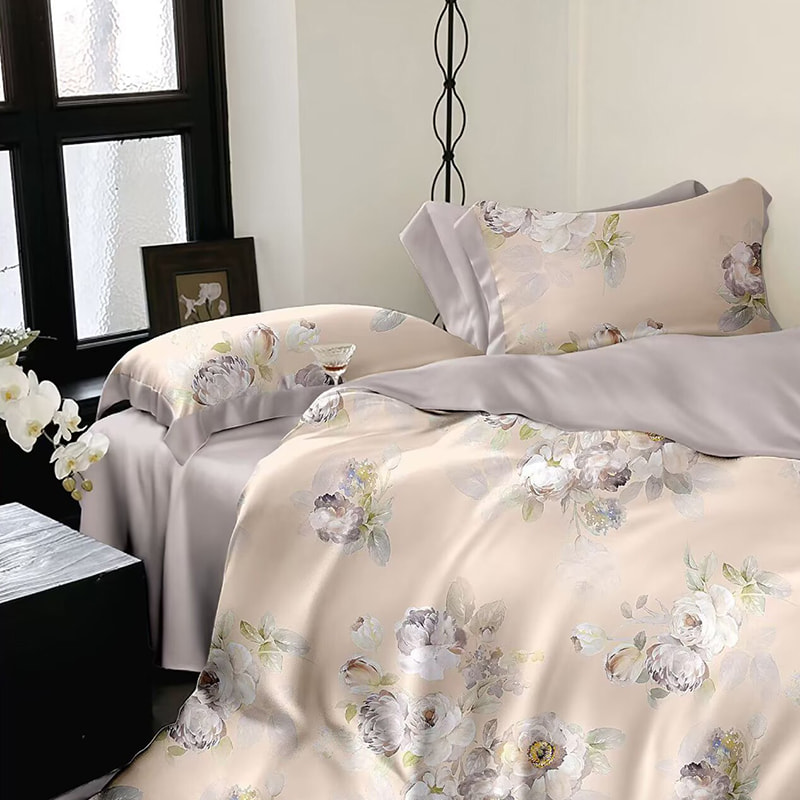
Function Extreme skin affinity: Day silk fiber is soft and smooth, touch like silk, suitable for close-fitting use of moisture. Absorption and breathability: moisture absorption and sweat performance,...
See Details -
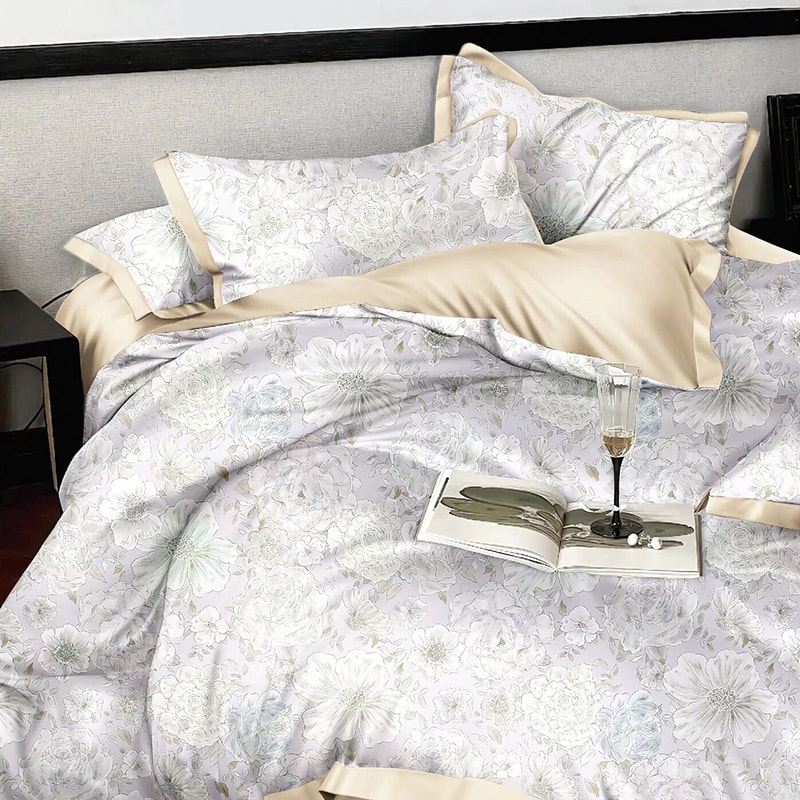
FunctionMore delicate and skin-friendly: Compared with 50S, 60S silk fiber is thinner, softer, smoother, more comfortable for close use, and more moisture absorption.Breathable: Higher branches improv...
See Details -
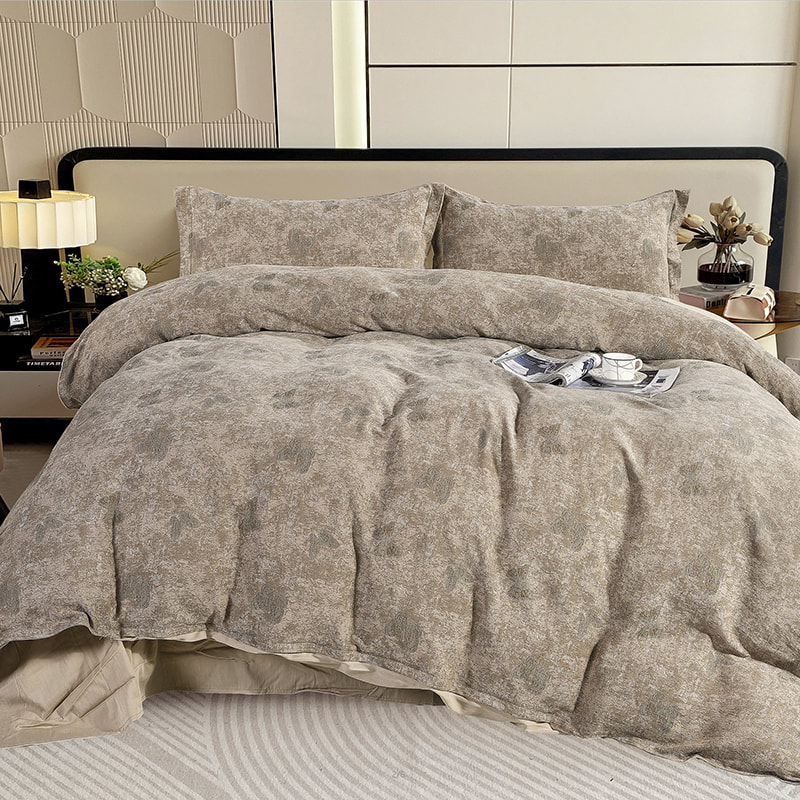
Function Luxury touch: The fiber is soft and smooth, and the jacquard process adds a three-dimensional texture. Touch like silk moisture absorption: moisture absorption performance keeps dry and comfo...
See Details -
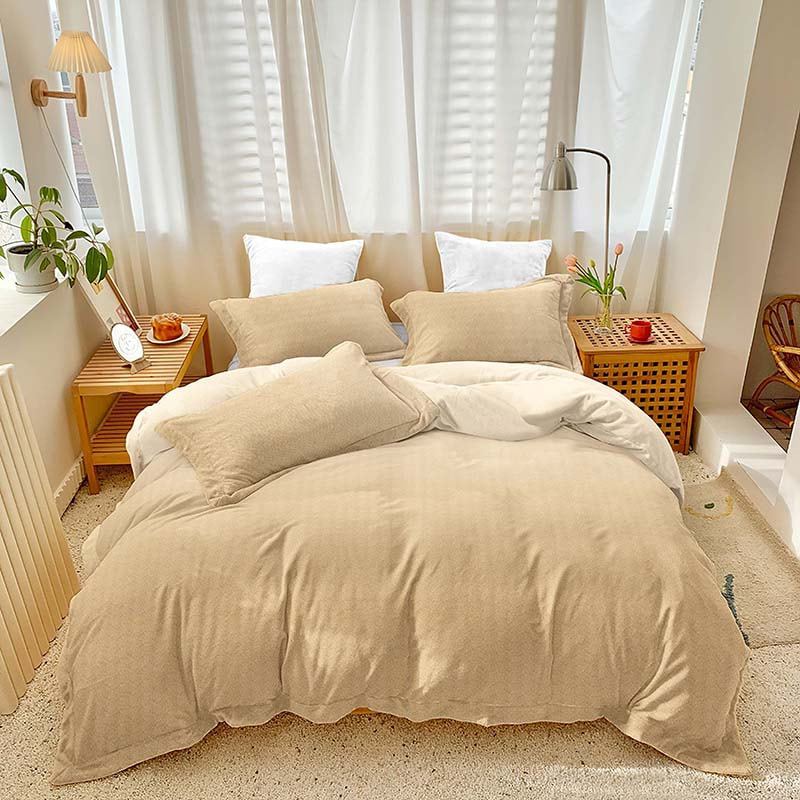
Function Fine pattern performance: Digital printing is higher precision than round net printing, richer color, more delicate pattern, fast dry.Easy to care: The polyester fiber characteristics are unc...
See Details -
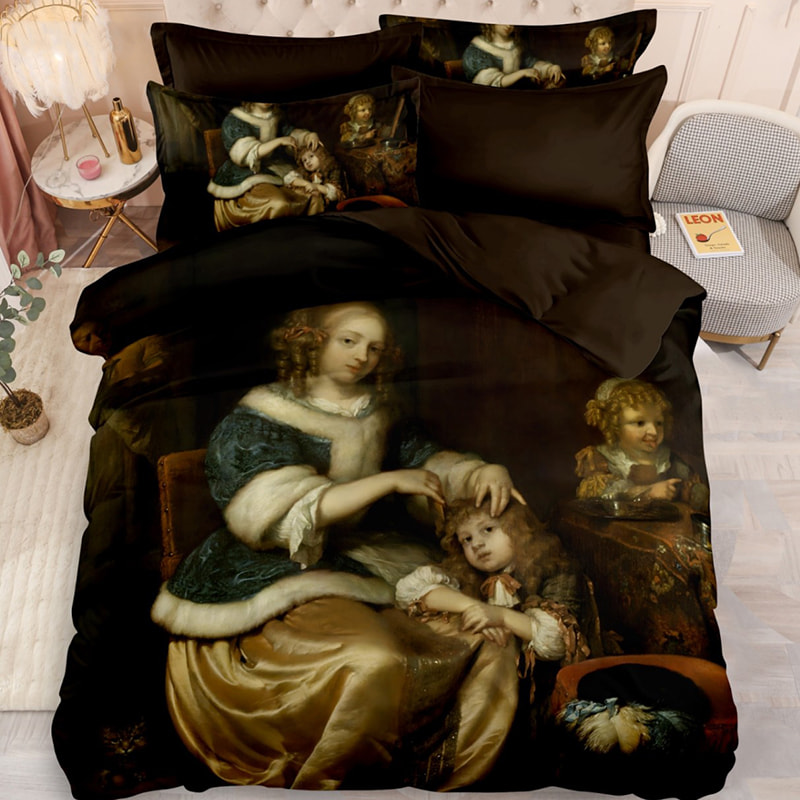
FunctionFine pattern performance: Digital printing is higher precision than round net printing, richer color, more delicate.Durable anti-wrinkle: 130g polyester fiber fabric has a vertical feeling, an...
See Details -
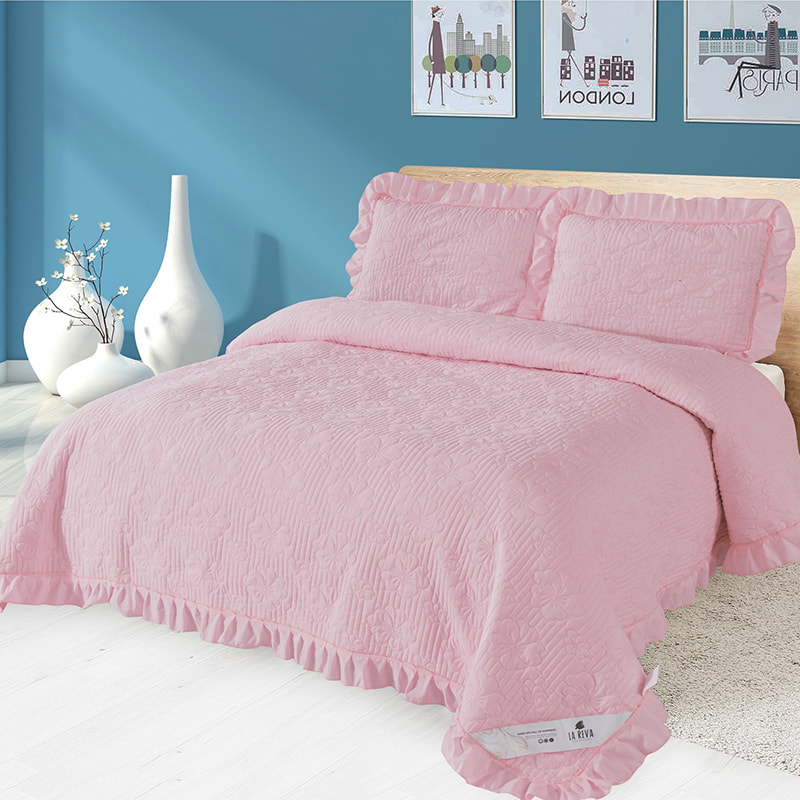
FunctionThin and light: The ultrasonic process does not create pinholes or quilting thread, and the fabric is thin and smooth.Strong decoration: Lace elements add an elegant and romantic sense, enhanc...
See Details -
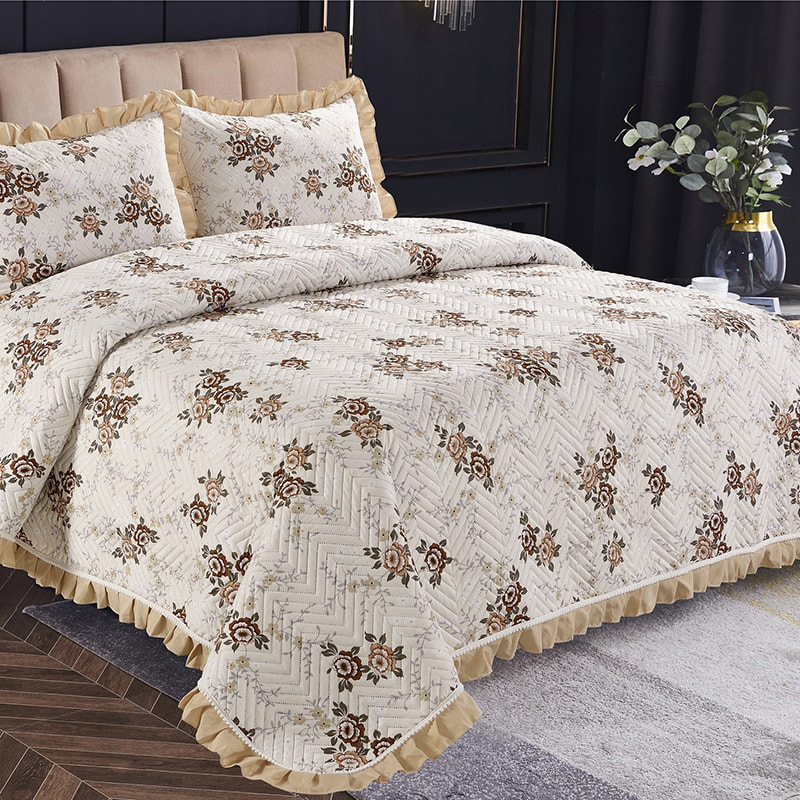
FunctionThin and light: The ultrasonic process does not create a pinhole or quilting thread, and the fabric is thin and smooth.Strong decorative: Print patterns add a sense of art and design, enhancin...
See Details
